Best Tuscan White Bean Soup (Easy One-Pot Recipe)
Discover the best Tuscan White Bean Soup! A hearty, one-pot meal with creamy beans, kale, and fragrant herbs. Perfect for a cozy and satisfying dinner.
cookwithyara.com/recipes/best-tuscan-white-bean-soup
There's a universal truth that connects us all, no matter where we are in the world: nobody truly loves a sink full of dishes. After crafting a beautiful meal, the last thing anyone wants is a mountain of pots and pans to scrub. This is where the magic of a one-pot meal truly shines, and there is no better embodiment of this beautiful philosophy than a rustic, soul-warming bowl of Tuscan White Bean Soup. It's a recipe that feels like a hug from the inside—a humble yet profound dish that proves you don't need complicated techniques or a dozen different pans to create something truly spectacular.
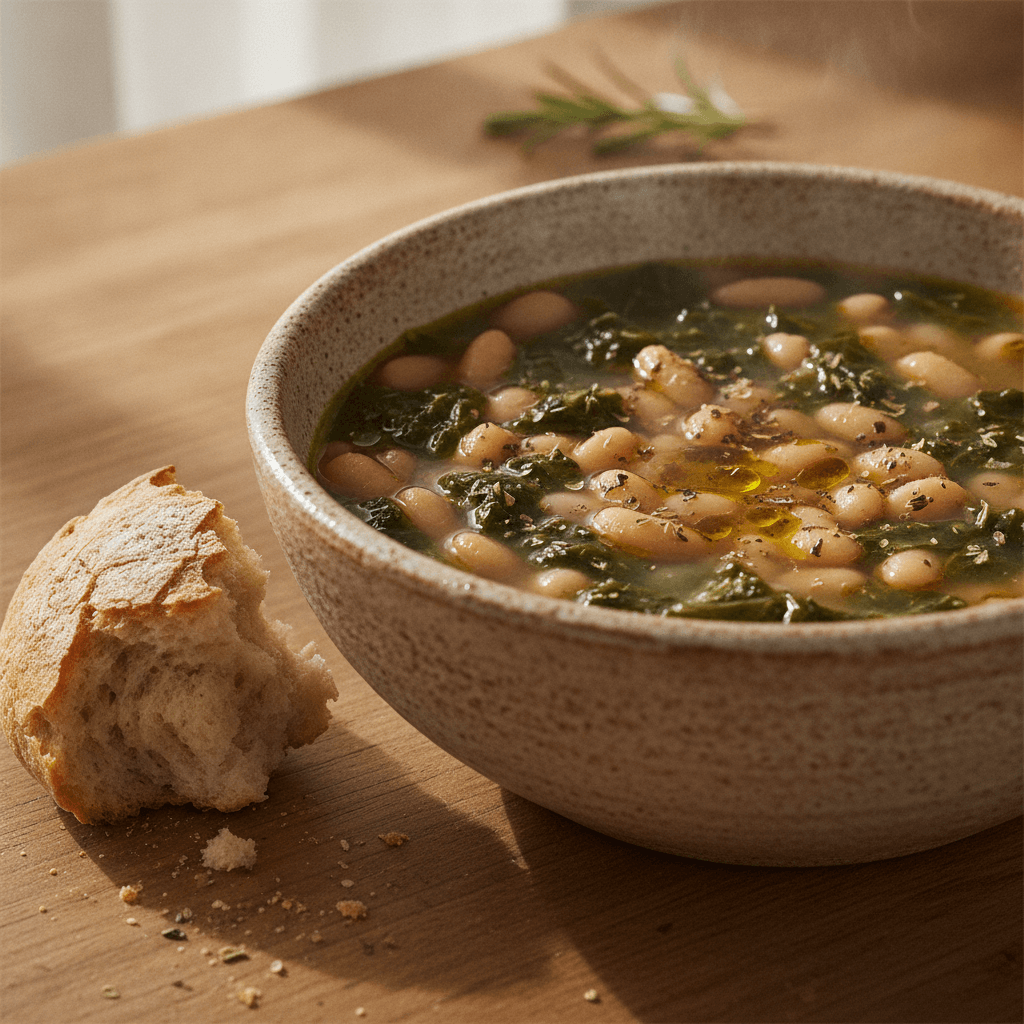
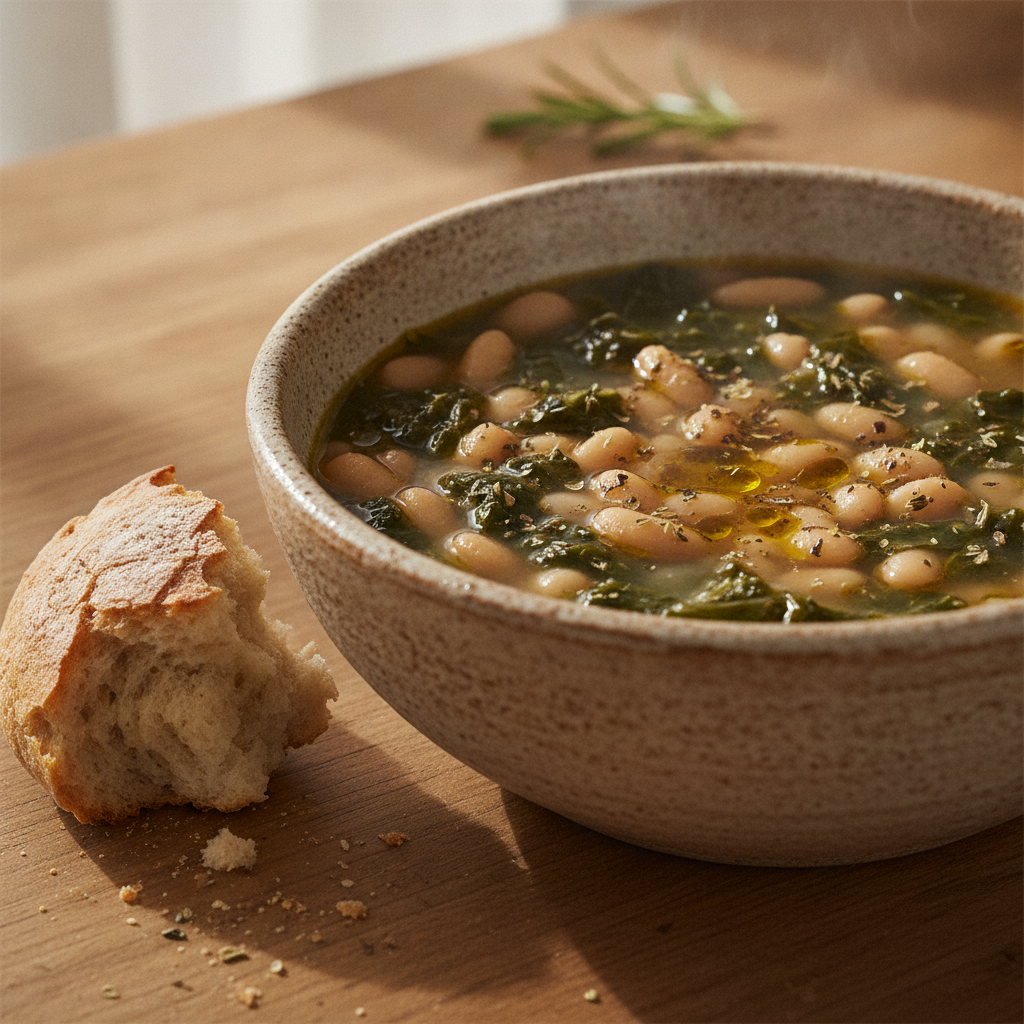
Imagine a deep, heavy-bottomed pot, simmering gently on your stovetop. Inside, fragrant olive oil shimmers, releasing the sweet aroma of softened onions, carrots, and celery. Hearty cannellini beans swim in a savory broth infused with rosemary and thyme, while ribbons of deep green kale wilt into tender submission. Each spoonful is a perfect harmony of creamy, hearty, and fresh. This is the essence of my favorite Tuscan White Bean Soup. It’s the kind of meal that gathers everyone around the table, a testament to the power of simple ingredients treated with care. The best part? Everything happens in that one glorious pot, meaning cleanup is an absolute breeze. Get ready for a dinner that tastes like you’ve been cooking all day, with the ease of a weeknight wonder.
The Beauty of a One-Pot Meal: The Tuscan White Bean Soup
The one-pot philosophy is about more than just minimizing cleanup; it's a culinary technique that actively builds deeper, more cohesive flavors. When you cook everything in a single vessel, nothing is lost. Every bit of caramelization, every drop of savory juice from the vegetables, and every fragrant note from the herbs becomes a foundational layer in the final dish. This is especially true for the Best Tuscan White Bean Soup, a recipe that relies on this very principle to achieve its signature rustic depth.
The process begins with the soffritto—a trio of finely chopped onion, carrot, and celery—gently sweating in olive oil. This isn't a step to be rushed. As these vegetables cook down slowly in the pot, they release their sugars and soften, creating a sweet and aromatic base. Any browned bits that form on the bottom of the pot, known as 'fond', are pure flavor gold. Later, when the broth is added, these bits are scraped up, dissolving back into the soup and lending an incredible, savory complexity that you simply can't replicate by cooking components separately.
As the soup simmers, the magic continues. The starches from the cannellini beans begin to release, ever so slightly, creating a naturally creamy, luscious texture without a drop of dairy. The herbs, like rosemary and thyme, infuse their woodsy essence directly into the broth, and finally, the kale wilts down, absorbing all those beautiful, mingled flavors. It's a continuous, harmonious process where each ingredient gives something to the pot and takes something back. This is the genius of one-pot cooking: it is simultaneously the most efficient and the most flavorful way to create a truly memorable meal like this authentic Tuscan White Bean Soup.
The Heart of the Soup: Choosing Your Ingredients
A simple soup demands high-quality ingredients, as each one plays a crucial role. The beauty of a Tuscan White Bean Soup lies in its humble origins, transforming everyday pantry staples into something extraordinary. Let's walk through the essential components that make this recipe sing.
First and foremost, the beans. Cannellini beans are the classic choice, and for good reason. They are large, kidney-shaped beans with a wonderfully creamy texture and a mild, nutty flavor that holds up well to simmering. Their skins are tender, and they break down just enough to contribute to the soup's velvety body. While you can use other white beans like Great Northern or navy beans, cannellini beans are my top recommendation for achieving that authentic texture. Canned beans offer incredible convenience, but if you have the time to cook dried beans from scratch, you'll be rewarded with an even more nuanced flavor and the bonus of a rich, starchy cooking liquid to add to your soup.
The foundation of any great Italian soup is the soffritto. This isn't just a random mix of vegetables; it's a holy trinity of flavor. Yellow onion provides a pungent sweetness, carrots lend a subtle earthy sweetness and beautiful color, and celery adds a clean, slightly peppery note that balances the richness. The key is to chop them finely and uniformly so they cook down into a soft, cohesive base.
For the greens, Lacinato kale (also known as dinosaur or Tuscan kale) is the perfect partner. Its dark, bumpy leaves are heartier than curly kale, meaning they become wonderfully tender without turning to mush. They also have a deeper, earthier flavor that complements the beans perfectly. Spinach is a possible substitute, but it should be added right at the very end, as it wilts much faster.
No Mediterranean dish is complete without excellent extra virgin olive oil. Here, it serves two purposes: a workhorse oil for sautéing the soffritto, and a luxurious finishing oil drizzled over the top of each bowl just before serving. This final drizzle adds a fresh, peppery, and fruity note that awakens all the other flavors. Finally, aromatics like garlic, fresh rosemary, and thyme provide the soul of the soup. These herbs are quintessentially Tuscan and give the dish its signature fragrant, woodsy aroma that will fill your entire kitchen with warmth.
From Pot to Bowl: A Step-by-Step Guide to Cooking
Crafting the perfect Tuscan White Bean Soup is a gentle, rhythmic process of layering flavors. It’s less about strict rules and more about understanding how each step builds upon the last. Let's walk through the journey from a simple pot to a comforting bowl.
The first and most crucial stage is building the flavor base. Begin by warming a generous amount of good-quality olive oil in a heavy-bottomed pot or Dutch oven over medium heat. Add your finely diced onion, carrots, and celery—the soffritto. This is not the time for high heat and sizzling; you want to gently sweat the vegetables for a good 8-10 minutes. The goal is for them to become exceptionally soft, translucent, and sweet, without taking on much color. This patient start coaxes out their natural sugars and creates a profoundly flavorful foundation that will permeate the entire soup.
Once the soffritto is perfectly soft, it's time to introduce the aromatics. Add the minced garlic and cook for just another minute until it becomes fragrant. You want to cook out the raw bite of the garlic without letting it burn, as browned garlic can become bitter. Next, add a spoonful of tomato paste. This is a secret weapon for umami depth. Stir it into the vegetables and let it cook for a minute or two. You'll notice it darkens in color slightly; this 'toasting' step deepens its flavor from simply tomato-y to rich and savory.
Now, it's time for the liquids and the star of the show. Pour in the vegetable broth, using a wooden spoon to scrape up any delicious browned bits from the bottom of the pot. Add the rinsed and drained cannellini beans, along with the fresh rosemary and thyme sprigs. Bring the mixture to a gentle simmer, then reduce the heat to low, cover the pot, and let it cook for at least 20-25 minutes. This simmering time is essential; it allows the beans to absorb the flavors of the broth and herbs, and for all the elements to meld together beautifully.
For the final act, you’ll create the soup's signature creamy texture. Scoop out about a cup of the beans and broth, and either mash them with a fork or give them a quick blitz with an immersion blender before stirring them back into the pot. This simple technique thickens the soup naturally. Finally, stir in the chopped kale and let it cook for another 5-7 minutes, just until the leaves are tender and have turned a vibrant dark green. Give it a final taste, season generously with salt and freshly ground black pepper, and your Best Tuscan White Bean Soup is ready to be served.
Secrets to the Best Tuscan White Bean Soup
While this soup is beautifully simple, a few key techniques can elevate it from merely good to truly unforgettable. These are the little secrets that coax out the maximum flavor from each ingredient and create that perfect rustic texture you're looking for.
First, embrace the power of the bean mash. This is the most important trick for achieving a creamy, luxurious broth without any dairy. By taking out a cup of the soup—beans and broth included—and mashing or blending it into a rough purée, you release the starches from within the beans. When you stir this mixture back into the pot, it acts as a natural thickener, giving the soup a wonderful body and velvety mouthfeel. Don't overdo it; you still want plenty of whole beans for texture.
Second, don't skimp on the broth. Since the broth makes up the bulk of your soup, its quality matters immensely. If you have homemade vegetable stock, now is the time to use it. If not, opt for the best-quality, low-sodium store-bought vegetable broth you can find. A rich, flavorful broth provides a savory backbone that water simply cannot match, making the final dish taste infinitely more complex and satisfying.
Third, master the art of the finishing oil. In Mediterranean cooking, olive oil isn't just for sautéing; it's also a condiment. After you've ladled your beautiful Tuscan White Bean Soup into bowls, a generous drizzle of high-quality, extra-virgin olive oil over the top is non-negotiable. This final touch adds a fresh, peppery, and fruity aroma that hits your senses just before you take the first bite, awakening the entire dish.
Another secret is patience with your greens. Add the kale at the very end of the cooking process. You want to wilt it until it's tender but still retains a hint of its texture and its vibrant, deep green color. Overcooking kale can make it lose its flavor and become drab, so watch it carefully—it only needs about 5 to 7 minutes of simmering.
Finally, let the soup rest. Like many stews and braises, this Tuscan White Bean Soup is even better after it has had about 15-20 minutes to sit off the heat before serving. This resting period allows the flavors to meld and deepen even further, resulting in a more cohesive and delicious spoonful every time.
Making It a Meal: What to Serve Alongside
This Tuscan White Bean Soup is wonderfully hearty and can certainly stand on its own as a complete meal. However, serving it with a few simple accompaniments can elevate the entire experience, turning a simple dinner into a memorable feast. The key is to choose pairings that complement the soup's rustic character without overshadowing it.
The most classic and essential partner is a loaf of good, crusty bread. Whether it's a rustic Italian loaf, a chewy sourdough, or a simple baguette, you need something to tear and dunk into that savory, creamy broth. The bread acts as the perfect vessel for soaking up every last delicious drop. For an extra layer of flavor, toast thick slices of the bread, rub them with a clove of raw garlic, and drizzle with a little olive oil to make simple bruschetta.
To add a touch of freshness and cut through the richness of the soup, a simple green salad is a wonderful choice. A handful of arugula or mixed greens tossed in a bright lemon vinaigrette provides a peppery, acidic contrast that cleanses the palate between spoonfuls. The simplicity of the salad ensures that the soup remains the star of the show.
If you want to add another layer of herbaceous brightness directly to the soup, consider a simple gremolata. This classic Italian condiment is a finely chopped mixture of fresh parsley, lemon zest, and garlic. A small spoonful sprinkled over each bowl just before serving adds an incredible pop of fresh, zesty flavor that beautifully complements the earthy beans and rosemary. It's a simple touch that makes the dish feel instantly more vibrant and special.
The Next Day's Delight: Storing and Reheating Your Soup
One of the most wonderful things about this Tuscan White Bean Soup is that its flavor actually deepens and improves overnight. The time spent resting in the refrigerator allows the herbs, aromatics, and beans to meld together even more, making leftovers something to truly look forward to.
To store the soup, allow it to cool down completely at room temperature before transferring it to an airtight container. It will keep beautifully in the refrigerator for up to 4 or 5 days. You will notice that the soup thickens considerably as it chills. This is perfectly normal; the starches from the mashed beans continue to work their magic, creating an almost stew-like consistency. This is not a problem at all and is easily fixed during reheating.
When you're ready to enjoy your leftovers, simply place the desired amount of soup in a saucepan over medium-low heat. As it begins to warm up, add a splash of vegetable broth or water to thin it back down to your preferred consistency. Stir gently as it heats to ensure it doesn't stick to the bottom of the pot. You may need to adjust the seasoning with a little more salt and pepper after adding liquid. Avoid reheating it in the microwave if possible, as stovetop reheating gives you more control and heats the soup more evenly.
This leftover soup also makes a fantastic base for a new meal. You can stir in some cooked grains like farro or quinoa, or add leftover roasted vegetables to make it even heartier. It's the perfect canvas for improvisation, making it a gift that keeps on giving throughout the week.
Your Tuscan White Bean Soup Questions Answered
Can I use dried beans instead of canned?
Absolutely! Using dried beans will result in an even more flavorful soup. You'll need to soak about 1.5 cups of dried cannellini beans overnight, then simmer them in fresh water until tender before proceeding with the recipe. Don't forget to save the bean cooking liquid! You can use it in place of some of the vegetable broth for an extra layer of flavor and creaminess.
What other greens can I use besides kale?
Lacinato kale is my favorite for its texture, but you have options. Swiss chard is a fantastic substitute; just chop the stems and add them with the soffritto, then add the leaves at the end as you would with kale. Spinach also works well, but it's much more delicate. You should stir it in at the very end, right after you turn off the heat, as the residual warmth will be enough to wilt it perfectly.
How can I make the soup even creamier without dairy?
Besides mashing a portion of the beans, you can take it a step further. Use an immersion blender and give the soup just a few quick pulses directly in the pot. Be careful not to overdo it, as you want to maintain plenty of texture from the whole beans and vegetables. This will create pockets of creamy purée throughout the broth for an even more luscious feel.
Is this soup freezer-friendly?
Yes, this Tuscan White Bean Soup freezes wonderfully! Let the soup cool completely, then transfer it to freezer-safe containers, leaving a little bit of space at the top for expansion. It can be frozen for up to 3 months. To serve, thaw it overnight in the refrigerator and reheat gently on the stovetop, adding a splash of broth or water to adjust the consistency as needed.
Can I add extra protein to this soup?
Certainly. To keep it plant-based, a can of chickpeas rinsed and drained would be a delicious and fitting addition. You can add them along with the cannellini beans. For those who eat poultry, you could stir in some shredded rotisserie chicken or smoked turkey near the end of the cooking time for a smokier, heartier meal.
Best Tuscan White Bean Soup
A rustic and hearty one-pot Tuscan White Bean Soup made with creamy cannellini beans, kale, and fragrant herbs like rosemary and thyme. This simple, satisfying recipe is perfect for a cozy meal.
Prep Time
15 min
Cook Time
45 min
Total Time
60 min
Servings
6 servings
Ingredients
For 6 servings
- 3 tablespoons extra virgin olive oil, plus more for serving
- 1 large yellow onion, finely chopped
- 2 medium carrots, finely chopped
- 2 celery stalks, finely chopped
- 4 cloves garlic, minced
- 1 tablespoon tomato paste
- 1/2 teaspoon dried oregano
- 1/4 teaspoon red pepper flakes (optional, for gentle heat)
- 6 cups low-sodium vegetable broth
- 2 (15-ounce) cans cannellini beans, rinsed and drained
- 2 sprigs fresh rosemary
- 3 sprigs fresh thyme
- 1 bay leaf
- 1 bunch Lacinato kale (about 5-6 large leaves), stems removed and leaves chopped
- 1 teaspoon kosher salt, or to taste
- 1/2 teaspoon freshly ground black pepper, or to taste
Instructions
- 1
Prepare the Soffritto Base
Heat 3 tablespoons of olive oil in a large Dutch oven or heavy-bottomed pot over medium heat. Add the chopped onion, carrots, and celery. Sauté gently for 8-10 minutes, stirring occasionally, until the vegetables are very soft and translucent but not browned.
- 2
Bloom the Aromatics
Add the minced garlic and cook for another minute until fragrant. Stir in the tomato paste, dried oregano, and red pepper flakes (if using). Cook for 1-2 minutes, stirring constantly, until the tomato paste darkens slightly in color.
- 3
Add Liquids and Beans
Pour in the vegetable broth, using a wooden spoon to scrape up any browned bits from the bottom of the pot. Add the rinsed and drained cannellini beans, fresh rosemary sprigs, thyme sprigs, and the bay leaf.
- 4
Simmer for Flavor
Increase the heat to bring the soup to a gentle simmer. Once simmering, reduce the heat to low, cover the pot, and let it cook for at least 20 minutes to allow the flavors to meld together.
- 5
Create the Creamy Texture
Carefully remove the rosemary, thyme stems, and bay leaf. Scoop out about 1.5 cups of the soup (broth and beans) and transfer to a small bowl. Mash the beans with a fork or the back of a spoon until a rough purée forms.
- 6
Thicken the Soup
Stir the mashed bean mixture back into the pot. This will naturally thicken the soup, giving it a creamy, luscious consistency without any dairy.
- 7
Wilt the Kale
Stir in the chopped kale. Allow the soup to simmer for another 5-7 minutes, uncovered, until the kale is tender and has turned a vibrant dark green.
- 8
Final Seasoning and Rest
Turn off the heat. Season the soup with kosher salt and freshly ground black pepper to your taste. Let the soup rest for 5-10 minutes before serving for the flavors to settle.
- 9
Serve and Garnish
Ladle the hot soup into bowls. Garnish with a generous drizzle of high-quality extra virgin olive oil and an extra crack of black pepper. Serve immediately with crusty bread for dipping.
Nutrition Facts
Per serving (estimated)
320 calories
Calories
45g
Carbs
14g
Protein
10g
Fat
12g
Fiber
650mg
Sodium
8g
Sugar