Easy Fattoush Salad Recipe (Ready in 20 Minutes!)
Discover how to make the best easy fattoush salad! A vibrant, crunchy Lebanese bread salad with a zesty sumac dressing. Perfect for a quick, healthy meal.
cookwithyara.com/recipes/easy-fattoush-salad
There are days when the thought of cooking a complicated meal feels utterly overwhelming. The hours blur together, schedules are packed, and by the time dinner rolls around, you’re craving something that is deeply satisfying without demanding all of your remaining energy. You want fresh, you want vibrant, you want flavor that awakens the senses, but you need it to be fast. I know that feeling so well, and on those evenings, I turn to this beautiful, life-giving easy fattoush salad.
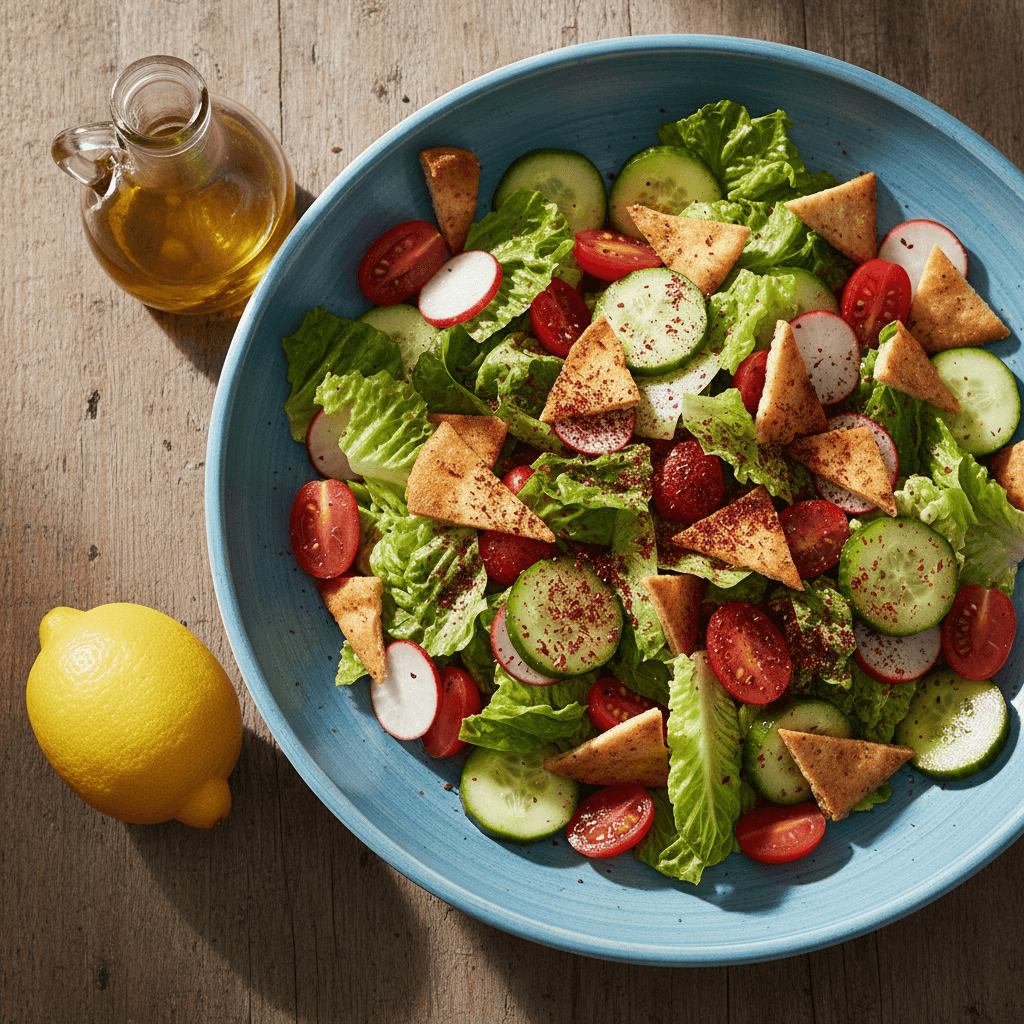
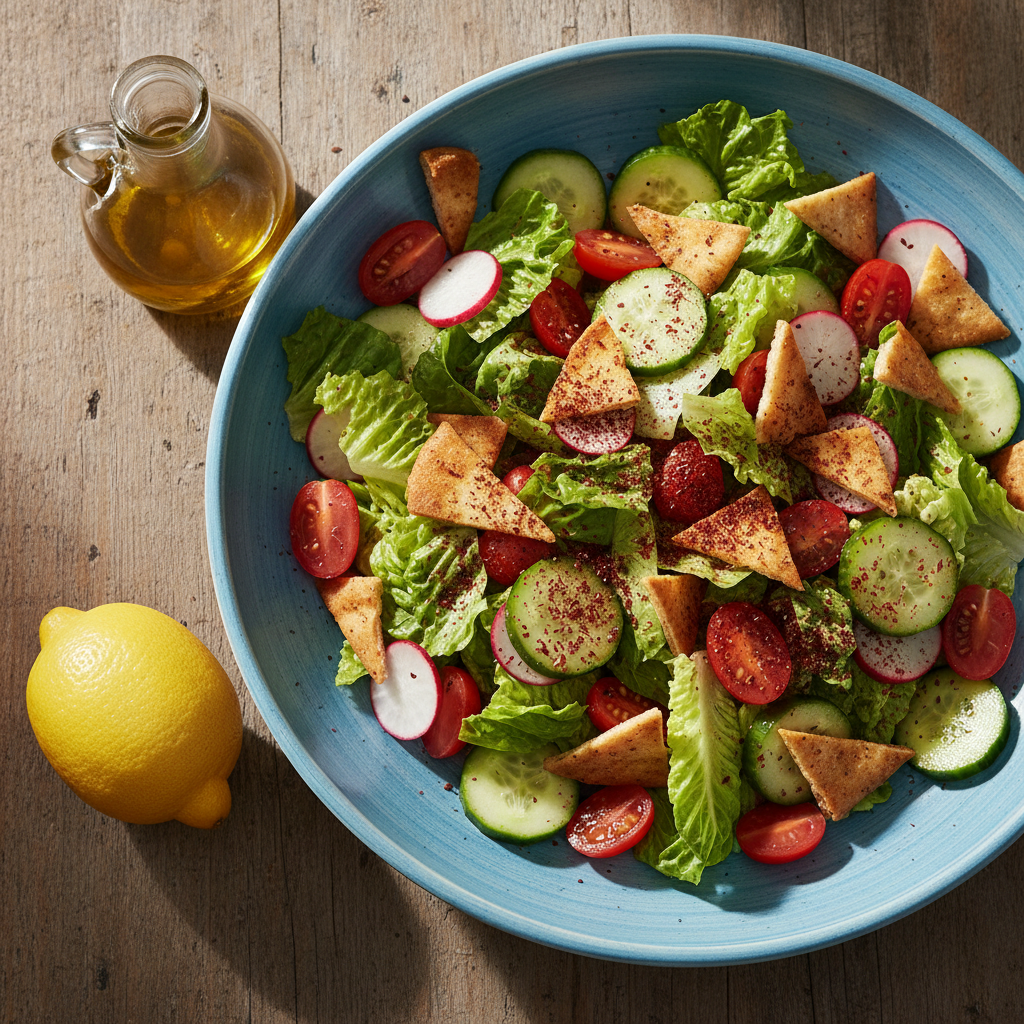
This isn't just any salad; it's a celebration in a bowl, a cornerstone of Levantine cuisine that embodies the beauty of simplicity. Imagine this: a mosaic of crisp lettuce, juicy tomatoes, cool cucumbers, and sharp radishes, all tangled with fragrant mint and parsley. The real magic, though, is the texture—the crunch of perfectly toasted pita bread scattered throughout, offering a hearty, savory contrast to the fresh vegetables. Tying it all together is a luminous, zesty dressing, shimmering with the tangy, deep red jewel of sumac and the bright spark of fresh lemon juice. This is more than a meal; it’s an experience. From kitchen to table, I promise you can have this stunning easy fattoush salad ready to enjoy in under 30 minutes. Let’s bring some brightness back to your table.
Why This Is Your New Go-To Salad
When a recipe becomes a staple in my kitchen, it has to earn its place. It needs to be reliable, delicious, and adaptable. This easy fattoush salad checks every single box, and I am certain it will become a favorite for you and your family as well. It’s the kind of dish that fits seamlessly into the rhythm of a busy life while still feeling special.
Lightning-Fast Preparation. From gathering your vegetables to tossing the final salad, you can have this on the table in about 20 minutes. The chopping is meditative, the dressing comes together in a jar with a quick shake, and the assembly is a breeze. It’s the ultimate answer to the “what’s for dinner?” question on a hectic evening.
A Symphony of Textures. What makes a truly memorable salad? For me, it’s all about contrast. This easy fattoush salad delivers in spades. You get the substantial crunch from the toasted pita, the crisp, watery freshness of the romaine and cucumber, the juicy burst of ripe tomatoes, and the gentle peppery bite of radishes. Every forkful is a delightful adventure.
Pantry-Powered Dressing. The heart of any great fattoush is its dressing, and this one is made from ingredients you likely already have. Good quality olive oil, a lemon, a clove of garlic, and the star spice, sumac. There’s no need for a special trip to the store to create a dressing that sings with authentic Levantine flavor.
Use-What-You-Have Flexibility. While there is a classic combination of vegetables for fattoush, don't feel constrained by it. Think of this recipe as a template. Have some bell peppers? Throw them in! A bit of arugula that needs using? It will add a lovely peppery note. This salad graciously welcomes whatever fresh produce you have on hand.
Healthy That You’ll Actually Crave. We all want to eat well, but it has to be enjoyable. This easy fattoush salad is packed with vitamins, fiber, and wholesome ingredients. Yet, it’s so full of flavor and satisfying textures that it feels like an indulgence. It’s a vibrant, nourishing meal that leaves you feeling energized and happy.
Simple Ingredients, Big Flavor
The beauty of Levantine cooking often lies in its ability to take a handful of simple, high-quality ingredients and transform them into something extraordinary. This easy fattoush salad is a perfect example of that philosophy. There’s nothing here you won’t recognize, but together, they create a harmony of flavors that is truly special.
- Pita Bread: This is the heart and soul of the “fattoush” (which comes from the Arabic word for “crushed” or “crumbs”). Using day-old pita is actually preferable, as it has less moisture and toasts up beautifully. It provides the essential, satisfying crunch.
- Romaine Lettuce: I love romaine for its sturdiness. It stays crisp even after being dressed, providing a refreshing and hydrating base that doesn’t wilt away.
- The Veggie Quartet: A classic fattoush relies on the combination of tomatoes, cucumbers, radishes, and green onions. Juicy tomatoes, crisp Persian cucumbers, peppery radishes, and the mild bite of green onions create a balanced, foundational flavor profile. If you can find them, Kirby or Persian cucumbers are fantastic for their minimal seeds and maximum crunch.
- Fresh Herbs: Never underestimate the power of fresh mint and parsley. They aren't just a garnish here; they are integral ingredients that lift the entire salad with their bright, aromatic notes. They are the essence of a Mediterranean garden.
- Sumac: This is the non-negotiable, star ingredient. Made from dried, ground berries of the sumac bush, it has a wonderfully tangy, almost lemony flavor and a gorgeous deep red color. It’s what gives fattoush its signature zing.
- Pomegranate Molasses: While some recipes consider it optional, I believe it’s the secret weapon. This thick, tart, and slightly sweet syrup adds an incredible depth and complexity to the dressing that lemon juice alone cannot replicate. A little goes a long way.
- Lemon Juice & Extra Virgin Olive Oil: The classic Mediterranean dressing duo. Use freshly squeezed lemon juice for the brightest flavor, and a good quality extra virgin olive oil for its fruity, rich taste that forms the backbone of the vinaigrette.
Step-by-Step in Plain English
Making a truly delicious easy fattoush salad is less about a rigid set of rules and more about understanding a simple, graceful flow. Once you grasp the core stages, you'll be able to whip this up from memory, customizing it as you go. Let’s walk through the process together.
Stage 1: Toast the Pita (About 10-12 minutes). This is where you build the foundational crunch. You’ll cut your pita bread into bite-sized pieces, toss them with a little olive oil and a sprinkle of salt, and toast them until they are golden brown and wonderfully crisp. You can do this in the oven, in a skillet, or even in an air fryer. The goal is a deep, satisfying crunch in every piece. Keep a close eye on them; they can go from golden to burnt quickly!
Stage 2: Prepare Your Fresh Ingredients (About 10 minutes). While the pita is toasting, it’s the perfect time for your meditative chopping. Wash and chop your romaine, dice your tomatoes and cucumbers, thinly slice your radishes and green onions, and finely chop your fresh parsley and mint. The key here is to aim for roughly uniform, bite-sized pieces so that you get a little bit of everything in each forkful.
Stage 3: Whisk the Magical Dressing (2 minutes). This is the easiest, yet most transformative, part. In a small bowl or a glass jar with a lid, you’ll combine your extra virgin olive oil, fresh lemon juice, pomegranate molasses, minced garlic, sumac, salt, and pepper. If you’re using a jar, just screw on the lid and shake it vigorously for about 30 seconds. You’ll see the ingredients emulsify into a beautiful, glossy, deep-red vinaigrette. Always taste it and adjust the seasoning—it should be bright, tangy, and bold.
Stage 4: The Grand Assembly (1 minute). This is the final, crucial step, and timing is everything. Just before you’re ready to serve, combine all your chopped vegetables and herbs in a large, wide salad bowl. Drizzle over about two-thirds of the dressing and toss gently to coat everything. Then, add most of your toasted pita chips and toss again. You want the pita to absorb some dressing but not become soggy. Serve immediately, scattering the remaining pita chips and an extra sprinkle of sumac over the top for that final flourish of color and crunch.
The Heart of Fattoush: The Dressing
A salad is only as good as its dressing, and the dressing for this easy fattoush salad is what elevates it from a simple mix of vegetables to a true Levantine icon. It’s a vibrant, assertive vinaigrette that’s perfectly balanced. Understanding its components is key to mastering the dish.
The undeniable star is sumac. If you're new to this spice, prepare to fall in love. It's not spicy hot; rather, it possesses a bright, sour, and astringent quality that is incredibly refreshing. Its flavor is often compared to lemon, but it's deeper, earthier, and less sharp. When you see its beautiful, deep-red flecks coating the lettuce, you know you're in for an authentic treat. Be generous with it—it’s not just for color; it's the primary flavor driver.
Next is the ingredient I consider the secret to a truly exceptional fattoush dressing: pomegranate molasses. This thick, syrupy condiment is made by reducing pomegranate juice until it’s dark and concentrated. It contributes a complex sweet-and-sour flavor that lemon juice can't provide on its own. It adds a background note of fruity depth and a subtle sweetness that rounds out the sharp edges of the lemon and sumac, creating a perfectly harmonious taste.
Of course, we have the foundational duo of fresh lemon juice and extra virgin olive oil. Don’t be tempted by the bottled stuff; the flavor of freshly squeezed lemon is unparalleled. This provides the primary acidic punch. For the olive oil, choose a good quality extra virgin variety. Its fruity, sometimes peppery notes are an essential part of the flavor profile, not just a carrier for the other ingredients. The ratio is key; you want enough oil to create a smooth emulsion, but not so much that it dulls the bright, tangy stars of the show.
A finely minced or grated clove of garlic adds a subtle, pungent warmth that lingers in the background, adding another layer of complexity. I prefer to grate it on a microplane so it melts seamlessly into the dressing, ensuring you don't get a harsh, raw bite.
Getting the Perfect Pita Crunch
The crispy pita is what distinguishes fattoush from other Mediterranean salads. It's not a crouton; it's a fundamental component that adds substance, texture, and a toasty, nutty flavor. Achieving the perfect level of crunch is an art, but a very simple one to master. Here are my favorite methods:
The Oven-Baked Method (My Favorite): This is the most reliable way to get evenly golden, crisp pita chips. Simply toss your pita pieces with a bit of olive oil, salt, and maybe even a pinch of sumac. Spread them in a single layer on a baking sheet and bake at 400°F (200°C) for 8-12 minutes, flipping them halfway through. They should be a beautiful deep golden brown and snap when you break one.
The Skillet Method (Quick and Easy): If you don't want to turn on your oven, this is a great alternative. Heat a tablespoon of olive oil in a large skillet over medium-high heat. Add the pita in a single layer (you may need to do this in batches) and cook for 2-3 minutes per side, until golden and crispy. This method can result in some pieces being a bit chewier and some extra crispy, a textural variation that can be quite nice.
The Air Fryer Method (The Speed Demon): For the ultimate speed and crispiness, the air fryer is your best friend. Toss the pita with oil and seasoning as usual, then place it in the air fryer basket. Cook at 375°F (190°C) for 4-6 minutes, shaking the basket halfway through. They get incredibly crunchy in record time.
A Pro Tip: Don't be afraid to let your pita bread get a day or two old before using it for your easy fattoush salad. Stale pita has less moisture, which means it will toast up much faster and become even crispier. It’s the perfect way to use up bread that’s just past its prime for sandwiches.
Assembling Your Masterpiece: Technique Matters
You've toasted your pita to perfection, chopped a rainbow of fresh vegetables, and whisked together a dressing that bursts with flavor. Now comes the final, crucial moment: the assembly. How you combine these elements makes all the difference between a crisp, vibrant salad and a sad, soggy one.
The single most important rule of making an easy fattoush salad is this: dress it at the very last minute. I cannot stress this enough. The salt and acid in the dressing will immediately begin to draw water out of the delicate vegetables, causing them to wilt. The pita, your champion of crunch, will quickly absorb the liquid and lose its glorious texture. Assemble and dress this salad only when you are ready to place it on the table and eat.
For the best results, use a very large, wide bowl. This gives you plenty of room to toss the ingredients gently without bruising the herbs or crushing the vegetables. Add all your chopped vegetables and herbs to the bowl first. Pour about two-thirds of the dressing over them and use your hands or a wide set of tongs to gently lift and turn the ingredients, ensuring everything gets a light, even coating.
Next, add about three-quarters of your toasted pita chips and toss once or twice more—just enough to integrate them. You want them to be kissed by the dressing, not drenched. Immediately transfer the salad to your serving platter or individual bowls. To finish, scatter the remaining crispy pita chips over the top. This two-step process ensures you have some pita mixed in that has softened just slightly, while also guaranteeing a super-crunchy topping with every bite. A final sprinkle of sumac over the finished dish adds a beautiful visual touch and a last little pop of tangy flavor.
Ways to Switch It Up
One of the reasons I adore this easy fattoush salad is its incredible versatility. The classic version is perfection, but it also serves as a fantastic canvas for your culinary creativity. Once you've mastered the basics, feel free to play around and make it your own.
- Add a Protein Boost: To turn this salad into a more substantial main course, add some protein. A handful of chickpeas (canned, rinsed, and drained) is a quick and easy vegetarian option. For something heartier, top the salad with grilled halloumi cheese slices or leftover shredded roasted chicken.
- Explore the Vegetable Drawer: Don't limit yourself to the classic veggies. Add thinly sliced bell peppers (red or yellow for sweetness), shaved fennel for a hint of anise, or some chopped celery for extra crunch. In the summer, sweet corn kernels can be a delightful addition.
- Introduce a Spicy Kick: If you enjoy a bit of heat, add a pinch of Aleppo pepper or red pepper flakes to your dressing. Aleppo pepper is particularly wonderful here as it adds a mild, fruity heat that complements the sumac beautifully without overpowering it.
- Vary Your Greens and Herbs: While romaine is traditional for its crunch, feel free to substitute it with other greens. A mix of romaine and peppery arugula is fantastic. You can also experiment with other fresh herbs like dill or even a small amount of cilantro if you enjoy its flavor.
- Make it Cheesy: Beyond halloumi, a sprinkle of crumbled feta cheese adds a salty, briny, and creamy element that works wonderfully with the tangy dressing. Add it right at the end with the final topping of pita chips.
Serving Suggestions: What to Pair with Fattoush
This easy fattoush salad is a true chameleon at the table. It's robust enough to be enjoyed as a light and refreshing main course for lunch, yet it's also the perfect team player, complementing a wide array of other dishes. It's a staple at our family gatherings because it pairs so beautifully with so many Levantine classics.
For a simple yet elegant meal, serve the fattoush alongside grilled chicken skewers (Shish Tawook). The smoky, tender chicken is a perfect counterpoint to the salad's bright, acidic crunch. It also works wonderfully with grilled Kafta Kebabs, as the salad’s freshness cuts through the richness of the spiced ground meat.
Consider making it part of a larger mezze spread. Imagine a table filled with bowls of creamy hummus, smoky baba ghanoush, marinated olives, and warm flatbreads. The easy fattoush salad adds the necessary fresh, vibrant element that balances all the rich dips and spreads. It becomes the centerpiece of color and texture on the table.
It’s also an excellent side dish for heartier main courses. Serve it with a roasted leg of lamb for a special occasion, or alongside a simple baked fish seasoned with lemon and herbs. The salad's bright acidity is the perfect foil for roasted or grilled proteins, cleansing the palate and keeping the meal from feeling too heavy.
Storing Leftovers the Right Way
The honest truth about an easy fattoush salad is that it is at its absolute best the moment it's made. The magic lies in the fresh crunch of the vegetables and the crispness of the pita. Once dressed, it doesn’t hold up well. However, that doesn't mean you can't enjoy the components later!
The key to successful leftovers is to store everything separately. If you anticipate having extra, only dress the amount of salad you plan to eat immediately.
- The Vegetables: Your chopped vegetable and herb mix can be stored in an airtight container in the refrigerator for up to 2 days. To keep them extra crisp, you can place a paper towel on top of the veggies before sealing the container to absorb any excess moisture.
- The Dressing: The vinaigrette can be stored in a sealed jar in the refrigerator for up to a week. The olive oil may solidify when chilled, so just take it out about 20-30 minutes before you plan to use it and give it a good shake to re-emulsify.
- The Pita Chips: Store the toasted pita chips in an airtight container or a zip-top bag at room temperature. They should stay crisp for 3-4 days. If they lose a bit of their crunch, you can revive them with a few minutes in a hot oven or an air fryer.
When you're ready for another round, simply combine the components and enjoy a fresh-tasting salad in seconds.
Quick Answers to Common Questions
Can I prepare this easy fattoush salad ahead of time?
Yes, absolutely! You can prep all the components ahead. Chop the vegetables and herbs and store them in the fridge. Make the dressing and keep it in a sealed jar. Toast the pita chips and store them at room temperature. When you're ready to eat, it will take you less than two minutes to assemble.
I can't find sumac. Is there a substitute?
Sumac really is the star of this dish, and I highly recommend seeking it out at a Middle Eastern grocery store or online for the authentic flavor. In a pinch, you could use a generous amount of finely grated lemon zest to mimic its tangy quality, but the flavor will be different. Do not skip the lemon juice if you do this.
How can I make this salad gluten-free?
It's very easy to adapt! Simply substitute the regular pita bread with your favorite gluten-free pita. Toast it exactly the same way. If you can't find gluten-free pita, sturdy gluten-free crackers or even toasted gluten-free bread, broken into rustic pieces, would also work to provide that necessary crunch.
How do I double this recipe for a large group?
This recipe doubles (or triples) beautifully. Just scale up all the ingredients accordingly. The only thing to be mindful of is using a very, very large bowl for tossing. If you don't have one big enough, it's better to toss the salad in two separate batches to ensure everything is evenly coated without being crushed.
What if I don't have pomegranate molasses?
If you can't find pomegranate molasses, you can omit it. The dressing will still be delicious, just a bit simpler and sharper in flavor. You might want to add a tiny pinch of sugar or a very small drizzle of honey to the dressing to balance the acidity of the lemon and sumac, but taste it first before you do.
Easy Fattoush Salad
A refreshing and crunchy Lebanese salad featuring mixed greens, fresh vegetables, and toasted pita bread, all tossed in a bright, zesty sumac-lemon dressing.
Prep Time
20 min
Cook Time
10 min
Total Time
30 min
Servings
6 servings
Ingredients
For 6 servings
- 2 rounds of pita bread (preferably a day old)
- 3 tablespoons extra virgin olive oil, divided
- 1/2 teaspoon salt, divided
- 1 large head of romaine lettuce, chopped
- 3 medium roma tomatoes, diced
- 1 large Persian cucumber, diced
- 5 radishes, thinly sliced
- 4 green onions, thinly sliced
- 1 cup fresh parsley, finely chopped
- 1/2 cup fresh mint leaves, finely chopped
- 1/4 cup fresh lemon juice
- 1 tablespoon sumac, plus more for garnish
- 1 teaspoon pomegranate molasses (optional but recommended)
- 1 clove garlic, minced or grated
- 1/4 teaspoon black pepper
Instructions
- 1
Preheat Oven and Prep Pita
Preheat your oven to 400°F (200°C). Cut the pita bread into 1-inch squares. Place the pita pieces on a baking sheet.
- 2
Toast the Pita
Drizzle the pita pieces with 1 tablespoon of olive oil and a pinch of salt. Toss to coat evenly and spread them in a single layer. Bake for 8-12 minutes, flipping halfway, until golden brown and crisp. Set aside to cool.
- 3
Chop Lettuce and Vegetables
While the pita toasts, prepare your vegetables. Wash and thoroughly dry the romaine lettuce, then chop it into bite-sized pieces. Dice the tomatoes and cucumber.
- 4
Slice Aromatics and Herbs
Thinly slice the radishes and green onions. Finely chop the fresh parsley and mint leaves. Place all prepared vegetables and herbs into a large salad bowl.
- 5
Prepare the Dressing
In a small bowl or a glass jar with a lid, combine the remaining 2 tablespoons of olive oil, the fresh lemon juice, sumac, pomegranate molasses (if using), and the minced garlic.
- 6
Season and Emulsify Dressing
Add the remaining salt and the black pepper to the dressing. Whisk vigorously or seal the jar and shake until the dressing is well combined and emulsified. Taste and adjust seasoning if necessary.
- 7
Dress the Salad
Just before serving, pour about two-thirds of the dressing over the vegetables in the bowl. Toss gently to coat everything evenly without bruising the greens.
- 8
Add Pita and Serve
Add most of the cooled, toasted pita chips to the salad and give it one final, gentle toss. Transfer to a serving platter, top with the remaining pita chips, a final drizzle of dressing, and an extra sprinkle of sumac for garnish. Serve immediately.
Nutrition Facts
Per serving (estimated)
285 calories
Calories
32g
Carbs
7g
Protein
15g
Fat
6g
Fiber
350mg
Sodium
5g
Sugar