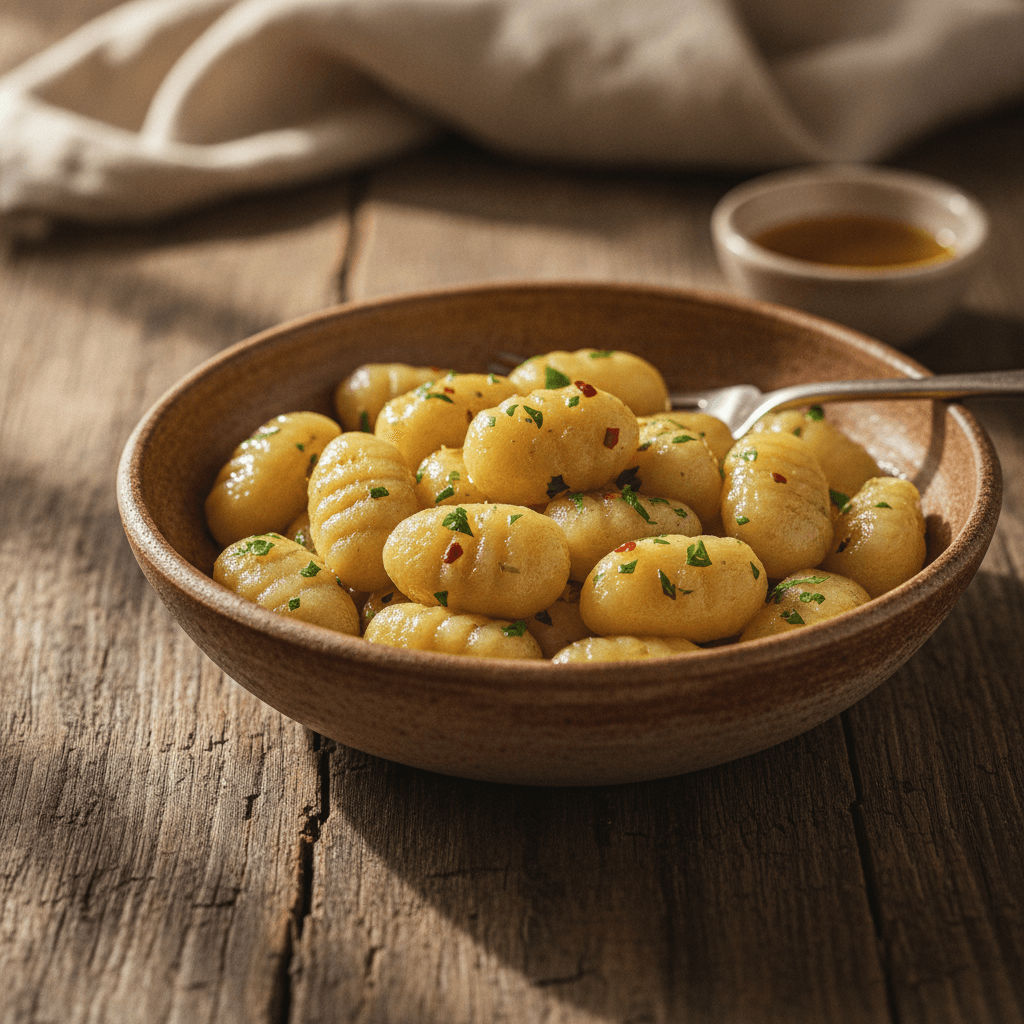
Easy Potato Noodles (Deliciously Budget-Friendly!)
Learn to make Easy Potato Noodles from scratch! This simple, budget-friendly recipe uses pantry staples to create a comforting, delicious meal for under $2 a serving.
cookwithyara.com/recipes/easy-potato-noodles
There's a beautiful truth I hold close in my kitchen: the most memorable, soul-satisfying meals are rarely the most expensive. We often believe that incredible flavor comes from a long list of fancy, hard-to-find ingredients, but I’m here to share a little secret from my Mediterranean-inspired perspective. True culinary magic happens when you take humble, everyday ingredients and treat them with care and simple, time-honored techniques. It’s about coaxing flavor from a potato, celebrating the texture of a simple dough, and creating something wonderful with what you already have. This recipe for Easy Potato Noodles is the perfect embodiment of that philosophy.
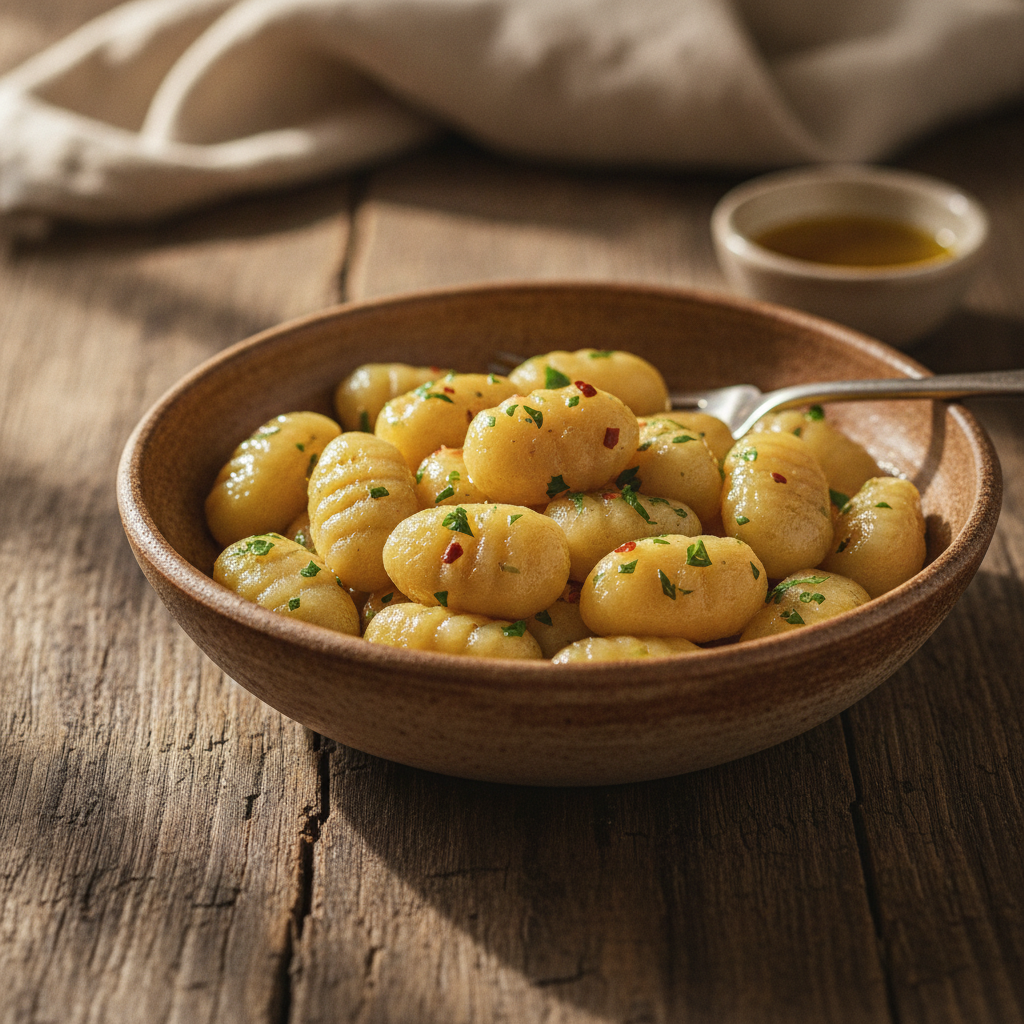
These tender, pillowy morsels are everything you want in a comforting meal. They are hearty, versatile, and carry sauces beautifully. But the best part? They are astonishingly affordable. We’re talking about a generous, family-pleasing main course that can cost less than two dollars per serving. Imagine that! You can create a dish with the rustic charm of a European cafe right in your own kitchen, using little more than potatoes, flour, and a touch of seasoning. Forget expensive takeout or restaurant bills; this is how you eat like royalty on a home cook's budget. Let’s get ready to transform the humble potato into something truly special.
Why This Recipe Is a Budget Winner
In a world where grocery prices seem to be constantly on the rise, finding recipes that are both delicious and economical feels like a true victory. These Easy Potato Noodles are a shining star in my collection of budget-friendly meals, and for very good reason. The entire dish is built on a foundation of inexpensive pantry powerhouses. The main ingredient, potatoes, is one of the most affordable and filling vegetables available year-round. All-purpose flour is another staple that costs mere pennies per cup. Together, they form a dough that is substantial and deeply satisfying.
When you compare the cost of making a large batch of these noodles at home to buying pre-made gnocchi from the store, the savings are significant. And comparing it to ordering a similar dish from a restaurant? There’s simply no contest. A single batch of this recipe can generously feed a family of four or five, with the total ingredient cost often landing under ten dollars. That’s a complete meal that warms the heart without emptying your wallet. Furthermore, this recipe is a champion of zero food waste. If you have a few potatoes that are starting to sprout or look a little past their prime for roasting, boiling and mashing them for this dough is the perfect way to give them a delicious new life. It’s a recipe that respects both your palate and your budget, proving that you can eat exceptionally well without spending a fortune.
Affordable Ingredients, Maximum Impact
Let’s take a closer look at the simple components that come together to create these wonderful Easy Potato Noodles. The beauty here is that each ingredient is a budget-friendly workhorse, delivering maximum flavor and texture for minimal cost. There’s nothing exotic or difficult to source, just pure, honest goodness.
- Potatoes: Russet or Idaho potatoes are your best friends here. They are high in starch and have a dry, fluffy texture when cooked, which is exactly what you want for a light, tender noodle. They are consistently one of the most affordable vegetables in any market, especially when purchased in a bag rather than individually.
- All-Purpose Flour: No need for fancy Italian flours. Standard all-purpose flour from the bag in your pantry works perfectly. It provides the structure the noodles need without making them tough.
- Egg: One large egg adds a bit of richness and helps bind the dough, giving it a lovely, supple texture. For an even more budget-conscious version, you can often omit the egg, though the dough might be slightly more delicate.
- Salt: A non-negotiable for flavor! Fine sea salt is perfect for seasoning both the potato cooking water and the dough itself. It’s a basic seasoning that makes a world of difference.
- Olive Oil: A drizzle of good-quality extra virgin olive oil for the sauce is a nod to my Levantine roots. It brings a fruity, peppery note that beautifully complements the earthy potatoes. You don't need a lot, so a single bottle lasts a long time, making it a worthy and cost-effective investment for countless meals.
- Garlic: What’s a comforting dish without the fragrant aroma of garlic? A few cloves, thinly sliced or minced, create an incredibly flavorful base for a simple pan sauce that costs next to nothing.
- Dried Herbs or Fresh Parsley: While fresh herbs are lovely, dried herbs like oregano or basil are fantastic, inexpensive alternatives to keep in your pantry for adding a touch of flavor. If you do have fresh parsley on hand, a small sprinkle at the end adds freshness and color.
For substitutions, you could use sweet potatoes for a different flavor and color, though you may need a bit more flour as they hold more moisture. Instead of a simple garlic and oil sauce, a can of crushed tomatoes, simmered with an onion and some spices, makes for another incredibly affordable and delicious topping.
How to Make Easy Potato Noodles
Even if you've never made pasta or dumplings from scratch before, I promise you can make these Easy Potato Noodles. The process is wonderfully straightforward and requires no special equipment—just a pot, a fork or a potato masher, and your hands. It’s a beautifully tactile experience that is as enjoyable to make as it is to eat. We can break it down into a few simple stages.
First comes the cooking of the potatoes. You'll boil the potatoes until they are completely tender, easily pierced with a knife. It's crucial to cook them thoroughly so they become light and fluffy when mashed. Once cooked, you'll drain them and let them steam dry for a few moments to allow excess moisture to evaporate. This is a key step for preventing a gummy dough. While they're still warm, you'll mash them until they are as smooth as possible. A potato ricer is fantastic for this, but a simple masher or even a fork works just fine.
Next, you'll form the dough. You’ll make a well in the center of your fluffy mashed potatoes and add the flour, egg, and salt. Using your hands or a fork, you'll gradually incorporate the flour into the potato until a soft, slightly sticky dough comes together. You want to be gentle here; overworking the dough can make the noodles tough, so mix just until it’s combined.
Then comes the fun part: shaping the noodles. You'll divide the dough into a few pieces and roll each one into a long, snake-like rope about the thickness of your thumb. From there, you'll use a knife or a bench scraper to cut the rope into small, bite-sized pillows. You can leave them as simple pillows or give them the classic gnocchi look by gently rolling them over the tines of a fork to create ridges, which are perfect for catching sauce.
Finally, cooking is a quick and simple affair. You'll bring a large pot of salted water to a rolling boil and drop the noodles in. In just a few minutes, they will float to the surface, which is the magical sign that they are perfectly cooked. You'll scoop them out and toss them immediately with your favorite simple sauce—perhaps a garlic-infused olive oil, a simple tomato sauce, or melted butter with sage—and serve them warm. That's all it takes to create a truly memorable meal.
Stretching It Further
One of the greatest strengths of a recipe like Easy Potato Noodles is its incredible versatility, not just in how you serve it initially, but in how it can be reimagined for future meals. Making a large batch is a brilliant strategy for meal planning, allowing you to cook once and eat two or three times. This not only saves you time during a busy week but also stretches your grocery budget even further.
Leftover cooked potato noodles are a fantastic canvas for a second-day meal. My favorite way to revive them is to pan-fry them in a little olive oil or butter. This technique transforms their texture completely; the outside becomes wonderfully golden and crispy while the inside remains soft and tender. Toss these crispy morsels with some sautéed vegetables and a sprinkle of cheese for a quick and satisfying hash-like dish. You can also add them to soups or stews in the last few minutes of cooking, where they act as hearty, delicious dumplings that soak up all the flavorful broth.
For longer-term planning, freezing the uncooked noodles is an absolute game-changer. After shaping the noodles, arrange them in a single layer on a baking sheet lined with parchment paper. Place the sheet in the freezer for about an hour, or until the noodles are frozen solid. Once firm, you can transfer them to a freezer-safe bag or container. They will keep beautifully for up to two months, ready to be cooked directly from frozen. Simply drop them into boiling water and cook until they float, adding just a minute or two to the cooking time. Having a stash of these homemade Easy Potato Noodles in the freezer feels like a luxurious secret weapon for busy weeknights.
Smart Swaps and Variations
While the classic recipe for Easy Potato Noodles is a thing of beauty in its simplicity, it's also wonderfully adaptable. Think of this recipe as a starting point, a blank canvas that invites you to play with flavors and ingredients based on what you have on hand, what's in season, or simply what you're craving. These smart swaps can add new dimensions to the dish and can sometimes lower the cost even further.
- Go Vegetarian (or Vegan): The recipe is already vegetarian, but to make it fully plant-based, simply omit the egg. The dough will be a little more delicate, so handle it with care. It will still be absolutely delicious. For the sauce, use a quality olive oil with garlic and herbs, or a rich tomato-based sauce.
- Introduce Other Vegetables: For a nutritional boost and a beautiful color, you can incorporate other vegetables into the dough itself. Cooked and pureed sweet potato is a fantastic substitute for a portion of the regular potato, lending a subtle sweetness. You could also add finely chopped, well-drained cooked spinach or even pureed pumpkin or butternut squash for a seasonal twist. Just be mindful that you may need to adjust the flour amount, as these vegetables can add more moisture.
- Play with Flours: While all-purpose flour is the standard, you can experiment with other types. Using a bit of whole wheat flour can add a nutty flavor and more fiber. For a gluten-free version, a good-quality all-purpose gluten-free flour blend can be used, though the texture will be slightly different.
- Spice It Up: Don't be afraid to season the dough itself. A pinch of nutmeg is a classic addition that pairs beautifully with potatoes. A little black pepper, a sprinkle of smoked paprika for a smoky flavor, or even some finely chopped fresh herbs like chives or parsley mixed directly into the dough can elevate the flavor profile from the inside out.
Storage and Reheating
Properly storing your Easy Potato Noodles ensures that you can enjoy them later without any loss in quality. Whether you've made a big batch to get ahead or you simply have leftovers from dinner, a few simple storage tips will make all the difference.
For cooked leftovers, allow the noodles and any sauce to cool completely before transferring them to an airtight container. Stored in the refrigerator, they will keep well for up to three days. In fact, many people find that the flavors of the sauce meld and deepen overnight, making the second-day meal even more delicious. To reheat, you can gently warm them in a saucepan over low heat, adding a splash of water or broth if the sauce has thickened too much. Alternatively, a quick sauté in a non-stick skillet with a little olive oil is a wonderful way to bring them back to life, adding a delightful crispy edge.
If you want to store uncooked noodles, you have two options. For short-term storage (up to a day), you can arrange the shaped noodles on a lightly floured baking sheet, cover them loosely, and refrigerate. For long-term storage, freezing is the best method. As mentioned earlier, flash-freeze the noodles in a single layer on a baking sheet before transferring them to a freezer bag. This prevents them from sticking together. They can be cooked directly from frozen, making them a perfect solution for a quick and satisfying homemade meal on a busy night.
Your Questions Answered
### What is the best type of potato for these noodles?
For the lightest, fluffiest Easy Potato Noodles, starchy potatoes are the absolute best choice. Look for Russet or Idaho potatoes. Their low moisture content and mealy texture result in a dough that is tender and easy to work with, preventing the final noodles from becoming heavy or gummy.
### My potato dough is too sticky. What did I do wrong?
Don't worry, a sticky dough is a very common and fixable issue! It usually means the potatoes had too much moisture or you haven't added quite enough flour. Try adding a little more flour, one tablespoon at a time, and kneading gently until the dough is smooth and only slightly tacky. Also, ensure your potatoes are well-drained and allowed to steam dry for a few minutes after boiling.
### How can I feed a large family on a budget with this recipe?
This recipe is perfect for feeding a crowd affordably! Simply double or triple the ingredients—potatoes and flour are very inexpensive in larger quantities. Serve the noodles with a simple, large-batch sauce like a basic tomato and basil sauce made from canned tomatoes, which is also very budget-friendly. A large bowl of these noodles with a simple side salad makes a very filling and economical meal for a large family gathering.
### Can I make these Easy Potato Noodles gluten-free?
Yes, you can adapt this recipe to be gluten-free. Substitute the all-purpose flour with a good-quality gluten-free all-purpose flour blend that contains xanthan gum. The texture might be a bit more dense than the original, but they will still be delicious. Be prepared to adjust the amount of flour, as GF blends can absorb moisture differently.
### How do I know for sure when the noodles are cooked?
It's wonderfully simple! The noodles themselves will tell you when they're ready. After you drop them into the pot of boiling salted water, they will sink to the bottom. As they cook, they will puff up slightly and begin to float to the surface. Once they are all floating, let them bob on the surface for about another 30-60 seconds to ensure the center is cooked through, then scoop them out with a slotted spoon. It's a foolproof method!
Easy Potato Noodles
A simple, budget-friendly recipe for homemade potato noodles, also known as gnocchi. These pillowy dumplings are made with basic pantry staples and are perfect with any simple sauce.
Prep Time
25 min
Cook Time
20 min
Total Time
45 min
Servings
4-6 servings
Ingredients
For 4-6 servings
- 2 lbs (about 900g) Russet potatoes, scrubbed
- 1 ½ cups (about 180g) all-purpose flour, plus more for dusting
- 1 large egg, lightly beaten
- 1 teaspoon fine sea salt
- For the Simple Garlic-Herb Sauce:
- 3 tablespoons extra virgin olive oil
- 3 cloves garlic, thinly sliced
- 1/4 teaspoon red pepper flakes (optional)
- 1/4 cup chopped fresh parsley
- Freshly ground black pepper, to taste
Instructions
- 1
Boil the Potatoes
Place the whole, unpeeled potatoes in a large pot and cover with cold, salted water. Bring to a boil and cook for 20-30 minutes, or until the potatoes are very tender and easily pierced with a fork.
- 2
Peel and Mash Potatoes
Drain the potatoes well. Once they are cool enough to handle, peel the skins off—they should slip off easily. Mash the warm potatoes thoroughly in a large bowl using a potato ricer, masher, or fork until completely smooth with no lumps.
- 3
Let Potatoes Cool Slightly
Spread the mashed potatoes on a baking sheet or your work surface to cool slightly and to allow excess steam to escape. This is a key step to prevent a gummy dough. Let them sit for about 5-10 minutes.
- 4
Form the Dough
Mound the mashed potatoes on a clean work surface and create a well in the center. Add the salt, beaten egg, and about 1 cup of the flour into the well. Use a fork to gradually incorporate the ingredients.
- 5
Knead Gently
Using your hands, gently bring the mixture together into a dough, adding the remaining flour as needed. Knead for just a minute or two until it forms a soft, smooth, and slightly tacky ball. Do not overwork the dough.
- 6
Divide and Roll
Divide the dough into 4 equal portions. On a lightly floured surface, roll each portion with your palms into a long rope, about 3/4-inch in diameter.
- 7
Cut the Noodles
Use a knife or bench scraper to cut each rope into 1-inch pieces. You can leave them as small pillows or, for a traditional look, gently roll each piece over the tines of a fork to create ridges.
- 8
Arrange the Noodles
Place the shaped noodles in a single layer on a lightly floured baking sheet. This prevents them from sticking together while you bring the water to a boil. At this point, you can cook them immediately or freeze them for later.
- 9
Cook the Potato Noodles
Bring a large pot of heavily salted water to a rolling boil. Carefully drop the noodles into the water, working in batches if necessary to avoid overcrowding the pot. Stir gently once to prevent sticking.
- 10
Know When They're Done
Cook the noodles for 2-4 minutes. They are ready when they float to the surface. Let them cook for another 30 seconds after they float, then remove them with a slotted spoon.
- 11
Prepare the Simple Sauce
While the noodles cook, heat the olive oil in a large skillet over medium heat. Add the sliced garlic and red pepper flakes (if using) and cook for 1-2 minutes until the garlic is fragrant and lightly golden. Be careful not to burn it.
- 12
Combine and Serve
Using a slotted spoon, transfer the cooked potato noodles directly from the boiling water into the skillet with the garlic oil. Add the fresh parsley and toss gently to coat everything. Serve immediately, garnished with extra black pepper.
Nutrition Facts
Per serving (estimated)
380 calories
Calories
65g
Carbs
10g
Protein
9g
Fat
6g
Fiber
650mg
Sodium
3g
Sugar