Perfect Fluffy Japanese Soufflé Pancakes Recipe
Learn how to make impossibly light, airy, and tall Japanese soufflé pancakes! This detailed guide has all the tips for perfect, jiggly pancakes every time.
cookwithyara.com/recipes/fluffy-japanese-souffl-pancakes
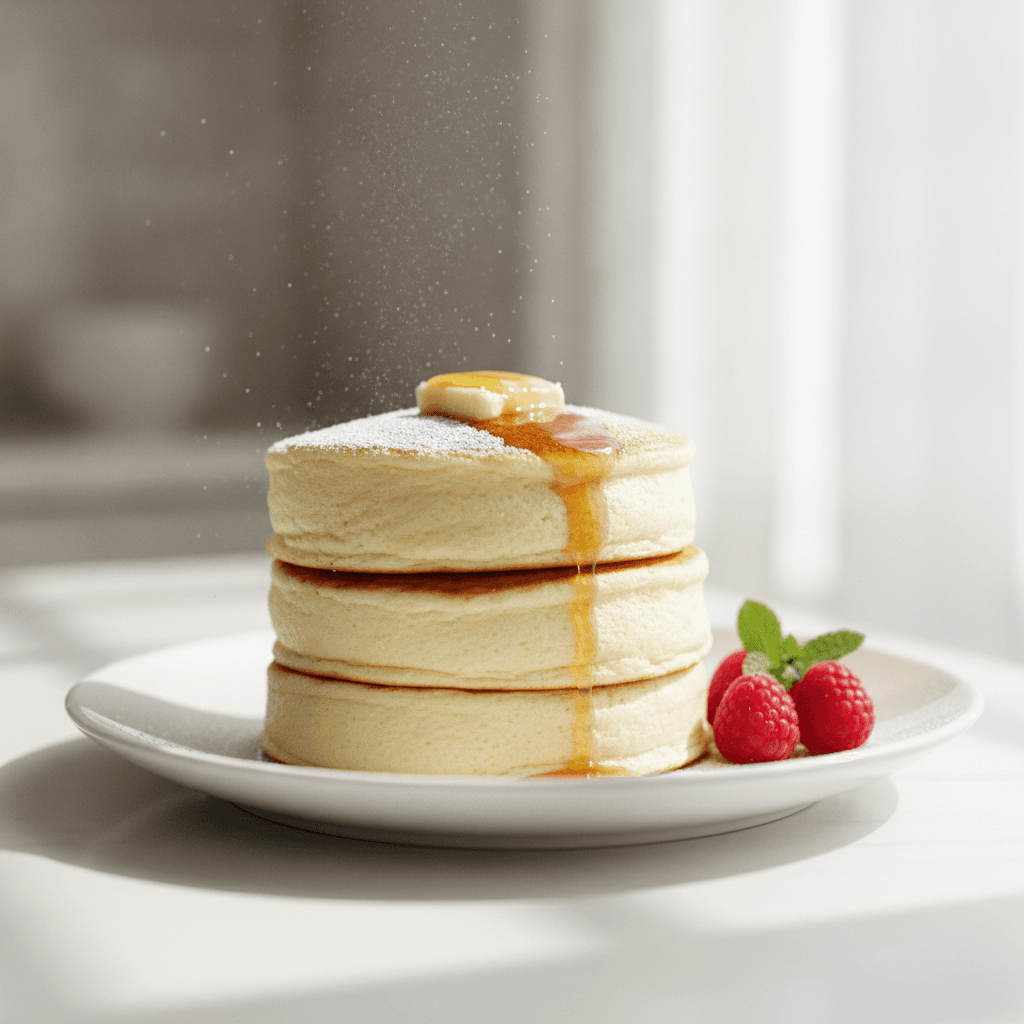
There are some recipes that feel like a quiet celebration, a moment of pure, edible joy. For me, that is the magic of these Fluffy Japanese Soufflé Pancakes. They are not your everyday breakfast; they are an experience. Watching the batter puff up into towering, cloud-like rounds, seeing them jiggle ever so slightly on the plate—it’s a culinary performance that ends with the most delightful, melt-in-your-mouth texture you can imagine. These aren't just pancakes; they're edible clouds, a testament to the beauty of a few simple ingredients transformed by technique.
So often, we rush through our mornings. But making these incredible soufflé pancakes is an invitation to slow down, to be present in the kitchen. It’s about the gentle whisk of the meringue, the careful folding of the batter, and the patient, low-and-slow cooking process. The reward for your patience is a breakfast that feels truly special, something you’d expect to find in a specialty café in Tokyo, but made right in your own home. Forget dense, heavy pancakes; this recipe promises a stack of impossibly light, airy perfection that will elevate any weekend morning or family brunch into a memorable feast.
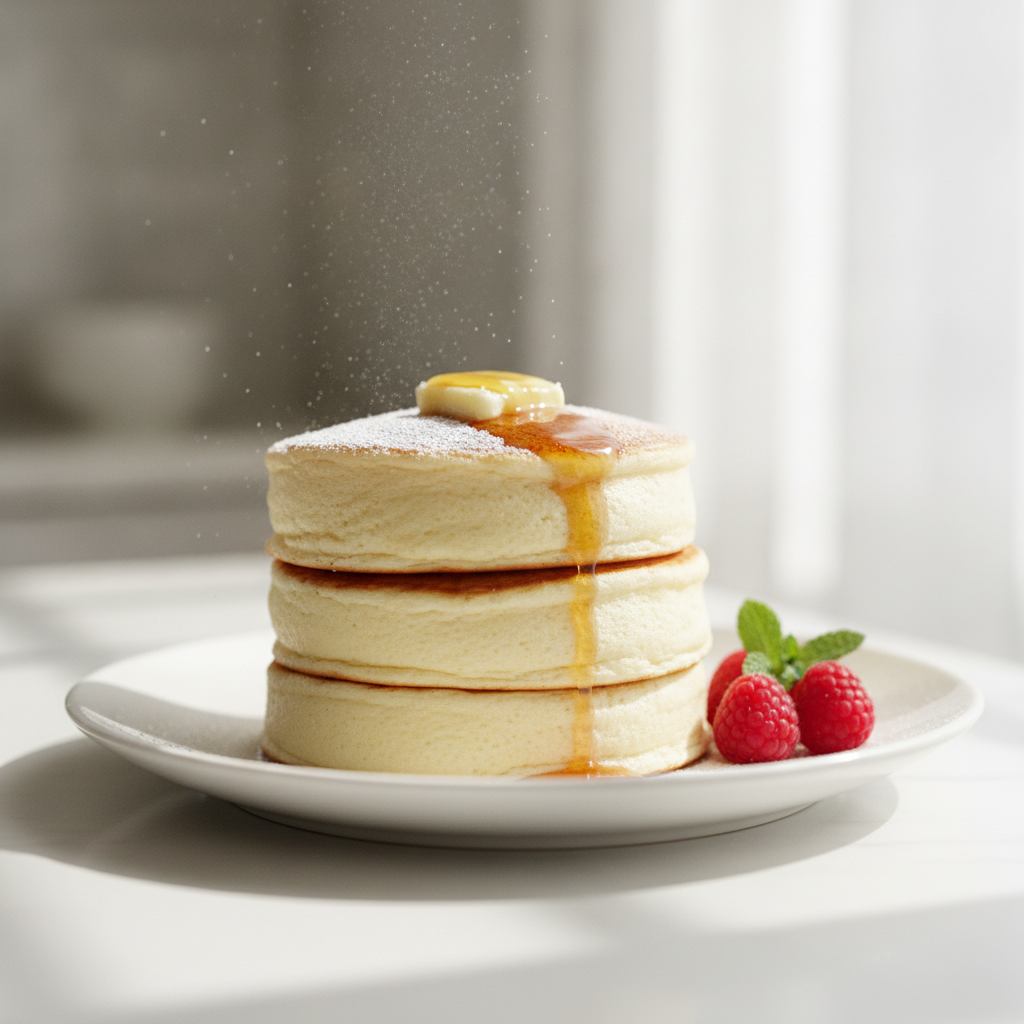
What Are Fluffy Japanese Soufflé Pancakes?
If you've ever scrolled through food videos online, you've likely been mesmerized by the hypnotic jiggle of Fluffy Japanese Soufflé Pancakes. They are a culinary marvel, standing in stark contrast to their flatter American or European cousins. So, what exactly sets them apart? At its core, this dish is a brilliant hybrid, combining the comforting familiarity of a pancake with the lofty, airy structure of a classic French soufflé. The result is something entirely new and utterly captivating.
The secret lies in the meringue. Unlike traditional pancake batter where all ingredients are simply mixed together, this recipe calls for separating the eggs. The yolks form the base of a rich, flavorful batter, while the whites are whipped with sugar into a glossy, stable meringue. This meringue is then gently folded into the yolk base, trapping thousands of tiny air bubbles. It is this trapped air that gives the pancakes their signature height and ethereal texture. When they hit the gentle, steamy heat of the pan, that air expands, causing the pancakes to puff up dramatically, like a soufflé rising in the oven.
Their origin is relatively modern, gaining immense popularity in Japan in the last couple of decades, especially in specialty cafés in cities like Osaka and Tokyo. They became a global phenomenon thanks to social media, where their unique appearance and satisfying jiggle made them an instant star. But they are more than just a passing trend. The experience of eating one is unforgettable—it’s less like chewing and more like dissolving, a sweet, custardy cloud that melts on your tongue. Making these Fluffy Japanese Soufflé Pancakes at home is a lesson in precision and patience, but the result is a truly spectacular dish worth mastering.
The Key Ingredients for a Cloud-Like Texture
While the ingredient list for Fluffy Japanese Soufflé Pancakes looks simple, each component plays a critical scientific role in achieving that signature texture. Choosing the right ingredients and understanding their function is the first step toward pancake perfection.
Cake Flour: This is my non-negotiable for this recipe. Cake flour has a lower protein content (around 7-9%) compared to all-purpose flour (10-12%). Less protein means less gluten development, which is the key to a tender, delicate crumb. Using cake flour ensures your pancakes are melt-in-your-mouth soft, not chewy or dense. If you're in a pinch, you can approximate cake flour by measuring 1 cup of all-purpose flour, removing 2 tablespoons, and replacing them with 2 tablespoons of cornstarch.
Eggs, Separated: The eggs are the heart and soul of this recipe. The yolks, rich in fat and emulsifiers, provide flavor, color, and a custardy richness to the batter. The whites are the source of all the lift. It's crucial that your egg whites have absolutely no trace of yolk in them, as any fat will prevent them from whipping up into a stable meringue. Using room temperature eggs will help them achieve maximum volume.
Cream of Tartar: This is my secret weapon for a foolproof meringue. Cream of tartar is an acid that stabilizes the whipped egg whites. It helps the protein molecules bond more effectively, creating a stronger, more stable foam that is less likely to collapse when you fold it into the batter or when it hits the heat. You only need a tiny amount, but it makes a huge difference in the final structure of your Fluffy Japanese Soufflé Pancakes.
Sugar: Sugar does more than just sweeten the pancakes. When whipping the egg whites, it's added gradually. The sugar crystals dissolve and help create a tight, glossy, and very stable meringue. It also helps retain moisture, contributing to the wonderfully soft texture of the cooked pancake.
Milk & Melted Butter: These ingredients provide moisture and flavor. Whole milk lends a creamy richness that is simply divine. The melted butter adds a classic, comforting flavor that we all love in pancakes. It’s important to let the melted butter cool slightly so it doesn’t scramble the egg yolks when you mix them together.
Non-Alcoholic Vanilla Extract & Salt: Flavor enhancers are essential. A good quality vanilla adds a beautiful aromatic sweetness that complements the eggy flavor. A small pinch of salt balances the sweetness and makes all the other flavors in the pancake pop.
Baking Powder: While the meringue provides most of the lift, a little bit of baking powder offers some extra insurance. It gives the pancakes an additional boost, helping them rise even higher and stay tall as they cook.
Essential Equipment for Pancake Perfection
While you don't need a professional kitchen to make these pancakes, having the right tools will make the process infinitely smoother and your results more consistent. Think of these as your partners in creating the perfect stack of Fluffy Japanese Soufflé Pancakes.
A Large, Heavy-Bottomed Non-Stick Pan with a Lid: This is the most important piece of equipment. A heavy-bottomed pan will distribute heat evenly, preventing hot spots that can burn the pancakes before they cook through. The non-stick surface is absolutely essential for a clean release and a beautiful, golden-brown crust. The lid is equally crucial; it traps steam, creating a humid environment that helps the pancakes cook gently and rise to their maximum height.
An Electric Hand Mixer or Stand Mixer: While you could technically whip a meringue by hand with a whisk, I strongly recommend an electric mixer. It will save you a lot of time and arm muscle, but more importantly, it will create a much more stable and voluminous meringue. A consistent, powerful whipping action is key to achieving the stiff, glossy peaks this recipe requires.
Ring Molds (Optional, but Recommended): To get that signature, perfectly round, and impressively tall shape, ring molds are your best friend. English muffin rings or specialty pancake molds work perfectly. Look for molds that are about 3 inches (8 cm) in diameter and at least 1.5 inches (4 cm) tall. If you don't have any, you can create your own by cutting strips of parchment paper, folding them for strength, and securing them into circles with a paperclip on the outside.
Silicone Spatula: A flexible silicone spatula is vital for the folding process. Its soft edges allow you to gently scrape the bottom and sides of the bowl, incorporating the meringue into the yolk batter without deflating all that precious air you just whipped in. Precision and gentleness are key, and a good spatula facilitates that.
Piping Bag or Ice Cream Scoop: For the neatest results, especially when using ring molds, I love using a large piping bag to fill them. It allows for precise placement and helps build the batter height evenly. Alternatively, a spring-loaded ice cream scoop or even a large spoon can work; just be extra careful as you layer the batter to build height.
Mastering the Meringue: The Heart of the Recipe
Let’s talk about the most critical step in making Fluffy Japanese Soufflé Pancakes: the meringue. This isn't just about whipping egg whites; it's about creating a strong, stable structure of air bubbles that will serve as the scaffolding for your pancakes. A perfect meringue is the difference between a sad, flat pancake and a glorious, towering one. Take your time here; your patience will be rewarded tenfold.
First, start with a scrupulously clean bowl. Any trace of grease, fat, or even a speck of egg yolk will prevent your whites from reaching their full potential. I like to wipe my bowl and beaters with a little vinegar or lemon juice and then dry them thoroughly just to be sure. Use a glass or metal bowl, as plastic can retain residual oils.
Begin whipping your room-temperature egg whites on a low speed. You're not looking for volume yet, just to break them up until they become foamy and bubbly, like seafoam. Once you reach this stage, it's time to add your stabilizer, the cream of tartar. Sprinkle it in and increase the mixer speed to medium. The cream of tartar will begin working its magic immediately, helping to strengthen the protein network.
Now for the sugar. The key is to add it slowly, one tablespoon at a time, while the mixer is running. This allows the sugar to dissolve completely into the whites, creating a smooth, glossy texture. If you add it all at once, the weight of the sugar can deflate the whites. As you continue to beat, you’ll see the meringue transform. It will go from a loose foam to soft peaks—when you lift the beaters, a peak will form but its tip will droop over. We need to go further.
Continue beating on medium-high speed until you reach stiff, glossy peaks. This is the goal. When you lift the beaters, the peak that forms should stand straight up, perhaps with a very slight curl at the very tip. The meringue should look thick, shiny like satin, and hold its shape completely. If you tilt the bowl, the meringue shouldn't slide at all. Be careful not to over-beat, which can cause the meringue to become grainy and break. Stop as soon as you hit that perfect stiff peak stage.
Once the meringue is ready, you must work quickly but gently. The final step is folding it into the yolk batter. Don't just dump it all in at once. Start by stirring about a third of the meringue into the yolk batter. This is the 'sacrificial' portion. You don't need to be too gentle here; the goal is to lighten the dense yolk mixture, making it more receptive to the rest of the airy meringue. Then, add the remaining meringue in two batches, using a wide spatula to fold. Cut down through the center of the bowl, scrape along the bottom, and bring the batter up and over. Give the bowl a quarter turn and repeat. Continue this gentle motion just until no white streaks remain. A perfectly folded batter will be light, airy, and voluminous—the promise of the Fluffy Japanese Soufflé Pancakes to come.
Cooking Technique: Low, Slow, and Steamy
Now that you've created a beautiful, airy batter, the final challenge is cooking it properly. The cooking method for Fluffy Japanese Soufflé Pancakes is unlike any other pancake. High heat is your enemy. The goal is a gentle, steam-filled environment that coaxes the pancakes to rise slowly and cook through evenly without burning. Patience is paramount.
Start by preheating your non-stick pan over the lowest possible heat setting on your stove. This is a slow process; let the pan heat up for a good 3-5 minutes. You want the surface to be just hot enough to sizzle a drop of water, but not so hot that it evaporates instantly. While it's heating, lightly grease your pan and the inside of your ring molds (if using) with a neutral oil or butter.
Place the greased ring molds in the preheated pan. Using a piping bag or a scoop, fill the molds about three-quarters full with your delicate batter. If you're not using molds, you can still achieve height by spooning a generous dollop of batter onto the pan, then adding a smaller second dollop right on top of the first one. This helps build a taller, freeform pancake.
Here comes the secret technique: the steam. Add about one to two tablespoons of water into the empty spaces in the pan, away from the pancakes themselves. Immediately cover the pan with a tight-fitting lid. The water will create steam, which serves two purposes: it helps the pancakes cook through from all sides, not just the bottom, and it keeps the environment moist, which encourages them to puff up beautifully.
Cook the pancakes on low heat for about 6-9 minutes on the first side. The timing will vary depending on your stove, but you're looking for the edges to look set and less shiny. The top should be covered in bubbles and look slightly cooked, not completely liquid. This is your cue to flip.
The flip is the most nerve-wracking moment, but you can do it! Gently slide a thin spatula under the pancake. With confidence and control, swiftly turn it over. If using molds, you can use tongs to help you flip the entire mold. Once flipped, add another tablespoon of water to the pan and immediately cover it again. Cook for another 4-6 minutes on the second side, until the pancake is fully cooked through and golden on both sides. You can test for doneness by gently pressing the side of a pancake; it should spring back. A wooden skewer inserted into the center should come out clean. These Fluffy Japanese Soufflé Pancakes demand a gentle hand, but the results are nothing short of spectacular.
How to Serve and Garnish
Serving Fluffy Japanese Soufflé Pancakes is all about celebrating their unique height and texture. They are best enjoyed immediately, straight from the pan, as they will begin to gently settle and deflate over time. The goal is to get them from the stove to the table as quickly as possible to enjoy them in their full, glorious state.
For a classic and timeless presentation, a simple dusting of powdered sugar is all you need. It highlights their golden color and adds a touch of sweetness without overwhelming their delicate, eggy flavor. A small pat of softened butter melting into the warm top and a generous drizzle of pure maple syrup is the quintessential pancake experience, and it works beautifully here.
Fresh fruit is another wonderful companion. The slight tartness of fresh berries—like raspberries, blueberries, or sliced strawberries—provides a perfect contrast to the rich, sweet pancake. A dollop of lightly sweetened whipped cream on the side adds a lovely, cool creaminess that complements the warm, airy stack.
If you want to add a little touch of my own Levantine kitchen, the possibilities are delightful. Instead of maple syrup, try a drizzle of rich date molasses or carob molasses. For a bit of texture, a sprinkle of roughly chopped pistachios or walnuts adds a fantastic crunch. And for the ultimate creamy indulgence, serve them with a spoonful of kaymak (or ashta), a thick clotted cream popular in the Middle East. Its richness is a perfect counterpoint to the lightness of the pancakes. A warm, fragrant cup of mint tea or a simple black tea on the side completes the experience perfectly. No matter how you choose to top them, the star of the show will always be the incredible pancakes themselves.
Troubleshooting Your Soufflé Pancakes
Don't be discouraged if your first batch of Fluffy Japanese Soufflé Pancakes isn't perfect. This is a recipe that rewards practice and understanding the technique. Here are some common issues and how to solve them, so you can achieve that perfect jiggle every time.
Problem: My pancakes are flat and didn't rise. This is the most common issue and almost always points back to the meringue. There are a few possible culprits. First, your egg whites may have had some fat in them from a speck of yolk or a greasy bowl. Second, your meringue may have been under-whipped (soft peaks instead of stiff) or over-whipped (grainy and broken), both of which create an unstable structure. Finally, you may have been too aggressive when folding, knocking all the air out. To fix this, ensure your equipment is spotless, whip your meringue to perfect stiff peaks, and use a gentle, deliberate folding motion.
Problem: My pancakes are raw and gooey in the middle. This is a classic sign that your cooking heat was too high. The outside of the pancake cooked and browned long before the gentle heat had a chance to penetrate and cook the center. The solution is simple: turn your stove down to its absolute lowest setting. Cooking these pancakes is a test of patience. Low, slow, and steamy is the only way to ensure they cook through evenly.
Problem: My pancakes looked tall in the pan but deflated immediately. Some deflation is natural as the steam inside escapes, but a dramatic collapse indicates an issue. This can be caused by an unstable meringue (as mentioned above) or by undercooking. If the internal structure isn't fully set, it can't support the pancake's height once it's removed from the heat and the support of the steam. Ensure you're cooking them long enough on both sides—a skewer test is your best friend here.
Problem: My batter seems runny. Your final batter should be thick, light, and almost mousse-like. If it seems thin or runny, it means your meringue has deflated during the folding process. This again comes back to having a stable, stiff-peak meringue and using a very gentle hand when incorporating it into the yolk base. A lightened batter is a happy batter!
Storage and Reheating Tips
Let me be perfectly honest with you: Fluffy Japanese Soufflé Pancakes are at their absolute peak the moment they leave the pan. Their delicate, airy structure is fleeting, and they are truly meant to be eaten fresh. The magic is in that immediate, warm, melt-in-your-mouth experience.
However, if you do find yourself with leftovers, all is not lost. They won't be quite as magnificent, but they can still be enjoyable. Allow the pancakes to cool completely to room temperature, then store them in a single layer in an airtight container in the refrigerator. They will be much denser after chilling. They should be eaten within a day for the best possible texture.
When it comes to reheating, you must be gentle to avoid making them tough or rubbery. The best method is the microwave. Place a pancake on a plate and microwave it on 50% power in 15-second intervals until just warmed through. Overheating will ruin the texture. You can also try reheating them in a toaster oven on a low temperature setting for a few minutes, which can help crisp the outside slightly, but watch them closely. While they won't regain their original lofty height, a gentle reheating can bring back some of their warmth and comfort.
Fluffy Japanese Soufflé Pancakes
A detailed recipe for creating incredibly light, airy, and tall Japanese-style soufflé pancakes at home. Perfect for a special breakfast or brunch.
Prep Time
20 min
Cook Time
25 min
Total Time
45 min
Servings
6 pancakes (serves 2-3)
Ingredients
For 6 pancakes (serves 2-3)
- 2 large egg yolks, at room temperature
- 1/4 cup (60ml) whole milk, at room temperature
- 1/2 cup (60g) cake flour
- 1/2 teaspoon baking powder
- 1/4 teaspoon salt
- 1 tablespoon unsalted butter, melted and cooled
- 1/2 teaspoon non-alcoholic vanilla extract
- 3 large egg whites, at room temperature
- 1/4 teaspoon cream of tartar
- 1/4 cup (50g) granulated sugar
- Neutral oil or butter, for greasing the pan
- Water, for steaming
- Powdered sugar, maple syrup, and fresh berries, for serving
Instructions
- 1
Prepare Pan and Molds
If using ring molds (approx. 3-inch diameter), lightly grease the insides with oil or butter. Place a large, non-stick skillet with a lid over the lowest possible heat to preheat gently while you make the batter.
- 2
Create the Yolk Batter
In a medium bowl, whisk together the egg yolks and milk until combined. In a separate small bowl, sift together the cake flour, baking powder, and salt. Add the dry ingredients to the yolk mixture and whisk until just combined and no large lumps remain.
- 3
Finish the Batter Base
Stir the cooled melted butter and non-alcoholic vanilla extract into the yolk batter until smooth. Set aside. The batter will be quite thick at this stage.
- 4
Start the Meringue
In a large, scrupulously clean glass or metal bowl, use an electric mixer to beat the egg whites on low speed until foamy. Add the cream of tartar and increase the speed to medium, beating until soft peaks form.
- 5
Whip to Stiff Peaks
With the mixer running on medium speed, gradually add the granulated sugar, one tablespoon at a time. Once all the sugar is added, increase the speed to medium-high and beat until the meringue is thick, glossy, and holds stiff peaks. When you lift the beaters, the peak should stand straight up.
- 6
Lighten the Yolk Batter
Take about one-third of the finished meringue and stir it into the yolk batter. This is your 'sacrificial' meringue; you can be a bit vigorous here to lighten the dense batter, making it easier to fold in the rest.
- 7
Fold in Remaining Meringue
Add the remaining meringue to the bowl in two additions. Use a large silicone spatula to gently fold the meringue into the batter until just combined. Use a cutting and folding motion to avoid deflating the batter. Stop as soon as no white streaks remain.
- 8
Prepare for Cooking
Lightly grease the preheated pan. Place the greased ring molds in the pan. Transfer the batter to a piping bag (or use a scoop) and fill the molds about three-quarters full. If not using molds, spoon tall mounds of batter onto the pan.
- 9
Cook First Side with Steam
Carefully add 1-2 tablespoons of water to the empty spaces in the pan, avoiding the batter. Immediately cover with the lid. Cook on the lowest heat setting for 6-9 minutes, until the edges are set and the tops are bubbly.
- 10
The Crucial Flip
Carefully remove the lid. Using a thin spatula, quickly and confidently flip the pancakes over. If using molds, you may need tongs to help flip the entire mold.
- 11
Finish Cooking
Add another tablespoon of water to the pan and cover again with the lid. Cook for another 4-6 minutes, or until the pancakes are golden brown and a skewer inserted into the center comes out clean.
- 12
Serve Immediately
Carefully remove the pancakes from the pan and slide off the ring molds. Serve immediately with a dusting of powdered sugar, maple syrup, and fresh berries for the best texture and experience.
Nutrition Facts
Per serving (estimated)
185 calories
Calories
22g
Carbs
6g
Protein
8g
Fat
0.5g
Fiber
210mg
Sodium
12g
Sugar