Easy Fresh Spring Rolls Recipe (Perfect for Summer!)
Learn to make vibrant, healthy fresh spring rolls at home! This easy recipe is packed with shrimp, herbs, and veggies for a perfect light meal or appetizer.
cookwithyara.com/recipes/fresh-spring-rolls-perfect-for-summer
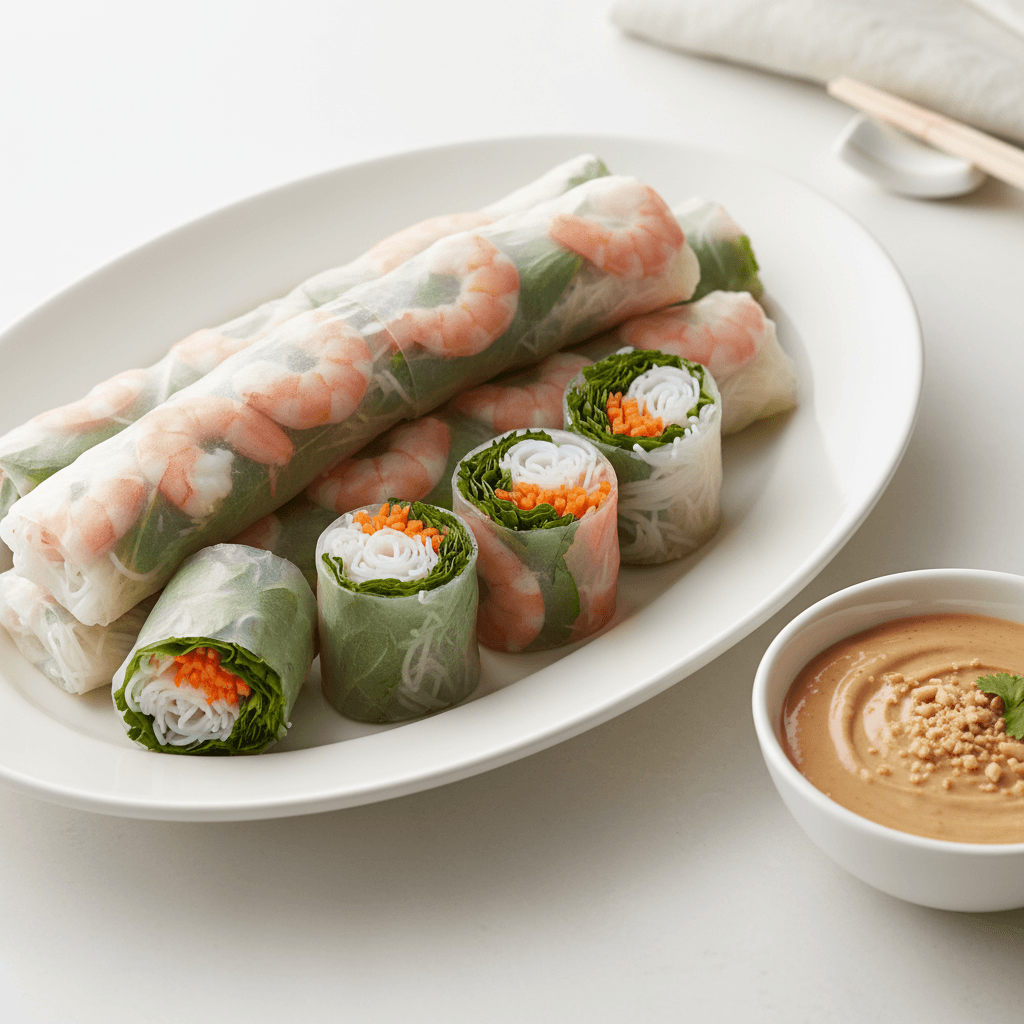
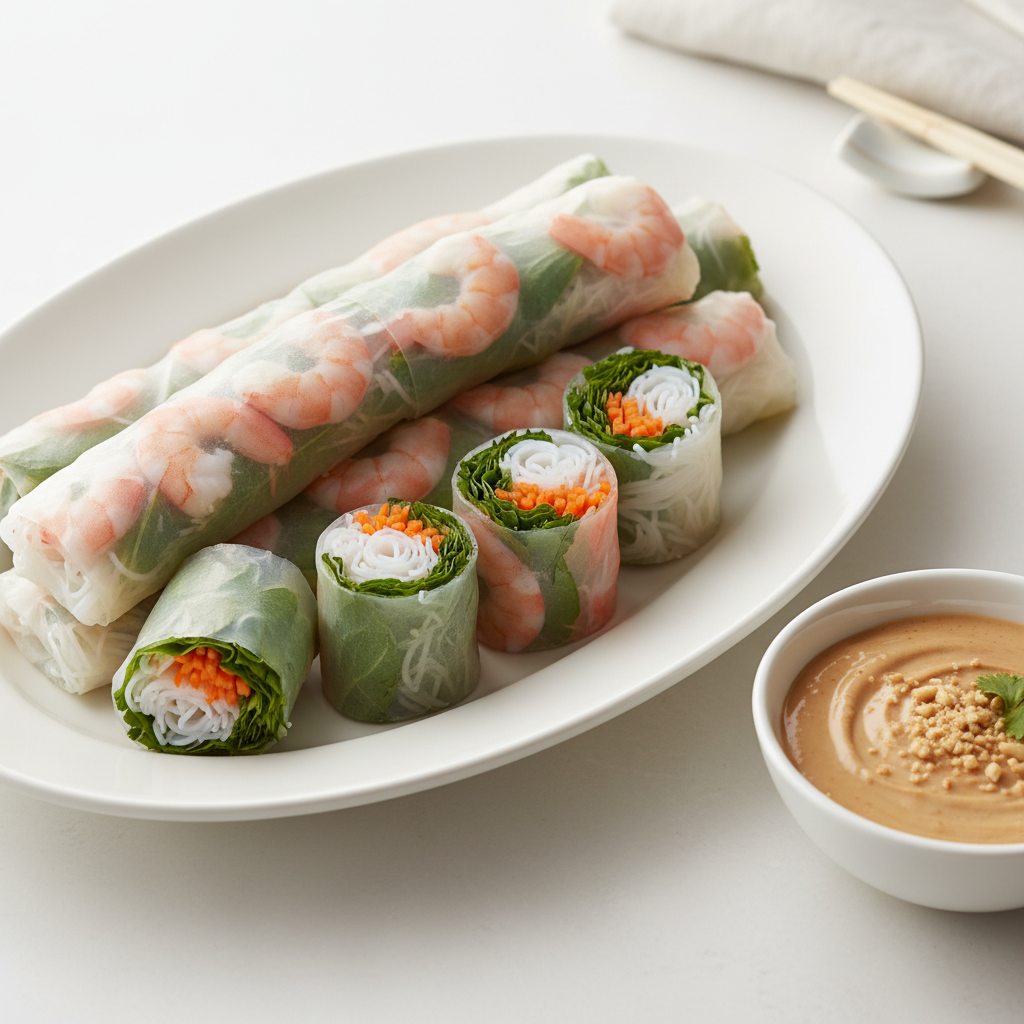
There's a special kind of hush that falls over a table when a platter of perfectly wrapped fresh spring rolls arrives. It’s a moment of pure visual delight. The wrappers, so beautifully translucent, offer a tantalizing glimpse of the treasures nestled inside: bright pink shrimp lined up in a neat row, specks of brilliant green herbs, and slivers of vibrant orange carrots. It’s food that feels like art, a mosaic of colors and textures that promises freshness in every single bite. You can almost feel the cool, crisp sensation before you even lift one from the plate.
For many, this is a dish enjoyed at a favorite restaurant, something that seems too intricate or delicate to recreate at home. But I am here to share a little secret with you: making these stunning fresh spring rolls is not only achievable, it’s a deeply satisfying and meditative process. The magic lies not in complicated cheffy techniques, but in simple, fresh ingredients and a rhythm you’ll quickly fall into. The real showstopper, the element that ties everything together into a symphony of flavor, is the rich and creamy peanut dipping sauce—a perfect balance of sweet, savory, and tangy that elevates these rolls from simply good to absolutely unforgettable. Let's roll up our sleeves and create something truly beautiful together.
What Makes This a Showstopper
What truly elevates these fresh spring rolls from a simple snack to a show-stopping centerpiece is their undeniable beauty and the multi-layered sensory experience they offer. They are, quite simply, edible art. The delicate rice paper acts like a frosted window, revealing the thoughtfully placed ingredients within. That first impression, the sight of a platter laden with these jewel-like parcels, is what makes guests’ eyes widen. It speaks of care, of freshness, and of a meal that is going to be both light and satisfying.
Beyond the visuals, the flavor journey is remarkable. The first bite yields a soft, slightly chewy texture from the wrapper, which quickly gives way to the crisp snap of fresh vegetables, the cooling perfume of mint and cilantro, the tender bite of perfectly cooked shrimp, and the delicate tangle of soft rice noodles. It's a cascade of textures in your mouth, all working in perfect harmony. Nothing is heavy or overpowering; each element retains its individual character while contributing to the whole.
This is what I love most: these fresh spring rolls deliver a restaurant-quality wow-factor without requiring years of culinary training. The technique is all about preparation and mindful assembly. Once you have your ingredients prepped and your rolling station set up, the process becomes a rhythmic, almost calming, activity. It's a dish that proves that the most impressive meals are often born from the simplest, freshest components, assembled with thought and care. You’re not just making food; you’re building something beautiful that tastes as incredible as it looks.
The Ingredients That Matter Most
While the technique is important, the soul of truly spectacular fresh spring rolls lies in the quality and freshness of the ingredients. There are no heavy sauces or intense cooking methods to hide behind; everything is front and center. Here’s where to focus your attention for the best results.
First, the Rice Paper Wrappers. These are the foundation. Look for brands that are pliable and not too brittle. The size matters—I find that 22cm (about 8.5 inches) in diameter is the sweet spot. It’s large enough to hold a generous amount of filling without being difficult to handle or roll.
Next, the protein. I adore using large shrimp for their sweet flavor and beautiful pink hue. It's worth splurging a little on high-quality, responsibly sourced shrimp. When cooked just until opaque and sliced in half, they create that iconic look. For a wonderful halal alternative, thinly sliced grilled chicken breast or perfectly seasoned pan-fried tofu works beautifully.
Fresh herbs are non-negotiable and are the heart of this dish's vibrant flavor. You absolutely need a trifecta of fresh mint, cilantro, and Thai basil. Don’t skimp here! The mint provides a cool, clean brightness, the cilantro adds a zesty, citrusy note, and the Thai basil contributes a unique, slightly spicy, anise-like aroma that is truly special. The more herbs, the better the roll.
The supporting cast of vegetables provides essential texture. Butter lettuce offers a soft, tender leaf that acts as a protective inner layer for the other fillings. Crisp, sweet carrots and cool, refreshing cucumbers, both julienned into fine matchsticks, provide the crucial crunch that contrasts with the softer elements. And finally, the delicate rice vermicelli noodles add substance and a pleasing soft texture that rounds out the filling.
For the dipping sauce, a high-quality, creamy peanut butter is the base for a rich, luscious texture. Be sure to use a halal-certified hoisin sauce, as it provides an essential deep, sweet, and savory flavor. A splash of rice vinegar cuts through the richness, adding a bright, tangy note that makes the sauce come alive.
Building It Step by Step: The Art of the Perfect Fresh Spring Roll
Assembling your fresh spring rolls is a process that rewards preparation and a little bit of patience. Think of it as an assembly line where every component has its place, making the rolling process smooth, efficient, and enjoyable. Let's break down the journey from individual ingredients to a perfectly formed roll.
First, master your mise en place. This French term simply means having all your ingredients prepped and organized before you start. Cook your shrimp and noodles and let them cool completely. Julienne your carrots and cucumbers, wash and dry your herbs and lettuce leaves, and mix your dipping sauce. Arrange everything in separate bowls or on a large platter in the order you’ll use them. This setup is your command center and is the single most important step for a stress-free experience.
Next comes the crucial rice paper dip. Fill a wide, shallow dish (a pie plate is perfect) with warm water—not hot, as hot water will make the wrappers too sticky and fragile. Slide one rice paper wrapper into the water for about 15-20 seconds. It should still feel slightly firm when you remove it; it will continue to soften and become perfectly pliable on your work surface. This is a common beginner's mistake—over-soaking leads to torn wrappers and frustration.
Now for the layering, which is where the artistry begins. Lay the softened wrapper flat on a clean, damp work surface or a plastic cutting board. About a third of the way from the bottom edge, place your “showcase” ingredients. This is typically three shrimp halves (cut side up) and a few pretty herb leaves. These will be visible through the wrapper when the roll is finished, creating that classic, beautiful look.
Over the shrimp, place a leaf of butter lettuce. This acts as a sturdy bed for the rest of the fillings and helps prevent the sharper edges of the julienned vegetables from tearing the delicate wrapper. On top of the lettuce, add a small bundle of the cooked rice vermicelli, followed by a generous pinch of your julienned carrots, cucumbers, and a hearty amount of fresh mint, cilantro, and Thai basil. Don’t overfill! A common temptation is to pack too much in, which makes rolling nearly impossible.
Finally, the roll itself. This is the moment where it all comes together. Lift the bottom edge of the rice paper up and over the filling, tucking it in snugly. Roll it forward about halfway, then fold in the left and right sides, much like you would for a burrito. This secures the fillings inside. Continue rolling forward, keeping the roll tight and compact, until you have a beautifully sealed, neat little cylinder. Your first few fresh spring rolls might not be perfect, and that's completely okay! You will quickly get the feel for it, and by the end, you'll be rolling like a pro.
Presentation and Plating Tips
Once you've mastered the art of rolling, presenting your fresh spring rolls beautifully is the final touch that transforms them into a true centerpiece. The goal is to highlight their freshness and the vibrant colors of the ingredients nestled inside. Think clean, simple, and elegant.
Choose your vessel wisely. A large, flat, white ceramic platter is a fantastic choice, as the neutral background makes the colors of the rolls pop. A dark slate or a rustic wooden board can also create a stunning contrast. Avoid deep bowls, as they can make it difficult for guests to pick up the rolls without them sticking together.
To create a dynamic and appetizing presentation, consider slicing a few of the rolls in half on a sharp diagonal. This reveals a cross-section of the intricate layers inside—the swirl of noodles, the bright orange of the carrot, and the deep green of the herbs. Arrange these cut rolls artfully among the whole ones. This not only looks beautiful but also gives your guests a preview of the deliciousness to come.
Don't forget the garnish. A scattering of fresh mint and cilantro leaves across the platter adds a touch of green and reinforces the theme of freshness. A few lime wedges tucked in between the rolls add a pop of color and allow guests to add a spritz of citrus if they desire. For the dipping sauce, serve it in a central bowl or, for a more personal touch, in small, individual ramekins for each guest. This thoughtful presentation elevates the entire dining experience, making your homemade fresh spring rolls feel like a special treat from a high-end restaurant.
Scaling Up for a Crowd
One of the best things about fresh spring rolls is how well they work for larger gatherings. They are a perfect appetizer or light meal for a crowd, but success depends on a smart strategy for preparation and assembly. Simply doubling or tripling the recipe is straightforward, but the key is managing your time and space effectively.
Your most powerful tool is advance preparation. Nearly all the components can be prepped a day ahead. You can cook the shrimp and vermicelli noodles, cool them, and store them in separate airtight containers in the refrigerator. All the vegetables—carrots, cucumbers, lettuce—can be washed, julienned, and stored in containers as well. You can even make the peanut dipping sauce a day or two in advance; its flavors will actually meld and deepen overnight.
When it's time to serve, your main task is simply the assembly. To make this manageable for a large number of rolls, create a spacious and organized rolling station. If possible, set up two stations to work in parallel. Have all your prepped ingredients laid out in an assembly line. This workflow is crucial for efficiency.
Even better, turn it into an interactive experience! For a casual get-together, set up a “DIY Fresh Spring Roll Bar.” Lay out all the prepared fillings in beautiful bowls, provide a station with warm water and rice paper wrappers, and let your guests have fun creating their own custom rolls. It’s a wonderful icebreaker, takes the pressure off you to do all the work, and ensures everyone gets exactly what they want in their roll. It turns the meal into a memorable, communal activity, which is what sharing good food is all about.
Storing Any Leftovers
While fresh spring rolls are unquestionably best enjoyed the day they are made, it is possible to store leftovers for the next day with a bit of care. The main challenge is preventing the delicate rice paper wrappers from drying out and becoming tough, or from sticking together into an inseparable clump.
The secret weapon for proper storage is plastic wrap. Do not simply place the rolls on a plate and cover them. You must wrap each individual roll snugly in its own piece of plastic wrap. This creates a barrier that locks in the moisture and prevents the wrappers from becoming hard and leathery in the refrigerator's dry air. It also ensures that the rolls won't stick to each other.
Once each roll is individually wrapped, you can arrange them in a single layer inside an airtight container. They will keep reasonably well in the refrigerator for up to 24 hours. The texture of the vegetables might soften slightly, but they will still be delicious and perfectly enjoyable for a quick lunch the next day.
It’s important to note that these rolls should not be reheated. They are designed to be served chilled or at room temperature. Freezing is also not recommended, as the high water content in the fresh vegetables will cause them to become limp and soggy upon thawing, completely altering the delightful textural contrast that makes these rolls so special. So, plan to enjoy any leftovers within a day for the best experience.
Variations to Explore
Once you’ve mastered the classic shrimp-filled fresh spring rolls, a whole world of creative variations opens up. This recipe is a fantastic template for experimentation, allowing you to adapt it to different tastes, dietary needs, or simply what's fresh and in season.
-
Protein Swaps: The possibilities are endless. Try using thin strips of grilled halal chicken marinated in lemongrass and garlic. For a plant-based version, use firm tofu that has been pan-fried until golden and crispy, or even thin slices of ripe, firm mango for a sweet and savory vegetarian delight.
-
Vegetable Additions: Feel free to incorporate other vegetables for more color and crunch. Thinly sliced red bell peppers add a lovely sweetness, bean sprouts offer a snappy texture, and creamy slices of avocado can add a wonderful richness to the filling. Just be mindful not to overstuff your rolls.
-
Alternative Dipping Sauces: While the peanut sauce is a classic, don't hesitate to explore other options. A traditional Vietnamese-style dipping sauce (Nuoc Cham), made with a halal-friendly fish sauce alternative, lime juice, a touch of sugar, water, garlic, and chili, offers a lighter, tangier counterpoint. A sweet and spicy mango-chili sauce would also be a fantastic pairing.
-
The Deconstructed Bowl: For those evenings when you crave the flavors of fresh spring rolls but don't have the time or energy for rolling, make a “spring roll bowl.” Simply place a bed of the cooked vermicelli noodles in a bowl, top it with all the fillings (shrimp, herbs, and veggies), and generously drizzle everything with the peanut dipping sauce. It’s all the deliciousness with none of the fuss—a perfect quick weeknight meal.
Questions You Might Have
Why are my rice paper wrappers tearing when I roll them?
This usually happens for one of three reasons. First, you might be over-soaking the wrappers. A quick 15-20 second dip in warm, not hot, water is all you need. Second, sharp-edged ingredients like roughly chopped carrots could be poking through. Ensure all your fillings are julienned smoothly. Lastly, you may be rolling too tightly or have overstuffed the roll, putting too much pressure on the delicate skin.
Can I make these fresh spring rolls ahead of a gathering?
Yes, you can, but with a time limit. They are at their absolute best when fresh, but you can make them up to 4-5 hours in advance. To keep them from drying out, cover the platter of finished rolls with a damp, clean kitchen towel and store them in the refrigerator until you're ready to serve.
My finished rolls are sticking together on the platter. How can I stop this?
Rice paper is naturally sticky. To prevent this, make sure you leave a little bit of space between each roll on the serving platter so they aren't touching. If you need to stack them for transport, placing a piece of lettuce leaf between them can act as a natural, edible barrier.
Is there a nut-free alternative for the peanut dipping sauce?
Absolutely! For a creamy and delicious nut-free sauce, you can substitute the peanut butter with sunflower seed butter (sunflower butter) or even tahini. You may need to adjust the other ingredients slightly to get the perfect balance, but both make fantastic alternatives.
How do I ensure this recipe is gluten-free?
This recipe is naturally very close to being gluten-free. The rice paper, rice noodles, vegetables, and shrimp are all gluten-free. The only ingredient to check is your hoisin sauce. Be sure to purchase a brand that is explicitly labeled as certified gluten-free, as traditional versions may contain wheat.
What is the best way to cook the shrimp for the rolls?
For the most tender and succulent shrimp, I recommend poaching. Bring a small pot of water to a gentle simmer, add the shrimp, and cook for just 2-3 minutes, until they are pink and opaque. Immediately transfer them to an ice bath to stop the cooking process. This method prevents them from becoming rubbery and keeps them perfectly tender for the rolls.
Easy Summer Fresh Spring Rolls with Shrimp
A delicious and easy recipe for fresh summer spring rolls, packed with perfectly cooked shrimp, crisp vegetables, fresh herbs, and served with a creamy peanut dipping sauce.
Prep Time
45 min
Cook Time
15 min
Total Time
60 min
Servings
12 rolls, serving 4
Ingredients
For 12 rolls, serving 4
- 12 round rice paper wrappers (22cm/8.5-inch diameter)
- 150g (about 5 oz) dried rice vermicelli noodles
- 24 large shrimp, peeled and deveined
- 12 leaves of butter lettuce, ribs removed
- 1 large carrot, peeled and julienned
- 1/2 English cucumber, julienned
- 1 cup fresh mint leaves
- 1 cup fresh cilantro leaves
- 1/2 cup fresh Thai basil leaves
- 1/2 cup creamy peanut butter
- 1/4 cup halal-certified hoisin sauce
- 1/4 cup warm water, plus more if needed
- 2 tbsp rice vinegar
- 1 tbsp soy sauce or tamari
- 1 clove garlic, minced
- 1 tsp toasted sesame oil
- 1-2 tsp sriracha or other chili sauce (optional)
Instructions
- 1
Cook the Vermicelli Noodles
Bring a medium pot of water to a boil. Add the rice vermicelli noodles and cook according to package directions, usually for 3-5 minutes, until tender. Drain immediately and rinse under cold running water to stop the cooking and remove excess starch. Set aside.
- 2
Prepare the Peanut Dipping Sauce
In a small bowl, whisk together the creamy peanut butter, halal hoisin sauce, warm water, rice vinegar, soy sauce, minced garlic, and toasted sesame oil. Add sriracha if you'd like some heat. Whisk until completely smooth. If the sauce is too thick, add more warm water, one tablespoon at a time, until it reaches a desired drizzling consistency.
- 3
Cook and Prepare the Shrimp
Bring a small pot of water to a simmer. Add the peeled and deveined shrimp and poach for 2-3 minutes, just until pink and opaque. Do not overcook. Immediately transfer the shrimp to a bowl of ice water to cool completely, then drain and pat dry. Slice each shrimp in half lengthwise.
- 4
Prepare All Vegetables and Herbs
Wash and dry all your herbs and lettuce. Peel and julienne the carrot and cucumber into fine matchsticks. Having all your fillings prepped and ready is key for a smooth rolling process.
- 5
Set Up Your Rolling Station
Arrange all your prepared ingredients in an assembly line: cooked shrimp, lettuce, noodles, carrots, cucumbers, and herbs. Fill a wide, shallow dish (like a pie plate) with warm water. Have a clean, damp work surface ready, such as a plastic cutting board or a large plate.
- 6
Hydrate the Rice Paper
Take one rice paper wrapper and submerge it completely in the warm water for about 15-20 seconds. It should be pliable but still slightly firm. Carefully lay it flat on your damp work surface. It will continue to soften as you work.
- 7
Layer the 'Show' Ingredients
About a third of the way up from the bottom edge of the wrapper, place 3 or 4 shrimp halves in a single row, cut-side up. Add a few mint and cilantro leaves near the shrimp. These ingredients will be visible through the wrapper, creating a beautiful presentation.
- 8
Add Noodles and Veggies
Place a lettuce leaf over the shrimp. Top the lettuce with a small handful of rice vermicelli, followed by a sprinkle of julienned carrots, cucumber, and a generous amount of mint, cilantro, and Thai basil. Be careful not to overfill the wrapper.
- 9
Fold the Sides
Carefully lift the bottom edge of the rice paper and fold it up and over the filling, tucking it in snugly. Roll it forward about halfway. Then, fold the left and right sides of the wrapper in towards the center, as if you are folding a burrito.
- 10
Roll Tightly and Finish
Continue rolling the spring roll forward, keeping the roll taut but being careful not to tear the delicate wrapper. The dampened edge should seal itself. You now have one completed spring roll!
- 11
Repeat and Store
Place the finished roll on a platter or baking sheet, making sure it doesn't touch other rolls to prevent sticking. Repeat the process with the remaining wrappers and fillings. If not serving immediately, cover the platter with a damp cloth and refrigerate.
- 12
Serve and Garnish
Arrange the fresh spring rolls on a serving platter. For an elegant touch, slice a few in half on a diagonal to show off the colorful fillings. Garnish with extra fresh herbs and serve immediately with the peanut dipping sauce.
Nutrition Facts
Per serving (estimated)
380 calories
Calories
42g
Carbs
20g
Protein
15g
Fat
5g
Fiber
650mg
Sodium
9g
Sugar