
Vibrant Greek Potato Salad Recipe (No Mayo!)
A fresh, authentic Greek Potato Salad with a lemon-herb vinaigrette, feta, and Kalamata olives. A perfect, vibrant side dish for any gathering.
cookwithyara.com/recipes/greek-potato-salad
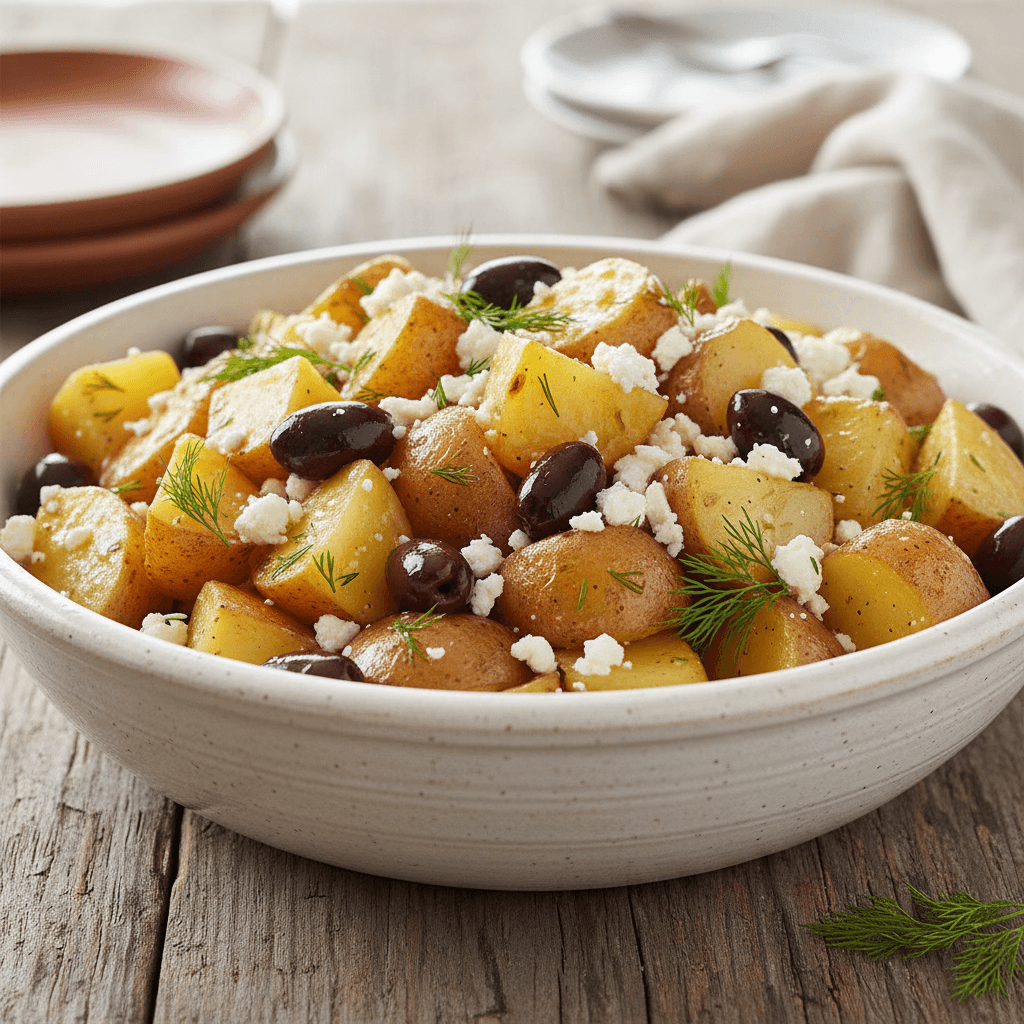
Imagine the scene: a table laden with delicious food, friends and family gathered around, their conversations a happy hum. Then, you bring out the centerpiece side dish. It’s not just a bowl of potatoes; it’s a mosaic of color and texture. Chunks of tender potato are flecked with deep purple Kalamata olives, creamy white feta, and a confetti of bright green herbs. A glistening, sun-yellow vinaigrette coats everything, promising a burst of bright, tangy flavor. This is the moment my authentic Greek Potato Salad makes its entrance. It doesn’t just sit on the table; it commands attention.
Before anyone even takes a bite, you see them lean in, admiring the vibrant, fresh ingredients. It looks like a dish straight from a seaside taverna on a Greek island, full of life and flavor. And while it has all the hallmarks of a showstopping dish, I’m here to let you in on a little secret: it’s wonderfully straightforward to create. There are no complicated techniques, just a focus on good, fresh ingredients and one crucial step that makes all the difference. This recipe for Greek Potato Salad is my go-to for a reason; it’s a celebration in a bowl, and the magic is all in its beautiful simplicity and the incredible lemon-herb dressing that brings it all together.
What Makes This Greek Potato Salad a Showstopper
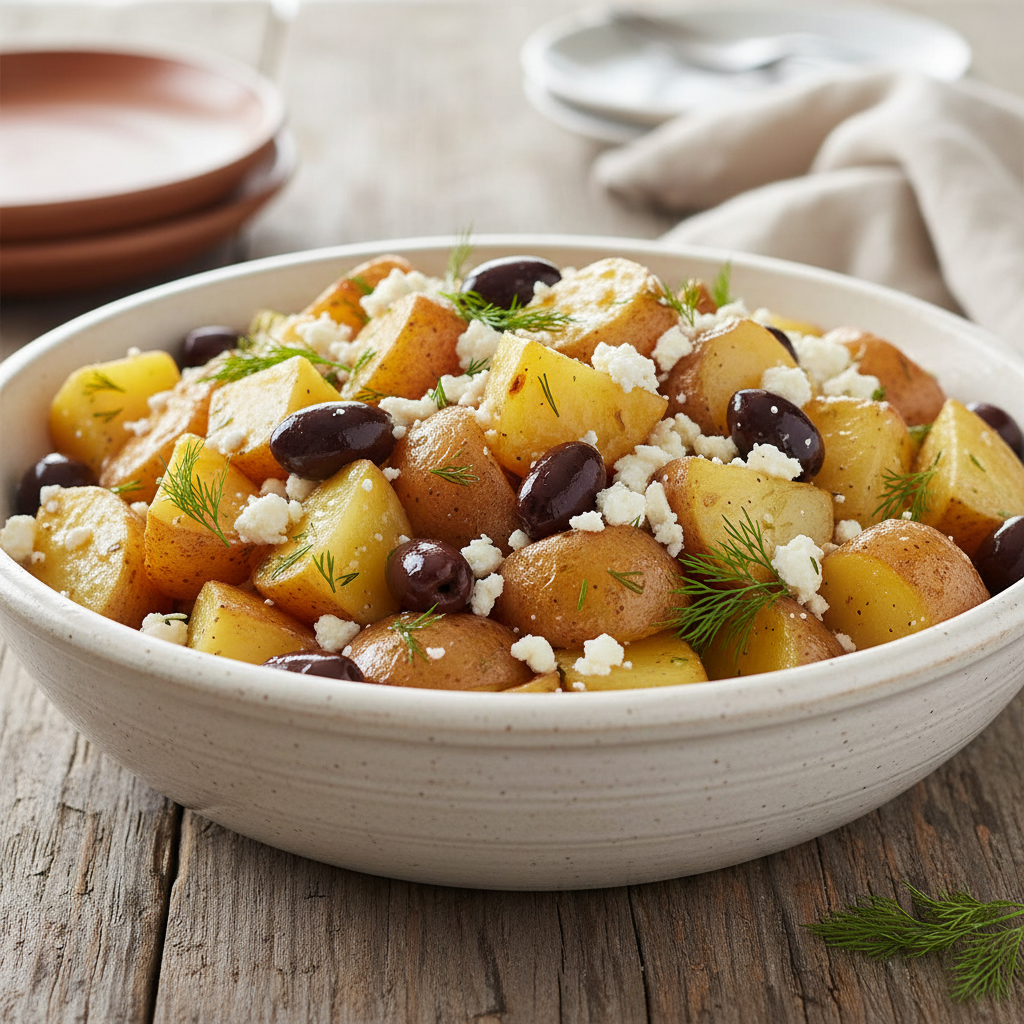
What truly elevates a dish from simple side to memorable showstopper? With this Greek Potato Salad, it’s a symphony of sensory details that begins the moment you see it. Visually, it’s a masterpiece of Mediterranean colors. The creamy, pale gold of the potatoes provides a beautiful canvas for the dramatic contrast of glossy, dark Kalamata olives, the sharp white of crumbled feta cheese, and the vibrant, jewel-toned green of freshly chopped dill and parsley. The slivers of red onion add a touch of magenta, creating a dish that is as beautiful to look at as it is to eat. It’s a far cry from the monotonous, one-note potato salads of the past; this is a dish with personality and visual appeal.
The flavor experience is just as dynamic. The first bite delivers a wave of bright, zesty lemon, beautifully balanced by the fruity richness of a good quality extra virgin olive oil. The potatoes, having absorbed this incredible dressing while warm, are tender and flavorful through and through. Then come the layers: the salty, briny pop of an olive, the creamy, tangy melt of feta, the sharp-but-sweet bite of red onion, and the fresh, almost grassy notes of dill and parsley. It’s a complex, deeply satisfying flavor profile that keeps you coming back for another spoonful. Unlike many potato salads that can feel heavy or dense, this Greek Potato Salad is light, refreshing, and energizing. It’s the kind of dish you’d find in a high-end Mediterranean restaurant, yet it’s made with accessible ingredients and techniques that any home cook can master, proving that true elegance in food comes from quality and care, not complexity.
The Ingredients That Matter Most
At the heart of any unforgettable dish are the ingredients, and this Greek Potato Salad is a perfect example. While every component plays a role, a few key players are responsible for its signature flavor and texture. Choosing them with care will make all the difference.
First, the potatoes. I strongly recommend Yukon Golds or another waxy potato variety like red potatoes. They hold their shape beautifully after boiling, preventing the salad from becoming mushy. Their creamy, buttery texture is the perfect base for our vibrant dressing. Starchy potatoes like Russets tend to fall apart, so it’s best to save those for mashing.
Next, the soul of our dressing: a high-quality extra virgin olive oil. This is where you should absolutely splurge. A good olive oil will have a fruity, slightly peppery flavor that forms the rich backbone of the vinaigrette. It’s not just for texture; it’s a primary flavor component. Pair this with freshly squeezed lemon juice—never the bottled kind. The bright, clean acidity of fresh lemon is irreplaceable and cuts through the richness of the oil and potatoes.
For that classic Greek flavor, Kalamata olives are non-negotiable. Their deep, briny, and fruity taste is iconic. Look for whole olives and pit them yourself for the best flavor, or buy them pre-pitted for convenience. Equally important is the feta cheese. I prefer buying a block of feta packed in brine. It’s creamier and has a more complex, tangy flavor than pre-crumbled varieties, which can often be dry. Crumbling it yourself just before adding it to the salad preserves its wonderful texture.
Finally, the fresh herbs. Fresh dill and flat-leaf parsley are essential. They bring a burst of freshness and aroma that lifts the entire dish. Dried herbs simply cannot replicate the vibrant, bright flavor of fresh ones here. These ingredients work in harmony to create a truly authentic and delicious Greek Potato Salad.
Building It Step by Step
The journey to creating the perfect Greek Potato Salad is one of thoughtful layering, where each stage builds upon the last to create a harmonious and flavorful whole. It’s a process that respects the ingredients and unlocks their full potential. It begins, of course, with the potatoes. We start by gently boiling them until they are just fork-tender. The goal is tenderness without disintegration; you should be able to easily pierce a potato with a fork, but it shouldn't crumble. This careful cooking is the foundation for the salad's satisfying texture.
Here comes the most critical stage, the one that separates a good potato salad from a great one. While the potatoes are still steaming hot, they are drained and then immediately tossed with the lemon-herb vinaigrette. This is where the magic happens. The warm, porous potatoes act like a sponge, soaking up the bright lemon juice, rich olive oil, and fragrant garlic and oregano deep into their core. This ensures that every single bite is infused with flavor, not just coated in it. Allowing them to cool in the dressing is a non-negotiable step for a truly memorable result.
While the potatoes are marinating and cooling, we prepare the supporting cast. The red onions are thinly sliced and can be soaked in a bit of cold water to mellow their sharp bite, a little trick that adds a subtle sweetness. The Kalamata olives are pitted and halved, the fresh parsley and dill are finely chopped, releasing their aromatic oils. These components are prepared and set aside, ready to be introduced once the potatoes have had their time to absorb the dressing.
Once the potatoes have cooled to room temperature, the assembly begins. We gently fold in the olives, the softened red onion, and the fresh herbs. The key word here is gently. We want to mix everything thoroughly without mashing the tender potatoes. The final, glorious touch is the feta cheese. It’s crumbled over the top and folded in very lightly at the very end. This preserves its creamy texture and distinct salty tang, ensuring it doesn't get lost or dissolve into the dressing. After a final, gentle stir, the Greek Potato Salad is technically ready, but a short rest in the refrigerator for about 30 minutes allows the flavors to meld and marry into the beautiful, cohesive dish it’s meant to be.
Presentation and Plating Tips
Serving your Greek Potato Salad is the final step in creating a memorable culinary experience, and presentation plays a huge role. To give this dish the platform it deserves, choose your serving vessel wisely. A wide, shallow ceramic bowl, perhaps in a rustic white, deep blue, or earthy terracotta, allows the vibrant colors of the salad to truly pop. This type of bowl showcases the beautiful medley of ingredients, so everyone can see the flecks of feta, olives, and herbs.
Before serving, give the salad one last gentle stir to redistribute the dressing. When you transfer it to your serving bowl, don't flatten the top. Instead, create gentle mounds and valleys to give it some texture and height, which makes it look more appealing and less uniform. This is your canvas for the final garnishes.
Garnishing is what takes the presentation from simple to stunning. Sprinkle a generous amount of freshly chopped dill or parsley over the top for a final burst of vibrant green. A few whole Kalamata olives strategically placed can add visual interest. My favorite touch is to crumble a little extra feta over the surface right before it goes to the table, so you have those bright white crumbles catching the light. Finally, a light drizzle of your best extra virgin olive oil over the top gives the entire dish a beautiful, appetizing sheen. For a photo-worthy finish, place a few lemon wedges around the edge of the bowl; they not only add a pop of yellow but also offer guests the option to add an extra squeeze of fresh juice to their portion.
Scaling Up for a Crowd
One of the best qualities of this Greek Potato Salad is how beautifully it scales to serve a large gathering. Its fresh, bright flavors are always a crowd-pleaser, and with a little planning, you can easily double or even triple the recipe without compromising on quality. The key is to manage your prep and timing strategically to avoid last-minute stress.
If you're doubling the recipe, simply multiply all the ingredients by two. For a triple batch, multiply by three. The ratios of dressing to potatoes remain the same. The biggest logistical challenge will be cooking a large quantity of potatoes. Ensure you have a pot large enough to boil them without overcrowding, which can lead to uneven cooking. It might be more efficient to cook them in two separate batches to ensure each potato is perfectly tender.
To make your life easier on the day of the gathering, embrace advance prep. The vinaigrette can be made up to two days ahead. Just whisk it together, store it in an airtight jar in the refrigerator, and give it a good shake to re-emulsify before using. All your vegetables can be prepped the day before as well: chop the herbs, slice the onions, and pit the olives. Store them in separate airtight containers in the fridge.
The day of, your main task is to cook the potatoes. Once they are tender, drain them and toss them with the pre-made dressing while they're still hot. Let this mixture cool completely. About an hour before your guests arrive, you can complete the final assembly by gently folding in the pre-chopped herbs, onions, and olives. Add the crumbled feta just before serving to keep it fresh and distinct. This phased approach breaks down the work and ensures your Greek Potato Salad tastes as fresh as if you made it all at once.
Storing Any Leftovers
While this Greek Potato Salad is often devoured quickly, if you do find yourself with leftovers, proper storage is key to preserving its wonderful texture and flavor. The good news is that because this recipe is mayo-free, it holds up much better in the refrigerator than its creamy counterparts.
To store, transfer the leftover salad to an airtight container. Using a container that is just the right size helps minimize air exposure, which can affect the freshness of the herbs and the texture of the feta. It will keep well in the refrigerator for up to three days. Over time, the potatoes will continue to absorb the dressing, and the flavors will meld even more deeply, which some people find even more delicious on the second day.
The one thing to note is that the fresh herbs, particularly the dill, may lose some of their vibrant color and fresh punch after a day or two. The feta may also soften slightly into the dressing. For this reason, if you anticipate having leftovers, you might consider setting a portion aside before adding the feta and herbs, and then adding them just before you enjoy the leftovers. To revive the salad before serving it again, give it a gentle stir and consider adding a fresh squeeze of lemon juice or a small drizzle of olive oil to brighten up the flavors. I do not recommend freezing this salad, as the texture of the potatoes will become watery and unpleasant upon thawing.
Variations to Explore
Once you’ve mastered the classic recipe, this Greek Potato Salad becomes a wonderful template for creative variations. It’s incredibly adaptable to seasonal ingredients and different flavor profiles. Here are a few ideas to get you started.
-
Add a Protein Boost: To turn this from a side dish into a light and satisfying main course, consider adding a protein. A can of chickpeas (rinsed and drained) or some grilled halloumi cubes folded in at the end would be absolutely delicious and align perfectly with the Mediterranean flavors.
-
Introduce More Veggies: Don't be afraid to add more color and crunch. Halved cherry tomatoes, diced cucumber, or even some chopped sun-dried tomatoes can add new dimensions of flavor and texture. For a peppery bite, a handful of fresh arugula folded in just before serving is a fantastic addition.
-
Spice Up the Vinaigrette: The classic lemon-herb vinaigrette is perfect, but you can easily give it a twist. A teaspoon of Dijon mustard will help emulsify the dressing and add a gentle tang. For a touch of warmth, a pinch of smoked paprika or a very small pinch of red pepper flakes can be whisked in.
-
A Weeknight-Friendly Version: For those evenings when you want the flavor without all the steps, you can simplify. Use baby potatoes, which cook faster and don't need to be peeled or chopped. While they boil, whisk the dressing directly in your large serving bowl. Drain the potatoes and toss them straight into the bowl with the dressing, then add the rest of your ingredients. It’s a quicker path to the same delicious destination.
-
Individual Servings: For a more elegant presentation, especially for a special dinner, consider serving the Greek Potato Salad in individual portions. Layer the ingredients in small glass jars or bowls for a beautiful, deconstructed look that's perfect for guests.
Questions You Might Have
Can I make this Greek Potato Salad ahead of time?
Yes, absolutely! You can prepare most of it in advance. The dressing can be made up to 2 days ahead. You can also cook the potatoes, toss them in the dressing, and let them marinate in the fridge overnight. For the best texture and freshness, I recommend adding the fresh herbs and feta cheese just before serving.
Why did my potatoes get mushy?
This usually happens for two reasons: using the wrong type of potato or overcooking them. Be sure to use a waxy variety like Yukon Gold or red potatoes, as they hold their shape well. Cook them only until they are fork-tender—meaning a fork can pierce them with little resistance, but they don't fall apart.
What can I substitute for Kalamata olives?
While Kalamata olives provide a distinct flavor, you can certainly substitute them if needed. Other brine-cured black olives would work well. For a milder, less salty flavor, you could use green olives like Castelvetrano, which would add a buttery note and a beautiful color contrast.
Can I use dried herbs instead of fresh?
The flavor of this Greek Potato Salad relies heavily on the bright, aromatic quality of fresh herbs. I strongly recommend using fresh dill and parsley. If you absolutely must use dried, use about one-third of the amount called for (so 1 tablespoon of fresh becomes 1 teaspoon of dried), but be aware that the final flavor will be noticeably different and less vibrant.
How should I transport this salad to a potluck or gathering?
This salad travels very well! For best results, transport the potato and dressing mixture in one container and the feta and fresh herbs in separate, smaller containers. You can then do the final assembly right before serving at your destination. This ensures the herbs stay bright green and the feta remains creamy and distinct, making for a perfect presentation every time.
Vibrant Greek Potato Salad (No Mayo)
A fresh and authentic Greek Potato Salad featuring tender potatoes, Kalamata olives, and feta cheese, all tossed in a bright lemon-herb vinaigrette. A perfect, healthy side dish for any occasion.
Prep Time
20 min
Cook Time
25 min
Total Time
45 min
Servings
6 servings
Ingredients
For 6 servings
- 2.5 lbs (about 1.2 kg) Yukon Gold potatoes, scrubbed and cut into 1.5-inch chunks
- 1/2 cup high-quality extra virgin olive oil
- 1/4 cup freshly squeezed lemon juice (from 1-2 lemons)
- 2 cloves garlic, minced
- 1 tsp dried oregano
- 1 tsp sea salt, plus more for boiling water
- 1/2 tsp black pepper, freshly ground
- 1/2 large red onion, thinly sliced
- 1 cup Kalamata olives, pitted and halved
- 1/2 cup fresh flat-leaf parsley, finely chopped
- 1/4 cup fresh dill, finely chopped
- 6 oz (about 170g) block of feta cheese, crumbled
Instructions
- 1
Cook the Potatoes
Place the potato chunks in a large pot and cover with cold, salted water by about an inch. Bring to a boil and cook for 15-20 minutes, or until the potatoes are fork-tender but not falling apart.
- 2
Prepare the Vinaigrette
While the potatoes are cooking, prepare the dressing. In a small bowl, whisk together the extra virgin olive oil, freshly squeezed lemon juice, minced garlic, dried oregano, 1 tsp sea salt, and black pepper until well combined and slightly emulsified.
- 3
Dress the Warm Potatoes
Once the potatoes are cooked, drain them well in a colander. Immediately transfer the hot potatoes to a large mixing bowl. Pour the prepared vinaigrette over the warm potatoes and toss gently to coat everything evenly.
- 4
Let Potatoes Cool and Marinate
Allow the potatoes to sit and cool in the dressing for at least 20-30 minutes at room temperature. This is a crucial step as the warm potatoes will absorb the dressing, becoming incredibly flavorful.
- 5
Prepare Remaining Ingredients
While the potatoes are cooling, finish preparing your other ingredients. Thinly slice the red onion, halve the pitted Kalamata olives, and finely chop the fresh parsley and dill.
- 6
Combine Vegetables and Herbs
Once the potatoes have cooled to room temperature, add the sliced red onion, halved Kalamata olives, chopped parsley, and chopped dill to the bowl. Gently fold all the ingredients together until they are well distributed.
- 7
Add the Feta Cheese
Crumble the block of feta cheese over the salad. Use a light hand to fold it in, being careful not to over-mix, which can make the salad cloudy and break down the feta too much.
- 8
Taste and Adjust Seasoning
Give the salad a final taste. Adjust with more salt, pepper, or a squeeze of lemon juice if needed, depending on the saltiness of your olives and feta.
- 9
Chill Before Serving (Optional)
For the best flavor, you can cover the salad and let it chill in the refrigerator for about 30 minutes to an hour. This allows all the flavors to meld together beautifully.
- 10
Garnish and Serve
Before serving, give the Greek Potato Salad a final gentle stir. Garnish with a little extra fresh dill or parsley and a final drizzle of extra virgin olive oil if desired. Serve chilled or at room temperature.
Nutrition Facts
Per serving (estimated)
420 calories
Calories
40g
Carbs
7g
Protein
26g
Fat
5g
Fiber
750mg
Sodium
4g
Sugar