
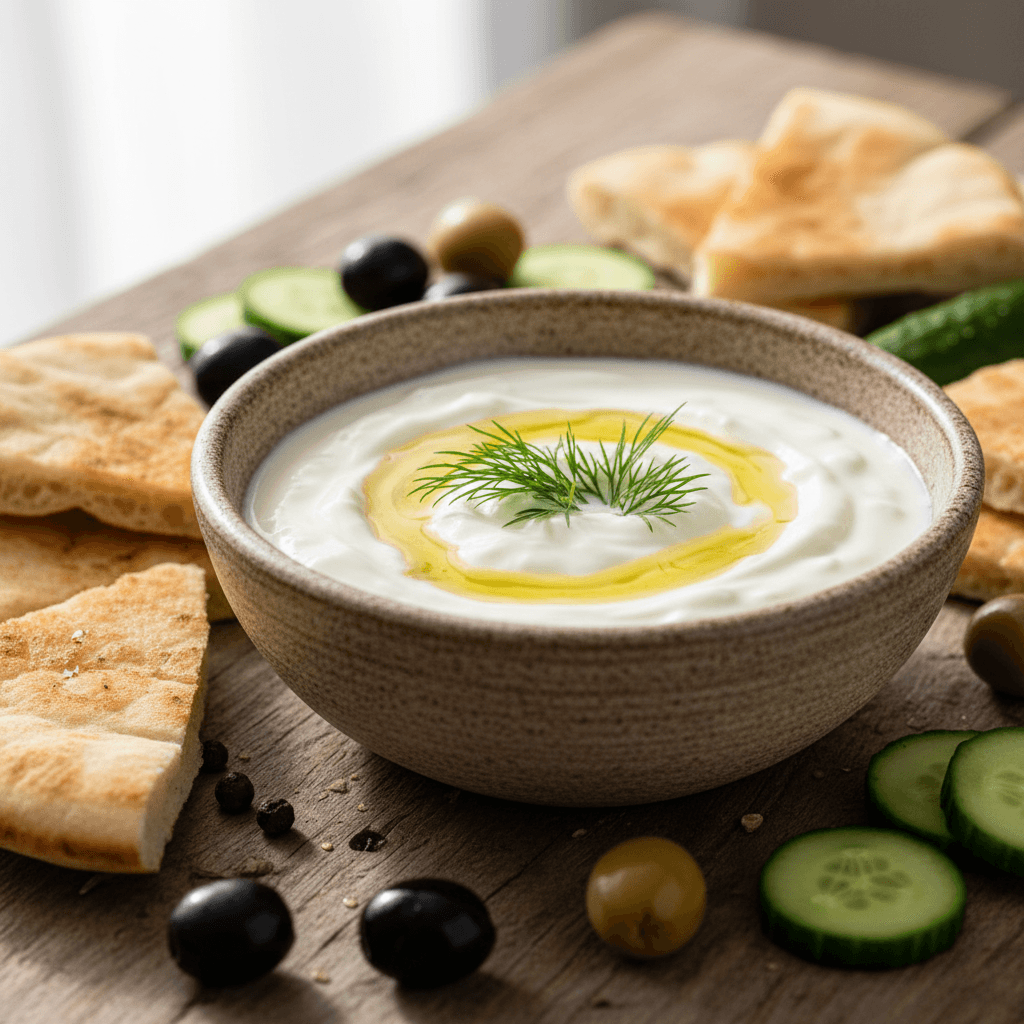
Authentic Greek Tzatziki Sauce Recipe
Learn how to make the best authentic Greek Tzatziki Sauce! This creamy, refreshing recipe is easy, delicious, and perfect as a dip or sauce.
cookwithyara.com/recipes/greek-tzatziki-sauce-recipe
There are some sauces that are so vibrant, so transformative, they can turn the simplest of meals into a feast. For me, a perfect, creamy, and refreshing Tzatziki is one of those kitchen essentials. It’s a cooling counterpoint to spiced grilled meats, a luscious dip for warm pita and crisp vegetables, and a bright spread that enlivens any sandwich or wrap. Forget those watery, bland store-bought versions; making your own is a revelation. This authentic greek tzatziki sauce recipe is about celebrating fresh, simple ingredients and a technique that coaxes out the most incredible flavor. It captures the essence of Mediterranean sunshine in a bowl.
The magic lies in its beautiful contrasts: the cool, crispness of cucumber against the rich tang of thick yogurt, the sharp bite of garlic mellowed by bright lemon, and the fragrant whispers of fresh dill and mint. When you bring a bowl of homemade tzatziki to the table, you’re bringing more than just a condiment. You’re offering a taste of tradition, a gesture of warm hospitality, and a sauce so delicious, it becomes the star of the show. And the best part? It’s wonderfully simple to prepare, a quiet kitchen ritual that rewards you tenfold in flavor. Let’s make the best tzatziki you've ever tasted.
What is Tzatziki? A Taste of the Mediterranean
Tzatziki is more than just a dip; it's a cornerstone of Greek cuisine and a beloved staple across the wider Mediterranean and Middle East. At its heart, it is a deceptively simple concoction of strained yogurt, grated or diced cucumber, garlic, olive oil, and fresh herbs. But to call it simple is to overlook the depth and history packed into every creamy spoonful. Its roots are deeply entwined with the culinary traditions of the region, tracing back to the Ottoman Empire, where yogurt-based dishes were central to the cuisine. The Turkish dish cacık is a close cousin, often thinner in consistency and sometimes served as a refreshing cold soup. You'll find similar preparations, like tarator in the Balkans, each with its own local twist, showcasing the enduring appeal of this cool and savory combination.
The name 'Tzatziki' itself is thought to derive from the Turkish word cacık. This linguistic link highlights the shared culinary heritage that flows through these lands, where borders blur on the dinner table. In Greece, tzatziki is an indispensable part of a meze platter, served alongside olives, feta, and dolmades. It's the classic accompaniment to souvlaki and gyros, its cooling properties providing the perfect balance to the rich, savory flavors of grilled meats. This greek tzatziki sauce recipe honors that tradition, focusing on the fundamental elements that make this sauce so universally loved: quality ingredients and a patient, thoughtful method that allows each flavor to shine while melding into a harmonious whole. It’s a testament to how the most profound flavors often come from the simplest things.
The Heart of Tzatziki: Choosing Your Ingredients
A truly exceptional tzatziki is a direct result of exceptional ingredients. There are no complicated techniques or secret spices to hide behind; the quality of each component is on full display. That’s why taking a moment to select the best possible ingredients is the most important step in this entire greek tzatziki sauce recipe.
The Yogurt: This is the soul of your tzatziki. You must use a thick, strained yogurt, and full-fat is absolutely the way to go. Authentic Greek yogurt is ideal because it has been strained to remove most of the whey, resulting in a dense, protein-rich, and incredibly creamy texture that can stand up to the moisture from the cucumber. A low-fat or regular, unstrained yogurt will result in a disappointingly thin and watery sauce. If you can't find true Greek yogurt, you can easily make your own by straining plain whole-milk yogurt. Simply line a sieve with a few layers of cheesecloth or a clean kitchen towel, place it over a bowl, spoon in the yogurt, and let it drain in the refrigerator for a few hours. The longer it drains, the thicker it will become, similar to a soft labneh, which also makes a fantastic base for tzatziki.
The Cucumber: Look for firm, fresh cucumbers with minimal seeds. English or Persian cucumbers are my top choice. Their skin is thin and unwaxed, so you don't need to peel them, and their seeds are small and tender. This means you get more crisp flesh and less watery pulp. If you use a standard garden cucumber, it’s best to peel it and scoop out the seeds with a spoon before grating, as the skin can be bitter and the seeds can add excess moisture.
The Garlic: Fresh garlic is non-negotiable. Please, step away from the jarred, pre-minced kind or the garlic powder. The flavor of fresh garlic—pungent, sharp, and complex—is central to the character of tzatziki. How you prepare it matters, too. For a potent, fiery kick, you can finely mince it. For a smoother, more integrated flavor, I recommend grating it on a microplane or crushing it into a paste with a pinch of salt using the side of your knife. This breaks down the cell walls more completely, releasing its aromatic oils and allowing it to dissolve seamlessly into the yogurt.
The Herbs: Fresh dill and fresh mint are the classic herbal dream team for this sauce. Dill provides a unique, slightly tangy, and grassy flavor that is quintessentially Greek, while mint adds a burst of cool, sweet freshness. While some recipes call for one or the other, I find the combination creates a more layered and interesting flavor profile. Always use fresh herbs if you can; their vibrant flavor is far superior to dried, which can sometimes taste dusty. If you absolutely must use dried, remember the rule of thumb: use about one-third the amount called for fresh herbs.
The Acidity: A splash of acid is crucial for brightening the flavors and cutting through the richness of the yogurt. Freshly squeezed lemon juice is my preference for its floral, zesty brightness. However, a high-quality white grape vinegar is also a traditional and excellent choice, offering a slightly sharper, cleaner tang. Whichever you choose, use it judiciously—you want to lift the flavors, not overpower them.
The Olive Oil: A final, generous drizzle of extra virgin olive oil is the finishing touch. It adds a wonderful, fruity richness, a silky mouthfeel, and a touch of peppery flavor that ties everything together. Use a good quality oil whose flavor you enjoy on its own, as it’s not just for texture but for taste. This isn't the place for your everyday cooking oil; choose one that brings its own beautiful character to the party.
Mastering the Method: Crafting the Perfect Tzatziki
Creating the perfect tzatziki is less about a rigid set of rules and more about a gentle, thoughtful process. It's a culinary dance where each step is designed to build layers of flavor and achieve that signature thick, creamy texture. By understanding the 'why' behind each action, you'll be able to craft a flawless greek tzatziki sauce recipe every single time.
Stage 1: The Great Cucumber Squeeze. This is, without a doubt, the most critical step in preventing a watery sauce. Start by grating your cucumber using the large holes of a box grater. Once grated, place the shreds in a fine-mesh sieve or a colander set over a bowl. Sprinkle them generously with about half a teaspoon of salt and toss to combine. Let this sit for about 15-20 minutes. The salt works through osmosis, drawing the excess water out of the cucumber cells. You will be amazed at how much liquid pools in the bowl beneath. Now for the squeeze: gather the salted cucumber shreds in a clean kitchen towel or several layers of cheesecloth. Twist the cloth tightly and squeeze with all your might. Squeeze until you can’t get another drop out. What you’re left with is the concentrated, crisp essence of cucumber, ready to join the sauce without turning it into a soupy mess.
Stage 2: Mellowing the Garlic. Raw garlic can be aggressive, with a sharp bite that can easily dominate the other delicate flavors. To tame its pungency, I like to prepare it with the lemon juice. Finely mince your garlic cloves, or better yet, grate them on a microplane to create a fine pulp. Place the garlic in a small bowl and pour the fresh lemon juice over it. Let this mixture sit for 5-10 minutes while you gather the other ingredients. The acidity of the lemon juice begins to “cook” the garlic ever so slightly, a process similar to making ceviche. This mellows its harshness, resulting in a smoother, more rounded garlic flavor that perfumes the entire sauce beautifully.
Stage 3: Building the Flavor Base. In a medium-sized bowl, start with your star ingredient: the thick, full-fat Greek yogurt. To this, add the garlic-lemon mixture, the finely chopped fresh dill and mint, a pinch of black pepper, and another pinch of salt (remembering the cucumber is already salted). Stir everything together until it’s perfectly combined. By creating this flavor base first, you allow the aromatic compounds from the garlic and herbs to infuse the yogurt thoroughly before you introduce the cucumber. Taste it at this stage. It should be tangy, herbaceous, and savory. This is your chance to adjust the primary seasonings before the final component is added.
Stage 4: The Final Combination and The Crucial Rest. Now, gently fold the thoroughly squeezed cucumber shreds into the seasoned yogurt. Stir just until the cucumber is evenly distributed. Over-mixing can break down the cucumber and make the sauce watery. Finally, drizzle in a tablespoon of good quality extra virgin olive oil and give it one last gentle stir. The oil adds a lovely richness and sheen. Now for the secret ingredient: patience. Cover the bowl and place the tzatziki in the refrigerator to rest for at least 30 minutes, but an hour or two is even better. This resting period is non-negotiable for the best flavor. It allows all the individual elements—the garlic, herbs, lemon, and cucumber—to meld, marry, and deepen into a cohesive and incredibly delicious sauce. The flavors will be noticeably more complex and harmonious after a rest.
Secrets for the Best Homemade Tzatziki Sauce
Making a good tzatziki is easy, but making a truly unforgettable tzatziki involves a few key details that elevate it from simple to sublime. These are the little secrets I’ve learned over the years that guarantee a perfect result every time you make this classic greek tzatziki sauce recipe.
1. The Squeeze is Everything: I cannot overstate this. If you take away only one tip, let it be this one. The difference between a thick, scoopable tzatziki and a sad, watery puddle is how well you drain and squeeze your cucumber. Salting and letting it sit draws out the initial moisture, but the final, forceful squeeze in a cheesecloth or kitchen towel is what gets rid of the rest. Be ruthless! Your reward will be a sauce with the perfect, luxurious consistency.
2. Full-Fat Greek Yogurt is Non-Negotiable: The foundation of your tzatziki matters immensely. Full-fat (10% milk fat is ideal) Greek yogurt provides the necessary richness and ultra-creamy texture that defines a great sauce. It has a tangy flavor that lower-fat versions lack, and its thickness ensures the final product is sturdy enough for dipping and spreading. Using non-fat or regular yogurt will almost always lead to a thinner, less satisfying result.
3. Let It Rest to Let It Bloom: Patience truly is a virtue in the kitchen, especially here. A freshly mixed tzatziki tastes good, but a tzatziki that has been allowed to rest in the refrigerator for at least 30-60 minutes tastes incredible. This resting period gives the garlic time to mellow and the flavors of the herbs and lemon to fully infuse the yogurt. The sauce becomes deeper, more aromatic, and much more cohesive. If you can make it a few hours ahead, it will be even better.
4. Balance is an Art, So Taste and Adjust: A recipe is a guide, but your palate is the ultimate judge. Before you serve your tzatziki, give it a final taste. Does it need more brightness? Add a tiny squeeze of lemon juice. A bit more salt to make the flavors pop? Go for it. Is the garlic a little too shy? You can stir in a tiny bit more grated garlic. Learning to taste and adjust is what will make your version of this greek tzatziki sauce recipe uniquely yours.
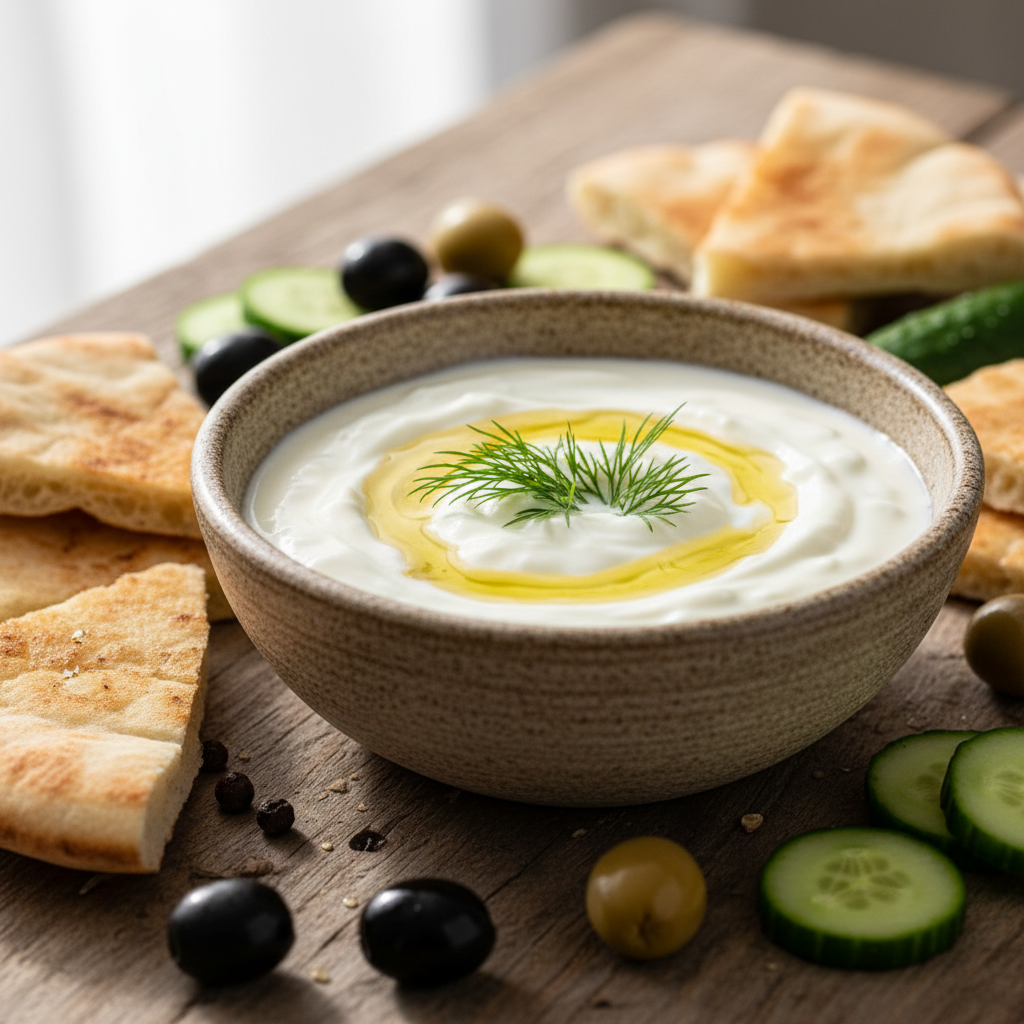
5. Finish with a Flourish of Olive Oil: Don't just mix all the olive oil into the sauce. My favorite technique is to mix in a small amount for richness and then, just before serving, create a little swirl on top and drizzle it with a bit more high-quality extra virgin olive oil. It not only looks beautiful but it also provides a little pool of fruity, peppery oil for the first delicious dip.
How to Serve Your Greek Tzatziki Sauce
Once you have a bowl of this creamy, vibrant tzatziki, the possibilities are nearly endless. Its versatility is one of its greatest strengths, allowing it to play a starring role in countless meals. This isn't just a side dish; it's an upgrade to everything it touches. Here are some of my favorite ways to enjoy this classic greek tzatziki sauce recipe.
As a Classic Dip: This is tzatziki in its purest form. Serve it in a beautiful bowl, drizzled with a little extra olive oil and perhaps a sprinkle of fresh dill or a few olives on top. It’s the perfect centerpiece for a meze platter. Surround it with wedges of warm, fluffy pita bread for dipping. For a lighter option, an array of fresh, crisp vegetables—or crudités—is wonderful. Think cucumber spears, carrot sticks, sweet bell pepper strips, and cherry tomatoes. The cool, creamy dip is a perfect partner to their natural crunch and sweetness.
As a Sauce for Grilled Meats: Tzatziki and grilled foods are a match made in heaven. The cool, tangy yogurt and fresh herbs provide the perfect counterpoint to the smoky, savory flavors of grilled chicken souvlaki, lamb kofta, or beef kebabs. A generous dollop on top cuts through the richness and refreshes the palate with every bite. It’s also absolutely essential for a homemade shawarma, balancing the warm spices beautifully.
As a Luscious Spread: Elevate your sandwiches and wraps by swapping out mayonnaise for a thick layer of tzatziki. It adds incredible flavor, moisture, and a dose of protein without the heaviness. It's particularly fantastic in a wrap with grilled chicken, crisp lettuce, and fresh tomatoes. It's also a wonderful spread for falafel sandwiches, where its coolness tames the heat of any spicy sauce.
As a Topping and Dressing: Think beyond the dip! A spoonful of tzatziki can transform a simple dish. Dollop it onto a grain bowl with quinoa, roasted vegetables, and chickpeas for a complete and satisfying meal. Use it as a dressing for a hearty potato salad or a simple cucumber and tomato salad. It's also a fantastic, healthy topping for baked potatoes or spooned over pan-seared salmon or other grilled fish. Any dish that needs a touch of creamy, tangy brightness will benefit from a bit of tzatziki.
Storage and Making Ahead
One of the best things about this greek tzatziki sauce recipe is that it's an ideal candidate for making ahead. In fact, its flavor actually improves with a little time, making it perfect for meal prep or preparing for a gathering.
To store your homemade tzatziki, transfer it to an airtight container and place it in the coldest part of your refrigerator. Stored properly, it will stay fresh and delicious for up to four days. You may notice a little bit of liquid (whey from the yogurt or residual water from the cucumber) separating and pooling on the surface after a day or two. This is perfectly normal; simply give the sauce a good stir to incorporate it back in before serving.
Because the flavors meld and deepen over time, making tzatziki a day before you plan to serve it is a fantastic idea. This gives the garlic a chance to fully mellow and the herbs to completely infuse the yogurt, resulting in a more complex and harmonious sauce. When you're ready to serve, just take it out of the fridge, stir it well to refresh the texture, and transfer it to your serving bowl. You can add the final drizzle of olive oil and any garnishes just before it hits the table.
One important note: I do not recommend freezing tzatziki. The dairy base, specifically the yogurt, will separate when it thaws. The freezing and thawing process ruins its smooth, creamy texture, leaving you with a grainy and watery consistency. Since this recipe is so quick and easy to whip up, it’s best enjoyed fresh.
Your Tzatziki Questions Answered
I get a lot of questions about getting this sauce just right. Here are answers to some of the most common queries to help you perfect your own greek tzatziki sauce recipe.
Why is my tzatziki watery?
This is the most common issue, and the answer is almost always the cucumber. You must draw out as much water as possible. Salting the grated cucumber and letting it sit for 15-20 minutes is the first step, but the crucial second step is squeezing it thoroughly in a clean kitchen towel or cheesecloth. Squeeze until it's surprisingly dry. This single action will transform your sauce from thin and runny to thick and creamy.
Can I use regular yogurt instead of Greek yogurt?
Yes, you can, but you must strain it first to achieve the necessary thickness. To do this, line a sieve with cheesecloth or a coffee filter, place it over a bowl, and pour in the plain yogurt. Let it drain in the refrigerator for at least 2-4 hours, or until it has reached a thick, Greek-style consistency. The liquid that drains out is whey, which you can discard or use in other recipes.
Can I make this recipe dairy-free?
Absolutely. For a dairy-free or vegan version, use a thick, Greek-style plant-based yogurt. Look for one that is unsweetened and has a creamy texture. Coconut, almond, or soy-based yogurts can all work well, but their thickness varies by brand, so choose the most dense one you can find for the best results.
My garlic flavor is too strong. How can I fix it?
If you find your tzatziki is too pungent, there are a few fixes. First, you can simply add more Greek yogurt to dilute the garlic flavor. For next time, try mellowing the garlic first by letting the minced or grated cloves sit in the lemon juice for 10 minutes before adding it to the yogurt. Also, always start with a smaller amount of garlic than you think you need—you can always add more, but you can't take it away.
Can I use dried herbs instead of fresh?
While fresh dill and mint are highly recommended for their bright, vibrant flavor, you can use dried herbs in a pinch. The general rule is to use one-third the amount of dried herbs as you would fresh. For this recipe, that would be about 1 teaspoon of dried dill and 1/2 teaspoon of dried mint. Be sure to let the tzatziki rest for at least an hour to allow the dried herbs to fully rehydrate and release their flavor into the yogurt.
What's the difference between Greek Tzatziki and Turkish Cacık?
They are very similar yogurt-and-cucumber sauces and share a common history. The main difference is often consistency and how they're served. Greek tzatziki is typically very thick, made with strained yogurt, and served as a dip or meze. Turkish cacık is often made with unstrained yogurt, making it thinner, and is sometimes diluted further with water and served as a refreshing cold soup, especially in the summer.
Authentic Greek Tzatziki Sauce
A creamy, refreshing, and easy-to-make Greek Tzatziki sauce with grated cucumber, garlic, fresh herbs, and tangy Greek yogurt. Perfect as a dip, sauce, or spread.
Prep Time
20 min
Cook Time
0 min
Total Time
50 min
Servings
2 cups
Ingredients
For 2 cups
- 2 cups full-fat plain Greek yogurt (10% milk fat is ideal)
- 1 large English cucumber (or 2 smaller Persian cucumbers)
- 2-3 cloves garlic, minced or grated
- 2 tablespoons fresh lemon juice
- 3 tablespoons chopped fresh dill
- 1 tablespoon chopped fresh mint
- 2 tablespoons extra virgin olive oil, plus more for drizzling
- 1/2 teaspoon fine sea salt, plus more for the cucumber
- 1/4 teaspoon black pepper
Instructions
- 1
Prepare the Cucumber
Using the large holes of a box grater, grate the English cucumber (no need to peel). Place the grated cucumber in a fine-mesh sieve or colander set over a bowl.
- 2
Salt and Drain the Cucumber
Sprinkle about 1/2 teaspoon of salt over the grated cucumber and toss to combine. Let it sit for 15-20 minutes to allow the salt to draw out excess water.
- 3
Squeeze the Cucumber Dry
Transfer the salted cucumber to a clean kitchen towel or several layers of cheesecloth. Gather the ends and squeeze very tightly over the sink to remove as much liquid as possible. This step is crucial for a thick sauce.
- 4
Mellow the Garlic
In a small bowl, combine the finely minced or grated garlic with the fresh lemon juice. Let this mixture sit for 5-10 minutes to mellow the sharp bite of the raw garlic.
- 5
Combine Yogurt and Flavorings
In a medium bowl, add the Greek yogurt. Pour in the garlic-lemon mixture, chopped fresh dill, chopped fresh mint, 1/2 teaspoon of salt, and black pepper. Stir until everything is well combined.
- 6
Add Cucumber and Olive Oil
Gently fold the dry, squeezed cucumber shreds into the seasoned yogurt. Drizzle in 2 tablespoons of extra virgin olive oil and stir gently until just incorporated. Be careful not to overmix.
- 7
Rest for Flavor
Cover the bowl and refrigerate for at least 30 minutes, or ideally 1-2 hours. This resting period allows all the flavors to meld together and deepen.
- 8
Serve and Garnish
When ready to serve, give the tzatziki a good stir. Transfer to a serving bowl, create a swirl on top with a spoon, and drizzle with a little extra virgin olive oil. Garnish with a fresh dill sprig if desired.
Nutrition Facts
Per serving (estimated)
60 calories
Calories
3g
Carbs
4g
Protein
4g
Fat
0.5g
Fiber
150mg
Sodium
2g
Sugar