The Best Healthy Zucchini Bread Recipe (Moist & Easy)
Discover the secret to a perfectly moist and flavorful healthy zucchini bread. Made with whole grains, olive oil, and no refined sugar. So easy to make!
cookwithyara.com/recipes/healthy-zucchini-bread
There is a special kind of magic in transforming a humble garden vegetable into a tender, warmly spiced loaf of bread. Zucchini bread, in its many forms, is a testament to the resourcefulness of home bakers, a delicious solution to the happy problem of a summer garden's abundance. When I first encountered a truly exceptional slice, it wasn't the overly sweet, heavy version I'd known before. It was light yet moist, with a complex flavor that was both comforting and surprisingly elegant. It was a perfect example of a healthy zucchini bread that didn't sacrifice a single bit of flavor or texture for the sake of nutrition. This is the kind of baking I adore—simple ingredients, thoughtfully combined to create something truly special.
Crafting the perfect healthy zucchini bread does require a bit more attention to detail than just mixing ingredients in a bowl. It’s a delicate balance. We want all the moisture the zucchini has to offer without letting the bread become soggy. We want a tender crumb from whole grains without it turning heavy or dense. We want sweetness that enhances, not overpowers. This recipe is the culmination of my efforts to strike that perfect balance. It’s a guide to creating a loaf that is deeply satisfying, nourishing, and worthy of a place at your family’s table. I promise that the small, intentional steps we'll take together are what elevate this from a simple quick bread to a recipe you’ll return to again and again.
The Origins and History of Zucchini Bread
While baking with vegetables like carrots and pumpkin has a long history, zucchini bread is a more recent culinary invention, deeply rooted in American home kitchens of the 20th century. Its story is tied to the rise of home gardening, particularly during and after World War II with the popularity of "Victory Gardens." As families cultivated their own produce, they were often met with an overwhelming surplus of zucchini, a notoriously prolific summer squash. Ingenious home cooks needed creative ways to use it all up, and tucking it into a sweet, spiced quick bread proved to be a perfect solution.
The concept of "quick breads"—those leavened with chemical agents like baking soda or powder rather than yeast—was already a staple of American baking. They were fast, reliable, and didn't require the time or skill of yeast-based doughs. Zucchini bread fit seamlessly into this tradition. Early recipes started appearing in community cookbooks and newspapers in the 1960s and 1970s, often featuring white flour, sugar, and vegetable oil. As health consciousness grew over the following decades, so did the evolution of the recipe. Bakers began experimenting with whole wheat flour, reducing sugar, and using alternative fats, paving the way for the delicious healthy zucchini bread we know today. This evolution reflects a broader shift in our approach to baking, one that values both indulgence and nourishment, proving that a treat can be both wholesome and incredibly delicious.
Understanding the Flavor Profile
What makes a truly fantastic healthy zucchini bread so captivating is its beautifully layered and balanced flavor profile. At first glance, you might think the zucchini is the star, but its role is more of a supporting actor, providing incredible moisture and a subtle, almost imperceptible earthy sweetness that forms the foundation of the loaf. The zucchini itself doesn't have a strong flavor, which allows the other ingredients to shine brightly.
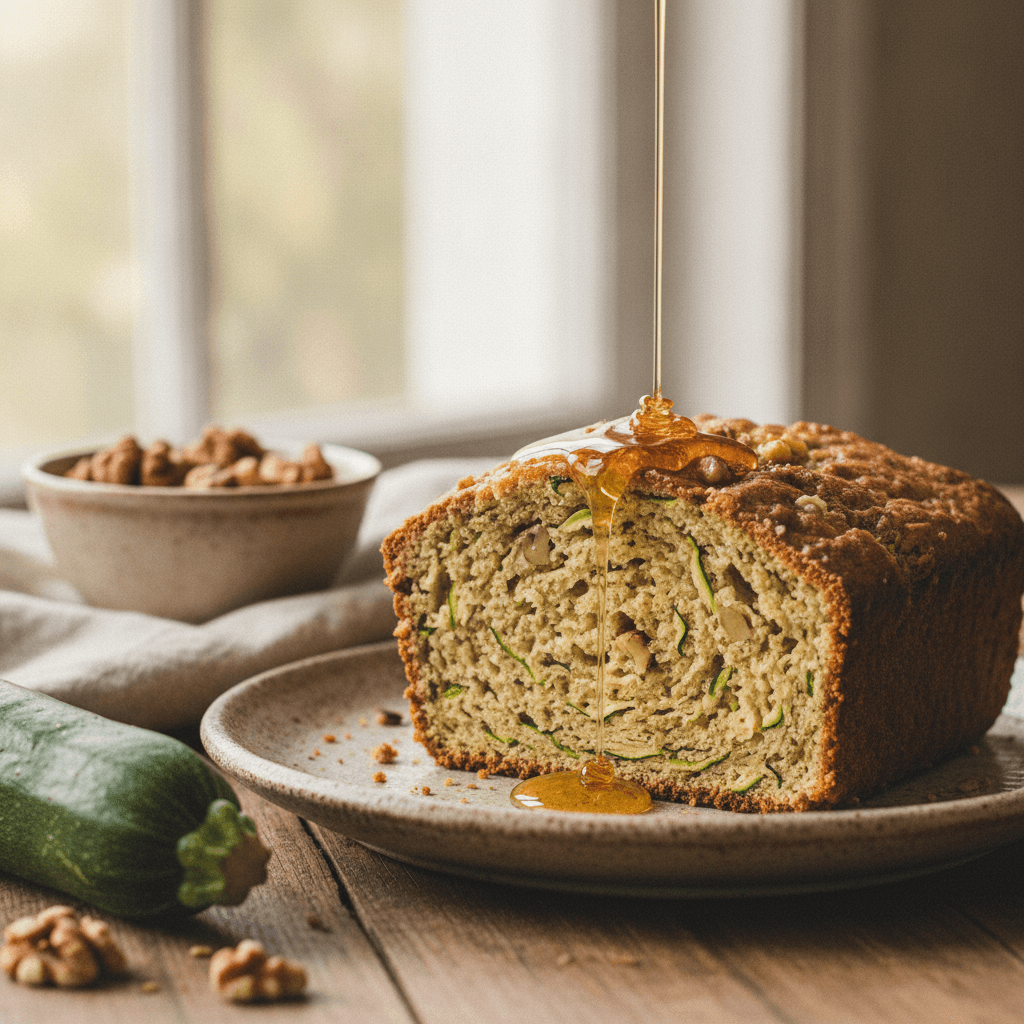
The primary notes you'll taste are the warm, aromatic spices. Cinnamon provides a familiar, sweet-woody comfort, while a touch of nutmeg adds a deeper, slightly peppery warmth. I love to add a pinch of cardamom for a hint of my Levantine heritage; it brings a complex, fragrant, almost citrusy note that elevates the entire loaf. The sweetness comes from natural sources like honey or maple syrup, which contribute not just sugary notes but also their own distinct, nuanced flavors—the floral hint of honey or the rich, caramel note of maple. Finally, the use of a good quality olive oil lends a subtle fruitiness and a rich mouthfeel, while toasted walnuts provide a welcome, crunchy texture and a buttery, nutty finish. When perfectly baked, the texture is dense yet tender, with a moist, delicate crumb that holds together beautifully. It’s a symphony of simple, wholesome flavors working in perfect harmony.
Essential Ingredients Explained
Every ingredient in this healthy zucchini bread recipe is chosen with purpose, working together to create the perfect balance of flavor, moisture, and texture. Understanding why each one matters is the first step to baking a flawless loaf.
- Zucchini: The heart of the bread. Look for small to medium-sized zucchini, as they are more tender and have fewer seeds. The key is to grate it and then squeeze out as much excess water as possible. This step is non-negotiable! It concentrates the zucchini's essence and prevents the final loaf from becoming overly dense or gummy.
- Whole Wheat Pastry Flour: My secret for a tender whole-grain crumb. It’s milled from soft white wheat, giving it a lower protein content than regular whole wheat flour. This results in a lighter, less dense texture. If you can't find it, a 50/50 mix of all-purpose flour and regular whole wheat flour is a good substitute.
- Extra Virgin Olive Oil: A nod to my Mediterranean roots, olive oil provides moisture and heart-healthy fats. A light, fruity olive oil works best here, adding a subtle complexity you won't get from neutral oils. It creates a wonderfully soft and tender crumb that stays moist for days.
- Maple Syrup or Honey: These natural sweeteners do more than just sweeten the loaf. They add moisture and a wonderful depth of flavor that refined sugar simply can't match. Use high-quality, pure maple syrup or a flavorful honey for the best results.
- Greek Yogurt: This is a powerhouse ingredient. It adds moisture, a subtle tang that balances the sweetness, and a boost of protein. The acidity in the yogurt also reacts with the baking soda to help the bread rise, contributing to a wonderfully tender texture.
- Warm Spices: Cinnamon, nutmeg, and a pinch of cardamom are the soul of this bread. Always use fresh, fragrant spices. Their warmth complements the earthy zucchini and nutty walnuts perfectly.
- Walnuts: These add essential texture and a rich, nutty flavor. Always toast your nuts before adding them to the batter! This simple step awakens their natural oils and makes them crunchier and more flavorful.
- Eggs: They provide structure, binding the ingredients together, and contribute to the richness and leavening of the loaf.
Mastering the Technique
Baking is as much a science as it is an art, and mastering a few key techniques will ensure your healthy zucchini bread turns out perfectly every time. It’s all about a gentle hand and understanding the why behind each step.
First, preparation is paramount. Begin by properly preparing your zucchini. After grating it on the large holes of a box grater, place it in a clean kitchen towel or several layers of paper towels and squeeze firmly over the sink. You’ll be amazed at how much water comes out. This step is critical for controlling the moisture content and achieving the ideal texture. At the same time, toast your walnuts in a dry skillet over medium heat until fragrant. This deepens their flavor immeasurably. And of course, preheat your oven and prepare your loaf pan—baking is all about being ready.
Next, focus on the mixing method. We use what’s known as the “muffin method,” which is designed to keep the crumb tender. In one bowl, whisk your dry ingredients—flour, spices, leaveners, and salt. Whisking acts like sifting, aerating the mixture and ensuring everything is evenly distributed. In a separate, larger bowl, whisk the wet ingredients—eggs, olive oil, maple syrup, Greek yogurt, and vanilla—until they are completely smooth and emulsified. This creates a stable base for your batter.
The most crucial stage is combining the two. Pour the dry ingredients into the wet ingredients and fold them together gently with a spatula. The goal is to mix just until the streaks of flour disappear. A few small lumps are perfectly fine! Overmixing is the number one enemy of quick breads; it develops the gluten in the flour, resulting in a tough, rubbery texture. Once the batter is just combined, gently fold in your squeezed zucchini and toasted walnuts. Pour the batter into your prepared pan, smooth the top, and bake. The final technique is patience: let the bread cool in the pan for a bit, then transfer it to a wire rack to cool completely. This allows the crumb to set, making for cleaner slices and a better overall texture.
Common Pitfalls and How to Fix Them
Even the most seasoned baker can run into trouble. The beauty of a recipe like this healthy zucchini bread is that most common issues are easily preventable and often fixable. Let’s walk through some potential pitfalls so you can bake with confidence.
The Problem: A Gummy or Soggy Bottom. This is almost always caused by one thing: excess moisture from the zucchini. If you skip or rush the squeezing step, that water will release during baking and pool at the bottom of your loaf, creating a dense, unpleasantly wet layer.
- The Fix: Be thorough! Place the grated zucchini in a cheesecloth or a sturdy, clean kitchen towel and wring it out with determination. You want the shreds to feel damp, not wet.
The Problem: The Bread is Dry and Crumbly. This can happen for a couple of reasons. The most common culprit is overbaking, which evaporates too much moisture. Another possibility is inaccurate flour measurement. Scooping flour directly from the bag with your measuring cup can compact it, leading you to use too much.
- The Fix: For perfect measuring, use the “spoon and level” method: spoon the flour into your measuring cup, then level it off with the back of a knife. And start checking for doneness a few minutes before the recipe suggests. A wooden skewer inserted into the center should come out with a few moist crumbs attached, not completely clean (which indicates it's slightly overbaked) or wet with batter.
The Problem: The Loaf is Tough and Rubbery. The texture of a great quick bread should be tender, never tough. A rubbery texture is a tell-tale sign of an overmixed batter, which develops too much gluten.
- The Fix: Embrace the lumps! Mix your dry and wet ingredients only until they are just combined. Stop as soon as you no longer see streaks of dry flour. A gentle hand with a spatula is your best tool here.
The Problem: The Center of the Bread Sinks. A sunken center is heartbreaking! It usually means the structure wasn't set before it was disturbed. This could be from opening the oven door too early and too often, letting cool air in, or from underbaking.
- The Fix: Resist the urge to peek! Keep the oven door closed for at least the first 40 minutes of baking. Test for doneness properly; the skewer test is your most reliable friend here.
Regional Twists Worth Trying
Once you've mastered the classic healthy zucchini bread, you can start having fun with variations. This loaf is a wonderful canvas for other flavors, and I love incorporating influences from my own Mediterranean and Levantine background.
-
A Levantine Touch: For a wonderfully nutty and complex flavor, try adding a tablespoon or two of tahini to the wet ingredients along with the olive oil. The sesame paste adds a subtle, savory depth that is absolutely divine. Before baking, sprinkle the top of the loaf with a generous amount of sesame seeds for extra texture and flavor. It’s an unexpected twist that feels both modern and traditional.
-
Mediterranean Sunshine: Brighten up the entire loaf by adding the zest of one large orange or lemon to the wet ingredients. The citrus oils infuse the batter with a fresh, vibrant aroma and a zesty flavor that cuts through the richness and pairs beautifully with the warm spices and earthy zucchini. It’s like adding a little bit of sunshine to every slice.
-
A Savory Turn: Who says zucchini bread has to be sweet? For a completely different experience, reduce the maple syrup by half, omit the cinnamon and nutmeg, and instead fold in a half-cup of crumbled feta cheese, two tablespoons of finely chopped fresh dill, and a handful of chopped Kalamata olives. This savory version is perfect as an accompaniment to a bowl of lentil soup or as part of a meze platter.
The Perfect Spread
A slice of this beautifully moist healthy zucchini bread is a true pleasure all on its own, perhaps accompanied by a warm cup of coffee or a fragrant glass of mint tea. It’s the perfect afternoon pick-me-up or a wholesome start to the day. But if you want to elevate the experience, there are several wonderful ways to serve it.
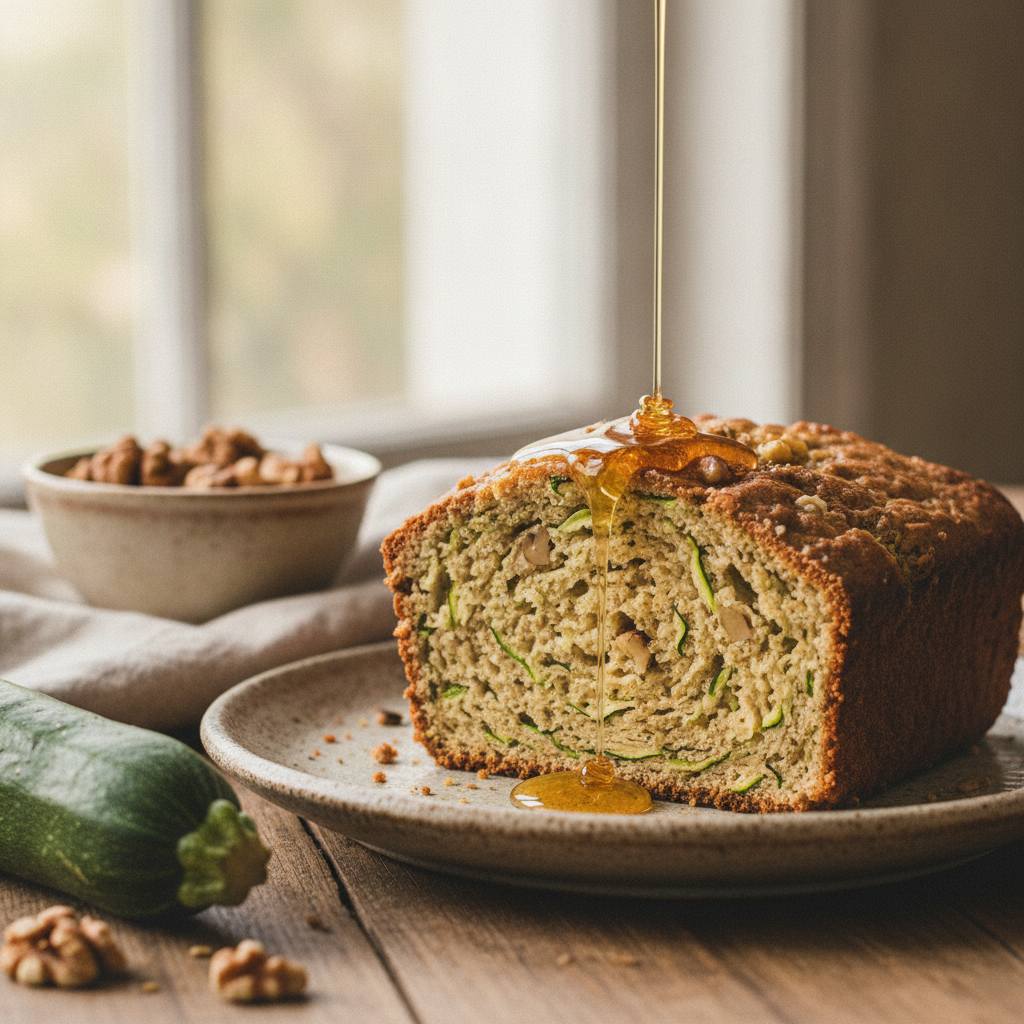
For a simple yet elegant touch that honors its wholesome nature, try spreading a warm slice with a dollop of creamy labneh (strained Greek yogurt). The cool, tangy yogurt is a perfect counterpoint to the warm spices in the bread. A tiny drizzle of honey over the top connects back to the sweetener in the loaf and adds a touch of floral sweetness.
For a more substantial breakfast or brunch, serve slices alongside fresh seasonal fruit, a bowl of plain yogurt, and perhaps a soft-boiled egg. The bread provides the comforting, satisfying element to a well-balanced plate.
And of course, there is the simple perfection of toasting a slice until the edges are just crisp and spreading it with a thin layer of good-quality unsalted butter or your favorite nut butter. This is comfort in its purest form.
Keeping and Reheating
One of the wonderful things about this healthy zucchini bread is that its flavor and texture actually improve with time. The loaf becomes even more moist and the spice flavors have a chance to meld and deepen overnight, making it even more delicious on the second day.
To store the bread, allow it to cool completely on a wire rack. This is a crucial step, as storing it while warm will create steam and can lead to a soggy loaf. Once cool, you can store it in an airtight container at room temperature. I like to line the bottom of the container with a paper towel to absorb any excess moisture. It will keep beautifully this way for up to three days.
If you need to store it for longer, wrap the loaf tightly in plastic wrap and then a layer of foil. It will last for up to a week in the refrigerator. For long-term storage, I recommend slicing the bread first, then wrapping the slices individually or separated by parchment paper before placing them in a freezer-safe bag. This way, you can pull out a single slice whenever you like. It will keep in the freezer for up to three months.
To reheat, simply place a slice in a toaster oven or on a skillet over low heat for a few minutes until warmed through. This revives the crumb and makes it taste almost as good as fresh from the oven.
Your Questions Answered
Can I make this healthy zucchini bread recipe gluten-free?
Yes, you absolutely can! To make it gluten-free, I recommend using a high-quality, all-purpose gluten-free flour blend that contains xanthan gum. Substitute it 1-for-1 for the whole wheat pastry flour. Be aware that the texture may be slightly different—sometimes a bit more dense or crumbly—but it will still be incredibly delicious.
How do I grate zucchini without a food processor?
A simple box grater is the perfect tool for this job. Use the side with the large holes to grate the zucchini. It takes just a few minutes of effort and gives you the perfect texture for the bread. Once grated, proceed with the all-important step of squeezing out the excess moisture.
Can I use a different sweetener or make it sugar-free?
Certainly. You can experiment with other liquid sweeteners like date syrup or agave nectar, though they will impart their own unique flavors. If you'd like to use a granulated sweetener alternative like erythritol or monk fruit, you may need to add a little extra liquid (like a tablespoon of milk or water) to the batter to compensate for the lost moisture from the maple syrup.
Is it possible to make this recipe into muffins?
This recipe adapts beautifully to muffins! Simply line a muffin tin with paper liners or grease it well. Fill each cup about three-quarters full with batter. The baking time will be significantly shorter, so start checking for doneness around 18 minutes. They are done when a skewer inserted into the center comes out with moist crumbs attached. You should get about 12 standard-sized muffins.
Can I prepare any parts of this recipe in advance?
Yes, you can do some prep to save time. You can whisk together all the dry ingredients and store them in an airtight container at room temperature for up to a week. You can also toast the nuts in advance and store them in an airtight container. However, I recommend grating and squeezing the zucchini just before you make the batter to ensure it is fresh and doesn't release too much liquid while sitting.
Healthy Zucchini Bread
A deliciously moist and tender healthy zucchini bread made with whole wheat flour, olive oil, and naturally sweetened with maple syrup. The perfect wholesome treat.
Prep Time
20 min
Cook Time
50 min
Total Time
1h 10m
Servings
12 servings
Ingredients
For 12 servings
- 1 1/2 cups (180g) whole wheat pastry flour
- 1 teaspoon baking soda
- 1/2 teaspoon baking powder
- 1/2 teaspoon fine sea salt
- 1 1/2 teaspoons ground cinnamon
- 1/2 teaspoon ground nutmeg
- 1/4 teaspoon ground cardamom (optional)
- 2 large eggs, at room temperature
- 1/2 cup (120ml) extra virgin olive oil
- 1/2 cup (120ml) pure maple syrup
- 1/4 cup (60g) plain Greek yogurt
- 1 teaspoon pure vanilla extract
- 1 1/2 cups (about 225g) grated zucchini, squeezed very dry
- 1/2 cup (60g) chopped walnuts, toasted
Instructions
- 1
Preheat Oven and Prep Pan
Position a rack in the center of your oven and preheat to 350°F (175°C). Grease a 9x5-inch loaf pan with a little oil or butter and line it with parchment paper, leaving an overhang on the two long sides to act as handles for easy removal.
- 2
Grate and Squeeze Zucchini
Using the large holes of a box grater, grate your zucchini. Place the grated zucchini in the center of a clean kitchen towel or several layers of paper towels. Gather the ends and twist tightly over the sink to squeeze out as much excess liquid as possible. You should have about 1 cup of packed, squeezed zucchini.
- 3
Toast the Walnuts
Place the chopped walnuts in a small, dry skillet over medium heat. Toast, shaking the pan frequently, for 3-5 minutes, or until they are fragrant and lightly golden. Immediately remove from the skillet to a small bowl to cool completely. This step prevents them from burning and enhances their flavor.
- 4
Whisk Dry Ingredients
In a medium bowl, add the whole wheat pastry flour, baking soda, baking powder, salt, cinnamon, nutmeg, and cardamom (if using). Whisk everything together thoroughly to combine and aerate the mixture. This ensures the leaveners and spices are evenly distributed.
- 5
Whisk Wet Ingredients
In a large bowl, add the eggs, olive oil, maple syrup, Greek yogurt, and vanilla extract. Whisk vigorously until the mixture is smooth, pale, and fully emulsified. This should take about 1 minute.
- 6
Combine Wet and Dry
Pour the dry ingredient mixture into the wet ingredient mixture. Using a rubber spatula, gently fold the ingredients together until they are just combined. Be careful not to overmix; a few small lumps in the batter are perfectly fine.
- 7
Fold In Zucchini and Nuts
Add the squeezed, dry grated zucchini and the toasted, cooled walnuts to the batter. Fold them in gently with the spatula until they are just evenly distributed throughout the batter.
- 8
Pour into Pan and Bake
Scrape the batter into your prepared loaf pan and use the spatula to smooth the top into an even layer. Place the pan in the preheated oven.
- 9
Bake and Test for Doneness
Bake for 45 to 55 minutes. To check for doneness, insert a wooden skewer or toothpick into the center of the loaf. It is ready when the skewer comes out with a few moist crumbs attached, but no wet batter. If the top is browning too quickly, you can loosely tent it with foil for the last 10-15 minutes of baking.
- 10
Cool in the Pan
Once baked, remove the loaf pan from the oven and place it on a wire cooling rack. Let the bread cool in the pan for 15-20 minutes. This allows the bread to set and firm up, which helps prevent it from breaking.
- 11
Cool Completely
Using the parchment paper handles, carefully lift the bread out of the pan and place it directly on the wire rack. Allow it to cool completely to room temperature before slicing and serving. This final cooling step is essential for the best texture and clean slices.
Nutrition Facts
Per serving (estimated)
210 calories
Calories
22g
Carbs
4g
Protein
12g
Fat
3g
Fiber
220mg
Sodium
11g
Sugar