The Perfect Lemon Olive Oil Cake (Moist & Easy!)
Discover the secret to a perfectly moist, fragrant lemon olive oil cake. This simple, elegant Mediterranean recipe is a true showstopper for any gathering.
cookwithyara.com/recipes/lemon-olive-oil-cake
There is something truly magical about a cake that tastes of sunshine. A cake that isn't overly sweet or heavy, but rather bright, fragrant, and deeply satisfying. This, for me, is the essence of a classic lemon olive oil cake. It’s a dessert that speaks of the Mediterranean, of hillsides dotted with olive groves and lemon trees, where baking is an act of celebrating the beautiful ingredients the land provides. The first time I tasted a truly exceptional version, it wasn't at a fancy bakery, but a simple slice offered with a cup of tea. The texture was impossibly moist, the crumb tender, and the flavor was a perfect harmony of zesty citrus and fruity, almost peppery olive oil. It was a revelation.
Now, I want to be upfront: creating a truly remarkable lemon olive oil cake requires a bit more care than a simple box mix. It’s not difficult, but it asks for your attention. It asks you to choose your olive oil with intention, to take a moment to rub lemon zest into sugar until your kitchen smells heavenly, and to slowly drizzle in the oil to create a perfect, stable emulsion. Why is it worth the effort? Because the result is a cake with a complexity and sophistication that is simply unparalleled. It’s a cake that tells a story of its ingredients. This guide is my promise to you: follow these steps, and you won’t just make a cake; you’ll master the art of the perfect lemon olive oil cake, a recipe you'll return to for years to come.
The Origins and History
The story of the lemon olive oil cake is as old as the Mediterranean itself. Long before butter became a common baking fat in the region, there was olive oil. The ancient Greeks and Romans, who cultivated olives with reverence, used this liquid gold in everything from cooking to lighting their lamps. It was only natural that it would find its way into their simple, rustic cakes. These early versions were likely sweetened with honey and flavored with whatever was on hand—nuts, seeds, or dried fruit. They were humble, nourishing, and a direct reflection of the agricultural landscape.
As trade routes expanded and culinary techniques evolved, so did the cake. In Spain, you’ll find the beloved torta de aceite, a crisp, yeasted olive oil flatbread often flavored with anise. In Italy, the ciambella all'olio is a ring-shaped cake, tender and light, a staple of a home baker’s repertoire. The addition of citrus, particularly lemon, was a natural and brilliant evolution. Lemons, like olives, thrive in the warm Mediterranean climate, and their bright, acidic juice and fragrant zest provided the perfect counterpoint to the rich, fruity notes of the oil. This pairing transformed a simple olive oil cake into something truly special. Today’s modern lemon olive oil cake is a beautiful homage to this history—a refined yet rustic dessert that celebrates the timeless pairing of two of the Mediterranean’s most cherished ingredients.
Understanding the Flavor Profile
A perfect lemon olive oil cake is a masterclass in balance. It’s not a one-note dessert; it’s a complex symphony of flavors and aromas that unfold with each bite. The primary taste is, of course, the bright, zesty tang of fresh lemon. We use both the zest and the juice to ensure this flavor is present from the first fragrant whiff to the lingering, clean taste on your palate. This citrusy sharpness is beautifully mellowed by a gentle, clean sweetness from the sugar, which is there to enhance, not overpower.
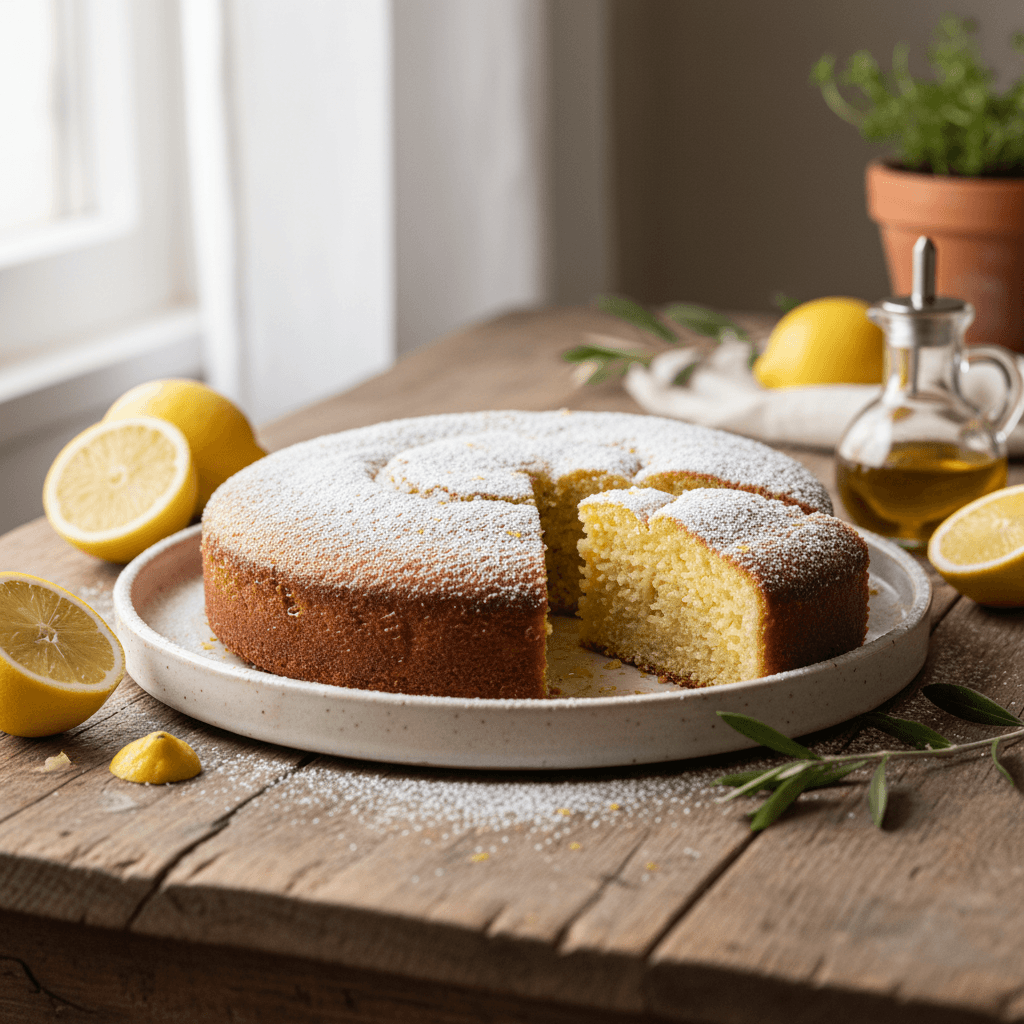
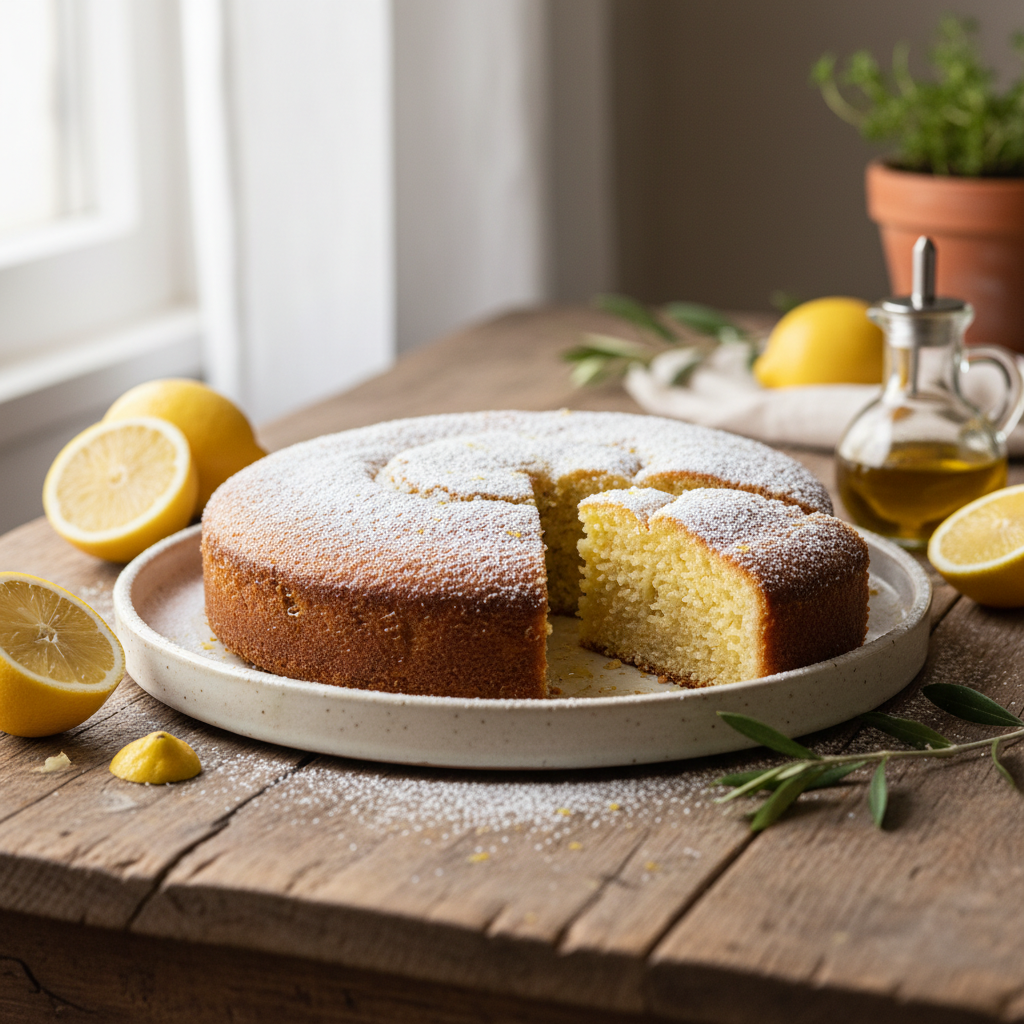
Underpinning everything is the star ingredient: extra virgin olive oil. A good quality oil contributes a wonderfully fruity, sometimes slightly peppery or grassy note that adds incredible depth and a savory nuance you simply don't get with butter. The final element is the texture. The ideal crumb is exceptionally moist and tender, with a slightly denser structure than a light, airy sponge cake. This density isn’t heaviness; it’s a richness that feels substantial and satisfying. The yogurt in my recipe adds to this plush texture and provides another layer of subtle tang. When you pull a slice from the oven, the crust should be a beautiful pale gold with slightly crisped edges, yielding to that soft, fragrant interior. This is the hallmark of a truly great lemon olive oil cake.
Essential Ingredients Explained
In a simple recipe like this, the quality of each component is paramount. There’s nowhere for mediocre ingredients to hide, so choosing well is the first step to success. Let's walk through what makes this lemon olive oil cake so special.
- Extra Virgin Olive Oil: This is the soul of the cake. Do not use a generic or low-quality olive oil. Look for a high-quality, cold-pressed extra virgin olive oil that you enjoy the taste of on its own. A fruity, delicate variety from Spain, Italy, or Greece is ideal. Avoid very robust, bitter, or intensely peppery oils, as they can overwhelm the cake. The oil's flavor will shine through, so pick a good one!
- Lemons: We need fresh, unwaxed lemons. Both the zest and the juice are essential. The zest, which contains the lemon's aromatic oils, provides the incredible fragrance. The juice delivers the bright, tangy flavor that cuts through the richness.
- All-Purpose Flour: This provides the cake's structure. Nothing fancy is needed here, but for the best results, I always recommend weighing your flour with a kitchen scale for accuracy. If you don't have one, use the “spoon and level” method to avoid a dense, dry cake.
- Eggs: Large eggs, and crucially, they must be at room temperature. Cold eggs will not emulsify properly with the oil, which can lead to a greasy texture. They provide richness, structure, and leavening.
- Full-Fat Yogurt: This is my secret to an incredibly moist and tender crumb. The acidity in the yogurt reacts with the baking soda for extra lift, and its fat content adds richness and a subtle tang. Labneh or full-fat Greek yogurt are perfect substitutes.
- Granulated Sugar: Provides sweetness and is crucial for the texture. Rubbing the lemon zest into the sugar is a key step that releases the fragrant oils and infuses the entire cake with lemon aroma.
- Baking Powder & Baking Soda: Our chemical leaveners. We use a combination to give the cake the perfect lift without it being too airy.
- Fine Sea Salt: Salt is a flavor enhancer. It balances the sweetness and makes the lemon and olive oil notes pop. A small amount makes a huge difference.
- Vanilla Extract: Be sure to use a high-quality, non-alcoholic vanilla extract. It adds a subtle warmth and aromatic background note that beautifully complements the other flavors in this lemon olive oil cake.
Mastering the Technique
Baking is a science, and understanding the 'why' behind each step can transform you from a good baker into a great one. Let's break down the process of creating our lemon olive oil cake into its most critical stages.
-
Preparation and Temperature: The importance of room temperature ingredients cannot be overstated, especially for the eggs and yogurt. Cold ingredients resist combining smoothly. When you try to emulsify cold eggs with oil, the fat can seize up, resulting in a curdled batter and a dense, oily cake. So, take your eggs and yogurt out of the fridge at least 30-45 minutes before you begin. Similarly, properly preparing your pan by greasing it and lining it with parchment paper guarantees a clean release every time.
-
Infusing the Flavor: The first step in many of my recipes is to combine the sugar and citrus zest. Using your fingertips, rub the zest into the granulated sugar until it resembles damp, fragrant sand. This simple action ruptures the oil glands in the zest, releasing their potent aromatic compounds directly into the sugar crystals. This ensures that the lemon fragrance is distributed evenly throughout the entire cake, not just in little flecks of zest.
-
Creating the Emulsion: This is the most crucial part of the technique. An emulsion is a mixture of two liquids that don't normally combine, like oil and water (or in this case, the water-based egg mixture). After beating the eggs and sugar until pale and fluffy, you must add the olive oil in a very slow, steady stream while the mixer is running. This slow addition breaks the oil into microscopic droplets, allowing them to be suspended evenly within the egg mixture. If you pour the oil in too quickly, the emulsion will break, the batter will look separated, and your finished lemon olive oil cake will be greasy.
-
Gentle Mixing: Once the flour is introduced, gluten development begins. The more you mix, the more gluten develops, which can lead to a tough, chewy cake. To avoid this, we alternate adding the dry ingredients and the wet ingredients (yogurt and lemon juice), starting and ending with the dry. Mix on low speed just until the streaks of flour disappear. A few small lumps are perfectly fine. Over-mixing is the enemy of a tender crumb.
-
Baking and Cooling: Olive oil cakes benefit from a moderate oven temperature. This allows the center to cook through fully before the edges become too dark or dry. When testing for doneness, a wooden skewer inserted into the center should come out with a few moist crumbs attached, but no wet batter. Let the cake cool in the pan for at least 15-20 minutes. This allows the crumb to set, making it much easier to invert without breaking.
Common Pitfalls and How to Fix Them
Even the most seasoned bakers run into issues now and then. The good news is that most problems with a lemon olive oil cake are easily preventable once you know what to look for. Here are some common challenges and how to solve them.
Problem: My cake is heavy and greasy. This is almost always a sign that the emulsion broke. It means the oil didn't fully incorporate into the batter and instead pooled during baking. The fix is all in the technique for next time: ensure your eggs are at room temperature and add the olive oil in a very, very slow, thin stream while constantly whisking or mixing. Patience here is key!
Problem: The cake tastes bitter. There are two likely culprits. First, your olive oil might be too robust or peppery for a delicate cake. For baking, choose a milder, fruitier extra virgin olive oil. Second, you may have accidentally included some of the white pith when zesting the lemon. The pith is intensely bitter. Use a light touch with your microplane or zester, removing only the bright yellow outer layer.
Problem: My cake is dry. The most common cause of a dry cake is over-baking. Ovens can vary, so start checking for doneness a few minutes before the recipe suggests. Another cause can be measuring flour incorrectly. Scooping flour directly from the bag with a measuring cup compacts it, leading to you using too much. Spoon the flour into the cup and level it off for a more accurate measurement.
Problem: The cake sank in the middle. This usually means the cake was underbaked. While the edges looked done, the center's structure hadn't set yet. Always test the very center of the cake with a skewer. It should come out with moist crumbs, not wet batter. Opening the oven door too early in the baking process can also cause a sudden drop in temperature, leading to a collapse.
Problem: It’s stuck in the pan! This is a heartbreaking moment! Prevention is the best cure. For a foolproof release, I always grease the pan, line the bottom with a circle of parchment paper, and then grease the parchment paper as well. This creates a non-stick barrier that ensures your beautiful lemon olive oil cake will slide out perfectly every time.
Regional Twists Worth Trying
Once you’ve mastered the classic recipe, this cake becomes a wonderful canvas for experimentation. The Mediterranean is a vast and diverse region, and many cultures have their own beautiful take on a simple, rustic cake. Here are a few variations inspired by my travels and culinary explorations that you might love.
- A Touch of Greece: Incorporate the beautiful flavors of Greece by making a simple syrup after the cake is baked. Gently heat equal parts honey and water with a squeeze of lemon juice until the honey dissolves. While the cake is still warm, poke it all over with a skewer and pour the light syrup over the top. It will soak in, adding extra moisture and a lovely floral sweetness.
- Levantine Aromatics: To give your lemon olive oil cake a warm, Middle Eastern flair, add a pinch of finely ground cardamom to the dry ingredients. You could also add half a teaspoon of orange blossom water along with the vanilla. These aromatic additions are subtle but add an intoxicating fragrance and a layer of complexity.
- Italian Cornmeal Crunch: For a delightful change in texture, substitute about one-third of the all-purpose flour with fine cornmeal or polenta. This is common in Italian baking and gives the cake a slightly coarser, yet very pleasant, crumb and a beautiful golden hue. It’s rustic in the best possible way.
- Spanish Orange and Almond: Swap the lemons for oranges, using both orange zest and juice. For added texture and nutty flavor, you can replace a quarter cup of the flour with finely ground almond flour. This version is slightly sweeter and pairs wonderfully with a strong cup of coffee.
The Perfect Spread
One of the greatest beauties of this lemon olive oil cake is its elegant simplicity. It doesn’t need elaborate frostings or fillings to shine. In fact, dressing it up too much can detract from the nuanced flavors of the lemon and high-quality olive oil. My favorite way to serve it is with a simple, light dusting of powdered sugar, which makes the golden top look even more inviting.
For a more complete dessert offering, especially when you have guests, think about accompaniments that complement the cake's profile. A bowl of fresh berries—tart raspberries, sweet blueberries, or sliced strawberries—provides a wonderful burst of color and a fresh, juicy contrast to the cake's tender crumb. Another fantastic pairing, true to its Mediterranean roots, is a dollop of thick, tangy yogurt or labneh. The creaminess is a lovely textural counterpoint. For beverages, a fragrant mint tea, a small cup of strong Turkish-style coffee, or a simple glass of iced water with a lemon slice are all perfect choices. This is a cake meant for gathering, for slow afternoons and warm conversations, and the spread should feel just as effortless and welcoming.
Keeping and Reheating
Unlike many other cakes that tend to dry out quickly, a well-made lemon olive oil cake has fantastic staying power. Thanks to the olive oil and yogurt, it remains wonderfully moist for several days. Store the cake in an airtight container at room temperature, and it will stay fresh for up to four days. In my opinion, this cake is actually even better on the second day!
As it sits, the flavors have a chance to meld and deepen. The lemon zest and olive oil continue to perfume the crumb, resulting in an even more complex and delicious cake. There’s no need to refrigerate it, as the cold can dull its flavor and alter the lovely, soft texture. There's also no real need for reheating; it is absolutely perfect at room temperature. If you have a particular preference for a warm slice, a very brief 10 seconds in the microwave is all it needs to take the chill off without drying it out. This cake also freezes beautifully. You can wrap the entire cake or individual slices securely in plastic wrap and then foil, and freeze for up to three months. Simply thaw at room temperature for a few hours before serving.
Your Questions Answered
Can I use a different type of oil?
While you could technically use a neutral oil like canola or sunflower, you would lose the essential character of the dessert. It would no longer be a lemon olive oil cake. The fruity, complex flavor of a good extra virgin olive oil is what makes this cake so unique and special, so I highly recommend sticking with it.
My batter looks slightly green. Is that okay?
Yes, that is perfectly normal and often a sign of a very good, fresh olive oil! High-quality extra virgin olive oils, especially those from an early harvest, are rich in chlorophyll, which gives them a distinct greenish hue. This color can sometimes carry through to the batter and even the finished cake, giving it a very faint green or golden-green tint. Embrace it—it's beautiful!
Can I make this lemon olive oil cake gluten-free?
Absolutely. This recipe adapts well to gluten-free baking. I recommend using a high-quality all-purpose gluten-free flour blend that is designed for a 1-to-1 substitution and already contains xanthan gum. The texture will be slightly different—perhaps a bit more delicate—but still incredibly moist and delicious.
How far in advance can I make this cake?
This is a fantastic make-ahead dessert, which is perfect for when you're planning for a gathering. You can bake the cake one or even two days in advance. As mentioned, the flavor actually improves as it rests. Just be sure to store it properly in an airtight container at room temperature.
Can I bake this in a different type of pan?
Yes, this batter is quite versatile. A 9-inch round cake pan or springform pan is classic, but a 9x5 inch loaf pan also works beautifully. If using a loaf pan, the baking time will likely be longer, so start checking for doneness around the 50-55 minute mark. You could also divide the batter into a standard 12-cup muffin tin for individual cakes, reducing the baking time to about 20-25 minutes.
Luminous Lemon Olive Oil Cake
A wonderfully moist and fragrant cake featuring the fruity notes of extra virgin olive oil and bright, zesty lemon. A simple, elegant Mediterranean classic.
Prep Time
20 min
Cook Time
50 min
Total Time
1h 10m
Servings
8 servings
Ingredients
For 8 servings
- 1 1/2 cups (190g) all-purpose flour
- 2 teaspoons baking powder
- 1/2 teaspoon baking soda
- 1/2 teaspoon fine sea salt
- 1 cup (200g) granulated sugar
- 2 large lemons, for zest and juice (about 1/4 cup juice)
- 3 large eggs, at room temperature
- 1/2 cup (120ml) full-fat plain yogurt or labneh, at room temperature
- 2/3 cup (160ml) high-quality extra virgin olive oil
- 1 teaspoon non-alcoholic vanilla extract
- Powdered sugar, for dusting (optional)
Instructions
- 1
Preheat Oven and Prepare Pan
Position a rack in the center of your oven and preheat to 350°F (175°C). Grease a 9-inch round cake pan or springform pan with a little olive oil or butter, line the bottom with a circle of parchment paper, and grease the parchment as well.
- 2
Whisk Dry Ingredients
In a medium bowl, whisk together the all-purpose flour, baking powder, baking soda, and fine sea salt. Whisking helps to aerate the flour and distribute the leaveners evenly, which ensures a consistent rise.
- 3
Infuse Sugar with Lemon Zest
In a large bowl, combine the granulated sugar and the zest of both lemons. Using your fingertips, rub the zest into the sugar until the mixture is fragrant and resembles damp, pale yellow sand. This step releases the lemon's essential oils for maximum flavor.
- 4
Beat Eggs and Sugar
Add the room-temperature eggs to the lemon sugar. Using an electric hand mixer or a stand mixer with the whisk attachment, beat on medium-high speed for 3-4 minutes, until the mixture is thick, pale, and has doubled in volume.
- 5
Slowly Emulsify Olive Oil
With the mixer still on medium speed, begin adding the extra virgin olive oil in a very slow, steady stream. This is the most crucial step for a perfect texture. Adding it slowly ensures the oil incorporates fully, creating a stable emulsion.
- 6
Combine Wet Ingredients
In a separate small bowl or liquid measuring cup, whisk together the room-temperature yogurt, 1/4 cup of fresh lemon juice, and the non-alcoholic vanilla extract until smooth.
- 7
Alternate Dry and Wet Mixtures
Reduce the mixer speed to low. Add one-third of the dry flour mixture to the egg mixture and mix just until combined. Add half of the yogurt mixture and mix until just combined. Repeat, ending with the final third of the dry ingredients. Do not overmix; a few lumps are okay.
- 8
Pour and Level Batter
Pour the finished batter into your prepared cake pan. Use a spatula to gently spread the batter into an even layer, ensuring it reaches the edges of the pan.
- 9
Bake Until Golden
Bake for 45-50 minutes, or until the top is golden brown and a wooden skewer or toothpick inserted into the center of the cake comes out with a few moist crumbs attached, but no wet batter.
- 10
Cool in the Pan
Place the cake pan on a wire rack and let it cool in the pan for at least 20 minutes. This allows the cake's structure to set, preventing it from breaking when you remove it.
- 11
Invert and Cool Completely
After 20 minutes, run a thin knife around the edge of the cake to loosen it. Carefully invert the cake onto the wire rack, peel off the parchment paper, and let it cool completely to room temperature before serving.
- 12
Garnish and Serve
Once the cake is completely cool, you can dust it with powdered sugar if desired. Slice and serve on its own, or with fresh berries and a dollop of yogurt for a beautiful presentation.
Nutrition Facts
Per serving (estimated)
380 calories
Calories
42g
Carbs
6g
Protein
22g
Fat
1g
Fiber
350mg
Sodium
25g
Sugar