Moroccan Cauliflower with Tahini-Honey (Easy Recipe)
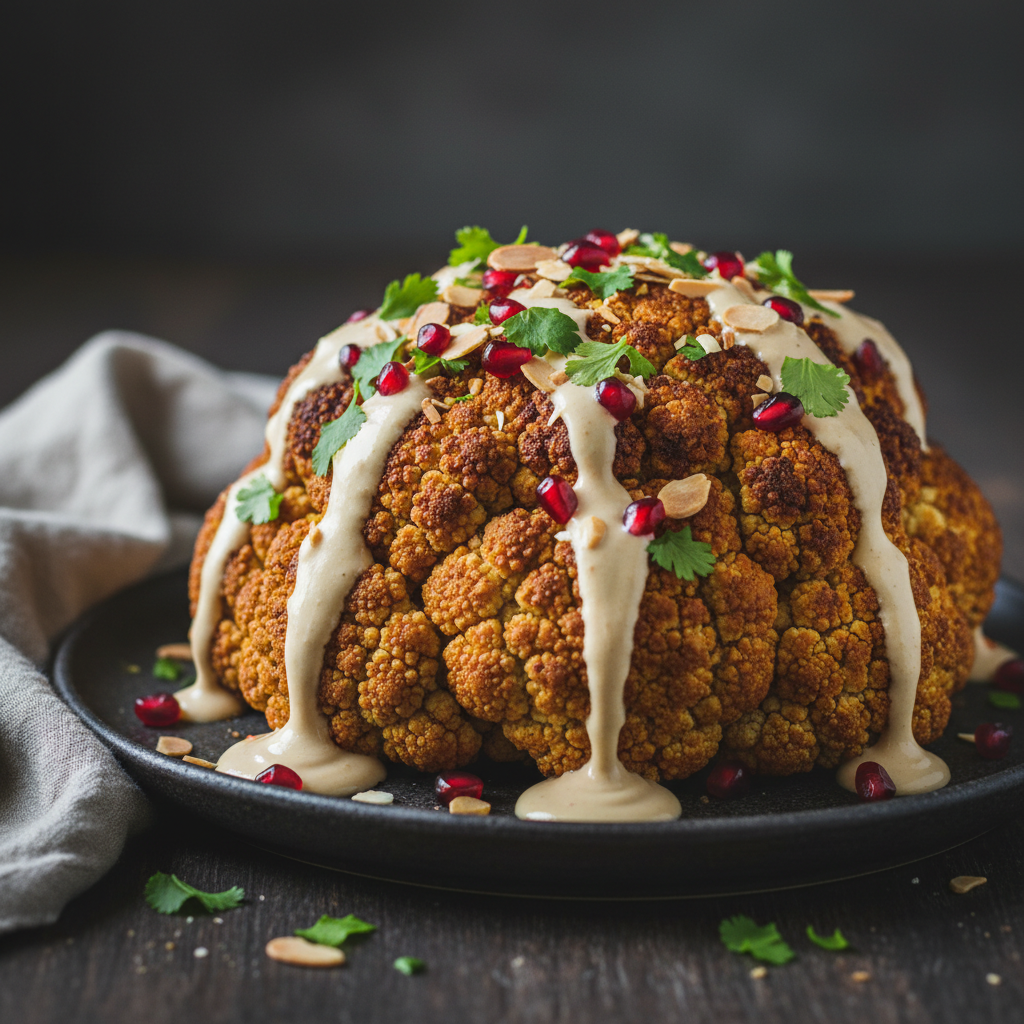
Transform cauliflower with this incredible recipe! Deeply roasted with Moroccan spices and drizzled with a dreamy tahini-honey sauce. So easy and delicious!
cookwithyara.com/recipes/moroccan-cauliflower-with-tahini-honey
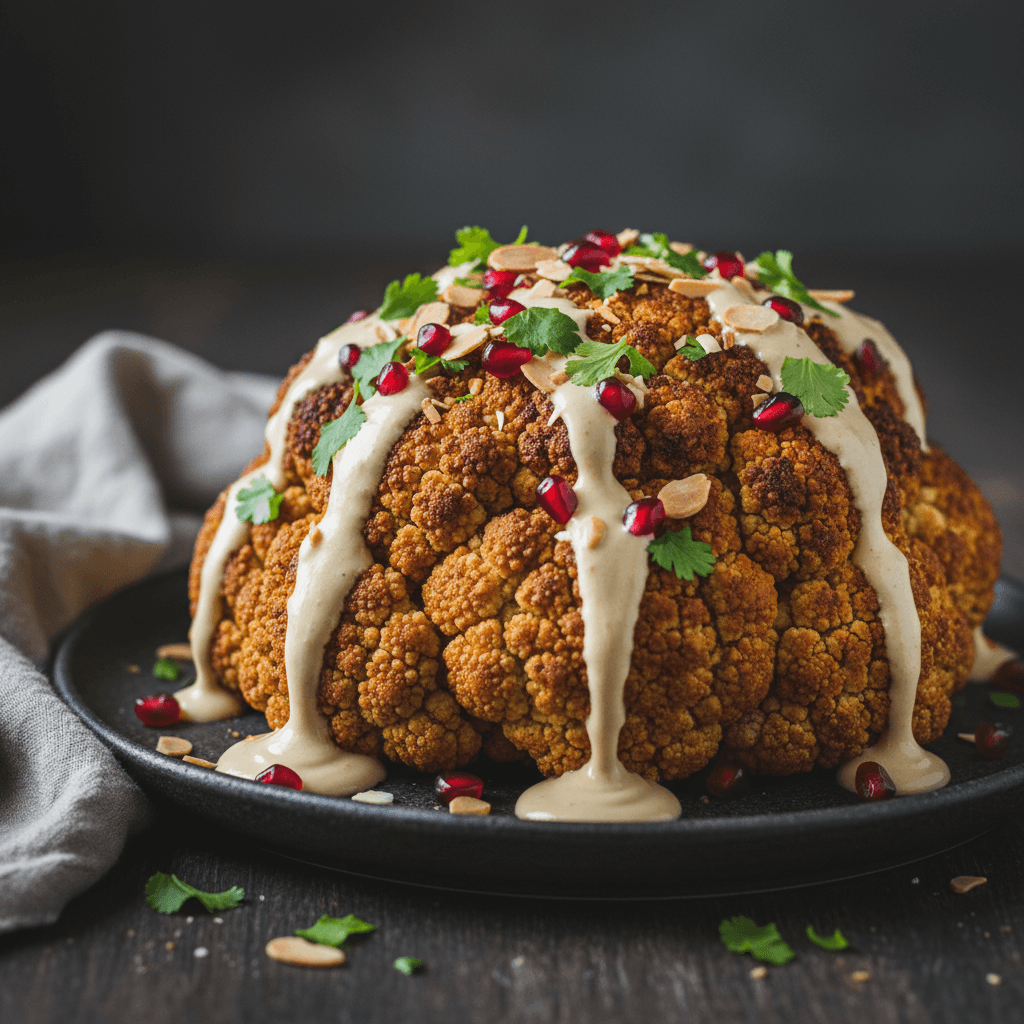
There are certain techniques in the kitchen that, once you understand them, unlock a whole world of flavor. High-heat vegetable roasting is one of them, and this Moroccan Cauliflower with Tahini-Honey is its most glorious expression. Forget everything you know about bland, boring cauliflower. We are about to transform this humble vegetable into something spectacular—a dish with edges that shatter with crispiness, an interior that is meltingly tender, and a flavor profile that is complex, warm, and utterly addictive. It’s a true celebration of textures and tastes, worthy of being the centerpiece of your table.
I know that achieving that perfect, deep, even caramelization can seem elusive. It’s easy to end up with vegetables that are either slightly burnt and still raw in the middle, or worse, pale and sadly steamed. The secret, I promise you, is not some complicated chef's trick. It’s simply about understanding what’s happening in your oven and why a few key steps make all the difference. Once you grasp the simple science behind the process, the 'how' becomes second nature. With this recipe for Moroccan Cauliflower with Tahini-Honey, you're not just learning to cook one dish; you're mastering a method that will make you a more confident and intuitive cook with almost any vegetable you touch.
The Delicious Chemistry of Caramelization
To truly appreciate this Moroccan Cauliflower with Tahini-Honey, let's talk about the beautiful science that makes it so irresistible. What we're aiming for in the oven isn't just cooking; it's a magical transformation driven by heat. The two key processes at play are caramelization and the Maillard reaction. While often discussed together, they are slightly different, and both are crucial for developing the deep, nutty, and complex flavors we love.
Caramelization is the browning of sugar. Cauliflower, like many vegetables, contains natural sugars. When you expose it to high, dry heat—around 350°F (177°C) and above—these sugars begin to break down and re-form into hundreds of new aromatic compounds. This is what gives the roasted cauliflower its slightly sweet, nutty flavor and gorgeous golden-brown color. The key here is dry heat. Too much moisture in the pan will create steam, which prevents the surface temperature from getting high enough for caramelization to occur. This is why drying your florets and giving them space on the pan is non-negotiable!
The Maillard reaction is even more complex. It's a chemical reaction between amino acids and reducing sugars that happens under heat. It’s responsible for the savory, toasty, and deeply browned flavors in everything from seared meats to baked bread and, yes, our roasted cauliflower. The Moroccan spices we use, combined with the natural compounds in the cauliflower, provide a rich palette for the Maillard reaction to work its magic. The result isn't just one flavor, but a symphony of new, mouthwatering notes that weren't there when we started. The olive oil plays a vital role here, too. It's an excellent conductor of heat, ensuring the surface of the cauliflower gets hot enough, fast enough, to kickstart both of these browning reactions, all while keeping the inside tender and moist. So when you pull that pan from the oven and are hit with that incredible aroma, you're smelling delicious chemistry at work.
Tools and Ingredients for Moroccan Cauliflower
Great cooking often comes down to good ingredients and the right tools for the job. You don’t need a professionally outfitted kitchen to make this stunning Moroccan Cauliflower with Tahini-Honey, but a few key items will make the process smoother and the results more consistent.
For tools, your most important ally is a large, heavy-duty, rimmed baking sheet. A sturdy, thick-gauge metal pan will heat evenly and is less likely to warp under the high heat of the oven, preventing hot spots that can burn the cauliflower. If you don’t have one, a large cast-iron skillet is a fantastic alternative. You’ll also want a large mixing bowl—bigger than you think you need! This gives you plenty of room to toss the cauliflower florets with the oil and spices, ensuring every single nook and cranny gets coated. A simple whisk and a small bowl are perfect for bringing the tahini-honey sauce together.
Now for the star ingredients. Start with a beautiful head of cauliflower. Look for one that feels heavy for its size, with creamy white, tightly packed florets and no dark blemishes. For the spice blend, we're building a classic Moroccan-inspired flavor profile. Ground cumin brings an earthy warmth, smoked paprika adds a lovely color and subtle smokiness, ground coriander provides a bright, citrusy note, and turmeric lends its golden hue and gentle bitterness. A whisper of cinnamon and ginger adds a final layer of warmth and complexity. The quality of your tahini is paramount for the sauce. Look for a brand that is smooth and pourable, not a thick, stiff paste at the bottom of the jar. Good tahini should taste nutty and rich, not overly bitter. Finally, fresh lemon juice is a must. Its bright acidity will cut through the richness of the tahini and olive oil, balancing the entire dish. And don't forget the garnishes! Fresh cilantro, toasted almonds, and pomegranate seeds are not just for looks; they provide a final flourish of freshness, crunch, and sweetness that elevates the entire experience of this Moroccan Cauliflower with Tahini-Honey.
The Method, Step by Step: Crafting Your Moroccan Cauliflower
Let’s walk through the creation of this beautiful dish together. Mastering the method for this Moroccan Cauliflower with Tahini-Honey is all about being intentional at each stage. It's a simple process, but attention to detail is what yields a truly spectacular result.
Stage 1: Prepping the Cauliflower: Begin by preparing your cauliflower. Remove the outer leaves and trim the stem. Cut the head into quarters, then break or cut it into bite-sized florets, aiming for pieces that are relatively uniform in size. This is the single most important step for even cooking. If you have some tiny pieces and some giant ones, the small ones will burn before the large ones are tender. After cutting, rinse the florets well and then—this is critical—dry them thoroughly. You can pat them dry with a clean kitchen towel or give them a spin in a salad spinner. Remember, moisture is the enemy of crispiness.
Stage 2: The Perfect Spice Coating: Preheat your oven to a hot 425°F (220°C). In your large mixing bowl, combine the extra virgin olive oil and all the spices: cumin, smoked paprika, coriander, turmeric, cinnamon, ginger, salt, and pepper. Whisk them together to create a fragrant, rust-colored slurry. By mixing the spices with the oil first, you ensure a much more even distribution than if you were to sprinkle them over oiled cauliflower. Now, add your dry cauliflower florets to the bowl and toss gently but thoroughly until every surface is beautifully coated.
Stage 3: The Art of Roasting: Spread the seasoned cauliflower onto your rimmed baking sheet in a single, even layer. This is the golden rule of roasting: do not overcrowd the pan! The florets should have a little space between them. This allows the hot air to circulate freely around each piece, roasting it to perfection. If they're all piled on top of each other, they will trap steam and you'll end up with soft, soggy cauliflower instead of crispy, caramelized goodness. Use two pans if you have to; it's always better than one crowded pan.
Stage 4: The Roast and Flip: Place the pan in the fully preheated oven and roast for about 20 minutes. At this point, the cauliflower will be starting to soften and the edges will be taking on some color. The aromas filling your kitchen will be incredible. Remove the pan from the oven and use a spatula to flip the florets over. This ensures all sides get a chance to make direct contact with the hot pan, leading to even browning.
Stage 5: The Final Touch and Sauce: Return the pan to the oven for another 10-15 minutes. The cauliflower is done when it's deeply golden brown, the tips are dark and crispy, and a fork pierces the thickest part of a floret with no resistance. While it's finishing, whip up the sauce. In a small bowl, whisk together the tahini, fresh lemon juice, honey, minced garlic, and salt. It will likely seize up and get very thick at first—this is normal! Slowly stream in the cold water while whisking continuously until the sauce becomes smooth, creamy, and pourable. Taste and adjust the seasoning if needed. Once the cauliflower is out of the oven, arrange it on a platter, drizzle generously with the tahini-honey sauce, and finish with your chosen garnishes. This Moroccan Cauliflower with Tahini-Honey is best served immediately, while it's still warm and crisp.
Troubleshooting Your Roasted Cauliflower
Even with the most straightforward recipes, things can sometimes go sideways. Don't worry! Most issues are easily fixable or, at the very least, a great learning experience for next time. Here’s a guide to navigating common pitfalls when making your Moroccan Cauliflower with Tahini-Honey.
If your cauliflower is soggy and steamed, not crispy… This is the most common issue, and it almost always comes down to one of three things: too much moisture. This could be from not drying the florets thoroughly after washing, from overcrowding the baking sheet, or from an oven that wasn't fully preheated. The fix for next time is to be diligent about drying, use two pans if needed to give the florets space, and always wait for your oven to reach the target temperature before the pan goes in.
If your cauliflower burned before it got tender… This usually happens when the florets are cut too small, or your oven has hot spots. Ovens are notorious for heating unevenly. To fix this, try to cut your florets into more uniform, slightly larger pieces next time. Also, make it a habit to rotate your baking sheet 180 degrees when you flip the cauliflower halfway through cooking. This will help everything cook more evenly.
If your tahini sauce is clumpy or tastes bitter… When you first mix tahini with an acid like lemon juice, it seizes and gets very thick. This is a normal part of the emulsification process. The key is to add cold water slowly, just a tablespoon at a time, while whisking constantly. It will magically transform into a smooth, creamy sauce. If it tastes bitter, it could be the brand of tahini, as quality varies greatly. A little extra honey or a pinch more salt can help balance any bitterness.
If the overall flavor feels a bit flat… The answer is almost always salt and acid. Don't be shy with the salt when seasoning the cauliflower, and be sure to taste and salt the tahini sauce as well. If it still needs a lift after salting, a final squeeze of fresh lemon juice over the finished dish before serving can brighten all the flavors and make them sing. This simple step can take your Moroccan Cauliflower with Tahini-Honey from good to absolutely unforgettable.
Taking Your Moroccan Cauliflower to the Next Level
Once you've mastered the basic recipe for Moroccan Cauliflower with Tahini-Honey, there are so many wonderful ways to add your own creative spin and elevate it further. Think of this recipe as a canvas for a variety of textures and flavors.
For an incredible textural contrast, consider adding toasted nuts or seeds. Toasted sliced almonds are classic, but imagine the crunch of pine nuts, walnuts, or even pistachios. Pumpkin or sunflower seeds would also be a delicious addition. For even more substance, you could toss a can of drained and rinsed chickpeas with the cauliflower for the last 15-20 minutes of roasting. They'll become wonderfully crispy and nutty.
To deepen the flavor, play with the spices. A pinch of cayenne pepper or red pepper flakes in the spice mix will add a gentle, lingering heat. For a truly authentic Moroccan tang, add a teaspoon of sumac to the tahini sauce or sprinkle it over the finished dish. Finely diced preserved lemon, stirred into the sauce or scattered on top, would introduce a complex, salty-sour note that is absolutely divine.
Don’t underestimate the power of fresh herbs. While the recipe calls for cilantro, you could use a combination of flat-leaf parsley and fresh mint. Use them generously—not just as a sprinkle of color, but as a key flavor component. Their bright, fresh taste is the perfect counterpoint to the deep, roasted flavors of the cauliflower and the rich, creamy sauce.
Storing and Reheating
Let’s be honest: roasted vegetables, especially this crispy Moroccan Cauliflower with Tahini-Honey, are at their absolute peak right out of the oven. The delightful contrast between the crispy edges and tender centers is best enjoyed fresh. However, if you do have leftovers, proper storage and reheating can help you enjoy them the next day.
The key is to store the components separately. Place the cooled roasted cauliflower in an airtight container and the tahini-honey sauce in a separate jar or container. Stored this way in the refrigerator, the cauliflower will last for up to 4 days, and the sauce for up to a week. If you store them together, the sauce will make the cauliflower soft and soggy.
When you're ready to reheat, avoid the microwave at all costs, as it will steam the cauliflower and make it mushy. The best method is to use your oven or an air fryer. Spread the cauliflower on a baking sheet and pop it into a 400°F (200°C) oven for 5-8 minutes, or until it's heated through and the edges have crisped up again. An air fryer will achieve this even faster. The tahini sauce will have thickened in the fridge; simply give it a good stir and, if needed, whisk in a teaspoon of water to bring it back to a drizzly consistency. Leftovers are also wonderful served cold or at room temperature, perhaps tossed into a green salad or a grain bowl for a delicious lunch.
Common Questions About Moroccan Cauliflower with Tahini-Honey
Can I make this Moroccan Cauliflower in an air fryer?
Absolutely! An air fryer is fantastic for achieving a crispy texture. Toss the cauliflower with the oil and spices as directed, then cook it at 375°F (190°C) for 15-20 minutes, shaking the basket halfway through. You will likely need to work in batches to avoid overcrowding the basket, which is key to getting it crispy.
Can I prepare any components ahead of time?
Yes, this recipe is great for prepping in advance. You can wash and cut the cauliflower florets, mix your dry spice blend, and even prepare the tahini-honey sauce a day or two ahead. Store the florets in an airtight container in the fridge, the spice blend in a small jar at room temperature, and the sauce in a sealed container in the fridge. The sauce will thicken when chilled, so just let it sit at room temperature for a bit and whisk in a little water before serving.
I don't have honey. What can I use as a substitute?
Date syrup (silan) is a wonderful and very fitting substitute, offering a deep, molasses-like sweetness that complements the Moroccan spices beautifully. Maple syrup also works well. If you prefer to avoid added sweeteners, you can simply omit it, but you may want to reduce the amount of lemon juice slightly to maintain balance in the sauce.
Why does my tahini sauce taste bitter?
The bitterness can come from the tahini itself, as quality and flavor can vary significantly between brands. Opt for a high-quality brand made from 100% hulled sesame seeds for a smoother, less bitter taste. If you've already made the sauce and it's bitter, adding a little more honey or a tiny pinch more salt can help balance the flavors. Also, always use freshly squeezed lemon juice, as bottled juice can sometimes have a harsh aftertaste.
How can I turn this into a full, satisfying meal?
This dish is incredibly versatile. To make it a complete vegetarian meal, serve it over a bed of fluffy couscous, quinoa, or hearty freekeh. For added protein, toss a can of drained chickpeas onto the baking sheet with the cauliflower for the last 15 minutes of roasting. It also pairs beautifully with grilled chicken skewers, lamb kofta, or a simple piece of baked fish for a more substantial dinner.
Moroccan Cauliflower with Tahini-Honey
Tender cauliflower florets roasted with warm Moroccan spices until deeply caramelized, then drizzled with a creamy tahini-honey sauce and fresh herbs.
Prep Time
20 min
Cook Time
35 min
Total Time
55 min
Servings
4 servings
Ingredients
For 4 servings
- 1 large head of cauliflower (about 2 lbs), cut into bite-sized florets
- 3 tablespoons extra virgin olive oil
- 1 1/2 teaspoons ground cumin
- 1 teaspoon smoked paprika
- 1 teaspoon ground coriander
- 1/2 teaspoon ground turmeric
- 1/4 teaspoon ground cinnamon
- 1/4 teaspoon ground ginger
- 1 teaspoon fine sea salt
- 1/2 teaspoon black pepper
- 1/2 cup good-quality tahini
- 1/4 cup cold water, plus more if needed
- 3 tablespoons fresh lemon juice
- 2 tablespoons honey (or date syrup)
- 1 clove garlic, minced
- 1/4 teaspoon fine sea salt, for the sauce
- 1/4 cup fresh cilantro, chopped, for garnish
- 2 tablespoons toasted sliced almonds, for garnish
- 2 tablespoons pomegranate seeds, for garnish (optional)
Instructions
- 1
Preheat Oven and Prep Cauliflower
Preheat your oven to 425°F (220°C). Wash the cauliflower florets and dry them very thoroughly using a salad spinner or a clean kitchen towel. This is crucial for achieving a crispy, roasted texture instead of a steamed one.
- 2
Mix Spice Blend
In a large mixing bowl, combine the extra virgin olive oil, cumin, smoked paprika, coriander, turmeric, cinnamon, ginger, 1 teaspoon of salt, and black pepper. Whisk these together to form a fragrant spice paste.
- 3
Coat the Cauliflower
Add the thoroughly dried cauliflower florets to the bowl with the spice paste. Use your hands or a large spoon to toss everything together, ensuring each floret is evenly and generously coated in the spice mixture.
- 4
Arrange on Baking Sheet
Spread the seasoned cauliflower in a single layer on a large, rimmed baking sheet. Make sure not to overcrowd the pan; the florets should have space between them to roast properly. Use two pans if necessary.
- 5
Initial Roast
Place the baking sheet in the preheated oven and roast for 20 minutes. The cauliflower will begin to soften and the edges will start to brown.
- 6
Prepare the Tahini Sauce
While the cauliflower is roasting, prepare the sauce. In a small bowl, combine the tahini, fresh lemon juice, honey, minced garlic, and 1/4 teaspoon of salt. Whisk to combine; the mixture will seize and become very thick.
- 7
Finish the Tahini Sauce
Slowly stream in the 1/4 cup of cold water while whisking continuously. Continue to whisk until the sauce is smooth, creamy, and has a pourable consistency. If it's still too thick, add more water one teaspoon at a time.
- 8
Flip and Finish Roasting
After 20 minutes, remove the cauliflower from the oven. Use a spatula to flip the florets over. Return the pan to the oven and roast for another 10-15 minutes.
- 9
Check for Doneness
The cauliflower is done when it is deeply golden brown, tender all the way through when pierced with a fork, and the edges are dark and crispy.
- 10
Plate and Garnish
Remove the cauliflower from the oven. Transfer it to a serving platter. Drizzle generously with the prepared tahini-honey sauce.
- 11
Final Touches and Serving
Sprinkle the chopped fresh cilantro, toasted sliced almonds, and pomegranate seeds over the top. Serve immediately while warm.
Nutrition Facts
Per serving (estimated)
360 calories
Calories
28g
Carbs
9g
Protein
25g
Fat
8g
Fiber
750mg
Sodium
14g
Sugar