Quick Avocado Toast with Za'atar Recipe | Cook With Yara
Discover the best quick avocado toast with za'atar! A simple, creamy, and flavorful recipe that brings a taste of the Levant to your breakfast table.
cookwithyara.com/recipes/quick-avocado-toast-with-zaatar
There are some dishes that feel both timeless and perfectly of the moment. Avocado toast is undoubtedly one of them, a global café staple that has become a symbol of modern wellness and simple pleasures. But when you introduce it to za'atar, the ancient, aromatic herb and spice blend of the Levant, something magical happens. The familiar becomes extraordinary. The simple becomes profound. This isn't just another breakfast recipe; it's a bridge between two culinary worlds, a celebration of fresh, vibrant ingredients that sing in harmony.
My first taste of this specific combination was a revelation. I was already deeply familiar with za'atar, of course; it's the scent of my heritage, the flavor I associate with warm mornings, fresh bread, and olive oil. But seeing it generously sprinkled over the creamy, green canvas of mashed avocado was a moment of pure culinary joy. The earthy thyme, the tangy sumac, and the nutty sesame seeds cut through the richness of the avocado, creating a perfectly balanced bite. This guide is my ode to that perfect bite. While this quick avocado toast with zaatar is, as the name suggests, fast to make, I want to show you how a little attention to detail—the right bread, the perfect avocado, the best quality olive oil—can elevate it from a simple snack to a truly memorable meal. It's a recipe that proves that the most satisfying dishes are often born from simplicity, quality, and a touch of tradition.
The Origins and History
To truly appreciate this dish, you have to understand its two equally important halves. Avocado toast, in its current form, feels like a very recent invention. Its popularity surged in the 2010s, with food blogs and brunch menus across the Western world, particularly in Australia and California, championing its virtues. It became a cultural touchstone, celebrated for its aesthetic appeal and wholesome ingredients. However, the simple act of putting avocado on bread is much older and more global. For generations, in Mexico and across Latin America where avocados are native, people have been mashing this creamy fruit and enjoying it with bread or tortillas. Its modern incarnation is simply a new chapter in a much longer story.
On the other hand, za'atar's story stretches back millennia. This quintessential Levantine spice blend is a cornerstone of Middle Eastern cuisine, with a history woven into the very fabric of the region. Composed primarily of wild thyme (or a related herb from the oregano family), sumac, and toasted sesame seeds, its recipe can vary from family to family, village to village. It's mentioned in ancient texts and has been a source of sustenance and flavor for centuries. Traditionally, it's eaten for breakfast, dipped in olive oil with fresh, warm flatbread. This combination is believed to nourish the body and sharpen the mind, a perfect start to the day. The marriage of these two histories in a quick avocado toast with zaatar is a beautiful example of culinary evolution. It takes a modern, global trend and infuses it with the deep, resonant flavors of ancient tradition, creating a dish that feels both new and comfortingly familiar.
Understanding the Flavor Profile
What makes this quick avocado toast with zaatar so utterly compelling is its symphony of contrasting yet complementary flavors and textures. It’s a masterclass in balance, where every single ingredient plays a crucial role. At its foundation is the avocado, which provides a rich, buttery, and incredibly creamy base. Its mild, almost neutral flavor is the perfect canvas for the more assertive ingredients to shine. This luxurious creaminess coats your palate, preparing it for the burst of flavors to come.
The star of the show, of course, is the za'atar. It’s not a single note but a complex chord. First, you get the earthy, slightly woodsy and floral notes from the dried thyme or oregano. This provides a savory depth that grounds the entire dish. Then comes the bright, citrusy tang of the sumac, a deep red spice that delivers a tartness without the sharp acidity of lemon, awakening your taste buds. Finally, the toasted sesame seeds contribute a nutty, rich flavor and a subtle, delightful crunch. When combined, these elements create a flavor profile that is herbaceous, tangy, and deeply savory.
To amplify this, a squeeze of fresh lemon juice adds a sharp, acidic brightness that cuts through the avocado's richness, keeping the dish feeling light and fresh. A generous drizzle of high-quality extra virgin olive oil lends its own fruity, sometimes peppery notes, while also enhancing the mouthfeel. And the toast itself? It provides the essential textural contrast—a crisp, audible crunch that gives way to a soft, chewy interior, holding everything together. It's a dish that engages all the senses, a perfect balance of creamy, crunchy, tangy, and savory in every single bite.
Essential Ingredients Explained
While this is a simple recipe, its success hinges entirely on the quality of its components. There’s nowhere to hide, so choosing the best possible ingredients will make all the difference in your final quick avocado toast with zaatar.
The Bread: This is your foundation. You need something sturdy, with character. My top choice is always a thick slice of artisanal sourdough. Its tangy flavor beautifully complements the other ingredients, and its robust structure holds up to the toppings without becoming soggy. A good whole-grain loaf or a rustic country bread with a thick crust and chewy crumb are also excellent alternatives. Avoid pre-sliced, soft sandwich bread at all costs; it simply lacks the integrity for this dish.
The Avocado: Look for Hass avocados, which are known for their superior creamy texture and rich, nutty flavor. A perfect avocado will yield to gentle pressure when you hold it in your palm. If it's rock hard, it's underripe. If it's mushy, it's past its prime. The skin should be a dark green, almost black color. Don't be afraid to buy them a little firm and let them ripen on your counter for a day or two.
The Za'atar: This is the soul of the dish. A good za'atar blend is a world away from a dusty, generic one. I urge you to find a Middle Eastern grocery store or a reputable online spice merchant. A quality blend will be fragrant and vibrant in color. The main components are dried thyme (or hyssop/oregano), ground sumac, and toasted sesame seeds. Some blends may also include a touch of salt or other spices. The best ones from Palestine or Lebanon often have a higher sumac content, giving them a delightful tartness.
Extra Virgin Olive Oil: You’ll use this for drizzling, so its flavor is paramount. This is the time to break out your best bottle. A good finishing oil should be fruity, perhaps a little peppery or grassy. A robust Palestinian or Lebanese olive oil would be particularly fitting here, as its flavor profile is perfectly suited to the za'atar.
The Lemon: Freshly squeezed lemon juice is non-negotiable. The bottled variety has a dull, often metallic taste that can ruin the fresh vibrancy of the dish. A small squeeze provides the necessary acidity to cut the richness of the avocado and prevent it from browning.
Flaky Sea Salt: For finishing, a sprinkle of flaky sea salt, like Maldon, provides not just seasoning but also a wonderful textural crunch. The large, pyramid-shaped crystals dissolve slowly on the tongue, delivering small bursts of salinity that elevate all the other flavors.
Mastering the Technique
Creating the perfect quick avocado toast with zaatar is an art of assembly and timing. Each step is simple, but performing it with intention is what elevates the dish from good to unforgettable. Let’s walk through the process, focusing on the small details that matter most.
Stage 1: Perfecting the Toast. Your goal is a slice of bread that is deeply golden brown and audibly crisp on the outside, but still retains a slight chewiness in the center. A toaster works well, but for more control, I prefer using a grill pan or a broiler. Lightly brush one side of the bread with a little olive oil before toasting. This not only prevents it from drying out completely but also adds another subtle layer of flavor. Watch it closely; it can go from golden to burnt in a matter of seconds. Once toasted, place it on a wire rack for a moment, rather than a plate, to prevent the bottom from steaming and becoming soft.
Stage 2: Preparing the Avocado. The great debate: mashed or sliced? For this recipe, I am firmly in the mashed camp. Mashing allows you to incorporate the lemon juice and salt directly into the avocado, ensuring every bite is perfectly seasoned. Cut the avocado in half, remove the pit, and scoop the flesh into a bowl. Use a fork to gently mash it. The key here is texture. You are not making a smooth purée; you want to leave plenty of chunky, satisfying pieces. This textural variation is far more interesting to eat.
Stage 3: Seasoning with Precision. This step is crucial and must be done immediately after mashing. Add your freshly squeezed lemon juice and a pinch of salt right away. The acid from the lemon juice not only brightens the flavor but also slows down the process of oxidation—the chemical reaction that turns the avocado an unappetizing brown color. Gently fold the seasonings in, being careful not to over-mix and lose that lovely chunky texture.
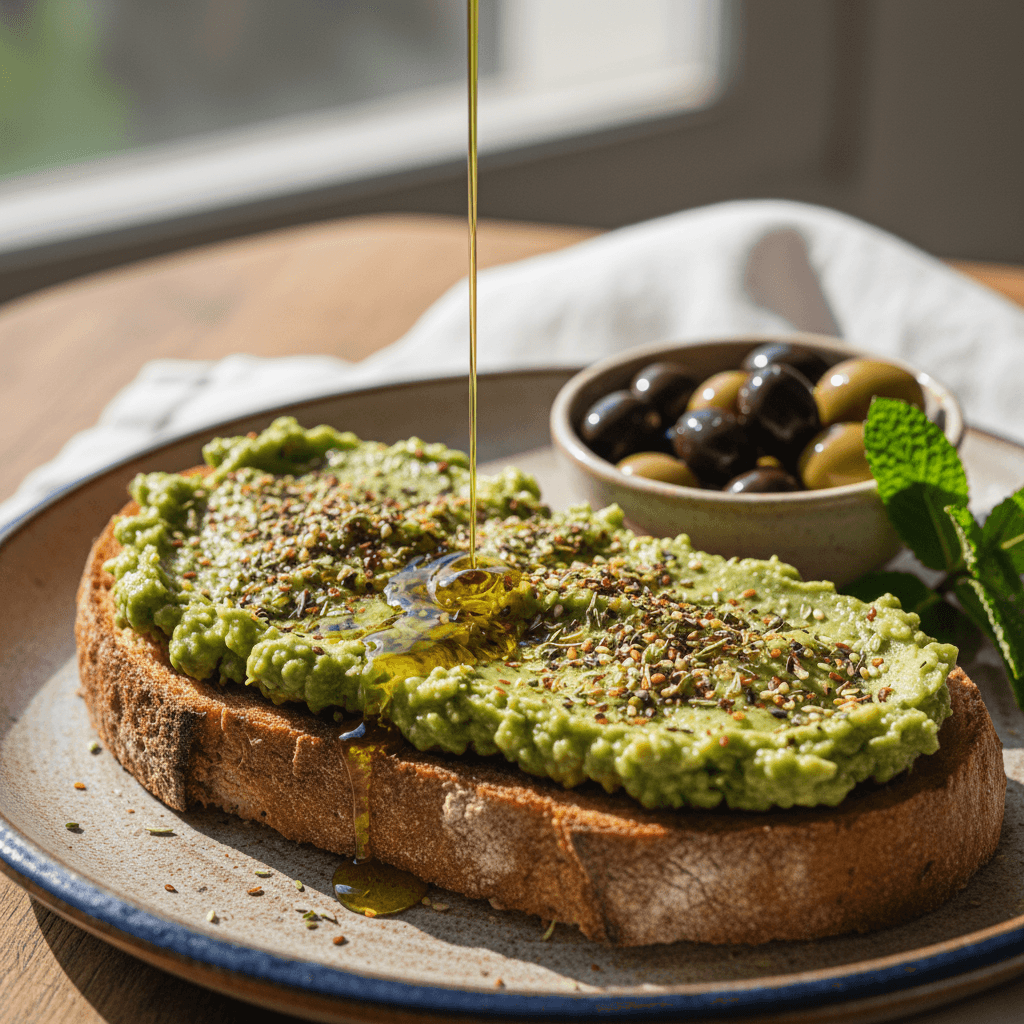
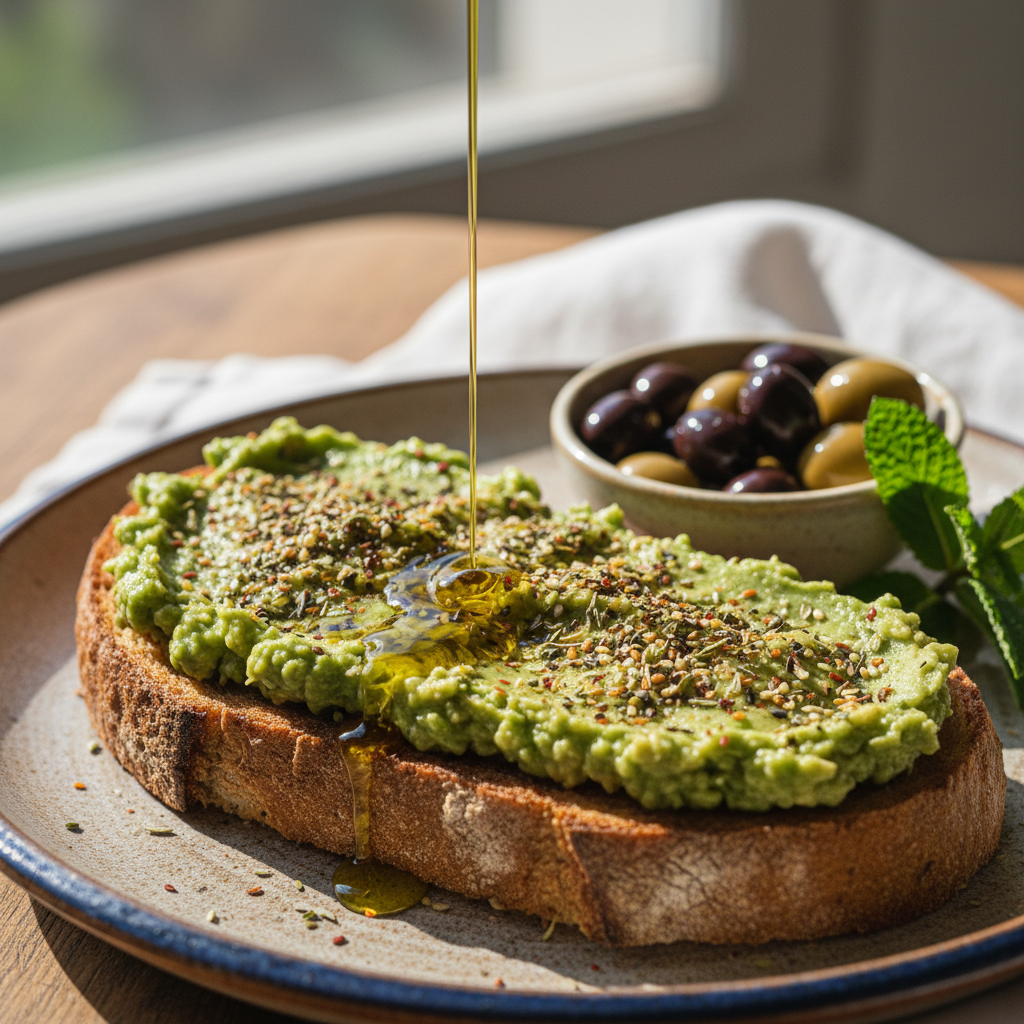
Stage 4: The Art of Assembly. Now, work quickly. Spread the seasoned avocado mash generously onto your warm toast, going right to the edges. Use the back of a spoon to create some gentle swoops and valleys on the surface. These little imperfections are not just visually appealing; they are perfect little pools for the olive oil to collect in.
Stage 5: The Finishing Flourishes. This is where the magic happens. Drizzle your best extra virgin olive oil over the top. Be generous. You want to see it glistening. Next, sprinkle the za'atar evenly across the entire surface. Don't be shy; its bold flavor is what makes this dish so special. Finally, finish with a scattering of flaky sea salt. The crunch and pure saline flavor are the final exclamation points on your masterpiece. Serve your quick avocado toast with zaatar immediately, while the toast is still warm and crisp.
Common Pitfalls and How to Fix Them
Even the simplest recipes have their challenges. A great quick avocado toast with zaatar is all about texture and freshness, and a few common mistakes can compromise both. Here’s how to troubleshoot the most frequent issues to ensure your toast is perfect every time.
Problem: My toast is soggy! This is perhaps the most heartbreaking pitfall. It's usually caused by one of two things: using the wrong type of bread or letting the assembled toast sit for too long. The Fix: Always start with a thick, sturdy slice of bread like sourdough or a rustic loaf. Toast it until it's properly crisp and golden. Most importantly, assemble and serve immediately. Avocado releases moisture, and that moisture is the enemy of crisp toast. Think of it as a dish with a very short, very delicious lifespan.
Problem: The avocado turned brown and looks unappetizing. This is a classic case of oxidation. Avocado flesh is rich in enzymes that react with oxygen, causing it to discolor quickly. The Fix: Acid is your best friend. As soon as you mash or slice your avocado, introduce an acid like fresh lemon or lime juice. This significantly slows down the browning process. Additionally, prepare your avocado at the very last minute, just before you're ready to assemble and eat.
Problem: The flavor feels flat or bland. If your toast is tasting one-note, it's almost certainly an issue of under-seasoning or ingredient quality. The Fix: Don't be timid with your seasonings! A good pinch of salt and a bright squeeze of lemon in the avocado mash are essential. Ensure your za'atar is fresh and fragrant; old spices lose their potency. And never underestimate the power of a high-quality, flavorful finishing olive oil. Taste your avocado mash before you spread it on the toast and adjust the seasoning as needed.
Problem: The za'atar is completely overpowering everything else. While za'atar is the star, it should be part of an ensemble, not a loud solo. Some blends, especially those very high in sumac, can be quite potent. The Fix: If you're using a new or particularly strong blend of za'atar, start with a smaller amount than you think you need. You can always add more. Sprinkle it on, take a bite, and then decide if it needs more. It's much easier to add than to take away.
Regional Twists Worth Trying
Once you've perfected the classic quick avocado toast with zaatar, you can start to play and experiment. The beauty of this dish is its versatility. It's a wonderful base for other complementary flavors from across the Levant, each adding a new dimension of taste and texture.
The Labneh Layer: For an extra layer of creaminess and a delightful tang, try the Lebanese approach. Before adding the avocado, spread a thin layer of thick, creamy labneh (strained yogurt) directly onto the warm toast. The coolness and tartness of the labneh provide a stunning contrast to the rich avocado and earthy za'atar. It makes the dish even more substantial and satisfying.
A Touch of Aleppo Heat: To introduce a gentle, smoky warmth, take a cue from Syrian cuisine. After sprinkling the za'atar, add a pinch of Aleppo pepper (also known as pul biber). Unlike crushed red pepper flakes, Aleppo pepper has a milder heat with a deep, fruity, and slightly salty flavor profile. Its beautiful deep red color also adds a stunning visual contrast to the green avocado.
The Fresh Palestinian Salad Topping: For added freshness, texture, and a nod to the classic Palestinian breakfast spread, top your toast with a simple, finely diced salad. Combine ripe cherry tomatoes, a small amount of Persian cucumber, and fresh mint leaves. Dress them with a tiny bit of lemon juice and olive oil before scattering them over the za'atar. This adds a juicy burst and a lovely crunch that lightens the entire dish.
A Sweet and Sour Drizzle: For a modern, sophisticated twist, consider a final drizzle of pomegranate molasses. This thick, syrupy condiment is both sweet and intensely tart, and its complex flavor works beautifully with the sumac in the za'atar. Use it sparingly, as it's quite potent, but a few drops can add an unexpected and delicious complexity to your quick avocado toast with zaatar.
The Perfect Spread
While a single slice of quick avocado toast with zaatar can be a perfectly satisfying meal on its own, it also serves as a fantastic centerpiece for a larger breakfast or brunch spread. Pairing it with the right accompaniments can turn a simple meal into a memorable feast, perfect for a slow weekend morning or sharing with loved ones.
For a traditional and simple accompaniment, serve the toast alongside a plate of classic Levantine mezze items. A small bowl of glistening Kalamata or green olives, some thick slices of ripe tomato and crisp cucumber, and a handful of fresh mint leaves are all you need. The fresh, clean flavors of the vegetables and the briny bite of the olives cleanse the palate and provide a perfect counterpoint to the richness of the toast. A steaming cup of sweet mint tea is the ideal beverage to complete this picture.
If you're hosting a brunch, you can build a more elaborate spread around the toast. Prepare a large bowl of the seasoned avocado mash and a platter of toasted bread, allowing guests to assemble their own. Add a bowl of creamy labneh drizzled with olive oil and a sprinkle of dried mint, another of hummus, and perhaps some foul mudammas (stewed fava beans). Sliced halloumi, pan-fried until golden, or a simple skillet of scrambled eggs would add a warm, protein-rich element, making the meal substantial enough for any appetite. The key is to offer a variety of textures and flavors—creamy, fresh, savory, and tangy—for a truly balanced and impressive spread.
Keeping and Reheating
Let's be perfectly clear: quick avocado toast with zaatar is a dish that demands to be eaten immediately. Its charm lies in the contrast between the warm, crisp toast and the cool, creamy avocado. Time is its enemy. Therefore, this section is less about storing leftovers and more about smart preparation to make assembly as swift as possible.
The finished product cannot be refrigerated and reheated. The toast will become irrevocably soggy, and the avocado will oxidize and lose its fresh flavor and vibrant color. Do not try to make it ahead of time for a party; it's a recipe best made to order. I promise, the minimal effort is worth the vastly superior result.
However, you can practice the art of 'mise en place'—getting all your ingredients ready beforehand. You can have your bread sliced and ready for the toaster. Your lemon can be cut, and your za'atar, olive oil, and salt can be set out on the counter. This way, the final assembly takes less than five minutes. If you absolutely must prepare the avocado mash a little ahead of time (no more than an hour), place it in a small bowl and press a piece of plastic wrap directly onto the entire surface of the mash, ensuring there are no air pockets. This will significantly slow browning. When you're ready to serve, give it a quick stir and proceed with toasting your bread and assembling your masterpiece. But for the absolute best experience, make just enough to enjoy fresh.
Your Questions Answered
What is the absolute best type of bread to use for avocado toast?
For the ultimate quick avocado toast with zaatar, you need bread with structural integrity and great flavor. My top recommendation is always a thick-cut slice of a naturally leavened sourdough loaf. Its chewy texture, crisp crust, and tangy flavor profile provide the perfect backbone. Other excellent choices include rustic country breads, whole-grain loaves with seeds, or a sturdy ciabatta. The goal is to avoid soft, flimsy breads that will collapse under the weight of the avocado.
Can I make my own za'atar blend at home?
Absolutely! Making your own za'atar is incredibly rewarding and allows you to customize the flavor to your exact preference. A basic recipe involves mixing dried thyme (or a combination of thyme and oregano), toasted sesame seeds, and ground sumac. A common ratio is 2 parts thyme, 1 part sumac, and 1 part sesame seeds, with a little salt to taste. You can toast the sesame seeds in a dry pan until fragrant to release their nutty oils before mixing.
My avocado is still a little hard. Can I still use it?
It's best to wait until your avocado is perfectly ripe for the creamiest texture and best flavor. However, if it's just slightly firm, you can still make it work. Instead of mashing, it's better to slice it very thinly. A slightly underripe avocado won't mash well and can taste watery. Slicing it allows you to arrange it nicely on the toast, and the other flavorful ingredients will help compensate. To speed up ripening, you can place a firm avocado in a paper bag for a day or two.
How can I turn this into a meal for a crowd?
This recipe is fantastic for gatherings! The best way to serve it is by setting up a build-your-own toast bar. Toast a large batch of bread slices and keep them warm. Put out a big bowl of the prepared avocado mash, and then arrange small bowls with all the toppings: za'atar, flaky salt, a bottle of good olive oil, crumbled feta cheese, Aleppo pepper flakes, fresh mint, and sliced tomatoes. This is interactive, fun for guests, and ensures everyone gets a perfectly fresh, crisp piece of toast.
Is it possible to make this recipe gluten-free?
Certainly! The core components of this dish—avocado, za'atar, and olive oil—are all naturally gluten-free. The only substitution you need to make is the bread. Thankfully, there are many high-quality gluten-free breads available today. Look for an artisanal-style loaf that has a sturdy crumb and toasts well, as some gluten-free breads can be quite delicate. Toast it carefully, assemble as directed, and enjoy a delicious gluten-free version of this classic.
Quick Avocado Toast with Za'atar
A simple yet profoundly flavorful avocado toast, featuring creamy avocado, crusty bread, and the aromatic, tangy spice of Levantine za'atar.
Prep Time
10 min
Cook Time
5 min
Total Time
15 min
Servings
2 servings
Ingredients
For 2 servings
- 2 thick slices of sourdough or other rustic bread
- 1 large ripe Hass avocado
- 1 tablespoon extra virgin olive oil, plus more for drizzling
- 1 tablespoon fresh lemon juice
- 1 tablespoon za'atar spice blend
- 1/2 teaspoon flaky sea salt, such as Maldon
- Freshly ground black pepper, to taste
- Optional for topping: crumbled feta cheese (from halal-certified source)
- Optional for topping: fresh mint leaves
- Optional for topping: Aleppo pepper flakes
Instructions
- 1
Toast the Bread
Toast the slices of bread to your desired level of crispness using a toaster, grill pan, or broiler. For extra flavor, you can lightly brush the bread with olive oil before toasting. Aim for a deep golden brown color.
- 2
Prepare the Avocado
While the bread is toasting, cut the avocado in half lengthwise and remove the pit. Scoop the flesh out with a spoon and place it into a medium-sized bowl.
- 3
Mash the Avocado
Using a fork, gently mash the avocado against the side of the bowl. Keep it chunky for the best texture; avoid mashing it into a smooth paste.
- 4
Season the Mash
Immediately add the fresh lemon juice, 1 tablespoon of olive oil, flaky sea salt, and black pepper to the mashed avocado. Gently stir to combine, being careful not to over-mix. The lemon juice will add flavor and help prevent browning.
- 5
Assemble the Toast
As soon as the bread is toasted, place the slices on serving plates. Divide the seasoned avocado mash evenly between the two slices and spread it generously, all the way to the edges.
- 6
Drizzle with Olive Oil
Generously drizzle a good quality extra virgin olive oil over the top of the avocado mash. This adds richness and a lovely, glossy finish.
- 7
Sprinkle with Za'atar
Sprinkle the za'atar blend evenly over both slices of toast. Be generous, as this is the key flavor component of the dish.
- 8
Add Optional Toppings
If desired, top with crumbled feta cheese, fresh mint leaves, or a pinch of Aleppo pepper flakes for extra flavor and texture.
- 9
Serve Immediately
Serve the avocado toast immediately while the bread is still warm and crisp for the best possible experience.
Nutrition Facts
Per serving (estimated)
420 calories
Calories
35g
Carbs
10g
Protein
28g
Fat
12g
Fiber
550mg
Sodium
4g
Sugar