Vibrant Rhubarb Poppyseed Dressing (Easy & Delicious!)
Discover my foolproof recipe for a tangy and sweet Rhubarb Poppyseed Dressing. Perfect for spring salads, this vibrant dressing is a showstopper!
cookwithyara.com/recipes/rhubarb-poppyseed-dressing
There's a special magic that arrives with the first stalks of rhubarb, their brilliant pink and crimson hues a welcome sight after a long winter. Here in the Eastern Mediterranean, we cherish ingredients that tell a story of the seasons, and rhubarb, while not native, has a history intertwined with ancient trade routes that brought treasures from the East. It speaks of patience, of waiting for the right moment. The first time I tasted a truly exceptional version of this dressing, it wasn't just a topping for a salad; it was a revelation. The color was electric, a deep rose that promised something extraordinary. The flavor was a perfect dance between tart and sweet, with a savory depth and a delightful, nutty crunch from the poppy seeds. It was complex, elegant, and utterly unforgettable.
This recipe for Rhubarb Poppyseed Dressing is more than a simple mixture of ingredients; it's a culinary project that I encourage you to embrace fully. It requires a little more effort than shaking oil and vinegar in a jar, yes, but the result is a condiment that will elevate everything it touches. We will cook the rhubarb down to its essential, tangy self before transforming it into a beautifully emulsified, jewel-toned dressing. This guide is your companion to mastering this process, ensuring that every minute you spend is rewarded with the most spectacular dressing you’ve ever made. Prepare to create something truly special.
The Origins and History
The journey of rhubarb is a fascinating one, stretching back thousands of years. Originally cultivated in Asia, primarily for its medicinal properties, its dried roots were a valuable commodity traded along the Silk Road. It wasn't until the 18th century in Europe that its culinary potential was truly discovered, when the addition of sugar tempered its intense tartness, making its stalks a prized ingredient for pies, crumbles, and jams. The idea of using this tart vegetable in a savory application like a dressing is a more modern, creative evolution, reflecting a broader culinary trend of blurring the lines between sweet and savory. This dressing takes inspiration from classic vinaigrettes but gives it a seasonal, vibrant twist.
Poppy seeds, on the other hand, have been a staple in cuisines from the Middle East to Central Europe for millennia. They're sprinkled over breads, ground into pastes for pastries, and valued for their nutty flavor and subtle crunch. The combination of rhubarb and poppy seeds, popularized in North American kitchens, creates a beautiful synergy. The sharp, fruity notes of the rhubarb are grounded by the earthy, rich flavor of the poppy seeds. This Rhubarb Poppyseed Dressing is a testament to how ingredients can travel across the globe and find new, delicious expressions in the hands of creative home cooks. It honors the history of its components while creating a flavor profile that feels fresh, exciting, and perfectly suited for a modern palate.
Understanding the Flavor Profile
To truly appreciate this Rhubarb Poppyseed Dressing, it helps to understand the symphony of flavors at play. It is a masterful exercise in balance, hitting multiple notes on the palate simultaneously. The primary flavor is the assertive, bright tartness from the rhubarb itself, a clean sourness that wakes up the senses. This is immediately tempered by a delicate sweetness, which I prefer to add using honey or maple syrup. The goal is not to make it sugary, but to round out the rhubarb's sharp edges, creating a pleasant tension between sweet and sour.
Next, the savory and piquant notes come forward. A good quality apple cider vinegar reinforces the tanginess but adds its own fermented, fruity complexity. Dijon mustard is the secret weapon, providing not only a crucial emulsifying function but also a deep, umami-rich saltiness that prevents the dressing from tasting one-dimensional. A finely minced shallot adds a gentle, aromatic allium bite without the harshness of a raw onion.
Finally, the texture is just as important as the taste. The dressing should be silky and smooth from the emulsified olive oil and rhubarb purée, but this creaminess is punctuated by the delightful, subtle crunch of the poppy seeds. When made perfectly, this Rhubarb Poppyseed Dressing coats greens with a luscious, vibrant glaze, ensuring every bite is a complex and satisfying experience of tart, sweet, savory, and nutty all at once.
Essential Ingredients Explained
Great cooking begins with great ingredients. The simplicity of this dressing means the quality of each component truly shines through. Let's explore what makes each element so crucial for the perfect Rhubarb Poppyseed Dressing.
- Fresh Rhubarb: This is the star. Look for firm, crisp stalks with a vibrant pink or red color. While greener stalks are still usable, the redder ones will give your dressing that stunning, jewel-like hue. Avoid any stalks that are limp or bruised. The tartness comes from malic acid, the same acid found in green apples, giving it that characteristic mouth-puckering quality.
- Extra Virgin Olive Oil: A good quality, fruity olive oil is essential. It forms the base of the emulsion and adds a peppery, rich flavor that complements the rhubarb beautifully. This is not the place for a light or neutral oil; you want the olive oil's character to be present.
- Apple Cider Vinegar: Its sharp, tangy profile is the perfect partner for rhubarb's sourness. Choose a raw, unfiltered apple cider vinegar if you can, as it often has a more complex and robust flavor.
- Honey or Maple Syrup: These natural sweeteners are key to balancing the dressing. Honey offers a floral note, while pure maple syrup provides a warmer, slightly caramel flavor. Adjust the amount to your personal preference, aiming for a balance where the rhubarb's tartness still sings.
- Dijon Mustard: This is the indispensable emulsifier. The lecithin in the mustard helps bind the oil and vinegar together, creating a stable, creamy dressing. It also adds a wonderful savory depth and a touch of sharpness that cuts through the richness.
- Poppy Seeds: Don't underestimate these tiny seeds! They provide a lovely visual speckle, a satisfyingly subtle crunch, and a distinct nutty, earthy flavor that grounds the dressing's brighter notes. Ensure your seeds are fresh, as they can become bitter when old.
- Shallot: Milder and more delicate than a yellow onion, a shallot provides a hint of aromatic flavor without overpowering the other ingredients. Mince it as finely as you possibly can so it disperses evenly throughout the dressing.
- Fresh Lemon Juice: A small squeeze of fresh lemon juice at the end can elevate the entire dressing, adding a final burst of brightness and freshness that makes all the flavors pop.
Mastering the Technique
Creating this beautiful Rhubarb Poppyseed Dressing is a process of transformation. It involves a few key stages, each essential for achieving the perfect texture and flavor. By understanding the 'why' behind each step, you can create a flawless dressing every single time.
First is the Rhubarb Reduction. We begin by gently cooking the chopped rhubarb with a splash of water and the sweetener. The goal here is to break down the tough cellulose fibers in the rhubarb, releasing its juice and vibrant color. Cooking it slowly over medium-low heat prevents scorching and allows the flavors to concentrate into a thick, fragrant compote. This step is crucial; you are essentially creating the flavor base of your entire dressing.
Next, you have a choice: Straining for Silkiness. For an ultra-smooth, refined dressing, you'll want to press the cooked rhubarb mixture through a fine-mesh sieve. This removes the pulp and fibers, leaving you with a gorgeous, translucent rhubarb syrup. If you prefer a more rustic, thicker dressing with more body, you can skip this step and simply let the compote cool before blending.
Then comes the most critical part: Building the Emulsion. An emulsion is a mixture of two liquids that don't normally combine, like oil and vinegar. The magic happens through agitation (whisking or blending) and an emulsifying agent (our Dijon mustard). In a bowl, combine your rhubarb syrup, vinegar, and mustard. Then, begin adding the olive oil very slowly, in a thin, steady stream, while whisking constantly. This gradual introduction allows the oil droplets to disperse and become suspended within the vinegar base, creating a thick, creamy, and stable dressing that won't separate.
After the emulsion is formed, it's time for Incorporating the Aromatics. Stir in your finely minced shallot and the poppy seeds. We add these at the end so that their textures and fresh flavors remain distinct. Blending them from the start could make the shallot bitter and would pulverize the poppy seeds, changing the entire profile of the dressing.
Finally, the most important step for any cook: Tasting and Adjusting. Taste your finished Rhubarb Poppyseed Dressing. Does it need a pinch more salt to enhance the flavors? A little more honey to balance the tartness? A squeeze of lemon juice for brightness? This is your opportunity to tailor the dressing perfectly to your palate before serving.
Common Pitfalls and How to Fix Them
Even with the best intentions, things can sometimes go slightly awry in the kitchen. The good news is that this Rhubarb Poppyseed Dressing is quite forgiving. Here are a few common issues and how to easily troubleshoot them, ensuring you always end up with a delicious result.
Problem: My dressing is too thin and watery. This usually happens if the rhubarb compote wasn't cooked down enough to concentrate its juices. The fix is simple: return the dressing to a small saucepan and gently simmer it over low heat for 5-10 minutes. This will evaporate some of the excess water and thicken it beautifully. Just be sure to let it cool completely before storing.
Problem: My dressing separated or 'broke'. An emulsion can break if the oil was added too quickly. Don't throw it out! To fix it, place a teaspoon of Dijon mustard in a clean bowl. Then, very slowly, drip by drip, whisk your broken dressing into the mustard. The mustard will act as a stabilizer and help bring the emulsion back together into a creamy, cohesive state.
Problem: The flavor is too tart or too sweet. This is the easiest fix of all! Flavor balancing is a game of push and pull. If your dressing is overwhelmingly tart, whisk in your sweetener (honey or maple syrup) a half-teaspoon at a time until it tastes balanced. If you've gone too far and it's too sweet, add a splash more apple cider vinegar or a squeeze of fresh lemon juice to bring back that zesty edge.
Problem: My rhubarb was very stringy, and now the dressing has texture. This can happen with older, tougher rhubarb stalks. If you haven't yet, straining the cooked rhubarb compote through a fine-mesh sieve is the best way to remove any fibrous bits for a silky-smooth result. If you've already made the dressing, your best bet is to embrace the rustic texture or give it a quick blitz in a high-powered blender to smooth it out further.
Regional Twists Worth Trying
Once you've mastered the classic Rhubarb Poppyseed Dressing, you can start to have fun and infuse it with new flavors. The recipe is a wonderful canvas for creativity. Here are a few variations, inspired by my love for Mediterranean and Levantine ingredients, that are absolutely worth exploring.
The Levantine Sumac & Orange Blossom Twist: For a truly unique flavor, add a teaspoon of ground sumac to the dressing. Sumac has a bright, lemony tartness that beautifully complements the rhubarb. Then, add just a quarter teaspoon of orange blossom water. This fragrant water adds an intoxicating floral aroma that is common in Middle Eastern desserts and drinks, lending an exotic and elegant note to the dressing.
The Warm Spice Infusion: Introduce a touch of warmth by adding spices to the rhubarb as it cooks. A small pinch of ground cardamom will give it a fragrant, slightly sweet-spicy character reminiscent of Scandinavian baking. Alternatively, a sliver of fresh ginger, minced finely and cooked with the rhubarb, will add a zesty, warming kick that contrasts wonderfully with the dressing's sweetness.
The Creamy Tahini Version: To transform this vinaigrette into a richer, creamier dressing, try whisking in a tablespoon of high-quality tahini (sesame paste) along with the Dijon mustard. The tahini adds a nutty, earthy depth and a luxurious body, making the dressing substantial enough for heartier salads with grains or roasted vegetables. This version is particularly wonderful when paired with grilled chicken or chickpeas.
The Perfect Spread
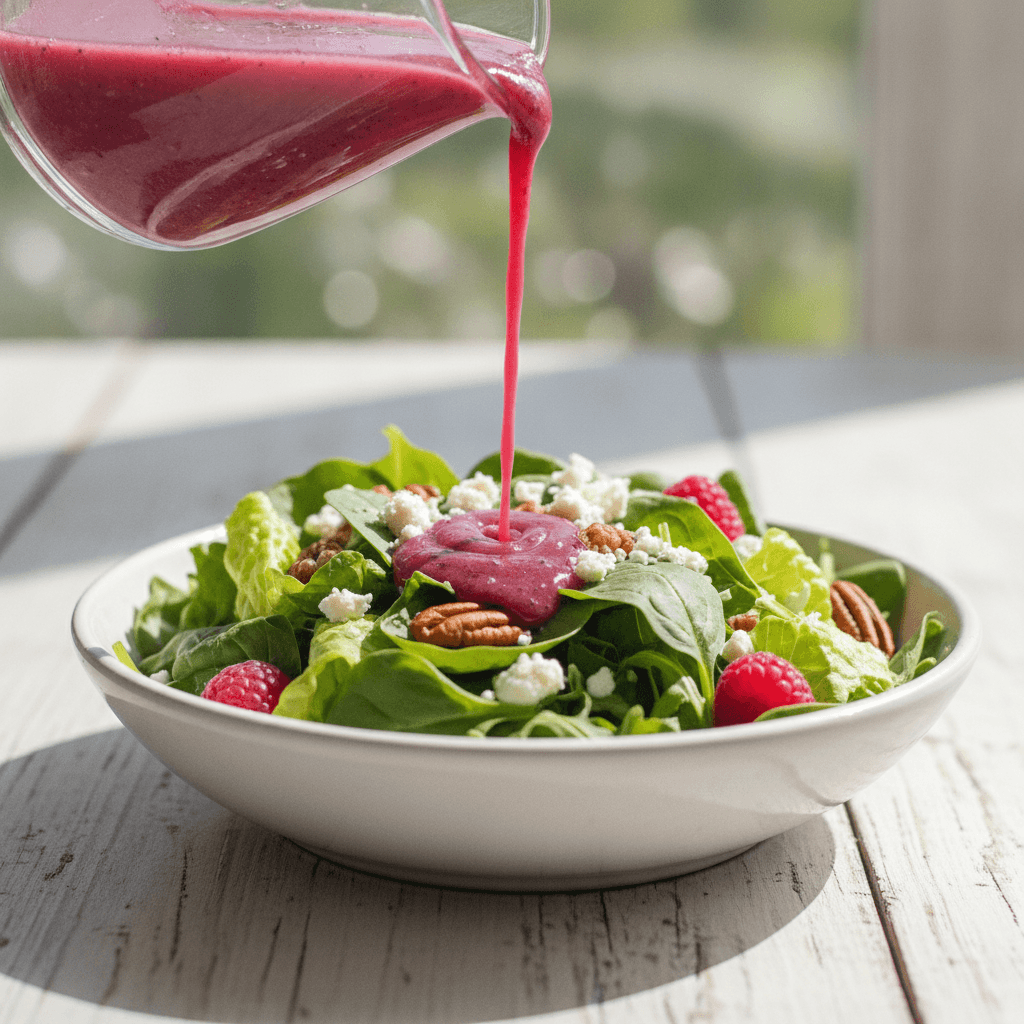
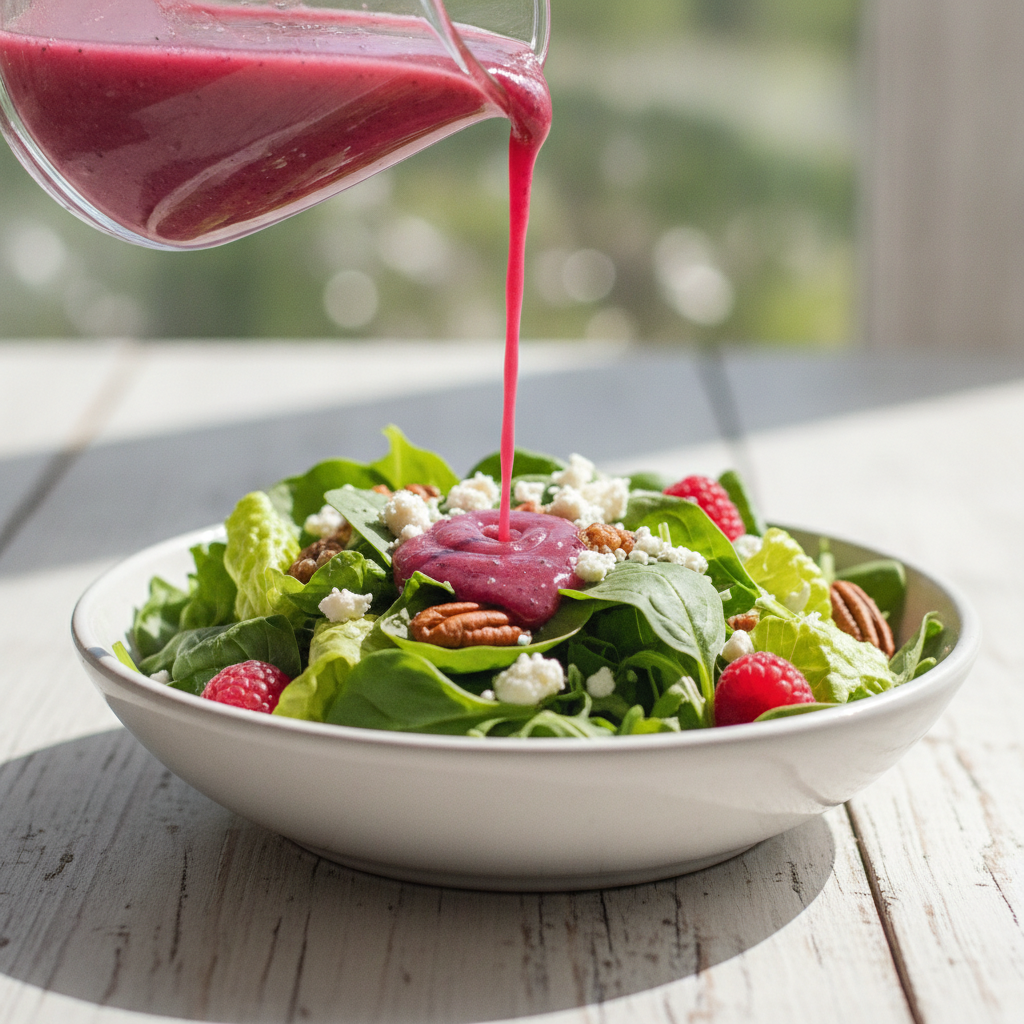
This Rhubarb Poppyseed Dressing is far too special to be used on just any salad. It deserves to be the centerpiece of a thoughtful plate. For a classic pairing, drizzle it generously over a bed of tender baby spinach or mixed spring greens. The vibrant pink dressing clinging to the dark green leaves is a feast for the eyes. To complete this salad, add elements that complement the dressing's flavors: creamy, tangy feta-style or goat cheese, crunchy toasted walnuts or pecans, and perhaps some fresh sliced strawberries or raspberries to echo the fruity notes.
Beyond simple green salads, think about texture and temperature. This dressing is absolutely sublime when spooned over warm, roasted vegetables, particularly asparagus, broccoli, or new potatoes. The warmth of the vegetables slightly mellows the dressing's tang. It also makes a fantastic glaze or finishing sauce for grilled chicken or fish, cutting through the richness and adding a bright, acidic counterpoint. For a truly complete and satisfying meal, serve a salad topped with this dressing alongside a simple bowl of lentil soup or some freshly baked flatbread for a gathering that feels both elegant and deeply nourishing.
Keeping and Reheating
One of the wonderful things about making your own salad dressing is that you can prepare it ahead of time. This Rhubarb Poppyseed Dressing stores beautifully in the refrigerator. Simply pour it into an airtight container or a glass jar with a tight-fitting lid. It will keep well for up to one week. In fact, I find that the flavors actually meld and deepen after a day or two, making it even more delicious than when it was first made.
Because the base is olive oil, the dressing will likely solidify and thicken when chilled. This is completely normal. To use it, simply take it out of the refrigerator about 20-30 minutes before you plan to serve it. This will give the olive oil time to return to a liquid state at room temperature. Once it has loosened up, give the jar a vigorous shake (or whisk it in a bowl) to re-emulsify the ingredients and ensure everything is perfectly combined again before drizzling it over your meal. This dressing is best served chilled or at room temperature; there is no need to reheat it.
Your Questions Answered
Can I use frozen rhubarb for this recipe?
Absolutely! Frozen rhubarb is a fantastic option, especially when fresh rhubarb is out of season. You don't even need to thaw it first. Simply add the frozen chopped rhubarb to the saucepan with the water and sweetener. You may need to cook it for a few minutes longer to allow it to thaw and break down completely. The final color and flavor will be just as wonderful.
Is there a good substitute for poppy seeds?
While poppy seeds have a unique nutty flavor, you can substitute them if needed. For a similar texture and visual appeal, toasted black sesame seeds would work well. If you're looking purely for texture and thickening, a tablespoon of chia seeds can be used. Stir them in and let the dressing sit for about 15 minutes to allow them to swell slightly.
How far in advance can I make this Rhubarb Poppyseed Dressing?
This dressing is perfect for making ahead. You can prepare it up to 5 days in advance and store it in an airtight container in the refrigerator. The flavors will have even more time to marry. Just remember to let it sit at room temperature for a bit and give it a good shake before serving to bring the emulsion back together.
Can I make a larger batch for a family gathering?
Yes, this recipe scales up very easily. Simply double or triple all the ingredients to make a larger quantity for a big salad or to have extra on hand. If you're using a blender, just make sure not to overfill it. It's a wonderful dressing to bring to a potluck or gathering as it's so unique and memorable.
Can I use a blender instead of whisking by hand?
Of course! Using an immersion blender or a regular blender can make the emulsification process even easier and create a slightly smoother, thicker dressing. Combine all ingredients except the oil, shallot, and poppy seeds in the blender. Then, with the blender running on low, slowly drizzle in the olive oil until the dressing is thick and creamy. Pour it into a jar and stir in the minced shallot and poppy seeds by hand at the end.
Rhubarb Poppyseed Dressing
A vibrant and tangy dressing made with fresh rhubarb, nutty poppy seeds, and a hint of sweetness. Perfect for spring and summer salads.
Prep Time
15 min
Cook Time
15 min
Total Time
30 min
Servings
1.5 cups
Ingredients
For 1.5 cups
- 2 cups fresh or frozen rhubarb, chopped into 1/2-inch pieces (about 2 large stalks)
- 1/4 cup water
- 1/4 cup honey or pure maple syrup
- 1/2 cup extra virgin olive oil
- 1/4 cup apple cider vinegar
- 1 tablespoon Dijon mustard
- 1 tablespoon poppy seeds
- 1 small shallot, minced very fine
- 1 tablespoon fresh lemon juice
- 1/2 teaspoon fine sea salt
- 1/4 teaspoon freshly ground black pepper
Instructions
- 1
Cook the Rhubarb
In a small saucepan, combine the chopped rhubarb, water, and honey or maple syrup. Bring the mixture to a simmer over medium heat.
- 2
Create the Compote
Reduce the heat to medium-low and let the mixture gently cook for 10-15 minutes, stirring occasionally. The rhubarb should be completely soft and broken down, forming a thick compote.
- 3
Cool the Rhubarb Base
Remove the saucepan from the heat and let the rhubarb mixture cool for at least 10 minutes. This step is important to prevent the dressing from becoming too hot when you add the other ingredients.
- 4
Strain for Smoothness (Optional)
For an extra-smooth dressing, press the cooled rhubarb mixture through a fine-mesh sieve into a medium bowl, using a spoon to extract as much liquid as possible. Discard the pulp. For a more rustic dressing, you can skip this step.
- 5
Combine the Base Ingredients
To the bowl with the rhubarb syrup (or the cooled compote), add the apple cider vinegar, Dijon mustard, fresh lemon juice, salt, and pepper. Whisk everything together until well combined.
- 6
Emulsify the Dressing
While whisking continuously, slowly drizzle the extra virgin olive oil into the bowl in a thin, steady stream. Continue whisking vigorously until the oil is fully incorporated and the dressing is thick, creamy, and emulsified.
- 7
Add Seeds and Shallot
Once the dressing is emulsified, stir in the poppy seeds and the finely minced shallot. This ensures they maintain their texture and fresh flavor.
- 8
Taste and Adjust Seasoning
Taste the finished dressing. Adjust seasoning as needed, adding more salt, pepper, or a touch more honey for sweetness or lemon juice for brightness until the flavor is perfectly balanced to your liking.
- 9
Chill Before Serving
For the best flavor, transfer the dressing to a jar or airtight container and let it chill in the refrigerator for at least 30 minutes before serving. This allows the flavors to meld together.
- 10
Store Properly
Store any leftover dressing in an airtight container in the refrigerator for up to one week. The dressing may solidify when chilled; let it sit at room temperature for 20-30 minutes and shake well before use.
Nutrition Facts
Per serving (estimated)
80 calories
Calories
6g
Carbs
0.2g
Protein
6g
Fat
0.5g
Fiber
80mg
Sodium
5g
Sugar