Easy Authentic Shakshuka Recipe (One Pan!)
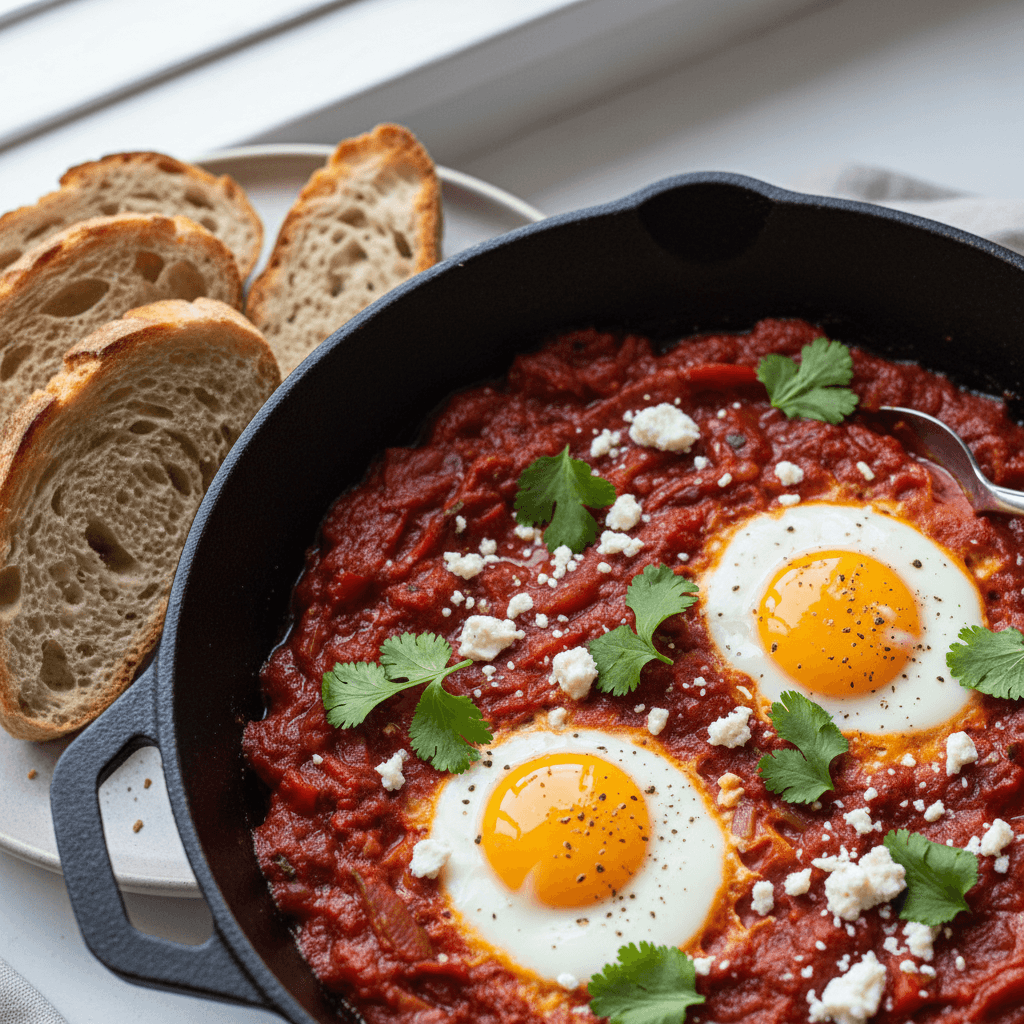
My authentic Shakshuka recipe is the ultimate one-pan meal! Simmered in a rich, spiced tomato sauce, these poached eggs are perfect for brunch or dinner.
cookwithyara.com/recipes/shakshuka-recipe
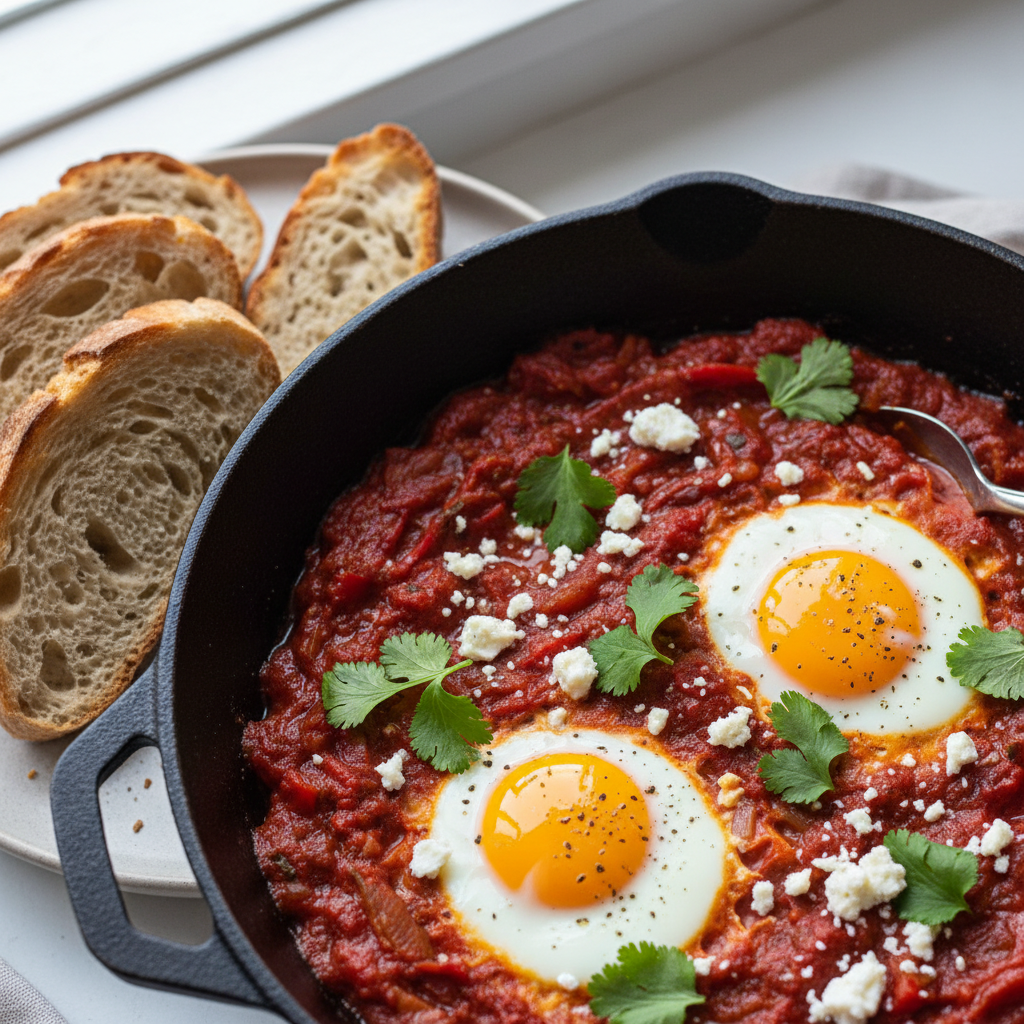
There’s a universal truth that connects every home cook, from the bustling city apartment to the quiet country kitchen: nobody enjoys a sink full of dishes. We dream of meals that are as delightful to clean up as they are to eat. This is where the magic of a one-pan meal truly shines, and there is no dish that embodies this philosophy more beautifully, more vibrantly, than a skillet of bubbling, aromatic Shakshuka. This is more than just a recipe; it's an experience. Imagine bringing a rustic skillet directly to the table, its contents still gently simmering. A sea of deep red, richly spiced tomato and pepper sauce, dotted with islands of perfectly poached eggs, their whites just set and their yolks promising a glorious, golden cascade. The air is thick with the warm, earthy scents of cumin and paprika, mingled with the sweetness of softened onions and peppers. You tear a piece of crusty bread, dip it into the sauce, and take your first bite. It’s comforting, soulful, and utterly delicious.
This Shakshuka recipe is my go-to for so many occasions—a lazy weekend breakfast, a quick and satisfying weeknight dinner, or a dish to share when friends gather. The beauty of it lies in its elegant simplicity. Everything comes together in one pan, allowing the flavors to marry and deepen in a way that multi-step recipes rarely achieve. With minimal prep and a straightforward process, you are rewarded with a meal that looks and tastes like you’ve been tending to it for hours. Forget the complicated steps and the mountain of cleanup. Let’s make a stunning, flavorful, and incredibly easy Shakshuka together.
The One-Pan Philosophy
The allure of one-pan cooking goes far beyond simple convenience. It represents a smarter, more flavor-focused approach to creating a meal. When you cook everything in a single vessel, as we do with this Shakshuka recipe, a certain culinary magic happens. The ingredients don't just coexist; they collaborate. The sweet juices from the bell peppers and onions meld into the tomatoes, the spices bloom and infuse every component with their warmth, and the eggs gently steam in the fragrant sauce, absorbing all that goodness. This is the art of flavor-layering at its most efficient and most delicious.
There's a depth that you can only achieve when everything shares the same space. The slight caramelization that happens at the bottom of the pan—the fond—is stirred back into the sauce, adding an incredible, savory richness. This method is a celebration of rustic, honest cooking. It respects the integrity of each ingredient while encouraging them to become something greater together. It is, in my opinion, the laziest and yet the most intelligent way to cook, proving that spectacular results don’t require a complicated process or a sink full of pots and pans. This Shakshuka recipe is a testament to that beautiful, delicious philosophy.
What Goes In a Perfect Shakshuka
The heart of any great dish lies in its ingredients, and a truly memorable Shakshuka recipe relies on a simple but carefully chosen cast of characters. Each element plays a crucial role in building the layers of flavor that make this dish so irresistible. Let's walk through what makes this version so special.
First, the foundation: good quality olive oil. We're not just using it to prevent sticking; we're using it for its fruity, peppery flavor that forms the base of our sauce. A generous pour into the pan is the first step toward a delicious outcome.
Next, our aromatic base: yellow onion and red bell pepper. I always choose red bell pepper for its inherent sweetness, which beautifully balances the acidity of the tomatoes. We'll dice them finely so they soften and almost melt into the sauce, providing body and a subtle, sweet undertone.
Of course, we need garlic. Minced fresh garlic, added after the onions and peppers have softened, releases its pungent, irresistible aroma. Timing is key here; we want to toast it gently to bring out its fragrance without it becoming bitter.
The soul of our Shakshuka lies in the spices. A trio of smoked paprika, ground cumin, and a pinch of cayenne creates a symphony of flavor. The smoked paprika lends a deep, smoky dimension, the cumin adds an earthy warmth, and the cayenne provides just a whisper of heat to awaken the palate. Blooming these spices in the hot oil for just a minute is a non-negotiable step that unlocks their full aromatic potential.
The body of the dish comes from canned crushed tomatoes. While fresh tomatoes are wonderful, I find that high-quality canned tomatoes provide a consistent, robust flavor and the perfect texture for a simmering sauce. They break down beautifully, creating a rich, velvety base that’s ready to cradle our eggs.
And finally, the stars of the show: large, fresh eggs. The quality of your eggs matters here. When their golden yolks break and mingle with the spiced tomato sauce, it creates a moment of pure culinary bliss. They are gently poached right in the sauce, making them tender and incredibly flavorful.
For finishing touches that elevate the entire dish, we turn to fresh cilantro or parsley. Their bright, herbaceous notes provide a wonderful contrast to the rich, warm sauce. A sprinkle of crumbled feta cheese is also a fantastic addition, offering a salty, creamy counterpoint that completes the experience. Each of these ingredients is simple on its own, but together, they create the magic of this Shakshuka recipe.
Assembly and Cooking Your Shakshuka
Bringing this Shakshuka recipe to life is a rhythmic, satisfying process that unfolds entirely in one pan. The key is to build flavors methodically, allowing each stage to contribute to the final, delicious result. Your choice of pan is the first important decision. A 10- or 12-inch cast-iron skillet is my top recommendation. Cast iron retains and distributes heat incredibly well, ensuring your sauce simmers evenly and develops a wonderful depth without hot spots. A heavy-bottomed stainless steel skillet is also a great alternative.
Begin by heating a generous amount of olive oil over medium heat. Add your diced onion and red bell pepper, seasoning them with a pinch of salt to help draw out their moisture. Sauté them patiently, stirring occasionally, for about 8-10 minutes. You’re not looking for browning here, but for them to become completely soft, translucent, and sweet. This step builds the foundational layer of flavor, so don’t rush it.
Next, add the minced garlic and your spices: smoked paprika, cumin, and cayenne. Stir them constantly for about one minute until they become deeply fragrant. This is called “blooming” the spices, and it’s a critical step that awakens their essential oils and infuses the entire dish with their flavor. Immediately after, pour in the crushed tomatoes. Stir everything together, scraping up any delicious bits from the bottom of the pan. Bring the sauce to a gentle simmer.
Now, let it cook. Reduce the heat to low, and let the sauce bubble gently for at least 10-15 minutes. This simmering period is where the magic happens. The flavors meld, the sauce thickens, and it transforms from a simple tomato sauce into a rich, complex Shakshuka base. Taste it at this stage and adjust the seasoning with salt and pepper. It should be bold and well-seasoned.
Once the sauce is thickened to your liking, use the back of a spoon to create small wells in the sauce for your eggs. Gently crack one egg into each well. Season the eggs with a tiny pinch of salt and pepper. Now, cover the skillet with a lid and let the eggs cook for 5-8 minutes. The timing depends entirely on how you like your yolks. For runny yolks, check after 5 minutes. For firmer, jammy yolks, let them go a bit longer. The steam trapped by the lid will help cook the whites perfectly. Once cooked, your magnificent one-pan Shakshuka is ready to be garnished and served immediately.
Secrets for One-Pan Success
Mastering the art of this one-pan Shakshuka recipe isn't about complex techniques; it's about understanding a few simple secrets that elevate the dish from good to truly exceptional. These small details ensure you get the most flavor and the perfect texture every single time.
First, give your sauce time to develop. The single most important factor in a delicious Shakshuka is a rich, flavorful tomato base. Don't cut the simmering time short. That 15-20 minutes of gentle bubbling is when the acidity of the tomatoes mellows, the sweetness of the onions and peppers deepens, and the spices fully infuse the sauce. A rushed sauce will taste flat and acidic; a patient sauce will taste complex and soulful.
Second, use high-quality canned tomatoes. This might seem counterintuitive, but for a dish like Shakshuka, the consistency and concentrated flavor of good canned crushed or whole peeled tomatoes (which you can crush yourself) often yield a better result than out-of-season fresh ones. Look for brands that have a deep red color and minimal additives.
Third, season in layers. Don't just dump all the salt in at the end. Season the onions and peppers as they sauté to draw out their flavor. Then, taste and season the sauce after it has simmered, right before you add the eggs. The sauce should be slightly more seasoned than you think it needs, as the eggs and bread you serve it with are plain.
Fourth, master the egg poaching. To get perfectly cooked eggs with set whites and runny yolks, use a lid. Covering the skillet traps steam, which gently cooks the tops of the eggs. If you don't have a lid that fits, a baking sheet will work in a pinch. Keep a close eye on them; the transition from runny to firm happens quickly!
Finally, finish with freshness and texture. The final sprinkle of fresh herbs like cilantro or parsley is not just a garnish; it's an essential flavor component. The bright, clean taste cuts through the richness of the sauce and eggs. Similarly, a crumble of salty feta or a dollop of creamy labneh adds a wonderful textural contrast and another layer of flavor that takes your Shakshuka recipe over the top.
Rounding Out the Meal
While this Shakshuka recipe is hearty and satisfying enough to be a complete meal on its own, the right accompaniments can turn it into a truly memorable feast. The most crucial partner for any Shakshuka is, without a doubt, a good, crusty bread. You need a vessel to sop up every last bit of that incredible spiced tomato sauce. A warm, crusty sourdough, a soft and fluffy pita bread, or even a rich challah are all excellent choices. Lightly toasting or warming the bread before serving makes it even better.
To add a touch of freshness and balance the richness of the dish, a simple side salad is a wonderful addition. Think of something light and crisp. A classic Levantine salad of diced cucumbers, tomatoes, and red onion with a zesty lemon-mint vinaigrette is a perfect counterpoint. The coolness and crunch provide a lovely contrast to the warm, soft textures of the Shakshuka.
For an even more substantial meal, consider adding a few dips or spreads to the table. A bowl of creamy hummus or smoky baba ghanoush complements the flavors beautifully. A dollop of thick, tangy labneh (strained yogurt) served either on the side or directly on top of the Shakshuka adds a luxurious, cooling creaminess that is absolutely divine. These simple additions don't require much effort but transform your one-pan meal into a full-spread dining experience, perfect for sharing with family and friends.
Leftovers and Next-Day Ideas
One of the many wonderful things about this Shakshuka recipe is that the leftovers are just as delicious, though they require a slightly different approach. To store, allow the Shakshuka to cool completely before transferring it to an airtight container. It will keep well in the refrigerator for up to three days. It's important to note that the egg yolks will cook through and solidify upon reheating, so the texture will be different from when it was freshly made, but the flavor of the sauce will be even deeper and more developed.
When it comes to reheating, the best method is to gently warm it in a skillet over low heat on the stovetop. This helps to preserve the texture of the sauce better than a microwave, which can sometimes make it watery. Just add the leftover Shakshuka to a pan and heat, stirring occasionally, until it's warmed through.
Don't be afraid to get creative with your leftovers! The rich tomato and pepper sauce is incredibly versatile. You can use it as a base for a quick pasta dish, spread it on toast and top with feta for a savory breakfast, or use it as a filling for a delicious wrap with some fresh greens. You can even use the leftover sauce as a base and poach fresh eggs in it for a round-two Shakshuka experience. The possibilities are endless, ensuring that not a single drop of that flavorful sauce goes to waste.
Answers to Your Questions
What is the best pan to use for Shakshuka?
A 10 or 12-inch cast-iron skillet is ideal because it retains and distributes heat evenly, which is perfect for simmering the sauce and gently cooking the eggs. A heavy-bottomed, oven-safe skillet made of stainless steel will also work very well. The key is even heat to prevent scorching.
Can I add other vegetables to my Shakshuka recipe?
Absolutely! Shakshuka is wonderfully versatile. You can add diced zucchini or eggplant along with the bell peppers. Some people love to wilt in a few large handfuls of fresh spinach or kale into the sauce just before adding the eggs for a nutritional boost. Adjust cooking times as needed to ensure the vegetables are tender.
How do I get runny yolks but fully cooked whites?
The secret is steam. Once you crack the eggs into the sauce, cover the skillet with a tight-fitting lid. The trapped steam will cook the tops of the eggs and set the whites while the yolks remain beautifully runny. Start checking after 5 minutes to ensure you get them just right.
Can I double this recipe for a larger group?
Yes, you can. If you have a very large (14-inch or more) skillet, you can double it in one pan. However, a better method is often to use two separate skillets. This ensures the sauce has enough surface area to simmer properly and the eggs have enough space to cook without being crowded.
Should I line my pan with foil for easier cleanup?
For this particular dish, I would advise against it. You're building flavor directly in the pan, and you want the ingredients to make direct contact with the hot surface to develop those delicious caramelized notes. Since everything is cooked in one pan anyway, cleanup is already quite minimal!
Easy Authentic Shakshuka Recipe
A classic Middle Eastern and North African dish featuring eggs perfectly poached in a flavorful, spiced tomato and pepper sauce. An easy, satisfying one-pan meal for any time of day.
Prep Time
15 min
Cook Time
30 min
Total Time
45 min
Servings
4 servings
Ingredients
For 4 servings
- 3 tbsp olive oil
- 1 large yellow onion, finely chopped
- 1 large red bell pepper, finely chopped
- 3 cloves garlic, minced
- 1 tsp smoked paprika
- 1 tsp ground cumin
- 1/4 tsp cayenne pepper (or to taste)
- 1 (28 ounce) can crushed tomatoes
- 1 tsp salt, or to taste
- 1/2 tsp black pepper, or to taste
- 6 large eggs
- 1/4 cup chopped fresh cilantro or parsley, for garnish
- Crumbled feta cheese, for garnish (optional)
- Crusty bread or pita, for serving
Instructions
- 1
Sauté Aromatics
Heat the olive oil in a 10 or 12-inch cast-iron or heavy-bottomed skillet over medium heat. Add the chopped onion and bell pepper, and cook, stirring occasionally, until very soft and translucent, about 8-10 minutes.
- 2
Bloom the Spices
Add the minced garlic, smoked paprika, cumin, and cayenne pepper to the skillet. Stir constantly for about 1 minute until the spices are very fragrant. This step is crucial for developing deep flavor.
- 3
Create the Sauce Base
Pour the can of crushed tomatoes into the skillet. Season with salt and black pepper and stir everything together to combine. Scrape up any bits that may have stuck to the bottom of the pan.
- 4
Simmer the Sauce
Bring the sauce to a gentle simmer. Reduce the heat to low, and let it cook, uncovered, for 10-15 minutes, stirring occasionally. The sauce should thicken slightly and the flavors will deepen.
- 5
Taste and Adjust
Taste the tomato sauce and adjust the seasoning as needed. It should be rich and flavorful. Add more salt, pepper, or a pinch of cayenne if desired.
- 6
Make Wells for Eggs
Using the back of a large spoon, create six small indentations or 'wells' in the simmering sauce. Space them out evenly across the surface of the sauce.
- 7
Add the Eggs
Carefully crack one egg into each well. Try not to break the yolks. Season the tops of the eggs with a small pinch of salt and pepper.
- 8
Cook the Eggs
Cover the skillet with a lid and cook for 5-8 minutes on low heat. The cooking time will depend on your preference: 5 minutes for very runny yolks, and closer to 8 minutes for firmer, jammy yolks. The whites should be completely set.
- 9
Garnish and Serve
Remove the skillet from the heat. Garnish generously with fresh chopped cilantro or parsley and crumbled feta, if using. Serve immediately, directly from the pan, with plenty of crusty bread or warm pita for dipping.
Nutrition Facts
Per serving (estimated)
320 calories
Calories
18g
Carbs
16g
Protein
20g
Fat
5g
Fiber
850mg
Sodium
10g
Sugar