Best Summer Chicken Pesto Pasta with Tomatoes
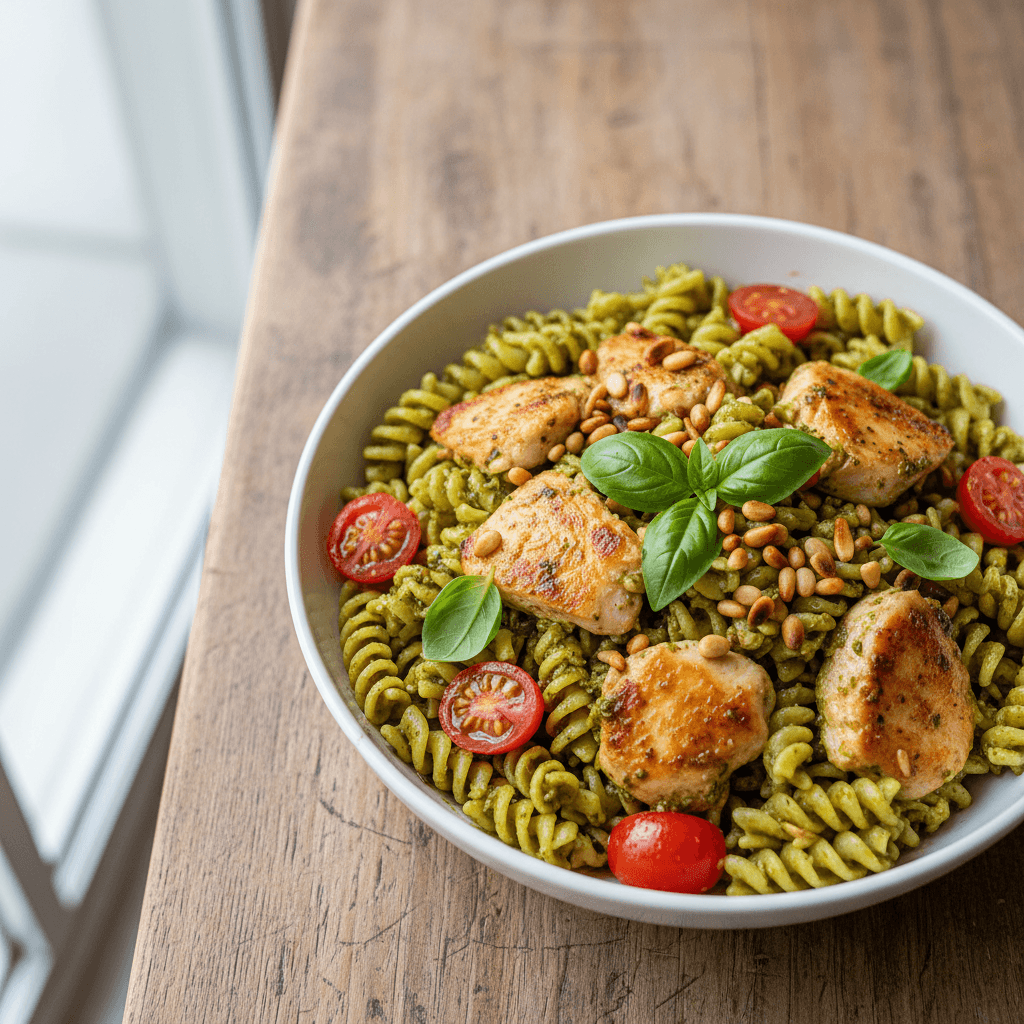
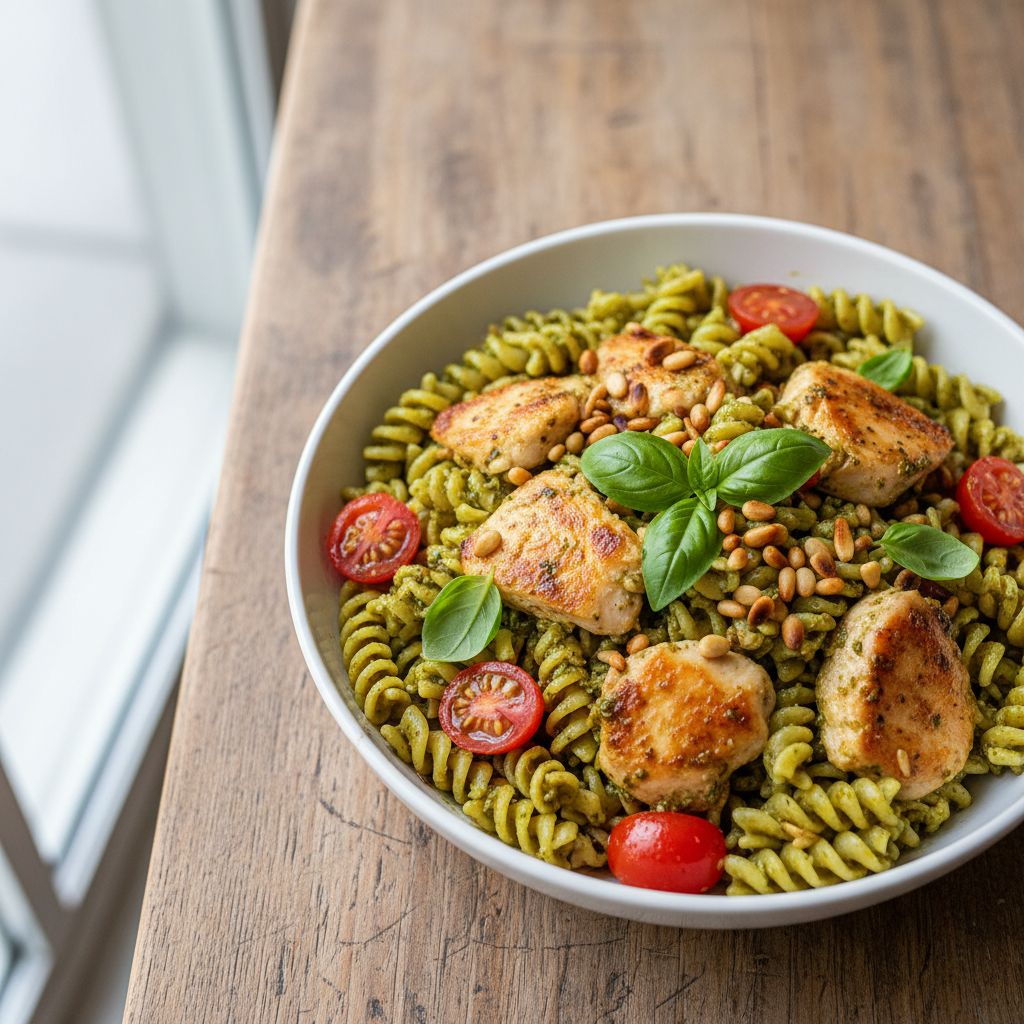
A vibrant Chicken Pesto Pasta with sweet tomatoes and toasted pine nuts. This easy summer pasta recipe is perfect for weeknights and gatherings!
cookwithyara.com/recipes/summer-pasta-chicken-pesto-pasta-with-tomatoes
There’s a specific aroma that defines the peak of summer for me. It’s not just the scent of sun-warmed earth or blooming jasmine; it’s the intoxicating fragrance of fresh basil, crushed with garlic and good olive oil, filling my kitchen. It’s a scent that promises freshness, simplicity, and a meal shared with people I love. This feeling is what I wanted to capture in a single bowl, a dish that tastes like sunshine and requires no special occasion to feel like a celebration. That culinary journey led me to perfect this beautiful Summer Pasta: Chicken Pesto Pasta with Tomatoes and Pine Nuts. It’s a recipe that has become a cornerstone of my warm-weather cooking repertoire, and for good reason.
What truly sets this version apart is the balance of textures and flavors. We’re not just tossing pasta with a jar of sauce. We are building layers of taste from the ground up: the nutty, herbaceous depth of a homemade pesto, the golden-brown sear on tender pieces of chicken, the sweet burst of barely-cooked cherry tomatoes, and the satisfying, buttery crunch of toasted pine nuts. It’s a symphony of simple, high-quality ingredients working in perfect harmony. In this post, I’ll walk you through every step, sharing the techniques I’ve learned to make sure your pesto is brilliantly green, your chicken is juicy, and your final dish is something you’ll be proud to place on the table. You'll leave with more than just a recipe; you'll have a new favorite way to celebrate the season.
The Story Behind This Dish
Pesto has its roots in the beautiful coastal region of Liguria, Italy, specifically the city of Genoa. The original pesto alla genovese is a testament to the power of local ingredients: young, fragrant basil, local Ligurian olive oil, garlic, pine nuts, and a mix of specific hard cheeses. The name itself comes from the Italian verb pestare, meaning “to pound” or “to crush,” a nod to the traditional method of preparing it with a marble mortar and wooden pestle. This classic preparation creates an emulsion that is both rustic and incredibly fragrant, a true taste of its homeland.
While the classic remains a treasure, the concept of a crushed herb sauce has traveled the globe, inspiring countless variations. This Chicken Pesto Pasta with Tomatoes and Pine Nuts is a beautiful example of that evolution. It takes the soulful heart of Italian cooking—fresh ingredients, simple techniques—and adapts it into a complete, balanced meal that feels perfectly at home in a modern kitchen. Adding protein like chicken makes it a satisfying main course, while the burst of fresh tomatoes adds a juicy sweetness that brightens the entire dish. The homemade version is leagues beyond anything you can buy in a jar; the vibrancy of the fresh basil, the pungency of the garlic, and the richness of the olive oil are simply unmatched. It’s a dish that honors its Italian heritage while celebrating the joy of home cooking.
What Makes This Recipe Special
This isn't just another pasta recipe; it's a carefully crafted dish designed for maximum flavor with minimal fuss. I've tweaked and perfected this Chicken Pesto Pasta over the years to ensure it delivers a truly exceptional experience every single time. Here’s what makes it stand out from the rest:
-
Vibrant, No-Cook Pesto Sauce: The heart of this dish is a brilliantly green, intensely flavorful basil pesto that you make in minutes. By adding the pesto off the heat, we preserve the fresh, herbaceous character of the basil, preventing it from turning dark or bitter. This technique ensures the sauce tastes bright, lively, and full of summer essence.
-
Perfectly Seared, Juicy Chicken: We take the time to season and sear the chicken pieces until they are a beautiful golden-brown. This step doesn’t just cook the chicken; it builds a foundation of savory flavor, a process known as the Maillard reaction, which adds incredible depth to the entire dish. The tender, juicy morsels provide a satisfying contrast to the fresh sauce.
-
A Symphony of Textures: A truly great dish engages more than just your taste buds. This recipe is a masterclass in texture. You have the soft, yielding pasta, the tender chicken, the soft burst of warm cherry tomatoes, the creamy coating of the pesto sauce, and—the crowning glory—the buttery crunch of toasted pine nuts. Each bite is interesting and deeply satisfying.
-
The Magic of Pasta Water: One of the simplest yet most transformative secrets of Italian cooking is using reserved starchy pasta water. We’ll use this “liquid gold” to bind the pesto to the pasta, creating a luscious, creamy sauce that coats every single piece without being heavy or oily. It’s the key to a restaurant-quality finish.
-
Weeknight Simple, Weekend Elegant: While the final dish looks and tastes sophisticated enough for a special dinner with guests, the process is streamlined and straightforward, making it completely achievable for a busy weeknight. It's a versatile recipe that fits beautifully into any part of your life.
-
A Celebration of Freshness: Ultimately, this Chicken Pesto Pasta with Tomatoes and Pine Nuts is a tribute to fresh, high-quality ingredients. It’s a reminder that simple food, prepared with care and respect for the ingredients, is often the most delicious and memorable.
Breaking Down the Ingredients
Great cooking begins with great ingredients. For a dish as simple and pure as this Chicken Pesto Pasta, the quality of each component truly shines through. Let’s walk through the key players that come together to create this masterpiece of summer flavor.
First, the chicken. I prefer using boneless, skinless chicken breasts, cut into bite-sized pieces. They cook quickly and absorb the flavors of the seasoning beautifully. It's crucial to source high-quality, halal-certified chicken for both flavor and peace of mind. Slicing the pieces to a uniform size ensures they cook evenly, resulting in tender, juicy bites rather than some being dry and others undercooked.
At the heart of our dish is, of course, the pesto. Fresh basil is non-negotiable here; you want bunches with vibrant, green, perky leaves, not wilted, sad ones. This is where the majority of your fresh, herbaceous flavor comes from. We'll blend it with a good quality extra-virgin olive oil, which adds a fruity, peppery richness that forms the backbone of the sauce. Fresh garlic provides the pungent, spicy kick, while toasted pine nuts give the pesto its signature buttery texture and nutty depth. For the cheesy element, we use freshly grated Parmesan. It's important to find a block of Parmesan made with microbial or vegetable rennet to keep the dish fully halal. Its salty, savory flavor is essential for balancing the sauce.
Next, the cherry tomatoes. These little gems are pockets of sweetness. We add them to the pan just long enough for their skins to blister and for them to release some of their juices, creating a light, fresh tomato element that cuts through the richness of the pesto. Their bright acidity is the perfect counterpoint to the savory chicken and nutty sauce.
Finally, the pasta itself. A short, textured pasta shape like fusilli, rotini, or penne is ideal. The spirals, tubes, and ridges are perfectly designed to trap the rich pesto sauce, ensuring that every single bite is packed with flavor. Cooking it to a perfect al dente is key—it should still have a slight bite in the center, which will prevent it from becoming mushy when tossed with the warm sauce. This careful selection and preparation of each ingredient is what elevates this simple Chicken Pesto Pasta into something truly special.
The Cooking Process Explained
The magic of this Chicken Pesto Pasta with Tomatoes and Pine Nuts lies in its simple, methodical assembly. By focusing on each stage, you build layers of flavor that result in a truly harmonious dish. Let's walk through the journey from simple ingredients to a stunning final meal.
Our first stage is preparation, the foundation of a smooth cooking experience. This begins with the pesto. You'll combine your fragrant basil, toasted pine nuts, pungent garlic, and savory Parmesan in a food processor. As you pulse these together, you'll slowly stream in the extra-virgin olive oil. You're looking for a texture that's not perfectly smooth but has a bit of rustic charm—a vibrant, green, and incredibly aromatic sauce. At the same time, you’ll bring a large pot of salted water to a rolling boil. Salting your pasta water is a crucial step; it seasons the pasta from the inside out and is your only chance to do so.
Next, we cook the pasta and the chicken. The pasta goes into the boiling water and should be cooked just until al dente, as it will continue to cook slightly when combined with the sauce. Before you drain it, remember the golden rule: reserve at least a cup of the starchy pasta water. While the pasta cooks, you'll heat a large skillet over medium-high heat. The seasoned chicken pieces are added in a single layer, ensuring they get a beautiful golden-brown sear rather than steaming. The sound of that sizzle is the sound of flavor being born. Once cooked through, remove the chicken and set it aside.
Now, we build the sauce right in that same skillet, capitalizing on all the flavorful browned bits left behind by the chicken. A little more olive oil goes in, followed by the minced garlic, which is cooked for just 30 seconds until fragrant—be careful not to let it burn. Then, the cherry tomatoes are added. You'll hear them sizzle and pop as their skins start to blister and they release their sweet juices. This process takes only a few minutes and creates a light, fresh base for our pesto.
The final stage is bringing it all together. Turn off the heat under the skillet. This is a critical step to preserve the pesto's bright green color and fresh flavor. Add the cooked pasta and the seared chicken back to the skillet. Now, add a generous amount of your homemade pesto and a splash of the reserved pasta water. Toss everything together vigorously. The starch in the pasta water will emulsify with the olive oil in the pesto, creating a creamy, luscious sauce that clings beautifully to every nook and cranny of the pasta. You'll watch as the simple components transform into a cohesive, restaurant-quality Chicken Pesto Pasta. All that's left is to garnish and serve immediately.
Mistakes to Avoid
Even with a straightforward recipe like this Chicken Pesto Pasta, a few common missteps can be the difference between a good dish and a great one. Think of me as your friendly guide in the kitchen, here to help you navigate those little pitfalls. Forewarned is forearmed!
-
Adding Pesto to a Sizzling Hot Pan: This is perhaps the most common mistake. Basil is a delicate herb. If you add your beautiful, fresh pesto directly to a very hot skillet, the intense heat will essentially cook the basil, turning it a dark, unappealing color and giving it a bitter taste. The Fix: Always, always add the pesto off the heat. Once the chicken and tomatoes are done, turn the burner off. The residual heat in the pan and from the freshly cooked pasta is more than enough to warm everything through and create the sauce.
-
Forgetting to Reserve Pasta Water: I call it liquid gold for a reason! That cloudy, starchy water left over from cooking your pasta is the secret to a creamy, non-oily sauce. It helps the pesto emulsify and cling to every piece of pasta. The Fix: Before you even think about draining your pasta, place a liquid measuring cup or a mug in the colander as a physical reminder. Scoop out at least a cup of water. You might not use it all, but it’s better to have too much than none at all.
-
Not Toasting the Pine Nuts: It seems like a small, skippable step, but it makes a world of difference. Raw pine nuts are soft and mild. Toasting them awakens their natural oils, making them fragrant, deeply nutty, and wonderfully crunchy. The Fix: Simply toast the pine nuts in a dry skillet over medium-low heat for 3-5 minutes, tossing frequently, until they are golden brown and you can smell their nutty aroma. Watch them like a hawk, as they can go from perfectly toasted to burnt in seconds.
-
Overcrowding the Pan with Chicken: We all want to save time, but putting too much chicken in the pan at once is counterproductive. It lowers the pan's temperature, causing the chicken to steam in its own juices instead of searing. You'll end up with pale, rubbery chicken instead of golden-brown, flavorful pieces. The Fix: Use a large enough skillet and cook the chicken in a single layer. If necessary, cook it in two batches. That beautiful sear is a layer of flavor you don’t want to miss.
How to Serve This
Once your beautiful Chicken Pesto Pasta with Tomatoes and Pine Nuts is ready, plating and serving it with a few thoughtful touches can elevate the entire experience. This dish is a star on its own, but the right accompaniments turn it into a truly memorable meal.
For serving, I love to spoon the pasta into wide, shallow bowls. This allows the colors of the green pesto, red tomatoes, and golden chicken to really pop. Before bringing it to the table, I always add a few finishing flourishes. A generous sprinkle of extra toasted pine nuts adds a final layer of crunch, some freshly grated Parmesan cheese melts ever so slightly into the warm pasta, and a few small, fresh basil leaves provide a final burst of herbaceous aroma. A last-minute, light drizzle of your best extra-virgin olive oil over the top adds a touch of richness and a beautiful sheen.
When it comes to pairings, simplicity is key. The pasta is so full of flavor that you don't want to overshadow it. A simple side salad of mixed greens, arugula, or baby spinach tossed in a bright lemon vinaigrette is the perfect companion. The acidity of the dressing cuts through the richness of the pesto and cleanses the palate. For a more substantial meal, especially for a weekend gathering, serve it with warm, crusty bread or garlic bread. It’s perfect for mopping up every last bit of that delicious pesto sauce from the bottom of the bowl. This dish is fantastic served hot, fresh from the skillet, but it's also surprisingly delicious served at room temperature, making it an excellent option for potlucks or family-style gatherings.
Make-Ahead and Storage Guide
One of the questions I get asked most often is how to handle leftovers or prepare components in advance. The good news is that this Chicken Pesto Pasta is quite flexible! With a little planning, you can enjoy this delicious meal even on your busiest days.
To Make Ahead: The pesto is the perfect component to prepare in advance. You can make a batch and store it in an airtight container in the refrigerator for up to 5 days. To prevent it from browning, pour a thin layer of olive oil over the top surface before sealing the container. You can also freeze the pesto in an ice cube tray for perfectly portioned amounts, then transfer the frozen cubes to a freezer bag for up to 3 months. You can also cook the chicken ahead of time and store it in the fridge for up to 3 days.
Storing Leftovers: If you have leftover assembled pasta, store it in an airtight container in the refrigerator for up to 3 days. Be aware that as it sits, the pasta will continue to absorb the sauce, so it may seem a bit drier the next day. This is where your reheating technique comes in.
Reheating: I find the best way to reheat this pasta is gently in a skillet over medium-low heat. Add the pasta to the pan along with a tablespoon or two of water or chicken broth. This little bit of liquid will help loosen the sauce and bring back its creamy consistency as it warms through. Stir gently until heated to your liking. I would avoid using a microwave if possible, as it can sometimes make the chicken tough and the pasta texture less pleasant. With these tips, your leftovers will taste nearly as good as they did on day one.
Reader Questions Answered
I love hearing from you all and answering your questions! Here are some common queries I receive about this Chicken Pesto Pasta recipe. I hope these answers help you make it perfectly in your own kitchen.
Can I use a different type of nut in the pesto?
Absolutely! While pine nuts are classic, they can be a bit pricey. Walnuts are a fantastic and more budget-friendly substitute, offering a slightly more earthy flavor. Toasted almonds or even shelled pistachios also work wonderfully and bring their own unique character to the pesto. Feel free to experiment!
How can I make this dish dairy-free?
To make this recipe dairy-free, you'll need to make one simple swap. For the Parmesan cheese in the pesto, you can use a high-quality dairy-free Parmesan alternative, which are widely available now. Alternatively, you can add a tablespoon or two of nutritional yeast to the pesto, which provides a savory, cheesy flavor without any dairy.
What if I don't have a food processor for the pesto?
No problem at all! You can absolutely make the pesto the traditional way using a mortar and pestle for a more rustic texture. If you don't have one of those, you can also make it by hand. Finely chop the basil, garlic, and nuts with a sharp knife, then transfer them to a bowl and mash and stir them with the cheese and olive oil to form a paste.
Can I add other vegetables to this pasta?
This is a great recipe for customizing with your favorite vegetables. It's wonderful with a few large handfuls of fresh spinach wilted in at the end, or you could add sautéed mushrooms, sliced zucchini, or roasted bell peppers. For a bit of a kick, a pinch of red pepper flakes added with the garlic is also delicious.
My homemade pesto sometimes turns brown. How can I prevent this?
This happens due to oxidation when the cut basil leaves are exposed to air. There are two great tricks to prevent this. First, you can blanch the basil leaves in boiling water for 15 seconds, then immediately plunge them into an ice bath before drying them and making the pesto. This sets their green color. A quicker trick is to add a little squeeze of fresh lemon juice to your pesto; the acid helps to preserve the vibrant color.
Summer Chicken Pesto Pasta with Tomatoes and Pine Nuts
A simple but elegant summer pasta dish featuring tender chicken, a vibrant homemade basil pesto, sweet cherry tomatoes, and toasted pine nuts.
Prep Time
20 min
Cook Time
25 min
Total Time
45 min
Servings
4 servings
Ingredients
For 4 servings
- 1 lb (450g) boneless, skinless halal chicken breasts, cut into 1-inch pieces
- 12 oz (340g) fusilli or penne pasta
- 1 pint (about 2 cups) cherry tomatoes, halved
- 3 cloves garlic, minced
- 3 tbsp extra-virgin olive oil, divided
- 1/2 tsp salt, plus more for pasta water and to taste
- 1/4 tsp black pepper
- For the Basil Pesto:
- 2 cups packed fresh basil leaves
- 1/2 cup freshly grated Parmesan cheese (ensure microbial or vegetable rennet)
- 1/2 cup extra-virgin olive oil
- 1/3 cup pine nuts, plus more for garnish
- 3 cloves garlic, coarsely chopped
- 1/4 tsp salt
- Optional: 1 tbsp fresh lemon juice
Instructions
- 1
Toast the Pine Nuts
Place 1/3 cup of pine nuts in a small, dry skillet over medium-low heat. Toast for 3-5 minutes, tossing frequently, until golden brown and fragrant. Remove immediately and set aside to cool.
- 2
Make the Basil Pesto
In a food processor, combine the basil leaves, grated Parmesan cheese, toasted pine nuts, and coarsely chopped garlic. Pulse a few times to combine. With the processor running, slowly stream in the 1/2 cup of olive oil until the pesto is mostly smooth but still has some texture. Season with salt and optional lemon juice.
- 3
Cook the Pasta
Bring a large pot of generously salted water to a rolling boil. Add the pasta and cook according to package directions until al dente. Before draining, reserve at least 1 cup of the starchy pasta water.
- 4
Season and Prepare the Chicken
While the pasta is cooking, pat the chicken pieces dry with a paper towel. Season them generously with 1/2 teaspoon of salt and 1/4 teaspoon of black pepper.
- 5
Cook the Chicken
Heat 2 tablespoons of olive oil in a large skillet or Dutch oven over medium-high heat. Add the seasoned chicken in a single layer, being careful not to crowd the pan. Cook for 5-7 minutes, turning occasionally, until golden brown and cooked through. Remove the chicken from the skillet and set it aside on a plate.
- 6
Sauté Aromatics and Tomatoes
Reduce the heat to medium. Add the remaining 1 tablespoon of olive oil to the same skillet. Add the minced garlic and cook for about 30 seconds until fragrant. Add the halved cherry tomatoes and cook for 3-4 minutes, stirring occasionally, until they begin to soften and their skins blister.
- 7
Combine Sauce Ingredients
Return the cooked chicken and any accumulated juices back to the skillet with the tomatoes. Stir to combine and warm the chicken through for about a minute.
- 8
Combine Pasta and Sauce
Turn off the heat. Add the drained pasta directly to the skillet. Add about 1/2 cup of the prepared pesto and 1/4 cup of the reserved pasta water. Toss everything together vigorously until the pasta is well-coated in a creamy sauce.
- 9
Adjust and Finish the Sauce
If the sauce seems too thick, add more reserved pasta water, one tablespoon at a time, until it reaches your desired consistency. Taste and adjust seasoning with more salt and pepper if needed.
- 10
Garnish and Serve
Serve the Chicken Pesto Pasta immediately in warm bowls. Garnish with extra toasted pine nuts, a sprinkle of freshly grated Parmesan cheese, and a few fresh basil leaves. A final drizzle of extra-virgin olive oil is also recommended.
Nutrition Facts
Per serving (estimated)
680 calories
Calories
58g
Carbs
42g
Protein
32g
Fat
5g
Fiber
650mg
Sodium
6g
Sugar