Authentic Basil Pesto Recipe (Pesto alla Genovese)
Learn to make the best authentic basil pesto from scratch! This vibrant, fresh Pesto alla Genovese recipe is easy, aromatic, and perfect for pasta.
cookwithyara.com/recipes/basil-pesto
There are some sauces that are simply transformative, capable of turning the most humble ingredients into a meal worth celebrating. For me, true, authentic basil pesto is one of them. I’m not talking about the dull, brownish-green paste you find in jars at the supermarket. I’m speaking of the vibrant, intensely aromatic, and brilliantly green sauce that hails from Liguria, Italy—a sauce that tastes of summer sunshine, fresh herbs, and coastal breezes. The first time I had a truly exceptional Pesto alla Genovese was at a small trattoria, where it was lovingly pounded by hand in a large marble mortar and tossed with freshly made pasta. The fragrance alone was intoxicating, a cloud of sweet basil, sharp garlic, and nutty cheese that promised something special. And it delivered. The flavor was a symphony: bright, fresh, savory, and incredibly complex.
I’ll be the first to admit that making a spectacular basil pesto requires a little more thought and care than simply throwing ingredients into a blender. It’s a craft. It’s about understanding the ingredients, respecting the process, and coaxing out the best possible flavor from each component. But I promise you, every moment you spend carefully washing and drying the basil, toasting the pine nuts, and grating the cheese by hand is an investment that pays off tenfold in the final dish. This isn't just a recipe; it's your guide to mastering one of Italy's most beloved culinary treasures. We will explore the history, the ingredients, and the techniques needed to create a basil pesto that will ruin you for the jarred stuff forever—in the best possible way. So let’s gather our beautiful ingredients and create something truly memorable together.
The Origins and History
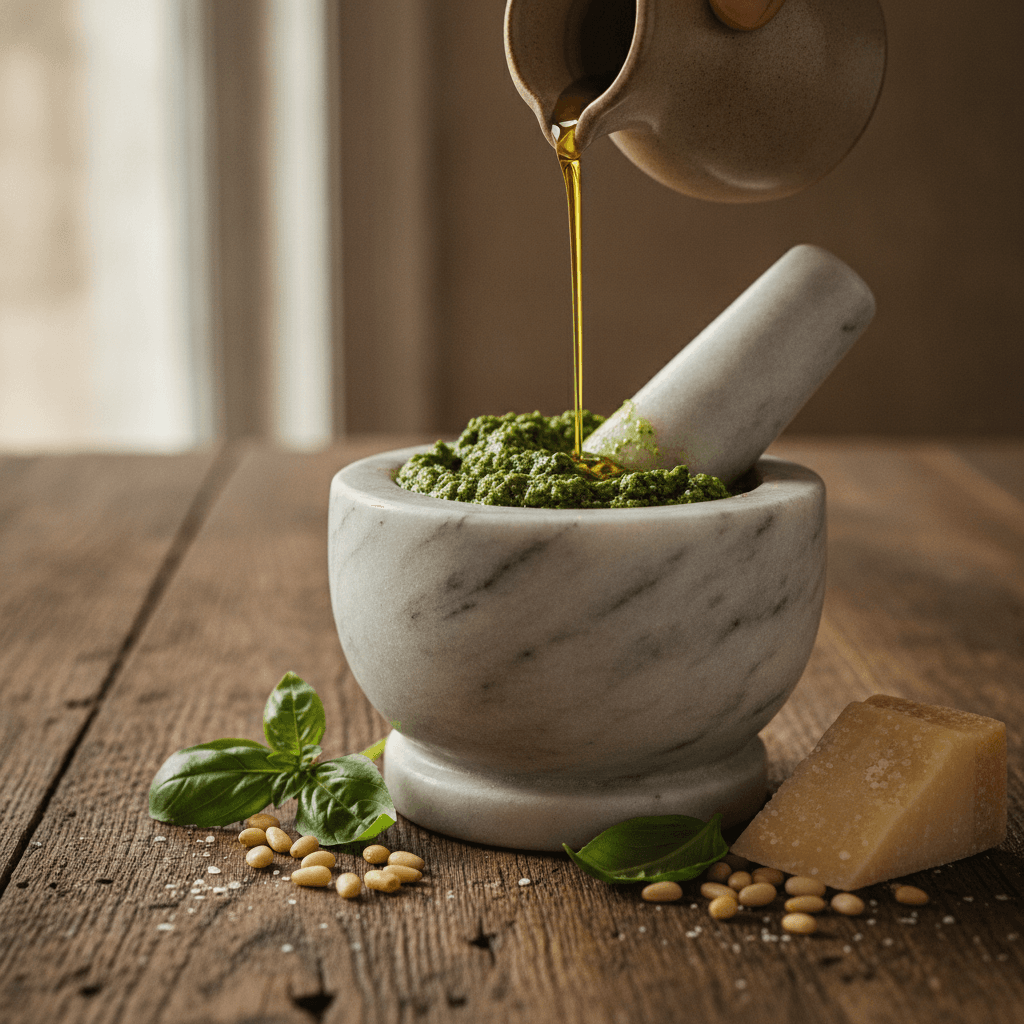
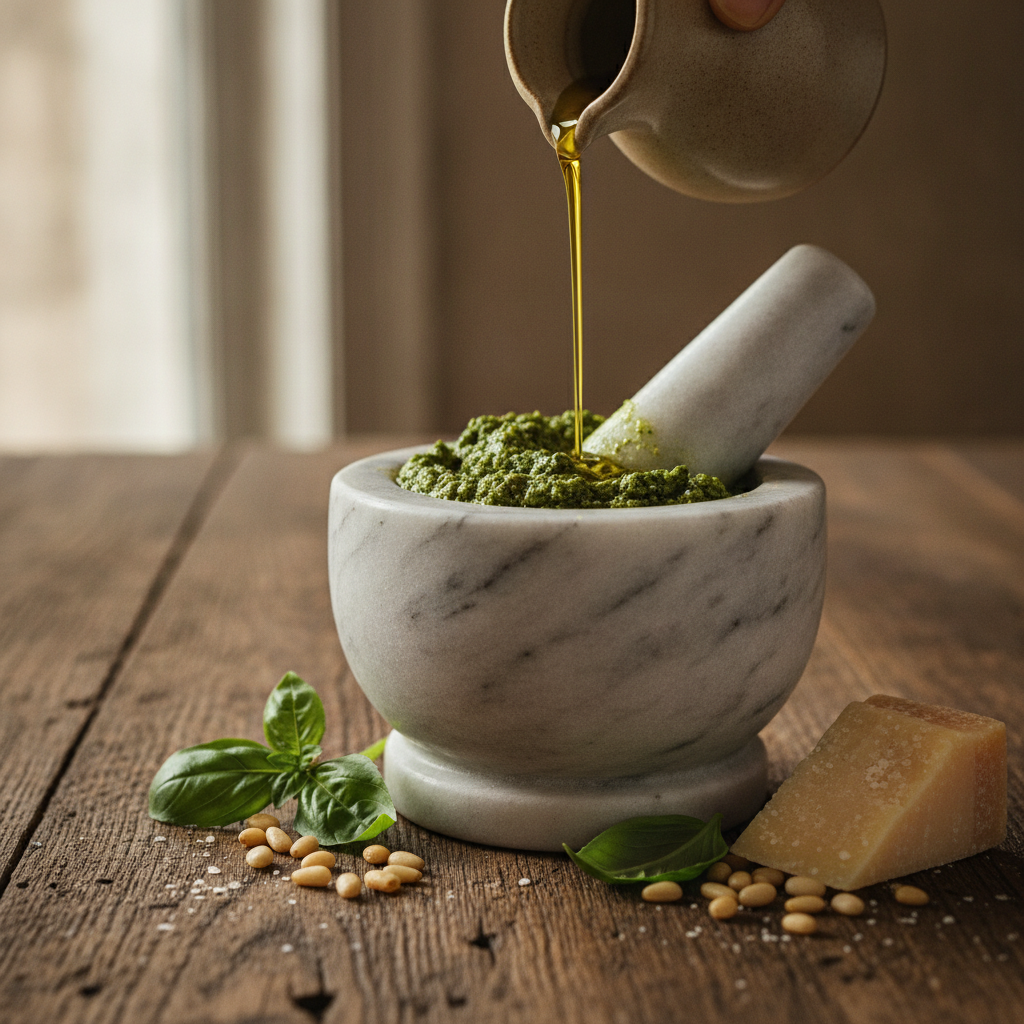
The story of basil pesto is deeply rooted in the coastal region of Liguria in northwestern Italy, specifically its capital city, Genoa (Genova). This is why the authentic version is formally known as Pesto alla Genovese. Its vibrant green color and fresh flavor are a direct reflection of the region's bounty, particularly its world-renowned Genovese basil, a variety with small, tender leaves and a uniquely sweet, delicate aroma. The name 'pesto' comes from the Italian verb pestare, meaning 'to pound' or 'to crush,' which points to its traditional method of preparation using a marble mortar and a wooden pestle. This ancient technique is crucial, as the gentle crushing of the ingredients releases their essential oils without generating heat, preserving the basil's bright color and flavor.
While pesto as we know it today likely emerged in the mid-19th century, its culinary ancestors are much older. Many food historians trace its lineage back to an ancient Roman sauce called moretum, a paste made by crushing garlic, salt, cheese, herbs, olive oil, and vinegar together. A more direct predecessor is agliata, a medieval Ligurian garlic and walnut sauce that was a staple for sailors, as its powerful garlic content helped preserve food and was thought to have health benefits. It wasn't until the 19th century, when basil became a prominent ingredient in local cuisine, that it was incorporated into this traditional paste, transforming it into the iconic basil pesto we cherish. Today, while modern food processors have made the process accessible to home cooks everywhere, the classic mortar-and-pestle method remains the gold standard for achieving the most authentic texture and nuanced flavor.
Understanding the Flavor Profile
A perfect batch of authentic basil pesto is a masterclass in balanced, layered flavors. It’s a dynamic sauce where each ingredient plays a distinct and vital role, coming together to create a taste that is far greater than the sum of its parts. At the forefront is the sweet, slightly peppery, and almost minty aroma of fresh basil. This isn't a subtle flavor; it's the bright, herbaceous soul of the sauce. Supporting this freshness is the pungent, sharp bite of raw garlic, which adds a welcome heat and complexity that cuts through the richness of the other ingredients. The balance here is key—enough garlic to be present, but not so much that it overwhelms the delicate basil.
The savory, umami depth comes from the combination of two magnificent Italian cheeses. Parmigiano-Reggiano lends a nutty, complex saltiness, while Pecorino Sardo brings a sharper, tangier, and more robustly sheep-y flavor. Together, they create a wonderfully rich and satisfying backbone. Toasted pine nuts contribute a subtle sweetness and a luxurious, buttery texture that helps to emulsify the sauce. Finally, a high-quality extra-virgin olive oil ties everything together, adding its own fruity, sometimes peppery notes and creating the pesto's signature creamy, flowing consistency. When perfectly made, the texture of a classic basil pesto should not be a completely smooth puree but rather a slightly coarse, rustic sauce where you can still perceive the individual components, offering a delightful mouthfeel with every bite.
Essential Ingredients Explained
Creating a truly magnificent basil pesto hinges entirely on the quality of your ingredients. There's no hiding behind complex cooking techniques here; the raw, fresh flavors are the stars. Let's break down what makes each component so crucial.
- Fresh Basil: This is the heart of the recipe. The ideal choice is Genovese basil, which has smaller, tender leaves and a less aggressive, sweeter flavor than common sweet basil. Look for vibrant green leaves with no dark spots or wilting. The fresher the basil, the more aromatic and less bitter your pesto will be.
- Pine Nuts: These small, teardrop-shaped nuts provide a delicate, buttery richness that is characteristic of classic basil pesto. It's essential to lightly toast them before use, as this awakens their oils and deepens their nutty flavor. If you can't find them, raw, unsalted walnuts or almonds are the next best substitutes, though they will alter the final taste slightly.
- Garlic: Use fresh, firm cloves of garlic. The flavor of raw garlic can be quite potent and will intensify as the pesto sits. If you prefer a milder taste, you can use smaller cloves or even briefly blanch them in boiling water for 30 seconds to mellow their bite.
- Parmigiano-Reggiano: This is non-negotiable for authentic flavor. Use a wedge of real Parmigiano-Reggiano (look for the pin-dot rind) and grate it yourself just before using. Its aged, nutty, and salty notes provide an incredible depth of umami. Pre-grated versions often contain anti-caking agents and have a duller flavor.
- Pecorino Fiore Sardo: The traditional recipe calls for a blend of cheeses. Pecorino, a sheep's milk cheese, adds a sharp, tangy, and salty kick that beautifully contrasts with the milder Parmigiano. If you can't find Pecorino Sardo, Pecorino Romano is a more widely available alternative, though it is saltier, so you may need to adjust the salt in the recipe.
- Extra-Virgin Olive Oil: This isn't just a binder; it's a primary flavor. Use a high-quality, fruity, and smooth extra-virgin olive oil. A Ligurian olive oil is traditional and has a delicate flavor that complements the basil perfectly. Avoid robust, overly peppery oils, as they can overwhelm the other ingredients and introduce bitterness.
- Coarse Sea Salt: Salt does more than just season; it acts as an abrasive in a mortar and pestle, helping to break down the garlic and basil leaves. Even in a food processor, coarse salt helps to create the initial paste.
Mastering the Technique
Beyond pristine ingredients, the secret to a sublime basil pesto lies in the technique. The goal is to combine everything into a luscious, emulsified sauce while protecting the basil's delicate flavor and color. Heat and over-processing are the enemies here.
- Preparation is Paramount: Begin by thoroughly washing your basil leaves in cold water and then drying them with extreme care. Any residual water will make your pesto watery and can accelerate oxidation, turning it brown. A salad spinner is your best friend here, followed by a gentle pat-down with paper towels.
- Toast Your Nuts: Gently toast the pine nuts in a dry skillet over medium-low heat until they are fragrant and just beginning to turn golden. Watch them closely, as they can burn in an instant. This simple step is transformative, releasing their natural oils and adding a deep, nutty complexity.
- The Order of Operations: Whether using a food processor or a mortar and pestle, the order matters. Start by processing the garlic and coarse salt into a rough paste. This draws moisture from the garlic and creates a flavorful base. Next, add the toasted pine nuts and pulse until you have a coarse, mealy texture. This foundation ensures the nuts are evenly distributed.
- Gently Introduce the Basil: Add the dry basil leaves to the processor. Use the 'pulse' function in short bursts. You are not trying to create a perfectly smooth puree. You want to chop the basil finely while bruising it just enough to release its aromatic oils. Over-processing generates heat from the blade's friction, which will 'cook' the basil, making it bitter and dark.
- The Slow Emulsion: With the food processor running on low, slowly stream in the high-quality extra-virgin olive oil. This is the most critical step for texture. Adding the oil slowly allows it to emulsify with the other ingredients, creating a creamy, stable sauce rather than a separated, oily mess.
- Finish by Hand: Once the oil is incorporated, transfer the pesto to a bowl. Now, stir in the freshly grated Parmigiano-Reggiano and Pecorino by hand. Why not just blitz it in the processor? Adding the cheese at the end, away from the heat of the blades, preserves its delicate flavor and texture, preventing it from becoming gummy or oily. Taste and adjust for salt at this stage. Following these steps will reward you with a perfect, vibrant, and delicious basil pesto every single time.
Common Pitfalls and How to Fix Them
Even with a seemingly simple recipe like basil pesto, a few things can go awry. But don't worry, most issues are easily preventable or fixable. Let's troubleshoot some common challenges to ensure your pesto is perfect.
Problem: My pesto turned dark green or brown. This is the most common issue, caused by oxidation—the same process that turns a cut apple brown. It's triggered by air and heat. Prevention: To minimize this, work quickly and avoid over-processing. Some chefs briefly blanch the basil leaves in boiling water for 15 seconds, then shock them in an ice bath. This sets the chlorophyll and keeps the color vibrant, though some argue it slightly mutes the flavor. When storing, always top the pesto with a thin layer of olive oil to create a barrier against air.
Problem: My basil pesto tastes bitter. Bitterness can come from a few sources. The most likely culprit is over-processing the basil leaves, which bruises them and releases bitter compounds. It can also be caused by using an overly robust or poor-quality olive oil. Prevention & Fix: Use short, sharp pulses in the food processor. Choose a mild, fruity extra-virgin olive oil. If your pesto is already bitter, you can try to balance it by stirring in a little more cheese, a handful of nuts, or a tiny squeeze of lemon juice to brighten the flavor.
Problem: The garlic flavor is overwhelming. The sharp bite of raw garlic can be intense, and it tends to get stronger as the pesto sits. Prevention & Fix: Start with less garlic than you think you need; you can always add more. For a much milder flavor, you can blanch the whole, unpeeled cloves in boiling water for 30-60 seconds before using them. If the damage is done, try to temper the flavor by mixing in more of the other ingredients—basil, nuts, and cheese—to increase the overall volume and dilute the garlic's intensity.
Problem: The sauce is oily and separated. This means the emulsion broke, or it never properly formed. Fix: This usually happens when the oil is added too quickly. You can sometimes save it by transferring the mixture to a bowl and whisking vigorously while very slowly drizzling in a tiny bit more oil. Alternatively, pulsing it a few more times in the food processor might bring it back together.
Regional Twists Worth Trying
While Pesto alla Genovese is the undisputed classic, the concept of a fresh, pounded sauce is beloved throughout Italy and the Mediterranean, leading to some delicious regional variations. Exploring these twists is a wonderful way to appreciate the versatility of the 'pesto' method. Once you've mastered the classic basil pesto, I highly encourage you to try one of these.
-
Pesto alla Trapanese: Hailing from Trapani in Sicily, this version reflects the island's sun-drenched ingredients. It swaps pine nuts for more readily available almonds and incorporates ripe, juicy cherry tomatoes and sometimes a hint of red pepper flakes. The result is a sauce that's slightly sweeter, chunkier, and lighter than its Genovese cousin, perfect for a warm summer evening.
-
Pesto Rosso (Sun-Dried Tomato Pesto): While not tied to a single region, this 'red pesto' is popular throughout Italy. It builds on the base of basil, garlic, and nuts but gets its signature color and intense, sweet-tart flavor from sun-dried tomatoes packed in oil. It’s a robust, deeply savory sauce that pairs wonderfully with grilled chicken or rustic bread.
-
Arugula Pesto: For those who love a bit of a kick, substituting some or all of the basil with fresh arugula is a fantastic option. Arugula brings a bold, peppery, and slightly bitter flavor that creates a much more assertive and piquant sauce. It’s particularly delicious with rich, savory dishes that can stand up to its strong character.
The Perfect Spread
A beautiful bowl of fresh basil pesto deserves an equally wonderful spread to accompany it. The most traditional pairing, of course, is with pasta. In Liguria, it's classically served with local pasta shapes like trofie or trenette. A classic dish, trenette al pesto, also includes boiled potato cubes and green beans tossed with the pasta and sauce—a truly sublime and complete meal. A crucial tip: never heat pesto in a pan. Instead, reserve a splash of the starchy pasta cooking water, drain your pasta, and toss it all together in a warm bowl. The residual heat from the pasta and the starchy water will gently warm the sauce and help it cling perfectly to every noodle.
But the magic of basil pesto extends far beyond pasta. It's an incredibly versatile condiment. Spread it generously on a sandwich with grilled vegetables and fresh mozzarella for a spectacular lunch. Dollop a spoonful into a bowl of minestrone or vegetable soup to add a burst of fresh, herbaceous flavor right at the end. Whisk it with a bit of extra olive oil and lemon juice to create a vibrant dressing for salads or roasted vegetables. It's also a fantastic sauce for simply prepared proteins; try it alongside grilled chicken skewers, pan-seared fish, or lamb chops for an elegant and flavorful main course. To complete your meal, serve it with a simple side salad and some warm, crusty bread for soaking up every last bit of delicious sauce.
Keeping and Reheating
One of the best qualities of homemade basil pesto is that you can easily make a larger batch to enjoy later. Proper storage is key to preserving its fresh flavor and vibrant color. For short-term storage, place the pesto in an airtight container or a small jar. Gently press the surface to remove any air pockets and then pour a thin layer of olive oil over the top. This oil acts as a natural seal, preventing air from coming into contact with the basil and causing it to oxidize and turn brown. Sealed this way, your basil pesto will keep beautifully in the refrigerator for up to a week.
For longer-term storage, freezing is the absolute best method. The flavors hold up exceptionally well. A fantastic trick is to portion the pesto into an ice cube tray. Once the cubes are frozen solid, you can transfer them to a freezer-safe bag or container. This way, you have perfectly portioned, single-serving pesto cubes ready to go whenever you need them. They will last in the freezer for up to six months. When you're ready to use it, simply take out as many cubes as you need. There's no need to reheat pesto. Just add the frozen cubes directly to hot, freshly drained pasta and stir. The heat of the pasta will melt the pesto perfectly, creating an instant, delicious sauce.
Your Questions Answered
Can I make basil pesto without nuts?
Absolutely. If you have a nut allergy or simply don't have pine nuts on hand, you can make a delicious nut-free version. You can either omit them entirely for a more herb-focused sauce, or you can substitute them with raw sunflower seeds or pumpkin seeds (pepitas) for a similar creamy texture and earthy flavor. Just be sure to toast the seeds as you would the pine nuts to bring out their best taste.
Why did my basil pesto turn dark or brown after a while?
This is caused by oxidation, a natural reaction that occurs when the enzymes in the basil leaves are exposed to oxygen. Heat from a food processor's blades can accelerate this process. To prevent it, work quickly, use very cold ingredients, and always top your stored pesto with a layer of olive oil to create a protective barrier against the air.
Is it possible to prepare this recipe ahead of time for a gathering?
Yes, basil pesto is a fantastic make-ahead sauce. You can prepare it completely up to three days in advance and store it in an airtight container in the refrigerator with a layer of olive oil on top. For the best, freshest flavor, you could also prepare the pesto base (everything except the cheese) and store it, then simply stir in the freshly grated cheeses just before serving.
How much basil pesto should I use for a pound of pasta?
It depends on how heavily you like your pasta sauced, but a good general guideline is to use about 1 to 1.5 cups of pesto for one pound (about 500g) of dried pasta. Remember to reserve about a cup of the starchy pasta water. Start by adding about three-quarters of the pesto and a splash of pasta water, toss well, and then add more of each until the pasta is coated to your liking.
I followed the recipe, but my pesto tastes a little bland. How can I fix it?
If your pesto is lacking punch, it's usually an easy fix related to seasoning. First, add another pinch of salt and taste again. If it's still not quite there, the flavor might need a bit of brightness; a very small squeeze of fresh lemon juice can work wonders to lift all the other flavors. Finally, if it just tastes a bit flat, it might be that your cheese isn't salty enough, so stirring in a bit more grated Pecorino or Parmigiano can add that missing savory depth.
Authentic Basil Pesto (Pesto alla Genovese)
A classic, vibrant recipe for authentic Pesto alla Genovese made with fresh basil, pine nuts, garlic, and a blend of Italian cheeses. Perfect for pasta, sandwiches, and more.
Prep Time
15 min
Cook Time
5 min
Total Time
20 min
Servings
6 servings
Ingredients
For 6 servings
- 3 cups fresh basil leaves, packed (about 3 large bunches)
- 1/2 cup extra-virgin olive oil, plus more for storing
- 1/3 cup pine nuts, lightly toasted
- 2 medium garlic cloves, peeled and roughly chopped
- 1/2 cup freshly grated Parmigiano-Reggiano cheese
- 1/4 cup freshly grated Pecorino Fiore Sardo or Pecorino Romano cheese
- 1/2 teaspoon coarse sea salt
- 1/4 teaspoon freshly ground black pepper (optional)
Instructions
- 1
Prepare the Basil
Wash the basil leaves gently in cold water. Dry them completely using a salad spinner, then lay them on a clean kitchen towel or paper towels to absorb any remaining moisture. This step is critical to prevent a watery pesto.
- 2
Toast the Pine Nuts
Place the pine nuts in a small, dry skillet over medium-low heat. Toast, shaking the pan frequently, for 2-4 minutes until they are fragrant and lightly golden. Immediately remove them from the pan to prevent burning and set aside to cool.
- 3
Start the Base Paste
In the bowl of a food processor, combine the chopped garlic and coarse sea salt. Pulse a few times until a rough paste begins to form. This helps to break down the garlic and release its flavors.
- 4
Add Nuts and Process
Add the cooled, toasted pine nuts to the food processor with the garlic paste. Pulse 5-7 times until the nuts are finely chopped and well-incorporated, creating a coarse, mealy texture.
- 5
Incorporate the Basil
Add the clean, dry basil leaves to the food processor. Pack them in, then secure the lid. Pulse in short bursts (about 8-10 times) until the basil is finely chopped. Scrape down the sides of the bowl as needed.
- 6
Emulsify with Olive Oil
With the food processor running on its lowest speed, slowly stream in the extra-virgin olive oil. Continue processing until the oil is fully incorporated and the pesto is creamy but still has some texture. Avoid over-mixing, which can generate heat.
- 7
Stir in the Cheeses
Transfer the pesto from the food processor to a medium bowl. Add the freshly grated Parmigiano-Reggiano and Pecorino cheese. Use a spatula or spoon to stir the cheese in by hand until just combined.
- 8
Season and Serve
Stir in the optional black pepper. Taste the pesto and adjust seasoning if necessary, adding more salt if needed. Your authentic basil pesto is now ready to be used immediately with your favorite pasta or dish.
- 9
Store for Later Use
To store, transfer the pesto to a clean jar or airtight container. Pour a thin layer of olive oil over the surface to prevent oxidation. It will keep in the refrigerator for up to one week or can be frozen for up to six months.
Nutrition Facts
Per serving (estimated)
210 calories
Calories
2g
Carbs
5g
Protein
21g
Fat
1g
Fiber
350mg
Sodium
0.5g
Sugar