Best Thai Noodle Salad with Peanut Dressing (Easy Recipe)
Discover the BEST Thai Noodle Salad recipe! Packed with fresh veggies, rice noodles, and a creamy peanut dressing. A healthy, easy, and delicious meal.
cookwithyara.com/recipes/best-thai-noodle-salad
There's a beautiful truth we can all agree on: a meal that tastes incredible but leaves behind a mountain of dishes feels like a hollow victory. We crave food that nourishes our bodies and souls without demanding a huge cleanup effort afterward. This is where the magic of a well-composed, all-in-one meal comes in, and today, we're celebrating that magic with what I truly believe is the BEST Thai Noodle Salad you’ll ever make. It’s a symphony of textures and flavors, a vibrant kaleidoscope of colors in a single bowl that promises pure satisfaction.
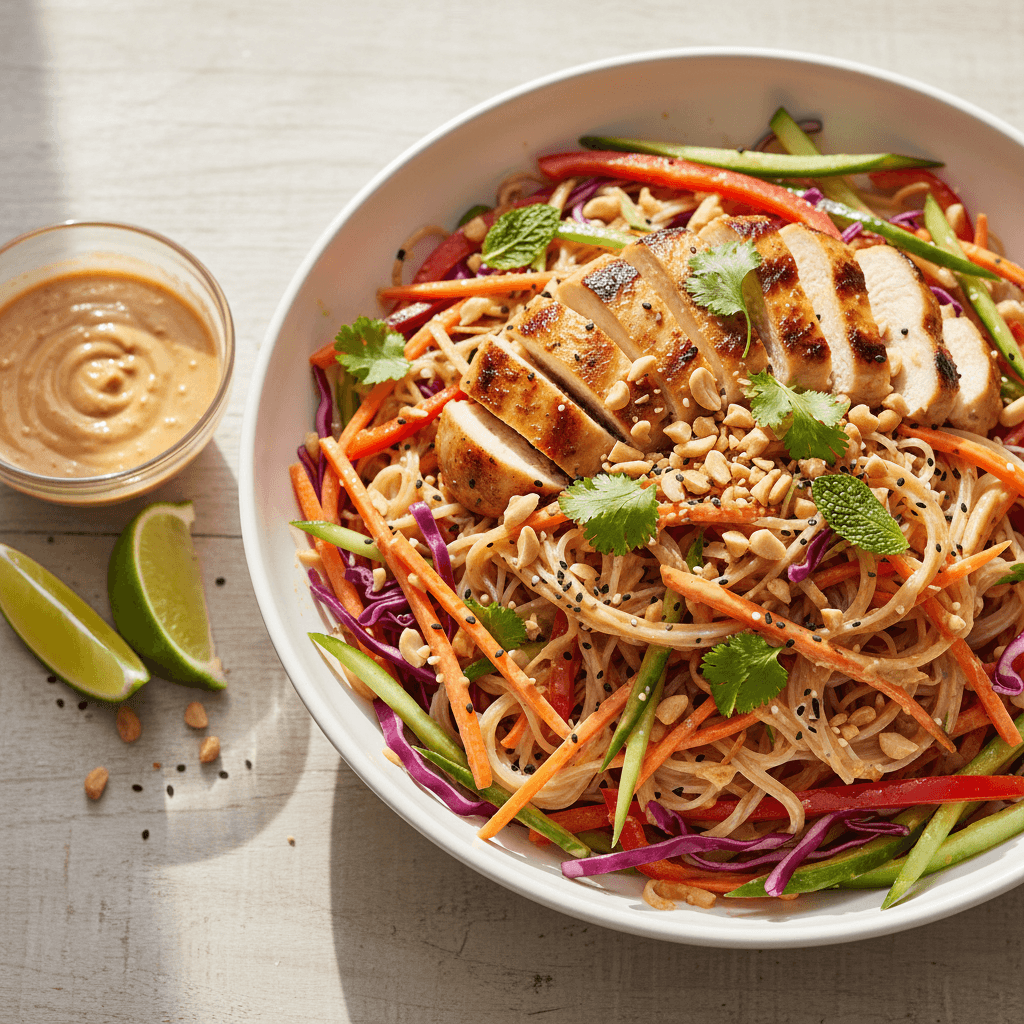
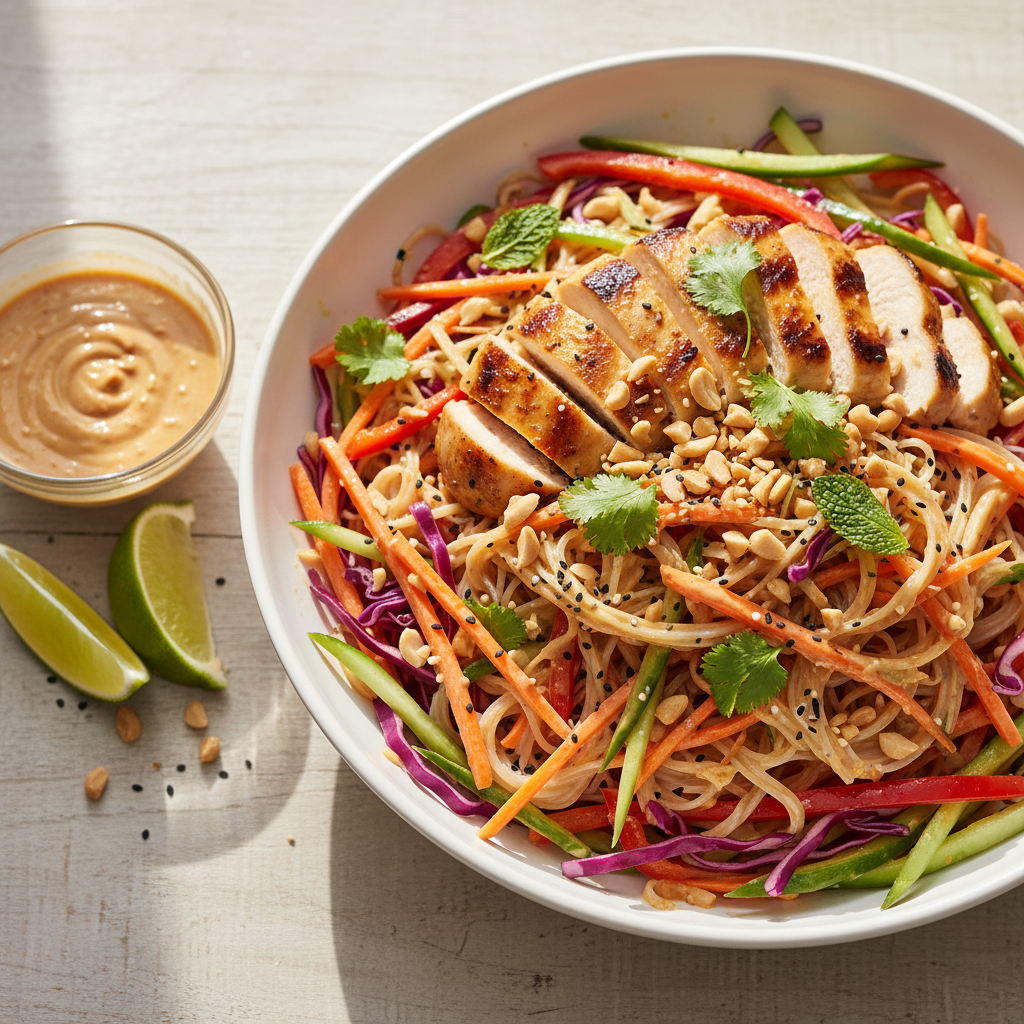
Imagine this: tender rice noodles mingling with a rainbow of crisp, fresh vegetables—the sweet crunch of carrots, the cool bite of cucumber, the jewel-toned purple of cabbage. Imagine it all generously coated in a creamy, dreamy peanut dressing that hits every note perfectly: savory, sweet, tangy, with just a whisper of heat. This isn't just a salad; it's a complete, fulfilling meal that feels both indulgent and wonderfully light. It’s the kind of dish that’s perfect for a warm evening, a satisfying lunch, or a beautiful centerpiece for a family gathering. The promise is simple: minimal cooking, maximum flavor, and a dish that looks and tastes like you spent hours crafting it. Get ready to fall in love with this unforgettable Thai noodle salad.
The Philosophy of a Perfect Noodle Salad
A truly great noodle salad is more than just a collection of ingredients; it's a carefully orchestrated balance of flavor, texture, and temperature. Unlike a simple green salad, a dish like this BEST Thai Noodle Salad is built on a foundation of contrasts that work in perfect harmony. The goal isn't to just mix things together, but to create a cohesive experience where every single bite is interesting and delicious. It’s about mindful construction, or as the recipe name suggests, learning to “Eat With Clarity” by appreciating how each component contributes to the whole.
The heart of this philosophy lies in the dressing. It must be bold enough to stand up to the other ingredients but not so overpowering that it masks their natural freshness. It needs to coat every strand of noodle and leaf of herb without turning the salad into a soggy mess. The texture is equally crucial. We seek the delightful interplay between the soft, yielding noodles, the sharp crunch of raw vegetables and peanuts, the tender chew of the protein, and the delicate freshness of the herbs. It’s this multi-layered textural experience that keeps you coming back for another forkful. This is the art of creating a dish that is both deeply satisfying and refreshingly light, a meal that energizes rather than weighs you down.
What Goes Into the BEST Thai Noodle Salad
Crafting the BEST Thai Noodle Salad is all about choosing ingredients that offer a vibrant spectrum of flavors, colors, and textures. Each component is selected not just for its individual taste, but for how it contributes to the salad's beautiful, complex harmony. Let’s walk through the stars of this dish.
The Noodle Foundation: We use rice vermicelli noodles here. They are wonderfully delicate and light, with a fantastic ability to soak up the peanut dressing without becoming heavy or gluggy. Their neutral flavor provides the perfect canvas for the other, bolder ingredients. When cooked correctly—just until tender and then immediately rinsed with cold water—they remain separate and springy, providing a delightful chew that contrasts with the crisp vegetables.
The Vegetable Rainbow: This is where we build color and crunch. I love a combination that hits every note. Julienned carrots provide sweetness and a sturdy crunch. Thinly sliced red bell peppers add a vibrant splash of red and a sweet, almost fruity flavor. Shredded red cabbage brings a gorgeous purple hue and a robust, earthy crunch that holds up well with the dressing. Cool, hydrating cucumber, cut into matchsticks, offers a refreshing counterpoint to the richness of the dressing. Finally, shelled edamame beans contribute a pop of bright green, a satisfying chew, and a welcome boost of plant-based protein.
The Protein Power: To make this a truly complete meal, a good source of protein is essential. My go-to is thinly sliced, pan-seared chicken breast, seasoned simply to let the dressing shine. It adds a savory, substantial element. For a seafood option, grilled shrimp are fantastic. And for a wonderful plant-based version, firm tofu, pressed and pan-fried until golden, provides a beautiful texture and soaks up the flavors wonderfully.
The Fresh Herbal Lift: This is where the magic happens, and it’s a principle I hold dear in my Levantine cooking as well. Fresh herbs are non-negotiable! A generous amount of fresh cilantro adds a bright, citrusy note. Fresh mint brings a cool, aromatic sweetness that cuts through the richness of the peanut dressing. If you can find it, Thai basil adds a unique, slightly anise-like flavor that is absolutely transportive. This trio of herbs breathes life and freshness into the entire salad.
The Finishing Touches: The final layer is all about texture. Roughly chopped roasted peanuts are classic, providing an essential salty crunch that echoes the flavor in the dressing. Toasted sesame seeds add a nutty depth and visual appeal. And always, always serve with extra lime wedges on the side. A final squeeze of fresh lime juice right before eating reawakens all the flavors and makes the entire dish sing. Each of these elements is crucial for creating what is truly the BEST Thai Noodle Salad.
Crafting the Signature Peanut Dressing
The soul of any great Thai Noodle Salad is its dressing. This isn't just a condiment; it's the element that ties everything together, coating each ingredient in a luscious layer of complex flavor. A perfect peanut dressing is a masterclass in balance, hitting the five key tastes: salty, sweet, sour, savory (umami), and a touch of spice. Making it from scratch is incredibly simple and allows you to control the quality and flavor profile, elevating your salad from good to absolutely unforgettable. This dressing is the secret to making the BEST Thai Noodle Salad.
Let’s break down the components of this liquid gold. The base is a good quality, natural creamy peanut butter—look for one with just peanuts and salt. This provides the rich, nutty foundation and luxurious texture. For the savory, umami depth, we use tamari or a high-quality soy sauce. If you have access to a certified halal fish sauce, it adds an authentic, irreplaceable funk and complexity, but tamari is a fantastic and accessible alternative. The sour note comes from freshly squeezed lime juice. Please, don’t be tempted to use the bottled kind; the vibrant, zesty flavor of fresh limes is essential for cutting through the richness of the peanut butter and brightening the entire dressing.
To balance the acidity, we need a touch of sweetness. I prefer pure maple syrup or agave nectar, as their liquid form incorporates seamlessly and provides a clean, neutral sweetness. For that gentle, warming heat, a bit of sriracha or a similar chili-garlic sauce does the trick. You are the master of the heat level here—start with a little, and you can always add more. Finally, the aromatics: freshly grated ginger and minced garlic provide a pungent, zesty backbone that gives the dressing its signature kick. A splash of toasted sesame oil adds a final layer of nutty aroma. Whisk everything together with a bit of warm water, which helps emulsify the peanut butter and thin the dressing to the perfect, pourable consistency. Remember to taste and adjust—it might need another squeeze of lime, a drop more maple syrup, or a pinch more tamari to reach your personal perfection.
Assembling Your Masterpiece: A Step-by-Step Guide
Assembling the BEST Thai Noodle Salad is less about a rigid recipe and more about a joyful process. The key to a stress-free assembly is having all your components prepared and ready to go before you even think about mixing. This practice, known as ‘mise en place,’ is your best friend in the kitchen. It turns the final steps from a chaotic scramble into a calm, creative act of building your beautiful meal. So, have your noodles cooked, cooled, and drained. Have every vegetable washed, chopped, julienned, or shredded. Your protein should be cooked and sliced, your herbs coarsely chopped, and your magnificent peanut dressing whisked to perfection.
Now, you have a choice in presentation: the layered platter or the big toss. For a gathering, a layered presentation is a showstopper. On a large, shallow platter, create a bed of the cooked rice noodles. Then, arrange your colorful vegetables and protein in distinct sections over the noodles, creating an edible mosaic. Scatter the fresh herbs and chopped peanuts over the top. You can serve it this way, with the dressing in a small bowl on the side for each person to add themselves. This keeps everything crisp and visually stunning until the moment of serving.
My personal favorite method, however, is the big toss. Find the largest bowl you own—seriously, go bigger than you think you need. This gives you ample room to mix without sending ingredients flying across your kitchen. Add the noodles, all the vegetables, the protein, and about half of the fresh herbs to the bowl. Pour over about two-thirds of the peanut dressing. Using a pair of tongs or your (clean) hands, gently toss everything together. The goal is to coat every single ingredient evenly with that glorious dressing. Be gentle to avoid breaking the delicate noodles. Once everything is well-coated, taste a noodle. Does it need more dressing? More salt? More lime? Adjust as needed. Transfer the salad to your serving bowl or platter, then top with the remaining fresh herbs, the chopped peanuts, and the toasted sesame seeds. This final garnish ensures the top layer is fresh, vibrant, and full of crunch.
Making This Thai Noodle Salad Your Own
The beautiful thing about this BEST Thai Noodle Salad recipe is that it’s not a strict set of rules, but rather a delicious template waiting for your personal touch. Think of it as a starting point for culinary creativity. Customizing it based on your preferences, dietary needs, or simply what’s fresh and available is not only possible but encouraged. You can truly make this dish your own.
Let's start with the protein. While grilled chicken is a classic, the options are nearly endless. For a heartier meal, consider thinly sliced, marinated flank steak, quickly seared to perfection. If you love seafood, baked salmon flaked into large pieces is a wonderful, omega-3-rich addition. For a plant-based powerhouse, try crispy chickpeas roasted with a bit of smoked paprika, or pan-seared tempeh cubes. The key is to choose a protein that complements, rather than overwhelms, the other flavors.
Vegetable variations are another easy way to customize your salad. In the summer, add some juicy, sweet mango strips for a tropical twist that pairs beautifully with the peanut dressing. Spiralized zucchini or crunchy snap peas can add different textures and a boost of green. In cooler months, blanched broccoli florets or finely shredded kale can add substance and nutrients. Don't be afraid to experiment with what’s in season; the core flavors of the dressing are versatile enough to welcome many different vegetable partners.
What if you have a peanut allergy? No problem at all. You can create an equally delicious dressing using creamy almond butter or even cashew butter. For a completely nut-free version, tahini (sesame seed paste) or sunflower seed butter are fantastic substitutes. They provide a similar creamy, rich base. Simply swap the peanut butter one-for-one and adjust the other seasonings as needed. For the crunchy topping, use toasted sunflower seeds, pumpkin seeds, or even crispy fried onions. The goal is to maintain the spirit of the dish—the balance of textures and flavors—while adapting it to your needs.
Storage, Meal Prep, and Next-Day Enjoyment
One of the most appealing aspects of this Thai noodle salad is its incredible potential for meal prep. With a little bit of planning, you can have all the components ready for a quick and delicious lunch or dinner throughout the week. The secret to successful meal prep for a dish like this is to store the components separately to maintain their individual textures and freshness. A soggy, pre-dressed salad is nobody's friend.
Here’s my go-to strategy: First, prepare a large batch of the peanut dressing and store it in an airtight jar in the refrigerator. It will thicken when chilled, so you may need to let it sit at room temperature for a few minutes or stir in a teaspoon of warm water before using. Next, cook your protein, let it cool completely, and store it in a separate container. The vegetables can be chopped and stored together in another large container; lining it with a paper towel can help absorb any excess moisture and keep them crisp. Finally, cook the rice noodles, rinse them well with cold water, and toss with a tiny drizzle of sesame oil to prevent sticking before storing them in their own container.
When you're ready to eat, assembly is a breeze. Just combine your desired portions of noodles, veggies, and protein in a bowl, drizzle with the dressing, toss, and top with your crunchy garnishes. For an even smarter packed lunch, use the mason jar salad method. Pour the dressing into the bottom of the jar first. Then, layer your ingredients, starting with the heartiest ones that won’t get soggy, like the carrots and edamame. Follow with the protein, bell peppers, cabbage, and cucumber. Add the noodles next, and finally, top it all off with the fresh herbs. When you’re ready for lunch, just shake the jar vigorously to distribute the dressing, and pour it into a bowl. The dressed salad is best enjoyed on the day it's made, but the separated components will stay fresh and delicious in the fridge for up to four days, making this the perfect recipe for healthy, mindful eating all week long.
Answers to Your Thai Noodle Salad Questions
### Can I make this salad ahead of time for a party?
Absolutely! This is a fantastic dish to prep for a gathering. The best way to do this is to prepare all the components—the cooked noodles, chopped vegetables, cooked protein, and the dressing—up to 24 hours in advance and store them in separate airtight containers in the refrigerator. Assemble and toss everything together right before your guests arrive to ensure the vegetables stay crisp and the salad is at its freshest. It makes hosting so much less stressful!
### My peanut dressing is too thick/thin. How do I fix it?
This is a very common and easy-to-fix issue! The consistency of the dressing can vary depending on the brand of peanut butter you use. If your dressing is too thick, simply whisk in warm water, one teaspoon at a time, until it reaches your desired pourable consistency. If it's too thin, you can whisk in another tablespoon of peanut butter to help it thicken up.
### What's the best way to cook the noodles so they don't stick together?
The key to perfectly cooked, non-sticky rice noodles is the post-cooking rinse. As soon as the noodles are tender, drain them in a colander and immediately rinse them thoroughly under cold running water. This not only stops the cooking process but also washes away the excess starch that causes them to clump together. After rinsing, make sure they are very well-drained. Tossing them with a half-teaspoon of toasted sesame oil can also provide extra insurance against sticking.
### Is there a nut-free alternative for the dressing and topping?
Yes, it's very easy to make this recipe nut-free. For the dressing, substitute the peanut butter with an equal amount of creamy tahini (sesame paste) or sunflower seed butter. For the crunchy topping, simply replace the chopped peanuts with toasted sunflower seeds, pumpkin seeds (pepitas), or toasted sesame seeds. The flavor profile will be slightly different but just as delicious!
### How can I make this dish spicier?
If you love heat, there are a few ways to turn it up. The easiest method is to add more sriracha or chili-garlic sauce to the dressing, tasting as you go until you reach your preferred spice level. For an even bigger and fresher kick, you can add finely minced fresh red chili (like a bird's eye or Fresno chili) directly into the dressing, or sprinkle some thinly sliced chili over the top of the finished salad as a garnish.
### What is halal fish sauce and where can I find it?
Halal fish sauce is simply fish sauce that has been certified to meet halal standards, ensuring it contains no alcohol or other forbidden ingredients, which can sometimes be found in the preservatives or flavorings of conventional brands. You can often find it at larger supermarkets with international food aisles, specialty Middle Eastern or Asian grocery stores, or online. If you can't find it, using a high-quality tamari or soy sauce is a perfectly delicious and accessible alternative for getting that essential savory, umami flavor in your dressing.
The BEST Thai Noodle Salad with Peanut Dressing
A vibrant, refreshing, and satisfying Thai Noodle Salad featuring rice noodles, crisp vegetables, and a creamy, homemade peanut dressing. Halal, easy, and endlessly customizable.
Prep Time
25 min
Cook Time
15 min
Total Time
40 min
Servings
4 servings
Ingredients
For 4 servings
- 8 oz (225g) dried rice vermicelli noodles
- 1 lb (450g) boneless, skinless chicken breasts
- 1 tbsp olive oil
- 1/2 tsp salt
- 1/4 tsp black pepper
- 2 medium carrots, julienned
- 1 large red bell pepper, thinly sliced
- 1 English cucumber, julienned
- 2 cups shredded red cabbage
- 1 cup shelled edamame, cooked
- 1 cup fresh cilantro, coarsely chopped
- 1/2 cup fresh mint leaves, coarsely chopped
- 4 scallions, thinly sliced
- 1/2 cup natural creamy peanut butter
- 1/4 cup fresh lime juice (from 2-3 limes)
- 3 tbsp tamari or halal soy sauce
- 2 tbsp maple syrup or agave nectar
- 1 tbsp toasted sesame oil
- 1 tbsp fresh ginger, grated
- 2 cloves garlic, minced
- 1-2 tsp sriracha, or to taste
- 3-4 tbsp warm water, to thin
- 1/3 cup roasted peanuts, coarsely chopped, for garnish
- 1 tbsp toasted sesame seeds, for garnish
- Lime wedges, for serving
Instructions
- 1
Cook the Noodles
Bring a large pot of water to a boil. Add the rice vermicelli noodles and cook according to package directions, usually for 3-5 minutes, until tender but still with a slight chew. Be careful not to overcook them.
- 2
Rinse and Drain Noodles
Immediately drain the cooked noodles into a colander and rinse thoroughly under cold running water. This stops the cooking process and removes excess starch, preventing them from sticking. Shake the colander well to remove all excess water and set aside.
- 3
Prepare the Chicken
While the noodles cook, pat the chicken breasts dry and season both sides with salt and pepper. Heat the olive oil in a skillet or grill pan over medium-high heat.
- 4
Cook and Rest the Chicken
Cook the chicken for 5-7 minutes per side, or until golden brown and cooked through (internal temperature reaches 165°F or 74°C). Transfer the cooked chicken to a cutting board and let it rest for 5-10 minutes before thinly slicing against the grain.
- 5
Prep the Vegetables and Herbs
While the chicken is resting, prepare all your vegetables: julienne the carrots and cucumber, thinly slice the bell pepper and scallions, and shred the cabbage. Coarsely chop the fresh cilantro and mint. Having everything ready makes assembly quick and easy.
- 6
Make the Peanut Dressing
In a medium bowl or a jar with a lid, combine the peanut butter, fresh lime juice, tamari (or soy sauce), maple syrup, toasted sesame oil, grated ginger, minced garlic, and sriracha.
- 7
Whisk and Adjust Dressing
Whisk the dressing ingredients vigorously until smooth and creamy. Add the warm water, one tablespoon at a time, whisking until the dressing reaches a pourable consistency. Taste and adjust seasonings if necessary—it may need more lime for tang, syrup for sweetness, or sriracha for heat.
- 8
Combine Salad Ingredients
In a very large mixing bowl, combine the cooked and cooled noodles, julienned carrots, sliced bell pepper, cucumber, shredded cabbage, cooked edamame, and sliced scallions. Add the sliced chicken to the bowl.
- 9
Dress the Salad
Pour about two-thirds of the peanut dressing over the salad ingredients. Add most of the chopped cilantro and mint, reserving some for garnish. Gently toss everything together using tongs until every ingredient is evenly coated in the dressing.
- 10
Garnish and Serve
Transfer the dressed salad to a large serving platter or individual bowls. Garnish generously with the chopped peanuts, toasted sesame seeds, and the remaining fresh herbs. Serve immediately with extra lime wedges on the side for squeezing.
Nutrition Facts
Per serving (estimated)
650 calories
Calories
65g
Carbs
35g
Protein
30g
Fat
10g
Fiber
750mg
Sodium
15g
Sugar