Easy Bread and Butter Pickle Recipe (Budget-Friendly!)
Learn how to make our tangy, sweet bread and butter pickle recipe at home! A delicious, budget-friendly way to preserve cucumbers and elevate any meal.
cookwithyara.com/recipes/bread-and-butter-pickle-recipe
There's a common belief that creating truly memorable, delicious food requires a trip to a specialty store and a wallet full of cash. I’m here to tell you that some of the most satisfying flavors you can create in your own kitchen come from the humblest, most accessible ingredients. It’s a principle I hold dear in my Mediterranean-inspired cooking, and it applies universally. This classic bread and butter pickle recipe is the perfect testament to that philosophy. It transforms everyday cucumbers and onions into something spectacularly crisp, tangy, and sweet, all for what amounts to pocket change.
Forget those expensive artisanal jars on the top shelf of the grocery store. With just a little bit of time, you can produce pickles that are infinitely fresher and more flavorful. We're talking about a cost per serving that is laughably low, making it one of the smartest, most delicious kitchen projects you can undertake. The magic isn't in a secret, costly ingredient; it's in the simple, time-honored technique of preserving. This recipe is more than just a condiment; it’s a lesson in delicious economy. Get ready to enjoy restaurant-quality taste on a home-cook's budget, and I promise, you'll never look at a simple cucumber the same way again.
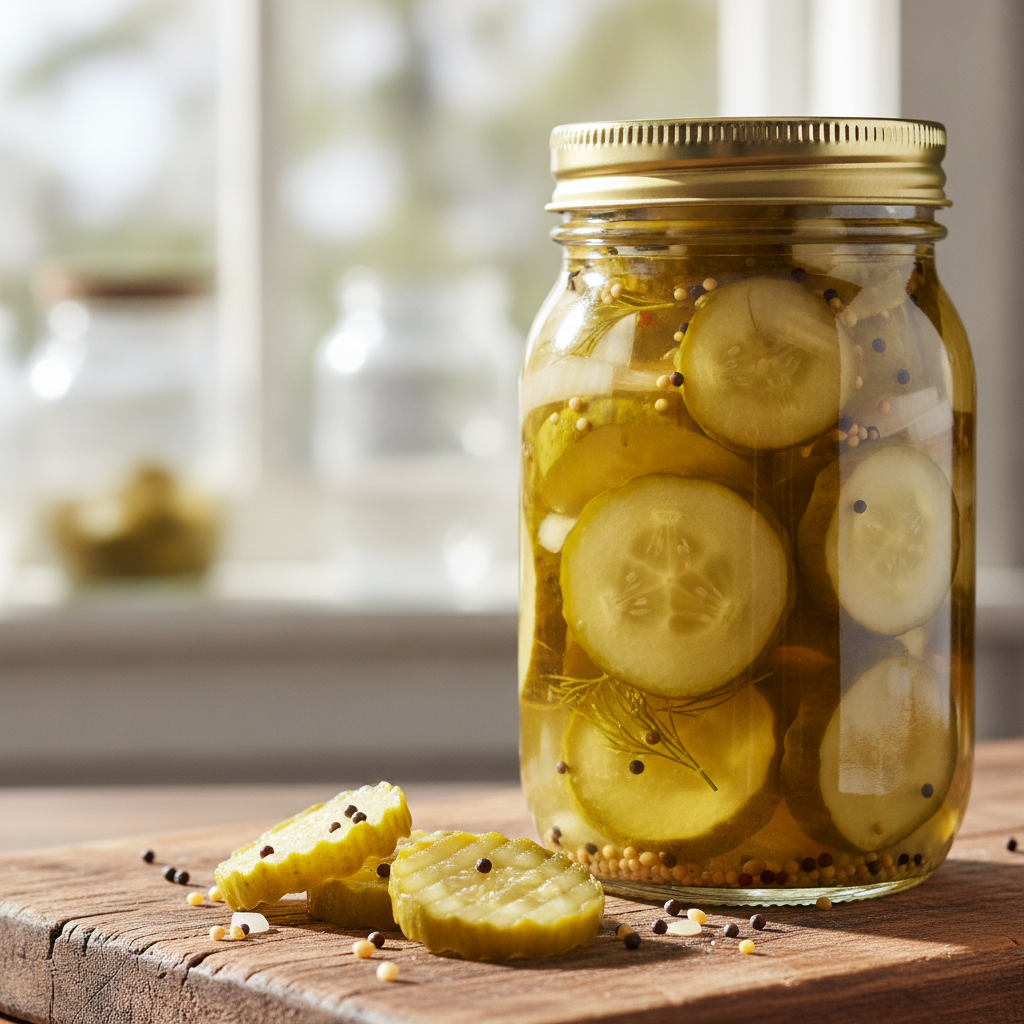
Why This Recipe Is a Budget Winner
In a world where grocery bills seem to constantly climb, finding recipes that deliver huge flavor without a hefty price tag is a true victory. This bread and butter pickle recipe is a shining example of culinary thriftiness, and it’s a staple in my kitchen for exactly that reason. It’s not just about making something tasty; it's about making something smart. The beauty of this recipe lies in its core components: inexpensive produce and common pantry staples that come together to create something truly special.
Let's break down the economics. The primary ingredients are cucumbers and onions, two of the most affordable vegetables you can find, especially when they are in season. A few pounds of pickling cucumbers from a local market will cost a fraction of what a single small jar of gourmet pickles would. The brine is made from vinegar and sugar, items that most of us already have and are incredibly economical when purchased in larger quantities. The spices—mustard seed, celery seed, turmeric—are used in small amounts, and buying them from bulk bins can save you a significant amount of money over time.
When you compare the cost of making a large batch of these pickles at home to buying a similar quantity, the savings are staggering. One batch of this bread and butter pickle recipe can yield several jars, enough to last you for weeks or even a month. A single jar from the store might cost anywhere from four to eight dollars, while you can make four or five times that amount for nearly the same initial investment. Furthermore, this recipe is a champion of zero food waste. Have a bunch of cucumbers nearing the end of their life? Don't let them go to waste! Pickle them. This simple act of preserving extends their usefulness, stretching your grocery budget and ensuring that the food you buy gets eaten and enjoyed.
Affordable Ingredients, Maximum Impact
The genius of a truly great recipe often lies in its ability to elevate simple ingredients into something extraordinary. This bread and butter pickle recipe is a masterclass in that art. Each component is chosen not for its price tag, but for its powerful contribution to the final flavor and texture. Let’s explore the key players and see how their humble nature builds a symphony of taste.
Cucumbers: The star of the show. For the best results, seek out pickling cucumbers, often sold as Kirby cucumbers. They are specifically cultivated for this purpose, boasting thicker skin, a less watery flesh, and fewer seeds. This structure is what gives you that signature snap. If you can't find them, English cucumbers are a decent substitute. The key is to find them fresh and firm, often at a great price at farmers' markets during their peak season.
Onions: A simple yellow or sweet onion provides the perfect savory, slightly sweet counterpoint to the cucumbers. There's no need for fancy shallots or specialty varieties. A standard, affordable onion, sliced thinly, will meld beautifully into the brine and add a crucial layer of flavor.
Vinegar: We use a combination of apple cider vinegar and standard white distilled vinegar. The white vinegar provides a clean, sharp acidity, which is the backbone of the pickling brine. The apple cider vinegar adds a touch of fruity complexity and warmth that deepens the overall flavor. Buying these in large, economical jugs is one of the best kitchen investments you can make.
Sugars: A mix of granulated white sugar and light brown sugar is key. The white sugar provides the primary sweetness that balances the vinegar's tang. The light brown sugar, with its hint of molasses, contributes a subtle caramel note and a richer, more rounded sweetness. This simple duo creates a flavor profile far more complex than one sugar alone could achieve.
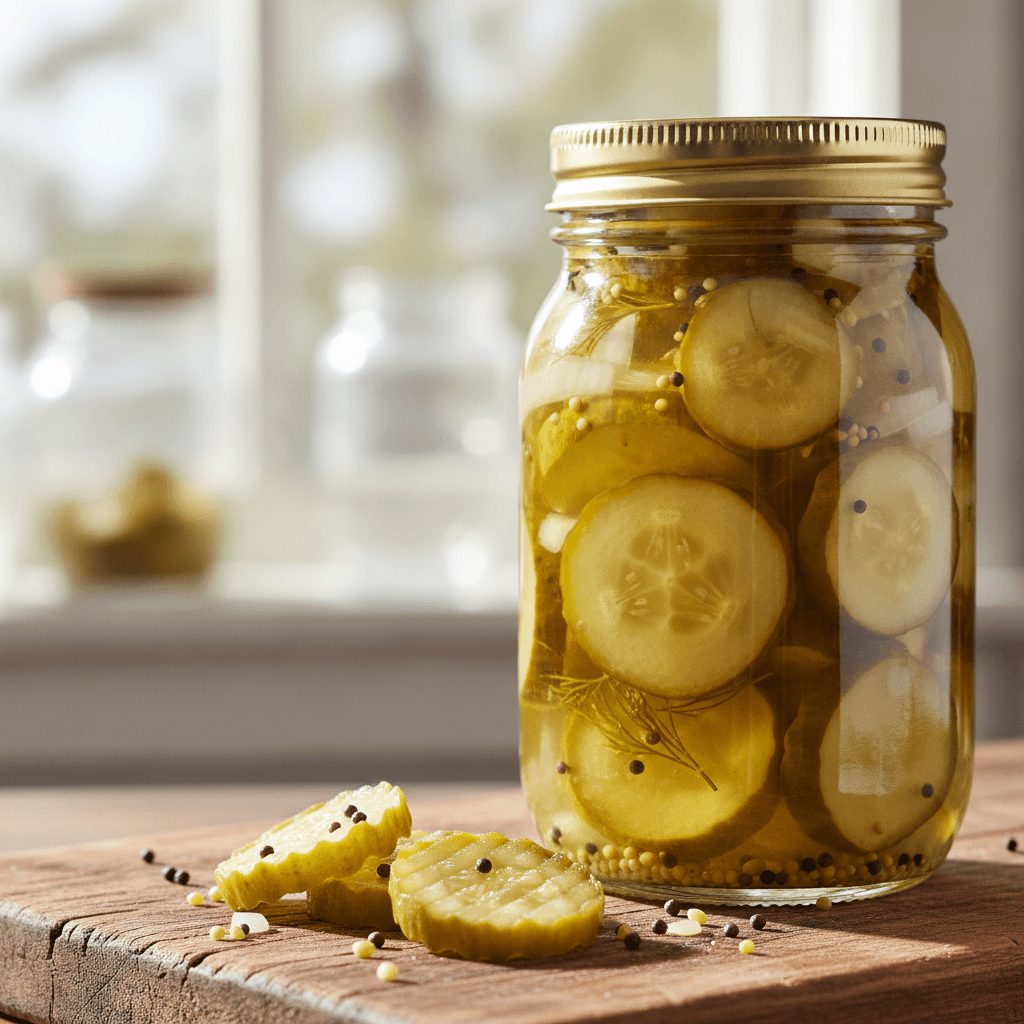
Spices: This is where the magic happens. Mustard seeds are non-negotiable; they pop with a gentle, earthy heat. Celery seeds offer a unique, slightly savory, and vegetal note that is characteristic of a classic bread and butter pickle. Finally, a pinch of ground turmeric doesn't add much flavor, but it imparts that beautiful, sunny golden hue that makes the pickles so visually appealing. These spices are potent, so a little goes a long way, making them a very cost-effective way to add immense flavor.
Salt: It’s crucial to use a non-iodized salt, like pickling salt or kosher salt. Iodized table salt can cause the brine to become cloudy and can sometimes impart a slightly bitter taste. Salt’s role here is twofold: it seasons the pickles and, most importantly, draws out excess water from the cucumbers, ensuring they remain wonderfully crisp.
How to Make It
One of the most appealing aspects of this bread and butter pickle recipe is its straightforward process. There are no complicated techniques or specialty equipment required. It’s a simple, rewarding project that fills your kitchen with the most incredible tangy, sweet aroma. Let's walk through the fundamental stages of creating these delicious pickles, focusing on the 'why' behind each step to ensure your success.
First comes the preparation, which is arguably the most important stage for texture. You’ll begin by washing your cucumbers thoroughly and slicing them into uniform rounds. Uniformity is key here, as it ensures that every single pickle slice has the same texture and absorbs the brine evenly. A mandoline slicer is a fantastic tool for this, creating perfectly consistent slices in seconds, but a sharp knife and a steady hand work just as well. Don’t forget to slice your onion thinly, too; it will soften in the brine and become a delicious part of the finished product.
Next is the critical step for crunch: salting and chilling. The sliced cucumbers and onions are tossed with a generous amount of salt and left to sit in a colander in the fridge for a couple of hours. This process, known as osmosis, is scientific magic. The salt draws a surprising amount of excess water out of the vegetables. By removing this water now, you're making space for the flavorful brine to be absorbed later, and more importantly, you're guaranteeing that your finished pickles will have that coveted snappy, crisp texture instead of being soft and flimsy. After their chill time, a thorough rinse is essential to remove the excess salt.
While the vegetables are chilling, you can prepare the heart of the recipe: the brine. In a non-reactive pot (like stainless steel or enamel), you’ll combine the vinegars, sugars, and spices. The process is as simple as bringing the mixture to a gentle boil, stirring until the sugars have completely dissolved. You want to make sure there are no grainy sugar crystals left. This is the moment your kitchen will begin to fill with that signature sweet and tangy aroma that is the promise of delicious pickles to come. This step only takes a few minutes, but it’s what creates the flavorful liquid that will transform your humble cucumbers.
Finally, it's time to bring everything together. Once the cucumbers and onions are rinsed and drained, you'll pack them into clean glass jars. Then, you'll carefully pour the hot brine over the vegetables, ensuring they are completely submerged. The heat from the brine lightly cooks the vegetables and helps the flavors begin to meld immediately. You'll see the color of the cucumbers brighten as soon as the hot liquid hits them. Seal the jars, let them cool to room temperature, and then transfer them to the refrigerator. While they’re tasty within a day, the real magic of this bread and butter pickle recipe happens after they’ve had a few days to marinate and let the flavors fully develop.
Stretching It Further
One of the greatest joys of a truly economical recipe is its versatility. This bread and butter pickle recipe doesn't just end with a delicious condiment; it's a starting point for so many other culinary uses, ensuring that not a single drop of your effort (or your delicious brine) goes to waste. Thinking beyond the sandwich is the key to maximizing the value of every jar.
First, consider the pickles themselves as an ingredient. Finely chop a handful of them to create an instant, high-quality relish for burgers or grilled sausages—so much better than anything you can buy. Dice them and stir them into your favorite potato salad, tuna salad, or creamy chicken salad. Their sweet tang and crisp texture cut through the richness of the mayonnaise and add a bright, exciting element that will have everyone asking for your secret.
But the real pro move is to use the pickle brine. Never, ever pour that liquid gold down the drain! The brine is packed with a perfectly balanced sweet, sour, and spiced flavor that can be used in countless ways. Use it as a fantastic marinade for chicken thighs before grilling or roasting; the acidity helps to tenderize the meat while infusing it with incredible flavor. Whisk it with a bit of olive oil and a dab of mustard to create a vibrant vinaigrette for salads. You can even use it to quick-pickle other vegetables. Drop some thinly sliced red onions or carrot sticks into the leftover brine, and in a day, you’ll have another delicious condiment.
Finally, think about sharing the wealth. This bread and butter pickle recipe makes a generous batch. Packing the pickles into smaller, attractive jars creates a wonderful, heartfelt gift for neighbors, friends, or family. It's a thoughtful, homemade gesture that costs very little to produce but is rich in flavor and care. It’s a beautiful way to share the rewards of your budget-friendly kitchen project.
Smart Swaps and Variations
While this classic bread and butter pickle recipe is absolutely perfect as is, one of its best features is how easily it can be adapted to what you have on hand or what’s currently in season and on sale. Think of this recipe as a template for deliciousness, and don’t be afraid to make smart swaps to suit your taste and your budget.
For the vegetables, while cucumbers are classic, this brine works beautifully with other produce. In the height of summer when zucchini and yellow squash are abundant and affordable, slice them into rounds and pickle them using the exact same method for a slightly softer, yet equally delicious, result. You can also add other vegetables to the mix along with the cucumbers. Thinly sliced fennel will add a light anise note, while colorful bell pepper rings (red, yellow, or orange) add sweetness and a beautiful visual pop to the jars.
A vegetarian or vegan version is already inherent in this recipe, as it contains no animal products, making it a naturally inclusive option for everyone to enjoy. The real fun comes in adjusting the spice profile. For those who enjoy a bit of heat, adding a teaspoon of red pepper flakes or a few thin slices of a fresh chili pepper to the brine will create a fantastic “sweet and spicy” pickle. For a warmer, more autumnal flavor profile, consider adding a cinnamon stick, a few whole cloves, or some allspice berries to the brine as it simmers. A bay leaf can also be added for a subtle, savory depth.
While the blend of apple cider and white vinegar is traditional, you can experiment with others if you have them on hand. Rice vinegar can provide a milder, less aggressive tang, for example. Just be aware that changing the vinegar will significantly alter the final flavor from the classic profile of a bread and butter pickle. Small adjustments are the key to making this recipe your own signature creation.
Storage and Reheating
Properly storing your homemade pickles is the final, crucial step to ensure you can enjoy the fruits of your labor for weeks to come. It’s important to note that this is a refrigerator pickle recipe. This method is simpler and safer for beginners than traditional canning, as it doesn't require a water bath processing step to make the jars shelf-stable. Your delicious creations must be kept in the refrigerator to stay fresh and safe to eat.
Once you’ve filled your jars and they have cooled to room temperature, tighten the lids and place them in the coldest part of your refrigerator. The pickles will be ready to eat within 24 hours, but their flavor will improve dramatically over the next few days. I find that the sweet spot for the best flavor in this bread and butter pickle recipe is after about three to five days of marinating. This gives the cucumbers ample time to absorb all the nuances of the sweet and tangy brine.
Stored correctly in airtight jars in the refrigerator, your bread and butter pickles will last for at least a month, and often up to two months. The vinegar and sugar act as natural preservatives, keeping them crisp and delicious. Over time, they may soften slightly, but they will remain perfectly edible. As for reheating, it's not applicable here—pickles are best served chilled, straight from the jar, to maintain that signature crispness.
Your Questions Answered
Why are my bread and butter pickles soggy?
Soggy pickles are almost always the result of skipping or rushing the salting and chilling step. This step is crucial for drawing out excess water from the cucumbers. If too much water remains, the pickles won't be able to absorb the brine properly and will have a soft, limp texture. Using very fresh, firm pickling cucumbers also makes a big difference.
Can I reduce the sugar in this bread and butter pickle recipe?
You can, but it will change the flavor profile significantly. The “sweet” is a key component of the “bread and butter” style. The sugar also plays a role in preservation and in balancing the sharp acidity of the vinegar. If you reduce it, you'll end up with a pickle that is much more sour and tangy.
Is it necessary to use special pickling salt?
It is highly recommended. Standard iodized table salt contains additives that can turn your pickle brine cloudy and may impart a slightly metallic or bitter flavor. For the clearest brine and purest taste, always opt for non-iodized salt like pickling salt or kosher salt.
How can I make these pickles shelf-stable for canning?
To make these pickles shelf-stable, you would need to follow proper, tested water bath canning procedures. This involves processing the sealed jars in boiling water for a specific amount of time to kill any potential bacteria. That is a more advanced technique not covered in this simple refrigerator recipe, and for safety, you should always consult a reliable, up-to-date canning guide from a source like the National Center for Home Food Preservation.
How many jars will this recipe yield?
This bread and butter pickle recipe will yield approximately 4-5 cups of pickles, which is enough to fill two 16-ounce (pint) jars or four smaller 8-ounce (half-pint) jars. The exact yield can vary slightly depending on the size of your cucumbers and how tightly you pack them into the jars.
Can I use different spices in the brine?
Absolutely! This recipe is a wonderful starting point for experimentation. You could add a pinch of red pepper flakes for heat, a few black peppercorns for a classic peppery note, or even whole spices like cloves or a cinnamon stick for a warmer, spiced version. Feel free to adjust the spices to your personal preference.
Easy Bread and Butter Pickle Recipe
A classic recipe for sweet and tangy bread and butter pickles, made with simple, affordable ingredients. Perfect for sandwiches, burgers, or as a zesty side.
Prep Time
30 min
Cook Time
10 min
Total Time
40 min
Servings
4 cups
Ingredients
For 4 cups
- 2 pounds pickling cucumbers (like Kirby), sliced 1/4-inch thick
- 1 large sweet onion, thinly sliced
- 1/4 cup non-iodized salt (pickling salt or kosher salt)
- 2 cups ice cubes
- 1 1/2 cups apple cider vinegar
- 1/2 cup white distilled vinegar
- 1 cup granulated sugar
- 1/2 cup packed light brown sugar
- 1 tablespoon mustard seeds
- 1 teaspoon celery seeds
- 1/2 teaspoon ground turmeric
Instructions
- 1
Prepare Vegetables
Wash the cucumbers thoroughly and trim off the blossom ends. Slice the cucumbers into 1/4-inch thick rounds. Thinly slice the onion into half-moons or rings.
- 2
Salt and Chill Cucumbers
In a large non-reactive bowl, combine the sliced cucumbers and onions. Sprinkle the salt over the top and toss gently to combine. Cover the vegetables with ice cubes.
- 3
Let Vegetables Rest
Place the bowl in the refrigerator and let it sit for at least 2 hours, and up to 4 hours. The salt and ice will draw out excess water, which is key for crisp pickles.
- 4
Rinse and Drain
Transfer the cucumber and onion mixture to a colander. Rinse thoroughly under cold running water to remove all the excess salt. Drain well, gently pressing to remove any remaining liquid.
- 5
Prepare Jars
While the vegetables are draining, wash two 16-ounce (pint) glass jars and their lids with hot, soapy water. Rinse them well and set them aside to dry. This recipe is for refrigerator pickles, so full sterilization is not required.
- 6
Combine Brine Ingredients
In a medium-sized, non-reactive saucepan (like stainless steel or enamel), combine the apple cider vinegar, white vinegar, granulated sugar, light brown sugar, mustard seeds, celery seeds, and ground turmeric.
- 7
Heat the Brine
Place the saucepan over medium-high heat. Bring the mixture to a simmer, stirring frequently to help the sugars dissolve completely. You'll know it's ready when the liquid is clear and no sugar granules remain.
- 8
Pack the Jars
Tightly pack the drained cucumber and onion mixture into your prepared jars. Be sure to leave about 1/2 inch of headspace at the top of each jar.
- 9
Add Hot Brine
Carefully pour the hot brine over the vegetables in the jars, making sure they are completely submerged. Distribute the spices evenly between the jars as you pour.
- 10
Seal and Cool
Wipe the rims of the jars clean, then seal them tightly with their lids. Let the jars cool on the counter to room temperature, which usually takes about 1-2 hours.
- 11
Refrigerate and Marinate
Once cooled, transfer the jars to the refrigerator. For the best flavor, allow the pickles to marinate for at least 24 hours before serving. The flavor will continue to develop and improve over the next few days.
Nutrition Facts
Per serving (estimated)
35 calories
Calories
8g
Carbs
0.5g
Protein
0g
Fat
1g
Fiber
250mg
Sodium
7g
Sugar