Vibrant Chimichurri Sauce (Authentic Recipe)
Discover how to make the best authentic chimichurri sauce! This bright, zesty, and easy recipe is perfect for grilled meats, chicken, and vegetables.
cookwithyara.com/recipes/chimichurri-sauce
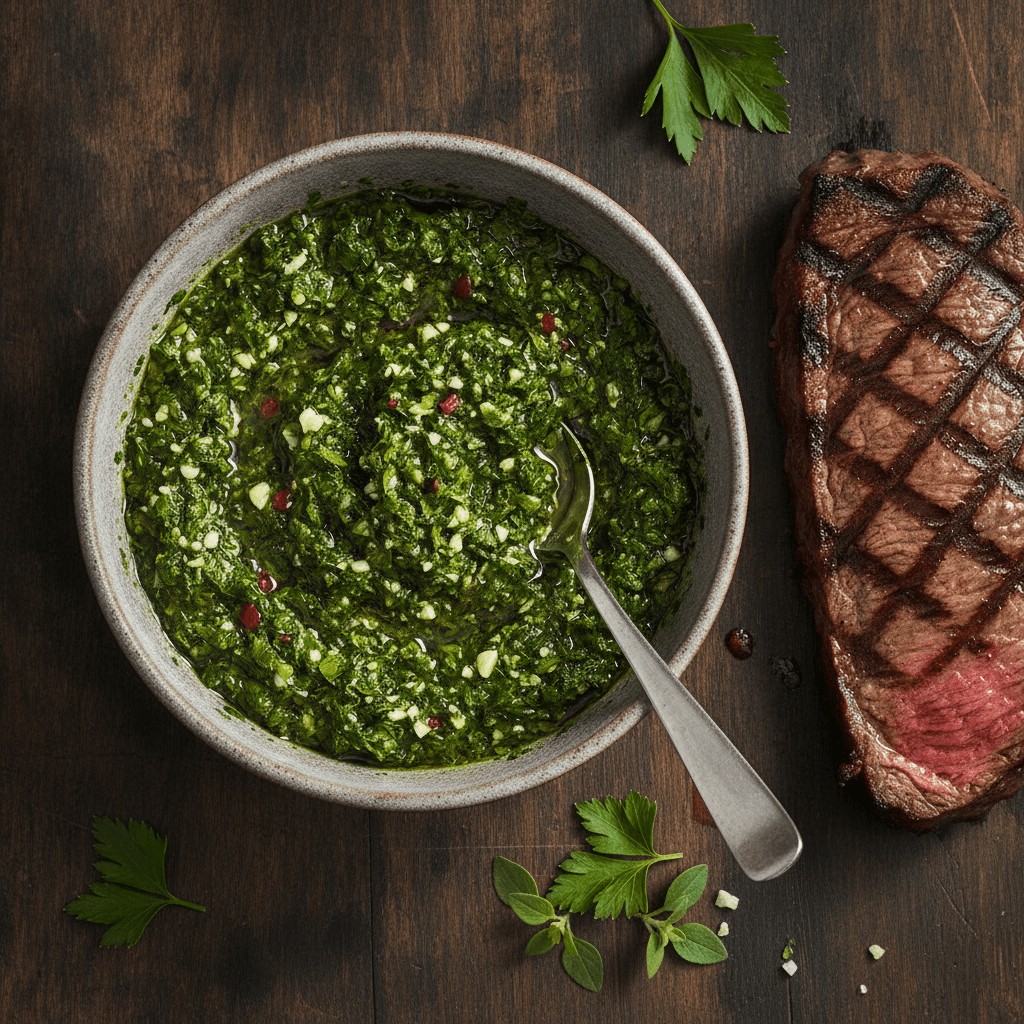
There’s a moment at every gathering, just as the main dish is served, when a hush falls over the table. It’s the moment a simple platter of grilled chicken or roasted vegetables is transformed into something truly spectacular. That transformation, more often than not, is thanks to a small bowl of the most vibrant, electric green sauce you’ve ever seen. This is the magic of a classic chimichurri sauce. It’s not just a condiment; it’s an event. The deep, verdant color, flecked with garlic and chili, promises a flavor that’s intensely fresh, zesty, and bold. People lean in, their curiosity piqued, and the first question is always, "What is that?"
And the best part? While it looks and tastes like something meticulously crafted in a high-end restaurant kitchen, this incredible sauce is one of the most straightforward and rewarding recipes you can master. It’s a celebration of fresh herbs and quality ingredients, brought together in a way that’s rustic yet elegant. This isn't about complex techniques; it’s about letting beautiful, simple flavors sing. The secret is in the balance and the texture, a combination we are going to perfect together. Get ready to have this stunning chimichurri sauce become your go-to for elevating any meal from simple to unforgettable.
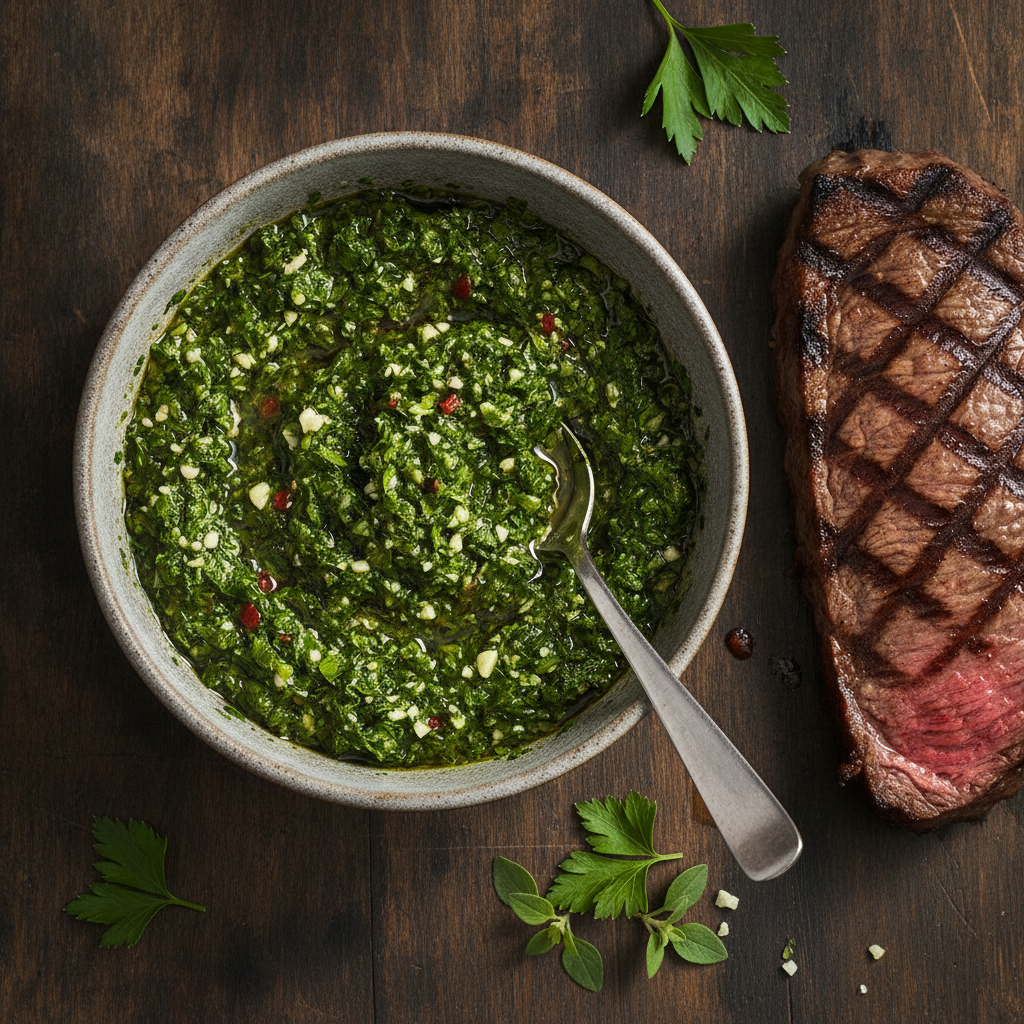
What Is Chimichurri Sauce? A Taste of Argentina
At its heart, chimichurri sauce is an uncooked, herb-based sauce that is a cornerstone of Argentinian cuisine. Imagine it as the soulmate to the country's legendary grilled meats, or asado. While its exact origins are debated among food historians, the most popular story ties it to the gauchos, the nomadic and resourceful horsemen of the Argentinian plains. They would grill meats over an open fire and dress them with a simple, pungent sauce made from the wild herbs, garlic, and vinegar they had on hand. It was food born of simplicity and necessity, yet it resulted in a flavor profile that is now celebrated worldwide.
The name "chimichurri" itself is a source of folklore. Some say it comes from a Basque term, tximitxurri, loosely meaning "a mix of several things in no particular order." Others attribute it to an apocryphal Irish immigrant named Jimmy McCurry, whose name was supposedly difficult for locals to pronounce. Regardless of its true origin, the name has become synonymous with this incredibly vibrant and flavorful creation.
Unlike other herb sauces you might know from my corner of the world, like a smooth Levantine shatta or a fiery zhoug, the beauty of a traditional chimichurri sauce lies in its rustic, finely chopped texture. It’s not a purée. You should be able to see and taste the individual components—the fresh parsley, the pungent garlic, the flecks of oregano, and chili, all suspended in a glistening, golden-green olive oil. This texture is key to its character, providing not just flavor but a delightful mouthfeel that clings perfectly to whatever it accompanies.
Why You'll Fall in Love with This Recipe
This isn't just another sauce recipe; it’s a game-changer for your kitchen repertoire. The first thing that will captivate you is the sheer vibrancy of the flavor. The moment this chimichurri sauce hits your palate, it’s an explosion of freshness. The grassy, bright notes of parsley are perfectly balanced by the earthy warmth of oregano. Then comes the sharp, pungent kick of fresh garlic, followed by a gentle heat from the red pepper flakes that builds slowly. The entire experience is tied together by a bright, tangy acidity from the vinegar and lemon, which cuts through richness and awakens the senses. It makes everything it touches taste cleaner, brighter, and more delicious.
Visually, it’s a showstopper. The brilliant green color is simply stunning and adds an instant touch of elegance and life to any plate. In a world of brown and beige foods, a spoonful of this sauce provides a welcome, jewel-toned contrast that makes your food look as good as it tastes. It signals freshness and care, elevating a simple weekday meal into something that feels special and intentional.
Beyond its taste and looks, the true beauty of this chimichurri sauce recipe is its profound simplicity. There is no cooking required, no complicated steps, and no special equipment necessary. If you can chop, you can make extraordinary chimichurri. It’s a testament to the idea that with high-quality ingredients, you don't need to do much to create something truly memorable. It offers the maximum return in flavor for a minimal investment in time and effort, making it the perfect secret weapon for busy home cooks who still want to impress.
The Anatomy of Perfect Chimichurri: Key Ingredients
Great cooking often comes down to great ingredients, and this chimichurri sauce is a perfect example. Because the components are raw and so few, their quality shines through directly. Here's what you'll need and why each element is crucial.
-
Fresh Flat-Leaf Parsley: This is the heart and soul of the sauce. Please, use flat-leaf (or Italian) parsley, not the curly kind. Flat-leaf parsley has a much more robust, herbaceous, and less bitter flavor. It's the backbone of the sauce's bright, green taste. You'll need a large, generous bunch, and it must be impeccably fresh and dry before chopping.
-
Fresh Oregano: While many recipes use dried oregano out of convenience, fresh oregano lends a floral, peppery, and slightly pungent note that is truly special. If you absolutely cannot find fresh, you can substitute with a smaller amount of high-quality dried oregano, but the flavor profile will be different and a bit sharper.
-
Garlic: Use fresh, firm garlic cloves. The flavor of garlic is central to chimichurri, so this is not the place for pre-minced garlic from a jar, which can have a tinny or sour off-taste. We want that pure, fiery, aromatic punch that only fresh garlic can provide.
-
Extra Virgin Olive Oil: This is what binds everything together. Use a good quality extra virgin olive oil—one that you would enjoy in a salad dressing. Its fruity, peppery notes will complement the herbs beautifully. It doesn't have to be the most expensive bottle, but it should have a flavor you love on its own.
-
White Vinegar & Lemon Juice: Traditionally, red wine vinegar is used, but to keep things halal and to add a brighter acidity, I use a combination of simple white vinegar and fresh lemon juice. The vinegar provides a sharp, clean tang, while the lemon juice adds a fresher, fruitier citrus note. This combination is, in my opinion, even more refreshing.
-
Red Pepper Flakes: This adds a gentle, warming heat that balances the richness of the oil and the coolness of the herbs. You can adjust the amount to your personal preference, from a subtle warmth to a more pronounced kick.
-
Shallot: While not always traditional, I love adding a very finely minced shallot. It provides a delicate, sweet oniony flavor that is less aggressive than red onion but adds a wonderful layer of complexity to the finished chimichurri sauce.
The Art of the Chop: Food Processor vs. Hand-Chopping
Now, let's talk about the most crucial technique in making an exceptional chimichurri sauce: the chop. How you break down your herbs and garlic will define the final texture and, to a large extent, the flavor of your sauce. This is the step that separates a good chimichurri from a truly great one.
My strongest recommendation is to chop everything by hand with a sharp knife. I know it sounds like more work, and the food processor is tempting, but the difference is remarkable. When you chop with a knife, you are slicing cleanly through the herbs. This creates distinct pieces with clean edges, preserving their structure and vibrant color. The result is a sauce with a rustic, interesting texture where you can see the individual flecks of parsley, oregano, and garlic. This texture not only feels better in your mouth but also clings to food beautifully.
In contrast, a food processor's blades move at incredibly high speeds, essentially tearing and bruising the herbs rather than cutting them. This can lead to a few issues. First, it can create a texture that is more like a paste or a purée, losing that classic rustic character. Second, the bruising action releases enzymes that can cause the herbs to darken and can sometimes introduce a slightly bitter taste. The sauce can end up looking muddy rather than brilliantly green.
That being said, if you are short on time or making a very large batch, you can use a food processor with care. The key is to use the 'pulse' function. Do not just turn it on and let it run. Add the garlic and shallot first and pulse until finely minced. Then, add the dry herbs and pulse in very short bursts—just 2 or 3 times—until they are coarsely chopped. You want to stop well before it becomes a paste. Then, transfer the chopped mixture to a bowl and stir in the liquids by hand. This hybrid method gives you some of the speed of the machine while preserving more of the desired texture of a classic chimichurri sauce.
How to Make Chimichurri Sauce, Step-by-Step
Let’s walk through the process of creating this incredible sauce together. Think of it as a relaxing, aromatic ritual rather than a chore. The fragrance of the fresh herbs and garlic filling your kitchen is one of the simple joys of cooking.
First, we begin with preparation, which is the key to success. Wash your parsley and oregano thoroughly and then, most importantly, dry them completely. Any excess water will make your sauce watery and prevent the oil from coating the herbs properly. A salad spinner is your best friend here, followed by a gentle pat-down with clean kitchen towels.
Next, focus on the aromatics. Finely mince your garlic and shallot. When I say finely, I mean it! You don't want anyone to bite into a large, raw chunk of garlic. We want its flavor to be present and evenly distributed throughout the sauce. A sharp knife is all you need. Take your time with this step; it pays off in the final taste.
Now for the main event: the herbs. Strip the parsley and oregano leaves from their tough stems. Gather them into a tight pile on your cutting board and, using a large, sharp chef's knife, begin chopping. Rock the knife back and forth, gathering the herbs back into a pile periodically, until they are finely chopped but not bruised. You're looking for a texture that's almost like coarse sand, not a paste.
Once everything is chopped, the assembly is simple. In a medium bowl, combine the chopped parsley, oregano, garlic, and shallot. Add the red pepper flakes, salt, and freshly ground black pepper. Give it a quick stir to distribute everything evenly. Now, pour in the white vinegar and fresh lemon juice. Let this mixture sit for about 5-10 minutes. This is a crucial step! The acid from the vinegar and lemon will lightly "cook" the garlic and shallots, mellowing their raw bite and allowing the flavors to begin melding.
Finally, slowly drizzle in your beautiful extra virgin olive oil while stirring continuously. This will emulsify slightly, bringing everything together into a cohesive, glistening sauce. And that’s it. Your chimichurri sauce is technically ready, but for the best flavor, let it rest at room temperature for at least 30 minutes, or even a couple of hours, to allow all those incredible flavors to get to know each other. The wait is worth it.
Endless Pairings: What to Serve with Chimichurri
While this sauce is famously paired with grilled steak, its utility extends far beyond that. This vibrant chimichurri sauce is one of the most versatile condiments you can have in your culinary toolkit. Think of it as a finishing sauce that adds a burst of freshness, acidity, and herbaceous flavor to almost anything.
-
Grilled Meats and Poultry: This is the classic application. Drizzle it generously over grilled beef steaks, lamb chops, or kofta. It is absolutely transformative on grilled chicken, whether it's a whole breast, thighs, or skewers. The acidity cuts through the richness of the meat, making every bite brighter.
-
Seafood: The zesty, garlicky notes of chimichurri are a perfect match for fish and seafood. Try it spooned over a simple piece of grilled salmon, cod, or halibut. It's also fantastic with grilled shrimp or calamari.
-
Roasted and Grilled Vegetables: This is where chimichurri truly shines for me. It can turn a simple platter of roasted vegetables into a star dish. Toss it with roasted potatoes, bell peppers, zucchini, eggplant, asparagus, or cauliflower. A spoonful on a grilled corn on the cob is a revelation.
-
Grains and Legumes: Swirl a tablespoon of chimichurri sauce into a bowl of couscous, quinoa, or rice to instantly liven it up. It can also be used as a dressing for a hearty lentil or chickpea salad.
-
As a Dip or Spread: Don't hesitate to use it as a dip for warm, crusty bread. You can also mix it with labneh or thick yogurt to create a creamy, tangy dip for vegetable sticks or crackers. It makes a fantastic spread for sandwiches and wraps, adding a layer of incredible flavor.
Elevate Your Presentation
We eat with our eyes first, and presenting your beautiful chimichurri sauce thoughtfully can make the dining experience even more special. The vibrant green color is its biggest asset, so let's make it stand out.
My favorite way to serve it is in a small, rustic ceramic or stone bowl with a little spoon. Placing this bowl directly on the serving platter next to the main dish invites guests to help themselves and creates a beautiful, interactive focal point. The contrast of the bright green sauce against a white ceramic bowl or a dark wooden board is particularly striking.
When plating individual dishes, think of the sauce as your finishing touch. Instead of just pouring it over the top, use a spoon to create an elegant drizzle or a 'swoosh' across the plate. For something like grilled chicken or fish, you can pool a little sauce underneath the protein, so it peeks out from the sides. For roasted vegetables, a generous drizzle over the top, allowing it to drip down the sides, looks abundant and delicious.
For a final flourish, you can garnish the sauce itself. A tiny sprinkle of extra red pepper flakes on top or a very small, fresh oregano leaf placed in the center of the bowl adds a professional touch. Remember, the goal is to highlight the freshness and vibrancy of the chimichurri sauce, making it look as irresistible as it tastes.
Make-Ahead and Storage Tips
One of the best features of this chimichurri sauce is that it's an ideal recipe to make ahead of time, which is perfect for when you're planning a dinner for family or friends. In fact, its flavor actually improves after resting for a few hours as the ingredients meld together.
You can prepare the sauce up to 24 hours in advance. Store it in an airtight container, like a glass jar, in the refrigerator. To keep the color as vibrant as possible, gently press a piece of plastic wrap directly onto the surface of the sauce to prevent oxidation. Alternatively, you can pour a thin layer of olive oil over the top to create a seal. Before serving, remove it from the refrigerator about 30 minutes ahead of time to let it come to room temperature; this will loosen the oil and awaken the flavors.
For longer-term storage, chimichurri freezes exceptionally well. My favorite method is to portion it into an ice cube tray. Once the cubes are frozen solid, you can transfer them to a freezer bag. This way, you can pop out one or two cubes whenever you need a quick burst of flavor for a weeknight meal. The frozen cubes will last for up to three months. Simply thaw them at room temperature or gently in the microwave before using.
Creative Variations to Try
Once you've mastered the classic recipe, feel free to play with it and make it your own. This chimichurri sauce is a fantastic base for experimentation.
-
Cilantro-Parsley Chimichurri: For a different herbaceous note, substitute half of the parsley with fresh cilantro. This gives the sauce a flavor profile that leans slightly towards a Mexican or Middle Eastern salsa verde, and it's absolutely delicious with chicken and fish.
-
Spicy Smoked Chimichurri: Add a teaspoon of smoked paprika and a finely minced fresh red chili (like a fresno or serrano) instead of or in addition to the red pepper flakes. The smokiness adds a wonderful depth and warmth.
-
Lemon-Mint Chimichurri: Perfect for lamb dishes, substitute the oregano with fresh mint and use only lemon juice for the acid (omitting the vinegar). This creates an incredibly fresh, bright sauce that is reminiscent of Mediterranean flavors.
-
Sun-Dried Tomato Chimichurri: Add a few finely chopped oil-packed sun-dried tomatoes to the mix. This introduces a sweet, savory, and umami-rich element that adds a lovely complexity and a reddish tint to the sauce.
Your Chimichurri Questions, Answered
Can I make chimichurri sauce in advance?
Absolutely! This sauce is even better when made a few hours ahead, as it gives the flavors time to meld. You can store it in an airtight container in the fridge for up to 3 days, though the color is best in the first 24 hours.
My chimichurri tastes a bit bitter. What went wrong?
Bitterness can come from a few sources. The most common culprit is over-processing the herbs in a food processor, which bruises them. It can also happen if your olive oil has a particularly strong, bitter profile, or if your parsley stems were not fully removed.
Can I use dried herbs instead of fresh?
While you technically can, I strongly advise against it for this recipe. The soul of chimichurri sauce is its fresh, vibrant, grassy flavor, which dried herbs simply cannot replicate. The texture will also be completely different. If you must, use about 1/3 of the amount of dried herbs as you would fresh.
How much sauce does this recipe make?
This recipe yields about 1 to 1.5 cups of sauce, which is typically enough to serve alongside a main course for 6-8 people. A little goes a long way, but it's so delicious that people tend to be generous with their spoonfuls!
Is this sauce very spicy?
The level of heat is easily controlled. As written, with a teaspoon of red pepper flakes, it has a mild, pleasant warmth. Feel free to reduce the amount for less heat, or add more (or a fresh chili) for a spicier kick.
Vibrant Chimichurri Sauce
An authentic and easy recipe for vibrant Argentinian chimichurri sauce. Made with fresh parsley, oregano, and garlic, it's the perfect zesty condiment for grilled meats, chicken, and vegetables.
Prep Time
15 min
Cook Time
0 min
Total Time
15 min
Servings
1.5 cups
Ingredients
For 1.5 cups
- 1 large bunch fresh flat-leaf parsley (about 2 packed cups of leaves)
- 1/4 cup fresh oregano leaves
- 4-6 cloves garlic, minced
- 1 small shallot, finely minced
- 1 tsp red pepper flakes (or more, to taste)
- 1/2 tsp coarse sea salt
- 1/4 tsp freshly ground black pepper
- 1/2 cup extra virgin olive oil
- 1/4 cup white vinegar
- 2 tbsp fresh lemon juice
Instructions
- 1
Prepare the Herbs
Thoroughly wash the parsley and oregano. It is crucial to dry them completely using a salad spinner or by patting them dry with clean kitchen towels. Excess water will make the sauce watery.
- 2
Strip the Stems
Carefully remove the fresh parsley and oregano leaves from their thicker stems. The stems can be tough and bitter, so discard them. You should have about 2 packed cups of parsley leaves.
- 3
Mince the Aromatics
Using a sharp knife, very finely mince the garlic cloves and the shallot. The goal is to have a texture that incorporates smoothly into the sauce without any large, raw pieces.
- 4
Hand-Chop the Herbs
Gather the parsley and oregano leaves into a tight pile on your cutting board. Using a large chef's knife, finely chop the herbs. Avoid bruising them by using a rocking motion with the knife until they are finely minced but still have texture.
- 5
Combine Dry Ingredients
In a medium bowl, combine the finely chopped parsley, oregano, minced garlic, and minced shallot. Add the red pepper flakes, coarse sea salt, and freshly ground black pepper.
- 6
Add the Acid
Pour the white vinegar and fresh lemon juice over the herb mixture. Stir gently to combine all the ingredients.
- 7
Let the Flavors Marinate
Allow the mixture to sit for 5-10 minutes. This important step allows the acid to slightly 'cook' and mellow the raw bite of the garlic and shallot, leading to a more balanced flavor.
- 8
Incorporate the Olive Oil
Slowly drizzle the extra virgin olive oil into the bowl while continuously stirring. Continue stirring until the oil is fully incorporated and the sauce is glistening and cohesive.
- 9
Rest and Serve
For the best flavor, cover the chimichurri sauce and let it rest at room temperature for at least 30 minutes before serving. This allows all the flavors to meld together beautifully. Serve as a condiment with your favorite dishes.
- 10
Store Properly
Store any leftover sauce in an airtight container in the refrigerator for up to 3 days. To preserve its vibrant green color, you can pour a thin layer of olive oil on top to prevent oxidation.
Nutrition Facts
Per serving (estimated)
70 calories
Calories
1g
Carbs
0.2g
Protein
8g
Fat
0.3g
Fiber
60mg
Sodium
0.3g
Sugar