Donuts Recipe Easy: The Ultimate Guide to Fluffy Donuts
My donuts recipe easy is your key to light, fluffy, perfectly sweet treats at home. Foolproof instructions for fried or baked donuts everyone will love!
cookwithyara.com/recipes/donuts-recipe-easy
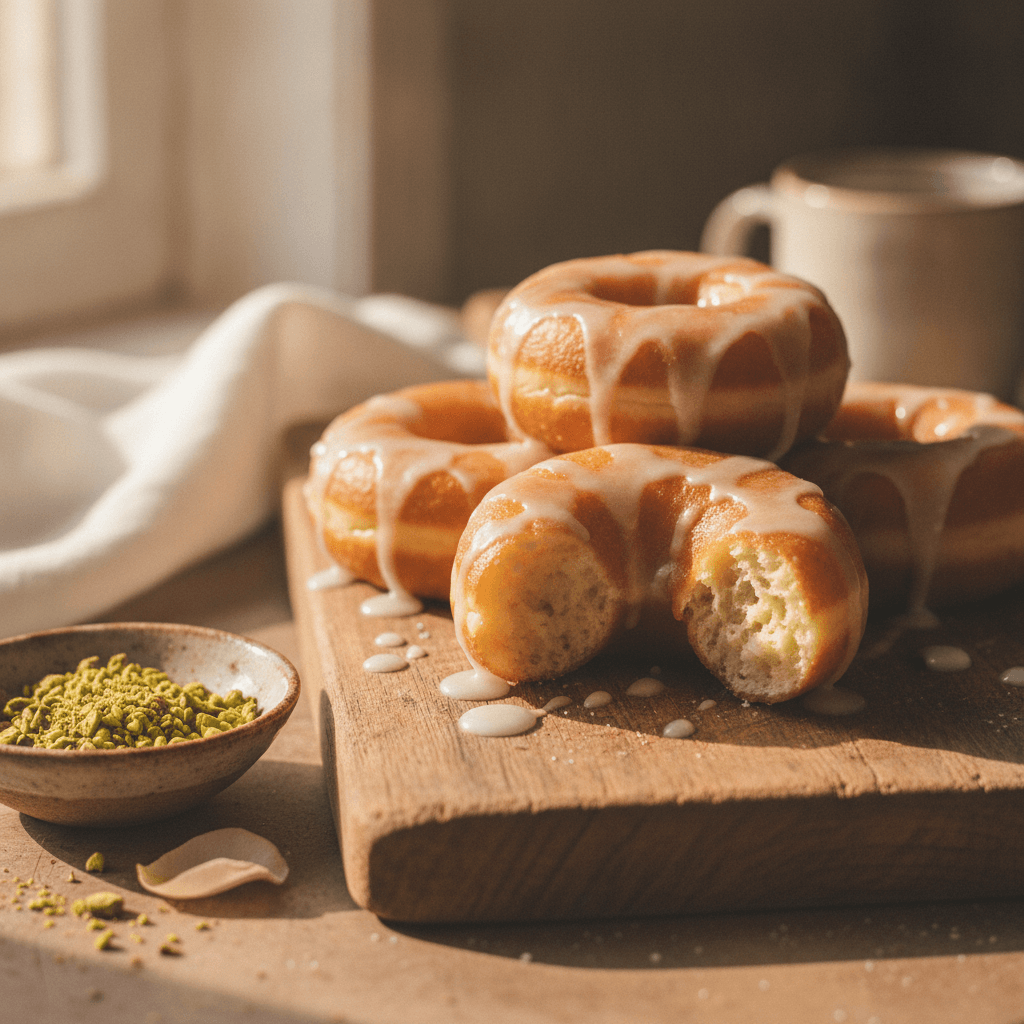
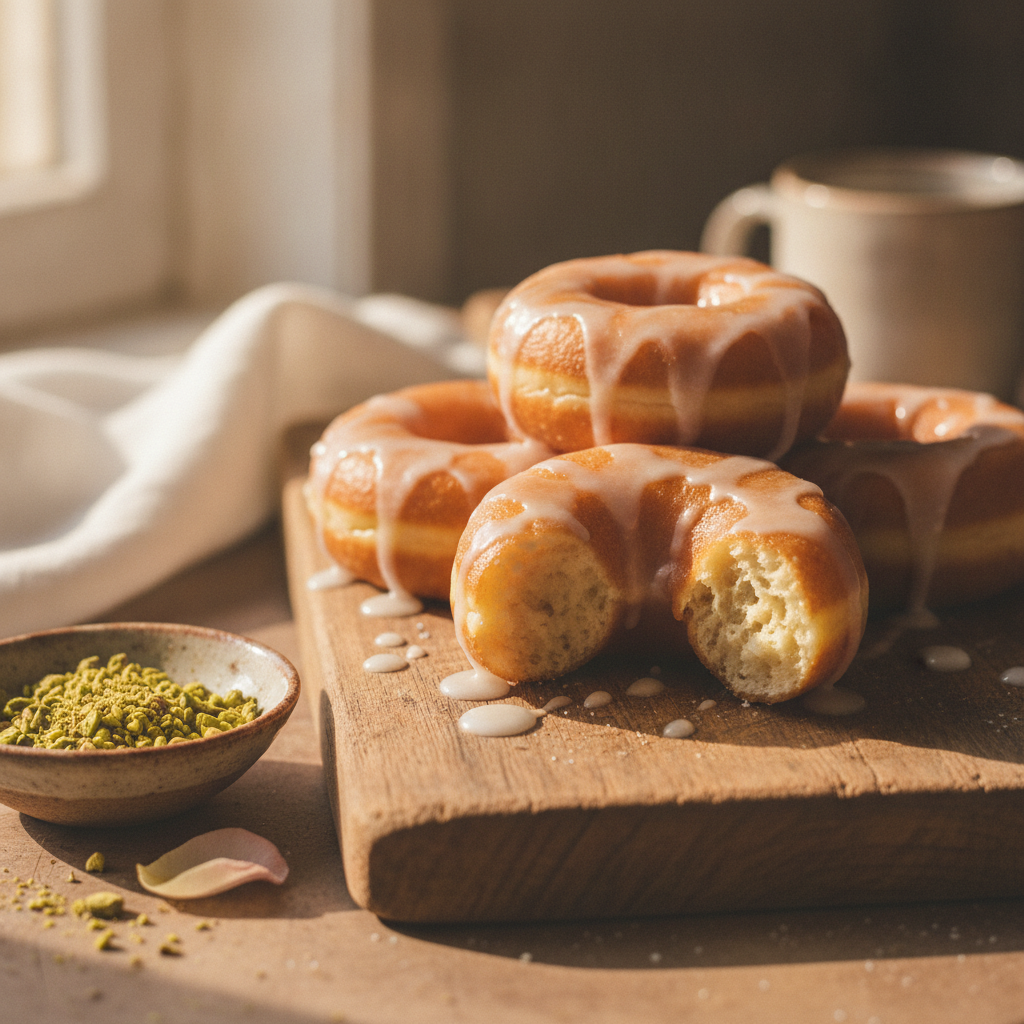
There is a special kind of magic reserved for a truly fresh, warm donut. It’s a simple pleasure that feels like a hug from the inside out—the pillowy soft texture, the delicate sweetness of the glaze, the satisfying richness of the dough. For many of us, this joy is something we pick up from a local shop, but I’m here to share a wonderful secret: the delight of making them at home is even greater. This isn't just another recipe; it’s an invitation to slow down, work with your hands, and create something truly special. We often think of donuts as a complicated, professional-only endeavor, but this donuts recipe easy is designed to demystify the entire process. It proves that you don't need special equipment or years of baking experience to produce bakery-quality results in your own kitchen. The standout element here is the dough itself—an enriched dough that rises beautifully, creating an incredibly light and airy crumb that practically melts in your mouth. Forget dense, heavy donuts; these are ethereal. My promise to you is a recipe that is as joyful to make as it is to eat, yielding perfect, fluffy donuts every single time.
The Joy of Homemade Donuts
In a world of instant gratification, there’s a profound satisfaction that comes from creating something from scratch. This donuts recipe easy is more than just a set of instructions; it’s a blueprint for creating memories and moments of pure bliss. When you make donuts at home, you are in complete control of the ingredients. You can choose high-quality flour, fresh butter, and pure, alcohol-free vanilla. There are no hidden preservatives or artificial flavors, just simple, wholesome ingredients transformed by a little bit of time and technique. The aroma that fills your home as they fry to a perfect golden brown is alone worth the effort—it’s a warm, sweet scent that signals a special treat is on its way. More importantly, nothing compares to the taste and texture of a donut served just moments after it’s been cooked. It’s a world away from a donut that has been sitting on a shelf for hours. The exterior has a delicate, ever-so-slight crispness that gives way to a cloud-like, tender interior. This experience is something you can only get when you make them yourself. This recipe isn’t just about making food; it’s about crafting an experience. It’s the perfect project for a slow weekend morning, a fun activity to do with family, and a wonderful way to show care for the people you love.
The Simple Ingredient Lineup
At the heart of any great recipe are quality ingredients. What I love about this donuts recipe easy is how it takes humble pantry staples and turns them into something extraordinary. Let’s walk through the key players. First, All-Purpose Flour is the foundation, providing the structure for our donuts. You don't need fancy bread flour; standard all-purpose gives them the perfect tender crumb. Next is Active Dry Yeast, the magical ingredient that breathes life into our dough, making it rise and creating that signature airy texture. Don’t be intimidated by it! We’ll gently wake it up in warm milk. Speaking of which, Whole Milk adds richness, flavor, and moisture, contributing to a soft, supple dough. Granulated Sugar provides sweetness, of course, but it also feeds the yeast and helps the donuts achieve their beautiful golden-brown color. A single Egg enriches the dough, adding flavor, color, and a bit of leavening. Unsalted Butter is crucial for that melt-in-your-mouth richness and tender texture. It's what makes the dough so velvety and luxurious. Finally, a pinch of Salt is essential for balancing the sweetness and enhancing all the other flavors. For a hint of my own Levantine kitchen, I sometimes add a pinch of ground cardamom or mahlab to the dry ingredients for a subtle, warming aroma. These simple components come together to create a dough that is a true pleasure to work with.
The Art of Making Perfect Donuts
The journey to perfect homemade donuts is a rewarding one, and it begins with a beautiful, supple dough. This process is all about patience and touch. First, we’ll awaken the yeast by blooming it in warm milk with a pinch of sugar. You’ll see it get foamy and fragrant—that’s how you know it’s alive and ready to work its magic. Then, we’ll combine it with the flour, sugar, egg, and salt. You can use a stand mixer with a dough hook for ease, or get your hands in there and knead the old-fashioned way. There’s something so therapeutic about feeling the dough come together. Once it’s mostly combined, we’ll incorporate softened butter, piece by piece. This is the secret to an incredibly rich and tender crumb. The dough will transform into a smooth, elastic, and slightly sticky ball of potential. Now comes the first rise. We’ll place the dough in a lightly oiled bowl, cover it, and let it rest in a warm spot until it has doubled in size. This is where the yeast does its heavy lifting, creating a web of air pockets that will make our donuts incredibly light. After the rise, we'll gently punch it down, roll it out, and cut our donut shapes. The second rise is shorter but just as important; it gives the shaped donuts a final puff of air before they hit the warm oil, ensuring they are plump and airy. This methodical process is the core of our donuts recipe easy and the key to its success.
Glazes, Toppings, and Endless Customization
While the fluffy donut itself is a triumph, the glaze is where you can truly let your creativity shine. This is your canvas to add flavor, color, and texture. The simplest and most classic option is a simple Vanilla Glaze, made from powdered sugar, a splash of milk, and a bit of alcohol-free vanilla extract. Whisk it until smooth, and it’s ready for dipping. For something a little richer, a Chocolate Glaze is always a crowd-pleaser. Simply melt good-quality chocolate with a touch of butter or coconut oil for a glossy finish that sets beautifully. But to bring a touch of the Mediterranean to this classic treat, I love making a Rosewater or Orange Blossom Glaze. Just add a few drops of either floral water to the basic vanilla glaze for an elegant, aromatic twist that is absolutely divine. Beyond glazes, think about coatings. A simple roll in Cinnamon Sugar while the donuts are still warm is a timeless classic. For a bit of spice, try adding a pinch of ground cardamom to the mix—it’s a game-changer. You can also add texture with toppings. Sprinkle your glazed donuts with finely chopped pistachios, toasted coconut flakes, or colorful sprinkles for a bit of fun. This donuts recipe easy is a fantastic base for all your creative ideas. You can make a different flavor for everyone, turning your kitchen into a custom donut shop for the day.
Tips for Frying and Baking Like a Pro
Frying can feel intimidating, but with a few key tips, you’ll achieve perfectly golden, non-greasy donuts every time. The single most important factor is oil temperature. You’ll want to maintain a steady temperature of around 350-360°F (175-180°C). A digital thermometer is your best friend here. If the oil is too cool, the donuts will absorb too much of it and become heavy and greasy. If it’s too hot, the outside will burn before the inside is cooked. Use a heavy-bottomed pot or Dutch oven, as it will hold the heat more steadily. Choose a neutral oil with a high smoke point, like vegetable, canola, or sunflower oil. When you gently place the donuts in the oil, don’t overcrowd the pot. Fry them in batches to keep the temperature stable. They only need about 60-90 seconds per side. You’ll know they’re ready to flip when they’re a beautiful golden brown. For those who prefer not to fry, you can absolutely bake this donuts recipe easy! Simply place the cut donuts on a parchment-lined baking sheet, let them go through their second rise, and then bake at 375°F (190°C) for about 10-12 minutes, until lightly golden. Baked donuts will have a texture more like a soft bread roll than a classic fried donut, but they are still incredibly delicious, especially when dipped in a glaze or melted butter and rolled in cinnamon sugar. This versatility makes the recipe accessible to everyone.
Serving and Storing Your Homemade Donuts
There is no greater culinary pleasure than a donut served warm, just moments after being made. This is when they are at their absolute peak—the exterior is delicately crisp, the interior is cloud-like and steamy, and the glaze is just beginning to set. I highly recommend enjoying at least one right away; it’s the baker’s well-deserved reward! Serve them for a special weekend breakfast, a delightful afternoon treat with a cup of coffee or mint tea, or as a celebratory dessert after a family dinner. A simple glass of cold milk is also a classic and perfect pairing. While this donuts recipe easy is best enjoyed fresh, you can store any leftovers. Place them in an airtight container at room temperature. They will be at their best for up to two days, though they will lose some of their initial softness. I would advise against refrigerating them, as it can cause them to become stale more quickly. If you want to revive a day-old donut, a quick 5-8 seconds in the microwave can work wonders, gently warming it and softening the dough once more. But truly, these donuts are so delicious, you’ll rarely have to worry about leftovers!
Frequently Asked Questions
Can I make the dough ahead of time?
Yes, absolutely! This donuts recipe easy is quite flexible. You can prepare the dough through the first rise, then punch it down, cover it tightly, and refrigerate it for up to 24 hours. When you're ready to make the donuts, simply let the cold dough sit at room temperature for about 30-45 minutes to take the chill off before rolling, cutting, and proceeding with the second rise.
Why did my donuts turn out greasy?
Greasy donuts are almost always a result of the frying oil not being hot enough. When the oil temperature is too low (below 350°F or 175°C), the dough absorbs oil instead of instantly searing and cooking. Using a thermometer to monitor and maintain the oil temperature is the best way to prevent this and ensure a light, perfectly cooked donut.
How do I know when the dough is properly kneaded?
The key is to look for a smooth and elastic texture. A properly kneaded dough will be slightly tacky to the touch but shouldn't stick to your fingers excessively. You can perform the 'windowpane test': take a small piece of dough and gently stretch it between your fingers. If you can stretch it thin enough to see light through it without it tearing, the gluten is well-developed, and it's ready to rise.
What's the best oil to use for frying donuts?
You should use a neutral-flavored oil with a high smoke point. Excellent choices include vegetable oil, canola oil, sunflower oil, or safflower oil. These oils won't impart a strong flavor to your donuts and can handle the high heat required for frying without burning.
My yeast didn't get foamy. What went wrong?
If your yeast doesn't foam or 'bloom' after about 5-10 minutes in the warm milk and sugar, it's likely that the yeast is no longer active or the milk was too hot, which can deactivate it. The ideal milk temperature is lukewarm, around 105-115°F (40-46°C). Unfortunately, if the yeast is inactive, the dough won't rise, so it's best to start over with fresh yeast.
Donuts Recipe Easy (Fried or Baked)
A foolproof, easy recipe for incredibly light, fluffy, and soft homemade donuts. Learn how to make perfect glazed donuts from scratch, with options for frying or baking.
Prep Time
2h 15m
Cook Time
15 min
Total Time
2h 30m
Servings
12 donuts
Ingredients
For 12 donuts
- 1 cup whole milk, warmed to 110°F (43°C)
- 2 1/4 teaspoons active dry yeast (1 standard packet)
- 1/4 cup granulated sugar, plus 1 teaspoon for yeast
- 3 1/4 cups all-purpose flour, plus more for dusting
- 1 teaspoon salt
- 1 large egg, at room temperature
- 1/4 cup unsalted butter, softened to room temperature
- 4-6 cups vegetable or canola oil, for frying
- For the Glaze:
- 2 cups powdered sugar, sifted
- 1/3 cup milk or heavy cream
- 1 teaspoon alcohol-free vanilla extract
Instructions
- 1
Activate the Yeast
In a small bowl, gently warm the milk to about 110°F (43°C). It should feel like a warm bath, not hot. Stir in 1 teaspoon of granulated sugar and then sprinkle the active dry yeast over the top. Let it sit for 5-10 minutes until the mixture is foamy and fragrant.
- 2
Combine Dry Ingredients
In the bowl of a stand mixer fitted with the dough hook attachment, whisk together the 3 1/4 cups of all-purpose flour, the remaining 1/4 cup of granulated sugar, and the salt. This ensures all the dry ingredients are evenly distributed before adding the wet components.
- 3
Mix the Dough
Pour the foamy yeast mixture and the room-temperature egg into the dry ingredients. Mix on low speed until a shaggy dough begins to form. Scrape down the sides of the bowl as needed to incorporate all the flour.
- 4
Incorporate the Butter
With the mixer still on low, add the softened butter, one tablespoon at a time. Wait until each piece is mostly incorporated before adding the next. This process enriches the dough, making it incredibly tender.
- 5
Knead the Dough
Once all the butter is added, increase the mixer speed to medium-low and knead for 6-8 minutes. The dough should become smooth, elastic, and pull away from the sides of the bowl. It will be slightly sticky to the touch.
- 6
First Rise
Lightly oil a large bowl. Form the dough into a ball and place it in the bowl, turning once to coat. Cover the bowl with a clean kitchen towel or plastic wrap and place it in a warm, draft-free spot to rise for 1 to 1.5 hours, or until doubled in size.
- 7
Shape the Donuts
Gently punch down the risen dough and turn it out onto a lightly floured surface. Roll the dough out to about 1/2-inch thickness. Use a 3-inch round cutter for the donut and a 1-inch cutter for the hole. Place the cut donuts and donut holes on a parchment-lined baking sheet.
- 8
Second Rise
Cover the shaped donuts loosely with a kitchen towel and let them rise again in a warm place for 30-45 minutes. They should look puffy and light. This final rise is crucial for an airy texture.
- 9
Heat the Frying Oil
While the donuts are rising, heat about 2-3 inches of oil in a heavy-bottomed pot or Dutch oven over medium heat. Bring the oil to a steady temperature of 350-360°F (175-180°C). Use a kitchen thermometer for accuracy.
- 10
Fry the Donuts
Carefully place 2-3 donuts in the hot oil, being careful not to overcrowd the pot. Fry for about 60-90 seconds per side, until they are a deep golden brown. Use a spider strainer or slotted spoon to remove them from the oil.
- 11
Drain and Cool
Transfer the fried donuts to a wire rack set over a baking sheet to drain and cool slightly. Frying the donut holes is a great way to test the oil temperature; they should cook in about 30-45 seconds per side.
- 12
Prepare the Glaze
While the donuts are cooling slightly, prepare the glaze. In a medium bowl, whisk together the sifted powdered sugar, milk, and alcohol-free vanilla extract until smooth and well combined. The consistency should be thick but pourable.
- 13
Glaze and Serve
While the donuts are still warm, dip the top of each one into the glaze, allowing any excess to drip off. Place the glazed donuts back on the wire rack to let the glaze set. For the best experience, enjoy them as soon as possible.
Nutrition Facts
Per serving (estimated)
320 calories
Calories
42g
Carbs
5g
Protein
15g
Fat
1g
Fiber
210mg
Sodium
22g
Sugar