The Best Eggplant Parmesan Recipe (Easy & Affordable)
Discover how to make a restaurant-quality eggplant parmesan at home! My easy, budget-friendly recipe is packed with flavor and perfect for a family meal.
cookwithyara.com/recipes/eggplant-parmesan-recipe
There's a beautiful truth we often forget in our quest for delicious food: the most memorable meals are rarely the most expensive. True culinary magic happens when we take simple, humble ingredients and transform them with care and technique. It’s about coaxing flavor from a sun-ripened tomato, celebrating the earthy depth of an eggplant, and understanding how a touch of spice and a bit of heat can create something truly special. This philosophy is the heart of Mediterranean and Levantine cooking, and it’s perfectly embodied in this incredible Eggplant Parmesan recipe.
This isn't just another recipe; it's a guide to creating a dish that tastes like a lavish indulgence but costs just a few dollars per serving. Forget the idea that comforting, show-stopping meals have to drain your wallet. We're going to build layers of flavor using pantry staples and seasonal produce, creating a bubbling, cheesy, saucy masterpiece that will have everyone at your table asking for seconds. I’ll walk you through every step, from choosing the right eggplant to achieving that perfect golden-brown crust, ensuring you can make a restaurant-quality Eggplant Parmesan in your very own kitchen. Get ready to gather your loved ones for a meal that proves abundance is a matter of heart, not budget.
Why This Eggplant Parmesan Recipe is a Budget Winner
One of the main reasons I adore this Eggplant Parmesan recipe is its incredible value. It delivers a five-star flavor experience on a one-star budget, making it a go-to for weeknight dinners and special gatherings alike. The cost-effectiveness is built right into its core ingredients, which are humble, accessible, and endlessly versatile. The star, of course, is the eggplant. When in season during the late summer months, eggplants are one of the most affordable vegetables at the market. Even out of season, their price remains reasonable compared to many other types of produce, making them a reliable choice year-round.
The supporting cast is just as frugal. The rich, vibrant tomato sauce is built from canned crushed tomatoes, which are a pantry superhero. They offer concentrated, consistent flavor for a fraction of the cost of fresh tomatoes, especially during colder months. Paired with inexpensive aromatics like onions and garlic, they create a sauce that tastes like it has been simmering for hours. The other components—dried pasta (if you choose to serve it that way), breadcrumbs (which you can even make from stale bread), and eggs—are all staples of a well-stocked, budget-conscious pantry.
When you compare the cost of making a large casserole of this dish at home to ordering it at a restaurant, the savings are staggering. A single serving of Eggplant Parmesan at a casual eatery can easily cost what it takes to make an entire family-sized dish yourself. This recipe yields a generous amount, easily feeding a family of four to six with leftovers to spare. It’s the kind of meal that feels luxurious and celebratory but keeps your grocery bill firmly in check. It proves that you don't need to spend a fortune to eat incredibly well.
The Delicious History of Eggplant Parmesan
While we know and love Eggplant Parmesan as a cornerstone of Italian-American cuisine, its roots stretch deep into the culinary history of the Mediterranean. The journey of its key ingredient, the eggplant, is a fascinating story of migration and adaptation. Originally cultivated in Asia, the eggplant was introduced to the Middle East and the Mediterranean basin by Arab traders during the Middle Ages. It was in the sun-drenched lands of Southern Italy, particularly Sicily and Naples, where the eggplant truly found its home and became a staple ingredient.
The dish itself, known as melanzane alla parmigiana in Italian, is a subject of delicious debate among food historians. The name parmigiana might not refer to Parmigiano-Reggiano cheese as many assume. One theory suggests it derives from the Sicilian word parmiciana, which refers to the slats of a wooden shutter—a nod to the way the fried eggplant slices are layered in the casserole. This points to a Sicilian origin, where layering vegetables was a common cooking practice. Early versions of the dish were likely simpler, consisting of fried eggplant layered with local cheeses and a simple tomato sauce, baked until tender.
Tomatoes, another key component, were introduced to Italy from the Americas in the 16th century but weren't widely adopted in cooking until the 18th and 19th centuries. Before that, eggplant dishes were often prepared in bianco (without tomatoes). The marriage of eggplant and tomato sauce was a culinary revolution, creating the foundational flavors we associate with the dish today. As Southern Italians immigrated to the United States in the late 19th and early 20th centuries, they brought this beloved recipe with them. Here, it evolved into the version many of us are familiar with: generously layered with mozzarella cheese and served as a hearty main course. This dish is a beautiful testament to how ingredients and ideas travel across borders, creating new traditions while honoring ancient roots.
Affordable Ingredients, Maximum Impact
Creating a truly memorable dish is about smart choices, and this Eggplant Parmesan recipe is a masterclass in using affordable ingredients to their full potential. Each component is chosen for its ability to deliver maximum flavor without inflating your grocery bill. Let's break down the key players.
First, the eggplant. Look for globe eggplants that are firm, heavy for their size, and have smooth, shiny, deep-purple skin. These are your most economical and readily available option. Buying them in season from late summer to early fall will yield the best price and flavor.
Next, canned crushed tomatoes. I cannot overstate the value of good-quality canned tomatoes. They are picked and packed at peak ripeness, meaning they often have a more vibrant, concentrated tomato flavor than the pale, out-of-season fresh ones you'll find in the winter. They are the backbone of our rich marinara and a huge cost-saver.
The cheese is crucial. For the melty, gooey layers, a block of low-moisture mozzarella is more economical and melts better than the pre-shredded kind (which contains anti-caking agents). For that sharp, nutty flavor, a wedge of Parmesan is perfect. While it might seem like a splurge, a little goes a long way, and buying a small wedge is often cheaper per ounce than the pre-grated tubs.
For the crispy coating, we turn to the pantry. All-purpose flour, eggs, and breadcrumbs form our classic three-step breading station. To be even more frugal, save the ends of bread loaves in your freezer. Once you have a good amount, toast them until dry and pulse them in a food processor for instant, free breadcrumbs. The flavor comes from onions, garlic, and dried herbs like oregano and basil—inexpensive staples that are the workhorses of any flavorful kitchen. Finally, a good olive oil is a worthwhile investment. You don't need the fanciest extra-virgin finishing oil for cooking; a quality, everyday olive oil bought in a larger tin offers great value and is essential for that authentic Mediterranean taste.
Tips for Perfect, Non-Soggy Eggplant
The most common fear when making an Eggplant Parmesan recipe is ending up with a watery, greasy, or soggy result. It's a valid concern, as eggplant acts like a sponge. However, with a few key techniques, you can guarantee perfectly cooked, flavorful eggplant slices that hold their own between the layers of sauce and cheese. The single most important step is salting.
After slicing your eggplant into rounds or planks, lay them in a single layer on baking sheets or in a colander. Sprinkle them generously with salt. This process, known as disgorging, does two critical things. First, osmosis draws out excess moisture from the eggplant's cells. This moisture is what turns to steam and makes the eggplant mushy when cooked. Removing it beforehand allows the eggplant to become tender yet firm, not watery. Second, the salt helps break down the cellular structure slightly, collapsing some of the air pockets that would otherwise soak up a ton of oil during cooking.
Let the salted eggplant sit for at least 30 minutes, or up to an hour. You will see beads of moisture forming on the surface. Afterward, it's essential to thoroughly pat the slices dry with paper towels, removing both the excess water and salt. Don't rinse them, as that will just reintroduce water. A good, firm pat-down is all you need.
Your cooking method also matters. While traditional recipes call for pan-frying, which can be delicious, it's also where eggplant can absorb a lot of oil if not done correctly. To avoid this, ensure your oil is sufficiently hot before adding the eggplant and cook in batches to avoid overcrowding the pan. A brilliant alternative is baking or air-frying the breaded slices. Arrange them in a single layer on a baking sheet lined with parchment paper, give them a light spray of olive oil, and bake at a high temperature (around 400°F or 200°C) until golden and crisp. This method uses significantly less oil, is much neater, and produces consistently excellent, non-soggy results, creating the perfect foundation for your Eggplant Parmesan.
How to Make It: A Simple Overview
While this dish has multiple components, the process of making this Eggplant Parmesan recipe is straightforward and methodical. Think of it as a relaxing kitchen project, not a complicated culinary challenge. We can break it down into four main stages: preparing the eggplant, making the sauce, assembling the casserole, and baking it to perfection.
First, we give our full attention to the eggplant. As we discussed, this begins with slicing and salting. This crucial step ensures a great texture and prevents the final dish from becoming watery. While the eggplant is resting, you can set up your simple breading station: one dish with flour, one with beaten eggs, and a third with seasoned breadcrumbs. Once the eggplant is patted dry, each slice takes a quick dip in all three before being cooked. I highly recommend baking the slices for a lighter, less messy, and foolproof method to get them golden and crisp.
While the eggplant bakes, you can turn your attention to the heart of the dish: the marinara sauce. This is a quick, vibrant sauce that comes together in the time it takes the eggplant to cook. It starts with sautéing finely chopped onion and garlic in olive oil until soft and fragrant. Then, you'll stir in the crushed tomatoes and dried herbs, letting it all simmer gently to allow the flavors to meld and deepen. A simple sauce made with good ingredients is all you need.
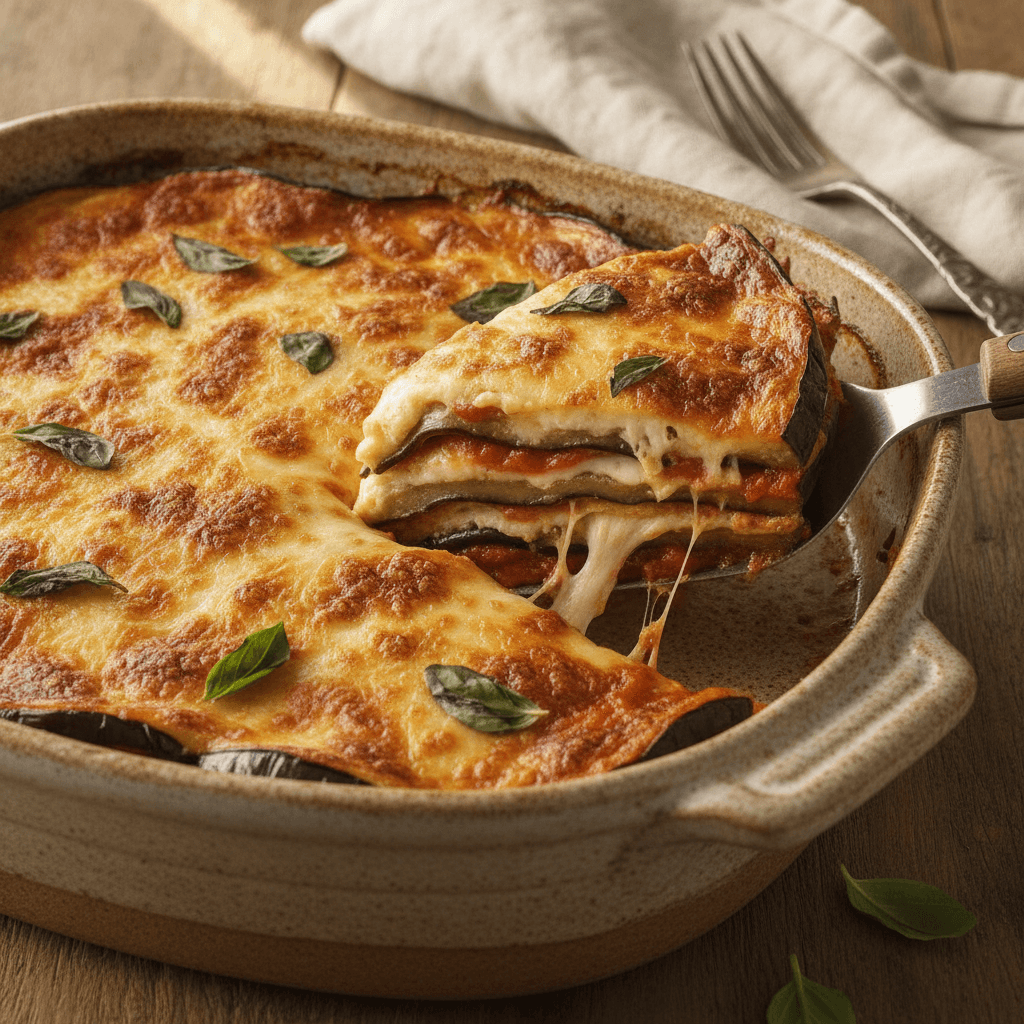
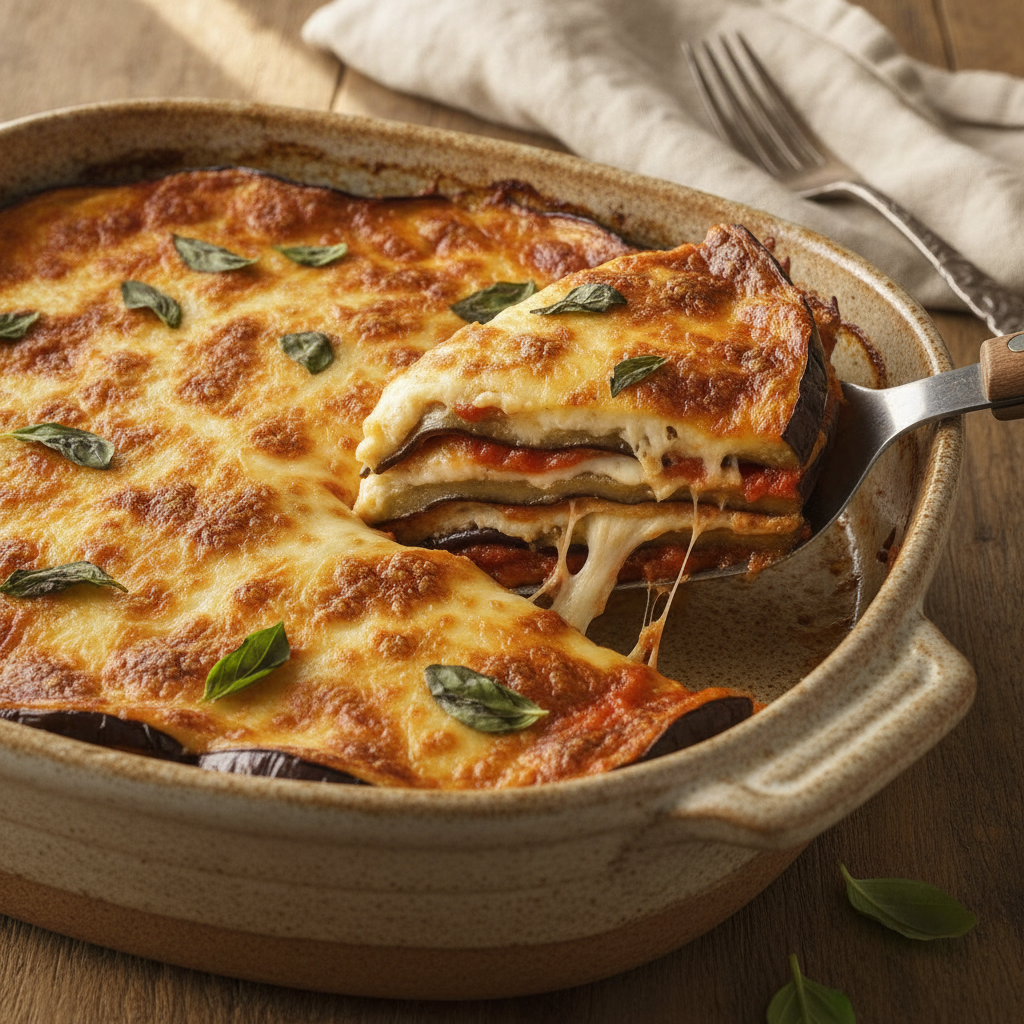
Once the components are ready, the fun part begins: assembly. It’s just like making a lasagna. Start with a thin layer of sauce on the bottom of your baking dish to prevent sticking. Then, create a single layer of the crispy eggplant slices. Top this with more sauce, a sprinkle of Parmesan, and a generous layer of mozzarella. Repeat these layers until you've used up all your ingredients, finishing with a final layer of sauce and a blanket of cheese. The final step is baking. The casserole goes into a hot oven until the sauce is bubbling vigorously around the edges and the cheese on top is melted, golden, and beautifully browned in spots. The aroma that fills your kitchen at this stage is absolutely heavenly.
Smart Swaps and Variations
One of the best things about a classic recipe like this Eggplant Parmesan is its flexibility. It’s a wonderful template that you can adapt based on what you have on hand, what's in season, or simply your personal taste. These simple swaps and variations can add a new dimension to the dish or help you tailor it to your needs.
If eggplant isn't your favorite or you have an abundance of summer squash, zucchini makes a fantastic substitute. Slice it into thick rounds, salt it just like the eggplant (though it needs less time, about 15-20 minutes), and proceed with the breading and baking. The result is a slightly lighter but equally delicious version of the dish.
Feel free to play with the cheese. While mozzarella and Parmesan are classic, you can introduce other cheeses for more complex flavor. A few slices of provolone can add a wonderful, slightly sharp and smoky taste. A little bit of fontina or asiago mixed in with the mozzarella can also add a lovely nutty depth. Just use what you have or what's on sale!
For those who enjoy a bit of warmth, a pinch of red pepper flakes added to the tomato sauce while it simmers will provide a gentle, pleasant heat that beautifully cuts through the richness of the cheese. You can also elevate the sauce by adding other vegetables, like finely diced carrots and celery (sautéed with the onion) or a handful of fresh spinach wilted into the sauce at the end.
To make this Eggplant Parmesan recipe even more hearty and protein-rich, consider adding a layer of cooked brown or green lentils to the tomato sauce. They blend in beautifully and make the dish even more substantial and satisfying, stretching it to feed even more people without significantly increasing the cost.
Stretching Your Meal Further
A great recipe doesn't just feed you for one night; it provides possibilities for future meals. This Eggplant Parmesan recipe excels at this, with leftovers that are not only delicious but incredibly versatile. Thinking about how to repurpose your leftovers is a key strategy for saving money and reducing food waste, and this dish makes it easy and enjoyable.
The most classic way to enjoy leftover Eggplant Parmesan is in a sandwich. Find the crustiest bread you can, slice it open, and stuff it with a reheated slab of the casserole. The bread soaks up the extra sauce, and the combination of soft bread, crispy eggplant, and melted cheese is pure comfort. It’s a lunch that feels like a complete treat.
Another fantastic option is to deconstruct the leftovers. Roughly chop a portion of the casserole and toss it with freshly cooked pasta, like rigatoni or penne. Add an extra splash of tomato sauce or a drizzle of olive oil if needed. This creates an entirely new baked pasta dish in minutes, stretching one portion into two.
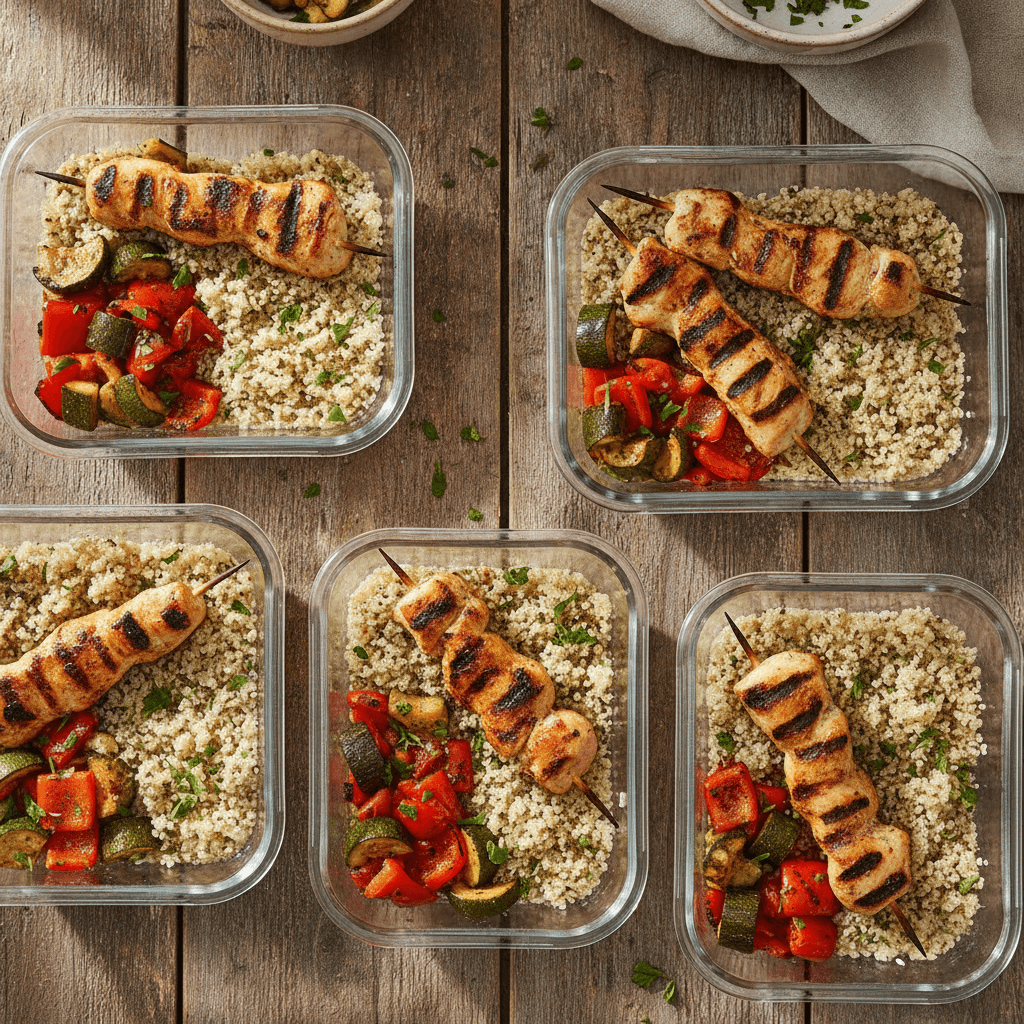
For a lower-carb meal, you can serve the reheated Eggplant Parmesan over a bed of sautéed spinach or zucchini noodles. You can also turn it into a hearty bowl by serving it alongside a scoop of quinoa or a simple green salad. The rich flavors of the casserole are a perfect counterpoint to the freshness of greens. And don't forget the freezer. If you make a large batch, consider portioning it into individual airtight containers before you even serve the first meal. These frozen portions are a lifesaver on busy nights when you need a wholesome, home-cooked meal without any effort.
Storage and Reheating Instructions
Properly storing your Eggplant Parmesan ensures that your leftovers will be just as delicious as the first serving—some might even argue they're better! As the casserole sits, the flavors have more time to meld and deepen, resulting in an even richer and more cohesive dish the next day.
For refrigerator storage, allow the casserole to cool down slightly before covering the baking dish tightly with foil or a lid, or transfer portions to an airtight container. It will keep beautifully in the fridge for up to 4-5 days. This makes it an excellent dish for meal prep; cook it over the weekend and enjoy easy, delicious dinners for the first half of the week.
This Eggplant Parmesan recipe also freezes exceptionally well. For best results, freeze it in individual or family-sized portions in freezer-safe, airtight containers. You can freeze the entire baked casserole or uncooked portions. If freezing before baking, assemble the dish completely, then wrap it tightly in a layer of plastic wrap followed by a layer of foil to prevent freezer burn. It can be stored in the freezer for up to 3 months.
When it comes to reheating, the oven is your best friend. It helps to bring back some of the texture and ensures the dish heats through evenly. Preheat your oven to 350°F (175°C), place the leftovers in an oven-safe dish, cover with foil, and bake until hot and bubbly, about 20-25 minutes. Remove the foil for the last 5-10 minutes to let the cheese get melty again. If you're reheating a frozen, unbaked casserole, there's no need to thaw; just add about 30-40 minutes to the original baking time, keeping it covered for the majority of the time.
Your Questions Answered
How can I make this Eggplant Parmesan recipe without breading the eggplant?
For a lighter, gluten-free friendly version, you can absolutely skip the breading. Simply slice the eggplant, salt it as directed, then grill or roast the slices with a drizzle of olive oil until tender and lightly browned. Layer them with the sauce and cheese as instructed for a dish that is just as delicious but with a softer, more rustic texture.
What's the most affordable way to serve this for a large family?
To make this meal go even further for a large gathering, serve it with inexpensive but filling side dishes. A large bowl of pasta tossed with a little olive oil and garlic, a simple green salad with a vinaigrette, and some crusty garlic bread are perfect accompaniments that will satisfy everyone without breaking the bank.
How do I prevent my eggplant from getting soggy?
There are two non-negotiable steps: salting and not overcrowding. Salting draws out excess water, which is the primary cause of sogginess. After salting, pat the slices completely dry. When cooking the eggplant (whether baking or pan-frying), arrange them in a single layer with space in between so they can crisp up rather than steam.
Can I freeze the entire casserole before baking?
Yes, this is a fantastic make-ahead tip! Assemble the entire casserole in a freezer-safe dish, but do not bake it. Wrap it very well with a layer of plastic wrap and then a layer of heavy-duty foil. It can be frozen for up to 3 months and baked directly from frozen—just be sure to add significant extra time to the bake.
What are some tips for buying eggplants on a budget?
Shop for them in late summer and early fall when they are in peak season and prices are lowest, especially at farmers' markets. Look for eggplants that feel heavy for their size with taut, shiny skin and no soft spots or blemishes. Smaller to medium-sized eggplants often have fewer seeds and a less bitter flavor than very large ones.
Easy and Affordable Eggplant Parmesan
A classic, comforting Eggplant Parmesan recipe featuring crispy baked eggplant slices layered with a rich marinara sauce, mozzarella, and Parmesan cheese.
Prep Time
30 min
Cook Time
45 min
Total Time
1h 15m
Servings
6 servings
Ingredients
For 6 servings
- 2 medium globe eggplants (about 2.5 lbs total), sliced into 1/2-inch rounds
- 2 teaspoons kosher salt, plus more for sauce
- 1 cup all-purpose flour
- 3 large eggs, beaten
- 2 cups Italian-style breadcrumbs
- 1 teaspoon dried oregano
- 1/2 teaspoon black pepper, freshly ground
- 1/2 cup grated Parmesan cheese, divided
- 2 tablespoons olive oil
- 1 large yellow onion, finely chopped
- 4 cloves garlic, minced
- 1 (28-ounce) can crushed tomatoes
- 1 teaspoon granulated sugar (optional, to balance acidity)
- 1/4 cup fresh basil leaves, chopped, plus more for garnish
- 1 lb (16 ounces) low-moisture mozzarella cheese, shredded
Instructions
- 1
Salt and Drain Eggplant
Arrange the eggplant slices in a single layer on baking sheets lined with paper towels. Sprinkle generously with 2 teaspoons of kosher salt. Let stand for 30-60 minutes to draw out excess moisture, then pat completely dry with more paper towels.
- 2
Preheat Oven and Prepare Breading Station
Preheat your oven to 400°F (200°C). Set up three shallow dishes. In the first, place the flour. In the second, whisk the eggs. In the third, combine the breadcrumbs, dried oregano, black pepper, and 1/4 cup of the Parmesan cheese.
- 3
Bread the Eggplant Slices
Working one slice at a time, dredge an eggplant slice in the flour, shaking off the excess. Dip it into the beaten eggs, letting any excess drip off. Finally, press it firmly into the breadcrumb mixture to coat both sides completely.
- 4
Bake the Eggplant
Arrange the breaded eggplant slices in a single layer on two baking sheets lined with parchment paper. Lightly spray the tops with cooking spray or drizzle with a little olive oil. Bake for 20-25 minutes, flipping halfway through, until golden brown and crisp.
- 5
Sauté Aromatics for Sauce
While the eggplant bakes, heat 2 tablespoons of olive oil in a large saucepan or Dutch oven over medium heat. Add the finely chopped onion and cook until softened and translucent, about 5-7 minutes. Add the minced garlic and cook for another minute until fragrant.
- 6
Simmer the Marinara Sauce
Pour the crushed tomatoes into the saucepan. Season with a pinch of salt and the optional sugar. Bring to a simmer, then reduce the heat to low and let it cook gently for at least 15 minutes to allow the flavors to meld. Stir in the chopped fresh basil.
- 7
Begin Assembling the Casserole
Spread about 1 cup of the marinara sauce evenly over the bottom of a 9x13 inch baking dish. This prevents the eggplant from sticking. Arrange a single layer of the baked eggplant slices over the sauce, overlapping them slightly if necessary.
- 8
Add First Cheese Layer
Top the eggplant layer with about one-third of the remaining sauce. Sprinkle evenly with about one-third of the shredded mozzarella and a tablespoon of the remaining Parmesan cheese.
- 9
Continue Layering
Repeat the layering process—eggplant, sauce, mozzarella, Parmesan—two more times, or until you run out of ingredients. The final layer should be the eggplant slices.
- 10
Add Final Topping
Pour the last of the marinara sauce over the top layer of eggplant. Sprinkle evenly with the remaining shredded mozzarella and Parmesan cheese, ensuring the top is well covered.
- 11
Bake Until Bubbly
Place the baking dish in the preheated 400°F (200°C) oven. Bake for 20-25 minutes, or until the sauce is bubbling around the edges and the cheese on top is fully melted and golden brown in spots.
- 12
Rest Before Serving
Remove the Eggplant Parmesan from the oven and let it rest for at least 10-15 minutes before slicing and serving. This allows the layers to set, making it much easier to serve clean portions. Garnish with fresh basil leaves before bringing it to the table.
Nutrition Facts
Per serving (estimated)
480 calories
Calories
42g
Carbs
22g
Protein
25g
Fat
10g
Fiber
950mg
Sodium
12g
Sugar