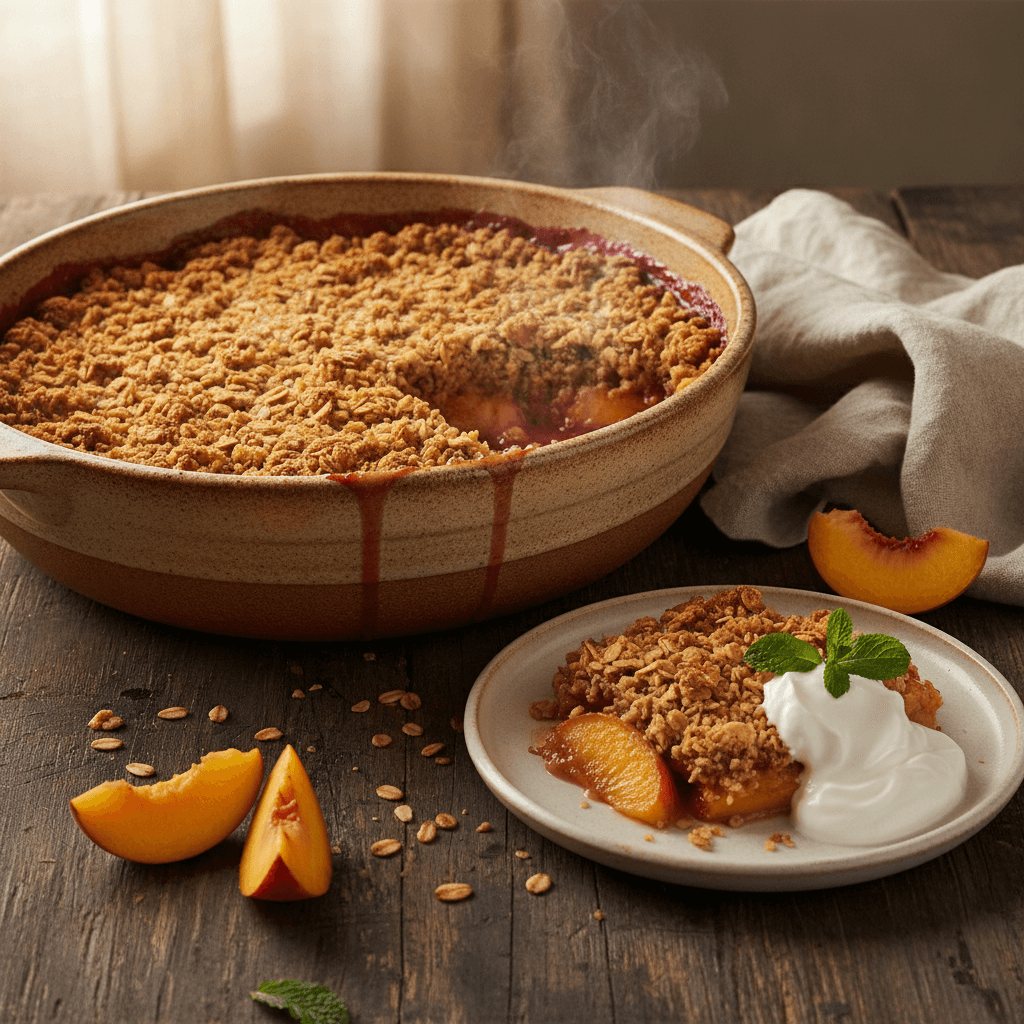
Easy Peach Cobbler Recipe with Biscuit Topping
The best homemade peach cobbler recipe! Features juicy peaches under a buttery, soft biscuit topping. A perfectly easy and comforting dessert for everyone.
cookwithyara.com/recipes/peach-cobbler-recipe
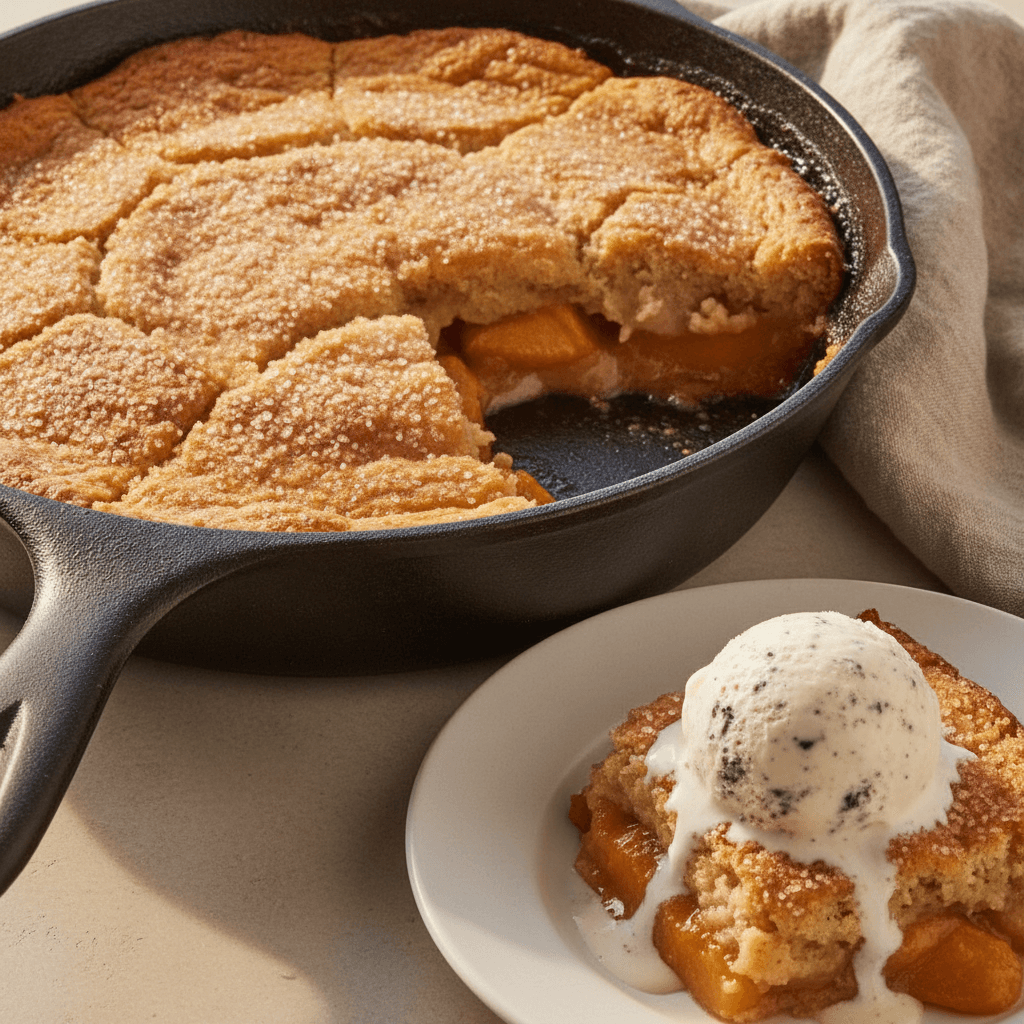
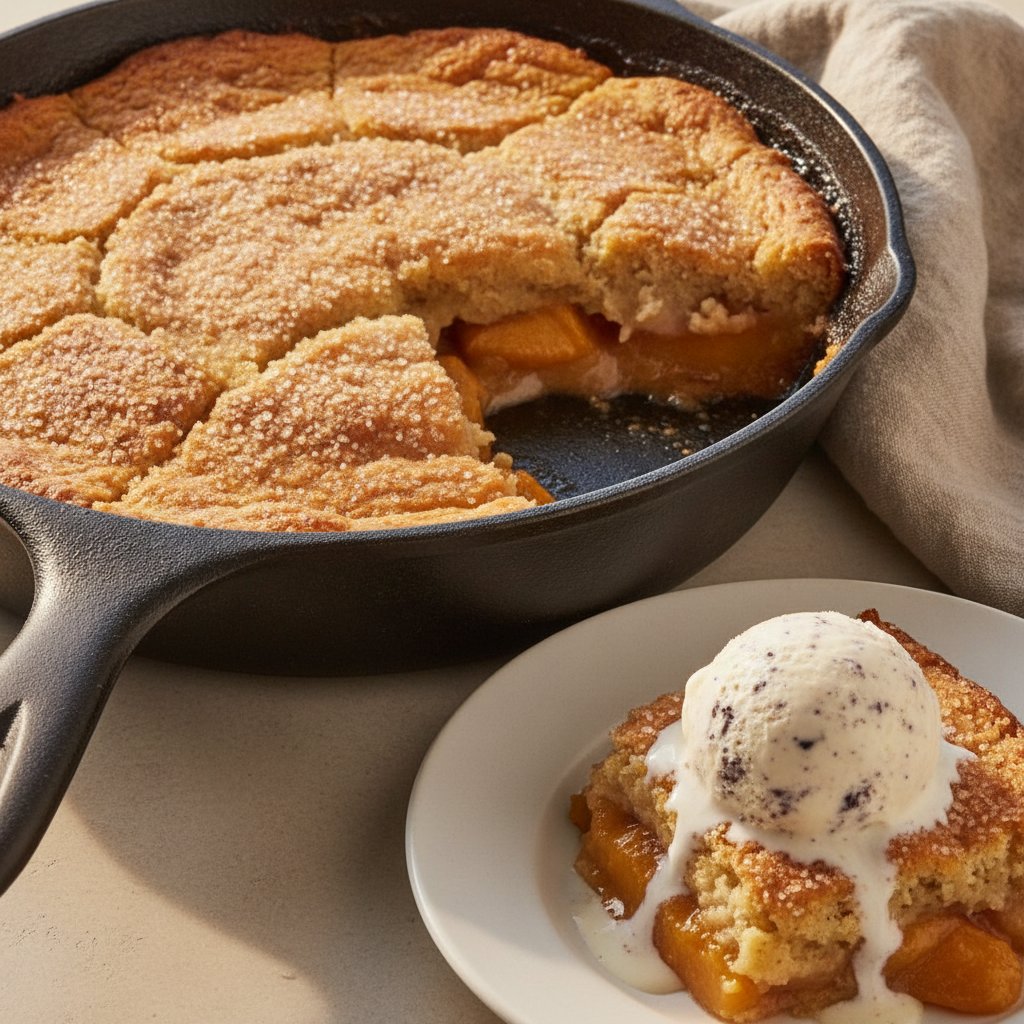
There’s a unique magic in the moment a spoon breaks through the golden, slightly crisp crust of a cobbler and sinks into a warm, bubbling sea of sweet, jammy fruit. It’s a dessert that feels both rustic and elegant, comforting and special. The perfect peach cobbler is a study in contrasts: the tender, almost cake-like biscuit topping against the soft, luscious peaches; the gentle warmth of cinnamon against the bright, tangy fruit. It’s the kind of dish that fills the entire kitchen with an aroma of caramelized sugar, baking butter, and ripe summer sunshine.
Many home bakers feel a little intimidated by desserts like this, worrying about soggy bottoms or tough toppings. But I’m here to guide you and, more importantly, to reassure you. The beauty of this classic peach cobbler recipe is its forgiving nature and simple, honest construction. There are no complicated pie lattices or delicate pastries to master. It’s about understanding a few core techniques—like how to handle cold butter or thicken fruit juice—that unlock a world of delicious possibilities.
Once you grasp the ‘why’ behind each step, the ‘how’ becomes incredibly simple and intuitive. You’ll learn why we let the peaches sit in sugar, why the butter must be cold, and why a light touch is your best friend when making the topping. This isn't just about following steps; it's about learning the language of baking. So, let’s get ready to transform a handful of simple ingredients into the most incredible peach cobbler you’ve ever tasted.
The Science Behind the Perfect Peach Cobbler
To truly master this peach cobbler recipe, it helps to understand the beautiful science happening in your oven. It's not complex chemistry, but a few simple principles that transform basic ingredients into a stunning dessert. Understanding this will make you a more confident and intuitive baker in all your future kitchen adventures.
First, let's talk about that glorious biscuit topping. The key to its tender, flaky texture is cold, solid fat—in our case, butter. When you cut cold butter into the flour, you create little pockets of fat coated in the dry ingredients. In the heat of the oven, the water in that butter turns to steam. This steam pushes the layers of dough apart, creating tiny air pockets that result in a light, flaky crumb. If your butter is warm, it will simply melt into the flour, leading to a dense, tough, and greasy topping. This process, known as steam leavening, works alongside the chemical leavening from our baking powder to give the cobbler its signature lift.
Meanwhile, in the filling, another kind of magic is at play. When you toss the peaches with sugar, a process called maceration begins. The sugar draws moisture out of the fruit, creating a natural syrup. As the cobbler bakes, this syrup heats up. We add a thickener, like cornstarch, which contains starch molecules that swell and gelatinize in the hot liquid, transforming the watery juices into a thick, glossy, luscious sauce that clings to every piece of fruit. The heat also breaks down the pectin in the peaches, softening them to a perfect, spoonable consistency. Finally, the golden-brown color on the topping is the result of the Maillard reaction—a reaction between amino acids and reducing sugars that creates hundreds of new aroma and flavor compounds, giving your peach cobbler its irresistible baked flavor.
Essential Tools and Ingredients for Your Cobbler
One of the many reasons I adore a good cobbler is that it doesn’t require a trove of fancy equipment. You likely have everything you need to make this delicious peach cobbler recipe in your kitchen right now. The focus is on quality ingredients and solid technique, not expensive gadgets.
For your primary baking vessel, a 10-inch cast-iron skillet is my personal favorite. It heats evenly, retains that heat beautifully, and gives the edges of the cobbler a fantastic texture. Plus, it goes straight from the oven to the table for a wonderfully rustic presentation. If you don't have one, a 2-to-3-quart ceramic or glass baking dish (like a 9x9 inch or 8x11 inch pan) works perfectly well. You'll also need a couple of mixing bowls—one for the filling and one for the topping—a whisk for the dry ingredients, and a flexible spatula for mixing.
When it comes to ingredients, the star of the show is, of course, the peaches. Ripe, in-season fresh peaches will always give you the best flavor. Look for freestone varieties, as the pit comes away easily. If fresh isn't an option, frozen sliced peaches are an excellent substitute; just don't thaw them first. For the topping, all-purpose flour provides the right structure. Unsalted butter is crucial, and it must be very cold, straight from the fridge. For the liquid, buttermilk lends a wonderful tenderness and slight tang that balances the sweetness. If you don't have buttermilk, you can easily make a substitute by adding a teaspoon of lemon juice or white vinegar to regular whole milk and letting it sit for five minutes. A touch of cinnamon and nutmeg will warm up the filling, while baking powder provides the lift for our tender topping. This is a truly classic peach cobbler recipe that shines with simple, high-quality components.
Mastering the Method: Your Step-by-Step Guide
Let's walk through the process of creating this beautiful dessert together. Think of it less as a rigid set of rules and more as a gentle dance of combining simple elements to create something truly special. We'll build this perfect peach cobbler recipe from the fruit up.
Our journey begins with the peaches. If using fresh, the first step is to peel them. The easiest way is by blanching: briefly submerge them in boiling water for about 30-60 seconds, then transfer them to an ice bath. The skins will slip right off. Slice them into generous ½-inch wedges and place them in a large bowl. Now, we macerate. Sprinkle the peaches with sugar, a squeeze of fresh lemon juice (to prevent browning and add brightness), and your warm spices. Give it a gentle toss and let it sit for about 20-30 minutes. You’ll see a beautiful syrup start to form at the bottom of the bowl—that’s pure flavor.
Next, we prepare the topping. In a separate bowl, whisk together your dry ingredients: flour, a little sugar, baking powder, and salt. This ensures the leavening is evenly distributed. Now comes the most important part: cutting in the cold butter. Cube your very cold butter and add it to the flour mixture. Using a pastry blender, two knives, or even your fingertips, quickly cut the butter into the flour until the mixture resembles coarse crumbs with some pea-sized pieces of butter remaining. Work quickly to prevent the butter from melting. Then, pour in the cold buttermilk and stir with a spatula just until a shaggy, soft dough forms. Remember, overmixing develops gluten and makes the topping tough, so a light hand is key.
Assembly is the final, satisfying step. Thicken your peach filling by stirring in the cornstarch, then pour the entire mixture into your skillet or baking dish. Now, using a large spoon or an ice cream scoop, dollop the biscuit dough evenly over the top of the fruit. Don't try to spread it into a smooth layer; the rustic, ‘cobbled’ appearance is part of its charm. Be sure to leave some gaps for steam to escape. For a bakery-style finish, a sprinkle of coarse sugar over the dough adds a delightful crunch and sparkle. Now, it's ready for the oven, where it will transform into that bubbling, golden-brown masterpiece. This method ensures you get the best result from this peach cobbler recipe every time.
Troubleshooting Your Peach Cobbler
Even the most straightforward recipes can sometimes present a challenge, but don't worry! Most issues you might encounter while making this peach cobbler recipe are easily fixable or preventable with a little knowledge. Let's break down a few common problems.
If your filling is runny or watery, here’s what might be happening. This is usually due to one of two things: your peaches were exceptionally juicy, or there wasn't quite enough thickener. Next time, if your fruit looks very wet after macerating, you can add an extra teaspoon of cornstarch. Also, it’s crucial to let the cobbler rest for at least 15-20 minutes after it comes out of the oven. This cooling period allows the filling to set up and thicken considerably. Rushing to serve it piping hot is often the cause of a soupy base.
If your biscuit topping came out tough or dense, the culprit is almost always overworking the dough or using warm butter. When you mix the dough too much after adding the liquid, you overdevelop gluten, which creates a chewy, bready texture instead of a tender, cakey one. Mix just until the flour is incorporated. Similarly, if your butter was soft, it blended into the flour instead of staying in distinct pieces, preventing those steam pockets that create a light, flaky texture. Always use butter that is very cold, directly from the refrigerator.
If you find the bottom of the biscuit topping is gummy or under-baked, it means steam got trapped. This can happen if the filling is too deep or if the topping is a solid, sealed sheet. Ensure you dollop the biscuit mixture, leaving gaps between the mounds. This allows the steam from the bubbling fruit to escape, letting the bottom of the biscuits cook through properly. Making the dollops slightly smaller can also help them bake more evenly.
Taking Your Peach Cobbler Recipe to the Next Level
Once you’ve mastered the classic version of this peach cobbler recipe, there are so many wonderful ways to add your own creative signature. These small tweaks and additions can elevate the dessert from simply delicious to truly unforgettable.
For a deeper flavor profile, consider browning the butter you use in the fruit filling. Simply melt it in a small saucepan over medium heat and continue to cook, swirling, until it foams and brown specks appear at the bottom, releasing a nutty, intoxicating aroma. Pour this over your peaches for an incredible layer of richness. In the biscuit topping, a bit of citrus zest—lemon or orange—can add a beautiful, bright fragrance that complements the fruit perfectly. For a touch of my own Levantine kitchen, I sometimes add a pinch of ground cardamom to the peaches along with the cinnamon, or a tiny drop of orange blossom water to the buttermilk for an exotic floral note.
Texture is another area ripe for experimentation. For a lovely crunch, try adding a half-cup of chopped toasted pecans, walnuts, or almonds into your dry ingredients for the topping. A tablespoon of cornmeal mixed in with the flour can also give the biscuits a slightly heartier, rustic texture. When serving, move beyond the classic scoop of vanilla ice cream. A dollop of thick, tangy Greek yogurt or labneh provides a wonderful cooling contrast to the warm, sweet cobbler. A final drizzle of date molasses or a high-quality honey before serving adds a final touch of Mediterranean-inspired elegance.
Storing and Reheating for Best Results
While a freshly baked peach cobbler is a thing of pure joy, leftovers can be nearly as delightful if stored and reheated properly. The key is to manage moisture and try to preserve the texture of that beautiful biscuit topping.
First, always allow the cobbler to cool down completely on the counter before storing it. Covering it while it's still warm will trap steam, leading to a soggy topping. Once it has reached room temperature, cover the baking dish tightly with plastic wrap or foil, or transfer the leftovers to an airtight container. Your peach cobbler can be stored in the refrigerator for up to four days. Be aware that the biscuit topping will naturally soften over time as it absorbs moisture from the fruit filling, but it will still be delicious.
When you're ready to enjoy it again, I highly recommend avoiding the microwave if possible. While it will heat the cobbler, it will also make the topping soft and steamy. The best way to recapture some of that fresh-baked magic is to use the oven. Place the desired portion in an oven-safe dish and heat it in a preheated oven at 350°F (175°C) for about 15-20 minutes, or until the filling is bubbly and the topping has dried out and re-crisped slightly. This gentle reheating makes the leftovers of your peach cobbler recipe taste almost as good as day one.
Common Questions About Making Peach Cobbler
Can I use canned or frozen peaches for this recipe?
Yes, absolutely! If using frozen sliced peaches, there’s no need to thaw them first; simply toss them with the other filling ingredients and proceed. You may need to add 5-10 minutes to the baking time. For canned peaches, be sure to buy them packed in juice, not heavy syrup. Drain them very thoroughly and pat them dry before using, and you may want to reduce the amount of sugar in the filling slightly.
Is it possible to prepare this peach cobbler recipe ahead of time?
Yes, you can prepare the components in advance to save time. The fruit filling can be mixed together and stored in an airtight container in the refrigerator for up to 24 hours. The dry ingredients for the topping can also be whisked together and stored at room temperature. However, for the best results, wait to cut in the butter and add the buttermilk until just before you are ready to assemble and bake.
Do I have to peel the peaches?
This is entirely a matter of personal preference! Leaving the skins on is faster and adds a bit of color and texture to the filling. Some people find the texture of cooked peach skin slightly tough, while others enjoy it. If your peaches are perfectly ripe and thin-skinned, feel free to skip the peeling step for a more rustic-style cobbler.
My biscuit topping didn't rise much. What went wrong?
This is usually due to an issue with your leavening agent. Your baking powder might be old or expired. To test it, drop a small spoonful into a bit of hot water; if it fizzes vigorously, it’s still active. Another potential cause is that the dough was overmixed, which can inhibit the rise. Always mix just until the ingredients are combined.
Can I use other fruits in this cobbler recipe?
Of course! This recipe is a fantastic template for all kinds of fruit cobblers. It works beautifully with other stone fruits like nectarines, plums, or apricots. In the fall, try it with apples or pears (you'll need to cook them a bit longer). Berries are also a wonderful choice; a mix of blueberries, raspberries, and blackberries would be divine. Just be prepared to adjust the sugar and thickener amounts based on the sweetness and juiciness of the fruit you choose.
Homemade Peach Cobbler with Biscuit Topping
A classic dessert featuring sweet, juicy peaches baked under a tender, buttery biscuit topping. This easy peach cobbler recipe is perfect for any occasion.
Prep Time
25 min
Cook Time
45 min
Total Time
1h 10m
Servings
8 servings
Ingredients
For 8 servings
- For the Peach Filling:
- 8 medium ripe peaches (about 3 lbs), peeled and sliced
- 1/2 cup (100g) granulated sugar
- 1/4 cup (50g) packed light brown sugar
- 1/4 cup (30g) cornstarch
- 1 tablespoon fresh lemon juice
- 1 teaspoon ground cinnamon
- 1/4 teaspoon ground nutmeg
- 1/4 teaspoon salt
- For the Biscuit Topping:
- 2 cups (240g) all-purpose flour
- 1/4 cup (50g) granulated sugar
- 1 tablespoon baking powder
- 1/2 teaspoon salt
- 1/2 cup (113g) cold unsalted butter, cut into cubes
- 1 cup (240ml) buttermilk, cold
- 1 teaspoon vanilla extract
- Optional: 1 tablespoon coarse sugar, for sprinkling
Instructions
- 1
Preheat Oven and Prepare Dish
Preheat your oven to 375°F (190°C). Place a 10-inch cast-iron skillet or a 9x9-inch baking dish on a larger baking sheet lined with foil to catch any potential drips.
- 2
Prepare the Peaches
If using fresh peaches, peel and slice them into 1/2-inch thick wedges. You can do this easily by blanching them in boiling water for 30-60 seconds, then transferring to an ice bath; the skins will slip right off.
- 3
Make the Fruit Filling
In a large bowl, combine the sliced peaches, granulated sugar, brown sugar, cornstarch, lemon juice, cinnamon, nutmeg, and salt. Gently toss everything together until the peaches are evenly coated.
- 4
Transfer Filling to Dish
Pour the peach mixture into your prepared skillet or baking dish and spread it into an even layer. Let it sit while you prepare the topping.
- 5
Mix Dry Topping Ingredients
In a separate medium bowl, whisk together the all-purpose flour, granulated sugar, baking powder, and salt. Whisking ensures the leavening agent is evenly distributed for a perfect rise.
- 6
Cut in the Cold Butter
Add the cubes of cold butter to the flour mixture. Using a pastry blender, two knives, or your fingertips, quickly cut the butter into the flour until the mixture resembles coarse crumbs with some pea-sized butter pieces still visible.
- 7
Add Liquid to Form Dough
In a small bowl, stir the vanilla extract into the cold buttermilk. Pour the buttermilk mixture into the flour mixture and stir with a spatula just until a soft, shaggy dough forms. Do not overmix.
- 8
Assemble the Cobbler
Using a large spoon or cookie scoop, drop large dollops of the biscuit dough over the peach filling. Do not try to spread it into an even layer; leave some space between the dollops for steam to escape.
- 9
Add Finishing Touches
For a crunchy, sparkling crust, sprinkle the coarse sugar evenly over the biscuit topping. This step is optional but highly recommended for better texture and appearance.
- 10
Bake Until Golden
Place the baking sheet with the cobbler in the preheated oven. Bake for 40-50 minutes, or until the fruit filling is bubbly and thick and the biscuit topping is deeply golden brown.
- 11
Check for Doneness
You can insert a toothpick into the center of one of the biscuits to check for doneness. It should come out clean or with moist crumbs attached, but no wet batter.
- 12
Rest Before Serving
Remove the peach cobbler from the oven and let it cool on a wire rack for at least 20-30 minutes before serving. This allows the filling to set properly. Serve warm, on its own or with a scoop of vanilla ice cream.
Nutrition Facts
Per serving (estimated)
410 calories
Calories
72g
Carbs
5g
Protein
12g
Fat
4g
Fiber
450mg
Sodium
45g
Sugar