Authentic Gazpacho Recipe (Andalusian-Style)
Discover the best authentic gazpacho recipe! This vibrant, chilled Spanish soup is packed with fresh tomatoes, cucumbers, and peppers. So easy and refreshing!
cookwithyara.com/recipes/gazpacho-recipe
Close your eyes and imagine a sun-drenched courtyard in southern Spain. The air is warm, thick with the scent of jasmine and citrus trees. The only sound is the gentle hum of cicadas and the distant clinking of glasses. In the heat of the afternoon, there is one thing that brings pure, unadulterated refreshment: a chilled bowl of gazpacho. This isn't just a soup; it's a taste of summer, a liquid salad, and a celebration of ingredients at their peak. Here at Cook with Yara, my heart belongs to the vibrant, sun-kissed flavors of the Mediterranean and the Levant, and this classic Spanish dish fits right in. It shares the same culinary soul as many of our beloved recipes—a reliance on the freshest produce, the liberal use of golden olive oil, and a beautiful simplicity that lets the ingredients sing. While it may hail from Andalusia, its spirit of turning humble vegetables into something sublime feels like home to me. This authentic gazpacho recipe is my tribute to that philosophy. It's a taste of a Spanish summer, lovingly recreated in your kitchen with ingredients that are easy to find but create something truly special.
A Taste of the Culture
Gazpacho is more than just a recipe; it's a cornerstone of Andalusian culture, a dish born from necessity and perfected over centuries. Its story is a fascinating journey through Mediterranean history. The earliest forms of gazpacho didn't contain tomatoes or peppers at all. Its origins can be traced back to a simple, restorative mash of stale bread, garlic, olive oil, vinegar, and water, enjoyed by Roman soldiers and later, by laborers toiling under the hot Spanish sun. This humble concoction provided hydration, nourishment, and energy to get through a long day's work. The arrival of the Moors in Spain introduced new culinary ideas, including sophisticated cold soups like 'ajo blanco', a beautiful white gazpacho made with almonds and garlic that is still popular today. However, the gazpacho we know and love—that vibrant, ruby-red soup—was only born after the 16th century, when tomatoes and bell peppers were brought to Spain from the Americas. It was a culinary revolution. These New World ingredients were embraced and seamlessly integrated, transforming the ancient dish into the icon it is today. This history is why gazpacho is often called a 'liquid salad'; it was a way to consume a day's worth of vegetables in a refreshing, easily digestible form. It truly embodies the Mediterranean spirit of resourcefulness and a deep respect for seasonal produce. This classic gazpacho recipe honors that tradition.
The Ingredients That Define This Dish
To create a truly magnificent gazpacho, you must start with magnificent ingredients. There's no hiding behind heavy sauces or complex cooking techniques here; the quality of your produce is everything. This is what makes a good gazpacho transcendent. Let's walk through the essential components.
- Tomatoes: This is the heart and soul of your gazpacho. You need incredibly ripe, flavorful tomatoes. Look for varieties that are fleshy and have fewer seeds, like Roma or vine-ripened tomatoes. Heirlooms are also fantastic if you can find them. The deep, sweet, and slightly acidic flavor of a sun-ripened tomato is the foundation of the entire dish. Never, ever use pale, watery, out-of-season tomatoes.
- Cucumber: A vital element for freshness and hydration. I prefer using Persian or Kirby cucumbers because they have thin skins and minimal seeds, meaning you don't necessarily have to peel or de-seed them. If you use a standard English cucumber, I recommend peeling it and scooping out the watery seeds to prevent the gazpacho from becoming bitter.
- Green Bell Pepper: This ingredient is traditional and adds a crucial, slightly bitter, and vegetal note that balances the sweetness of the tomatoes. It’s a distinctive flavor in an authentic gazpacho recipe. Some people find it overpowering, but I encourage you to try it. Use about half a pepper to start if you're hesitant.
- Garlic: Garlic provides a pungent, spicy kick that cuts through the richness of the olive oil. One or two cloves are usually enough. Raw garlic can be quite potent, so start with less and add more to taste. A great tip is to remove the green germ from the center of the clove, which can sometimes be bitter.
- Red Onion: While some traditional recipes use white onion, I prefer the milder, slightly sweeter flavor of red onion. It adds a background note of complexity without being too harsh. You only need a small amount to make a big impact.
- Extra Virgin Olive Oil: This is non-negotiable. You must use a high-quality, flavorful extra virgin olive oil. It does more than add fat; it adds fruity, peppery notes and is essential for creating a creamy, emulsified texture. This is where I love to bring in a Levantine touch, using a robust Palestinian or Lebanese olive oil to lend its unique character.
- Red Grape Vinegar: Traditionally, Spanish sherry vinegar is used. To keep my kitchen strictly halal, I use a high-quality red grape vinegar, which provides a similar tangy, complex acidity that is absolutely essential to brighten the flavors and 'cook' the raw vegetables. Apple cider vinegar can also work in a pinch.
- Stale Bread: This might seem like an odd addition, but it's the traditional secret to a perfect texture. A piece of day-old crusty bread (without the crusts) soaked in water acts as a natural thickener, giving the gazpacho body and a creamier consistency. It's a classic Mediterranean technique for using up every last crumb.
Cooking the Authentic Way
Crafting the perfect gazpacho recipe is an art of assembly and balance rather than cooking. The authentic method is all about building layers of flavor and achieving the perfect texture. Traditionally, this was done with a large mortar and pestle (mortero), where the garlic, salt, and bread were pounded into a paste before gradually incorporating the other ingredients. This method creates a wonderfully rustic texture. However, for modern kitchens, a high-speed blender is your best friend, capable of creating a silky-smooth emulsion that is equally delightful.
The process begins with preparation. It’s a simple chop and drop, but a little care goes a long way. Roughly chop your tomatoes, cucumbers, pepper, and onion. Soak your stale bread in a little cold water until it's soft, then squeeze out the excess liquid. This rehydrated bread is your key to a creamy body.
Next comes the blending, and there is a method to the madness. Start by blending the tomatoes, peppers, onion, cucumber, and garlic with the salt and vinegar. Blend until the mixture is very smooth. This initial blend breaks down the vegetable fibers and allows the acidic vinegar and salt to begin macerating the produce, drawing out and melding their flavors.
Now for the most crucial step: the emulsification. With the blender running on a medium-low speed, begin to slowly, very slowly, drizzle in the extra virgin olive oil. This is the same technique used to make mayonnaise or aioli. The slow addition of oil allows it to break into tiny droplets and disperse evenly, creating a stable, creamy emulsion that turns the soup from a simple vegetable puree into something luxurious and velvety. You will see the color lighten to a beautiful pale orange-pink and the texture become visibly thicker.
Once the oil is incorporated, taste your creation. This is where your palate comes in. Does it need more salt? A bigger acidic kick from more vinegar? Is the garlic too strong or too weak? Adjust accordingly. The final, and perhaps most important, step is chilling. Gazpacho must be served ice-cold. This isn't just for refreshment; the flavors need at least two hours (and preferably four) in the refrigerator to meld, mellow, and deepen. The harshness of the raw garlic and onion will soften, and the soup will become a harmonious whole. Some purists insist on straining the gazpacho through a fine-mesh sieve for an ultra-smooth, refined texture. I personally enjoy the rustic, slightly fibrous texture of an unstrained gazpacho, but it's a matter of preference. Both ways are authentic and delicious.
Bringing It All Together
Serving gazpacho is a joyful and artistic final step where texture and freshness take center stage. The chilled soup is the canvas, and the garnishes, or guarniciones as they're known in Spain, are the finishing touches that complete the masterpiece. These are not merely decorative; they are an essential part of the eating experience, providing a delightful textural contrast to the smooth, silky soup.
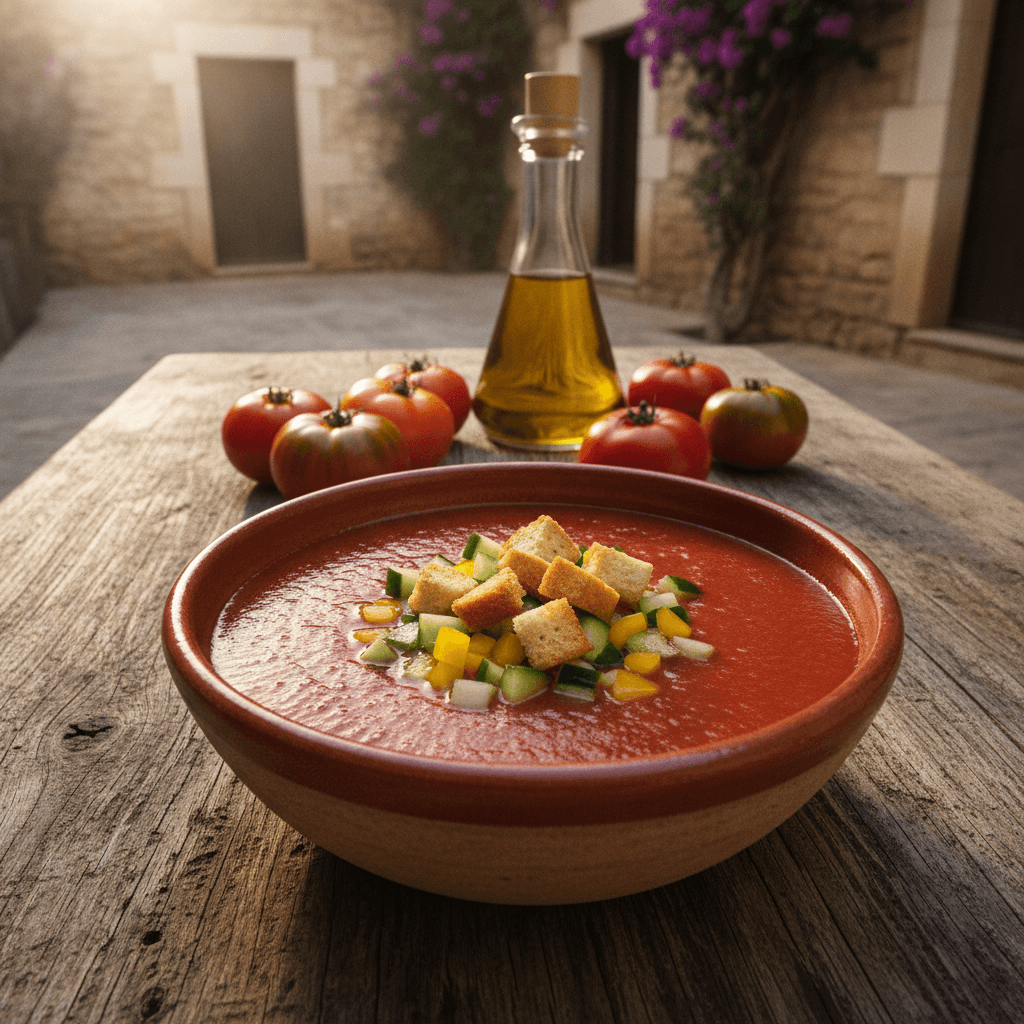
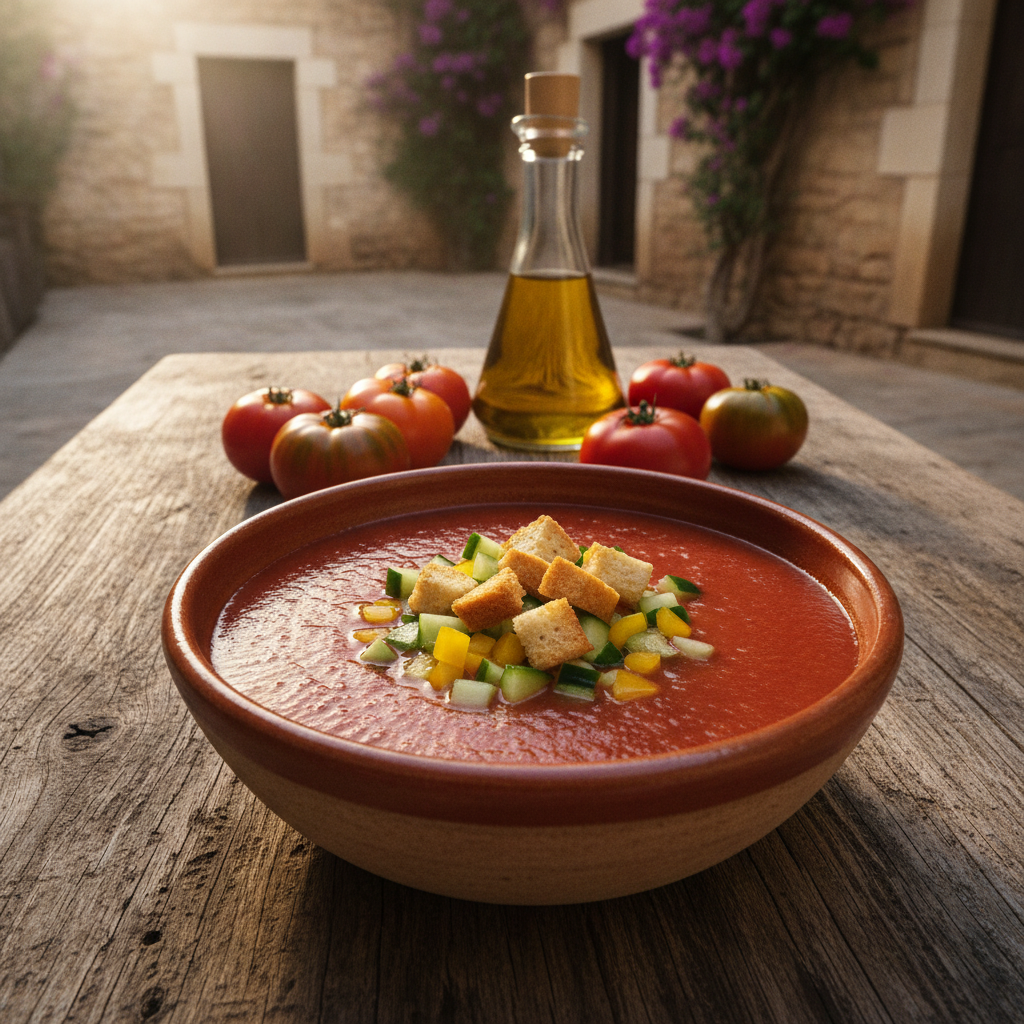
The most traditional garnishes are a finely diced trio of the soup's own core ingredients: green bell pepper, cucumber, and red onion. Each tiny, crunchy cube releases a burst of fresh flavor that complements the blended base. Alongside the vegetables, homemade croutons are a must. To make them, dice some of that same stale bread you used in the soup, toss it with a bit of olive oil and a pinch of salt, and toast until golden and crunchy. The contrast between the cold, smooth liquid and the warm, crisp croutons is simply divine.
Presentation is flexible and charmingly informal. For a more substantial serving, ladle the gazpacho into chilled bowls. Arrange a small pile of each diced garnish in the center or allow guests to add their own from little bowls served alongside. This makes for a wonderful, interactive start to a meal. Another classic way to serve this delightful soup is in small glasses or cups, enjoyed as a refreshing sippable appetizer, especially at gatherings. However you serve it, the cardinal rule is that it must be cold—very cold. I recommend chilling not only the soup but also the serving bowls or glasses for at least 30 minutes before serving. This ensures every spoonful of your authentic gazpacho recipe is as invigorating as it is delicious.
Make It Your Own
Once you've mastered the classic Andalusian gazpacho recipe, a whole world of chilled soups opens up. This recipe is a fantastic template for creativity, easily adaptable to the seasons and your personal taste. Think of it as a starting point for your own culinary explorations.
One of the most popular variations is to introduce fruit. A Watermelon Gazpacho is incredibly refreshing on the hottest of days. Simply substitute about a third of the tomatoes with seedless watermelon. The sweetness of the melon pairs beautifully with the savory base, but you may need to add a little extra vinegar or a squeeze of lime juice to maintain that crucial acidic balance. Strawberry or even cantaloupe gazpacho works on the same principle.
For a completely different flavor profile, try a Green Gazpacho. Use green tomatoes or tomatillos as the base, and add avocado for creaminess, cilantro and mint for a burst of herbaceous freshness, and perhaps a jalapeño for a spicy kick. It’s a vibrant, zesty take on the original.
It's also worth exploring other classic Spanish cold soups. Ajo Blanco, or white gazpacho, is a must-try. Hailing from Málaga, it predates the arrival of tomatoes in Spain. It’s a stunningly simple yet elegant soup made from blanched almonds, garlic, stale bread, olive oil, and vinegar, traditionally garnished with sweet green grapes. For something a bit heartier, look to Salmorejo. This Córdoba specialty is a close cousin to gazpacho but is much thicker and creamier due to a higher proportion of bread and olive oil. It contains only tomatoes, bread, oil, and garlic, and is traditionally garnished with chopped hard-boiled eggs and bits of savory cured beef (which can be omitted or replaced with smoked paprika-dusted chickpeas for a halal version). Exploring these variations is a delicious way to appreciate the rich diversity of Spanish cuisine.
Keeping and Reusing Leftovers
One of the wonderful things about making a large batch of this gazpacho recipe is that the leftovers are just as delicious, if not more so, on the second day. As the soup sits in the refrigerator, the flavors continue to meld and deepen, resulting in an even more harmonious and complex taste. Store your leftover gazpacho in a sealed, airtight container in the coldest part of your fridge. It will keep well for up to four days. You might notice the flavors change slightly from day to day; the sharpness of the raw garlic will mellow considerably, and the overall taste will become smoother.
If you have more gazpacho than you can finish in a few days, you can freeze it. While freezing can slightly alter the fresh texture upon thawing, it's an excellent way to preserve the flavor. For best results, pour the gazpacho into an ice cube tray. Once frozen, transfer the cubes to a freezer bag. This allows you to pull out just what you need. Frozen gazpacho cubes are fantastic for adding a burst of flavor to other dishes.
Don't just think of leftovers as more soup. Get creative! Use it as a fantastic, healthy base for a pasta sauce—just warm it gently and toss with your favorite pasta and some fresh basil. It also makes a superb marinade for chicken skewers or a light, flavorful sauce to spoon over grilled fish. For a fun and savory brunch beverage, you can even use it as the base for a 'Savory Sunrise Cooler' by mixing it with a splash of sparkling water and a squeeze of fresh lime. Leftover gazpacho is a gift that keeps on giving.
Your Questions Answered
Can I make this gazpacho recipe without bread for a gluten-free version?
Absolutely! While bread adds traditional body and creaminess, you can easily omit it for a gluten-free soup. The resulting gazpacho will be slightly thinner but just as flavorful and refreshing. If you miss the thickness, you can add a small amount of peeled cucumber or a handful of raw, soaked cashews or almonds to the blender to help thicken it up.
My gazpacho tastes a little bitter or too acidic. How can I fix it?
Bitterness in gazpacho usually comes from the cucumber skin/seeds or a particularly strong green bell pepper. To avoid this, be sure to use thin-skinned cucumbers or peel and de-seed them. Use only very ripe, sweet tomatoes. If it's already made and tastes too acidic, you can balance it by adding a small drizzle of date syrup or a tiny pinch of sugar. A little more high-quality olive oil can also help mellow out harsh flavors.
Do I have to peel the tomatoes and cucumbers?
A high-speed blender can pulverize the skins completely, so peeling is often unnecessary and you retain more nutrients. However, if you don't have a powerful blender or prefer a super-smooth texture, you might want to peel your tomatoes (by blanching them first) and cucumbers. Straining the soup after blending is another way to achieve a silky-smooth result without peeling.
What's the real difference between gazpacho and salmorejo?
They are both chilled tomato soups from Andalusia, but they are distinct. The main difference is in texture and ingredients. Salmorejo is much thicker, creamier, and simpler, containing only tomatoes, bread, olive oil, and garlic. It uses a much higher ratio of bread and oil, giving it a consistency almost like a dip or thick sauce. A classic gazpacho recipe is thinner, more complex in flavor, and includes a wider variety of raw vegetables like cucumber, pepper, and onion.
What should I serve with gazpacho to make it a full meal?
While gazpacho is often an appetizer, you can easily turn it into a light and satisfying meal. Serve it with a side of crusty bread topped with za'atar and olive oil, a fresh green salad with a lemon vinaigrette, or some simple grilled halloumi cheese skewers. A Spanish tortilla (a thick potato and onion omelet) is another classic and hearty pairing that makes for a perfect summer lunch or dinner.
Authentic Andalusian Gazpacho Recipe
A refreshing and vibrant chilled soup made with ripe tomatoes, cucumbers, peppers, and garlic. This authentic gazpacho recipe is the perfect taste of a Mediterranean summer, made easily in your own kitchen.
Prep Time
25 min
Cook Time
0 min
Total Time
2h 25m
Servings
6 servings
Ingredients
For 6 servings
- 2 lbs ripe Roma tomatoes, cored and roughly chopped
- 1 Persian or Kirby cucumber (about 7 inches), roughly chopped
- 1 medium green bell pepper, cored, seeded, and roughly chopped
- 1/2 medium red onion, roughly chopped
- 2 cloves garlic, peeled and germ removed
- 2 oz day-old crusty white bread, crusts removed
- 1/2 cup extra-virgin olive oil, plus more for drizzling
- 3 tablespoons red grape vinegar
- 1 teaspoon fine sea salt, or to taste
- 1/2 teaspoon ground cumin (optional)
- 1/2 cup cold water, or as needed
Instructions
- 1
Prepare the Bread
Tear the stale bread into small pieces and place them in a small bowl. Cover with cold water and let it soak for about 10-15 minutes until completely softened. Once soft, gently squeeze out the excess water and set the bread aside.
- 2
Combine Vegetables in Blender
In the canister of a high-speed blender, combine the chopped tomatoes, cucumber, green bell pepper, red onion, and garlic cloves. Add the soaked bread, red grape vinegar, sea salt, and optional ground cumin.
- 3
Blend Until Smooth
Secure the lid and blend on high speed for 1-2 minutes, or until the mixture is completely smooth and pureed. If the mixture is too thick to blend easily, you can add a splash of the cold water to get it moving.
- 4
Emulsify with Olive Oil
Turn the blender speed down to low. With the motor running, remove the lid's center cap and slowly drizzle in the extra-virgin olive oil. This slow addition is crucial as it allows the soup to emulsify, creating a creamy, rich texture and a pale orange-pink color.
- 5
Adjust Consistency
Once the oil is fully incorporated, check the consistency. If you prefer a thinner gazpacho, blend in the cold water, a little at a time, until you reach your desired thickness.
- 6
Taste and Season
Taste the gazpacho and adjust the seasoning as needed. You may want to add more salt to enhance the tomato flavor or another splash of vinegar for extra brightness. Remember that flavors will meld as it chills.
- 7
Optional: Strain the Soup
For an ultra-silky texture, you can strain the gazpacho. Place a fine-mesh sieve over a large bowl and pour the blended soup through it, using the back of a spoon or a spatula to press the liquid through. Discard the solids left in the sieve.
- 8
Chill Thoroughly
Transfer the gazpacho to an airtight container or a pitcher and refrigerate for at least 2 hours, or preferably up to 4 hours. This step is essential for the flavors to meld and for the soup to become perfectly chilled.
- 9
Prepare Garnishes
While the soup is chilling, prepare your garnishes. Finely dice some extra cucumber, green bell pepper, and red onion. You can also make simple croutons by tossing diced bread with olive oil and toasting until golden.
- 10
Serve and Enjoy
Once thoroughly chilled, give the gazpacho a good stir. Ladle it into chilled bowls or glasses. Drizzle with a little extra virgin olive oil and top with your prepared garnishes before serving.
Nutrition Facts
Per serving (estimated)
220 calories
Calories
15g
Carbs
3g
Protein
18g
Fat
4g
Fiber
450mg
Sodium
8g
Sugar