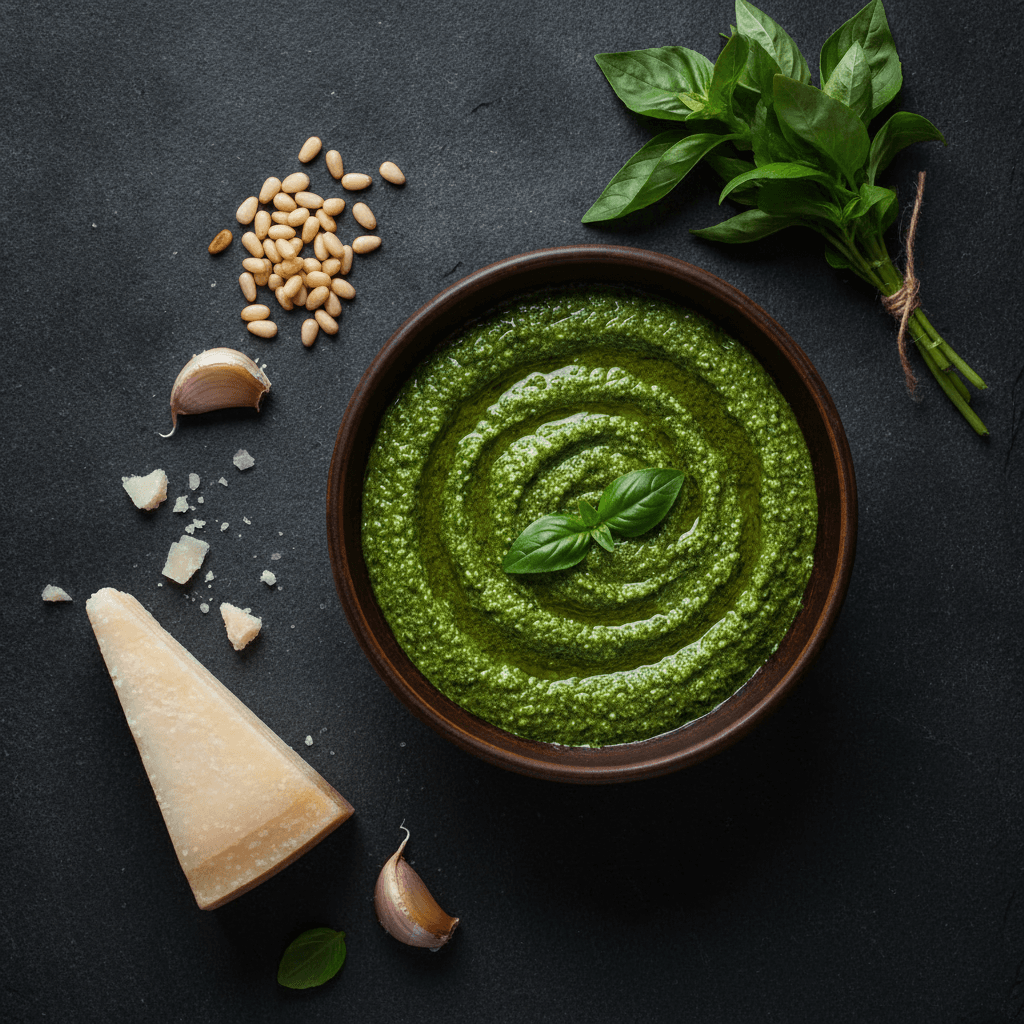
Easy Homemade Pesto (Better Than Store-Bought!)
Learn to make vibrant, authentic homemade pesto in 10 minutes! This budget-friendly recipe is packed with flavor and so much better than the jar.
cookwithyara.com/recipes/homemade-pesto
There’s a beautiful truth in cooking that I hold dear: the most luxurious, soul-satisfying flavors often don’t come from expensive, hard-to-find ingredients. They come from coaxing the absolute best out of simple, humble things. A drizzle of good olive oil, a sun-ripened tomato, a clove of fragrant garlic. And nothing, absolutely nothing, embodies this philosophy more perfectly than a batch of fresh, vibrant, incredibly aromatic homemade pesto.
For years, I think many of us were led to believe that pesto was a gourmet item, something you buy in a tiny, pricey jar at the supermarket. But let me tell you a secret: making it at home is not only ridiculously easy, but it’s one of the most significant kitchen upgrades you can make for both your wallet and your palate. The difference in taste between fresh homemade pesto and its jarred counterpart is like night and day. One is alive with the bright, peppery notes of basil and the rich warmth of garlic; the other is often dull and muted.
We're talking about a sauce that can transform a simple bowl of pasta, a sandwich, or grilled chicken into a restaurant-quality meal, and it costs pennies on the dollar to make yourself. A single batch of this recipe yields a generous amount, with each serving costing significantly less than a single cup of coffee. This isn't just a recipe; it's a strategy for eating beautifully and abundantly on a budget. So, let’s unlock the simple, powerful magic of homemade pesto together.
Why This Recipe Is a Budget Winner
Let's break down the economics of this glorious green sauce. When you stand in the grocery aisle and see the price tag on a small jar of pesto, it can feel like a little luxury. But when you look at the ingredient list, you realize you're paying a premium for convenience, not for rare ingredients. At its heart, homemade pesto is a peasant sauce, born from the ingenuity of making something spectacular from what's fresh and available.
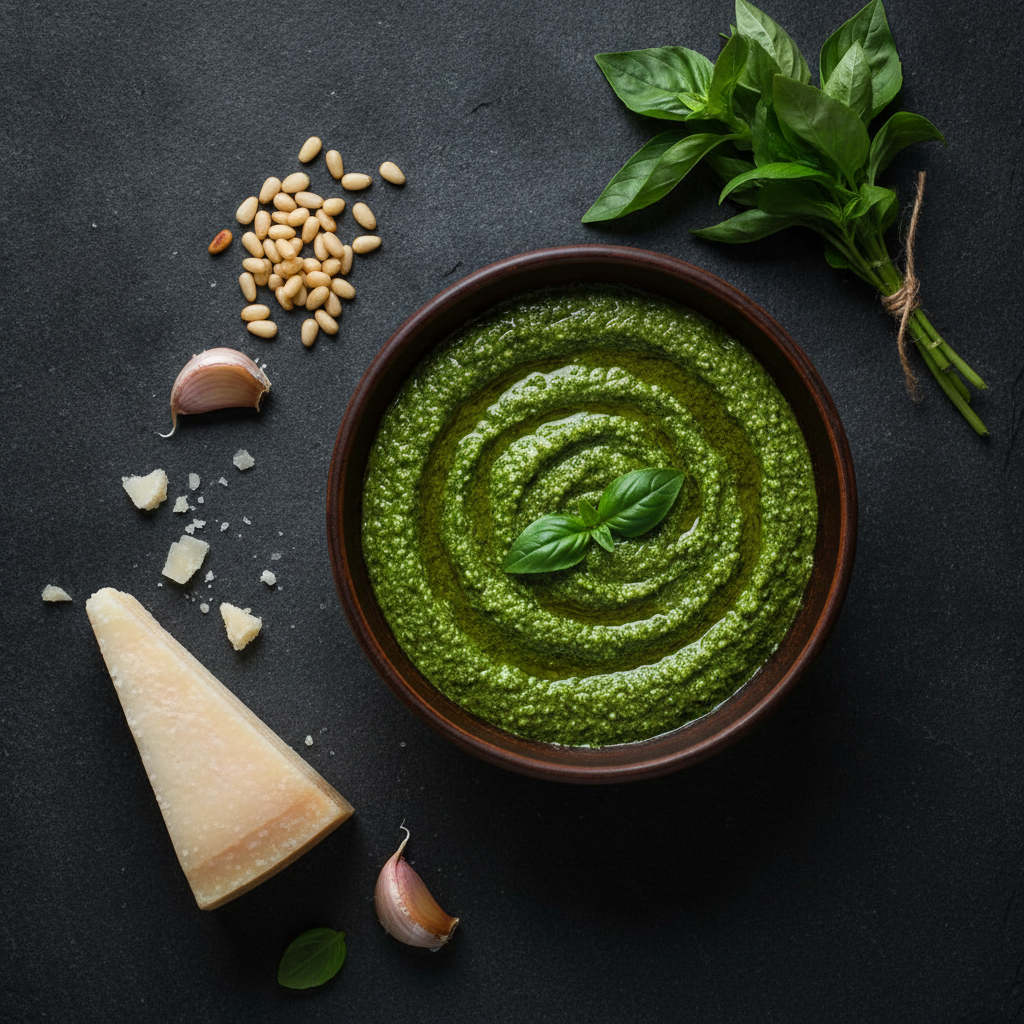
The core components are where the savings begin. Fresh basil, the soul of the sauce, can be grown in a pot on a sunny windowsill for next to nothing. Even buying a large bunch from a local market is far more cost-effective than the tiny plastic clamshells in the refrigerated section. The nuts, often the priciest part, are incredibly flexible. While pine nuts are classic, delicious and affordable alternatives like walnuts or even sunflower seeds work beautifully, slashing the cost dramatically. Garlic, olive oil, and lemon are pantry staples that you likely already have on hand, their cost spread over dozens of meals.
When you make a batch of this homemade pesto, you’re not just making enough for one meal. You’re creating a flavor bomb that can be stretched across an entire week. A couple of spoonfuls tossed with pasta for a quick dinner, a smear on a sandwich for lunch the next day, a dollop into a soup for a burst of freshness. Compare that to a single takeout meal, and the value is undeniable. This recipe isn't just about saving money; it's about investing a little time to create a versatile ingredient that elevates your meals and eliminates food waste by using up fresh herbs before they wilt.
Affordable Ingredients, Maximum Impact
The beauty of homemade pesto lies in its simplicity. Just a handful of ingredients come together to create a symphony of flavor. Understanding each component and how to source it smartly is the key to making this recipe a true staple in your budget-conscious kitchen.
Fresh Basil: This is the non-negotiable star. Its sweet, peppery, and slightly minty aroma is what makes pesto, well, pesto. For the best value, look for large bunches at farmers' markets in the summer or consider a small plant for your kitchen. The flavor of fresh-picked basil is unparalleled.
Nuts (The Smart Swap): Traditionally, pesto is made with pine nuts, which have a delicate, buttery flavor. They can also be quite expensive. My favorite budget-friendly swap is walnuts. They offer a lovely, earthy richness that complements the basil perfectly. Toasted sunflower seeds or almonds are also fantastic, cost-effective alternatives. Toasting them, whichever you choose, is essential—it awakens their oils and deepens their flavor.
Garlic: A humble powerhouse. Two cloves are all you need to add a pungent, spicy kick that balances the richness of the oil and nuts. Always use fresh cloves, not the pre-minced kind in a jar, for the brightest flavor.
Olive Oil: As a cornerstone of Mediterranean cooking, I always advocate for a good extra-virgin olive oil. You don't need the most expensive finishing oil for this, but choose one with a flavor you enjoy, as it's a primary component of the sauce. Buying a larger tin is often more economical than small bottles.
Cheese (Halal-Certified): The cheese adds a salty, savory depth that ties everything together. Look for a good quality Parmesan or Pecorino. It's crucial to check the label to ensure it is made with microbial or vegetable rennet to keep the dish halal. Buying a small wedge and grating it yourself is always cheaper and tastes infinitely better than pre-shredded options, which often contain anti-caking agents.
Lemon Juice: A squeeze of fresh lemon juice is the secret ingredient that makes the pesto taste alive. It cuts through the richness and brightens all the other flavors, preventing the sauce from feeling too heavy. One lemon is all you need.
How to Make It
One of the most rewarding aspects of making homemade pesto is witnessing a few simple ingredients transform into a vibrant, emulsified sauce in minutes. There's no complex cooking, no long simmering times—just pure, fresh flavor, fast. The process can be broken down into four simple, satisfying stages, all happening right in your food processor.
First, we awaken the nuts. Whether you're using classic pine nuts or budget-friendly walnuts, toasting them lightly in a dry skillet is a non-negotiable step. This gentle heat releases their natural oils and deepens their flavor from raw and mild to rich and nutty. You'll know they're ready when they become fragrant and turn a light golden brown. This small step makes a huge difference in the final taste of your homemade pesto.
Next, we build the flavor base. The toasted nuts go into the food processor along with the peeled garlic cloves and a good pinch of salt. Pulsing these ingredients first breaks them down into a coarse, sandy texture. This ensures you don't end up with large, unwelcome chunks of raw garlic in your finished sauce. It’s all about creating an even foundation for the other ingredients to incorporate into.
Then comes the main event: the basil. Pack the fresh basil leaves into the food processor with the nut and garlic mixture. Pulse it again, just until the basil is finely chopped and the mixture looks like a thick, green paste. Now, with the motor running on low, you'll slowly stream in the extra-virgin olive oil. This is the magical moment of emulsification, where the oil combines with the other ingredients to create a smooth, creamy, and cohesive sauce. Pouring it in slowly is key to achieving that perfect, luscious texture.
Finally, we finish the sauce. Turn off the processor and add the grated cheese and fresh lemon juice. A few final pulses are all it takes to incorporate them. This is the time to taste and adjust. Does it need more salt? A little more lemon to brighten it up? This is the joy of homemade—you are in complete control. Your vibrant, fragrant homemade pesto is now ready to elevate any dish you desire.
Stretching It Further
One of the greatest virtues of a large batch of homemade pesto is its incredible versatility. It’s not just a pasta sauce; it’s a culinary secret weapon that can stretch your meals and your budget throughout the week. Thinking beyond the pasta bowl is where the real kitchen creativity begins.
Leftover pesto can be the foundation for an entirely new meal. Mix a generous dollop with some Greek yogurt or labneh to create a creamy, flavorful dip for fresh vegetables or pita bread. It's an instant, elegant appetizer. Spread it on bread for a sandwich that instantly feels gourmet—it pairs beautifully with grilled chicken, roasted vegetables, or fresh mozzarella.
For a quick and satisfying dinner, use your homemade pesto as a marinade. It tenderizes and perfumes chicken, fish, or even tofu before grilling or baking. You can also thin it out with a little extra olive oil and lemon juice to create a vibrant dressing for salads, grain bowls, or roasted potatoes. Imagine transforming simple roasted vegetables into a star side dish with just a drizzle of that bright, herby sauce.
The ultimate strategy for stretching your pesto is freezing it. The best method is to spoon the pesto into an ice cube tray. Once frozen solid, pop out the green cubes and store them in a zip-top bag in the freezer. These little frozen pucks are perfect single-serving portions, ready to be dropped into a pan of hot pasta, stirred into a soup for a burst of freshness, or thawed for a quick sauce anytime. This way, the fresh taste of summer basil can be enjoyed for months, ensuring none of your delicious homemade pesto ever goes to waste.
Smart Swaps and Variations
While the classic basil pesto is a masterpiece in its own right, the formula is wonderfully adaptable. Think of it as a template, ready to be customized based on what's in season, what's in your pantry, or simply what you're in the mood for. These smart swaps can introduce you to new flavor profiles and often make your homemade pesto even more affordable.
Go Green: Basil is classic, but it's not the only green that works. For a peppery, slightly spicy kick, try using arugula. For a milder, more nutrient-dense version, a mix of spinach and basil is fantastic. You can even experiment with a combination of parsley and cilantro for a vibrant, Levantine-inspired twist that’s incredible on grilled meats and grain bowls.
Nut-Free Pesto: If nut allergies are a concern or you're looking for an even cheaper option, seeds are your best friend. Toasted sunflower seeds or pumpkin seeds (pepitas) provide a wonderful texture and a nutty, earthy flavor that beautifully complements the herbs and garlic. They are a direct, easy, and delicious substitute.
Dairy-Free or Vegan Pesto: To make a completely plant-based version, you can simply omit the cheese. To replicate that savory, umami flavor, add a tablespoon or two of nutritional yeast. It has a cheesy, nutty taste that works remarkably well in pesto. You might want to add a tiny bit more salt to compensate for the saltiness of the cheese.
A Touch of Heat: For those who enjoy a little warmth, adding a pinch of red pepper flakes along with the garlic can introduce a lovely, subtle heat that builds in the background. It's a simple addition that adds another layer of complexity to your homemade pesto.
Storage and Reheating
Once you’ve made a beautiful batch of homemade pesto, you'll want to store it properly to preserve its vibrant color and fresh flavor for as long as possible. The main enemy of pesto is oxidation—exposure to air, which can cause the beautiful bright green to darken and dull.
The best way to combat this in the refrigerator is to create a barrier. Transfer your pesto to an airtight container or a glass jar. Before sealing it, pour a thin layer of olive oil over the surface. This layer of oil prevents air from touching the pesto directly, keeping it greener for longer. Stored this way, your homemade pesto will stay fresh and delicious in the fridge for up to a week. The flavors, especially the garlic, will continue to meld and may even taste better on the second day.
Pesto isn't a sauce that you typically “reheat” in a saucepan, as direct heat can cook the fresh basil and dull its flavor. Instead, let the heat of the other ingredients do the work. When using it for pasta, for example, drain your hot pasta, reserving a little of the starchy cooking water. Return the pasta to the warm pot, add your pesto, and a splash of the pasta water. Tossing it all together off the heat will gently warm the sauce and create a creamy coating without compromising its fresh, vibrant character.
For long-term storage, the freezer is your best option. Following the ice cube tray method ensures you have perfectly portioned amounts ready to go. These frozen cubes can be stored in a freezer-safe bag or container for up to six months, offering a taste of summer on a cold evening.
Your Questions Answered
What are the cheapest nuts I can use for homemade pesto?
Walnuts are my top recommendation for a budget-friendly and delicious alternative to pine nuts. Toasted sunflower seeds are another excellent and even more affordable option that also makes the pesto nut-free.
How can I make a big batch of pesto to feed a large family?
This recipe is very easy to scale up. Simply double or triple all the ingredients and use a larger food processor. If your processor is small, you may need to make it in two separate batches to avoid overcrowding it, which can prevent a smooth blend.
What's the absolute best way to freeze pesto to use later?
The ice cube tray method is foolproof. Spoon the pesto into the tray, freeze until solid, and then transfer the cubes to a labeled freezer bag. This prevents you from having to thaw a large block and gives you perfect single-serving portions for quick meals.
My homemade pesto turned brown. How can I stop this from happening?
Browning is caused by oxidation. To prevent it, you can briefly blanch the basil leaves in boiling water for 15 seconds, then immediately plunge them into an ice bath before drying them thoroughly. Alternatively, always top your stored pesto with a thin layer of olive oil to create a protective seal against air.
Can I make homemade pesto without a food processor?
Absolutely! The most traditional way is with a mortar and pestle. It's more labor-intensive but creates a beautiful, rustic texture. You can also achieve a good result by very finely chopping all the ingredients by hand with a sharp knife and then mixing them thoroughly in a bowl while slowly stirring in the olive oil.
Easy Homemade Basil Pesto
A classic, vibrant homemade pesto recipe that comes together in under 10 minutes. Perfect for pasta, sandwiches, and marinades, and so much more flavorful than store-bought.
Prep Time
10 min
Cook Time
0 min
Total Time
10 min
Servings
1.5 cups
Ingredients
For 1.5 cups
- 2 cups fresh basil leaves, packed
- 1/2 cup extra virgin olive oil
- 1/3 cup pine nuts (or walnuts for a budget option), toasted
- 1/2 cup freshly grated Parmesan cheese (ensure it's made with microbial or vegetable rennet)
- 2 cloves garlic, peeled and roughly chopped
- 1 tablespoon fresh lemon juice
- 1/2 teaspoon kosher salt, or to taste
- 1/4 teaspoon black pepper, freshly ground
Instructions
- 1
Toast the Nuts
Place the pine nuts or walnuts in a small, dry skillet over medium heat. Toast for 3-5 minutes, shaking the pan frequently, until they are lightly golden and fragrant. Immediately remove them from the pan to a plate to cool to prevent burning.
- 2
Prepare the Base
In the bowl of a food processor, combine the toasted nuts, chopped garlic, kosher salt, and black pepper. Pulse the mixture 5-7 times until the ingredients are broken down into a coarse, sandy texture.
- 3
Add the Basil
Add the packed fresh basil leaves to the food processor. Secure the lid and pulse another 8-10 times, until the basil is finely chopped and well incorporated with the nut mixture.
- 4
Stream in Olive Oil
Turn the food processor on to its low setting. With the machine running, slowly pour the extra virgin olive oil through the feed tube in a steady stream. Continue processing until the oil is fully incorporated and the pesto is emulsified and smooth.
- 5
Add Cheese and Lemon
Turn off the food processor. Add the freshly grated Parmesan cheese and the fresh lemon juice to the bowl. Secure the lid again.
- 6
Final Pulse
Pulse the mixture just 3-4 more times, only until the cheese and lemon juice are combined. Be careful not to over-process at this stage, as it can make the sauce tough.
- 7
Taste and Adjust
Scrape down the sides of the bowl with a spatula. Taste the pesto and adjust seasoning as needed. You may want to add more salt, pepper, or a squeeze more lemon juice to suit your preference.
- 8
Serve or Store
Your homemade pesto is now ready to be used immediately. Toss with hot pasta, spread on sandwiches, or use as a marinade. To store, transfer it to an airtight container, top with a thin layer of olive oil, and refrigerate.
Nutrition Facts
Per serving (estimated)
120 calories
Calories
1g
Carbs
2g
Protein
12g
Fat
0.5g
Fiber
150mg
Sodium
0.2g
Sugar