The Best Homemade Salsa Recipe (Restaurant-Style)
Learn how to make the best restaurant-style homemade salsa recipe. So fresh and flavorful, you'll never buy store-bought again. Get the easy steps!
cookwithyara.com/recipes/homemade-salsa-recipe
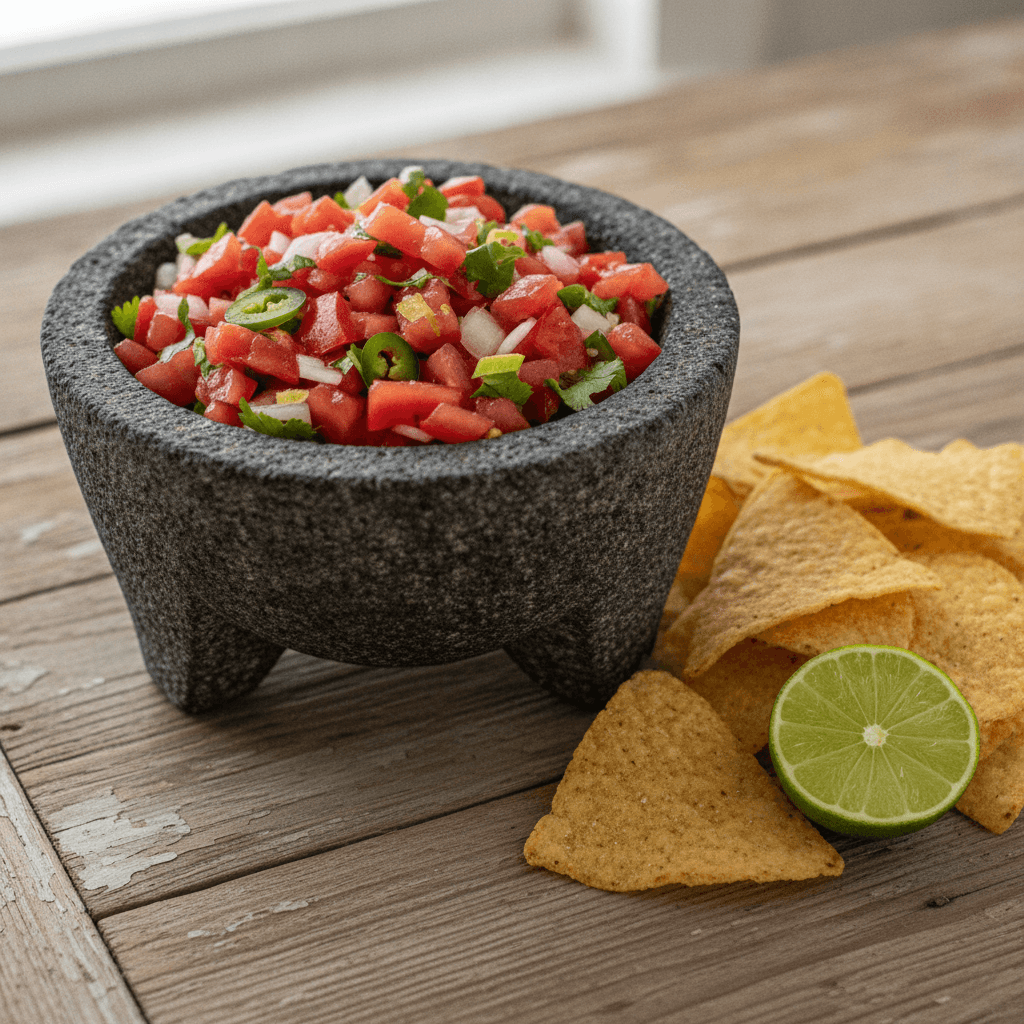
There's a special kind of magic that happens when you place a bowl of truly fresh, vibrant salsa on the table. It’s more than just an appetizer; it’s an invitation. The colors alone—a mosaic of deep ruby red, bright emerald green, and crisp white—command attention. Guests lean in, conversations pause for a moment, and the simple act of dipping a chip becomes an event. This is the power of a truly exceptional homemade salsa recipe, one that tastes as alive and energetic as it looks. It captures the essence of fresh ingredients at their peak, a celebration of flavor that store-bought versions in a jar simply cannot replicate.
For many, the idea of making salsa from scratch might seem either too simple to be special or too complex to bother with. I'm here to tell you it's the beautiful, delicious space in between. This recipe doesn't require intricate knife skills or hours of simmering. Instead, its brilliance lies in the technique—the order of operations, the balance of flavors, and the crucial, non-negotiable step of letting it rest. The result is a salsa with layers of flavor that unfold with each bite: the initial sweetness of the tomato, the sharp hum of onion and garlic, the bright citrusy lift from the lime, and finally, the gentle warmth of jalapeño that lingers just long enough. This is the homemade salsa recipe that will make your table the one everyone wants to gather around.
What Makes This a Showstopper
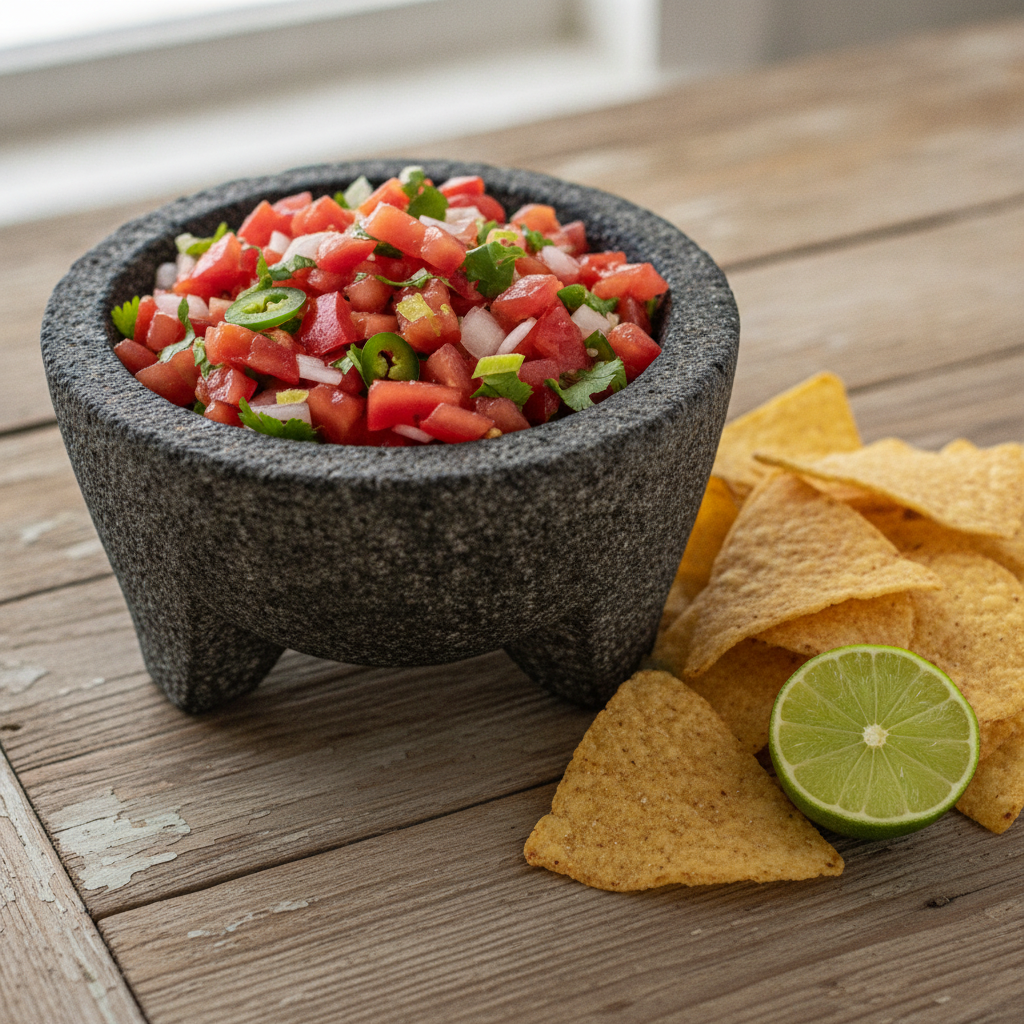
A truly great salsa is a sensory experience, and this homemade salsa recipe is designed to be a showstopper from the moment it’s unveiled. Its visual appeal is undeniable. We eat with our eyes first, and the kaleidoscope of colors is a promise of the freshness contained within. Unlike processed salsas that can look muted and homogenous, this version boasts a dynamic, chunky texture where you can identify each component. You see the juicy pockets of tomato, the finely minced onion, the verdant flecks of cilantro—it looks wholesome, artisanal, and incredibly appetizing.
The flavor journey is just as impressive. The first taste is a burst of bright, clean notes. The natural sweetness of ripe tomatoes hits first, quickly followed by the zesty, acidic punch of fresh lime juice. Then, the aromatics join in: the sharp, pungent notes of white onion and garlic provide a savory backbone, while the cilantro offers its unique, herbaceous perfume. The experience is rounded out by a subtle, earthy warmth from a pinch of cumin and a gentle heat from the jalapeño that builds slowly without overwhelming the palate. It's a beautifully orchestrated balance where no single ingredient shouts over the others; they all sing in harmony.
What truly elevates this homemade salsa recipe to showstopper status is its ability to deliver a restaurant-quality experience with home-cook-friendly methods. It possesses the kind of fresh, vibrant, and perfectly balanced flavor profile you’d expect from a high-end eatery that prides itself on fresh ingredients. Yet, it's created in your kitchen with a food processor and a handful of readily available produce. It’s impressive without being intimidating, proving that the most memorable dishes are often born from simple ingredients treated with respect and understanding. This is the salsa that doesn't just complement the main dish; it often becomes the star of the show.
The Ingredients That Matter Most
While the technique for this homemade salsa recipe is crucial, the final product is only as good as the ingredients you begin with. Quality and freshness are paramount, but that doesn't mean you need to seek out rare or expensive items. It’s about making smart choices. Here are the key players that make all the difference.
Ripe Tomatoes: This is the heart and soul of the salsa. For the best flavor and texture, use Roma tomatoes. They are meaty, have fewer seeds, and a lower water content, which prevents your salsa from becoming soupy. Look for firm, heavy tomatoes with a deep, uniform red color. If you can't find excellent fresh tomatoes, a can of high-quality, fire-roasted diced tomatoes is a fantastic substitute that adds a wonderful smoky depth.
White Onion: While you can use red onion for a slightly sweeter, milder flavor, white onion delivers the classic, sharp bite that defines restaurant-style salsa. Its pungency mellows beautifully when combined with lime juice, providing a clean, crisp flavor that cuts through the richness of any accompanying dish.
Fresh Cilantro: There is no substitute for fresh cilantro. Its bright, citrusy, and slightly peppery flavor is absolutely essential. Look for a bunch with vibrant green leaves and firm stems. The flavor of dried cilantro is a world apart and won't work here. This is the ingredient that makes the salsa taste truly alive.
Fresh Lime Juice: This is another non-negotiable. Bottled lime juice often has a muted or slightly bitter aftertaste. The juice from a fresh lime is brighter, more aromatic, and provides the necessary acidity to bring all the other flavors into sharp focus. It acts as a natural enhancer, making everything taste more vibrant.
Jalapeño Pepper: For that signature warmth, a fresh jalapeño is perfect. The beauty of making your own salsa is that you control the heat. For a mild salsa, be sure to remove all the white membranes and seeds, as that’s where most of the capsaicin is concentrated. For more kick, leave a few seeds in.
Garlic: Always use fresh cloves of garlic. Their pungent, complex flavor is far superior to the flat taste of garlic powder. Two cloves provide a robust backbone of flavor without being overpowering.
Cumin: A touch of ground cumin is my secret weapon. It’s a nod to my Levantine roots, adding an earthy, warm, and slightly smoky undertone that provides incredible depth and complexity. It’s what makes people ask, “What is that amazing flavor in your salsa?” This simple spice transforms a good homemade salsa recipe into a great one.
Building It Step by Step
The magic of this homemade salsa recipe isn't just in the ingredients, but in the assembly. The order in which you combine things matters immensely, as it allows flavors to build upon each other in a deliberate, harmonious way. Think of it less as simply mixing ingredients and more as conducting a small orchestra of flavors. We’ll achieve the perfect texture using a food processor, which does the work of fine mincing while creating that signature restaurant-style consistency that is neither a watery purée nor a chunky pico de gallo.
First, we build the aromatic base. The onion, garlic, and jalapeño go into the food processor first, along with the fresh lime juice. Giving these ingredients a few pulses together before adding anything else is a critical step. The acidity of the lime juice begins to “cook” the aromatics, a process known as maceration. This tames the raw, harsh bite of the onion and garlic, mellowing them into a more refined and palatable flavor that melds seamlessly into the background.
Next, we introduce the star: the tomatoes. Add them to the minced aromatic base and pulse carefully. This is the moment where you define the salsa's texture. You want to pulse just enough to break the tomatoes down into small, irregular pieces, releasing some of their juice to form the body of the salsa. Be vigilant here—a few pulses too many can turn your beautifully textured salsa into a thin sauce. It’s always better to under-process and check than to go too far.
Once the tomatoes have reached the desired consistency, it's time for the fresh herbs. The cilantro is added last for a very specific reason: it’s delicate. You want to preserve its bright, fresh flavor and vibrant green color. Add the cilantro and pulse just one or two more times—literally for a second—just to chop and incorporate it. Over-processing cilantro will bruise the leaves, turning them a muddy green and imparting a bitter taste.
Finally, we season and finish. With the salsa now in a bowl, stir in the salt and cumin. The salt will not only season the salsa but will also draw more moisture out of the vegetables, helping all the flavors to mingle and marry. This is also when I like to add a drizzle of good quality extra virgin olive oil, a Mediterranean touch that adds a subtle richness and silky mouthfeel. The last step is the most important: let it rest. Give the salsa at least 30 minutes for the flavors to meld into the cohesive, delicious masterpiece you set out to create. This resting period is what transforms a simple mix of ingredients into a truly spectacular homemade salsa recipe.
Presentation and Plating Tips
Once you’ve crafted the perfect homemade salsa recipe, its presentation deserves just as much thought. A beautiful presentation elevates the dining experience, honoring the freshness of the ingredients and the care you put into making it. It turns a simple dip into a centerpiece that beckons everyone to the table.
The choice of serving vessel is your first opportunity to make an impression. Instead of a standard kitchen bowl, consider something with character. A rustic, dark stone molcajete (even if you didn't prepare the salsa in it) provides a stunning, textural contrast to the salsa's vibrant colors. A simple, beautifully glazed ceramic bowl in a complementary color like deep blue or earthy terracotta also works wonderfully. The goal is to choose a bowl that feels special and frames the salsa like a work of art.
Garnishes are the final flourish. While this salsa is a star on its own, a simple, thoughtful garnish can add a professional touch. A small, central sprig of fresh cilantro is classic and effective. You could also reserve a few finely diced pieces of white onion and tomato to sprinkle over the top just before serving, adding a fresh textural element. For a touch of elegance inspired by Mediterranean plating, a very light drizzle of your finest extra virgin olive oil over the surface will create a beautiful sheen and add a final layer of rich flavor.
Think beyond the bowl as well. How you present the accompaniments matters. Arrange tortilla chips, warm pita wedges, or colorful vegetable crudités artfully on a large platter or wooden board around the salsa bowl. This creates a sense of abundance and invites communal dipping. When it's time to capture a photo, natural light is your best friend. Position the salsa near a window and shoot from a low angle to capture its texture and depth, or from directly above for a beautiful flat lay that showcases the entire spread. A well-presented homemade salsa recipe is not just food; it’s an expression of hospitality.
Scaling Up for a Crowd
One of the best qualities of this homemade salsa recipe is how easily and gracefully it scales up to serve a large gathering. Whether you're hosting a family get-together or contributing to a potluck, making a large batch is straightforward and incredibly rewarding. The key to success when multiplying the recipe is a smart prep strategy that saves you time and ensures consistent, delicious results without any last-minute stress.
First, do your prep work in advance. Most of the components can be prepared the day before. You can finely dice the onions, chop the jalapeños, and mince the garlic. Store them in separate airtight containers in the refrigerator. You can even juice the limes. This breaks the work into manageable chunks. The only ingredients you should wait to process until the day of are the tomatoes and cilantro, as their texture and freshness are best when handled just before assembly.
When you're ready to assemble, work in batches if your food processor is not large enough to handle the full quantity at once. It’s better to process two or three smaller, identical batches than to overload the machine. Overfilling a food processor prevents the blades from working efficiently, resulting in an uneven chop with large chunks alongside a watery purée. By working in batches, you maintain complete control over the final texture, ensuring every portion of your homemade salsa recipe is perfect.
Finally, consider the timing of the final assembly. For the absolute best flavor, combine all the components in a large, non-reactive bowl about 2 to 4 hours before your guests arrive. This gives the salsa the perfect amount of time for the flavors to meld and deepen without losing the fresh, vibrant edge of the cilantro. Making it too far in advance (like a full day ahead) can cause the vegetables to soften too much. A few hours is the sweet spot for a crowd-pleasing salsa that tastes both complex and incredibly fresh.
Storing Any Leftovers
While this homemade salsa recipe is so delicious that leftovers might be a rare occurrence, knowing how to store it properly will ensure it stays fresh and flavorful for as long as possible. Proper storage preserves not only the taste but also the texture, which is so crucial to a great salsa experience.
The best way to store leftover salsa is in an airtight container in the refrigerator. A glass jar or container with a tight-fitting lid is ideal, as glass is non-reactive and won't absorb the flavors or colors from the salsa, unlike some plastics. Stored this way, your salsa will remain delicious for up to five days. In fact, many people find that the flavor is even better on the second day, as the ingredients have had even more time to meld and mature. The garlic and onion notes will become a bit more pronounced, and the overall flavor profile will be deeper.
After a day or two, you may notice some liquid separating and pooling at the top. This is perfectly normal; it’s just water being drawn out of the tomatoes by the salt. Simply give the salsa a good stir to reincorporate the juices before serving. If you find it has become a bit too watery for your liking, you can carefully pour off a small amount of the excess liquid from the top. To revive its brightness after a couple of days in the fridge, a fresh squeeze of lime juice just before serving can work wonders, reawakening all those vibrant flavors.
While freezing is an option for long-term storage, it’s not recommended if you plan to serve the salsa again for dipping. The freezing and thawing process drastically changes the cellular structure of fresh vegetables like tomatoes and onions, resulting in a much softer, watery texture. However, frozen salsa is an excellent ingredient for cooking! You can freeze it in ice cube trays and then transfer the cubes to a freezer bag. These salsa cubes are perfect for adding a burst of flavor to soups, stews, or when sautéing ground meat.
Variations to Explore
Once you've mastered this classic homemade salsa recipe, you can use it as a canvas for endless culinary creativity. The basic formula is a perfect starting point for exploring new flavor combinations and textures. Here are a few of my favorite variations to inspire your next batch.
Smoky Roasted Tomato Salsa: This is a game-changer. Instead of using fresh raw tomatoes, halve them along with the onion and leave the jalapeño and garlic whole. Place them on a baking sheet and broil for 5-7 minutes, until they are beautifully charred in spots. Let them cool slightly, then proceed with the recipe as written. The charring process adds an incredible smoky depth and a subtle sweetness that makes the salsa irresistibly complex.
Sweet and Spicy Mango Salsa: For a taste of the tropics, introduce some fruit. Finely dice one ripe but firm mango and fold it into the finished salsa. The mango’s juicy sweetness provides a beautiful contrast to the savory aromatics and the heat of the jalapeño. This variation is particularly wonderful served alongside grilled fish or chicken.
Hearty Corn and Bean Salsa: To transform your salsa into a more substantial appetizer or side dish, stir in a cup of grilled or roasted corn kernels and a cup of rinsed black beans. The corn adds a pop of sweetness and texture, while the beans make it heartier and add plant-based protein. It's almost a side salad and a dip in one, perfect for a filling and flavorful offering.
Vibrant Salsa Verde: Swap the red tomatoes for an equal weight of tomatillos. Remove their papery husks, rinse them well, and boil or broil them until soft and slightly changed in color. Then, blend them with the same core ingredients: onion, cilantro, jalapeño, and lime. The result is a tangy, zesty green salsa with a completely different but equally delicious flavor profile.
The Quick Weeknight Version: When you're short on time but craving that homemade flavor, turn to the pantry. A 28-ounce can of high-quality fire-roasted diced tomatoes (undrained) can stand in for the fresh ones. Simply add the canned tomatoes to the food processor after you've pulsed the aromatics and proceed with the recipe. It comes together in minutes and is still leagues better than anything from a jar, making it a perfect weeknight homemade salsa recipe.
Questions You Might Have
Can I make this salsa ahead of time?
Absolutely! In fact, this homemade salsa recipe benefits from a little time for the flavors to meld. Making it a few hours ahead of serving is ideal. You can make it up to 24 hours in advance and store it in an airtight container in the refrigerator, though the cilantro’s flavor will be at its most vibrant within the first few hours.
My salsa is too watery. How can I fix it?
This can happen, especially if using very juicy tomatoes. To fix it, you can simply strain the salsa through a fine-mesh sieve to remove some excess liquid. For future batches, you can salt your chopped tomatoes in a colander and let them drain for about 15-20 minutes before adding them to the food processor. This will draw out a significant amount of water beforehand.
How can I adjust the spice level?
The heat in peppers is concentrated in the seeds and the white pith or membranes. To make the salsa milder, be sure to remove all of them from your jalapeño. For a medium heat, leave a few seeds in. If you want a spicier salsa, you can add more of the seeds or use a hotter pepper, like a serrano.
What if I don't have a food processor?
No problem at all! You can still make a fantastic homemade salsa recipe by hand. You'll just need to put your knife skills to work. Finely mince the onion, garlic, and jalapeño, and chop the tomatoes and cilantro to your desired size. This method will result in a chunkier salsa, often called pico de gallo, which is equally delicious and fresh.
What are the best tomatoes to use for this homemade salsa recipe?
Roma tomatoes are generally the best choice because they are dense and meaty with fewer seeds and less water content, which helps create a thicker salsa. However, any ripe, flavorful garden tomato will work beautifully. The most important thing is to use tomatoes that taste good on their own.
Is it okay to use dried herbs instead of fresh?
For this particular recipe, fresh herbs are essential, especially the cilantro. Dried cilantro has a very different, much weaker flavor profile and will not provide the bright, fresh taste that is the hallmark of a great salsa. It's worth a trip to the store for a fresh bunch—it truly makes all the difference.
Restaurant-Style Homemade Salsa
A vibrant and incredibly fresh homemade salsa recipe with ripe tomatoes, crisp onion, cilantro, and a hint of lime. Perfect for dipping and gatherings.
Prep Time
15 min
Cook Time
0 min
Total Time
45 min
Servings
4-6 servings
Ingredients
For 4-6 servings
- 1 lb ripe Roma tomatoes (about 4-5), quartered
- 1/2 medium white onion, coarsely chopped
- 1 jalapeño pepper, seeds and membrane removed for less heat, coarsely chopped
- 2 cloves garlic, peeled
- 1 cup fresh cilantro, lightly packed, thick stems removed
- 1 whole lime, juiced (about 2 tablespoons)
- 1/2 teaspoon ground cumin
- 1/2 teaspoon fine sea salt, plus more to taste
- 1/4 teaspoon granulated sugar (optional, to balance acidity)
- 1 tablespoon extra virgin olive oil (optional, for richness)
Instructions
- 1
Prepare the Aromatic Base
In the bowl of a food processor, combine the coarsely chopped white onion, jalapeño, and peeled garlic cloves. This mixture will form the pungent and flavorful foundation of your salsa.
- 2
Add Acidity to Mellow
Squeeze the juice of one whole lime directly into the food processor over the onion mixture. The acid from the lime will begin to mellow the raw bite of the aromatics as you prepare the other ingredients.
- 3
Pulse the Aromatics
Secure the lid and pulse the onion, jalapeño, and garlic mixture 4-5 times until it reaches a fine mince, but not a paste. Scrape down the sides of the bowl with a spatula to ensure everything is evenly processed.
- 4
Process the Tomatoes
Add the quartered Roma tomatoes to the food processor with the minced aromatics. Pulse another 5-7 times, until the tomatoes are broken down but still have some desirable texture. Avoid over-processing to prevent a soupy consistency.
- 5
Incorporate Fresh Cilantro
Add the packed cup of fresh cilantro to the bowl. Pulse just 2-3 more times, only until the cilantro is roughly chopped and mixed in. Over-mixing will bruise the herb and dull its vibrant, fresh flavor.
- 6
Season Thoughtfully
Transfer the mixture to a separate bowl. Sprinkle in the ground cumin, fine sea salt, and the optional sugar. The sugar helps to balance the acidity of tomatoes that may not be perfectly in season.
- 7
Add Richness (Optional)
For a Mediterranean touch that adds a lovely, silky mouthfeel, drizzle in the tablespoon of extra virgin olive oil. Stir gently to combine everything.
- 8
Taste and Adjust
Using a chip or spoon, taste the salsa and adjust the seasonings as needed. It might need another pinch of salt to amplify the flavors or an extra squeeze of lime juice to brighten it up.
- 9
Rest and Meld Flavors
This is a crucial step for the best flavor. Cover the bowl and let the salsa rest at room temperature for at least 30 minutes. This allows all the individual flavors to marry into a cohesive, delicious whole.
- 10
Final Stir and Serve
Before serving, give the salsa a final stir to reincorporate any juices that may have settled. Serve chilled or at room temperature with your favorite tortilla chips, pita bread, or fresh vegetables.
Nutrition Facts
Per serving (estimated)
35 calories
Calories
6g
Carbs
1g
Protein
1g
Fat
2g
Fiber
210mg
Sodium
4g
Sugar