Perfect Lobster Cakes Recipe (Easy & Elegant)
Learn to make the best lobster cakes! This easy recipe uses minimal filler, letting the sweet lobster shine. Perfect for a special, yet simple, dinner.
cookwithyara.com/recipes/lobster-cake
There is a quiet joy in creating a truly spectacular meal with minimal fuss and even less cleanup. We often associate show-stopping dishes with a mountain of pots and pans, a whirlwind of activity, and a kitchen that looks like a storm has passed through. But I'm here to tell you that some of the most elegant, most memorable meals come together in the gentle sizzle of a single skillet. This is the magic we are channeling today with this recipe for perfect, golden-brown Lobster Cakes. They are the epitome of simple luxury, a dish that whispers of coastal breezes and special occasions, yet is straightforward enough for a quiet weeknight treat.
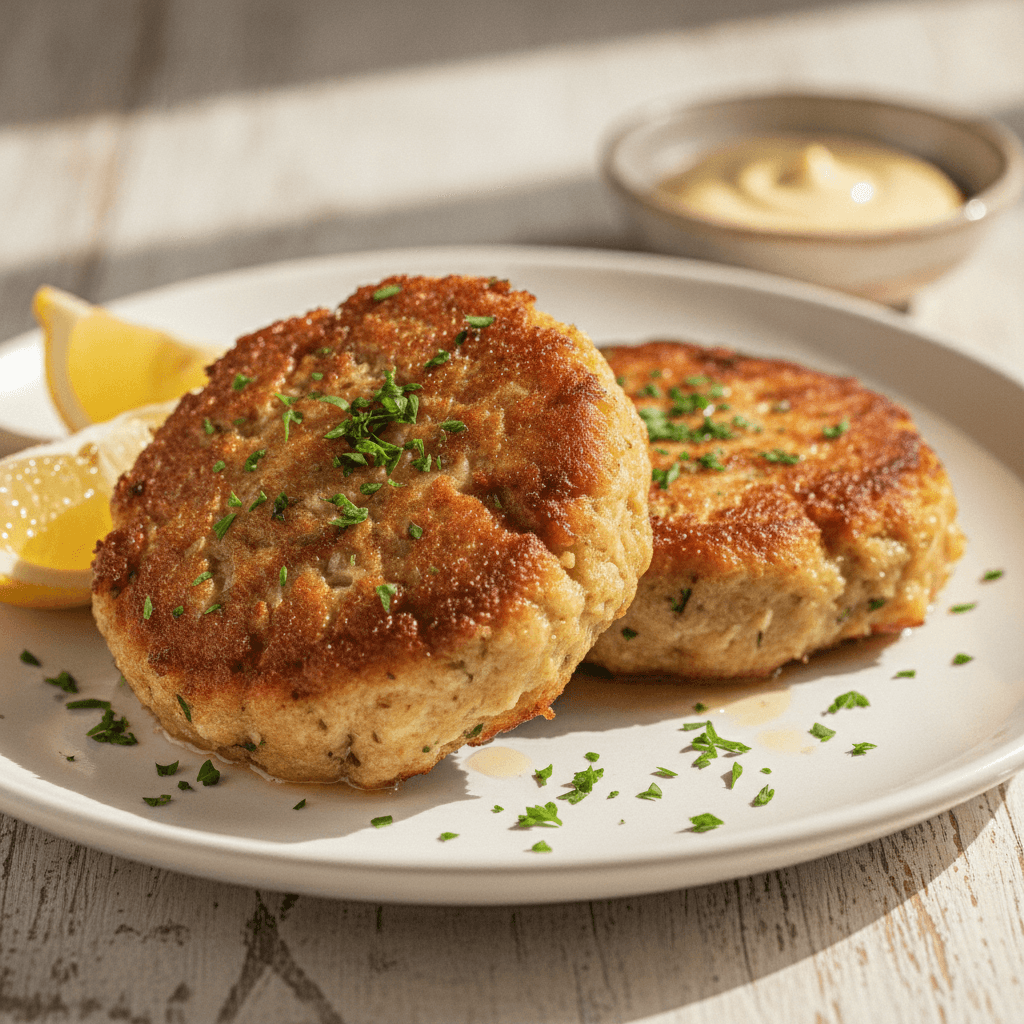
Imagine pulling these gorgeous Lobster Cakes from the pan. The crust is a beautiful, deep golden-brown, impossibly crisp and fragrant with the nutty aroma of browned butter and sweet lobster. Inside, the texture is completely different: tender, succulent morsels of lobster meat, bound together so lightly you’ll wonder how they hold their shape. They aren't dense or bready; they are delicate, moist, and bursting with the pure, unadulterated flavor of the sea. This is a recipe that proves you don’t need a complicated process to achieve a profound result. With one pan, a handful of fresh ingredients, and a little bit of technique, you can create a meal that truly feels like a gift.
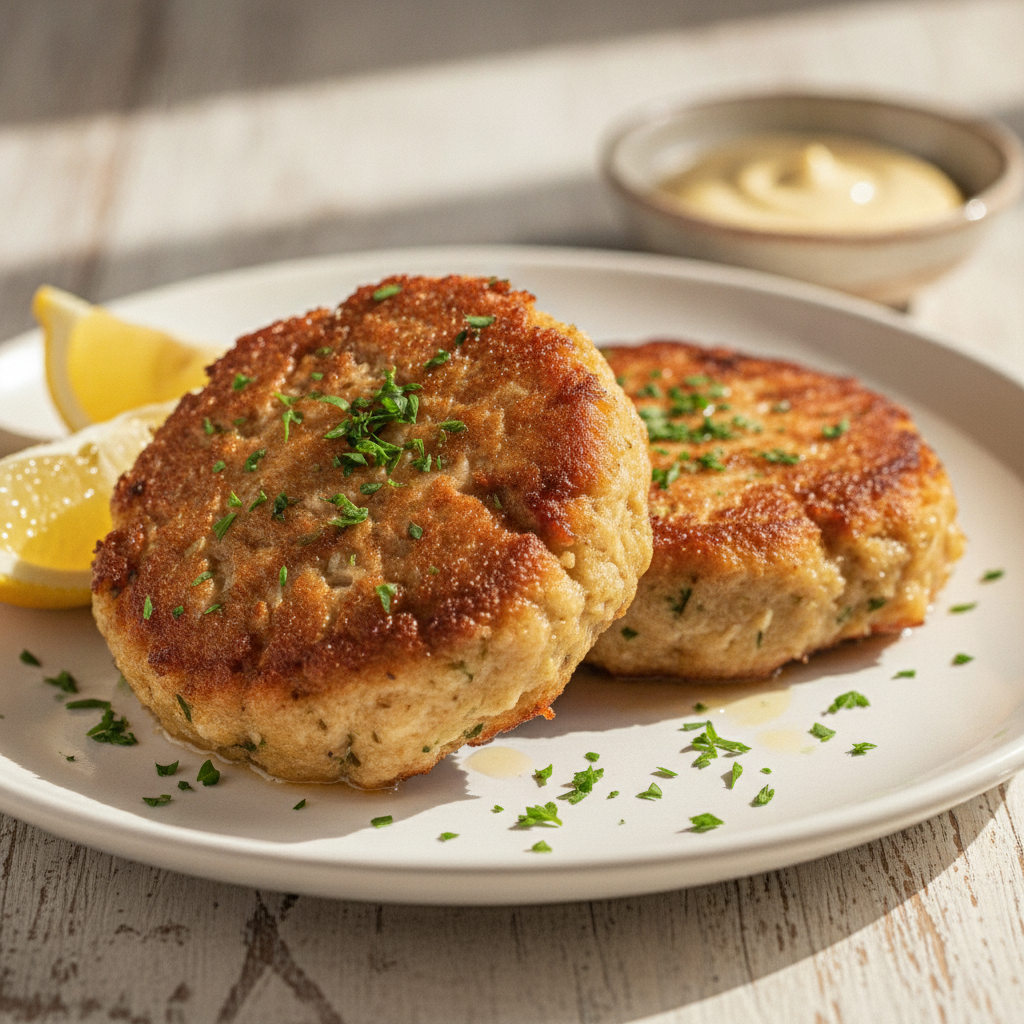
The One-Skillet Philosophy
When we talk about one-pan cooking, our minds often jump to sprawling sheet-pan dinners. While I adore that method, there's another, more focused kind of one-pan philosophy that I find deeply satisfying: the art of the skillet. A single, heavy-bottomed skillet is one of the most powerful tools in your kitchen. It's an arena where heat, fat, and ingredients meet to create pure alchemy. This approach isn't about tossing everything in at once; it's about control, precision, and building layers of flavor in one contained space.
For a dish like our Lobster Cakes, the skillet is everything. It's where we achieve the Maillard reaction, that beautiful chemical process that turns a pale, soft patty into a golden, crisp-crusted cake with incredible savory depth. As the butter and oil heat, and the cakes make contact, a complex series of reactions creates hundreds of new aroma and flavor compounds. This is the flavor you simply cannot get from baking or steaming. Furthermore, any tiny bits that stick to the bottom of the pan—the fond—are concentrated flavor bombs. While we don't make a pan sauce for this specific recipe, understanding that principle is key to great skillet cooking. This method is both efficient and intelligent, focusing all your attention and the energy of your stove on creating that perfect, irresistible crust.
What Goes In a Perfect Lobster Cake
Crafting the ultimate lobster cake is an exercise in restraint. The goal is to complement and elevate the star ingredient, not to mask it. Every single component in this recipe is chosen with purpose, to build a final product that is light, flavorful, and all about the lobster. It’s a delicate balance of texture, moisture, and seasoning.
First, the Lobster Meat. This is the heart and soul of the dish. I recommend using cooked lobster meat, which you can often find pre-steamed or frozen. A mix of claw, knuckle, and tail meat provides a wonderful variety of textures. The most important rule? Do not shred it or mince it into a paste! A coarse chop that leaves discernible, sweet chunks is essential for that luxurious mouthfeel. You want to know, with every bite, that you are eating lobster.
Next, our binders: Mayonnaise and an Egg. A high-quality mayonnaise adds necessary fat for moisture and a subtle tang that brightens the flavor. The egg acts as the primary structural binder, its proteins coagulating when heated to hold the delicate cakes together. Together, they create a rich, creamy base without weighing the mixture down.
For texture, we turn to Panko Breadcrumbs. This is non-negotiable for me. Unlike fine, dense traditional breadcrumbs, Japanese-style panko is made from crustless bread, resulting in lighter, flakier crumbs. In the mix, they absorb excess moisture without becoming gummy, and on the outside, they help create an unbelievably light and crispy crust. They provide structure, not filler.
Our aromatics are fresh and simple. Finely minced shallot offers a delicate, sweet oniony note that's less assertive than a regular onion. Fresh parsley brings a clean, green, peppery brightness that cuts through the richness. These are classic pairings that work in beautiful harmony with the sweet seafood.
Finally, the seasonings that tie it all together. A touch of Dijon mustard adds a sharp, tangy complexity. A generous squeeze of fresh lemon juice is essential for acidity, waking up all the other flavors. And my secret weapon, a pinch of smoked paprika, which lends a beautiful warm color and a subtle, smoky depth that makes the lobster cakes taste even richer. When combined with a simple searing in olive oil and unsalted butter, these ingredients come together to create a truly memorable lobster cake experience.
Assembly and Cooking Your Lobster Cakes
The journey from a bowl of simple ingredients to a platter of perfect lobster cakes is a gentle one, requiring a light touch and a bit of patience. The process itself is straightforward, but how you handle the mixture at each stage makes all the difference between a delicate, succulent cake and a dense, heavy puck.
Your first step is to combine the wet ingredients and seasonings in a large bowl. Whisk together the mayonnaise, egg, Dijon mustard, lemon juice, smoked paprika, salt, and pepper until you have a smooth, creamy base. This ensures that the flavor is evenly distributed throughout the entire mixture before the delicate lobster is introduced. Next, stir in the finely minced shallot and fresh parsley. Now for the most crucial part: gently folding in the ingredients. Add your coarsely chopped lobster meat and the panko breadcrumbs to the bowl. Using a rubber spatula, carefully fold everything together. Your goal is to coat every piece of lobster and moisten all the panko, but with as few movements as possible. Over-mixing will break down the tender lobster meat, ruining the texture we're working so hard to preserve.
Once combined, the mixture needs to rest. Cover the bowl and chill it in the refrigerator for at least 30 minutes, or up to a few hours. This step is absolutely vital. Chilling allows the panko to properly hydrate and the egg and mayonnaise to bind everything together, making the mixture much firmer and easier to shape. It’s the secret to ensuring your lobster cakes don’t fall apart in the pan.
When you're ready to cook, it's time to choose your vessel. A heavy-bottomed skillet, either cast iron or stainless steel, is your best friend here. These materials retain and distribute heat exceptionally well, which is key for developing an even, golden-brown crust. Place the skillet over medium heat and add a combination of olive oil and a knob of unsalted butter. The oil prevents the butter from burning too quickly, while the butter provides that unparalleled rich flavor and beautiful browning. While the pan heats, gently form the chilled mixture into patties, about one inch thick. Don’t compact them too tightly. Place them carefully into the sizzling pan, ensuring you don't overcrowd it; cook in batches if you must. Let them sear, undisturbed, for 3-5 minutes, until a deep golden crust forms. Flip once, carefully, and cook for another 3-5 minutes. The result will be a platter of the most magnificent lobster cakes you've ever made.
Secrets for Flawless Lobster Cakes
Achieving that restaurant-quality lobster cake at home comes down to a few key techniques. These small details can elevate your dish from good to absolutely unforgettable. Mastering them will ensure your cakes are perfectly cooked, with a crisp exterior and a tender, flavorful interior every single time.
First, Respect the Lobster's Texture. The single biggest mistake is over-processing the lobster meat. Whether you’re starting with whole cooked lobster or pre-packaged meat, aim for a coarse chop. You want pieces that are roughly the size of a pea or a small bean. This ensures that every bite has that distinct, satisfying chew of real lobster, rather than melting into a uniform, pasty texture. Remember, it's a lobster cake, not a lobster purée.
Second, Minimal Filler is the Golden Rule. We're using panko breadcrumbs for a reason—they provide structure without adding density or a bready flavor. Resist the temptation to add more breadcrumbs if the mixture feels a little loose before chilling. The goal is to use just enough to bind the ingredients. This philosophy ensures the sweet, delicate flavor of the lobster remains the undisputed star of the show.
Third, and I cannot stress this enough, The Chill Time is Non-Negotiable. Skipping the 30-minute chilling period is a recipe for disaster. This rest time allows the binders to work their magic. The panko absorbs moisture, the egg proteins begin to set, and the fats firm up. This chemical process is what gives the cakes stability, preventing them from crumbling into a sad heap the moment they hit the hot pan.
Fourth, Master the Single, Confident Flip. Place the cakes in the hot skillet and leave them alone. Don’t poke, prod, or nudge them. Let them form a solid, golden crust. This crust not only adds incredible flavor and texture but also contributes to the cake’s structural integrity. When you see the edges turning a deep golden brown, use a thin, flexible spatula (a fish spatula is ideal) to get underneath and flip them confidently, just once. A single flip ensures a perfect crust on both sides without risking a breakup.
Finally, Don't Press the Cakes! It can be tempting to press down on the sizzling patties with your spatula, but please resist the urge. Pressing a lobster cake does not help it cook faster. All it does is squeeze out the precious moisture and fats that keep the interior succulent and tender, resulting in a dry, dense final product. Trust the process, trust the heat, and let the skillet do its work.
Rounding Out the Meal
A beautifully seared lobster cake is a masterpiece on its own, but the right accompaniments can turn it into a truly complete and balanced meal. Because the cakes are so rich and flavorful, I love to pair them with sides that are fresh, bright, and simple, providing a lovely contrast in both texture and taste. My Mediterranean-inspired approach favors clean flavors that won't overshadow the main event.
A creamy, tangy sauce is practically essential. My go-to is a simple Lemon-Dill Aioli. You can whisk it up in minutes while the lobster mixture is chilling. Simply combine good quality mayonnaise, a minced garlic clove, a generous amount of chopped fresh dill, the zest and juice of a lemon, and a pinch of salt. It’s cool, zesty, and the perfect creamy counterpoint to the crispy cake.
For a touch of green, nothing beats a simple salad. A bed of peppery arugula or mixed greens tossed in a light lemon vinaigrette is all you need. The acidity of the dressing cuts through the richness of the lobster and butter, cleansing the palate with each bite. For something a bit more substantial, a side of steamed or lightly sautéed asparagus spears drizzled with olive oil and a sprinkle of sea salt is an elegant and delicious choice.
If you'd like to add a grain, consider a light and fluffy side. A simple pearl couscous salad, tossed with chopped fresh parsley, mint, and a squeeze of lemon, adds a wonderful texture and fresh, herbaceous flavor that complements the seafood beautifully. The goal is to create a plate where every element has a purpose, working together in harmony to celebrate the magnificent lobster cake at its center.
Leftovers and Next-Day Ideas
While a fresh-from-the-pan lobster cake is a thing of beauty, leftovers can be just as delightful if handled with a little care. Proper storage and reheating are key to preserving their wonderful texture and flavor for a second-day treat.
To store, allow the cooked cakes to cool completely to room temperature. This prevents condensation from forming in the container, which would make them soggy. Arrange them in a single layer in an airtight container, perhaps with a piece of parchment paper between layers if you need to stack them. They will keep well in the refrigerator for up to two days.
When it comes to reheating, step away from the microwave. The intense heat of a microwave will overcook the delicate lobster and turn the crispy coating into a soft, rubbery mess. The best method is to use a skillet. Add a very small amount of oil or butter to a non-stick or cast-iron skillet over medium-low heat. Gently warm the cakes for a few minutes on each side until they are heated through and the crust has crisped up again. An air fryer also works wonderfully for this, reviving the crispiness in just a few minutes at around 350°F (175°C).
As for repurposing, a leftover lobster cake is a fantastic building block. Crumble one over a hearty salad for a luxurious lunch. Tuck a whole cake into a toasted brioche slider bun with a dollop of your lemon-dill aioli for an incredible mini-sandwich. Or, for a truly decadent meal, gently break a cake apart and toss it with hot pasta, a splash of cream, and fresh parsley for an instant, elegant pasta dish.
Answers to Your Questions
Can I use frozen lobster meat?
Absolutely! Frozen cooked lobster meat is a convenient and excellent choice for this recipe. The most important step is to thaw it completely and correctly. The best way is to let it thaw overnight in the refrigerator. Before using, gently squeeze out any excess water and pat the meat thoroughly dry with paper towels. Removing this excess moisture is crucial to prevent the lobster cakes from becoming watery and falling apart.
Why are my lobster cakes falling apart?
This is the most common issue, and it usually comes down to one of three things. First, the mixture might be too wet, often from not drying the lobster meat properly. Second, you may have skipped or shortened the crucial chilling step, which is essential for binding the cakes. Finally, the pan might not have been hot enough, or you tried to flip them too early before a solid crust had a chance to form.
What's the best pan for searing?
A heavy-bottomed skillet is your best option. Cast iron is my personal favorite because it holds and distributes heat incredibly evenly, giving you a beautiful, uniform golden crust. A thick, high-quality stainless steel pan is also a fantastic choice. I would avoid thin, lightweight non-stick pans, as they often don't get hot enough or hold their heat well, which can lead to steaming the cakes rather than searing them.
Can I make these lobster cakes ahead of time?
Yes, this is a great recipe to prep in advance. You can prepare the lobster cake mixture, form the patties, and place them on a parchment-lined tray. Cover them tightly and refrigerate for up to 4-6 hours before you plan to cook them. This actually helps them hold their shape even better. Just take them straight from the fridge to the hot pan when you're ready to eat.
Are there any good substitutions for panko breadcrumbs?
While I firmly believe panko provides the best light and crispy texture, you can substitute it in a pinch. The best alternative would be crushed saltine or other plain crackers. Pulse them in a food processor until they are coarse crumbs, not fine dust. Avoid using traditional fine, dry breadcrumbs, as they will absorb too much moisture and can make the finished lobster cake dense and bready.
Simple and Elegant Lobster Cakes
Luxurious yet easy lobster cakes with minimal filler, showcasing tender lobster meat. Pan-seared to golden perfection and perfect for a special, yet simple, dinner.
Prep Time
20 min
Cook Time
10 min
Total Time
1h
Servings
4 servings
Ingredients
For 4 servings
- 1 lb cooked lobster meat, patted dry and coarsely chopped
- 1/2 cup panko breadcrumbs
- 1/3 cup high-quality mayonnaise
- 1 large egg, lightly beaten
- 1 small shallot, finely minced (about 2 tablespoons)
- 2 tablespoons fresh parsley, finely chopped
- 1 tablespoon fresh lemon juice
- 1 teaspoon Dijon mustard
- 1/4 teaspoon smoked paprika
- 1/4 teaspoon fine sea salt
- 1/8 teaspoon black pepper
- 1 tablespoon olive oil
- 1 tablespoon unsalted butter
Instructions
- 1
Prepare the Lobster Meat
Ensure your cooked lobster meat is thoroughly patted dry with paper towels to remove excess moisture. Coarsely chop the meat into pea-sized pieces; you want noticeable texture, not a paste.
- 2
Combine Wet Ingredients
In a large bowl, whisk together the mayonnaise, lightly beaten egg, Dijon mustard, and fresh lemon juice. Continue whisking until the mixture is smooth and well combined.
- 3
Add Aromatics and Seasonings
Stir the finely minced shallot, chopped fresh parsley, smoked paprika, sea salt, and black pepper into the wet mixture. This ensures the seasonings are evenly distributed.
- 4
Gently Fold in Lobster and Panko
Add the chopped lobster meat and panko breadcrumbs to the bowl. Using a rubber spatula, gently fold everything together until just combined. Be careful not to overmix, as this can break down the lobster meat.
- 5
Chill the Mixture
Cover the bowl with plastic wrap and refrigerate for at least 30 minutes, or up to 4 hours. This step is crucial for allowing the mixture to firm up, which helps the cakes hold their shape during cooking.
- 6
Form the Cakes
Once chilled, divide the mixture into 8 equal portions. Gently form each portion into a patty about 1 inch thick. Don't compact them too tightly; a light touch is best.
- 7
Heat the Skillet
Place a large cast-iron or stainless-steel skillet over medium heat. Add the olive oil and butter. Allow the butter to melt and foam, indicating the pan is ready.
- 8
Sear the First Side
Carefully place 4 lobster cakes in the hot skillet, leaving space between them. Cook undisturbed for 3-5 minutes, until the bottom is a deep golden brown and a crust has formed.
- 9
Flip and Sear the Second Side
Using a thin, flexible spatula, carefully flip the cakes. Cook for another 3-5 minutes on the second side until equally golden brown and the cake is heated through.
- 10
Drain and Repeat
Transfer the cooked lobster cakes to a wire rack to drain any excess fat; this keeps the bottoms crispy. Repeat the cooking process with the remaining 4 cakes, adding a little more oil or butter if the pan looks dry.
- 11
Serve Immediately
Serve the lobster cakes warm, garnished with extra fresh parsley and lemon wedges on the side for squeezing. They are best enjoyed immediately for the perfect crispy texture.
Nutrition Facts
Per serving (estimated)
430 calories
Calories
12g
Carbs
25g
Protein
30g
Fat
1g
Fiber
680mg
Sodium
2g
Sugar