Vibrant Mango Salsa Recipe (Easy & Fresh!)
Whip up this incredibly fresh and vibrant mango salsa in minutes! Packed with juicy mango, crisp red onion, and zesty lime, it's the perfect easy dip.
cookwithyara.com/recipes/mango-salsa
Some scents instantly transport you. For me, it's the sharp, clean perfume of freshly chopped cilantro and mint, the sweet fragrance of a perfectly ripe mango, and the zesty burst of a lime being sliced open. These are the aromas of sunshine, of leisurely afternoons and tables laden with vibrant, life-giving food. They remind me of the core principle of my Mediterranean kitchen: that the most memorable dishes are often the simplest, born from the freshest ingredients handled with care. This philosophy is what drew me to create and perfect my ideal version of a classic dish that sings of summer: a bright, beautiful mango salsa.
While salsas are enjoyed worldwide, this recipe for mango salsa holds a special place in my heart. It’s more than just a dip; it's a celebration of color, texture, and flavor that can elevate any meal. The magic of this dish lies in its perfect balance. The luscious sweetness of the mango is cut by the sharp bite of red onion and the bright acidity of lime juice, while fresh cilantro adds an herbaceous lift and a hint of jalapeño brings a gentle, warming heat. It’s a symphony of flavors that dance on the palate. In this post, I’ll guide you through every step to create a truly exceptional mango salsa, sharing the techniques that ensure every scoop is a perfect, balanced bite. You’ll walk away with a foolproof recipe that will become your go-to for every gathering.
The Story Behind This Dish
The word "salsa" simply means "sauce" in Spanish, and its roots are deeply embedded in the culinary traditions of Latin America, particularly Mexico, tracing back to the Aztecs, Mayans, and Incas. Traditionally, these were savory sauces made from tomatoes, chilies, and other local ingredients, ground together in a molcajete. They were, and still are, an essential condiment that adds flavor, spice, and moisture to countless dishes. The idea of incorporating fruit is a more modern, global evolution, one that beautifully reflects how culinary ideas travel and adapt.
The concept of a fruit-based salsa, especially a mango salsa, gained widespread popularity as global palates became more adventurous. Mangoes, with their tropical sweetness and buttery texture, proved to be a perfect counterpoint to the traditional spicy and acidic elements of salsa. This fusion of sweet and savory became an instant classic. What makes the homemade version of this dish so profoundly better than anything you can buy in a jar is freshness. A store-bought salsa can never replicate the crisp texture of just-diced onion and pepper, the firm-yet-tender bite of fresh mango, or the intoxicating aroma of cilantro that has just been chopped. When you make mango salsa at home, you are in complete control, able to create a vibrant, living dish that bursts with flavor and energy.
What Makes This Recipe Special
This isn't just another recipe for mango salsa; it's a carefully balanced formula designed to deliver the most flavor and the best texture every single time. Here’s what sets it apart and will make you return to it again and again:
-
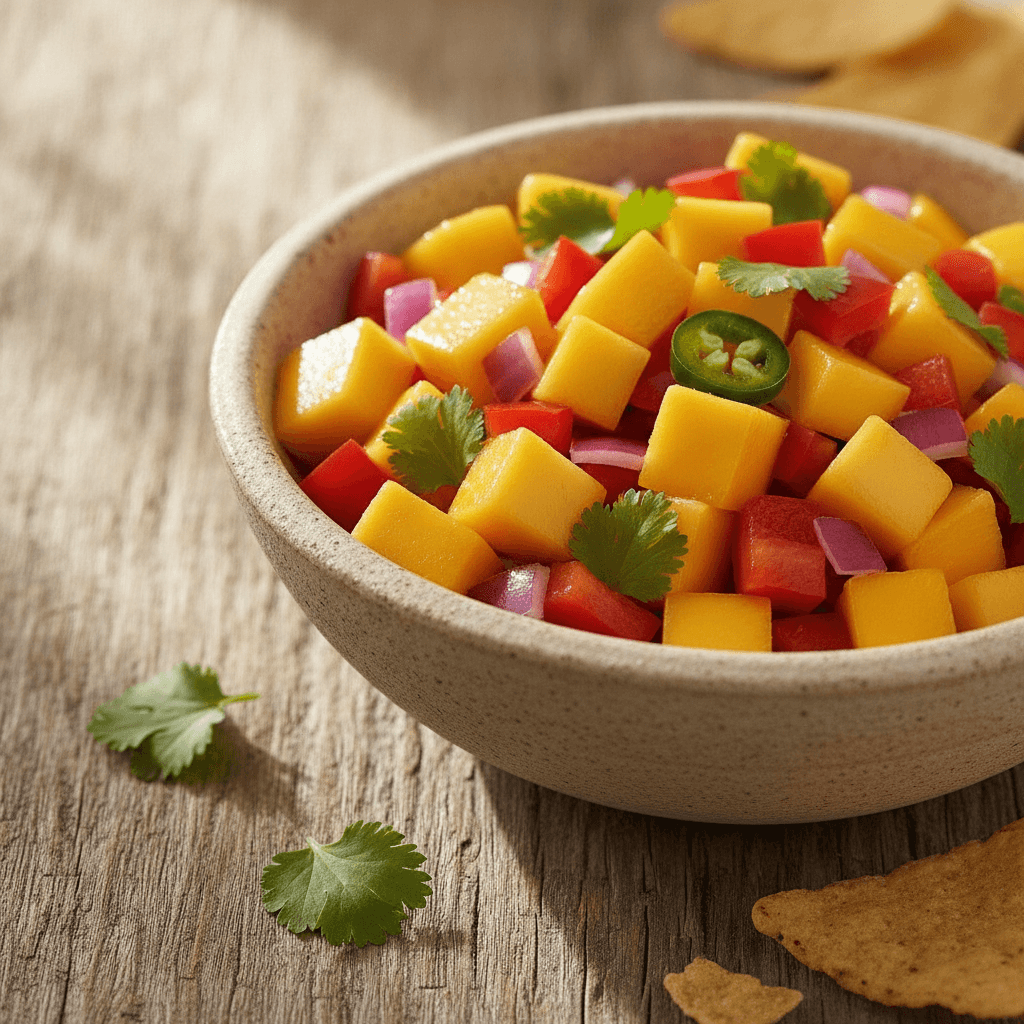
The Perfect Textural Contrast: We focus on dicing every single ingredient to a uniform, small size. This isn't just for looks; it ensures that every scoop you take on a chip has the perfect ratio of sweet mango, crisp bell pepper, sharp onion, and fresh herbs. There are no overly large, mushy chunks of fruit or overpowering pieces of onion. It’s all about creating that perfect, harmonious bite.
-
A Symphony of Balanced Flavors: This recipe is built on the principle of balance. The natural, honeyed sweetness of the mango is the star, but it’s beautifully checked by the acidity of fresh lime juice. The pungent red onion adds a savory depth, the red bell pepper a subtle sweetness and crunch, and the jalapeño offers a fresh, green heat rather than a scorching spice. It’s a complete flavor experience: sweet, tangy, savory, and fresh all at once.
-
Incredibly Versatile and Adaptable: While it’s a phenomenal dip with tortilla chips, this mango salsa is a true kitchen workhorse. Use it as a vibrant topping for grilled chicken or fish, spoon it into tacos, or toss it into a grain bowl to instantly add a burst of freshness and flavor. It can transform a simple meal into something truly special.
-
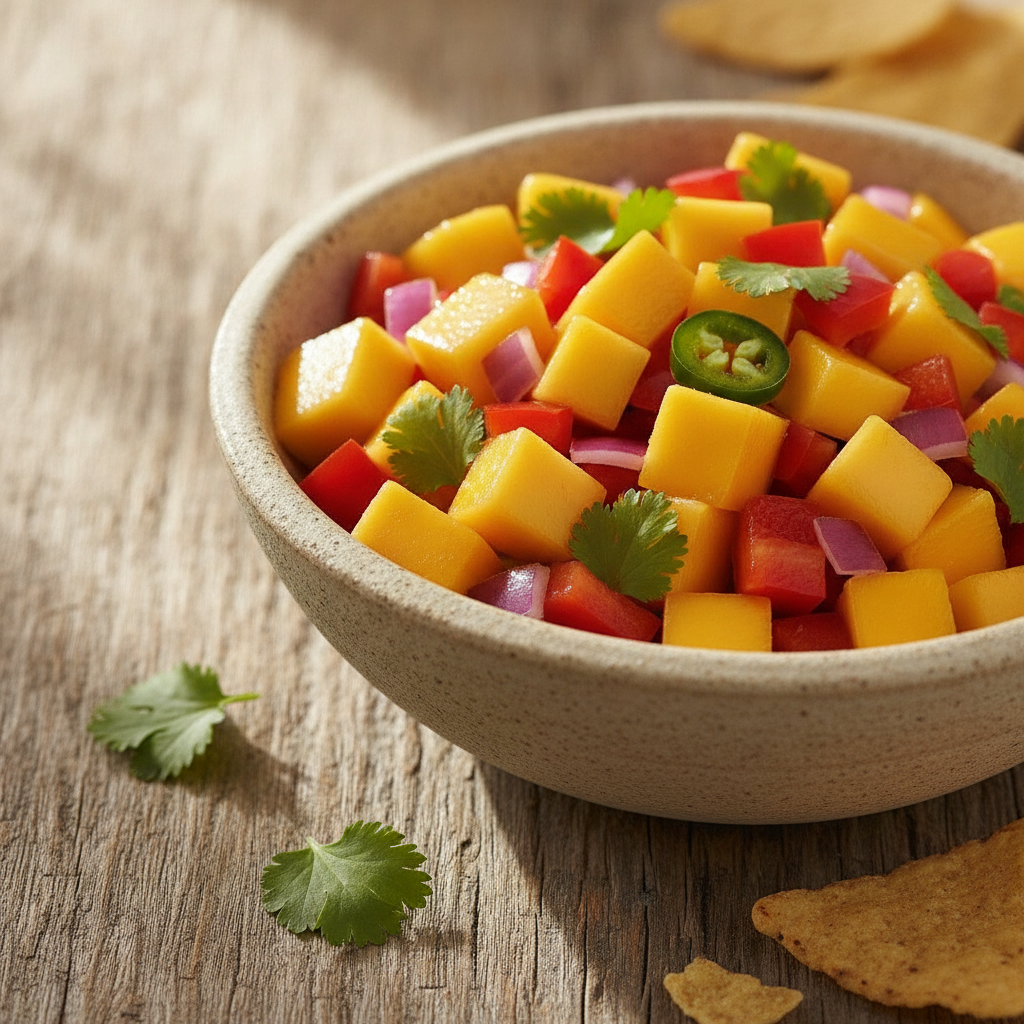
Stunning Visual Appeal: We eat with our eyes first, and this dish is a feast of color. The brilliant orange of the mango, the ruby red of the bell pepper and onion, and the vibrant green of the cilantro and jalapeño make for a visually stunning bowl. It’s the kind of dish that brightens up any table and gets everyone excited to dig in.
-
Ready in Under 20 Minutes: In our busy lives, recipes that are both impressive and quick are pure gold. This is a no-cook recipe that comes together in the time it takes to do a bit of chopping. It’s the perfect solution for a last-minute appetizer for guests or a quick, healthy addition to a weeknight dinner.
Breaking Down the Ingredients
A truly great dish is always a sum of its parts, and in a simple recipe like this mango salsa, the quality of each ingredient is paramount. Let’s explore the key players and the role each one performs in creating this masterpiece of flavor and texture.
First and foremost are the mangoes. They are the heart and soul of this salsa. For the best result, you want mangoes that are ripe but still firm to the touch. Varieties like Kent, Keitt, or Tommy Atkins are excellent choices because they are sweet, less fibrous, and hold their shape well when diced. A ripe mango will have a fragrant, sweet aroma near the stem and will give slightly when you press it gently. If it’s too soft, it will turn to mush when you try to dice it; if it’s too hard, it will be tart and lack the luscious sweetness we’re after. The mango provides the foundational sweetness and the tender, juicy texture of the salsa.
Next, the red onion. While you could use another type of onion, red onion is chosen specifically for its milder, slightly sweeter flavor compared to its yellow counterpart. It provides a sharp, savory bite that is absolutely essential for balancing the sweetness of the fruit. Its beautiful, deep purple color also adds a stunning visual contrast. We dice it very finely so that its flavor is present in every bite without being overwhelming.
For crunch and a different kind of sweetness, we add red bell pepper. It contributes a wonderful, crisp texture that holds up well in the salsa, preventing it from becoming uniformly soft. Its flavor is mild and sweet, complementing the mango beautifully. You could use orange or yellow bell pepper, but the red offers the most vibrant color contrast.
The fresh, green heat comes from jalapeño. I love the flavor it adds—it's less about intense fire and more about a bright, vegetal warmth that awakens the palate. The key to a perfectly balanced mango salsa is controlling this heat. By removing the seeds and the white membranes from the inside of the pepper, where most of the capsaicin is concentrated, you get all of the flavor with just a gentle kick. Of course, if you love spice, you can leave some in!
No salsa feels complete without fresh cilantro. Its distinctive, citrusy, and slightly peppery flavor is the top note that ties everything together. It adds an irreplaceable freshness that lifts the entire dish. I know some people have an aversion to cilantro, but if you enjoy it, be generous with it here. It truly makes the salsa sing.
Finally, the magic ingredient that marries all these individual components into a cohesive whole: fresh lime juice. This is non-negotiable! Bottled lime juice simply cannot compare. The acid in fresh lime juice does two crucial things: it brightens every single flavor in the bowl, making the mango taste sweeter and the cilantro more vibrant, and it also helps to “meld” the flavors as the salsa rests, turning a simple mix of chopped ingredients into a unified, delicious condiment.
The Cooking Process Explained
One of the greatest appeals of this fresh mango salsa is that it requires no cooking at all. The entire process is one of careful preparation and assembly, where your knife skills and attention to detail will pay off in the final texture and flavor. Think of it not as cooking, but as building layers of taste and texture. Let's walk through the key stages.
Stage One: The Foundation of Prep. This is arguably the most critical stage. The goal is to create a salsa where every spoonful is a perfect medley. To achieve this, you must dice the mango, red bell pepper, and red onion into a small, uniform size—aim for about a 1/4-inch to 1/2-inch dice. This meticulous chopping ensures textural harmony. When cutting the mango, first slice the “cheeks” off from either side of the flat, central pit. Then, you can carefully score a grid pattern into the flesh of each cheek without cutting through the skin. Finally, use a spoon to scoop out the perfectly diced cubes. For the onion and pepper, the key is a sharp knife and a steady hand. Mince the jalapeño as finely as you can, as this distributes its gentle heat evenly throughout the salsa.
Stage Two: Building the Base. Once all your dicing and mincing is complete, the assembly begins. In a large bowl, combine the diced mango, red onion, red bell pepper, and the minced jalapeño. Just this initial combination is a feast for the eyes, a vibrant mosaic of orange, red, and deep purple. Give it a gentle toss with a spoon to distribute the ingredients evenly. At this point, you're looking at the core structure of your salsa—the sweet, the savory, and the crunchy elements are all in place, waiting to be brought to life.
Stage Three: The Infusion of Flavor. Now it's time to add the elements that will transform the mix from a simple fruit salad into a dynamic salsa. Add the freshly chopped cilantro and pour the fresh lime juice over everything. Use a gentle hand to fold all the ingredients together. As you mix, you'll immediately notice the change in aroma. The bright, zesty scent of the lime and the fresh perfume of the cilantro will fill the air. The lime juice begins its work immediately, its acidity slightly softening the onion and beginning the process of melding all the distinct flavors.
Stage Four: Seasoning and Resting. The final active step is seasoning. Sprinkle the salt over the salsa and give it one last gentle stir. But the most important step is next, and it requires patience: let the salsa rest. Cover the bowl and let it sit at room temperature for at least 15 minutes, or in the refrigerator for 30 minutes. This resting period is not optional! It's during this time that the magic happens. The salt draws a little moisture out of the ingredients, creating a light, flavorful dressing at the bottom of the bowl. The individual flavors of mango, onion, lime, and cilantro meld and marry, creating a cohesive and deeply flavorful mango salsa that is far greater than the sum of its parts.
Mistakes to Avoid
Even with a recipe as straightforward as this fresh mango salsa, a few common missteps can be the difference between a good result and a truly spectacular one. Here is some friendly advice on what to watch out for to ensure your salsa is perfect every time.
-
Choosing the Wrong Mango. This is the most common pitfall. Using an underripe mango will result in a salsa that is hard, tart, and lacks the necessary sweetness to balance the other ingredients. Conversely, an overripe, mushy mango will fall apart when you dice it, creating a watery, unappealing texture. Take the time to select mangoes that are fragrant and give just slightly to gentle pressure. Their texture should be firm enough to hold a diced shape.
-
Uneven and Hasty Chopping. It's tempting to rush through the prep, but the texture of your salsa depends on your knife work. If you have giant chunks of mango alongside tiny bits of onion, your bites will be inconsistent. One spoonful might be all fruit, the next overwhelmingly oniony. Taking an extra five minutes to ensure all your ingredients are diced to a relatively uniform size makes a world of difference in the eating experience.
-
Using Bottled Lime Juice. I cannot stress this enough: fresh is best. Bottled lime juice, while convenient, often has a metallic or slightly bitter aftertaste from preservatives. It lacks the bright, vibrant, and aromatic quality of juice squeezed from a fresh lime. That fresh-squeezed acidity is what makes all the other flavors in the mango salsa pop. It’s a small step that yields a huge return in flavor.
-
Skipping the Resting Period. You’ve chopped everything beautifully and mixed it all together, and it looks ready to eat. But if you serve it immediately, the flavors will still taste like separate components. That crucial 15-30 minute rest allows the lime juice and salt to work their magic, coaxing the flavors to mingle and meld into a single, harmonious profile. Don't skip this step; your patience will be rewarded with a much more flavorful salsa.
-
Over-Salting or Salting Too Early. Salt draws out moisture. While a little of this is good for creating a light dressing in the salsa, adding too much salt, or adding it hours before you plan to serve, can result in a very watery salsa as the mango and vegetables release all their liquid. It's best to season as directed, during the final mixing stage, and taste just before serving to see if it needs any final adjustment.
How to Serve This
This vibrant mango salsa is a wonderfully versatile creation that can play many roles on your dining table. While it's a star on its own, its true potential is unlocked when paired with other dishes. Here are some of my favorite ways to serve it, perfect for any occasion from a quiet weeknight dinner to a large family gathering.
For a classic and irresistible appetizer, serve the mango salsa in a beautiful bowl alongside a platter of thick, sturdy corn tortilla chips. The salty, crunchy chip is the perfect vessel for scooping up the sweet and tangy salsa. It’s a guaranteed crowd-pleaser that will disappear in minutes.
Think beyond the chip! This salsa is a phenomenal condiment for grilled foods. The cool, sweet, and acidic salsa provides a perfect counterpoint to the smoky char of the grill. Spoon it generously over grilled chicken breasts or thighs, flaky white fish like cod or halibut, or even grilled halloumi cheese. The contrast of warm, savory protein and cool, fresh salsa is simply divine.
It’s also a game-changer for tacos and bowls. Whether you're making chicken tacos, fish tacos, or shrimp tacos, a spoonful of this mango salsa on top adds a burst of tropical freshness that elevates them from good to unforgettable. Similarly, it can brighten up any grain bowl. Imagine a bowl of fluffy quinoa, seasoned black beans, sliced avocado, and a generous helping of this salsa on top—it’s a complete, healthy, and incredibly flavorful meal.
For a lighter application, you can even use it as a sort of chunky dressing for a simple salad. Toss it with some crisp romaine lettuce, arugula, and perhaps some toasted nuts for a salad that is anything but boring. To present it beautifully, serve it in a brightly colored or rustic earthenware bowl, and garnish with a few extra fresh cilantro leaves and a wedge of lime on the side for squeezing.
Make-Ahead and Storage Guide
While this mango salsa is undeniably at its peak freshness on the day it's made, its robust flavors hold up quite well, making it a great option for preparing slightly ahead of time. Understanding how to store it properly will ensure it stays as delicious as possible.
For the Refrigerator: Your finished mango salsa can be stored in an airtight container in the refrigerator for up to two days. Be aware that as it sits, the ingredients will continue to release their natural juices, so the salsa will become a bit more watery on the second day. The flavors will also continue to meld and deepen, which some people actually prefer. Before serving leftovers, give the salsa a good stir to redistribute the juices and flavors. You might even want to drain off a little of the excess liquid if you prefer a chunkier consistency.
Freezing: I strongly advise against freezing this salsa. The freezing and thawing process will completely alter the texture of the fresh ingredients. The mango will become soft and mushy, and the bell pepper and onion will lose their characteristic crispness. This is a dish that relies on fresh, vibrant textures, which are unfortunately lost upon freezing.
Make-Ahead Tips: If you want to get a head start on preparation for a gathering, you can prep the components separately. Dice the mango, red bell pepper, and red onion, and store each in its own airtight container in the refrigerator for up to 24 hours. You can also wash and dry the cilantro. When you’re ready to serve, simply combine all the prepped ingredients in a bowl, add the freshly chopped cilantro and fresh lime juice, season with salt, and let it rest for 15-30 minutes. This method preserves the best possible texture while saving you chopping time on the day of your event.
Reader Questions Answered
Can I make this mango salsa with other fruits?
Absolutely! While mango is classic, this salsa formula is very adaptable. Diced pineapple is a fantastic substitute, offering a more tangy and tropical flavor. Fresh, firm peaches or nectarines are also wonderful in the summer months. Just be sure to choose fruit that is ripe but still firm enough to hold its shape when diced. The core balance of sweet, savory, and acidic will work beautifully.
How can I make it spicier or milder?
The heat level is completely up to you. For a spicier salsa, you can leave some or all of the seeds and membranes in the jalapeño. For even more heat, you could use a serrano pepper instead. To make it completely mild for children or those sensitive to spice, you can omit the jalapeño altogether. It will still be delicious and flavorful.
My family doesn't like cilantro. What can I use instead?
Cilantro has a very distinctive flavor, and while it's traditional, you can certainly make a tasty salsa without it. The best substitution would be a combination of fresh flat-leaf parsley and a small amount of fresh mint. This will give you a different but still wonderfully fresh and herbaceous flavor profile that complements the mango well.
How many people will this recipe serve?
This recipe yields approximately 3 to 4 cups of salsa. As an appetizer served with a large bowl of chips, it will comfortably serve about 6 to 8 people. If you're using it as a topping for a main course, it can stretch to serve even more. The recipe is also very easy to scale; simply double or triple all the ingredients for a larger crowd.
Can I use frozen mango if I can't find good fresh mangoes?
You can use frozen mango in a pinch, but it's important to manage expectations regarding texture. Thaw the mango completely and drain off any excess liquid before dicing it. The texture will be much softer and less firm than fresh mango, but the sweet flavor will still come through. For the best possible mango salsa, fresh is always the superior choice, but thawed frozen mango can work when it's your only option.
Fresh and Easy Mango Salsa
A vibrant and refreshing mango salsa with juicy mango, crisp red onion, cilantro, and a hint of spice. Perfect as a dip or a topping for grilled dishes.
Prep Time
20 min
Cook Time
0 min
Total Time
20 min
Servings
6 servings
Ingredients
For 6 servings
- 3 ripe but firm mangoes, peeled and diced (about 3 cups)
- 1 medium red bell pepper, finely diced
- 1/2 medium red onion, finely diced
- 1 jalapeño, seeds and membranes removed, finely minced
- 1/2 cup fresh cilantro, loosely packed and chopped
- 1/4 cup fresh lime juice (from 1-2 limes)
- 1/2 teaspoon fine sea salt, or to taste
Instructions
- 1
Prepare the Mangoes
Using a sharp knife, carefully peel the skin from the mangoes. Slice the large 'cheeks' of fruit from either side of the flat central pit. Dice the mango flesh into small, uniform 1/4-inch cubes and place them in a large mixing bowl.
- 2
Dice the Vegetables
Finely dice the red bell pepper and red onion to a similar 1/4-inch size as the mango. This uniformity is key to a balanced texture. Add the diced pepper and onion to the bowl with the mango.
- 3
Mince the Jalapeño
Slice the jalapeño in half lengthwise. Using a small spoon, scrape out the seeds and the white membranes to control the heat. Mince the remaining green flesh as finely as possible and add it to the bowl.
- 4
Chop the Cilantro
Gather the fresh cilantro into a tight bunch and chop it finely. You want small pieces of herb distributed throughout the salsa, not large leaves. Set aside for the next step.
- 5
Combine All Ingredients
Add the chopped cilantro and the fresh lime juice to the bowl containing the mango, pepper, onion, and jalapeño. Sprinkle the sea salt over the top.
- 6
Gently Mix Together
Using a large spoon or spatula, gently fold all the ingredients together until they are well combined. Be careful not to mash or crush the mango cubes; you want to maintain their shape.
- 7
Rest the Salsa
Cover the bowl and let the salsa rest for at least 15-30 minutes at room temperature. This crucial step allows all the individual flavors to meld together into a cohesive, more flavorful dish.
- 8
Taste and Adjust
After resting, give the salsa one final stir. Taste it and adjust the seasoning if necessary. You may want to add another pinch of salt or a small squeeze of lime juice to brighten it up to your liking.
- 9
Serve and Enjoy
Serve the mango salsa immediately with your favorite tortilla chips, or as a fresh topping for grilled chicken, fish, or tacos. Store any leftovers in an airtight container in the refrigerator for up to 2 days.
Nutrition Facts
Per serving (estimated)
85 calories
Calories
21g
Carbs
1g
Protein
0.5g
Fat
3g
Fiber
200mg
Sodium
17g
Sugar