The Ultimate Basil Pesto Pasta Recipe
Discover how to make the best basil pesto pasta from scratch! This authentic, vibrant, and easy recipe is a true taste of the Mediterranean.
cookwithyara.com/recipes/pesto-pasta
There are certain dishes that transport you instantly. A single bite can evoke the scent of a sun-drenched garden or the lively chatter of a shared meal. For me, a truly exceptional pesto pasta does just that. It’s more than just a quick weeknight dinner; it’s a celebration of freshness, a testament to the power of simple, high-quality ingredients. The first time I tasted a pesto made with a mortar and pestle in a small village overlooking the Mediterranean, I understood. The aroma of crushed basil, the pungent kick of fresh garlic, and the rich, creamy texture were worlds away from the flat, one-note jars I had known. It was a revelation.
Crafting a perfect pesto pasta at home is a beautiful, rewarding process. It asks for a little more of your time and attention than simply opening a jar, but the return on that investment is immeasurable. The flavor is brighter, the texture is richer, and the satisfaction of creating something so profoundly delicious from scratch is a joy in itself. This recipe is your guide to mastering that authentic experience. We will explore the history, dive deep into the ingredients, and perfect the technique. Prepare to create a dish that not only nourishes the body but also brings a touch of Mediterranean sunshine to your kitchen table. This is how you make pesto pasta that’s worth gathering for.
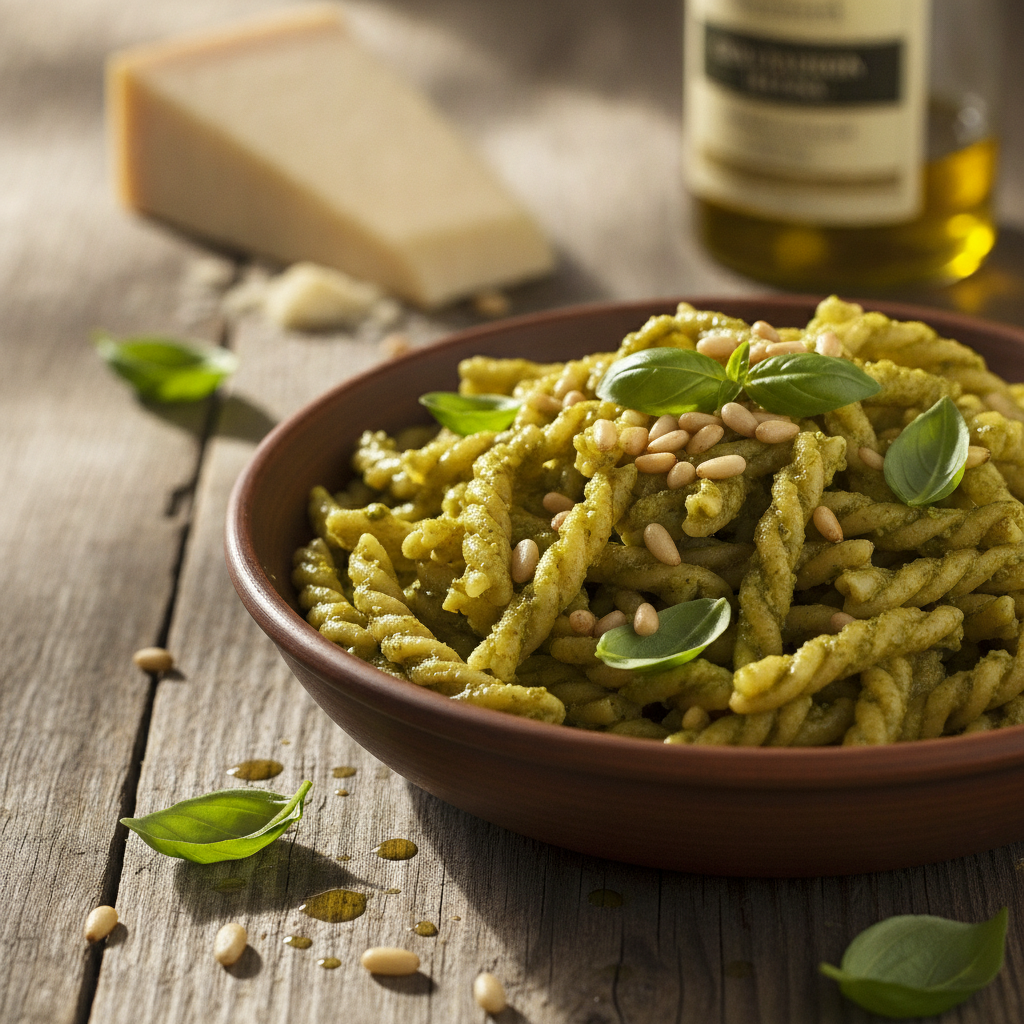
The Origins and History
The story of pesto is deeply rooted in the soil and culture of Liguria, a coastal region in northwestern Italy. Its vibrant capital, Genoa, is the undisputed birthplace of the iconic sauce we know today as Pesto alla Genovese. The name itself comes from the Genoese verb pestâ, meaning “to crush” or “to pound,” a direct reference to the traditional method of preparation using a marble mortar and a wooden pestle. This ancient tool is key to the sauce's authentic texture and flavor, a technique that has been passed down through generations.
While pesto as we know it likely emerged in the 19th century, its origins can be traced back even further to an ancient Roman sauce called moretum, a paste made by crushing herbs, cheese, garlic, and olive oil. A more direct ancestor is agliata, a garlic-based sauce popular in the Middle Ages. But it was the abundance of fresh, sweet basil in Liguria that transformed these ancient pastes into the bright green sauce beloved worldwide. The official D.O.P. (Protected Designation of Origin) status of Pesto alla Genovese protects its traditional recipe, specifying ingredients like Genovese basil, Ligurian olive oil, and specific cheeses. As Italians emigrated, they carried this recipe with them, adapting it to local ingredients and giving rise to the many variations we enjoy today. This evolution has made pesto pasta a global comfort food, yet its heart will always belong to the sun-drenched hills of Genoa.
Understanding the Flavor Profile
A perfect bowl of pesto pasta is a masterful symphony of layered flavors and textures. It should be an experience that awakens the senses, not just a simple sauce on noodles. The dominant note, of course, is the fresh, aromatic basil. It provides a sweet, slightly peppery, and herbaceous foundation that is both bright and comforting. This freshness is balanced by the rich, buttery flavor of toasted pine nuts, which also contribute to the sauce’s creamy consistency.
The savory, umami depth comes from the cheeses. Parmigiano-Reggiano lends a nutty, complex saltiness, while a touch of Pecorino adds a sharper, tangier kick that cuts through the richness. Fresh garlic provides a pungent, spicy bite that mellows as it melds with the other ingredients, adding a layer of warmth without overpowering the delicate basil. Finally, a high-quality extra virgin olive oil ties everything together, its fruity, slightly bitter notes emulsifying the sauce and coating each strand of pasta in a velvety sheen. The ideal texture is a creamy, rustic paste—not perfectly smooth, but a beautiful mosaic of all its parts, clinging effortlessly to the pasta. This careful balance is what makes a great pesto pasta so unforgettable.
Essential Ingredients Explained
The magic of a truly spectacular pesto pasta lies not in a long list of complicated ingredients, but in the exceptional quality of a few simple ones. Each element plays a crucial role in the final harmony of flavors. Understanding why each one matters is the first step toward creating a masterpiece.
-
Fresh Basil: This is the soul of your pesto. Look for vibrant, green leaves with no wilting or dark spots. Genovese basil is the traditional choice, prized for its large, tender leaves and sweet, less minty flavor. If you can't find it, any sweet Italian basil will work beautifully. Just be sure it’s impeccably fresh.
-
Pine Nuts: These small, teardrop-shaped nuts provide the creamy, buttery texture that is signature to classic pesto. Gently toasting them before use deepens their nutty flavor. They can be pricey, so a common and excellent substitution is walnuts, which offer a slightly more earthy taste. Always check your nuts for freshness; they can become rancid if stored improperly.
-
Parmigiano-Reggiano: Please, for the love of good food, use the real thing! A wedge of authentic Parmigiano-Reggiano, with its signature crystalline texture and nutty, savory flavor, is worlds apart from pre-grated varieties. It's essential for that deep umami flavor. For a halal kitchen, be sure to find a brand that uses microbial or vegetable-based rennet.
-
Pecorino Sardo: This sheep's milk cheese is the traditional partner to Parmesan in pesto. It’s saltier and tangier, adding a wonderful sharpness that cuts through the richness of the oil and nuts. If you can't find it, you can simply use more Parmigiano-Reggiano, but the Pecorino adds an authentic layer of complexity. Again, check for a halal-certified rennet.
-
Fresh Garlic: A raw, pungent bite is key. Choose firm cloves with no green sprouts. The amount can be adjusted to your preference, but start with a clove or two. You want its warmth, not an overwhelming fire.
-
Extra Virgin Olive Oil: This is what brings your sauce together. Use a high-quality, cold-pressed extra virgin olive oil. A fruity, slightly peppery Ligurian-style oil is ideal, but any good quality oil you enjoy will work. Its flavor will shine through, so don't skimp here.
-
Coarse Sea Salt: Salt does more than season; in a mortar and pestle, the coarse crystals act as an abrasive to help break down the basil leaves and garlic. It draws out moisture and helps create the perfect paste.
-
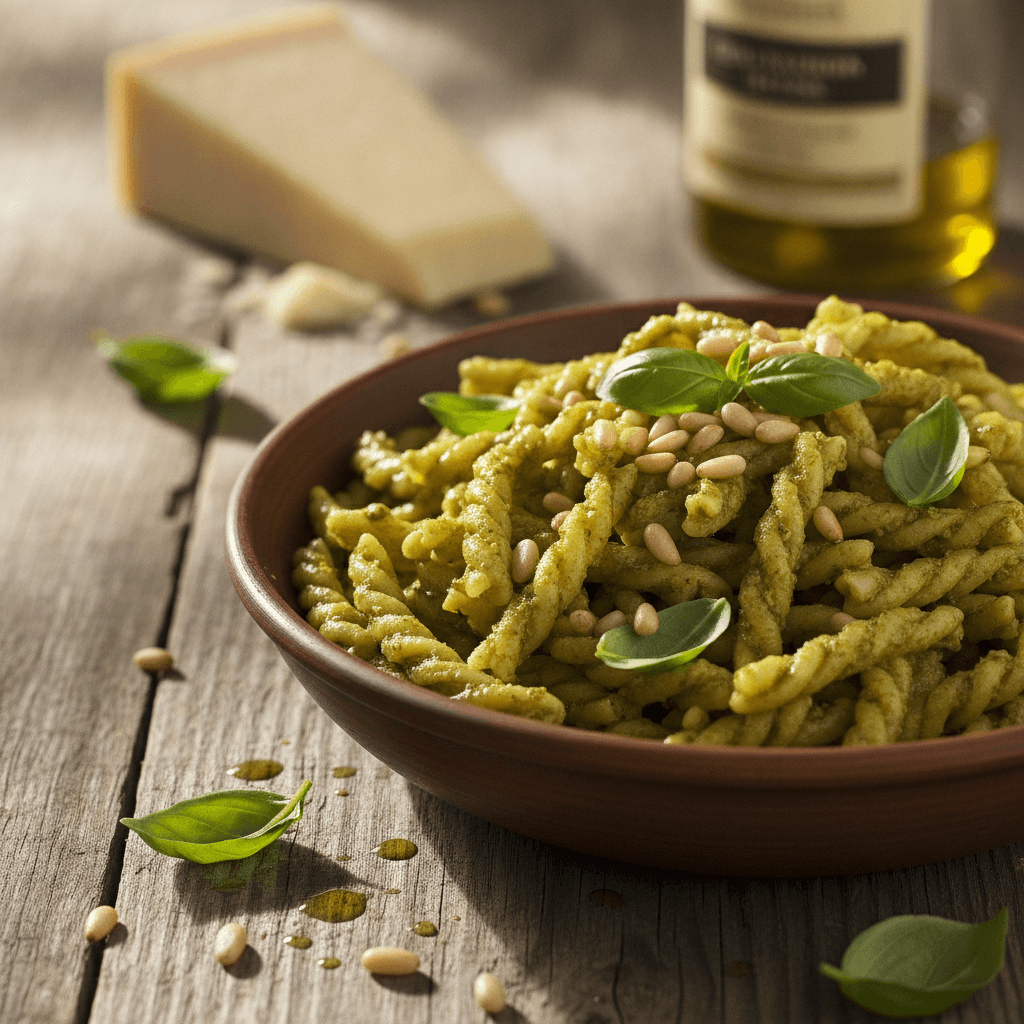
Pasta: The vehicle for your sauce! The best shapes have texture and crevices for the pesto to cling to. Traditional choices from Liguria include trofie or trenette. More widely available shapes like fusilli, farfalle, or even linguine are also excellent choices for a delicious pesto pasta.
Mastering the Technique
Creating an exceptional pesto pasta is less about a complicated recipe and more about mastering a few key techniques. Whether you choose the ancient path of the mortar and pestle or the modern convenience of a food processor, understanding the why behind each step is what will elevate your dish from good to unforgettable. The goal is not just to mix ingredients, but to create a stable, creamy emulsion where every flavor is perfectly balanced.
The traditional method, using a mortar and pestle, is a beautifully tactile experience. You begin by crushing the garlic and pine nuts with coarse salt until a smooth paste forms. Then, you add the basil leaves in small batches, using a circular grinding motion with the pestle. This gentle crushing, rather than chopping, releases the essential oils from the basil without generating heat, which prevents the sauce from oxidizing and turning bitter. Once the basil is a rough paste, you stir in the finely grated cheeses, and finally, drizzle in the olive oil slowly while mixing to emulsify it into a creamy sauce.
Using a food processor is much faster, but requires care. The key is to avoid over-processing and generating heat. Start by pulsing the garlic and toasted nuts until they are finely chopped. Add the basil and a pinch of salt, and pulse in short bursts until the basil is broken down—do not just turn it on and let it run. Scrape down the sides often. With the processor running on low, drizzle in the olive oil until a smooth emulsion forms. The final, and most crucial step, is to transfer the pesto to a bowl and stir in the grated cheeses by hand. Processing the cheese can make the sauce greasy and change its texture. This hybrid method gives you speed without sacrificing too much quality, resulting in a phenomenal pesto pasta every time. Finally, always toss the pesto with the cooked pasta off the heat, using a splash of starchy pasta water to help the sauce cling and create a perfectly creamy consistency.
Common Pitfalls and How to Fix Them
Even a seemingly simple dish like pesto pasta can present a few challenges. Knowing how to anticipate and solve these common issues will ensure your final dish is always vibrant, creamy, and delicious. Think of these not as failures, but as opportunities to learn the nuances of the sauce.
One of the most frequent problems is pesto that turns a dull, brownish-green. This is due to oxidation, which happens when the cut basil leaves are exposed to air. To prevent this, you can blanch the basil leaves in boiling water for 15 seconds, then immediately plunge them into an ice bath before drying them thoroughly. This sets their vibrant color. If you’re not blanching, work quickly and, once the pesto is made, press a piece of plastic wrap directly onto its surface or pour a thin layer of olive oil on top to create a barrier against the air.
Is your pesto tasting bitter? This can be caused by two things: over-processing the basil in a food processor, which bruises the leaves, or using a low-quality or overly robust olive oil. Pulse the basil minimally, and always choose a good quality, fruity extra virgin olive oil for this dish. If the damage is done, a tiny pinch of sugar or an extra handful of Parmesan can sometimes help balance the bitterness.
If your sauce seems oily or separated, it likely means the oil was added too quickly and failed to emulsify properly. The fix for this happens when you combine it with the pasta. Use a generous splash of the hot, starchy pasta water. The starches in the water are a powerful emulsifier and will help bind the oil and solids back together into a creamy, cohesive sauce that clings beautifully to every noodle.
Sometimes the garlic flavor can be overwhelmingly sharp. To tame it, you can briefly blanch the garlic cloves along with the basil, or simply use a smaller, younger clove of garlic. Finally, if your pesto pasta seems dry, don't be afraid to add more pasta water, a little at a time, until you reach that perfect, luscious consistency. Mastering these simple fixes is the key to confident cooking.
Regional Twists Worth Trying
While classic Pesto alla Genovese is a perfect creation, its journey across Italy and the world has inspired a wonderful family of related sauces. Exploring these variations is a delicious way to expand your culinary horizons while staying true to the spirit of the original. Each twist offers a unique flavor profile that can transform your understanding of what pesto pasta can be.
One of the most famous variations is Pesto alla Trapanese, hailing from Sicily. This version reflects the island's sunny climate and agricultural bounty. It substitutes almonds for the traditional pine nuts and incorporates ripe, juicy cherry tomatoes and a hint of red pepper flakes. The result is a sauce that is slightly sweeter, chunkier, and brighter than its northern cousin, offering a beautiful taste of the southern Mediterranean.
Another beloved variation is Pesto Rosso, or red pesto. This sauce gets its gorgeous color and intense, savory flavor from sun-dried tomatoes, which are blended with the classic base of basil, garlic, nuts, and cheese. It’s a richer, deeper, and more umami-packed version that pairs wonderfully with robust pasta shapes and grilled vegetables.
For a change from basil, consider making a pesto with different greens. Arugula pesto is a fantastic option, lending a peppery, spicy kick that is absolutely delicious. For a heartier, more earthy flavor, especially in cooler months, kale or spinach pesto can be a wonderful and nutritious alternative. These variations show the true versatility of the pesto concept: a simple, fresh sauce that can be adapted to showcase the best of any season's harvest, giving you endless possibilities for your next bowl of pesto pasta.
The Perfect Spread
A beautiful bowl of pesto pasta is a star in its own right and truly doesn't need much to create a satisfying and memorable meal. The key to building the perfect spread is to choose accompaniments that complement its fresh, herbaceous flavors without overpowering them. Balance is everything.
For a simple yet elegant meal, serve the pesto pasta alongside a protein that has been plainly cooked. A simple grilled chicken breast, seasoned with just salt, pepper, and a squeeze of lemon, is a perfect partner. Flaky white fish, such as cod or sea bass, pan-seared in a touch of olive oil, also works beautifully. The clean flavors of the protein allow the vibrant pesto to remain the focal point of the plate.
To add freshness and a contrasting texture, a simple salad is a must. A classic Caprese salad with ripe tomatoes, fresh mozzarella, and a drizzle of balsamic glaze echoes the Italian roots of the dish. Alternatively, a crisp green salad with a light lemon vinaigrette can cut through the richness of the pasta. For something with a bit more substance, a platter of roasted seasonal vegetables—like zucchini, bell peppers, and asparagus—adds color and a lovely smoky sweetness. And of course, no pasta meal is complete without some warm, crusty bread on the side, perfect for soaking up any leftover sauce.
Keeping and Reheating
One of the wonderful things about making a batch of fresh pesto is that it stores beautifully, allowing you to enjoy a quick and delicious pesto pasta meal anytime. To store leftover pesto sauce on its own, place it in an airtight container or a small jar. Gently press the surface to remove any air bubbles, then pour a thin layer of olive oil over the top. This creates a seal that prevents oxidation and keeps the pesto vibrantly green for up to five days in the refrigerator. For longer storage, you can freeze pesto in ice cube trays, then transfer the frozen cubes to a freezer bag for easy, single-serving portions.
When it comes to leftover pesto pasta, it can be a bit trickier to reheat perfectly, as the sauce can become dry and oily. Store any leftovers in an airtight container in the refrigerator for up to three days. The best way to reheat it is gently in a skillet over low-medium heat. Add a splash of water, broth, or even a little milk to the pan along with the pasta. This will create steam and help rehydrate the sauce, bringing it back to a creamy, luscious consistency without breaking the emulsion. Avoid the microwave if you can, as it tends to heat unevenly and can make the oil separate from the sauce, leaving you with a less-than-ideal texture.
Your Questions Answered
Can I make this pesto pasta recipe without a food processor?
Absolutely! The most authentic and traditional way to make pesto is with a mortar and pestle. It takes a bit more elbow grease, but many chefs swear it produces a superior texture and flavor by crushing the ingredients rather than chopping them. Simply follow the traditional method of grinding the garlic and nuts first, followed by the basil, and then stirring in the cheese and oil.
Is it possible to make this recipe nut-free?
Yes, it's very easy to adapt. For a nut-free pesto, you can substitute the pine nuts with sunflower seeds or pumpkin seeds (pepitas). Toast them just as you would the pine nuts to bring out their flavor. The taste will be slightly different, but still incredibly delicious and perfect for those with nut allergies.
How far in advance can I make the pesto sauce?
You can make the pesto sauce up to 5 days ahead of time. To keep it fresh and green, store it in an airtight container in the refrigerator with a thin layer of olive oil poured over the top to prevent oxidation. When you're ready to make your pesto pasta, just cook your pasta and toss it with the pre-made sauce.
What are the best pasta shapes to use for pesto pasta?
The best shapes are those with plenty of surface area or nooks and crannies for the sauce to cling to. Traditional Ligurian shapes like trofie, trenette, or testaroli are perfect. More common shapes that work wonderfully include fusilli, rotini, farfalle (bow-ties), and gemelli. Even long strands like linguine or fettuccine are great for coating in this vibrant sauce.
Can I add vegetables or protein directly to the dish?
Of course! This pesto pasta is a fantastic base for additions. Stir in some blanched green beans and cubed potatoes for a classic Pesto alla Genovese con patate e fagiolini. You can also add grilled chicken, shrimp, or a handful of cherry tomatoes and fresh mozzarella pearls at the end for a more complete one-bowl meal. Just be sure to add them after you've tossed the pasta and pesto together.
Authentic Basil Pesto Pasta
A vibrant and classic Italian recipe featuring fresh basil, pine nuts, garlic, and cheese. This authentic pesto pasta is simple, elegant, and bursting with flavor.
Prep Time
20 min
Cook Time
15 min
Total Time
35 min
Servings
4 servings
Ingredients
For 4 servings
- 1 pound (450g) trofie, fusilli, or other short pasta
- 2 cups packed fresh basil leaves (about 2 large bunches)
- 1/2 cup freshly grated Parmigiano-Reggiano cheese (ensure rennet-free for halal)
- 2 tablespoons freshly grated Pecorino Sardo cheese (ensure rennet-free for halal)
- 1/3 cup pine nuts, toasted
- 2 medium cloves garlic, peeled and roughly chopped
- 1/2 cup extra virgin olive oil, plus more for finishing
- 1 teaspoon coarse sea salt, or to taste
- 1/4 teaspoon freshly ground black pepper, or to taste
Instructions
- 1
Toast the Pine Nuts
Place the pine nuts in a small, dry skillet over medium-low heat. Toast for 3-5 minutes, shaking the pan frequently, until they are golden brown and fragrant. Watch them carefully as they can burn quickly. Remove from the pan immediately and set aside to cool.
- 2
Prepare the Pesto Base
In the bowl of a food processor, combine the cooled, toasted pine nuts and the chopped garlic. Pulse several times until they are finely minced and form a coarse paste. This initial step ensures the garlic and nuts are broken down evenly.
- 3
Add the Basil
Add the fresh basil leaves and the coarse sea salt to the food processor. Pulse in short bursts, scraping down the sides of the bowl as needed, until the basil is finely chopped. Avoid over-processing to prevent bruising the leaves, which can cause bitterness.
- 4
Emulsify with Olive Oil
With the food processor running on low speed, slowly stream in the extra virgin olive oil. Continue processing until the mixture is well-combined and forms a smooth, creamy emulsion. This slow addition of oil is key to creating a stable, non-greasy sauce.
- 5
Incorporate the Cheeses
Transfer the pesto mixture from the food processor to a large mixing bowl. Add the grated Parmigiano-Reggiano and Pecorino cheeses, and the black pepper. Stir everything together with a spoon or spatula until just combined. Stirring the cheese in by hand prevents it from becoming oily from the processor's heat.
- 6
Cook the Pasta
Bring a large pot of heavily salted water to a rolling boil. Add the pasta and cook according to package directions until al dente. The water should taste like the sea, which seasons the pasta from the inside out.
- 7
Reserve Pasta Water
Just before draining the pasta, reserve about 1 cup of the starchy cooking water. This water is liquid gold; its starches will help the pesto cling to the pasta and create a perfectly creamy sauce.
- 8
Combine Pasta and Pesto
Drain the pasta well and return it to the warm pot (or transfer to the large bowl with the pesto). Add about half of the pesto to the pasta and toss to combine. It's important to do this off the heat to prevent the basil from cooking and turning dark.
- 9
Create the Creamy Sauce
Add about 1/4 cup of the reserved pasta water to the pasta and pesto, tossing vigorously until the sauce becomes creamy and coats every piece of pasta. Add more pesto and pasta water as needed until you reach your desired consistency. The sauce should be luscious, not watery or dry.
- 10
Serve Immediately
Divide the pesto pasta among four warm bowls. Garnish with a drizzle of extra virgin olive oil, a sprinkle of extra Parmigiano-Reggiano, and a few toasted pine nuts. Serve immediately for the best flavor and texture.
Nutrition Facts
Per serving (estimated)
680 calories
Calories
65g
Carbs
18g
Protein
38g
Fat
5g
Fiber
750mg
Sodium
3g
Sugar