Stunning Mediterranean Baked Feta Eggs
Discover the ultimate brunch with our Mediterranean Baked Feta Eggs! Creamy feta, jammy eggs, and vibrant herbs baked to perfection. A showstopper dish!
cookwithyara.com/recipes/mediterranean-baked-feta-eggs
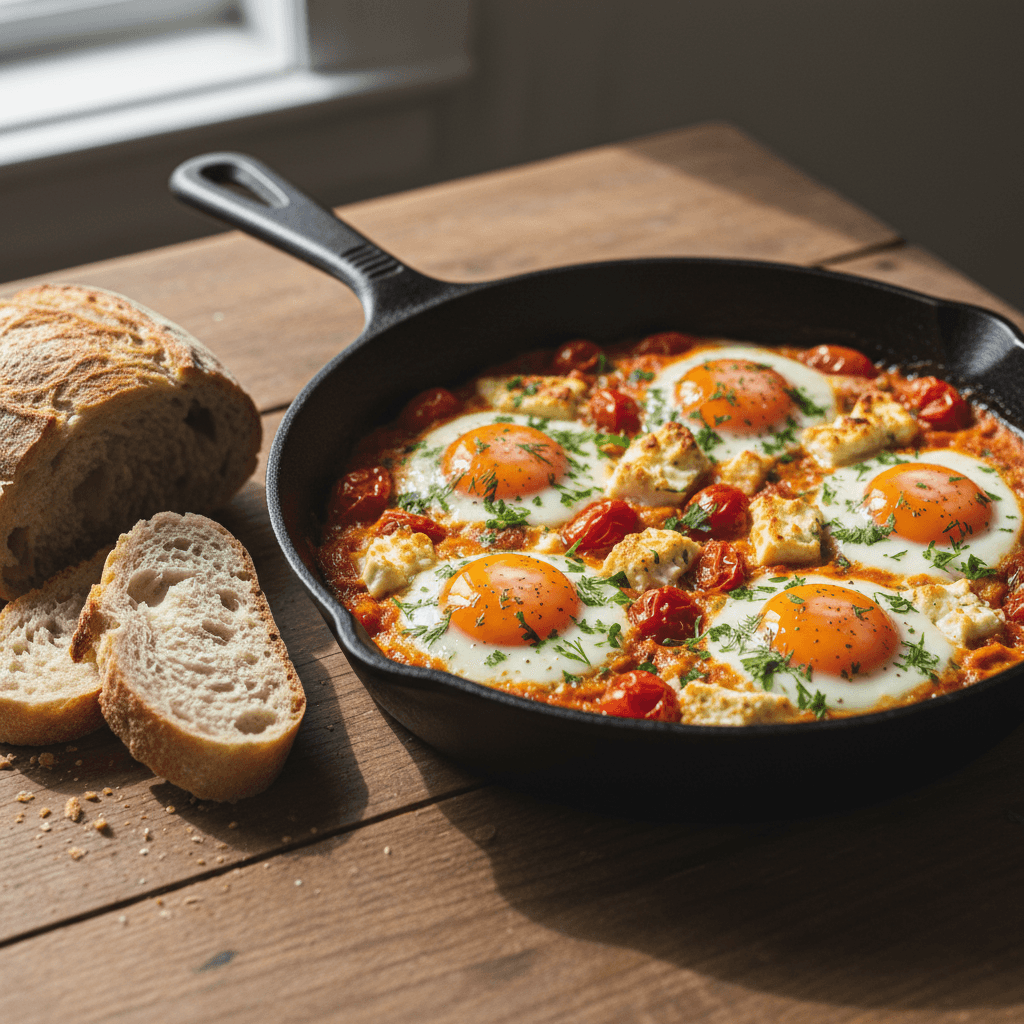
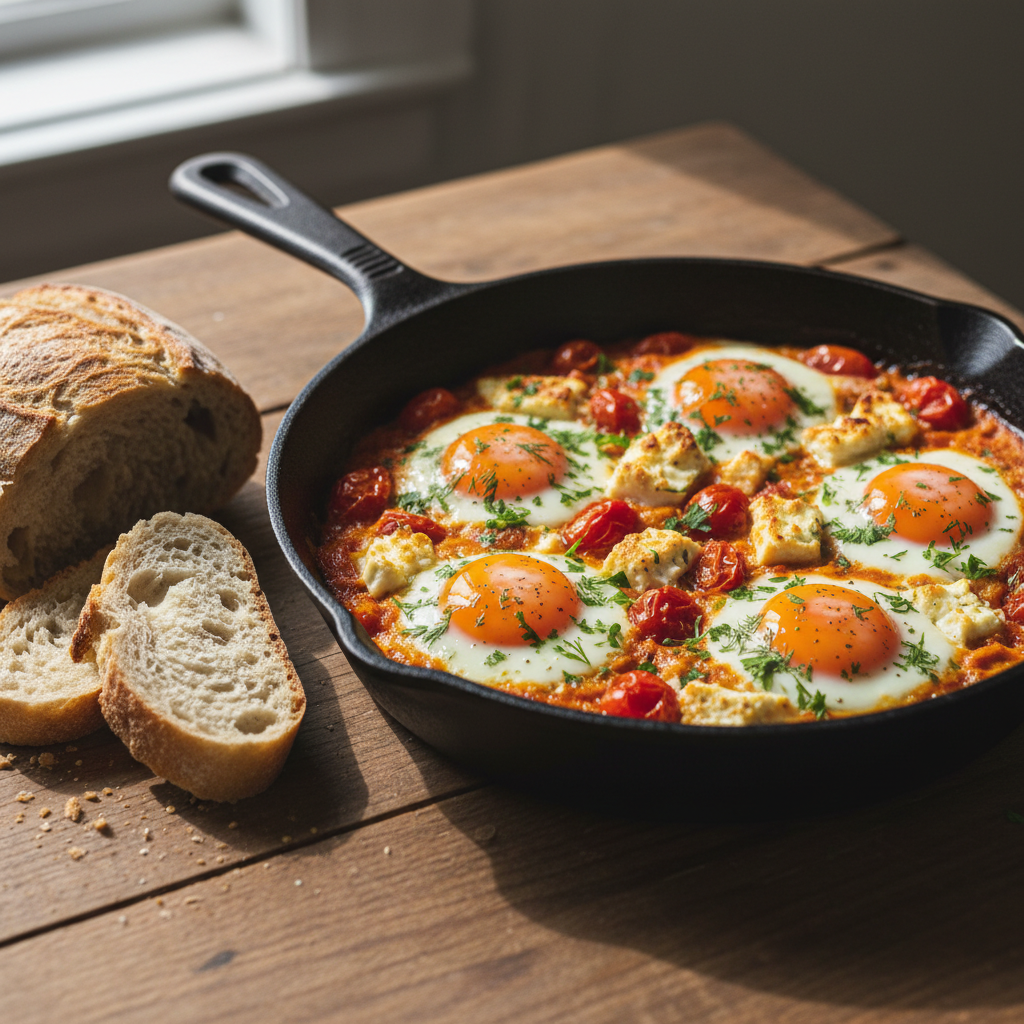
Imagine the scene: a warm skillet, straight from the oven, is placed in the center of your table. Inside, a beautiful mosaic of color and texture awaits. Golden, jammy-yolked eggs nestle into a bed of creamy, melted feta cheese, all surrounded by a vibrant, chunky sauce of burst cherry tomatoes that bubble with fragrant olive oil and herbs. The aroma of garlic, oregano, and fresh dill fills the air, instantly drawing everyone closer. This, my friends, is the magic of Mediterranean Baked Feta Eggs. It’s the kind of dish that silences a room for a moment, followed by a collective sigh of admiration before everyone eagerly reaches for a piece of crusty bread to dip. It feels like a celebration, a special occasion dish that speaks of sunshine, slow mornings, and shared moments. Yet, the beautiful secret behind this impressive meal is its surprising simplicity. It relies not on complicated techniques, but on the power of high-quality ingredients coming together in the oven to create something truly spectacular. The oven does most of the work, transforming a handful of humble components into a brunch masterpiece that looks and tastes like it came from a high-end café on a Greek island. This recipe is your key to creating that experience right in your own kitchen.
What Makes This a Showstopper
What truly elevates Mediterranean Baked Feta Eggs from a simple breakfast to a culinary event is its incredible sensory appeal. Visually, it’s a work of art. The stark white of the feta provides a canvas for the brilliant sunset-orange yolks, the jewel-toned red of the burst tomatoes, and the fresh, verdant green of scattered parsley and dill. It’s a rustic, vibrant dish that feels both comforting and elegant, served directly in the skillet it was cooked in, promoting a wonderful, communal style of eating. But the real show begins with the first bite. The experience is a journey of textures and flavors. You first break through the tender, just-set egg white to reveal a luscious, liquid gold yolk that flows into the surrounding feta. The feta itself is transformed by the heat; it becomes soft, creamy, and spreadable, its characteristic salty tang mellowed into a rich, savory base. This creaminess is perfectly balanced by the sweet, slightly acidic pop of the blistered cherry tomatoes, which have released their juices to create a light, fragrant sauce with the olive oil and garlic. Each scoop, piled onto a piece of rustic bread, delivers a harmonious blend of salty, sweet, tangy, and herbaceous notes. It’s a dish that impresses not through intricate steps or hours of labor, but through its honest, bold flavors and stunning presentation. It feels luxurious and special, the kind of meal you’d happily order at a bustling brunch spot, yet it’s entirely achievable for a relaxed weekend gathering at home.
The Ingredients That Matter Most
In a dish as simple and pure as Mediterranean Baked Feta Eggs, the quality of your ingredients isn't just a suggestion—it's the foundation of its success. This is where you want to focus your attention to achieve that truly authentic, vibrant flavor. First and foremost, the feta. Please, if you can, seek out a block of Greek feta sold in brine. This type is creamier, less crumbly, and has a more complex, tangy flavor than pre-crumbled varieties, which are often coated in anti-caking agents and can be dry. The brine keeps the cheese moist and flavorful, making all the difference when it's baked. Next, your eggs. Since they are the star, using the freshest, highest-quality eggs you can find will yield the best results. Look for eggs with deep orange yolks for a visually stunning and richer-tasting final dish. The olive oil is another non-negotiable. Use a good quality extra virgin olive oil; its fruity, peppery notes are not just a cooking medium but a key flavoring component that infuses the entire dish. Ripe, sweet cherry or grape tomatoes are essential. When baked, their sweetness intensifies, and they burst to create the rustic sauce. For aromatics, fresh garlic provides a pungent, savory depth that pre-minced garlic in a jar simply cannot replicate. Finally, the herbs. While dried oregano is perfect for baking into the sauce, the final flourish of fresh dill and parsley is what brings the Mediterranean Baked Feta Eggs to life. Their bright, fresh flavors cut through the richness of the feta and eggs, adding a layer of freshness that completes the dish. A pinch of Aleppo pepper, with its mild heat and fruity undertones, is my secret weapon for adding a gentle warmth without overwhelming the other delicate flavors.
Building It Step by Step
The process of creating these Mediterranean Baked Feta Eggs is a beautiful, straightforward dance of layering flavors. It’s a gentle build-up to a spectacular finish. The journey begins by creating a robust flavor base. In a cast-iron or other oven-safe skillet, you’ll gently sauté your aromatics—thinly sliced shallots or onions and minced garlic—in a generous amount of good olive oil until they are soft and fragrant. This isn't a step to rush; you are coaxing out their sweetness, which will form the savory foundation of the dish. Once the kitchen smells incredible, the cherry tomatoes are added. You’ll cook them just until they begin to soften and their skins start to blister and pop. This is the first magical moment, as they begin releasing their sweet juices, mingling with the garlic and oil to start forming a rustic sauce. Now for the centerpiece. You'll nestle a whole block of feta right into the middle of the tomatoes. Drizzle it with more olive oil, sprinkle with dried oregano and a pinch of Aleppo pepper, and then the whole skillet goes into a hot oven. During this first bake, the feta softens and becomes creamy, and the tomatoes break down further, their flavors concentrating and deepening. After about 15 minutes, you'll remove the skillet. This is where the final act begins. Using the back of a spoon, you create four little wells in the tomato and feta mixture. Into each of these nests, you carefully crack an egg. A final sprinkle of salt and pepper over the eggs, and back into the oven it goes for the final bake. This stage is all about timing, cooking just until the egg whites are perfectly opaque and set, while the yolks remain gloriously runny and jammy. The final dish emerges from the oven bubbling and beautiful, ready for its final shower of fresh herbs.
Presentation and Plating Tips
The rustic charm of Mediterranean Baked Feta Eggs is a huge part of its appeal, and the presentation should honor that. The most impactful way to serve this dish is directly from the skillet or baking dish it was cooked in. Placing a hot, bubbling cast-iron skillet in the center of the table creates an immediate sense of warmth and communal sharing. Just be sure to place it on a sturdy trivet or wooden board to protect your table and remind your guests that the handle is hot! Before presenting, give it a final, beautiful flourish. A generous drizzle of your best, most flavorful extra virgin olive oil over the top adds a gorgeous sheen and a final layer of fruity flavor. A liberal scattering of freshly chopped herbs is non-negotiable; the bright green of dill and flat-leaf parsley provides a stunning color contrast and a burst of freshness. For a final touch of texture and subtle flavor, a sprinkle of flaky sea salt (like Maldon) over the egg yolks makes them glisten and enhances their richness. The perfect accompaniment is an abundance of warm, crusty bread for dipping. Slices of toasted sourdough, warm pita bread, or a rustic baguette are all excellent choices. Encourage everyone to tear off a piece and dip it directly into the skillet, scooping up a bit of creamy feta, jammy yolk, and tomato sauce in every bite. This interactive way of eating is what makes the meal a memorable experience.
Scaling Up for a Crowd
One of the best qualities of this Mediterranean Baked Feta Eggs recipe is how effortlessly it scales to feed a larger group, making it an ideal choice for a relaxed weekend gathering or a special family brunch. The key is simply to increase the ingredients proportionally and choose the right size baking vessel. If you're doubling the recipe to serve eight people, a large 12-inch cast-iron skillet or a standard 9x13-inch ceramic or glass baking dish will work perfectly. Simply double all the ingredients—two blocks of feta, eight eggs, and so on. The process remains exactly the same. To make hosting even easier, you can do much of the prep work ahead of time. The tomato and feta base can be fully prepared and baked a day in advance. Sauté your aromatics, cook down the tomatoes, nestle the feta in, and give it its first bake. Once cooled, cover the skillet or baking dish tightly and refrigerate. When your guests arrive and you're ready to eat, simply bring the dish out of the fridge for about 20-30 minutes to take the chill off. Then, pop it into a preheated oven for about 10 minutes to warm through before making the wells and cracking in the eggs. This strategy cuts the active cooking time down to just the final 10-12 minutes, allowing you to be present with your guests instead of being tied to the stove. It ensures a stunning, hot-from-the-oven meal with minimal last-minute stress.
Storing Any Leftovers
While Mediterranean Baked Feta Eggs is undeniably at its peak of perfection enjoyed fresh from the oven with those glorious runny yolks, leftovers can still be quite delicious if stored properly. The most important thing to note is that the texture of the eggs will change upon reheating; the yolks will cook through and become firm, more like a hard-boiled egg. However, the fantastic flavors of the creamy feta and tomato sauce will remain. To store, allow the skillet to cool down to room temperature. You can then cover the skillet itself tightly with foil or plastic wrap, or transfer the leftovers to an airtight container. It will keep well in the refrigerator for up to two days. When you're ready to reheat, you have a couple of options. The best method is to use the oven. Place the leftovers in an oven-safe dish, cover with foil to prevent drying out, and warm in a 350°F (175°C) oven for about 10-15 minutes, or until heated through. For a quicker option, you can use the microwave, heating in short 30-second bursts until warm. While the yolks won't be runny, the reheated dish is wonderful crumbled into a warm pita, spooned over a bed of couscous, or even served alongside a simple green salad for a quick and satisfying lunch.
Variations to Explore
Once you've mastered the classic Mediterranean Baked Feta Eggs, you'll see it's a wonderfully versatile canvas for your own culinary creativity. There are countless ways to adapt this recipe to suit your taste or use up ingredients you have on hand. For a bit more briny, savory depth, try adding a handful of Kalamata olives or some chopped sun-dried tomatoes to the tomato base. If you'd like to incorporate more greens, wilt a few large handfuls of fresh spinach into the skillet after the aromatics have softened and before you add the tomatoes. For a heartier, more substantial meal, you could add some sliced, pre-cooked halal beef sausage like sujuk along with the tomatoes, which will lend a wonderfully spicy, savory flavor to the sauce. You can also play with the spice profile. A generous sprinkle of za'atar over the feta before baking adds a complex, earthy, and tangy dimension that is quintessentially Middle Eastern. For a simpler "weeknight version" when you're short on time, you can swap the fresh cherry tomatoes for a 28-ounce can of high-quality crushed tomatoes. Just simmer the sauce with the aromatics for about 10 minutes to deepen the flavor before adding the feta and proceeding with the recipe. This creates a delicious, saucier version that comes together in a flash.
Questions You Might Have
Can I prepare Mediterranean Baked Feta Eggs ahead of time?
Yes, absolutely! You can prepare the entire tomato and feta base up to a day in advance. Follow the recipe through the first bake (before adding the eggs), let it cool, cover, and refrigerate. When ready to serve, warm it in the oven for 10 minutes, then crack in the eggs and bake as directed.
My feta is very salty. Is there a way to fix this?
If you find your block of feta is particularly salty, you can mellow it out before using. Simply soak the block of feta in a bowl of fresh water or milk for about 30 minutes to an hour in the refrigerator. This will draw out some of the excess salt. Just be sure to pat it dry before adding it to the skillet.
What is the best way to know when the eggs are done?
The perfect doneness is when the egg whites are completely opaque and set, but the yolks are still soft and jiggly. Keep a close eye on them during the last few minutes of baking. Gently shake the skillet; the whites shouldn't wobble, but the yolks should have a slight jiggle. Remember they will continue to cook slightly from the residual heat of the skillet after you take them out.
Can I use a different type of cheese?
While feta is the star, you could experiment with other cheeses. A soft, fresh goat cheese would be a delicious, tangy alternative. For a milder, meltier version, you could try using fresh mozzarella balls (bocconcini) tucked in amongst the tomatoes, though the flavor profile will be quite different and less salty.
What kind of skillet is best for this recipe?
A 10-inch cast-iron skillet is ideal because it holds heat evenly and can go directly from the stovetop to the oven to the table. However, any 10-inch oven-safe skillet or a similar-sized baking dish (like a round or square ceramic baker) will work perfectly well for this recipe.
How can I transport this dish to a gathering?
This dish travels surprisingly well if you plan ahead. Bake the tomato and feta base at home. Let it cool slightly, cover the skillet tightly with foil, and transport it. Just before serving at your destination, reheat the base in their oven, then crack in the fresh eggs and bake for the final 10-12 minutes for a fresh, impressive finish.
Mediterranean Baked Feta Eggs
A stunning brunch dish featuring creamy baked feta, jammy eggs, sweet cherry tomatoes, and fresh herbs. Perfect for sharing and served with crusty bread.
Prep Time
15 min
Cook Time
25 min
Total Time
40 min
Servings
4 servings
Ingredients
For 4 servings
- 2 tbsp extra virgin olive oil, plus more for drizzling
- 1 small shallot, thinly sliced
- 3 cloves garlic, minced
- 2 pints (about 4 cups) cherry or grape tomatoes
- 1 tsp dried oregano
- 1/2 tsp Aleppo pepper or red pepper flakes (optional)
- 1/2 tsp black pepper, freshly ground
- 1 (8-ounce) block of feta cheese, preferably in brine
- 4 large eggs
- 1/4 tsp salt
- 1/4 cup fresh parsley, chopped
- 2 tbsp fresh dill, chopped
- Flaky sea salt, for finishing
- Crusty bread or warm pita, for serving
Instructions
- 1
Preheat Oven and Skillet
Preheat your oven to 400°F (200°C). Place a 10-inch cast-iron or other oven-safe skillet over medium heat on the stovetop.
- 2
Sauté the Aromatics
Add 2 tablespoons of extra virgin olive oil to the skillet. Once shimmering, add the sliced shallot and cook, stirring occasionally, for 3-4 minutes until softened and translucent.
- 3
Bloom Garlic and Spices
Add the minced garlic, dried oregano, Aleppo pepper (if using), and black pepper to the skillet. Cook for another minute until fragrant, being careful not to burn the garlic.
- 4
Cook the Tomatoes
Add the cherry tomatoes to the skillet. Cook, stirring occasionally, for 5-7 minutes until the tomatoes begin to soften and their skins start to blister and burst.
- 5
Nestle the Feta
Pat the block of feta cheese dry and place it directly in the center of the skillet, nestling it amongst the tomatoes. Drizzle the top of the feta with a little more olive oil.
- 6
First Bake
Transfer the skillet to the preheated oven. Bake for 15 minutes, until the feta is soft and warmed through and the tomatoes have broken down further into a chunky sauce.
- 7
Create Wells for Eggs
Carefully remove the hot skillet from the oven. Using the back of a spoon, create four small indentations or 'wells' in the tomato and feta mixture surrounding the central block.
- 8
Add the Eggs
Carefully crack one egg into each well. Season the eggs with the 1/4 teaspoon of salt. This helps flavor the eggs themselves as they cook.
- 9
Final Bake
Return the skillet to the oven and bake for an additional 7-10 minutes. The timing will depend on your oven and how you like your eggs. Look for the egg whites to be completely opaque and set, while the yolks are still soft and jiggly.
- 10
Rest and Garnish
Carefully remove the skillet from the oven and let it rest for a few minutes. The residual heat will continue to cook the eggs slightly. Garnish generously with the chopped fresh parsley and dill.
- 11
Serve Immediately
Finish with a final drizzle of high-quality extra virgin olive oil and a sprinkle of flaky sea salt over the yolks. Serve immediately, directly from the skillet, with plenty of crusty bread for dipping.
Nutrition Facts
Per serving (estimated)
410 calories
Calories
12g
Carbs
18g
Protein
32g
Fat
3g
Fiber
850mg
Sodium
7g
Sugar