The Ultimate Almond Cream Cake Recipe (Step-by-Step)
Discover how to make the most popular homemade cake: a rich, moist Almond Cream Cake. A perfect recipe for gatherings, with expert tips and variations.
cookwithyara.com/recipes/our-most-popular-homemade-cake-the-almond-cream
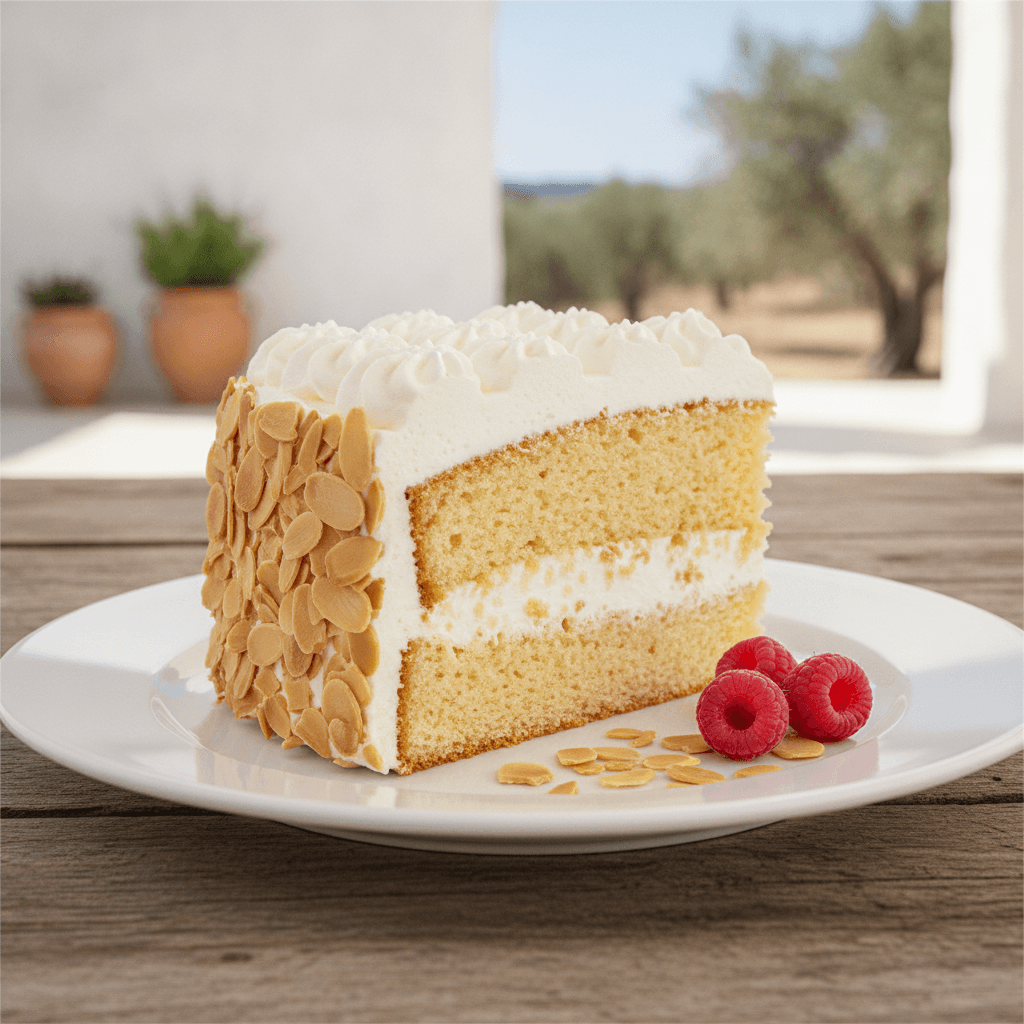
There are cakes, and then there are cakes—the ones that hush a room, that become the centerpiece of a gathering, and that leave a lingering memory of pure comfort and delight. This Almond Cream Cake is undeniably the latter. It stands as a testament to the idea that simple, high-quality ingredients, when treated with care and respect, can create something truly extraordinary. The first time I experienced a slice of a masterfully made almond cake, it wasn't in a fancy pastry shop, but at a friend’s home, served with a simple cup of tea. The texture was sublime: a tender, unbelievably moist crumb from the ground almonds, crowned with a cloud of lightly sweetened cream that melted on the tongue. It was both rich and light, a beautiful paradox.
I won't pretend this is a five-minute recipe. True craftsmanship takes time, and this guide is designed to walk you through each step with clarity and purpose. We aren't just baking a cake; we are building layers of flavor and texture. From the careful creaming of the butter and sugar to the patient whipping of the cream, every action contributes to the final, glorious result. This post is my promise to you: if you follow along, you will not just make a dessert, you will master Our Most Popular Homemade Cake: The Almond Cream Cake, a recipe that will surely become a treasured part of your own collection.
The Origins and History
Almond cakes, in their many forms, are deeply woven into the culinary tapestry of the Mediterranean and the Levant, regions where almond trees have flourished for millennia. Long before refined white flour became a pantry staple, resourceful bakers used finely ground nuts to create dense, rich, and flavorful pastries. This tradition gives nut-based cakes an ancient, storied soul. You can find their delicious cousins all across the world, from the Tarta de Santiago in Spain, a simple and beautiful cake decorated with the Cross of St. James, to the fragrant almond and semolina cakes found throughout the Middle East.
This particular style of a layered Almond Cream Cake is more of a modern evolution, blending the classic European génoise or butter cake technique with the profound, nutty flavor of an older tradition. It takes the rustic charm of a simple almond pound cake and elevates it with the light, airy texture of a celebration cake. The addition of a whipped cream frosting is a nod to modern pastry, creating a beautiful contrast in texture and flavor. What makes our version so special is its focus on balance—the cake is moist and almond-forward, not overly sweet, allowing the delicate cream and the crunch of toasted almonds to shine. This evolution is what makes it a perfect dessert for today’s palate, honoring history while feeling fresh and new.
Understanding the Flavor Profile
The beauty of this Almond Cream Cake lies in its sophisticated yet approachable flavor profile. It’s a study in harmony, where no single element overpowers the others. At its heart, the cake is deeply nutty and buttery, with a warmth that feels instantly comforting. The almond flour provides a rich, almost savory base note that distinguishes it from a standard vanilla cake. This is layered with the subtle sweetness from the sugar and a hint of pure, non-alcoholic vanilla extract, which rounds out the flavors and connects the cake to the cream.
The cream itself is intentionally delicate. It’s whipped to a soft, ethereal texture and sweetened just enough to be a dessert, with a whisper of almond extract to echo the flavor in the sponge. This lightness is crucial; it prevents the cake from feeling heavy and provides a cool, clean contrast to the tender crumb. Finally, the toasted sliced almonds on top are not just a garnish. They add a vital textural component—a crisp, audible crunch—and a deeper, toastier almond flavor that perfumes every single bite. When you take a forkful, you get it all: the soft cake, the light cream, and the crunchy nuts. It’s a complete sensory experience.
Essential Ingredients Explained
Great baking begins with great ingredients. For Our Most Popular Homemade Cake: The Almond Cream Cake, the quality of each component is what elevates it from good to unforgettable. Here’s a closer look at what you’ll need and why it matters.
- Fine Almond Flour: This is the star. Use blanched, finely ground almond flour for the most tender and delicate crumb. It provides moisture, structure, and of course, that signature nutty flavor. If you can only find almond meal (which has the skins), the cake will be slightly denser and darker, but still delicious.
- Unsalted Butter: The foundation of our cake's flavor and texture. Using unsalted butter allows you to control the salt level. It must be at a soft room temperature to cream properly with the sugar, creating air pockets that help the cake rise.
- Room Temperature Eggs: Cold eggs can cause the creamed butter to curdle and harden, resulting in a dense cake. Letting them sit on the counter for 30 minutes before you start is a small step with a huge impact on the final texture.
- Buttermilk: The secret to an incredibly moist and tender cake. The acidity in buttermilk reacts with the baking soda, giving the cake a beautiful lift, and it also breaks down gluten strands for a softer crumb. If you don't have it, you can make a substitute by adding a tablespoon of lemon juice or white vinegar to a cup of whole milk and letting it sit for 10 minutes.
- Pure Vanilla Extract: Be sure to use a high-quality, non-alcoholic vanilla extract. It adds a crucial layer of aromatic warmth that complements the almond beautifully.
- Almond Extract: This ingredient is potent, so a little goes a long way. It enhances and brightens the flavor from the almond flour, making the cake taste even more of almonds. A quality brand will taste of pure, sweet almonds, not artificial.
- Heavy Whipping Cream: For the frosting, you need cream with at least 36% fat content. This high-fat percentage is essential for the cream to whip up into stable, fluffy peaks that hold their shape.
- Toasted Sliced Almonds: Please don’t skip the toasting! Toasting the almonds in a dry skillet or in the oven for a few minutes awakens their natural oils, deepening their flavor and making them wonderfully crunchy. It’s a non-negotiable step for the perfect finish.
Mastering the Technique
Creating the perfect Almond Cream Cake is a process of patient, mindful steps. Understanding the 'why' behind each action will transform you from someone following a recipe into a confident baker. Let's walk through the key stages together.
-
The Creaming Method: This is the most critical stage for the cake's texture. When you beat the softened butter and sugar together for a full 5-7 minutes, you're not just combining them; you're using the sugar crystals to whip millions of tiny air bubbles into the fat. The mixture should become pale, light, and fluffy. This aeration is the primary leavening for our cake, creating a fine, tender crumb.
-
Incorporating the Eggs: Add your room-temperature eggs one at a time, beating well after each addition. This slow process ensures the fat-and-water emulsion of the batter remains stable. If you add them all at once, the batter can 'break' or curdle, leading to a greasy, heavy cake. Scrape down the bowl frequently to ensure everything is evenly mixed.
-
Alternating Wet and Dry: You’ll notice the instructions call for adding the dry ingredients (flours, leaveners, salt) and the wet ingredients (buttermilk) in alternating additions, starting and ending with the dry. This technique is crucial for preventing gluten overdevelopment. It allows the flour to hydrate gently without being overworked, which is the key to a tender, not tough, cake.
-
Baking to Perfection: Bake the cake just until a wooden skewer inserted into the center comes out with a few moist crumbs attached. An overbaked almond cake can become dry quickly. Let the cakes cool in their pans for about 15 minutes before inverting them onto a wire rack to cool completely. Never, ever frost a warm cake; the cream will melt into a puddle.
-
Whipping the Cream: The secret to stable whipped cream is cold. Use a chilled bowl, chilled beaters, and very cold heavy cream. Start on a low speed and gradually increase as it thickens. Once you reach soft peaks (the cream holds its shape but the tip flops over), add your powdered sugar and extracts. Continue whipping until you have firm, stiff peaks that stand straight up. Be careful not to over-whip, or it will turn grainy.
-
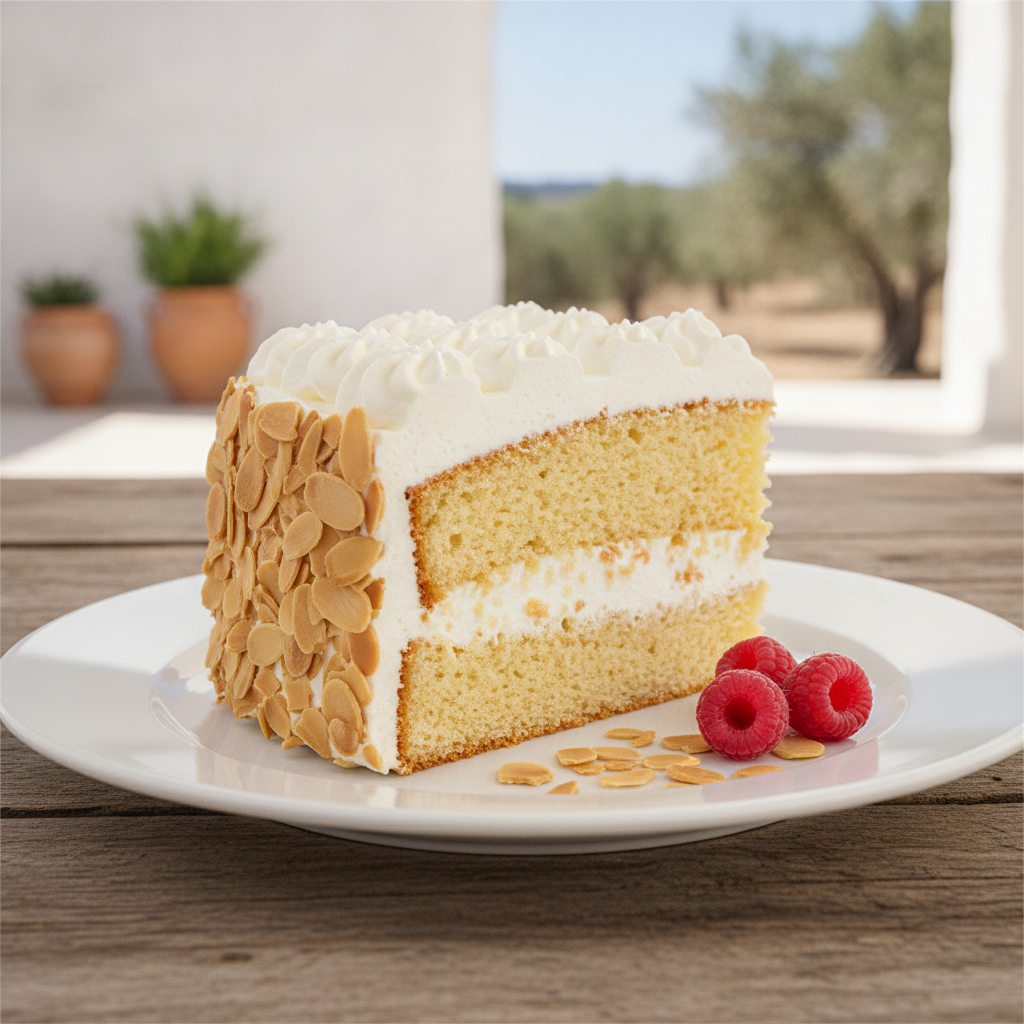
The Assembly: This is the final, rewarding step. Place one cooled cake layer on your serving plate. Spread a generous, even layer of the almond cream on top. Gently place the second layer over it. Use an offset spatula to cover the top and sides with the remaining cream, making beautiful swirls or a smooth finish. Press the toasted almonds onto the sides and sprinkle them over the top. This final assembly is what turns your hard work into the showstopping Almond Cream Cake.
Common Pitfalls and How to Fix Them
Even the most seasoned bakers encounter issues now and then. The journey to perfecting Our Most Popular Homemade Cake: The Almond Cream Cake might have a few small bumps, but don't worry—most are easily fixable. Here’s how to troubleshoot some common problems.
-
My cake turned out dry. This is the most common issue and is usually caused by one of two things: over-measuring the flour or overbaking. Always spoon your flour into the measuring cup and level it off, don't scoop directly from the bag. If the cake is already baked and dry, you can save it! Make a simple syrup (equal parts sugar and water, heated until the sugar dissolves, then cooled) with a splash of vanilla or almond extract. Gently poke holes in the cake layers with a skewer and brush the syrup over them before frosting. It will add moisture back in.
-
My cake is dense and heavy. This often points back to the creaming stage. If the butter and sugar weren't beaten long enough, or if the eggs and buttermilk were too cold, the batter won't have enough air. Overmixing the flour is another culprit. Unfortunately, you can't fix a dense cake after it's baked, but you can change how you serve it. Slice it thinner and serve it with a generous dollop of extra cream and some fresh berries to lighten the experience.
-
The whipped cream frosting is runny. This happens if the cream wasn't cold enough to start, or if it was under-whipped. Put the bowl and beaters back in the freezer for 15 minutes, then try whipping it again. If it was over-whipped and has started to look grainy, you can sometimes save it by gently folding in a few tablespoons of fresh, cold liquid cream by hand. If it's truly broken, repurpose it as a delicious sauce for fruit or ice cream and start a fresh batch for the cake.
-
My cake layers domed in the middle. Domed tops are a natural result of the cake setting on the outside before the inside is finished cooking. It's an easy fix! Once the cake layers are completely cool, use a long, serrated knife to carefully level the tops, creating a flat surface for perfect, stable stacking.
Regional Twists Worth Trying
Once you've mastered the classic Almond Cream Cake recipe, you can start to play with its flavor profile, drawing inspiration from different corners of the world. Think of the original recipe as a beautiful blank canvas.
-
A Levantine Touch: For a cake that whispers of Middle Eastern gardens, add one teaspoon of orange blossom water or rosewater to the whipped cream along with the vanilla and almond extracts. The floral notes are a breathtaking complement to the almond. Garnish the cake not just with almonds, but with a scattering of vibrant green crushed pistachios and perhaps some edible rose petals.
-
Sunny Mediterranean Zest: To brighten the entire cake, add the finely grated zest of one large lemon or two oranges to the butter and sugar mixture during the creaming stage. The citrus oils will infuse the batter, adding a fresh, tangy counterpoint to the rich, nutty almond. This version is especially lovely when served with fresh raspberries or strawberries.
-
A Scandinavian Cardamom Infusion: In Nordic baking, almond and cardamom are a classic and beloved pairing. Add half a teaspoon of finely ground cardamom to the dry ingredients for the cake batter. This will give the cake a warm, aromatic spice note that is incredibly comforting and sophisticated. It pairs wonderfully with a thin layer of lingonberry or raspberry jam spread on the bottom cake layer before adding the cream.
The Perfect Spread
While this Almond Cream Cake is a magnificent dessert all on its own, serving it as part of a well-balanced spread can turn a simple treat into a memorable occasion. The goal is to complement the cake's rich, nutty flavor without overwhelming it.
For a traditional and elegant pairing, serve slices with a side of fresh berries. Raspberries, with their delightful tartness, are a perfect foil for the sweet cream. Sliced strawberries or a handful of blueberries also add a beautiful pop of color and freshness to the plate. This is a classic combination for a reason—it simply works.
When considering beverages, think simple and aromatic. A pot of freshly brewed mint tea is a wonderful choice, its clean, bright flavor cutting through the richness of the cake. For coffee lovers, a small cup of strong, dark coffee, like a Turkish or Arabic coffee, provides a robust counterpoint that highlights the cake's sweetness. These simple, classic accompaniments ensure that Our Most Popular Homemade Cake: The Almond Cream Cake remains the undisputed star of the show.
Keeping and Reheating
Because this cake is frosted with real whipped cream, proper storage is essential to keep it looking and tasting its best. An assembled Almond Cream Cake must be stored in the refrigerator. Place it in a covered cake carrier or tent it loosely with foil, ensuring the covering doesn't touch the frosting. It will keep beautifully for up to 3 days.
In fact, many find that the cake's flavor and texture actually improve on the second day. The moisture from the cream has a chance to meld with the crumb, making it even more tender. The flavors deepen and settle, creating a more cohesive and delicious experience. So, this is a fantastic dessert to make a day ahead of a gathering, which also frees up your time.
If you have unfrosted cake layers, they can be stored at room temperature, well-wrapped, for up to two days. You can also freeze the unfrosted layers for up to a month. Wrap them tightly in two layers of plastic wrap and a final layer of foil. To use, let them thaw completely at room temperature before frosting and assembling.
Your Questions Answered
Can I make this Almond Cream Cake gluten-free?
Yes, you can adapt this recipe to be gluten-free with good results. Since it already contains a significant amount of almond flour, you're halfway there. Simply replace the all-purpose flour with a high-quality, one-to-one gluten-free baking blend that contains xanthan gum. The texture will be slightly different, but still incredibly tender and delicious.
Is it possible to prepare parts of the cake in advance?
Absolutely! This is a great cake for advance prep. You can bake the cake layers up to two days ahead of time. Once they are completely cool, wrap them tightly in plastic wrap and store them at room temperature. The whipped cream frosting is best made right before you plan to assemble and serve the cake for the best texture and stability.
How can I make sure my almonds are perfectly toasted?
You can toast them in a dry skillet over medium heat, stirring frequently, for about 3-5 minutes until they are fragrant and lightly golden. Alternatively, spread them in a single layer on a baking sheet and bake at 350°F (175°C) for 5-7 minutes. Watch them very carefully, as they can go from perfectly toasted to burnt in a matter of seconds!
How do I scale this recipe for a larger gathering?
This recipe is easy to double. You can bake it in two 9x13-inch pans for a beautiful sheet cake, which is very easy to frost and serve to a crowd. Or, for a truly showstopping dessert, you can double the recipe to make a grand, four-layer round cake. Just be sure to adjust the baking time accordingly; larger or thicker cakes will need a little longer in the oven.
What if I don't have buttermilk on hand?
No problem! You can make a quick and easy substitute at home that works perfectly. For every one cup of buttermilk required in the recipe, simply measure out one cup of regular milk (whole milk works best) and stir in one tablespoon of lemon juice or white vinegar. Let the mixture stand for 5-10 minutes. It will curdle slightly and be ready to use just like buttermilk.
Our Most Popular Homemade Cake: The Almond Cream Cake
A stunningly moist and tender almond cake with a light, fluffy almond cream frosting. This foolproof recipe creates an elegant dessert perfect for any special gathering.
Prep Time
25 min
Cook Time
35 min
Total Time
1h
Servings
12 servings
Ingredients
For 12 servings
- 1 1/2 cups (180g) all-purpose flour
- 1 cup (96g) blanched almond flour
- 2 teaspoons baking powder
- 1/2 teaspoon salt
- 1 cup (226g) unsalted butter, at room temperature
- 1 1/2 cups (300g) granulated sugar
- 4 large eggs, at room temperature
- 1 teaspoon pure non-alcoholic vanilla extract
- 1/2 teaspoon pure almond extract
- 1 cup (240ml) buttermilk, at room temperature
- For the Almond Cream:
- 2 cups (480ml) cold heavy whipping cream
- 1/2 cup (60g) powdered sugar, sifted
- 1 teaspoon pure non-alcoholic vanilla extract
- 1/2 teaspoon pure almond extract
- For Garnish:
- 1 cup (90g) sliced almonds, toasted
Instructions
- 1
Prepare Oven and Pans
Preheat your oven to 350°F (175°C). Grease and flour two 9-inch round cake pans. For extra security, you can also line the bottoms with circles of parchment paper.
- 2
Combine Dry Ingredients
In a medium bowl, whisk together the all-purpose flour, almond flour, baking powder, and salt. Whisking helps to aerate the flours and distribute the leavening evenly.
- 3
Cream Butter and Sugar
In the bowl of a stand mixer fitted with the paddle attachment, or in a large bowl with a hand mixer, beat the room temperature butter and granulated sugar on medium-high speed for 5-7 minutes. The mixture should become very pale, light, and fluffy. This step is crucial for the cake's texture.
- 4
Add Eggs and Extracts
Add the room temperature eggs one at a time, beating well for about 30 seconds after each addition until fully incorporated. Scrape down the sides and bottom of the bowl as needed. Beat in the vanilla and almond extracts.
- 5
Alternate Wet and Dry Mix
With the mixer on low speed, add the dry ingredients in three additions, alternating with the buttermilk in two additions, beginning and ending with the dry ingredients. Mix only until just combined after each addition. Do not overmix.
- 6
Bake the Cake Layers
Divide the batter evenly between the prepared cake pans and smooth the tops with a spatula. Bake for 30-35 minutes, or until a wooden skewer inserted into the center comes out with a few moist crumbs attached. The cake should be golden brown and spring back when lightly touched.
- 7
Cool the Cakes
Let the cakes cool in their pans on a wire rack for 15 minutes. Then, carefully run a knife around the edges and invert the cakes onto the wire rack. Peel off the parchment paper and let them cool completely to room temperature before frosting.
- 8
Toast the Almonds
While the cakes cool, toast the sliced almonds. Place them in a dry skillet over medium heat and cook, stirring often, until they are fragrant and light golden brown, about 3-5 minutes. Immediately transfer them to a plate to cool to prevent them from burning.
- 9
Prepare the Almond Cream
In a large, chilled bowl with chilled beaters, pour in the cold heavy whipping cream. Beat on medium speed until it begins to thicken and soft peaks form. Add the sifted powdered sugar, vanilla extract, and almond extract.
- 10
Whip to Stiff Peaks
Increase the mixer speed to medium-high and continue to beat until stiff, billowy peaks form. Be careful not to overbeat, or the cream will become grainy. The cream should hold its shape when you lift the beaters.
- 11
Assemble the Cake
Place one cooled cake layer on your serving platter or cake stand. Spread about one-third of the almond cream evenly over the top. Gently place the second cake layer on top.
- 12
Frost and Garnish
Use the remaining almond cream to frost the top and sides of the cake, creating decorative swirls with an offset spatula. Gently press the toasted, cooled sliced almonds onto the sides and sprinkle them generously over the top of the cake.
- 13
Chill Before Serving
For the best flavor and cleanest slices, refrigerate the assembled cake for at least 30 minutes to allow the frosting to set. Store any leftover cake in the refrigerator for up to 3 days.
Nutrition Facts
Per serving (estimated)
480 calories
Calories
45g
Carbs
8g
Protein
30g
Fat
3g
Fiber
250mg
Sodium
32g
Sugar