Perfectly Fluffy Pancakes from Scratch (Easy Recipe)
My foolproof recipe for the best fluffy buttermilk pancakes from scratch. Learn the secrets to a light, tender crumb every single time. Your weekend deserves this!
cookwithyara.com/recipes/pancakes-from-scratch
There is something universally comforting about a warm stack of pancakes. It’s a food that feels like a slow morning, a shared meal, and a simple, profound joy all at once. While many cultures have their own version of this elemental dish—from the delicate French crêpe to the lacy, qatr-drizzled atayef I grew up adoring—today we’re celebrating the quintessential American-style classic: the thick, fluffy, buttermilk pancake. The aroma of them cooking—that sweet scent of vanilla and warming batter mingling with melting butter—is enough to make anyone’s day better.
I’ve tasted countless pancakes in my life, from diners to high-end brunch spots, but the most memorable ones have always been made with love, right at home. I remember one particular morning at a friend’s house where the pancakes were so ethereally light and tender, they practically dissolved on the tongue. That experience sent me on a quest to perfect my own recipe. Let’s be honest, reaching for a box mix is tempting. It promises speed and convenience. But I am here to tell you that making truly exceptional pancakes from scratch is an art worth mastering, and it takes only a few minutes more. The difference in taste and texture is simply incomparable. This guide is more than a recipe; it's a promise. By the end, you will understand the why behind every step, empowering you to create the most magnificent, cloud-like pancakes from scratch your family has ever tasted.
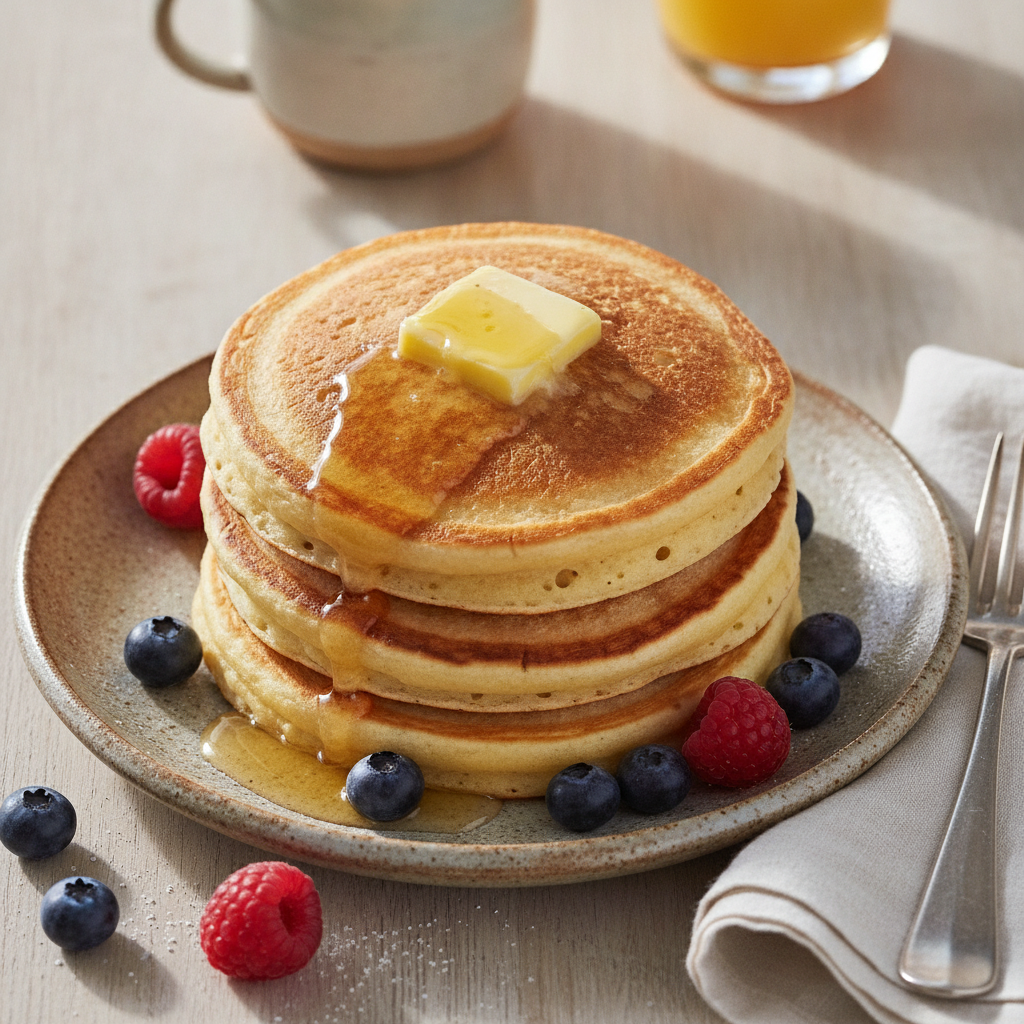
The Origins and History of Pancakes
The story of the pancake is as old as flour and fire itself. It is one of humanity’s most ancient prepared foods, a simple batter of ground grain and liquid cooked on a hot surface. Archaeologists have even found evidence of pancake-like foods in the stomach contents of Otzi the Iceman, a mummy dating back over 5,000 years! This humble dish has been a canvas for culinary expression across nearly every culture and continent, evolving with the ingredients and technologies available. The ancient Greeks and Romans made versions sweetened with honey, while across Asia, savory pancakes filled with vegetables and meats became staples.
What we recognize today as the classic fluffy American pancake is a much more recent invention, and its signature lightness is owed entirely to chemistry. The magic ingredient is chemical leavening, specifically the development of baking powder in the mid-19th century. Before this, leavening was achieved with yeast or beaten egg whites, which required much more time and effort. The introduction of baking powder and baking soda revolutionized home baking, allowing cooks to create a dramatic rise quickly and reliably. This transformed the pancake from a flat, dense griddlecake into the airy, stacked icon it is today. While post-war convenience led to the rise of commercial mixes, there has been a beautiful and welcome return to making pancakes from scratch, as home cooks rediscover the superior flavor and wholesome satisfaction that comes from using simple, fresh ingredients.
Understanding the Flavor Profile
A perfect pancake should be a delicate symphony of simple, clean flavors that sing in harmony. The taste profile is subtle yet deeply satisfying, built on a foundation of comforting, bready notes. It begins with a gentle sweetness from the granulated sugar—just enough to enhance the flavor without being cloying, allowing the toppings to truly shine. The secret weapon, buttermilk, lends a slight, pleasant tang that cuts through the richness and adds a layer of complexity that plain milk simply cannot match. This acidity is the perfect counterpoint to the sweetness of syrup.
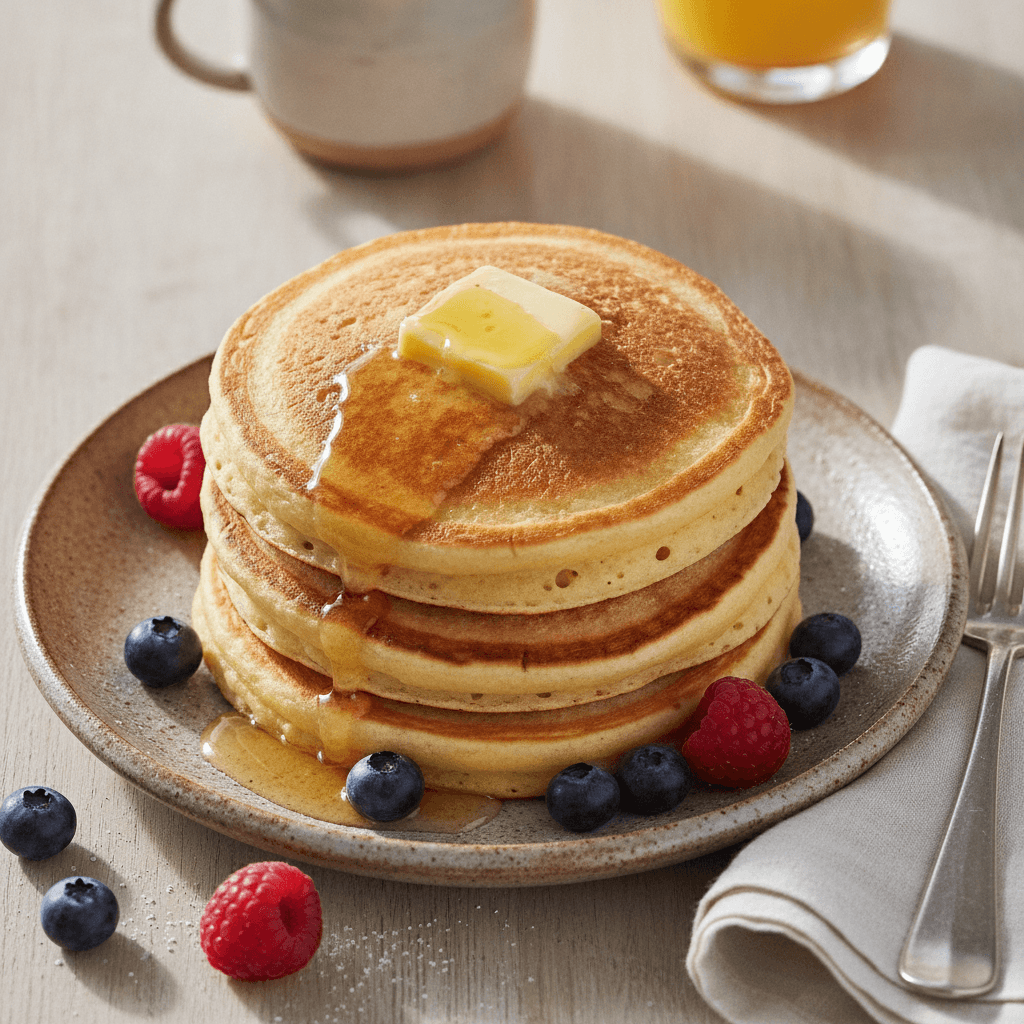
Richness comes from the melted butter and egg yolks, which contribute a luscious, rounded flavor and a beautiful golden color to the crumb. A whisper of vanilla extract infuses the batter with a warm, aromatic quality that feels like a hug in food form. Finally, a crucial pinch of salt sharpens and elevates all these individual flavors, making the entire pancake taste more vibrant and complete. The texture is just as important as the taste. The ideal pancake is incredibly light and fluffy, with a tender, cake-like interior that’s moist but never gummy. The exterior should have a delicate, even, golden-brown crust with slightly crisp edges from its time on the hot, buttery griddle. This contrast between the soft inside and the gentle crust is the hallmark of truly magnificent pancakes from scratch.
Essential Ingredients Explained
The beauty of pancakes from scratch lies in the simplicity of their ingredients. But simple does not mean insignificant. The quality of each component and how it functions is paramount to achieving that coveted fluffy texture and delicious taste. Let's break down the key players.
- All-Purpose Flour: This is the structural backbone of our pancakes. I recommend a standard, unbleached all-purpose flour. Its moderate protein content is ideal; it provides enough gluten for structure but not so much that the pancakes become tough. Avoid bread flour, which has too much protein and will result in a chewy texture, and cake flour, which can sometimes be too delicate to hold the pancake's shape.
- Buttermilk: This is the undisputed star of the show. True buttermilk is the liquid left over from churning butter, but the cultured buttermilk found in most stores works wonderfully. Its acidity serves two critical purposes: it reacts with the baking soda for a powerful leavening boost, and it tenderizes the gluten strands in the flour, resulting in a supremely soft and tender crumb. If you don't have any, you can make a quick substitute: for every 1 cup of milk, stir in 1 tablespoon of lemon juice or white vinegar. Let it sit for 5-10 minutes until it curdles slightly.
- Baking Powder & Baking Soda: This is our leavening duo. Baking soda is a base that needs an acid (our buttermilk) to activate and produce carbon dioxide bubbles. Baking powder is a 'complete' leavener, containing both a base and an acid that activates when it meets liquid. Using both gives you an initial lift from the soda-buttermilk reaction and a sustained lift from the baking powder as the pancakes cook, ensuring maximum fluffiness.
- Large Eggs: Eggs are binders that hold the pancake together. They also contribute fat and protein for a richer flavor, a more tender texture, and a beautiful golden hue. Using room temperature eggs allows them to incorporate more easily and evenly into the batter, creating a smoother emulsion.
- Unsalted Butter: Melted butter woven into the batter provides incredible flavor and moisture, creating that melt-in-your-mouth quality. Using unsalted butter allows you to control the final sodium content of the dish. I also love using butter for greasing the griddle, as it imparts a nutty flavor and helps create those deliciously crisp edges.
- Granulated Sugar: This recipe uses just a touch of sugar. Its primary role isn't just sweetness; it also helps the pancakes brown beautifully through caramelization and contributes to a tender texture.
- Salt: Never skip the salt! It may seem like a small amount, but salt is a powerful flavor enhancer. It balances the sweetness, brings out the subtle notes of the flour and butter, and makes the overall flavor profile more complex and delicious.
- Vanilla Extract: A teaspoon of pure vanilla extract adds a layer of aromatic warmth that elevates the pancakes from good to great. For a slight Levantine twist, you could also add a tiny pinch of ground cardamom or mahlab to the dry ingredients.
Mastering the Technique
Creating light, fluffy pancakes from scratch is less about a complicated recipe and more about a few key techniques. Mastering these steps will guarantee you perfect results every single time, transforming your breakfast from ordinary to extraordinary.
1. Prepare Your Ingredients: Begin by getting everything in its place. Melt your butter first so it has a moment to cool down slightly—you don't want it to scramble the eggs. If your eggs and buttermilk are cold, let them sit on the counter for about 20-30 minutes to come closer to room temperature. This helps create a smooth, cohesive batter.
2. The Dry Mix: In a large bowl, whisk together your flour, sugar, baking powder, baking soda, and salt. Whisking is better than stirring here, as it acts like sifting, breaking up any clumps and evenly distributing those all-important leavening agents. An even distribution means an even rise in every single pancake.
3. The Wet Mix: In a separate medium bowl, whisk the eggs until they are light and frothy. Then, pour in the buttermilk and vanilla extract, and whisk to combine. Now, slowly drizzle in the slightly cooled melted butter while whisking continuously. This process, called emulsifying, ensures the fat is evenly distributed throughout the wet ingredients, which leads to a more tender final product.
4. The Gentle Combination (The Golden Rule): This is the single most important step. Pour the wet ingredients into the bowl of dry ingredients. Using a spatula or wooden spoon, fold the mixture together until it is just combined. You should stop as soon as you no longer see large streaks of dry flour. The batter will be, and absolutely should be, lumpy. These lumps are pockets of flour that will hydrate as the batter rests, and they are your insurance against a tough pancake. Over-mixing develops gluten, the protein network in flour, which is great for chewy bread but disastrous for pancakes, leading to a rubbery, dense texture. Resist the urge to stir it smooth!
5. The Essential Rest: Once mixed, let the batter rest on the counter for at least 10 to 15 minutes. Do not skip this step! This resting period allows the gluten strands that were formed during mixing to relax, which makes the pancakes more tender. It also gives the starch in the flour time to absorb the liquid, thickening the batter slightly and improving its texture. You might even see a few bubbles start to form as the leavening gets to work.
6. The Perfect Cook: Preheat your griddle or a heavy-bottomed skillet (cast iron is fantastic) over medium-low heat. The heat is crucial—too high and the outside will burn before the inside is cooked. Test the heat by flicking a drop of water onto the surface; it should sizzle and dance before evaporating. Grease the hot surface lightly with butter or a neutral oil. Use a 1/4-cup measure to pour even rounds of batter, leaving space between them. Cook for 2-3 minutes, until you see bubbles appearing on the surface and the edges look matte and set. Flip once and cook for another 1-2 minutes until golden brown. Your patience here will be rewarded with perfectly cooked, fluffy pancakes from scratch.
Common Pitfalls and How to Fix Them
Even with a great recipe, a few things can go sideways when you're making pancakes from scratch. But don't worry, nearly every problem has a simple solution. Let's walk through the most common issues and how to troubleshoot them.
Pitfall: My pancakes are flat and dense, not fluffy. This is the most frequent complaint, and it usually points to one of two culprits. First, your leavening agents (baking powder or baking soda) might be expired. They lose their potency over time. Test your baking powder by dropping a spoonful in hot water; it should fizz vigorously. The second, and more likely, cause is an over-mixed batter. If you stirred until the batter was smooth and lump-free, you've developed too much gluten. Next time, remember: lumps are your friend! Mix only until the wet and dry are just incorporated.
Pitfall: My pancakes have a rubbery, chewy texture. This is a direct result of over-mixing, plain and simple. When you overwork the batter, you create a strong gluten network, which is exactly what you want for a chewy loaf of bread, but the opposite of what you want in a tender pancake. The fix is entirely in the technique. Be gentle, use a spatula to fold, and stop mixing the moment the flour streaks disappear.
Pitfall: The outside is dark or burnt, but the inside is still raw and gooey. This is a classic case of the heat being too high. A pancake needs gentle, steady heat to cook through evenly. If the griddle is scorching hot, the exterior will cook far too quickly, leaving the center uncooked. The solution is to turn your burner down to medium-low and be patient. The first pancake is often called the 'chef's treat' because it's the test pancake. Use it to adjust your temperature perfectly for the rest of the batch.
Pitfall: The batter seems way too thick or too thin. Batter consistency can vary slightly depending on the humidity or how you measure your flour. If your batter is so thick it's difficult to pour, whisk in a tablespoon or two of buttermilk until it reaches a pourable, yet still thick, consistency. If it seems too thin and watery, which can happen if you use a low-fat buttermilk substitute, fold in an extra tablespoon of flour. Make these adjustments before you start cooking the batch.
Pitfall: The pancakes are sticking to the pan. This usually happens for two reasons: the pan wasn't hot enough when you added the batter, or you didn't use enough fat. Make sure your griddle is fully preheated before you pour the first pancake. You also need to re-grease the pan lightly with butter or oil between each batch to ensure a non-stick surface every time.
Regional Twists Worth Trying
Once you've perfected the classic pancakes from scratch, you have a wonderful base for culinary creativity. Think of this recipe as a canvas. Here are a few variations, including one with a touch of my beloved Levantine flavors, that are absolutely worth exploring.
- Levantine-Inspired Pistachio & Rose Pancakes: This is a truly elegant twist. Add a quarter teaspoon of ground cardamom to the dry ingredients. After you flip the pancakes, sprinkle the cooked side with finely chopped pistachios. Serve them not with maple syrup, but with a drizzle of simple rosewater syrup (sugar and water simmered with a splash of rosewater) or even a good quality date molasses. The floral, nutty, and warm spice notes are absolutely heavenly.
- Lemon Ricotta Pancakes: For an incredibly moist, creamy, and slightly tangy pancake, try adding ricotta. Gently fold in about 3/4 cup of whole-milk ricotta cheese and the zest of one lemon into the batter right at the end of mixing. The ricotta adds richness and moisture, creating a texture that is almost like a cross between a pancake and a cheesecake. These are fantastic served with fresh blueberries.
- Hearty Whole Grain Pancakes: To add a nutty flavor and some extra fiber, you can substitute up to half of the all-purpose flour with whole wheat flour or buckwheat flour. Keep in mind that these flours absorb more liquid, so you may need to add an extra splash of buttermilk to get the right consistency. The resulting pancakes will be denser and heartier, with a wonderfully rustic flavor.
- Chocolate Chip or Blueberry Pancakes: These are the classic add-ins for a reason. For the best results, don't mix the additions into the main bowl of batter. Instead, pour your pancake onto the griddle and then sprinkle the top with a handful of chocolate chips or fresh blueberries before you flip. This prevents the heavy additions from sinking to the bottom of the batter and ensures they are evenly distributed in every pancake.
The Perfect Spread
While a spectacular pancake can stand on its own, the right accompaniments turn a simple breakfast into a memorable feast. Building the perfect plate is all about balancing flavors, textures, and temperatures. It's about creating a spread that makes your beautiful homemade pancakes from scratch the star of the show.
The undisputed classic pairing is a generous pat of good-quality, creamy butter melting into the warm stack, followed by a liberal pour of pure maple syrup. There's a reason this combination is iconic; the salty richness of the butter and the woodsy sweetness of the syrup are the perfect complement to the tender pancake.
For a fresher, brighter approach, think fruit. A mound of fresh, seasonal berries—like raspberries, blueberries, or sliced strawberries—adds a welcome tartness and vibrant color. For a warmer touch, a spoonful of gently simmered fruit compote or even just sliced, caramelized bananas are wonderful options. To introduce a creamy texture and a bit of tang, a dollop of thick Greek yogurt or my personal favorite, labneh, is an excellent choice. A drizzle of golden honey or rich date syrup over the yogurt adds another layer of delicious complexity. For a delightful crunch, sprinkle on a handful of toasted pecans, walnuts, or pistachios. The nutty flavor and crisp texture provide a fantastic contrast to the soft pancakes. To make it a truly complete and celebratory brunch, serve your pancakes alongside savory elements like fluffy scrambled eggs, savory halal beef or chicken sausages, and a side of fresh fruit salad.
Keeping and Reheating
One of the best things about this pancakes from scratch recipe is that it makes a generous batch, which is perfect for planning ahead. Leftover pancakes, when stored and reheated properly, can be nearly as good as they were fresh off the griddle, making weekday mornings something special.
First, let the pancakes cool completely on a wire rack. Storing them while warm will create steam, resulting in a soggy texture. Once cool, you can store them in an airtight container or a resealable bag. They will keep well in the refrigerator for up to three days.
For longer storage, freezing is the best option. Place the cooled pancakes in a single layer on a baking sheet and pop them in the freezer for about an hour, or until firm. This step, called flash-freezing, prevents them from sticking together. Once frozen solid, transfer the pancakes to a freezer-safe bag or container. They will maintain their quality for up to two months. It's a fantastic way to have a homemade breakfast ready to go at a moment's notice.
When it comes to reheating, you have a few options. The absolute best method is to use a toaster or a toaster oven. This crisps up the exterior beautifully while warming the inside, reviving that fresh-off-the-griddle texture. For a larger batch, you can lay them in a single layer on a baking sheet and warm them in a 350°F (175°C) oven for about 5-7 minutes. While the microwave is the fastest option, be aware that it can make them a bit soft and steamy. Whichever method you choose, a warm, delicious pancake is just minutes away.
Your Questions Answered
Can I make the pancake batter ahead of time?
You can, but with a slight compromise. The leavening agents, particularly the baking soda reacting with the buttermilk, are most active right after the batter is mixed. If you make the full batter the night before, your pancakes will be a bit less fluffy. A better make-ahead method is to mix all the dry ingredients in one container and all the wet ingredients (except the melted butter) in another. The next morning, just melt the butter, combine it with the wet mix, and then gently fold everything together. This gives you the speed of a pre-made mix with all the fresh flavor.
How can I make these pancakes dairy-free or gluten-free?
Absolutely! For a dairy-free version, create a plant-based 'buttermilk' by mixing a plant-based milk like almond, soy, or oat milk with a tablespoon of lemon juice or apple cider vinegar. Let it sit for a few minutes to curdle. Use a quality dairy-free butter substitute or a neutral oil like avocado oil in place of the butter. For a gluten-free version, substitute the all-purpose flour with a good quality 1-to-1 gluten-free baking flour blend. Be sure the blend contains xanthan gum, which will help with the structure and texture.
How do I get perfectly round, evenly-sized pancakes?
The secret to uniform pancakes is a portioning tool. A 1/4-cup dry measuring cup or a spring-loaded ice cream scoop works perfectly. This ensures you're pouring the same amount of batter for each pancake. Also, give them space! Don't crowd the pan. Cooking only two or three at a time allows the heat to circulate evenly and gives you room to flip them cleanly, helping them maintain their perfect circular shape.
Why is my first pancake always a disaster?
Don't feel bad—this happens to everyone! Think of the first pancake not as a failure, but as a crucial test. It's your scout. It sacrifices itself to tell you if the griddle's temperature is just right. If it burns too quickly, the heat is too high. If it takes forever to cook, the heat is too low. Use that first one to calibrate, and the rest of your batch will be perfect.
Can I double this recipe for a large family gathering?
Yes, this recipe for pancakes from scratch scales beautifully. Simply double all the ingredient quantities. I recommend using a very large bowl for mixing to ensure you have enough room to fold the batter gently without over-mixing. To keep the first batches warm while you cook the rest, place a wire rack on a baking sheet and keep it in a warm oven (around 200°F or 95°C). Place the cooked pancakes in a single layer on the rack to keep them warm and crisp until you're ready to serve everyone at once.
Fluffy Buttermilk Pancakes from Scratch
The ultimate recipe for light, airy, and incredibly tender buttermilk pancakes from scratch. A classic breakfast staple made easy with simple ingredients.
Prep Time
15 min
Cook Time
20 min
Total Time
35 min
Servings
12 pancakes, serving 4
Ingredients
For 12 pancakes, serving 4
- 2 cups all-purpose flour (250g)
- 2 tablespoons granulated sugar
- 2 teaspoons baking powder
- 1 teaspoon baking soda
- 1/2 teaspoon fine sea salt
- 2 cups buttermilk, room temperature
- 2 large eggs, room temperature, lightly beaten
- 1/4 cup unsalted butter, melted and slightly cooled
- 1 teaspoon vanilla extract
- Additional butter or neutral oil, for greasing the griddle
Instructions
- 1
Combine Dry Ingredients
In a large bowl, add the all-purpose flour, granulated sugar, baking powder, baking soda, and salt. Whisk everything together for about 30 seconds to ensure the leavening agents are evenly distributed and to break up any lumps.
- 2
Mix Wet Ingredients
In a separate medium bowl, add the room temperature buttermilk and the lightly beaten eggs. Whisk to combine. Slowly drizzle in the slightly cooled melted butter while whisking continuously, then stir in the vanilla extract.
- 3
Gently Combine Batter
Pour the entire mixture of wet ingredients into the bowl of dry ingredients. Using a rubber spatula, gently fold the batter together until it is just combined. Stop mixing as soon as you no longer see large streaks of dry flour; the batter should be very lumpy and thick. Do not overmix.
- 4
Rest the Batter
Let the batter rest at room temperature for 10-15 minutes. This crucial step allows the gluten to relax and the flour to hydrate, resulting in a more tender pancake. The batter will thicken slightly and you may see bubbles begin to form.
- 5
Preheat Griddle or Pan
While the batter rests, place a large non-stick skillet, cast-iron pan, or griddle over medium-low heat. The pan is ready when a drop of water flicked onto the surface sizzles and evaporates quickly.
- 6
Grease the Pan
Lightly grease the hot griddle with a small amount of butter or neutral oil. Use a paper towel to wipe out any excess, leaving only a thin film on the surface. This ensures even browning without frying the pancakes.
- 7
Pour the Pancakes
Using a 1/4-cup measure or a large spoon, pour rounds of batter onto the hot griddle. Be sure to leave at least 2 inches of space between pancakes so they don't run into each other and are easy to flip.
- 8
Watch for Bubbles
Cook for 2-3 minutes on the first side. You'll know it's time to flip when you see bubbles forming and popping on the surface of the pancake and the edges begin to look dry and matte.
- 9
Flip the Pancakes
Using a thin, wide spatula, confidently slide it under the pancake and flip it over in one quick motion. Try to only flip each pancake once to keep them light and fluffy.
- 10
Cook the Second Side
Cook for another 1-2 minutes on the second side, or until it is golden brown and the pancake is cooked through. You can gently press the center with your spatula; it should feel slightly firm.
- 11
Keep Pancakes Warm
Transfer the cooked pancakes to a plate or a wire rack set inside a baking sheet in a warm oven (200°F / 95°C) to keep them warm while you cook the remaining batter.
- 12
Serve and Enjoy
Repeat the process with the remaining batter, adding a little more butter to the griddle between batches. Serve the warm pancakes immediately with your favorite toppings like butter, maple syrup, and fresh berries.
Nutrition Facts
Per serving (estimated)
455 calories
Calories
62g
Carbs
14g
Protein
18g
Fat
2g
Fiber
810mg
Sodium
12g
Sugar