Easy 10-Minute Basil Pesto Recipe
Whip up the best homemade pesto recipe in just 10 minutes! Fresh basil, toasted pine nuts, and a secret ingredient for vibrant green color. Perfect for pasta!
cookwithyara.com/recipes/pesto-recipe
It’s one of those evenings. The day has been long, the to-do list seems to have grown instead of shrinking, and the thought of a complicated dinner is simply out of the question. We all have these days, when our energy is low but our craving for something delicious, wholesome, and satisfying is high. It’s on nights like this that I turn to the magic of a truly great, incredibly simple homemade pesto recipe. This isn't just a sauce; it's a vibrant, fragrant burst of summer that you can whip up in less time than it takes to decide on a takeout order. Forget simmering sauces for hours or juggling multiple pots and pans. This is about pure, unadulterated flavor, made in minutes.
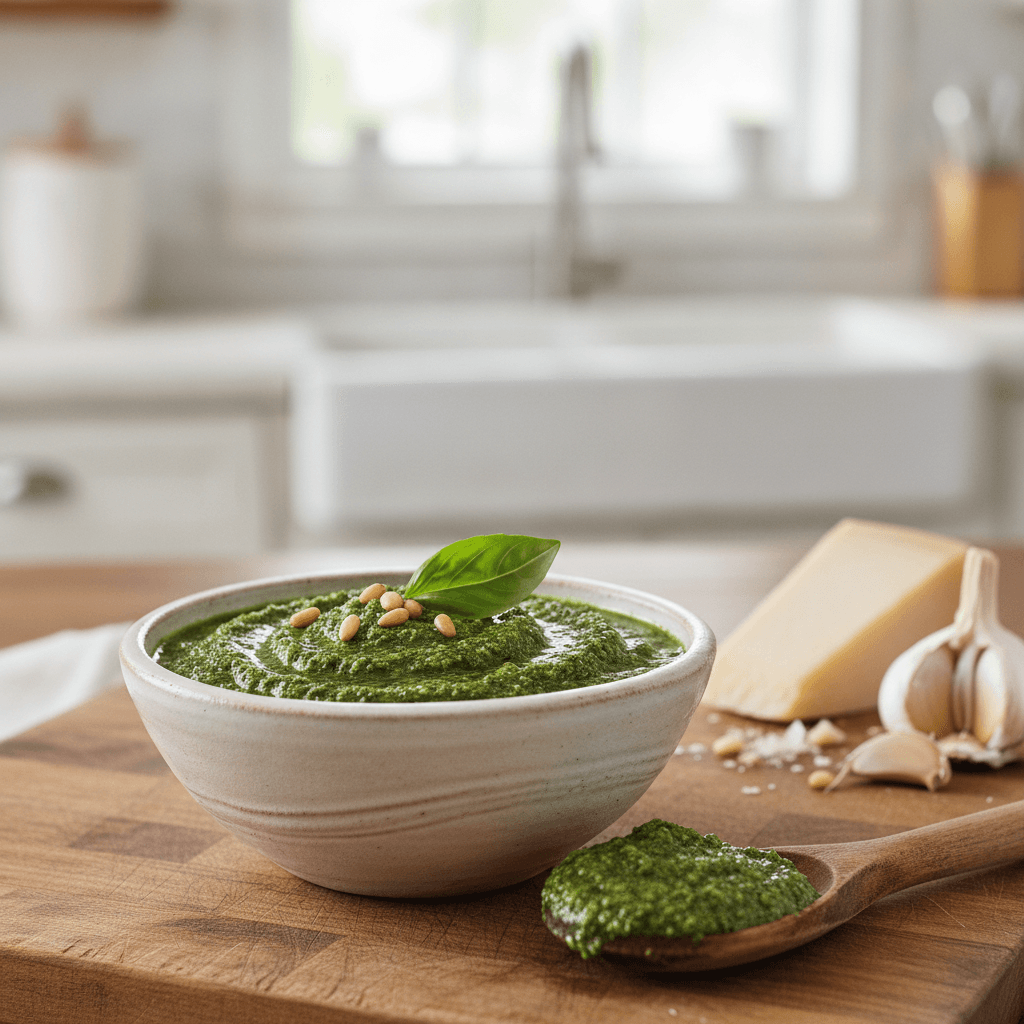
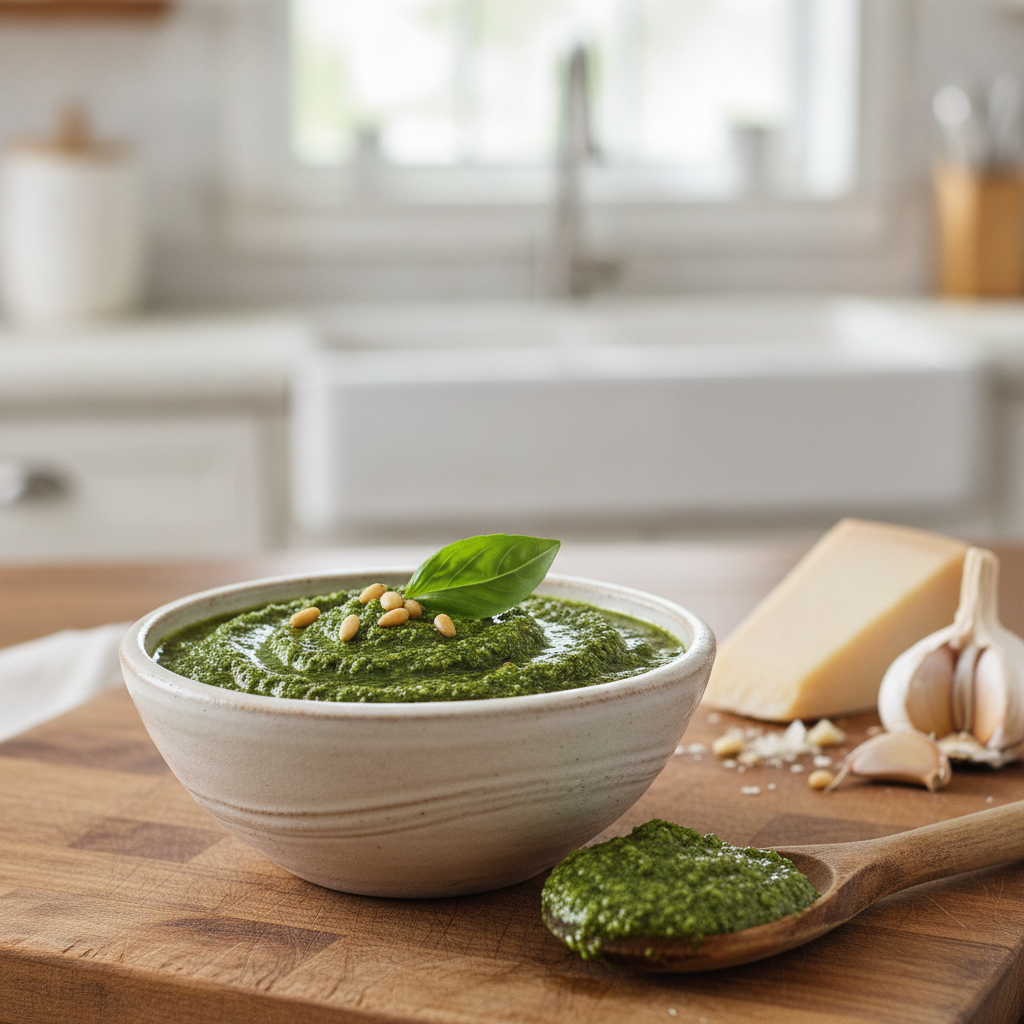
Imagine this: a beautiful bowl of your favorite pasta, each piece lovingly coated in a brilliantly green, creamy sauce that sings with the fresh, peppery notes of basil, the subtle richness of toasted pine nuts, the savory depth of good cheese, and the pungent warmth of fresh garlic, all brought together by luscious, fruity olive oil. This is more than just a quick meal; it's a small act of self-care, a way to bring a touch of Mediterranean sunshine to your table, no matter how hectic the day has been. My promise to you is simple: with this classic basil pesto recipe, you can go from a handful of beautiful ingredients to a spectacular, deeply satisfying meal in under 15 minutes. Let’s get started.
Why This Is Your New Weeknight Go-To
In a world of complex recipes, this simple pesto recipe stands out for its beautiful efficiency and stunning results. It has earned a permanent, celebrated spot in my cooking rotation, and I’m confident it will in yours, too. Here’s why this sauce is the answer to your busiest evenings.
Blazing Fast, Seriously. We're talking about a genuine 10-minute sauce. The most time-consuming part is washing the basil. Once your ingredients are ready, the food processor does all the work in under two minutes. It’s a culinary magic trick that results in a sauce so fresh and flavorful, it tastes like it took hours of careful work.
Minimal Cleanup. On a busy night, the last thing anyone wants is a sink full of dishes. This recipe is a hero in that department. You’ll need one food processor (or blender), a bowl, and a spatula. That’s it. One pot for the pasta, and your entire meal is done with cleanup that takes just a few moments.
A Pantry Powerhouse. Aside from the fresh basil, most of the components are likely already in your kitchen. A good bottle of olive oil, a head of garlic, some nuts, and a wedge of hard cheese are staples in my pantry. This means a delicious, homemade meal is always within reach, without a special trip to the store.
Endlessly Versatile. While it’s a dream on pasta, that’s just the beginning. This pesto is a workhorse. Spread it on toasted bread for a quick appetizer, dollop it onto grilled chicken or fish, swirl it into a vegetable soup for a burst of flavor, or mix it with a little yogurt for a creamy salad dressing. One simple pesto recipe opens up a dozen meal possibilities.
A Burst of Freshness. There’s something special about the aroma that fills your kitchen when you make fresh pesto. The intense, sweet-peppery fragrance of basil is instantly uplifting. The vibrant, jewel-toned green of the finished sauce is a feast for the eyes before it even reaches the table, promising a meal that's as nourishing as it is delicious.
Simple Ingredients, Big Flavor
The beauty of Mediterranean and Levantine cooking often lies in its simplicity—taking a few high-quality ingredients and letting them shine. This pesto recipe is the perfect embodiment of that philosophy. The final result is so much more than the sum of its parts, and understanding each component is key to making the best pesto of your life.
Fresh Basil: This is the heart and soul of the sauce. For the most authentic flavor, look for Genovese basil, which has large, tender, and intensely fragrant leaves. The key is freshness. Your basil should be bright green and perky, not wilted or bruised. Be sure to wash and dry it thoroughly; excess water can make your pesto bland and prevent it from emulsifying properly. Only use the leaves, as the stems can be bitter.
High-Quality Extra Virgin Olive Oil: Pesto is an uncooked sauce, which means the flavor of your olive oil will be front and center. This is the time to use your best 'finishing' oil—one that is fruity, perhaps a little peppery, and has a beautiful golden-green hue. A good oil will bind all the ingredients into a silky, emulsified sauce, rather than a separated, oily mess. Its flavor is as crucial as the basil itself.
Pine Nuts: Traditionally, pesto is made with pine nuts, and for good reason. When lightly toasted, they release their natural oils and develop a wonderfully buttery, slightly sweet flavor and a soft texture that helps create a creamy sauce. Toasting them in a dry skillet for just a few minutes is a non-negotiable step; it transforms them from simple nuts into a core flavor element. If you don't have them, walnuts or almonds are excellent substitutes.
Garlic: Garlic provides the essential pungent, savory kick that balances the freshness of the basil. I always advise starting with a little less than you think you need, especially since it's used raw. You can always add more. The goal is a warm background note, not an overpowering bite. Using fresh, firm cloves makes all the difference.
Parmigiano-Reggiano: This cheese brings the salty, umami depth that makes the pesto so satisfying. Please, if you can, grate it yourself from a block. Pre-grated cheeses often contain anti-caking agents that can give the pesto a gritty texture and a less vibrant flavor. The nutty, crystalline notes of a true Parmigiano-Reggiano are irreplaceable in this classic pesto recipe.
Fresh Lemon Juice: This is my personal touch, a little secret borrowed from Levantine cooking principles. A small squeeze of fresh lemon juice does two magical things: it brightens all the other flavors, cutting through the richness of the oil and cheese, and its acidity helps the basil retain its brilliant green color for longer. It's the little detail that elevates a good pesto to a great one.
Step-by-Step in Plain English
Let’s walk through just how simple it is to create this incredible sauce. The food processor does the heavy lifting, but knowing the sequence and the visual cues will ensure your pesto recipe turns out perfectly every single time. Think of it less as a rigid set of instructions and more as a gentle guide to creating something wonderful.
Stage 1: Awaken the Nuts (2-3 minutes) Your first step is to toast the pine nuts. Place them in a small, dry skillet over medium-low heat. Stay close and toss them frequently. You're not looking for deep color, just a light golden hue and a wonderfully nutty aroma that will fill your kitchen. This simple action dramatically deepens their flavor. Once they're fragrant, immediately remove them from the pan to a plate to cool so they don't continue to cook and burn.
Stage 2: The First Pulse (30 seconds) Once the nuts have cooled slightly, place them in the bowl of your food processor along with the fresh basil leaves and the chopped garlic. Secure the lid and pulse the machine 5 to 7 times. Your goal here is to break everything down into a coarse, gravelly texture. It will look rough and uneven, and that’s exactly what you want at this stage.
Stage 3: Introduce the Savory Elements (15 seconds) Now it’s time to build more flavor. Add your freshly grated Parmigiano-Reggiano, the sea salt, a few grinds of black pepper, and that all-important squeeze of fresh lemon juice. Pop the lid back on and pulse a few more times, just to get everything acquainted and evenly distributed. You're halfway there, and it has only been a few minutes!
Stage 4: The Magic of Emulsification (1-2 minutes) This is where the sauce truly comes together. Turn the food processor on to its continuous 'on' setting. Through the feed tube at the top, slowly—and I mean slowly—stream in the extra virgin olive oil while the machine is running. You will visibly see the mixture transform from a coarse chop into a cohesive, creamy, and vibrant green sauce. This slow addition of oil is what creates a stable emulsion, ensuring a perfectly smooth texture. Scrape down the sides of the bowl once to make sure everything is incorporated.
Stage 5: Taste and Perfect (30 seconds) The most important step in any recipe! Turn off the machine, take a small spoonful, and taste. Does it need more salt to make the flavors pop? A little more lemon juice for brightness? Perhaps another small clove of garlic? This is your chance to customize this perfect pesto recipe to your exact liking. Make any adjustments, give it one final, quick pulse, and you’re done. It’s ready to be enjoyed immediately.
Pro Shortcuts and Time-Savers
Even a 10-minute recipe can be made faster on those truly hectic days. Here are a few of my favorite shortcuts and preparation tips to make this easy pesto recipe even more effortless, ensuring you can have homemade goodness on the table in a flash.
Prep Your Greens Ahead: If you know you'll have a busy week, wash and thoroughly dry a large bunch of basil over the weekend. Store the clean, dry leaves in a container lined with a paper towel. This way, when you're ready to make pesto, your main ingredient is prepped and ready to go directly into the food processor.
Double the Batch, Freeze for Later: The beauty of this pesto recipe is that it freezes magnificently. Since you're already using the food processor, why not make a double or triple batch? The extra effort is minimal. Freeze the pesto in ice cube trays. Once solid, pop the pesto cubes into a freezer bag. You'll have perfect single servings of homemade pesto ready to drop into pasta, soups, or sauces for months to come.
Use a Microplane: For grating hard cheeses like Parmigiano-Reggiano and mincing garlic, a microplane grater is your best friend. It creates fine, feathery strands of cheese that melt beautifully into the sauce and turns garlic into a paste-like consistency, ensuring it distributes evenly without any harsh, raw chunks.
Embrace Your Blender: While a food processor is ideal for achieving that classic, slightly textured pesto, a high-powered blender can also work in a pinch. You may need to stop and scrape down the sides more often, and the final result might be a bit smoother and creamier, but it will still be absolutely delicious and incredibly fast.
Ways to Switch It Up
Once you've mastered this classic basil pesto recipe, you'll realize it's more of a template than a strict rulebook. It's a fantastic base for creativity, easily adaptable to the ingredients you have on hand or the flavors you're craving. Here are a few of my favorite variations to inspire your next batch.
Peppery Arugula Pesto: For a bold, peppery twist, substitute half of the basil with fresh baby arugula. This version has a pleasant bitterness that pairs wonderfully with grilled meats, roasted potatoes, or robust pasta shapes. It’s a more assertive sauce that stands up to strong flavors beautifully.
Creamy Avocado Pesto: To create an incredibly luscious and creamy sauce, add half of a ripe avocado to the food processor along with the other ingredients. It makes the pesto even richer and is a great way to add healthy fats. This version is fantastic as a sandwich spread or a dip for fresh vegetables.
Spicy Calabrian Pesto: If you like a bit of heat, this one's for you. Add a pinch of crushed red pepper flakes or, for a more complex heat, a teaspoon of Calabrian chili paste. This small addition provides a gentle warmth that builds on the palate, beautifully complementing the garlic and basil.
Nut-Free Sunflower Seed Pesto: For a delicious nut-free alternative, simply replace the pine nuts with toasted sunflower seeds or pepitas (pumpkin seeds). They provide a similar richness and body to the sauce with a lovely, earthy flavor all their own. Be sure to toast them just as you would the pine nuts.
Levantine Pistachio & Parsley Pesto: For a taste of my corner of the world, try using pistachios instead of pine nuts and swapping out a cup of the basil for fresh, flat-leaf parsley. The pistachios give it a unique, slightly sweet richness, while the parsley adds a clean, bright, and earthy note. It’s a fantastic variation that feels both familiar and excitingly new.
Storing Leftovers the Right Way
Fresh pesto is a living sauce, and its biggest enemy is oxygen, which can cause the vibrant green basil to darken and the flavors to dull. Proper storage is key to preserving its freshness and color. Luckily, it's very simple to do.
In the Refrigerator: If you plan to use the pesto within a week, transfer it to an airtight container or a glass jar. Before sealing it, pour a thin layer of olive oil over the surface. This creates a barrier against the air, preventing oxidation. Gently press a piece of plastic wrap directly onto the surface of the oil for extra protection before putting on the lid. Stored this way, it will keep its beautiful color and flavor for 5-7 days.
In the Freezer: For long-term storage, the freezer is your best option. The ice cube tray method is brilliant for portion control. Spoon the pesto into a clean ice cube tray, cover it with plastic wrap, and freeze until solid. Once frozen, transfer the pesto cubes to a labeled, airtight freezer bag or container. They will last for up to 6 months, giving you a taste of summer on demand.
How to Use After Storing: From the fridge, simply spoon out what you need. From the freezer, you don't even need to thaw it for most uses. If you're making pasta, just drop a frozen cube or two directly into the hot, drained pasta and stir. The residual heat will melt it perfectly, creating an instant sauce. Remember, never heat pesto directly on the stove, as high heat can cause the oil to separate and will cook the fresh basil, turning it a dark, unappealing color and altering its fresh flavor.
Quick Answers to Common Questions
Here are answers to some of the most common questions I receive about making this homemade pesto recipe. I hope they help you achieve pesto perfection!
Why did my pesto turn brown or black?
This is almost always due to oxidation, which happens when the cut basil leaves are exposed to air. To prevent this, my secret weapon is a little fresh lemon juice, as its acidity helps slow this process. Also, covering the surface of your stored pesto with a thin layer of olive oil creates a physical barrier against oxygen, keeping it vibrant green.
Can I make this pesto recipe without a food processor?
Absolutely! The most traditional method is to use a mortar and pestle. This creates a wonderfully rustic texture and releases the ingredients' essential oils in a unique way. Alternatively, you can use a high-powered blender for a silkier, smoother result. If you have neither, you can finely chop all the ingredients by hand with a sharp knife for a more textured, 'pesto rustico'.
Is it okay to use pre-grated cheese?
While it will work in a pinch, I strongly recommend grating your own cheese from a block. Packaged pre-grated cheeses often contain starches and anti-caking agents to prevent clumping. These additives can create a slightly gritty texture in your finished pesto and can mute the pure, nutty flavor of the cheese.
Can I make this a vegan pesto recipe?
Yes, it's very easy to adapt. Simply omit the cheese. To replicate some of that savory, cheesy flavor, add one or two tablespoons of nutritional yeast. It provides a wonderful umami depth that makes for a delicious and completely plant-based sauce.
What other nuts can I use besides pine nuts?
Pine nuts can sometimes be pricey or hard to find, but many other nuts make a fantastic pesto. Toasted walnuts are a classic substitute with a slightly earthier flavor. Toasted almonds work beautifully for a milder taste. For a delicious Levantine twist, try using pistachios or even pecans!
How much pesto should I use for pasta?
Less is often more with a flavorful sauce like pesto. A good starting point is about 2-3 tablespoons of pesto per serving (about 3-4 ounces) of dried pasta. The most important tip is to reserve a cup of the starchy pasta cooking water before you drain it. Tossing the hot pasta with pesto and a few splashes of this reserved water helps to create a creamy, emulsified sauce that clings perfectly to every noodle.
Classic Basil Pesto Recipe
A vibrant, easy-to-make classic basil pesto recipe with fresh basil, pine nuts, garlic, and high-quality olive oil. Ready in 10 minutes!
Prep Time
10 min
Cook Time
5 min
Total Time
15 min
Servings
1.5 cups
Ingredients
For 1.5 cups
- 3 cups fresh basil leaves, packed
- 1/2 cup extra virgin olive oil, plus more as needed
- 1/3 cup pine nuts
- 2-3 cloves garlic, roughly chopped
- 1/2 cup freshly grated Parmigiano-Reggiano cheese
- 1 tablespoon fresh lemon juice
- 1/2 teaspoon sea salt, or to taste
- 1/4 teaspoon black pepper, or to taste
Instructions
- 1
Toast the Pine Nuts
Place the pine nuts in a small, dry skillet over medium-low heat. Toast for 2-4 minutes, tossing frequently, until they are lightly golden and fragrant. Immediately transfer them to a plate to cool to prevent burning.
- 2
Prepare the Basil
While the nuts cool, thoroughly wash the basil leaves and dry them completely. A salad spinner works best for this. Excess water can make the pesto watery and prevent it from emulsifying properly.
- 3
Combine Solids in Processor
In the bowl of a food processor, combine the packed basil leaves, the cooled toasted pine nuts, and the roughly chopped garlic cloves. Secure the lid firmly.
- 4
Pulse for a Coarse Chop
Pulse the machine 5-7 times, or until the ingredients are coarsely chopped into a rough, gravel-like texture. This initial step breaks down the solids before adding the other ingredients.
- 5
Add Cheese and Seasonings
Add the freshly grated Parmigiano-Reggiano cheese, fresh lemon juice, sea salt, and black pepper to the food processor bowl. Pulse another 3-4 times just to combine everything.
- 6
Stream in the Olive Oil
Turn the food processor on to run continuously. With the motor running, slowly pour the extra virgin olive oil through the feed tube in a thin, steady stream. This process is crucial for creating a smooth, stable emulsion.
- 7
Process Until Smooth
Continue processing until the pesto has come together and is mostly smooth, but still retains a bit of texture. Stop the machine and scrape down the sides of the bowl with a spatula to ensure everything is well incorporated.
- 8
Taste and Adjust
This is the most important step. Taste the pesto and adjust the seasonings to your liking. It might need another pinch of salt, a bit more lemon juice for brightness, or more cheese for savory depth. Give it one final, quick pulse to mix in any additions.
- 9
Serve or Store Immediately
Your homemade pesto is now ready. If using with pasta, toss with hot, drained pasta and a splash of reserved pasta water. If storing, transfer to an airtight jar and top with a thin layer of olive oil before refrigerating.
Nutrition Facts
Per serving (estimated)
120 calories
Calories
1g
Carbs
2g
Protein
12g
Fat
0.5g
Fiber
150mg
Sodium
0g
Sugar