Easy Pickled Beets Recipe (Sweet & Tangy)
Learn how to make the best homemade pickled beets with this easy recipe! Sweet, tangy, and perfectly spiced, they're the perfect addition to salads.
cookwithyara.com/recipes/pickled-beets-recipe
There's a special kind of satisfaction that comes from preserving food. In a world that moves so fast, the simple act of capturing the vibrant flavor and color of a fresh vegetable in a jar feels both grounding and incredibly rewarding. For many, though, the idea of pickling can seem intimidating, conjuring images of complicated equipment and time-consuming processes. I’m here today to completely demystify that notion with my favorite simple pickled beets recipe. This isn't about a huge canning project that takes over your entire weekend; it's about a small, joyful kitchen task that yields the most spectacular results.
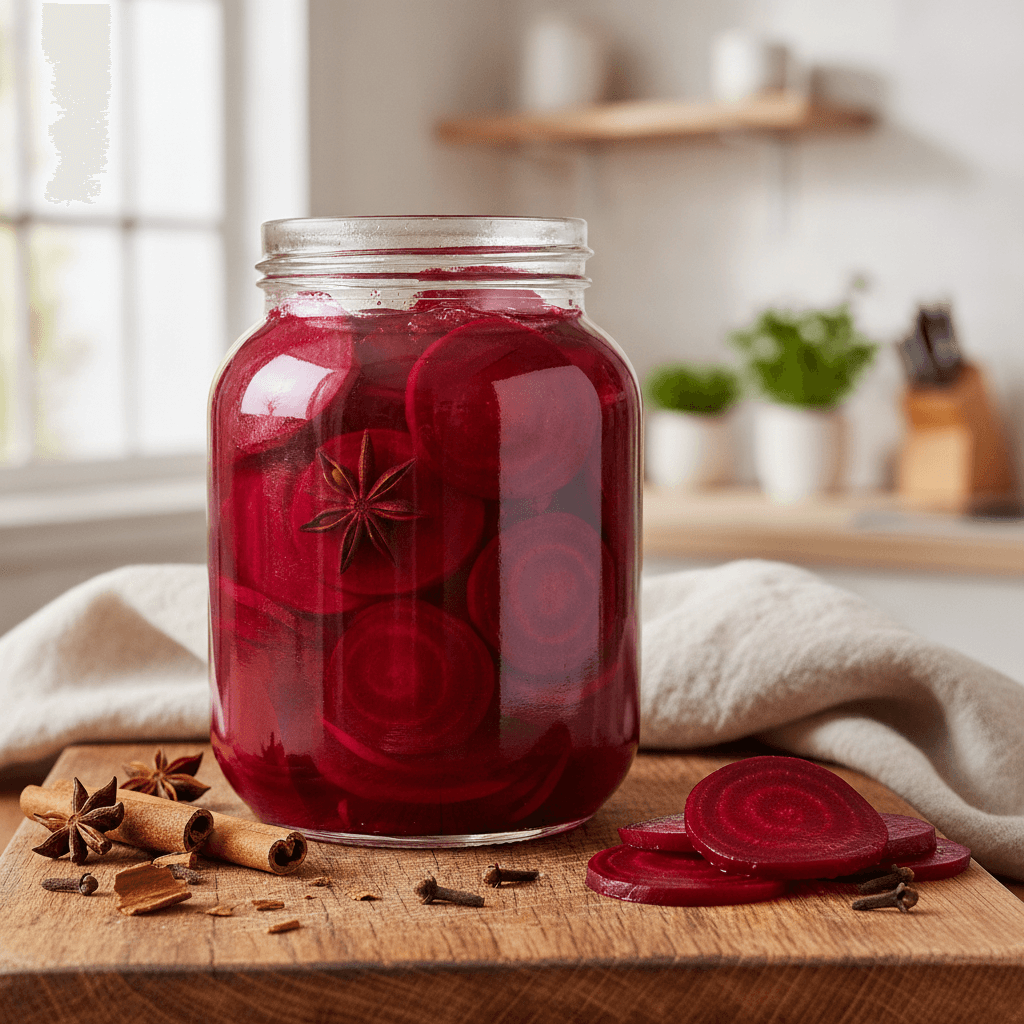
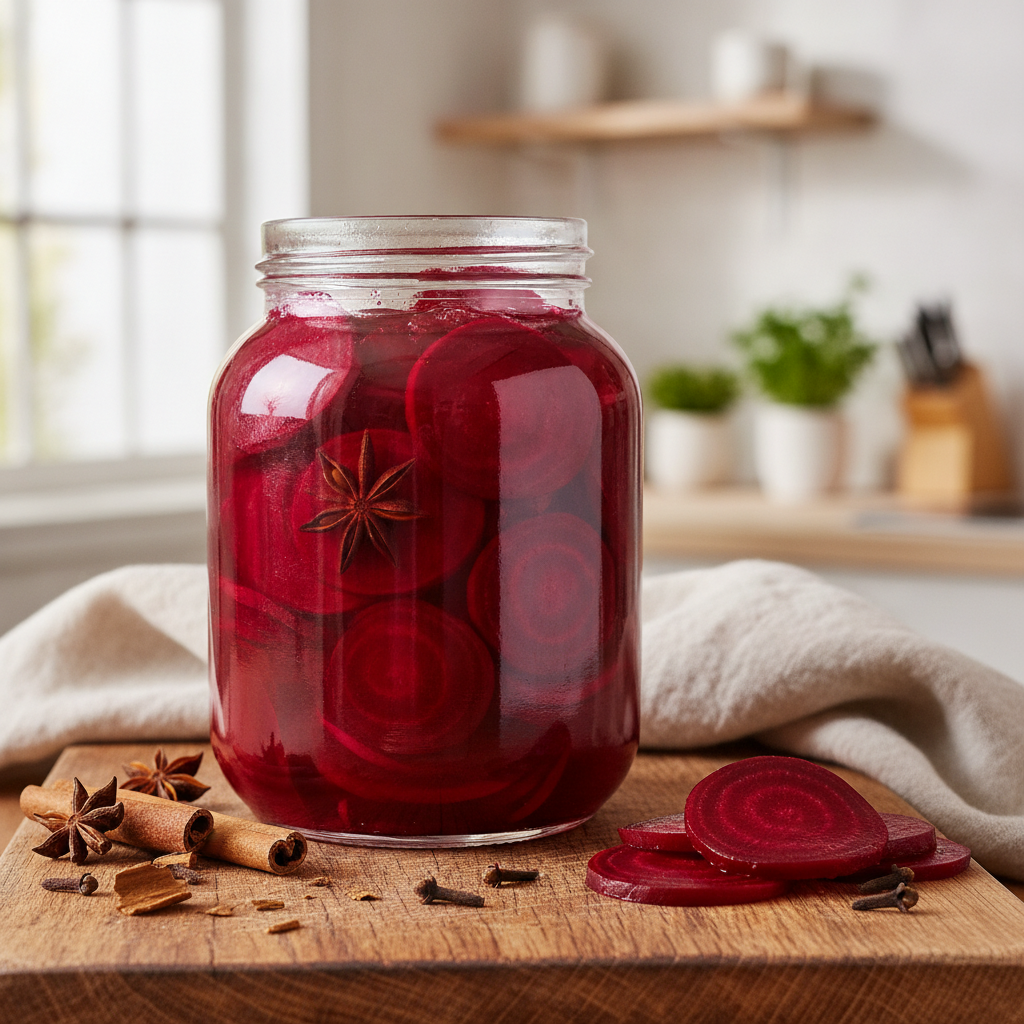
Imagine opening your refrigerator to a jar of shimmering, ruby-red beet slices, suspended in a fragrant, spiced brine. They are a jewel-toned promise of flavor, ready to elevate a simple salad, add a tangy crunch to a sandwich, or stand alone as a zesty, delicious side. This pickled beets recipe is your entry point into the world of home preserving, designed for maximum flavor with minimal fuss. We’ll walk through every step together, and I promise that from start to finish, you’ll find the process just as delightful as the delicious beets you’ll have at the end. Get ready to create a pantry staple you'll be incredibly proud of.
Why You'll Adore This Homemade Pickled Beets Recipe
Moving beyond the often one-note flavor of store-bought versions, making your own pickled beets opens up a world of culinary possibility. It's a simple process that rewards you with a condiment that is not only more delicious but also tailored perfectly to your tastes. Here’s why this particular pickled beets recipe will quickly become a favorite in your kitchen.
Incomparable Flavor and Aroma. The real magic happens in the brine. We’re not just using vinegar and sugar; we’re infusing it with warm, aromatic spices like whole cloves, star anise, and a cinnamon stick. This blend, reminiscent of cozy Levantine kitchens, creates a pickle that is sweet, tangy, and warmly spiced all at once. The aroma that fills your home as the brine simmers is worth the effort alone.
Stunning, Vibrant Color. Let's be honest: we eat with our eyes first. Homemade pickled beets have a breathtaking, deep magenta color that is entirely natural. They add an instant, beautiful pop to any dish, turning a simple green salad into a work of art or making a mezze platter look instantly more inviting.
A True Pantry Powerhouse. Once you have a jar of these on hand, you’ll find endless ways to use them. They are incredibly versatile, ready to be tossed into grain bowls, layered in sandwiches with grilled halloumi, or served alongside roasted chicken. Having a jar of these beauties is like having a secret weapon for adding instant excitement to everyday meals.
Beautifully Simple and Forgiving. This is the perfect recipe for anyone new to pickling. It doesn't require any specialized equipment—just a pot, a knife, and some clean glass jars. The steps are straightforward, and the process is quite forgiving, allowing you to easily adjust the sweetness or spice level to your liking.
A Healthful, Delicious Addition. Beets are nutritional powerhouses, packed with essential vitamins, minerals, and fiber. Pickling them is a wonderful way to preserve these benefits while creating a delicious, low-calorie condiment that can help you eat more vegetables. It's a truly wonderful way to enjoy their earthy goodness.
The Joy of Homemade. There is an undeniable sense of accomplishment that comes from making something so delicious from scratch. This pickled beets recipe connects you to a timeless tradition of preserving the harvest, a skill that is both practical and deeply satisfying. Sharing a jar with friends or family is a gesture of warmth and care.
Simple Ingredients, Big Flavor
One of the best things about this pickled beets recipe is that it relies on simple, accessible ingredients to create its extraordinary flavor. There are no hard-to-find specialty items here—just a well-chosen combination of pantry staples that work in perfect harmony. Let’s take a closer look at what makes these pickled beets so special.
Fresh Beets: The star of the show, of course. Look for small to medium-sized beets that feel firm and heavy for their size, with smooth, unbroken skin. Both red and golden beets work wonderfully, though red beets will give you that iconic, stunning ruby color. If they come with the greens attached, that’s a great sign of freshness!
Apple Cider Vinegar: I prefer raw, unfiltered apple cider vinegar for its mellow, slightly fruity flavor profile, which beautifully complements the sweetness of the beets. In a pinch, distilled white vinegar will also work, but it will have a sharper, more neutral tang. The acidity is crucial for both flavor and preservation.
Water: Simple and essential. We use water to dilute the vinegar, creating a brine that is perfectly balanced and not overwhelmingly sharp. Using filtered water can sometimes result in a clearer brine, but tap water is perfectly fine.
A Touch of Sweetness: To balance the vinegar's acidity, a sweetener is key. I often use honey for its floral notes, but granulated sugar is the traditional choice and works perfectly. The amount can be adjusted to your preference, whether you like your pickles more tangy or more sweet.
Fine Sea Salt: Salt does more than just add flavor; it plays a critical role in the pickling process by helping to preserve the beets and enhance all the other flavors in the brine. I recommend using a non-iodized salt like fine sea salt or pickling salt to ensure your brine stays crystal clear.
Whole Spices: This is where we build layers of warm, aromatic flavor. A cinnamon stick adds a subtle warmth, whole cloves provide a sweet and pungent depth, and a single star anise lends a gentle, intriguing hint of licorice. Black peppercorns round it all out with a mild, woody spice. Using whole spices instead of ground ones is essential for keeping the brine from becoming cloudy.
The Art of Pickling: A Step-by-Step Guide
Making this pickled beets recipe is a rhythmic and satisfying process. We’ll break it down into a few clear stages. By focusing on one part at a time, you'll see just how simple it is to create these beautiful homemade pickles. Grab your apron, and let's begin.
Stage 1: Cooking the Beets (Approx. 30-45 minutes) The first step is to cook the beets until they are tender. You have two main options: boiling or roasting. I personally prefer roasting, as it concentrates their natural sweetness and results in a firmer final texture. To roast, simply wrap the washed beets in foil and bake them until a knife can be easily inserted. If you choose to boil, place them in a pot of water and simmer until tender. The goal is fork-tender, not mushy.
Stage 2: Preparing the Aromatic Brine (Approx. 10 minutes) While the beets are cooking, you can prepare the heart of our recipe: the pickling liquid. In a non-reactive saucepan (like stainless steel or enamel), combine the apple cider vinegar, water, sweetener of your choice, and salt. Add your beautiful whole spices—the cinnamon stick, cloves, star anise, and peppercorns. Bring this mixture to a gentle boil over medium heat, stirring until the sugar and salt have completely dissolved. Then, reduce the heat and let it simmer for about 5-10 minutes. This gives the spices time to release their fragrant oils, infusing the brine with incredible aroma and flavor.
Stage 3: Peeling and Slicing (Approx. 10 minutes) Once the beets are cooked and cool enough to handle, it's time to peel them. The skins should slip off quite easily, especially if you rub them under a bit of cool running water or with a paper towel. This is the messy part, so wearing gloves is a great idea to avoid stained hands! Once peeled, you can slice them however you like—into rounds, half-moons, or even small cubes. Aim for a uniform thickness of about ¼-inch so they pickle evenly.
Stage 4: Jarring and Sealing (Approx. 5 minutes) Now for the final, satisfying assembly. Pack the sliced beets snugly into your clean, sterilized glass jars. You don’t want to crush them, but you also don’t want to leave too much empty space. Carefully pour the hot brine over the beets, ensuring they are completely submerged. Use a spoon to tuck the whole spices from the pot into the jars among the beet slices. Wipe the rims of the jars clean, seal them with their lids, and that’s it! You've successfully made a beautiful batch of homemade pickled beets.
Unlocking the Secrets of Perfect Pickled Beets
While this pickled beets recipe is wonderfully straightforward, there are a few tips and techniques that can elevate your results from simply good to truly exceptional. These little details make a big difference in the final flavor, texture, and appearance of your pickles.
Choose Your Beets Wisely. The quality of your finished product begins with the quality of your raw ingredients. When selecting beets, go for those that are firm and free of soft spots or blemishes. Smaller to medium-sized beets (about 2-3 inches in diameter) are often sweeter and more tender than very large ones, which can sometimes have a woody core.
The Roasting Advantage. As I mentioned, roasting the beets instead of boiling them is my preferred method. Wrapping them in foil and baking at 400°F (200°C) until tender not only intensifies their earthy sweetness but also helps them retain a firmer, more pleasant texture after pickling. Boiling can sometimes waterlog the beets, diluting their flavor and leading to a softer pickle.
Achieving Brine Balance. The ratio of vinegar, water, and sweetener is a matter of taste, but a good starting point is a 1:1 ratio of vinegar to water. This creates a brine that is tangy but not harsh. Taste your brine before you pour it over the beets! If it tastes delicious on its own, your pickles will be delicious. Feel free to add a little more honey for sweetness or a splash more vinegar for a sharper tang.
Sterilizing Jars 101. For refrigerator pickles that will be eaten within a few weeks, ensuring your jars are very clean is sufficient. Wash them thoroughly with hot, soapy water and rinse well. For extra precaution and a longer shelf life, you can sterilize them. The easiest way is to run them through a hot cycle in your dishwasher or place the clean jars (and lids) in a 225°F (110°C) oven for about 10-15 minutes before filling.
Patience is a Virtue. Although you can technically eat your pickled beets after 24 hours, they are so much better if you can wait. Allowing them to sit in the refrigerator for at least 3-4 days gives the flavors time to meld and penetrate the beet slices fully. The brine will mellow, and the spices will become more pronounced. This waiting period is when the real magic happens!
Customizing Your Pickled Beets Recipe
One of the greatest joys of making food at home is the ability to make it truly your own. This pickled beets recipe is a fantastic canvas for experimentation. Once you've mastered the basic technique, I encourage you to play with the flavors and create a version that is uniquely yours. Here are a few ideas to get you started.
Next Time, Try Different Spices. The warm spice profile is lovely, but you can take the flavor in many different directions. For a more classic deli-style pickle, try using yellow mustard seeds, coriander seeds, and a bay leaf. For a brighter, fresher flavor, add a few thick strips of orange or lemon peel to the brine as it simmers.
Add a Spicy Kick. If you enjoy a bit of heat, it’s very easy to make a spicy version. Simply add a whole dried red chili (like an arbol chili) to each jar before pouring in the brine. Alternatively, a generous pinch of red pepper flakes added to the simmering brine will distribute the heat more evenly.
Introduce Fresh Herbs. For a lovely, herbaceous note, tuck a fresh sprig of dill or thyme into the jar along with the beet slices. The hot brine will gently infuse their flavor into the pickles. A few thin slices of fresh ginger or garlic added to the jar can also add a wonderful new layer of complexity.
Pickle a Medley of Vegetables. Don’t stop at beets! This versatile brine is absolutely delicious with other vegetables. Try it with thinly sliced red onions for a fantastic condiment for burgers and salads. It’s also wonderful with carrot sticks or coins, sliced cucumbers, or even green beans. You can create a beautiful jar of mixed pickled vegetables using the exact same method.
How to Serve and Enjoy Your Creation
You've made a gorgeous jar of homemade pickled beets—now for the best part: eating them! Their sweet and tangy flavor profile makes them an incredibly versatile addition to countless meals. Here are some of my favorite ways to enjoy the fruits of this easy pickled beets recipe.
The Ultimate Salad Enhancer. This is perhaps the most classic use. Toss them into any green salad for a burst of color and zesty flavor. They are particularly wonderful in a salad with crumbled feta or goat cheese, toasted walnuts or pecans, and a simple vinaigrette. The cheese's creamy saltiness is a perfect match for the sweet beets.
A Star on the Mezze Platter. In my opinion, no Levantine-inspired mezze spread is complete without something pickled. Arrange your beet slices on a platter alongside hummus, labneh, olives, and warm pita bread. Their vibrant color and tangy taste provide a brilliant contrast to the creamy dips and savory bites.
The Perfect Sandwich and Wrap Companion. Layer a few slices into your favorite sandwich or wrap for a delightful crunch and tang. They are fantastic with grilled halloumi, roasted chicken, or even in a simple cheese and salad sandwich. They cut through the richness and add a much-needed element of brightness.
A Simple, Elegant Side Dish. Sometimes, simplicity is best. Serve the pickled beets on their own in a small bowl as a side dish to a main course. They are a wonderful counterpoint to rich, savory dishes like roasted lamb, hearty lentil stews, or grilled fish. Their acidity helps cleanse the palate and balance the meal.
Flavorful Grain Bowl Topping. Spoon a generous portion of pickled beets over a warm quinoa or freekeh bowl. Combine them with roasted vegetables, chickpeas, and a drizzle of tahini sauce for a wholesome and incredibly flavorful meal. The beets add moisture, flavor, and that beautiful ruby hue.
Don't Forget the Brine! The leftover pickling liquid is liquid gold—please don't throw it away! Use a few tablespoons of the brine as the acidic component in a salad vinaigrette. Just whisk it with some good olive oil for a dressing that’s packed with flavor from the beets and spices.
Storing for Lasting Freshness
Proper storage is key to ensuring your delicious homemade pickled beets stay fresh, crisp, and safe to eat. Because this is a refrigerator pickle recipe and not a shelf-stable canned one, the rules are simple but important.
Once you have filled and sealed your jars, allow them to cool to room temperature on the counter for a few hours. After they have cooled completely, transfer them directly to the refrigerator. This cooling step is important to prevent the residual heat from raising the temperature inside your fridge.
Your pickled beets will keep beautifully in the refrigerator for up to 4-6 weeks. Be sure to always use a clean fork or spoon when taking beets out of the jar to avoid introducing any bacteria, which could shorten their lifespan. You'll notice that the flavor continues to develop and deepen over the first week or two. While they are safe to eat for over a month, I find their texture is best within the first three weeks.
Glass jars with tight-fitting lids are the best choice for storage. Glass is non-reactive, meaning it won't interfere with the flavor of the acidic brine, and it allows you to easily see your beautiful creation. I do not recommend freezing pickled beets, as the thawing process can severely damage their cellular structure, resulting in a mushy and unpleasant texture.
Quick Answers to Common Questions
Here are answers to some of the questions I often receive about this pickled beets recipe. I hope they help you on your pickling journey!
How long do the pickled beets need to sit before I can eat them?
While you can technically sneak a bite after 24 hours, I highly recommend waiting at least 3 to 4 days before serving them. This patience allows the brine to fully penetrate the beets and for the flavors of the spices to meld and mature, resulting in a much more delicious and well-balanced pickle.
Can I use pre-cooked beets from the store to save time?
Yes, you absolutely can! Using vacuum-packed, pre-cooked beets is a fantastic shortcut. Simply slice them, pack them into jars, and pour the hot brine over the top as instructed. Keep in mind that their texture may be slightly softer than beets you cook from raw yourself, but the flavor will still be wonderful.
Do I need any special canning equipment for this recipe?
No, you do not. This is a refrigerator pickle recipe, which means the pickles are preserved by the vinegar and cold temperature of the fridge, not by a formal canning process. All you need are clean glass jars with lids. If you wanted to make them shelf-stable, you would need to process them in a boiling water bath canner, which is a different technique.
How can I avoid staining my hands and cutting board?
Beets are notorious for staining! The easiest way to protect your hands is to wear disposable kitchen gloves while peeling and slicing. To protect your cutting board, you can place a layer of parchment paper or plastic wrap over it before you start cutting. If you do get stains on your hands, rubbing them with a little lemon juice before washing can help lift the color.
Can I reduce the amount of sweetener in the recipe?
Yes, you can adjust the sweetener to your taste. However, keep in mind that the sugar or honey plays an important role in balancing the sharp acidity of the vinegar. If you reduce it too much, the brine may be overly tangy. I recommend making the brine as written the first time, and then adjusting future batches to your preference.
Easy Homemade Pickled Beets
A simple, delicious recipe for sweet and tangy pickled beets, infused with warm spices like cinnamon and cloves. Perfect for salads, sandwiches, and more.
Prep Time
20 min
Cook Time
45 min
Total Time
1h 5m
Servings
4 cups
Ingredients
For 4 cups
- 2 lbs (about 900g) fresh beets, small to medium size
- 1 1/2 cups apple cider vinegar
- 1 1/2 cups water
- 1/2 cup honey (or granulated sugar)
- 1 1/2 tsp fine sea salt
- 1 cinnamon stick
- 8 whole cloves
- 2 star anise
- 1 tsp black peppercorns
Instructions
- 1
Wash and Cook the Beets
Thoroughly wash the beets under cool running water, scrubbing away any dirt. Trim the leaves and the long root tail, leaving about an inch of the stem attached to prevent color from bleeding. Place the beets in a large pot and cover with water. Bring to a boil, then reduce heat and simmer for 30-45 minutes, or until they are easily pierced with a fork.
- 2
Prepare the Aromatic Brine
While the beets are cooking, prepare the pickling brine. In a medium, non-reactive saucepan (like stainless steel), combine the apple cider vinegar, water, honey (or sugar), and fine sea salt. Add the cinnamon stick, whole cloves, star anise, and black peppercorns.
- 3
Simmer the Brine
Bring the brine mixture to a gentle boil over medium-high heat, stirring occasionally to ensure the honey and salt dissolve completely. Once it boils, reduce the heat to low and let it simmer gently for 10 minutes. This allows the spices to release their aromatic oils and infuse the liquid.
- 4
Cool and Peel the Beets
Once the beets are tender, drain them and place them in a bowl of cold water for a few minutes to cool down. Once they are cool enough to handle, use your hands or a paper towel to rub the skins off. They should slip off very easily. Wear gloves to prevent staining your hands.
- 5
Slice the Beets
Discard the stems and root ends from the peeled beets. Slice them into your desired shape, such as 1/4-inch thick rounds or half-moons. A uniform thickness will help them pickle evenly.
- 6
Pack the Jars
Prepare two clean 16-ounce (pint-sized) glass jars with tight-fitting lids. Tightly pack the sliced beets into the jars. You can divide the whole spices from the brine and place them amongst the beet slices for a beautiful look.
- 7
Fill with Hot Brine
Carefully pour the hot brine over the beets in the jars, ensuring the beets are completely submerged. Leave about 1/2 inch of headspace at the top of the jar. Gently tap the jars on the counter to release any air bubbles.
- 8
Seal and Cool
Wipe the rims of the jars with a clean, damp cloth to ensure a good seal. Screw the lids on tightly. Allow the jars to cool to room temperature on your kitchen counter for 1-2 hours.
- 9
Refrigerate and Mature
Once cooled, transfer the jars to the refrigerator. For the best flavor, allow the pickled beets to mature for at least 3-4 days before enjoying. They will keep in the refrigerator for up to 6 weeks.
Nutrition Facts
Per serving (estimated)
65 calories
Calories
15g
Carbs
1g
Protein
0g
Fat
2g
Fiber
220mg
Sodium
12g
Sugar