The Best Homemade Raspberry Jam Recipe (No Pectin!)
Discover how to make the most vibrant, flavorful raspberry jam with this easy, no-pectin recipe. Perfect for beginners and bursting with fresh fruit flavor!
cookwithyara.com/recipes/raspberry-jam-recipe
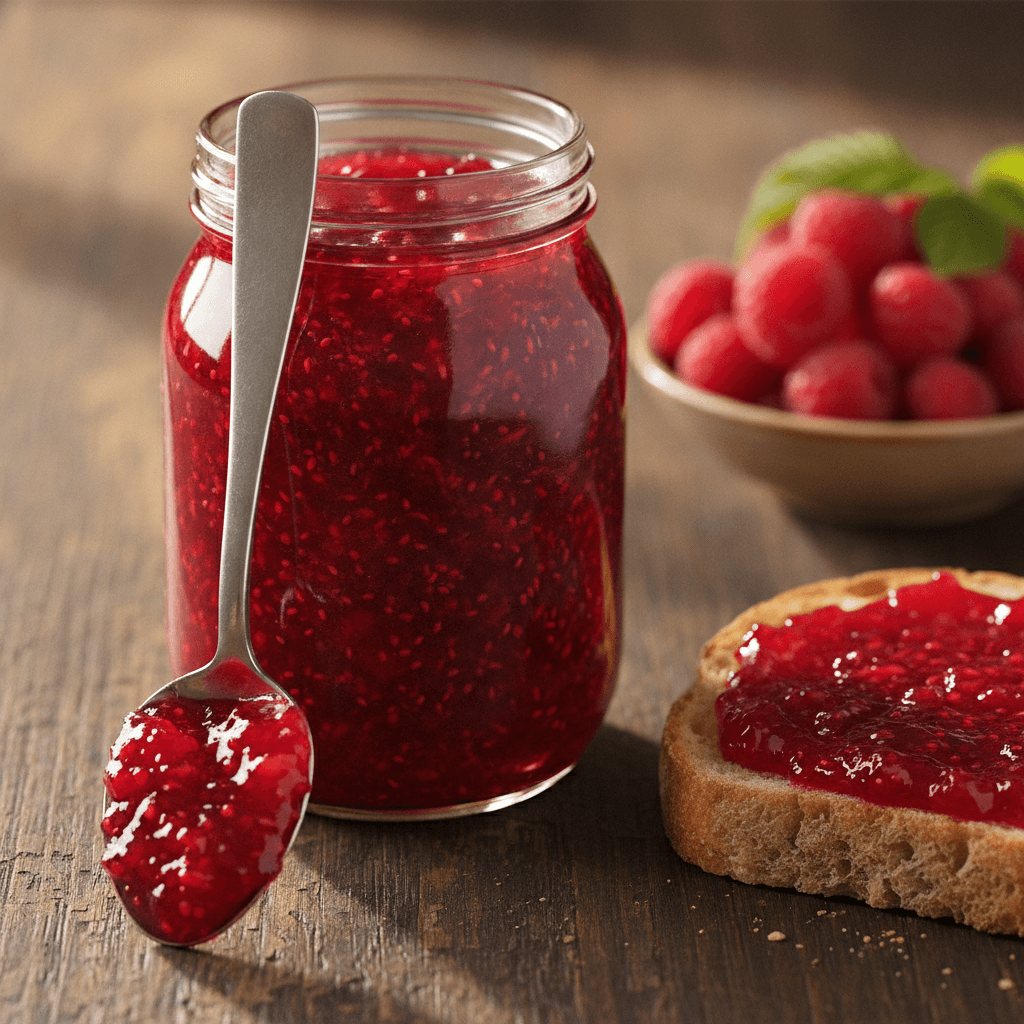
There is a special kind of magic that happens when you capture the essence of summer in a jar. Imagine placing a small, jewel-toned jar of your own creation on the breakfast table. The color is a brilliant, translucent ruby, catching the morning light in a way that store-bought preserves never could. As you twist the lid, the air fills with the sweet, tangy perfume of sun-ripened raspberries, a scent so pure and intense it instantly transports you to a warm, sunny day. This homemade raspberry jam recipe is more than just a condiment; it's a small luxury, a testament to the beauty of simple, high-quality ingredients transformed with a little time and care. It’s the kind of thing that makes a simple piece of toast feel decadent, a bowl of yogurt feel like a dessert, and a gathering of loved ones feel even more special. While it looks like a treasure from an artisan market, I promise you this: the process is wonderfully straightforward. The secret lies not in complex techniques, but in understanding how fruit, sugar, and heat work together in perfect harmony to create something truly spectacular.
What Makes This Raspberry Jam Recipe a Showstopper?
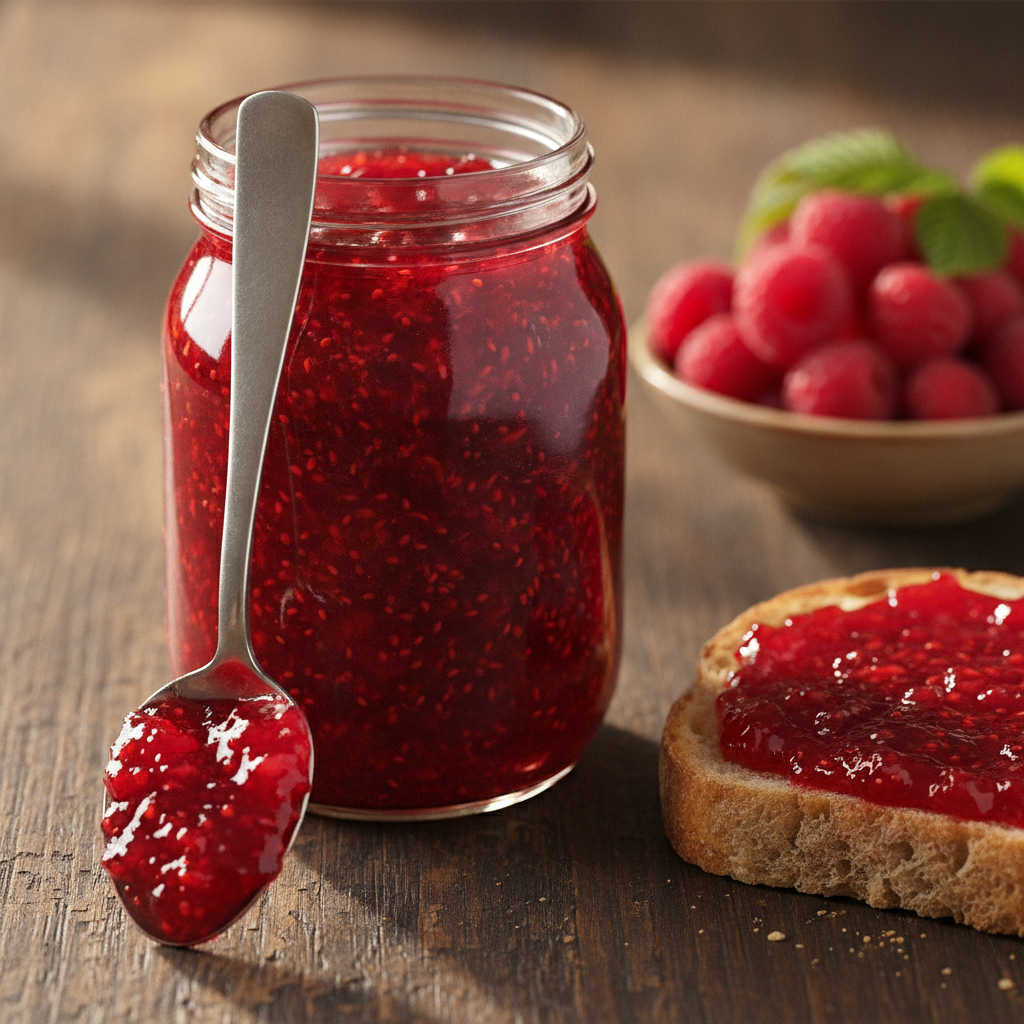
In a world of mass-produced spreads, this homemade raspberry jam recipe stands out for its sheer vibrancy and depth of flavor. What makes it a true showstopper isn't just that it's homemade, but the remarkable quality you can achieve in your own kitchen. The first thing you'll notice is the color—an almost electric fuchsia-red that no jar from the supermarket aisle can replicate. This is because we’re using fresh ingredients and a simple process that preserves the natural brilliance of the fruit, without any artificial colors or additives.
The texture is another key element. It’s perfectly balanced: thick enough to mound beautifully on a spoon, yet soft and spreadable enough to glide over warm bread. It’s not a stiff, gelatinous block; it’s a luscious, fruit-forward preserve with the gentle texture of the raspberry seeds suspended throughout. This recipe achieves that perfect set using the fruit’s own natural pectin, activated by lemon juice, resulting in a much more authentic and delightful mouthfeel.
But the ultimate triumph is the flavor. The taste is a pure, unadulterated celebration of raspberries. It leads with a bright, tangy burst that awakens the palate, followed by a wave of deep, sweet berry flavor that lingers long after the last bite. It’s a complex, layered taste that is both comforting and sophisticated. This is the kind of jam that would be the star of an elegant afternoon tea or proudly featured on a gourmet cheese board. It elevates everything it touches, turning simple moments into memorable culinary experiences.
The Ingredients That Matter Most
At its heart, a truly fantastic raspberry jam recipe relies on just a handful of simple, high-quality ingredients. There's no need for commercial pectin or complicated additives; the magic comes from allowing each component to shine. This is where a little attention to detail makes all the difference.
First and foremost, the raspberries. They are the soul of the jam. You can use either fresh or frozen berries for this recipe with excellent results. If using fresh, choose berries that are ripe, fragrant, and deeply colored. They should be firm, not mushy. If you opt for frozen, they are a fantastic and convenient choice, as they are often picked and frozen at peak ripeness, preserving their flavor and nutrients beautifully. Do not thaw them before using; simply add them to the pot frozen.
Next is granulated sugar. Sugar is not just for sweetness; it is a crucial preservative that helps to inhibit microbial growth, and it is essential for achieving the jam's thick, luscious texture. It works with the natural pectin in the fruit to create that perfect gel. While it might seem like a lot, reducing it significantly will affect the final set and shelf life of your jam. Simple granulated sugar is all you need—no need for expensive specialty sugars here.
Fresh lemon juice is the unsung hero. It plays two vital roles. First, its acidity brightens the flavor of the raspberries, keeping the jam from tasting flat or overly sweet. Second, and more scientifically, it lowers the pH of the mixture, which is necessary to activate the naturally occurring pectin in the fruit and help the jam set properly. Always use freshly squeezed lemon juice, as the bottled variety can have a duller, sometimes metallic taste.
A tiny pinch of sea salt might seem unusual, but it’s a flavor enhancer. Just as salt makes savory dishes more complex, a very small amount in your jam will amplify the sweetness of the berries and create a more well-rounded, delicious final product.
Finally, for a subtle touch of the Levant, I love to add a whisper of rose water. This is entirely optional, but a tiny splash stirred in at the very end adds a delicate floral note that beautifully complements the tartness of the raspberries. It’s a small addition that makes this raspberry jam recipe uniquely fragrant and memorable.
Mastering the Jam-Making Process, Step by Step
Creating this beautiful raspberry jam recipe is a rewarding process that relies more on observation and simple tests than on complicated culinary skills. Let’s walk through the key stages together, turning those humble ingredients into a jar of liquid ruby.
The first stage is a gentle beginning called maceration. You'll combine the raspberries (fresh or frozen) and sugar in a heavy-bottomed pot. As they sit for a short while, the sugar will begin to draw the natural juices out of the berries, creating a vibrant, syrupy base. This step helps the sugar dissolve more evenly and prevents it from scorching when you begin to apply heat.
Next, we introduce gentle heat. Place the pot over medium-low heat and stir until the sugar is completely dissolved. You can test this by lifting your spoon; if you see any grainy crystals, keep stirring. It’s crucial to ensure the sugar is fully melted before increasing the heat, as this prevents a gritty texture in your finished jam.
Once the sugar is dissolved, it's time to bring the mixture to a boil. Increase the heat to medium-high and bring the jam to a full, rolling boil—that’s a boil that doesn’t stop bubbling even when you stir it. This is where the magic of setting happens. The high heat evaporates excess water and activates the pectin. You'll need to stir frequently to prevent the jam from sticking to the bottom of the pot. During this stage, a light-colored foam may form on the surface. For the clearest, most jewel-like jam, use a spoon to gently skim this foam off and discard it.
The most critical part of the process is knowing when the jam is ready. We'll use a classic technique called the 'wrinkle test.' Before you start cooking, place a few small plates in your freezer. When you think the jam is close, take one of the cold plates and drop a small spoonful of jam onto it. Return it to the freezer for one to two minutes. Then, gently nudge the jam with your fingertip. If the surface wrinkles and holds its shape, your jam has reached its setting point. If it’s still runny, continue boiling for another few minutes and test again. Once it passes the test, remove the pot from the heat and stir in the fresh lemon juice and optional rose water. This final addition of acid ensures the set and brightens the flavor beautifully. Your raspberry jam is now ready to be carefully ladled into sterilized jars.
Canning and Preserving Your Homemade Jam
Once you’ve perfected your beautiful raspberry jam, proper storage is key to enjoying it for weeks or even months to come. You have two primary methods: a simple refrigerator jam for immediate enjoyment, or a water bath canning process for long-term, shelf-stable storage.
For a simple refrigerator jam, which is my go-to for small batches I know we'll devour quickly, you just need clean jars with tight-fitting lids. Sterilizing them is still a great practice for extending freshness. Simply ladle the hot jam into the clean, warm jars, leaving about a quarter-inch of headspace at the top. Wipe the rims clean, secure the lids, and let them cool completely on the counter before transferring them to the refrigerator. This type of jam will last for up to three weeks in the fridge.
For long-term pantry storage, water bath canning is the safest and most effective method. This process creates a vacuum seal that preserves the jam and makes it shelf-stable for up to a year. You'll need a large, deep pot with a rack on the bottom, as well as sterilized canning jars and new, two-part lids. Ladle the hot jam into the hot, sterilized jars, again leaving that quarter-inch of headspace. Wipe the rims of the jars with a clean, damp cloth to ensure a good seal. Place the flat lids on top and screw on the bands until they are 'fingertip tight'—secure, but not overly forced.
Carefully lower the filled jars into your large pot of simmering water using a jar lifter. The water should cover the jars by at least one to two inches. Bring the water to a full, rolling boil, then start your timer. For this raspberry jam recipe, you'll process the jars for 10 minutes (adjusting for altitude if necessary). After the time is up, turn off the heat, remove the pot lid, and let the jars sit in the hot water for another 5 minutes to acclimate. Then, carefully lift them out and place them on a towel-lined counter. You'll soon hear the satisfying 'ping' of the lids sealing as they cool. Do not disturb them for 12-24 hours. After they’ve cooled, check the seals by pressing on the center of the lid. If it doesn’t flex, the jar is sealed and ready for the pantry.
How to Use Your Beautiful Raspberry Jam
Once you have a few jars of this stunning homemade raspberry jam recipe cooling on your counter, the possibilities are truly endless. Its perfect balance of sweet and tart makes it one of the most versatile preserves in my kitchen, equally at home in simple morning routines and more elaborate culinary creations.
The most classic application, of course, is spreading it generously on a piece of warm, crusty toast with a bit of butter or cream cheese. It’s a simple pleasure that feels incredibly luxurious. It's also the perfect partner for flaky scones, buttery croissants, or fluffy pancakes. A dollop swirled into a bowl of Greek yogurt or oatmeal with a sprinkle of granola transforms a quick breakfast into a delightful treat.
But don't stop there! This raspberry jam is a fantastic baker's companion. Use it as a vibrant filling for thumbprint cookies, sandwich cookies, or Linzer tarts. It makes a beautiful, sweet-tart layer between cake rounds or a surprise filling inside cupcakes. You can even warm it slightly and brush it over fresh fruit tarts as a gorgeous, glossy glaze.
Thinking beyond sweets, this jam can bring a surprising and sophisticated touch to savory dishes, a concept familiar in many Levantine kitchens. Try whisking a spoonful into a simple vinaigrette with olive oil, balsamic vinegar, and a touch of mustard for a salad dressing that’s absolutely incredible with grilled chicken or goat cheese. For a truly show-stopping main course, you can create a simple glaze by thinning the jam with a little water or broth and brushing it over chicken thighs or lamb chops during the last few minutes of roasting. The sugar in the jam caramelizes beautifully, creating a slightly sweet, tangy, and deeply flavorful crust that is utterly irresistible. This raspberry jam recipe isn't just a spread; it's a secret ingredient.
Storing and Shelf-Life
Properly storing your homemade raspberry jam ensures that every spoonful remains as delicious as the day you made it. The storage method depends entirely on whether you've used the water bath canning process for long-term preservation or are making a smaller batch for the refrigerator.
For properly sealed, water-bath-canned jars, your pantry is their new home. Find a cool, dark, and dry place, like a cupboard or cellar, away from direct sunlight and heat sources. Light and heat are the enemies of preserves, as they can cause the vibrant color to fade and the flavor to degrade over time. When stored correctly, these sealed jars will remain in perfect condition for up to one year. Before opening a jar from the pantry, always inspect the seal. The lid should be concave (curved inward) and should not move when pressed. Also, check for any signs of spoilage, such as mold, an 'off' smell, or bubbling, though this is very rare with proper canning.
Once you open a jar of jam, or if you made a refrigerator batch from the start, it must be stored in the refrigerator. The cold temperature slows down any potential spoilage. An opened jar of this homemade raspberry jam will last for about three weeks in the fridge. Always use a clean spoon each time you dip into the jar to avoid introducing any bacteria, which can shorten its lifespan. You’ll know the jam is past its best if you see any mold growth or if it develops a fermented or yeasty aroma. Because this recipe uses a good amount of sugar, a natural preservative, it has a reasonably stable life in the fridge, but its fresh, vibrant flavor is always best when enjoyed sooner rather than later.
Flavor Variations to Explore
While this classic raspberry jam recipe is absolutely perfect as it is, it also serves as a wonderful canvas for creativity. Once you've mastered the basic technique, you can play with different flavor profiles to create your own signature preserves. Here are a few variations I absolutely love:
-
Spiced Raspberry-Vanilla Jam: Add one split vanilla bean (scrape the seeds into the jam and add the pod) and a single star anise to the pot while the jam cooks. The warmth of the vanilla and the subtle licorice note of the star anise add a beautiful depth and complexity that is perfect for cooler months. Be sure to remove the vanilla pod and star anise before jarring.
-
Raspberry and Hibiscus Jam: For a floral and even tangier note, try infusing the jam with hibiscus. Place two tablespoons of dried food-grade hibiscus flowers in a tea ball or cheesecloth sachet and add it to the pot during the boiling stage. The hibiscus deepens the jam’s crimson color and adds a lovely floral, almost cranberry-like tartness. Remove the sachet before jarring.
-
Mixed Berry and Rose Jam: Don't hesitate to mix your berries! A combination of raspberries, blackberries, and strawberries makes for a wonderfully complex 'summer berry' jam. Follow the same recipe, and for this blend, a touch of rose water at the end is particularly beautiful, tying all the floral and fruity notes together.
-
Raspberry-Chili Jam: For a sweet and spicy kick, add one finely minced red chili (like a Fresno chili, seeds removed for less heat) to the pot along with the fruit. The gentle warmth of the chili provides a surprising and delightful contrast to the sweet-tart berries. This version is especially fantastic as a glaze for savory dishes or paired with sharp cheeses.
-
Quick Raspberry-Chia Seed Jam: If you're short on time or want a lower-sugar option, a chia seed jam is a fantastic alternative. Simply heat the raspberries until they break down, mash them with a fork, and stir in a tablespoon or two of chia seeds and a sweetener of your choice to taste. The chia seeds will gel and thicken the mixture as it cools. This is a refrigerator jam only and will last about a week.
Questions You Might Have
Can I use frozen raspberries for this recipe?
Absolutely! Frozen raspberries work beautifully and are often more economical, especially when raspberries are out of season. Do not thaw them before you begin; simply add them to the pot straight from the freezer and proceed with the recipe as written. They will release their juices as they heat up with the sugar.
My jam is too runny, what went wrong?
If your jam is runny, it likely means it wasn't boiled long enough to reach the setting point. The 'wrinkle test' is key here. If you've already jarred it, you can pour it back into the pot and boil it for another 5-10 minutes, testing again until it passes the wrinkle test. Another culprit could be not using enough lemon juice, as the acid is needed to activate the natural pectin.
Do I really need to skim the foam off the top?
Skimming the foam is primarily for aesthetic reasons. The foam is just trapped air bubbles and won't affect the taste or safety of your jam, but removing it results in a clearer, more brilliant, and jewel-like final product. If you don't mind a slightly cloudier appearance, you can certainly skip this step.
Can I reduce the amount of sugar in this recipe?
While you can reduce it slightly, I don't recommend a significant reduction. Sugar is essential not only for taste but also for preservation and achieving the proper gelled texture. Cutting the sugar too much will result in a runnier, syrup-like consistency and a much shorter shelf-life, as sugar acts as a natural preservative.
How do I know if my canned jars are properly sealed?
After your jars have cooled completely for 12-24 hours, you can check the seal in two ways. First, look at the lid; it should be slightly concave (curved down in the center). Second, press the center of the lid with your finger. If it doesn't pop up and down, it's sealed. Any jars that haven't sealed properly should be stored in the refrigerator and used first.
Easy Homemade Raspberry Jam (No Pectin)
A simple, delicious recipe for homemade raspberry jam using just four fresh ingredients. No commercial pectin needed for this vibrant, fruit-forward preserve!
Prep Time
10 min
Cook Time
25 min
Total Time
35 min
Servings
2 cups
Ingredients
For 2 cups
- 4 cups (about 20 ounces or 560g) fresh or frozen raspberries
- 2 cups (400g) granulated sugar
- 2 tablespoons fresh lemon juice
- 1/8 teaspoon fine sea salt
- 1/2 teaspoon rose water (optional)
Instructions
- 1
Prepare for Jamming
Before you begin, place 2-3 small ceramic plates in your freezer. These will be used later to test if the jam is set.
- 2
Macerate the Berries
In a heavy-bottomed pot or Dutch oven, combine the raspberries (fresh or frozen), granulated sugar, and sea salt. Stir gently to combine and let the mixture sit for about 10-15 minutes. The sugar will begin to draw the juices from the berries, creating a syrup.
- 3
Dissolve the Sugar
Place the pot over medium-low heat. Stir continuously until the sugar has completely dissolved. Avoid letting the mixture boil before the sugar has fully melted to prevent a grainy texture.
- 4
Boil the Jam
Increase the heat to medium-high and bring the mixture to a full rolling boil (a boil that cannot be stirred down). Continue to boil, stirring frequently to prevent scorching, for about 15-20 minutes. The mixture will thicken and the bubbles will become smaller and more energetic.
- 5
Skim the Foam
During the boil, a light-colored foam may rise to the surface. For the clearest jam, use a spoon to gently skim off this foam and discard it.
- 6
Perform the Wrinkle Test
After about 15 minutes of boiling, begin testing for doneness. Turn off the heat. Take one of the cold plates from the freezer and drop a small spoonful of jam onto it. Return the plate to the freezer for 1-2 minutes.
- 7
Check for Set
Remove the plate from the freezer and gently push the edge of the jam with your finger. If the surface wrinkles and holds its shape, the jam is ready. If it is still runny, return the pot to a boil for another 2-3 minutes and test again.
- 8
Add Final Flavors
Once the jam has passed the wrinkle test, remove it from the heat permanently. Stir in the fresh lemon juice and the optional rose water. The lemon juice brightens the flavor and helps ensure a good set.
- 9
Jar the Jam
Carefully ladle the hot jam into clean, sterilized jars, leaving about 1/4 inch of headspace at the top. Wipe the rims of the jars with a clean, damp cloth to remove any drips.
- 10
Seal and Store
Seal the jars with lids. For refrigerator jam, let the jars cool to room temperature before storing in the fridge for up to 3 weeks. For long-term storage, proceed with a water bath canning process according to standard guidelines.
Nutrition Facts
Per serving (estimated)
40 calories
Calories
10g
Carbs
0.1g
Protein
0g
Fat
0.5g
Fiber
5mg
Sodium
9g
Sugar