Easy Sheet Pan Shrimp Kabobs (No Skewers!)
Get the vibrant flavor of classic shrimp kabobs with this easy one-pan recipe! Perfectly roasted shrimp and tender veggies for a delicious, quick meal.
cookwithyara.com/recipes/shrimp-kabobs
There is a universal truth that connects every home cook, from the novice to the seasoned expert: nobody enjoys washing a mountain of dishes. We gather, we cook, we share beautiful food, and then we are left with the quiet clatter of cleanup. But what if the path to a spectacular, deeply flavorful meal didn't have to end in a sink full of pots and pans? What if the cooking vessel itself could be the secret to a more delicious, more aromatic, and profoundly simpler dinner? That, my friends, is the promise of this Sheet Pan Shrimp Kabobs recipe.
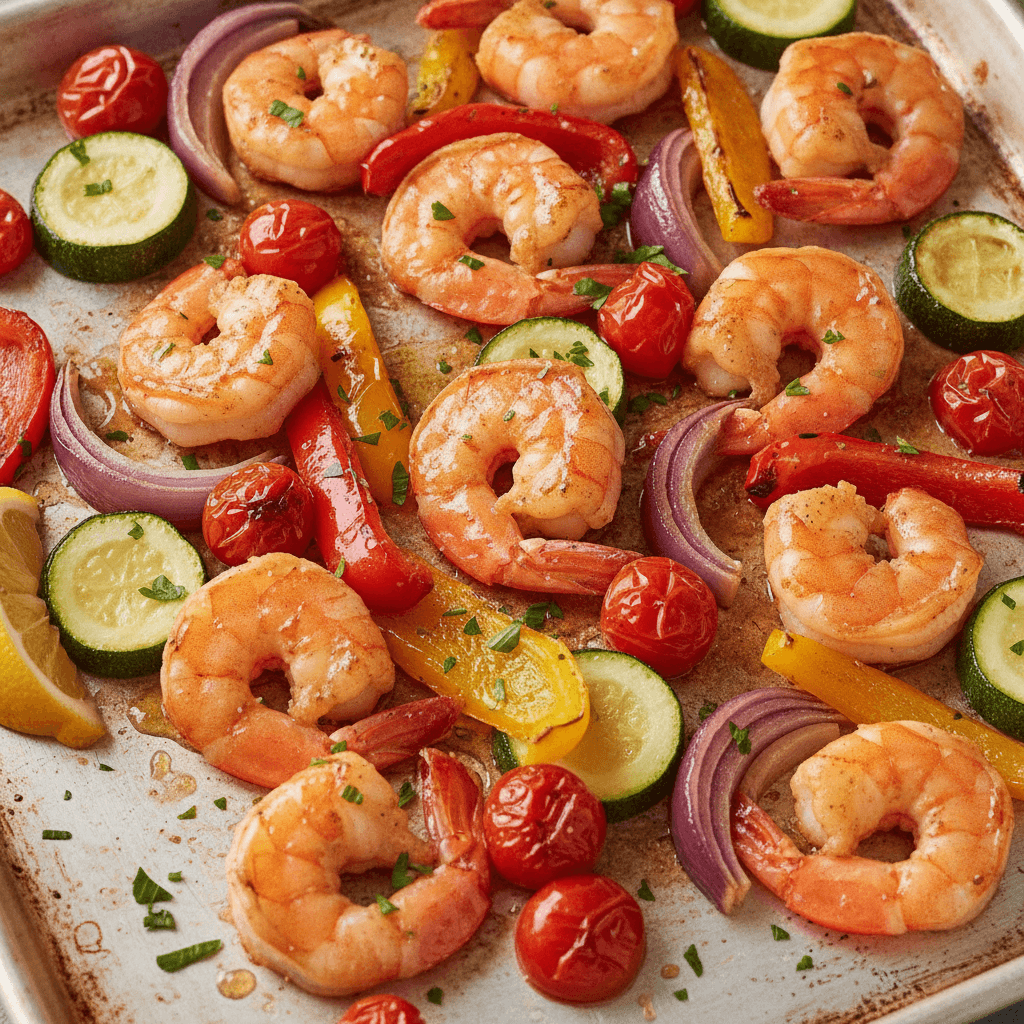
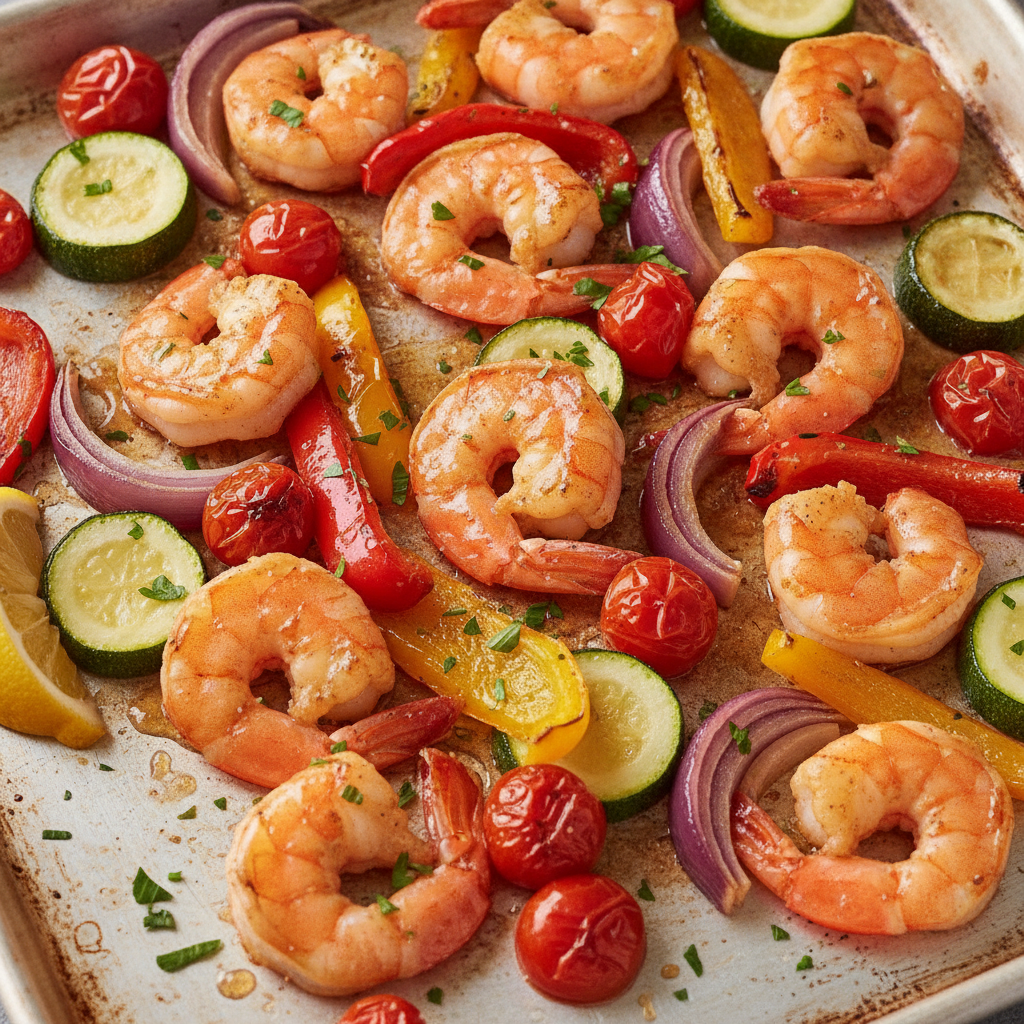
Imagine pulling a single, heavy pan from your oven. It’s sizzling, fragrant, and jewel-toned. Plump, pink shrimp are curled perfectly next to charred bell peppers, sweet red onions, and tender zucchini. Cherry tomatoes have burst, their sweet juices mingling with garlic-infused olive oil, paprika, and cumin to create an instant, rustic sauce right on the pan. This isn't just dinner; it's a feast for the senses, an entire meal cooked in one vessel, where every ingredient has become better by cooking alongside its neighbors. This is the essence of shrimp kabobs—the bright colors, the smoky char, the succulent protein—reimagined for the way we cook today. It delivers all the celebratory joy of the classic dish with a fraction of the work, and I promise, your weeknight dinner routine will never be the same.
The One-Pan Philosophy
Cooking on a single sheet pan is more than just a convenient cleanup strategy; it's a culinary technique that builds incredible depth of flavor. Think of the pan as a canvas where ingredients don’t just cook, but interact. As the vegetables roast, they release their natural sugars, which caramelize against the hot metal surface. This process, known as the Maillard reaction, creates the beautiful browning and complex, savory notes that are impossible to achieve by steaming or boiling. When you add shrimp to that same pan, their delicate juices seep out and mingle with the rendered vegetable liquids and olive oil. What you're left with is a pan sauce—a concentrated, flavorful elixir created organically, without needing a separate pot.
The true art of one-pan cooking lies in the timing. Different ingredients require different cooking times to reach their peak. The beauty of this sheet pan method for shrimp kabobs is that it’s designed to accommodate this. Hardy vegetables get a head start, allowing them to soften and char, while the quick-cooking shrimp are added later, ensuring they emerge succulent and tender, never tough or rubbery. It is, in essence, the smartest and most efficient way to cook. You are layering flavors and textures sequentially in one space, creating a harmonious dish where every component is perfectly cooked and infused with the essence of the others.
What Goes In: Building the Perfect Deconstructed Shrimp Kabobs
To capture the spirit of classic shrimp kabobs on a sheet pan, the selection of ingredients is paramount. Each component is chosen not only for its individual flavor but for how it behaves under the high heat of the oven and how it contributes to the collective whole. This recipe is a celebration of color, texture, and Mediterranean aromas.
First, the star of the show: the shrimp. For this dish, I implore you to seek out large or jumbo shrimp, often labeled as 16/20 or U/15 count per pound. Their substantial size ensures they can withstand the oven's heat without overcooking in an instant, remaining juicy and plump. Patting them completely dry before seasoning is a non-negotiable step; moisture is the enemy of browning, and this simple action allows the shrimp to roast rather than steam.
Next, we build our vegetable foundation, a vibrant medley reminiscent of a bustling souk. Sweet bell peppers—I love a combination of red, yellow, or orange for visual appeal and varying degrees of sweetness—are essential. When they roast, their skins blister and their flesh becomes incredibly tender and sweet. Red onion, cut into wedges, offers a savory counterpoint. Its sharp edges char beautifully, mellowing its flavor into something deeply savory and slightly sweet. Zucchini, a beloved staple in Levantine kitchens, brings a soft, creamy texture that eagerly soaks up the marinade. When choosing zucchini, look for smaller, firm ones as they contain less water and will roast up beautifully.
To add bursts of bright, juicy sweetness, we turn to cherry or grape tomatoes. They are little flavor bombs that collapse in the heat, releasing their sweet-tart juice to help form that incredible pan sauce. You don’t need to do anything but toss them on the pan.
The heart of our marinade is a generous amount of good-quality extra virgin olive oil. This is not the place for a light olive oil; we want that fruity, peppery flavor to infuse everything. To this, we add a blend of warm, aromatic spices that sings of the Mediterranean: smoked paprika for a touch of smokiness and gorgeous color, ground cumin for its earthy warmth, dried oregano for its herbaceous, slightly peppery notes, and a good amount of minced garlic. A squeeze of fresh lemon juice added to the marinade provides the acidity needed to brighten all these rich flavors. Together, these ingredients transform a simple pan of shrimp and vegetables into an unforgettable pan of deconstructed shrimp kabobs.
Assembly and Cooking: The Art of the Sheet Pan
The magic of this dish unfolds in its simple yet deliberate assembly. Success lies not in complex techniques, but in understanding how to treat your ingredients and your pan with respect. The goal is to roast, not to steam, and every step is designed to achieve that beautiful caramelization that makes sheet pan meals so irresistible.
Your choice of pan is the first critical decision. A heavy-duty, rimmed baking sheet is your best friend here. Lighter, thinner pans are prone to warping under high heat and can lead to uneven cooking or even burning. A light-colored aluminum pan is ideal, as dark pans absorb more heat and can cause the bottoms of your vegetables to scorch before they are cooked through. Before you begin, position an oven rack in the center of the oven and preheat it to a robust 400°F (200°C). Placing your ingredients onto a preheated surface kickstarts the browning process immediately.
This recipe employs a brilliant two-stage cooking method to ensure every element is cooked to perfection. The vegetables, being denser and requiring more time, go in first. After chopping your bell peppers, red onion, and zucchini into uniform, bite-sized pieces (about 1-inch is perfect), toss them generously with about two-thirds of your prepared spice and olive oil marinade. Spread them in a single, even layer across your baking sheet, making sure there is space between each piece. This is perhaps the most important rule of sheet pan cooking: do not overcrowd the pan. Give your vegetables room to breathe and roast. They’ll go into the hot oven for about 15 minutes. During this time, they’ll begin to soften, their edges will start to brown, and your kitchen will fill with an incredible aroma.
While the vegetables are getting their head start, prepare the shrimp. Pat them thoroughly dry with paper towels, then toss them with the remaining marinade. Once the vegetables have had their initial roast, remove the pan from the oven. Quickly and carefully, arrange the marinated shrimp and the whole cherry tomatoes in the spaces between the vegetables. The pan will be sizzling hot, so the shrimp will begin to cook on contact. Return the pan to the oven immediately and roast for another 8 to 10 minutes. This is just enough time for the shrimp to turn pink and opaque, curl into a perfect 'C' shape, and for the tomatoes to burst. This staged approach is the secret to creating truly exceptional sheet pan shrimp kabobs where nothing is over- or under-cooked.
Secrets for One-Pan Success
While the concept is simple, a few key details can elevate your one-pan meal from good to truly great. Mastering these small secrets will ensure you get those coveted crispy edges, deep flavors, and perfectly cooked textures every single time you make these sheet pan shrimp kabobs.
-
Give Everything Space: I cannot stress this enough—do not overcrowd your pan. When ingredients are piled on top of each other, they trap steam. Steam prevents browning and results in soft, soggy vegetables instead of beautifully roasted, caramelized ones. If your ingredients don't fit in a single layer on one pan, it's far better to use two separate pans than to crowd one. Your patience will be rewarded with superior texture and flavor.
-
Uniformity is Key: Take a moment to cut your vegetables into pieces of a similar size and thickness. This ensures they all cook at roughly the same rate. If you have large chunks of pepper next to thin slices of zucchini, one will be undercooked while the other turns to mush. A little precision during your prep work pays huge dividends in the final dish.
-
Embrace High Heat: Roasting is a high-heat cooking method. A temperature of 400°F (200°C) is ideal for achieving that delicious browning on the vegetables and cooking the shrimp quickly. Don't be tempted to lower the temperature; you'll miss out on the caramelization that defines a great roasted dish.
-
Pat Your Protein Dry: Moisture is the primary obstacle to achieving a good sear or roast. Before marinating the shrimp, take the time to pat them completely dry with paper towels. This small step allows the surface of the shrimp to make direct contact with the hot air and pan, encouraging a beautiful color and preventing them from steaming in their own liquid.
-
The Halfway Stir: While it’s a “one-pan” meal, it isn’t entirely hands-off. When you add the shrimp to the pan after the initial vegetable roast, use a spatula to give everything a quick toss. This redistributes the ingredients, exposes different surfaces to the direct heat of the pan, and ensures even cooking and browning all around.
-
Finish with Freshness: The intense heat of the oven concentrates flavors, making them deep and savory. The perfect way to balance this is with a burst of freshness at the very end. Once the pan is out of the oven, a final squeeze of fresh lemon juice and a generous scattering of chopped fresh parsley or cilantro will awaken all the flavors and add a vibrant, bright finish that makes the entire dish sing.
Rounding Out the Meal
While these sheet pan shrimp kabobs are certainly a satisfying meal on their own, a few simple additions can transform them into a complete and balanced feast, perfect for a family dinner or a special gathering. The best accompaniments are those that can be prepared with minimal fuss, often while the main dish is roasting in the oven.
A bed of fluffy grains is the perfect canvas for soaking up the delicious pan juices. Simple steamed basmati rice or a quick-cooking couscous, fluffed with a fork and a drizzle of olive oil, are excellent choices. For a heartier option, consider quinoa or freekeh for their nutty flavor and added protein. Warm, soft pita bread is another wonderful companion, ideal for scooping up the shrimp and vegetables.
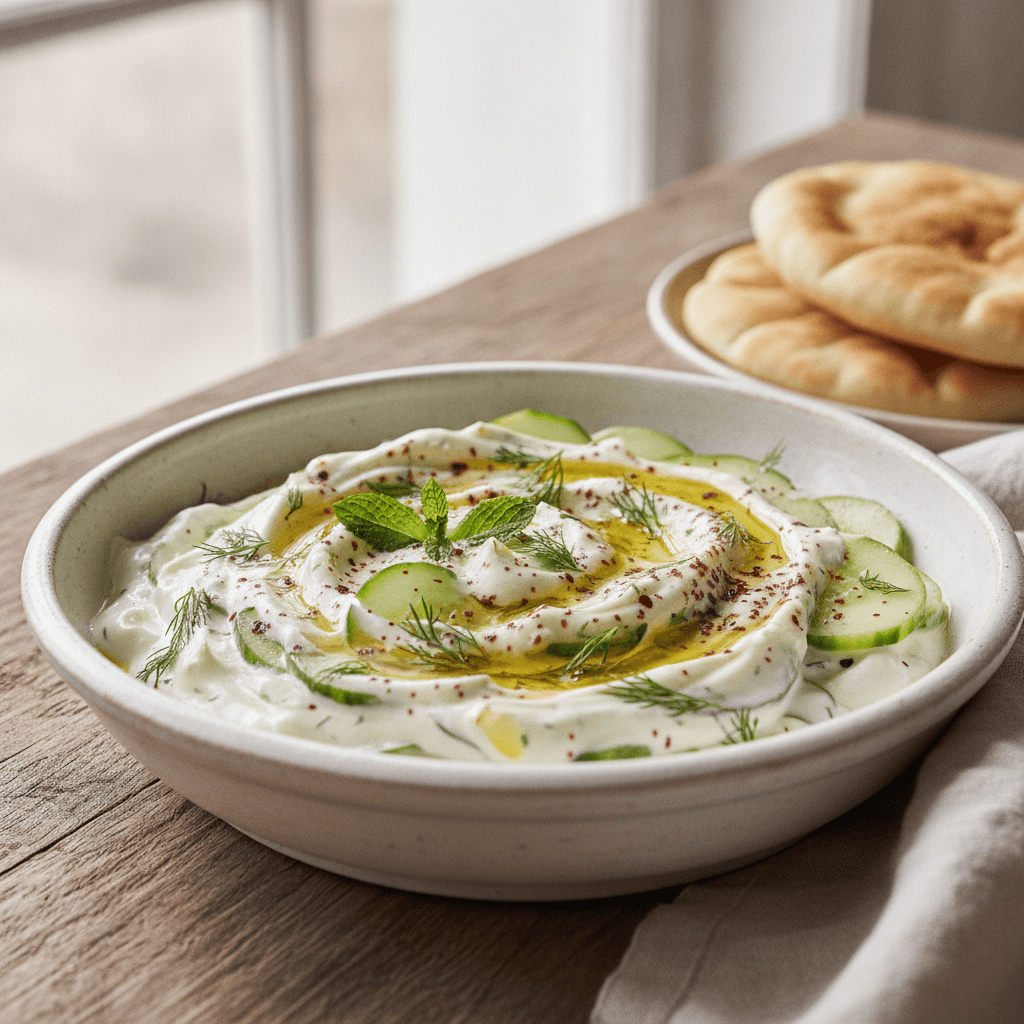
To introduce a creamy, cooling element that contrasts beautifully with the warm, smoky spices, a simple sauce or dip is a must. My go-to is a quick yogurt-tahini sauce. Simply whisk together a half-cup of plain full-fat yogurt, two tablespoons of tahini, the juice of half a lemon, one minced garlic clove, and a pinch of salt. Thin it with a tablespoon or two of water until it reaches a drizzly consistency. This sauce adds a wonderful tangy richness that complements the shrimp kabobs perfectly. Another fantastic option is a simple garlic and herb dip made with labneh or thick yogurt, chopped mint, and a drizzle of olive oil.
A fresh, crisp salad adds a welcome touch of green and a vibrant crunch. A classic Levantine shepherd salad (Çoban Salatasɪ) of diced cucumber, tomato, and bell pepper with a simple lemon-mint vinaigrette is an ideal pairing. The bright, acidic notes of the salad cut through the richness of the roasted dish, cleansing the palate and making each bite feel fresh and exciting.
Leftovers and Next-Day Ideas
The beauty of a well-made one-pan meal is that the flavors often get even better overnight. If you find yourself with leftovers from your sheet pan shrimp kabobs, proper storage is key to enjoying them the next day. Allow the contents of the pan to cool completely to room temperature before transferring them to an airtight container. Store in the refrigerator for up to two days. Shrimp is best enjoyed fresh, so I don't recommend storing it for longer than that.
When it comes to reheating, avoid the microwave at all costs, as it can quickly turn the delicate shrimp tough and rubbery. The best method is to gently warm the shrimp and vegetables in a skillet over medium-low heat with a splash of water or a drizzle of olive oil until just heated through. Alternatively, you can spread them on a baking sheet and pop them into a 300°F (150°C) oven for a few minutes.
Better yet, repurpose your leftovers into an entirely new and exciting meal. Chop the leftover shrimp and vegetables and toss them with cooked pasta, a splash of olive oil, and some feta cheese for a fantastic Mediterranean pasta salad. Stuff them into a warm pita pocket with a dollop of your yogurt-tahini sauce for a delicious and speedy lunch. Or, pile them high on a bed of mixed greens, add a few olives and a sprinkle of sumac, and you have a vibrant, protein-packed salad that's perfect for a wholesome midday meal.
Answers to Your Questions
Can I use different vegetables for these shrimp kabobs?
Absolutely! This recipe is incredibly versatile. Feel free to swap in vegetables based on the season or what you have on hand. Broccoli florets, asparagus spears (added with the shrimp), cauliflower, or even chunks of sweet potato (which will need a longer initial roast) are all wonderful options. The key is to adjust the initial roasting time based on the density of the vegetable.
Is it okay to use frozen shrimp?
Yes, frozen shrimp works perfectly well. However, it's crucial that you thaw it completely before you begin. The best way is to let it thaw overnight in the refrigerator. Once thawed, rinse the shrimp and, most importantly, pat it exceptionally dry with paper towels to remove any excess moisture, which will ensure it roasts nicely.
How do I keep my shrimp from getting rubbery?
The secret to tender, succulent shrimp is to avoid overcooking it. That's why the two-stage cooking process is so important. By adding the shrimp to the hot pan for only the last 8-10 minutes of cooking, you cook it just until it's pink and opaque. A perfectly cooked shrimp curls into a gentle 'C' shape; if it's curled into a tight 'O', it's likely overcooked.
Should I line my baking sheet with foil or parchment paper?
Lining your baking sheet makes cleanup significantly easier. I personally prefer parchment paper because it provides a non-stick surface and prevents any potential reaction between acidic ingredients (like lemon juice or tomatoes) and aluminum foil. If you only have foil, that's fine too—just be sure to grease it lightly with olive oil before adding your vegetables.
Can I double this recipe?
Yes, you can easily double the recipe to serve a larger group. However, do not try to fit double the ingredients onto a single baking sheet. Remember the golden rule: don't overcrowd the pan! To double the recipe successfully, you must use two separate sheet pans, dividing the ingredients evenly between them. You can place them on two different racks in your oven and rotate them halfway through the cooking time for even results.
How far in advance can I prep this meal?
To save time, you can do much of the prep a day in advance. The vegetables can be chopped and stored in an airtight container in the fridge. You can also whisk together the marinade ingredients and store them in a separate jar. On the day of cooking, simply toss the vegetables and shrimp with the marinade and proceed with the roasting. It makes for an incredibly fast and stress-free dinner.
Sheet Pan Shrimp Kabobs
All the vibrant flavor of classic shrimp kabobs with none of the fuss! Shrimp and colorful vegetables are roasted on a single sheet pan for a delicious, easy-cleanup meal.
Prep Time
20 min
Cook Time
25 min
Total Time
45 min
Servings
4 servings
Ingredients
For 4 servings
- 1 lb jumbo shrimp (16-20 count), peeled and deveined
- 1 red bell pepper, cut into 1-inch pieces
- 1 yellow bell pepper, cut into 1-inch pieces
- 1 red onion, cut into 1-inch wedges
- 1 medium zucchini, cut into 1-inch thick half-moons
- 1 pint cherry tomatoes
- 1/4 cup extra-virgin olive oil
- 3 cloves garlic, minced
- 1 tsp smoked paprika
- 1 tsp dried oregano
- 1/2 tsp ground cumin
- 1/2 tsp salt, or to taste
- 1/4 tsp black pepper
- 1 lemon, half juiced and half cut into wedges for serving
- 2 tbsp fresh parsley, chopped, for garnish
Instructions
- 1
Preheat and Prepare
Preheat your oven to 400°F (200°C). Position a rack in the center of the oven. Prepare a large, rimmed baking sheet (line with parchment paper for easy cleanup if desired).
- 2
Prepare the Vegetables
In a large bowl, combine the chopped red bell pepper, yellow bell pepper, red onion, and zucchini. Ensure all vegetables are cut to a relatively uniform size for even cooking.
- 3
Mix the Marinade
In a small bowl, whisk together the extra-virgin olive oil, minced garlic, smoked paprika, dried oregano, ground cumin, salt, black pepper, and the juice from half a lemon.
- 4
Season the Vegetables
Pour about two-thirds of the marinade over the vegetables in the large bowl. Toss everything together until the vegetables are evenly and thoroughly coated.
- 5
Begin the First Roast
Spread the seasoned vegetables in a single, even layer on the prepared baking sheet. Do not overcrowd the pan. Roast for 15 minutes, until the vegetables begin to soften and char at the edges.
- 6
Prepare the Shrimp
While the vegetables are roasting, pat the peeled and deveined shrimp completely dry with paper towels. Place the dry shrimp in the now-empty large bowl.
- 7
Season the Shrimp
Pour the remaining one-third of the marinade over the shrimp and toss to coat. Let the shrimp sit while the vegetables finish their initial roast.
- 8
Combine and Roast Again
Carefully remove the hot baking sheet from the oven. Add the marinated shrimp and the whole cherry tomatoes to the pan, arranging them in a single layer among the vegetables. Give the pan a gentle shake to settle everything.
- 9
Finish Cooking
Return the baking sheet to the oven and roast for an additional 8-10 minutes. The shrimp should be pink, opaque, and curled into a 'C' shape, and the tomatoes should be soft and slightly burst.
- 10
Garnish and Serve
Remove the pan from the oven. Sprinkle the chopped fresh parsley over everything. Serve immediately with fresh lemon wedges on the side for squeezing.
Nutrition Facts
Per serving (estimated)
385 calories
Calories
18g
Carbs
25g
Protein
23g
Fat
5g
Fiber
650mg
Sodium
9g
Sugar