Rich & Tender Slow Cooker Beef Stew (Easy Recipe!)
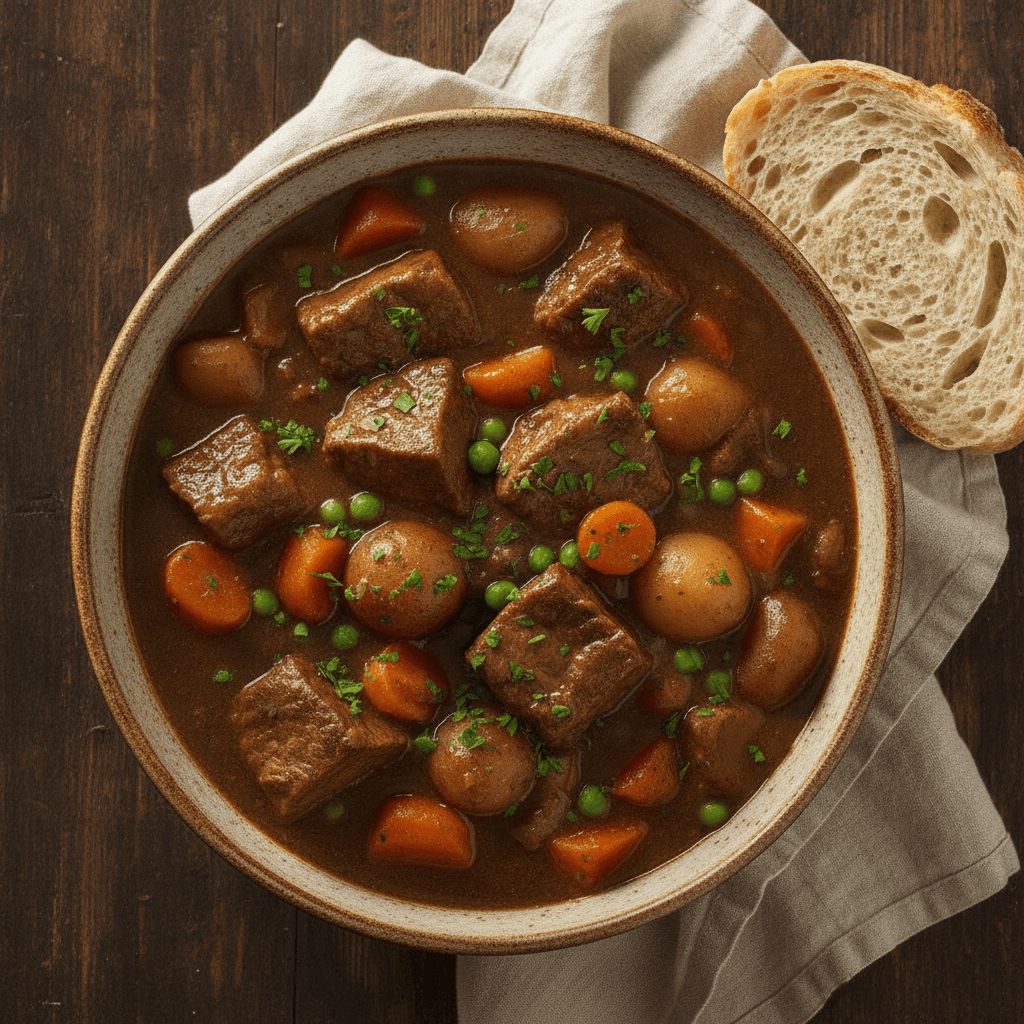
The ultimate comfort food! This easy Slow Cooker Beef Stew recipe yields incredibly tender beef and hearty vegetables in a savory gravy. Perfect for a cozy meal.
cookwithyara.com/recipes/slow-cooker-beef-stew
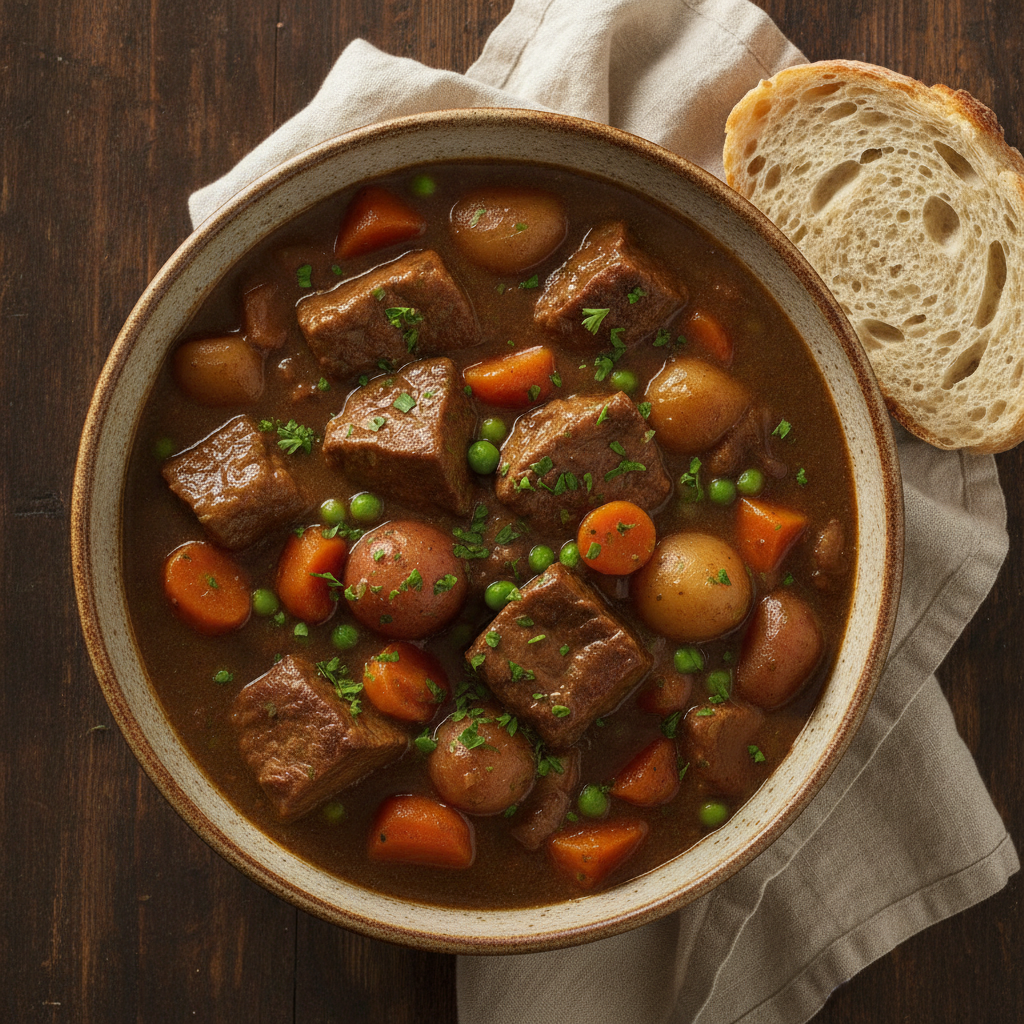
There's a certain magic that happens when you decide the day is calling for a stew. It’s more than just a meal; it’s a promise of comfort, a fragrant cloud that fills your home for hours, and the quiet satisfaction of knowing a spectacular dinner is simmering away with almost no effort from you. For me, the pinnacle of this hands-off culinary delight is a classic Slow Cooker Beef Stew. It’s the kind of dish that feels like a warm hug in a bowl, a recipe that gathers everyone around the table with its deep, savory aroma alone.
Imagine this: you spend a small sliver of your morning browning beautiful cubes of beef, sautéing a rainbow of aromatic vegetables, and combining them in your slow cooker with a rich, seasoned broth. You put the lid on, turn it to low, and walk away. For the rest of the day, your work is done. The slow cooker takes over, gently coaxing tough cuts of beef into fork-tender morsels, coaxing sweet flavors from carrots and potatoes, and melding everything into a gravy so rich and complex it tastes like it must have been a secret family recipe passed down for generations. This isn't just about convenience; it's about transformation. It’s about creating something truly special and soul-soothing with minimal fuss, a meal that’s waiting for you at the end of a long day, ready to be ladled into bowls and enjoyed with nothing more than a spoon and a piece of crusty bread.
The Slow Cooker Philosophy
The beauty of slow cooking lies in its gentle, persistent heat. It’s a culinary philosophy centered on patience and transformation. Unlike the high-heat, rapid cooking of a stir-fry or a grill, the slow cooker works its magic over many hours, using low, consistent temperatures to break down and tenderize. This method is particularly brilliant for tougher, more economical cuts of beef like chuck roast. These cuts are rich in connective tissue, specifically collagen, which can be chewy when cooked quickly. However, over a long, slow simmer, that collagen melts away, transforming into a silky, gelatinous texture that enriches the gravy and gives the meat an incredibly succulent, fall-apart quality.
This low-and-slow approach isn’t just about texture; it’s the secret to developing unparalleled depth of flavor. As the ingredients simmer together for hours, their individual tastes don't just combine—they meld and marry, creating a new, harmonious flavor profile that is greater than the sum of its parts. The sweetness of the carrots, the earthiness of the potatoes, the savory notes of the beef, and the fragrance of the herbs all infuse into the broth, creating a gravy that is layered and deeply satisfying. The slow cooker philosophy is the ultimate expression of “set it and forget it” cooking, allowing you to create a restaurant-quality meal with the quiet confidence that time and gentle heat are your greatest allies in the kitchen.
What Goes Into The Perfect Slow Cooker Beef Stew
Crafting the perfect Slow Cooker Beef Stew is like composing a symphony; each ingredient plays a vital role in the final, harmonious result. Choosing the right components is the first step toward a truly memorable meal.
First and foremost is the beef. The undisputed champion for this recipe is halal beef chuck. Look for a chuck roast with good marbling—those little flecks of fat are not the enemy! They will melt during the long cooking process, basting the meat from within and ensuring it stays juicy and tender. Avoid leaner cuts like round roast, which can become dry and stringy. Cut the beef into generous 1.5-inch cubes; any smaller and they might shred completely by the end.
The foundation of any great stew is its aromatic base. We rely on a classic mirepoix: a trio of yellow onions, celery, and carrots. The onions provide a sweet, pungent backbone, while celery adds a subtle, vegetal earthiness. Carrots bring not only their signature sweetness and color but also a wonderful texture. Alongside them, garlic is essential, added just for a minute before deglazing to release its potent fragrance without any risk of bitterness.
For the liquid, a high-quality, halal beef broth is non-negotiable. This will form the body of your gravy. To give it that deep, umami-rich flavor, we turn to tomato paste. When you “toast” the tomato paste in the pan for a minute, it caramelizes slightly, deepening its flavor from raw and acidic to rich and savory. A touch of halal-certified Worcestershire sauce, often made with a fish base, adds another layer of indescribable savory depth.
Herbs and spices are the soul of the stew. We use simple, classic choices that complement the beef beautifully. Dried thyme provides a gentle, earthy note that pairs perfectly with root vegetables. A couple of bay leaves, while not eaten, release their subtle, almost floral aroma into the stew as it simmers. For my personal touch, a whisper of allspice adds a warm, slightly peppery note reminiscent of Levantine kitchens, rounding out the flavors in a truly special way.
Finally, the hearty vegetables. Yukon Gold potatoes are my potato of choice. Their waxy texture means they hold their shape beautifully over the long cook time, becoming creamy and tender without dissolving into mush like their starchy Russet cousins. More carrots are added with the potatoes to ensure they cook to the perfect tender-crisp texture. And for a final flourish of color, sweetness, and freshness, a cup of frozen peas stirred in at the very end is the perfect finishing touch.
Building Layers of Flavor
The secret to a truly exceptional Slow Cooker Beef Stew doesn’t happen in the slow cooker itself, but in the pan beforehand. While you can technically dump all the ingredients in and turn it on, you’d be missing the single most important step for developing deep, rich flavor: building layers. This initial 20-minute investment of active cooking time pays off tenfold in the final dish.
It all begins with the sear. After patting your beef cubes completely dry (moisture is the enemy of a good sear) and tossing them in seasoned flour, you’ll heat olive oil in a heavy-bottomed skillet or Dutch oven until it’s shimmering. The beef goes in, in a single layer, with plenty of space between the pieces. This is crucial—overcrowding the pan will steam the meat instead of searing it. You’re listening for a confident sizzle. Don’t touch it! Let the beef sit for a few minutes until a deep, brown crust forms. This is the Maillard reaction, a beautiful chemical process that creates hundreds of new flavor compounds. It is not just browning; it is pure flavor creation. Once seared on all sides, the beef is transferred to the slow cooker, leaving its delicious remnants behind in the pan.
Next, we build upon that flavor. In the very same pan, you’ll sauté your aromatics—the onions, celery, and carrots. As they cook, they’ll soften and release their own sugars, adding another layer of sweetness. But more importantly, they will start to scrape up some of the browned bits of beef left in the pan. After a few minutes, you’ll add the garlic and tomato paste. Cooking the tomato paste for just a minute deepens its flavor and adds an incredible umami backbone to the stew.
Now for the most satisfying step: deglazing. Pouring a bit of the beef broth into the hot pan creates a rush of steam. Using a wooden spoon, you’ll scrape the bottom of the pan with purpose, releasing every last bit of that concentrated flavor—the “fond.” This beautiful, dark liquid is a flavor bomb. This entire glorious mixture from the pan is then poured over the beef in the slow cooker. You’ve successfully transferred all of that carefully built flavor into its final simmering vessel, ensuring your Slow Cooker Beef Stew will have a gravy that is rich, complex, and deeply savory.
Secrets for Slow Cooker Success
Once you’ve mastered the art of building flavor, a few key techniques for the slow cooking process itself will ensure your stew is perfect every single time. These little secrets separate a good stew from a truly great one.
First and foremost: resist the urge to peek! Every time you lift the lid of your slow cooker, a significant amount of heat and steam escapes. This can increase the cooking time by 15-20 minutes and disrupt the gentle, consistent environment you’re trying to create. Trust the process. The magic is happening under that lid, and your patience will be rewarded.
Choose the right setting for the job. While most slow cookers have a HIGH and LOW setting, for a Slow Cooker Beef Stew, LOW is always the superior choice. The adage “low and slow” exists for a reason. Cooking on LOW for 8 hours, as opposed to HIGH for 4 hours, gives the connective tissues in the beef more time to break down gently, resulting in a more tender, succulent final product. The flavors also have more time to meld and deepen. Use HIGH only when you are truly short on time.
Timing your vegetable additions is also key. If you add the potatoes and remaining carrots at the very beginning with the beef, they’ll be cooked to mush by the end of the 8-hour journey. By adding them about halfway through, you ensure they cook to a perfect, tender consistency, retaining their shape and texture.
If you find your stew’s gravy is a bit thinner than you’d like at the end, a simple cornstarch slurry is the answer. Never add cornstarch directly to the hot liquid, as it will clump instantly. Instead, whisk a couple of tablespoons of cornstarch with an equal amount of cold water in a separate small bowl until smooth. Stir this slurry into the stew, turn the slow cooker to HIGH, and let it cook for another 15-20 minutes, uncovered, until the gravy has thickened to your liking.
Finally, the secret weapon for a truly vibrant stew is a touch of acidity at the very end. After hours of simmering, the rich, savory flavors can sometimes feel a bit flat. A squeeze of fresh lemon juice or a tiny splash of apple cider vinegar stirred in just before serving will awaken all those deep flavors, cutting through the richness and making the entire dish taste brighter and more balanced. It’s a small step that makes a world of difference.
What to Serve with Your Stew
A beautiful bowl of Slow Cooker Beef Stew is a hearty and complete meal on its own, but the right accompaniments can elevate it to a truly memorable feast. The perfect pairing is all about providing a vehicle for that incredible gravy and a touch of freshness to balance the richness.
An absolute must-have is some form of bread. A rustic, crusty loaf of sourdough or a warm baguette is the ideal partner. The sturdy crust and chewy interior are perfect for tearing and dipping, ensuring that not a single drop of the savory gravy is left behind in the bowl. Soft, fluffy dinner rolls or even warm pita bread also work wonderfully for soaking up all that goodness.
For a more substantial meal, serving the stew over a base is a fantastic option. Classic, creamy mashed potatoes are a match made in heaven, their buttery flavor and smooth texture complementing the tender beef and vegetables perfectly. Fluffy long-grain rice is another excellent choice, as is a bed of creamy polenta or even hearty egg noodles. Each base offers a different textural experience but serves the same wonderful purpose of catching the rich sauce.
To round out the meal and provide a fresh counterpoint, a simple green salad is highly recommended. The richness of the stew is beautifully balanced by the crispness and acidity of fresh greens. A simple salad of arugula or mixed baby greens tossed in a bright lemon vinaigrette or a light lemon-tahini dressing is all you need. This touch of green not only adds a welcome freshness to the palate but also brings vibrant color to the table, making the entire meal feel more complete and balanced.
Leftovers and Next-Day Magic
One of the best qualities of a great Slow Cooker Beef Stew is that it’s often even better the next day. As the stew cools and rests in the refrigerator overnight, the flavors continue to meld, deepen, and mature. The gravy becomes richer, and the ingredients become even more infused with the savory broth. It's a culinary gift that keeps on giving.
For proper storage, it’s important to allow the stew to cool down considerably before transferring it to the refrigerator. Placing a large, hot pot directly into the fridge can raise the internal temperature, which is a food safety concern. Let it sit at room temperature for up to an hour, then transfer it to airtight containers and store in the refrigerator for up to four days. When reheating, do so gently on the stovetop over low heat or in the microwave, stirring occasionally, until it's warmed through. Avoid boiling it, as this can make the beef tough.
The leftover stew is also a fantastic base for creating entirely new meals. You can shred the larger pieces of beef and serve the mixture over toasted bread for a sort of open-faced sandwich. It also makes an incredible filling for a savory pot pie; simply pour the leftover stew into a baking dish, top with a sheet of puff pastry, and bake until golden and bubbly. For a quick lunch, serve it over a baked potato or toss it with some sturdy pasta like pappardelle or rigatoni. These next-day transformations ensure that not a single delicious spoonful goes to waste.
Your Slow Cooker Beef Stew Questions Answered
Can I use a different cut of beef?
Yes, you can, but beef chuck is truly the best for its balance of meat and fat, which guarantees a tender result. If you can't find chuck, beef brisket is a good alternative, though it might need a slightly longer cooking time. A round roast can also be used, but it's much leaner and can sometimes turn out a bit drier. If using a leaner cut, be extra careful not to overcook it.
Is it absolutely necessary to brown the beef first?
Technically, no. You can make a “dump and go” version of this stew by putting everything directly into the slow cooker. However, I highly, highly recommend taking the time to brown the beef. That searing process creates the Maillard reaction, which develops complex, savory, and roasted flavors that you simply cannot achieve otherwise. Skipping this step will result in a stew with a noticeably less deep and rich flavor profile.
My stew is too thin. How can I fix it?
The easiest way to thicken your Slow Cooker Beef Stew is with a cornstarch slurry. In a small bowl, whisk together 2 tablespoons of cornstarch with 2 tablespoons of cold water until it's a smooth paste. Stir this into your stew, turn the slow cooker to high, and let it cook uncovered for about 15-20 minutes. The gravy will thicken up beautifully. You could also use a flour-based slurry, or even mash a few of the cooked potatoes and stir them back into the stew to add body.
Can I add other vegetables?
Of course! This recipe is very flexible. Hearty root vegetables like parsnips or turnips are wonderful additions and can be added along with the potatoes. Mushrooms are also fantastic; you can sauté them with the onions to develop their flavor before adding them to the slow cooker. If you want to add quicker-cooking vegetables like green beans or bell peppers, stir them in during the last 30-45 minutes of cooking so they don't get too soft.
Can I prepare this ahead of time?
Absolutely. To save time in the morning, you can do all of your chopping the night before. The onions, carrots, celery, and potatoes can be chopped and stored in an airtight container in the refrigerator. You can also cut the beef into cubes and store it in a separate container. This way, your morning routine is simply searing the meat and getting everything into the slow cooker.
Slow Cooker Beef Stew
Hearty, tender beef and vegetables simmered for hours in a rich, savory gravy. The ultimate hands-off comfort food for any cozy evening.
Prep Time
25 min
Cook Time
8h
Total Time
8h 25m
Servings
6-8 servings
Ingredients
For 6-8 servings
- 2.5 lbs halal beef chuck, trimmed and cut into 1.5-inch cubes
- 2 tbsp all-purpose flour
- 1 tsp salt
- 1/2 tsp black pepper
- 1/4 tsp allspice
- 3 tbsp olive oil, divided
- 2 medium yellow onions, chopped
- 4 cloves garlic, minced
- 2 celery stalks, chopped
- 4 large carrots, peeled and cut into 1-inch chunks, divided
- 2 tbsp tomato paste
- 4 cups halal beef broth
- 1 tbsp halal Worcestershire sauce
- 2 bay leaves
- 1 tsp dried thyme
- 1.5 lbs Yukon Gold potatoes, cut into 1.5-inch chunks
- 1 cup frozen peas
- 1/4 cup fresh parsley, chopped, for garnish
Instructions
- 1
Prepare the Beef
Pat the beef cubes completely dry with paper towels. In a medium bowl, combine the flour, salt, black pepper, and allspice. Add the beef cubes and toss until they are evenly coated.
- 2
Brown the Beef
In a large, heavy-bottomed skillet or Dutch oven, heat 2 tablespoons of olive oil over medium-high heat. Working in batches to avoid overcrowding, add the beef in a single layer and sear until deeply browned on all sides. Transfer the seared beef to the basin of a 6-quart or larger slow cooker.
- 3
Sauté Aromatics
Reduce the heat to medium and add the remaining 1 tablespoon of olive oil to the skillet. Add the chopped onions, celery, and half of the chopped carrots. Sauté for 5-7 minutes, until the vegetables have softened.
- 4
Bloom Garlic and Tomato Paste
Add the minced garlic and cook for about 1 minute until fragrant. Stir in the tomato paste and cook for another minute, stirring constantly, to deepen its flavor.
- 5
Deglaze the Pan
Pour about 1/2 cup of the beef broth into the hot skillet. Use a wooden spoon to scrape up all the browned bits (the fond) from the bottom of the pan. Pour this flavorful mixture into the slow cooker over the beef.
- 6
Combine Ingredients
Add the remaining beef broth, halal Worcestershire sauce, bay leaves, and dried thyme to the slow cooker. Stir everything together gently to combine.
- 7
Begin Slow Cooking
Cover the slow cooker with its lid. Cook on the LOW setting for 4 to 5 hours.
- 8
Add Root Vegetables
After the initial cooking time, add the potatoes and the remaining carrots to the slow cooker. Submerge them in the liquid as much as possible and stir gently.
- 9
Continue Cooking
Replace the lid and continue to cook on LOW for another 3 to 4 hours. The stew is ready when the beef is fall-apart tender and the vegetables are soft.
- 10
Add Peas and Thicken
Stir in the frozen peas during the last 15 minutes of cooking. If you prefer a thicker gravy, prepare a cornstarch slurry by whisking 2 tablespoons of cornstarch with 2 tablespoons of cold water in a small bowl, then stir it into the stew. Turn the slow cooker to HIGH for 15 minutes to allow it to thicken.
- 11
Final Touches and Seasoning
Once the stew is ready, remove and discard the bay leaves. Taste the gravy and adjust the seasoning with additional salt and pepper if needed. A small squeeze of lemon juice can also brighten the flavors.
- 12
Garnish and Serve
Ladle the hot Slow Cooker Beef Stew into bowls. Garnish generously with freshly chopped parsley and serve immediately with crusty bread or mashed potatoes.
Nutrition Facts
Per serving (estimated)
450 calories
Calories
35g
Carbs
40g
Protein
18g
Fat
6g
Fiber
750mg
Sodium
8g
Sugar