Authentic Tzatziki Sauce: The Best Creamy Recipe
Learn how to make the best authentic, thick, and creamy tzatziki sauce at home. This easy recipe with yogurt, cucumber, and garlic is perfect for gyros or as a dip.
cookwithyara.com/recipes/tzatziki-sauce
Close your eyes and imagine the gentle lapping of the Aegean Sea against a whitewashed shore. Picture a table under the shade of an olive tree, laden with small plates of vibrant food. You can almost feel the warm breeze and hear the cheerful chatter of a family meal. This is the world that tzatziki comes from—a world where food is fresh, simple, and meant to be shared. At its heart, Mediterranean and Levantine cooking is about honoring the ingredient. It’s about taking something as humble as yogurt and a cucumber and transforming it into something sublime. This authentic tzatziki sauce recipe is the embodiment of that philosophy. It’s not just a condiment; it’s a cooling embrace on a hot day, a tangy counterpoint to savory grilled meats, and a creamy, inviting dip that brings everyone to the table. Forget the thin, watery versions you might find in tubs at the supermarket. We are going to make the real deal: unbelievably thick, bursting with the freshness of herbs, pungent with garlic, and rich with good olive oil. This is the tzatziki sauce that will transport you straight to a sun-drenched Greek island, all from the comfort of your own kitchen.
A Taste of the Culture
In the grand tapestry of Greek cuisine, tzatziki sauce is one of the most essential and beloved threads. It’s a cornerstone of the meze table, that glorious array of small dishes that kicks off a meal, encourages conversation, and celebrates abundance. Served alongside salty olives, wedges of feta, and warm pita bread, tzatziki is more than a dip; it's an invitation to slow down and savor. But its role extends far beyond an appetizer. It is the indispensable partner to souvlaki (grilled skewers) and gyros, its cool, creamy tang cutting through the richness of the seasoned meat, creating a perfect, harmonious bite. This balance is a key principle of the cuisine—the interplay of hot and cold, rich and fresh, savory and tangy. This simple sauce has cousins all across the region, a testament to shared culinary traditions. In Turkey, you'll find cacık, which is often thinner and sometimes served as a cold soup. In the Levant, similar yogurt-based salads and dips are common, and across the Balkans, variations exist with different herbs and consistencies. Each version reflects the local palate, but the core concept remains: yogurt and cucumber create a foundation of pure refreshment. Making a genuine tzatziki sauce is a way to connect with a lifestyle that values simplicity, freshness, and the joy of a shared table.
The Ingredients That Define This Dish
The magic of an exceptional tzatziki sauce lies in its simplicity, which means the quality of each component is paramount. There are no shortcuts here, only beautiful, fresh ingredients allowed to shine.
Full-Fat Greek Yogurt: This is the non-negotiable heart and soul of the sauce. True Greek yogurt is strained, which removes much of the whey, resulting in a product that is incredibly thick, creamy, and high in protein. Its tangy flavor is the perfect canvas. Do not use regular, unstrained yogurt, as it will result in a disappointingly thin sauce. If you can only find plain yogurt, you can strain it yourself through a cheesecloth-lined sieve for several hours or overnight in the fridge.
Cucumbers: The best choices are English or Persian cucumbers. They have thin, palatable skin (so no peeling is necessary), and fewer seeds than common garden varieties. The single most important step in this recipe involves removing as much water as possible from the cucumber to prevent a soupy tzatziki. We'll grate it, salt it, and squeeze it dry.
Fresh Garlic: Please, step away from the jarred, pre-minced garlic. For the best flavor, you need fresh cloves. A microplane grater is your best friend here, turning the garlic into a fine paste that incorporates seamlessly into the yogurt, providing its signature pungent kick without any chunky, raw bits.
Fresh Herbs (Dill and Mint): The great debate is often dill versus mint. My answer? Both! Dill brings a slightly sweet, grassy, almost anise-like flavor that is classic in Greek cooking. Mint adds a bright, cool freshness that elevates the entire sauce. Using a combination of the two adds layers of complexity and aroma. Always use fresh herbs for this recipe.
Extra Virgin Olive Oil: A drizzle of high-quality, fruity extra virgin olive oil does more than just garnish. It adds a lovely, smooth richness to the texture and a peppery, complex flavor that complements the tang of the yogurt.
Acid (Lemon Juice or Vinegar): A splash of acid is crucial for brightness. Freshly squeezed lemon juice is my preference for its vibrant, clean taste. However, a small amount of white wine vinegar is also a traditional option, offering a sharper, more pungent tang.
Sea Salt: Salt plays two roles. First, it helps draw the excess moisture from the grated cucumber. Second, it seasons the final sauce, making all the other flavors pop.
Making it the Authentic Way
Crafting a truly authentic tzatziki sauce is less about a complicated cooking process and more about a methodical technique. Each step is designed to build texture and layer flavor, resulting in a dip that is luxuriously thick and vibrant.
First, we tackle the cucumber. This is the most crucial stage for achieving that coveted thick consistency. After grating the cucumber (skin on for color and nutrients), place it in a fine-mesh sieve set over a bowl. Sprinkle it generously with salt and toss to combine. Let it sit for about 15-20 minutes. The salt will work its magic, drawing out an astonishing amount of water. Afterwards, gather the grated cucumber in a clean kitchen towel or several layers of cheesecloth and squeeze—and I mean really squeeze—until it’s as dry as you can get it. This single step is the difference between a sublime tzatziki and a watery disappointment.
Next, prepare your flavor base. Take your fresh garlic cloves and grate them on a microplane or mash them into a fine paste with a pinch of salt using the side of your knife. This ensures the garlic flavor is potent and evenly distributed throughout the yogurt, with no harsh, raw bites.
Now, it’s time to combine. In a medium bowl, add your thick, full-fat Greek yogurt. Add the squeezed cucumber, the garlic paste, the finely chopped fresh dill and mint, and a splash of fresh lemon juice. Use a spatula to gently fold everything together. Avoid vigorous whisking or over-mixing, as this can break down the yogurt and make it thinner. You want to keep that luscious, thick texture intact.
Finally, and this is a step many people skip, you must let it rest. Cover the bowl and refrigerate your tzatziki sauce for at least one hour, though several hours is even better. This chilling time isn't passive; it's when the flavors meld and deepen. The garlic mellows slightly, the herbs infuse the yogurt, and the whole sauce becomes more cohesive and delicious. Before serving, give it a gentle stir, taste for seasoning, and add a final swirl of beautiful extra virgin olive oil on top.
Bringing It All Together
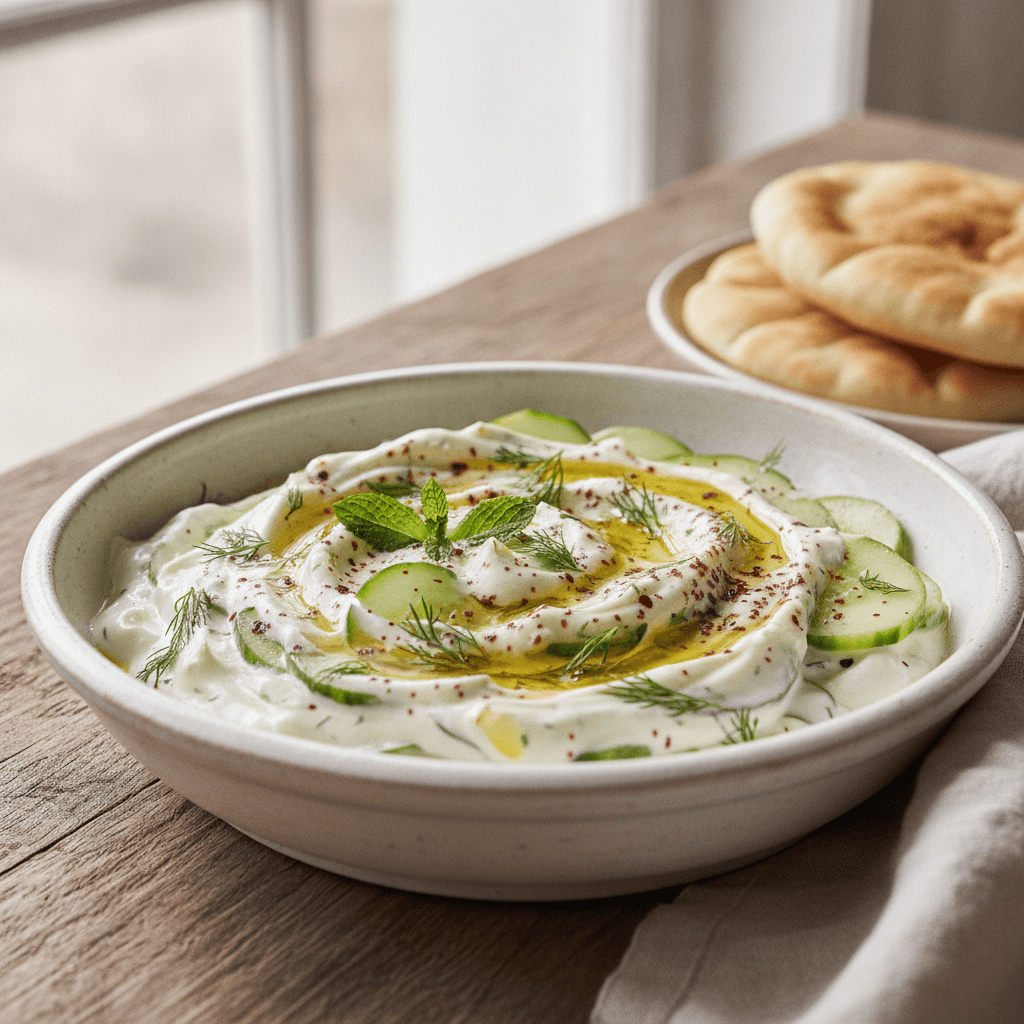
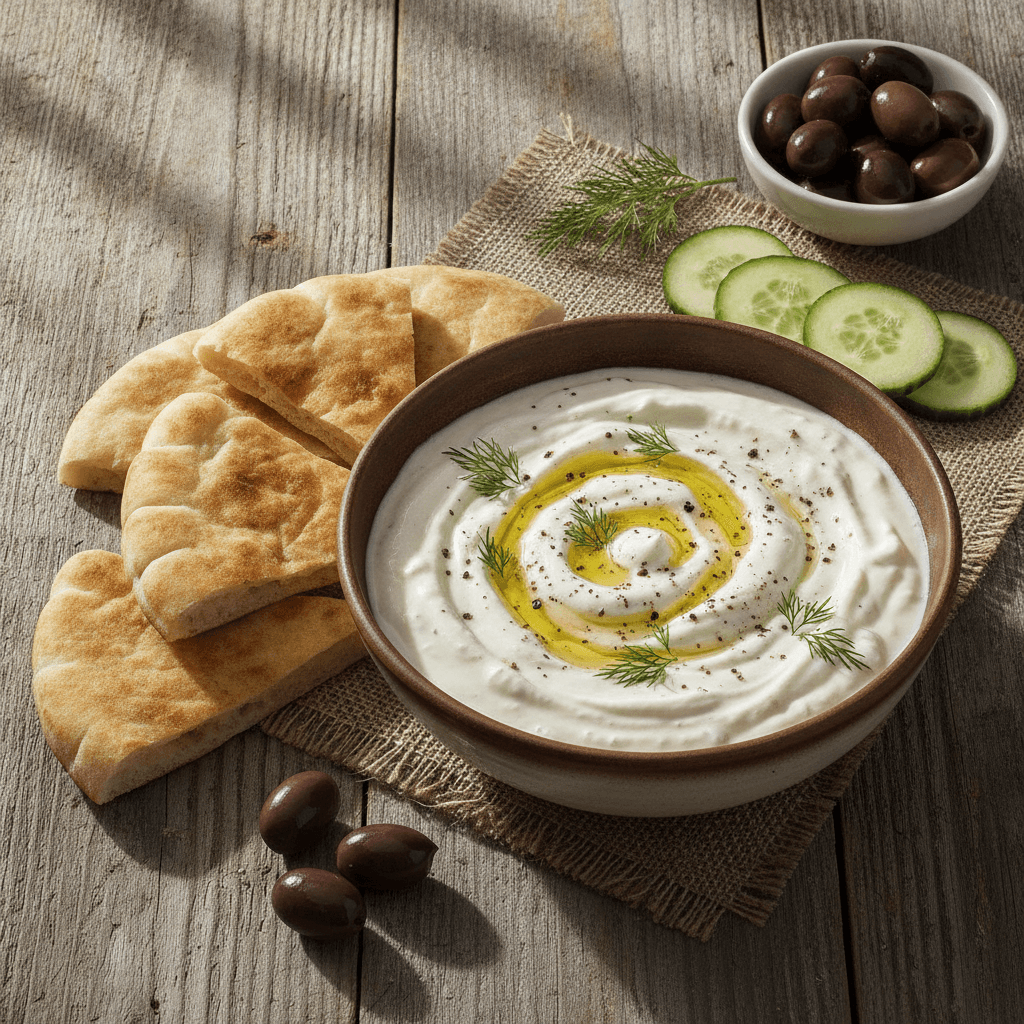
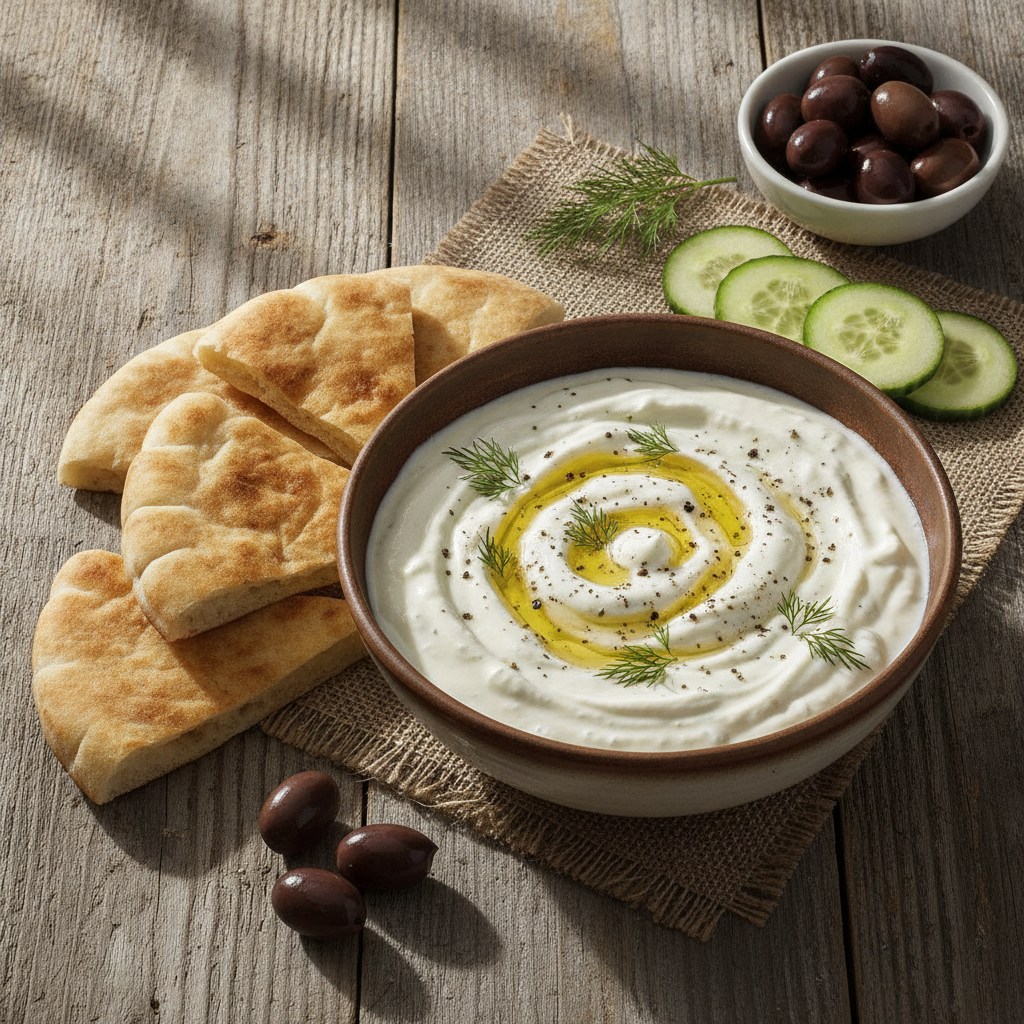
Serving tzatziki sauce is about celebrating its versatility and its role as a communal, joyful food. The classic presentation is as the star of a meze platter. Spoon a generous amount into a shallow bowl, use the back of the spoon to create an elegant swirl, and then drizzle with your best extra virgin olive oil. A final garnish of a few fresh dill fronds, a mint leaf, or even a sprinkle of sumac or Aleppo pepper for a touch of color and Levantine flavor, makes it irresistible. Surround the bowl with accompaniments that complement its cool creaminess. Warm, pillowy pita bread, torn into pieces for dipping, is essential. Add a variety of olives, cubes of salty feta cheese, crisp vegetable sticks like carrots and bell peppers, and maybe some stuffed grape leaves. This creates a feast for the eyes and the palate, encouraging guests to gather around and share. Beyond the meze platter, this sauce is the ultimate companion to anything grilled. Spoon it generously over chicken or lamb souvlaki, inside a warm gyro, or alongside grilled kofta. It provides a perfect cooling balance to the smoky, charred flavors of the meat, elevating a simple meal into something truly special.
Make It Your Own
While the classic tzatziki sauce recipe is perfect as it is, one of the beautiful things about home cooking is the ability to gently adapt a dish to your personal taste. As long as you honor the core principles—thick yogurt and well-drained cucumber—you have a little room to play. For a different herbaceous note, you could add a tablespoon of finely chopped fresh parsley or chives alongside the dill and mint. They add a clean, green flavor that works wonderfully. If you enjoy a bit of warmth, a tiny pinch of Aleppo pepper can be stirred in or sprinkled on top. It adds a mild, fruity heat and a beautiful ruby color without overwhelming the cool freshness of the sauce. For a textural twist inspired by the wider Levant, consider adding a handful of finely chopped, toasted walnuts, a common addition to similar yogurt dips in the region. This adds a delightful crunch and nutty richness. If you need a dairy-free version, the market now offers some excellent plant-based Greek-style yogurts made from coconut or almond. Just be sure to choose one that is thick, unsweetened, and has a pleasant tang to mimic the original. Making a great tzatziki sauce can also be about adjusting the core components. Love garlic? Add an extra clove. Prefer it tangier? Add another squeeze of lemon. This is your sauce, so feel free to make it perfectly yours.
Keeping and Reusing Leftovers
Homemade tzatziki sauce is at its absolute peak of freshness and flavor on the day it's made. However, it stores quite well for a few days, allowing you to enjoy it beyond one meal. Transfer any leftover sauce to an airtight container and store it in the coldest part of your refrigerator. It should last for up to 3-4 days. Be aware that the cucumber may release a tiny bit more moisture over time. If you see a little pooling of liquid on top, you can either gently pour it off or simply stir it back in before serving. I do not recommend freezing tzatziki, as the yogurt's texture will separate upon thawing, becoming grainy and unpleasant. The beauty of leftovers is finding creative new ways to use them. Thin your tzatziki with a little water or extra lemon juice to create a fantastic, creamy salad dressing for a simple green salad or a hearty grain bowl. Use it as a healthy and flavorful spread for sandwiches or wraps in place of mayonnaise. It’s particularly delicious in a chicken or falafel wrap. You can also dollop it onto baked potatoes or roasted vegetables for an instant flavor boost. These next-day uses ensure that not a single spoonful of your delicious homemade sauce goes to waste.
Your Questions Answered
Why is my tzatziki sauce watery?
This is the most common issue and it almost always comes down to one thing: the cucumber. You must draw out as much moisture as possible by salting the grated cucumber and then squeezing it very firmly in a clean kitchen towel. If you skip or rush this step, the cucumber will continue to release water into the yogurt, thinning your sauce.
Can I use regular yogurt instead of Greek yogurt?
Yes, but with an extra step. To achieve the necessary thickness, you must strain the regular yogurt. Line a sieve with a few layers of cheesecloth or a coffee filter, place it over a bowl, spoon in the yogurt, and let it drain in the refrigerator for at least 4 hours, or even overnight. This will remove the excess whey and leave you with a thick, Greek-style yogurt.
How long does homemade tzatziki last?
Stored in an airtight container in the refrigerator, your homemade tzatziki sauce will stay fresh for about 3 to 4 days. Its flavor is best in the first two days, as the garlic can become more pronounced over time. Always give it a good stir before serving again.
Dill or mint? Which is more authentic for tzatziki?
Both are completely authentic! The choice often comes down to regional and family preferences within Greece. Dill is very common and provides a classic flavor, while mint adds a distinct, cooling freshness. I personally love the complexity of using both, but feel free to use whichever one you prefer.
What are some non-traditional things to serve with tzatziki?
Think beyond the grill! This sauce is incredibly versatile. Use it as a dip for spicy chicken wings, a topping for salmon patties or falafel burgers, or a sauce for grain bowls. It’s also fantastic with roasted cauliflower or as a dip for crispy french fries.
Can I make this sauce without garlic?
While garlic is a defining flavor of traditional tzatziki, you can certainly reduce the amount or omit it if you are sensitive to it. For a much milder flavor, you could try infusing the olive oil by gently warming it with a crushed garlic clove for a few minutes, then letting it cool completely before using the oil in the sauce (discard the clove). This will give a subtle hint of garlic without the raw pungency.
Authentic Tzatziki Sauce (The Best Creamy Recipe)
A classic Greek yogurt and cucumber dip, made incredibly creamy and flavorful with fresh herbs, garlic, and lemon. Perfect for meze platters and grilled meats.
Prep Time
20 min
Cook Time
0 min
Total Time
20 min
Servings
2 cups
Ingredients
For 2 cups
- 2 cups (about 500g) full-fat plain Greek yogurt
- 1 large English cucumber, unpeeled
- 1 teaspoon sea salt, plus more to taste
- 2-3 cloves garlic, minced or grated into a paste
- 2 tablespoons finely chopped fresh dill
- 1 tablespoon finely chopped fresh mint
- 2 tablespoons fresh lemon juice
- 1 tablespoon extra virgin olive oil, plus more for drizzling
- 1/4 teaspoon freshly ground black pepper
Instructions
- 1
Grate the Cucumber
Using the large holes of a box grater, grate the unpeeled English cucumber. Place the grated cucumber in a fine-mesh sieve set over a bowl.
- 2
Salt and Drain Cucumber
Sprinkle 1 teaspoon of sea salt over the grated cucumber and toss to combine. Let it sit for 15-20 minutes to allow the salt to draw out the excess water.
- 3
Squeeze the Cucumber Dry
Transfer the salted cucumber to the center of a clean kitchen towel or several layers of cheesecloth. Gather the ends and twist tightly, squeezing out as much liquid as you possibly can. This step is critical for a thick sauce.
- 4
Prepare the Garlic
Mince the garlic cloves very finely. For the best texture, use a microplane to grate them into a paste or mash them with the side of your knife and a tiny pinch of salt.
- 5
Chop Fresh Herbs
Finely chop the fresh dill and fresh mint. Fresh herbs are essential for the best flavor; avoid using dried herbs for this recipe.
- 6
Combine Ingredients
In a medium bowl, combine the thick Greek yogurt, the squeezed cucumber, the garlic paste, chopped dill and mint, fresh lemon juice, and 1 tablespoon of olive oil.
- 7
Mix and Season
Gently fold all the ingredients together with a spatula until just combined. Be careful not to overmix. Season with black pepper and taste, adding more salt if needed.
- 8
Chill to Meld Flavors
Cover the bowl and refrigerate for at least 1 hour, or up to 4 hours, before serving. This resting period is crucial for the flavors to meld and deepen.
- 9
Garnish and Serve
When ready to serve, give the tzatziki a final stir. Transfer to a serving bowl, create a swirl on top with the back of a spoon, and drizzle generously with extra virgin olive oil. Garnish with an extra sprig of dill if desired.
Nutrition Facts
Per serving (estimated)
60 calories
Calories
4g
Carbs
5g
Protein
3g
Fat
1g
Fiber
250mg
Sodium
3g
Sugar