Best Rhubarb Custard Cake (Soft, Creamy & Easy!)
Discover the Best Rhubarb Custard Cake recipe! A tender cake base, a creamy vanilla custard layer, and tart rhubarb all baked in one pan. So easy!
cookwithyara.com/recipes/best-rhubarb-custard-cake
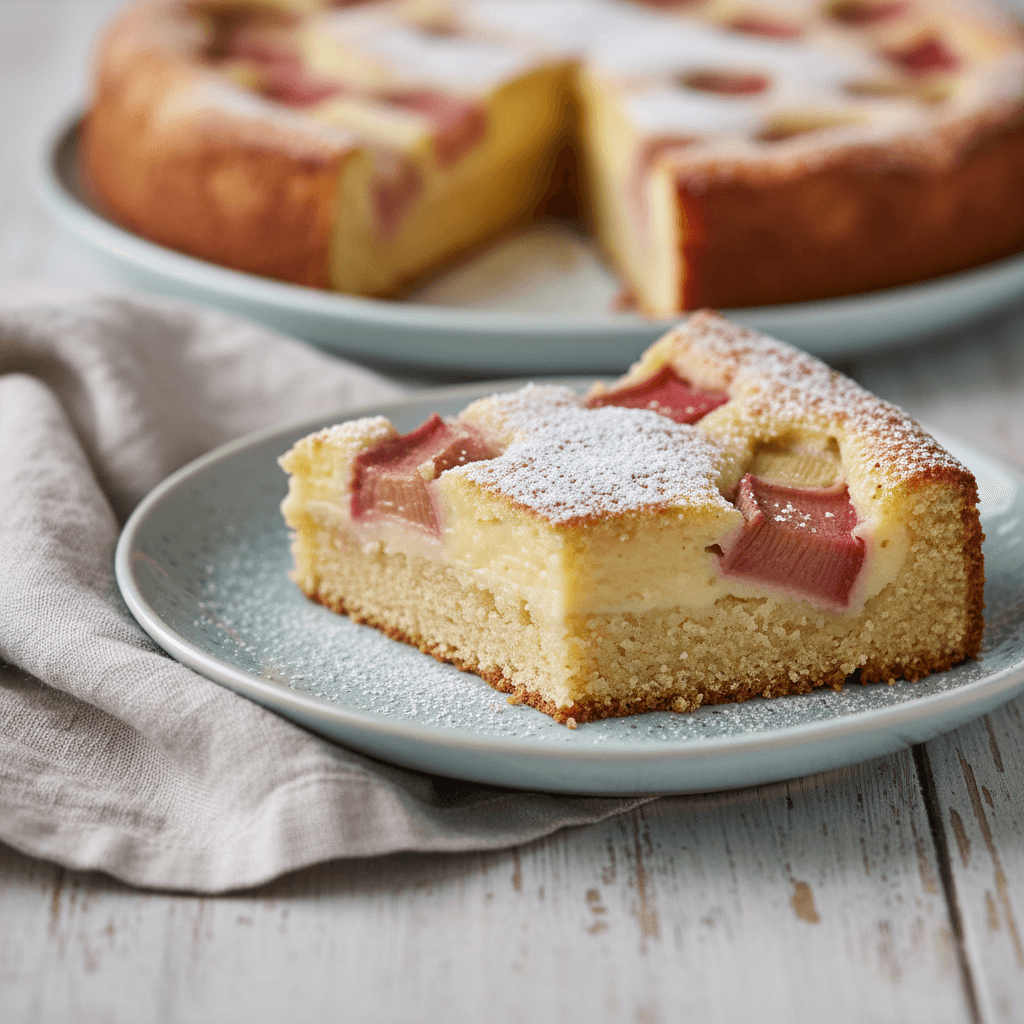
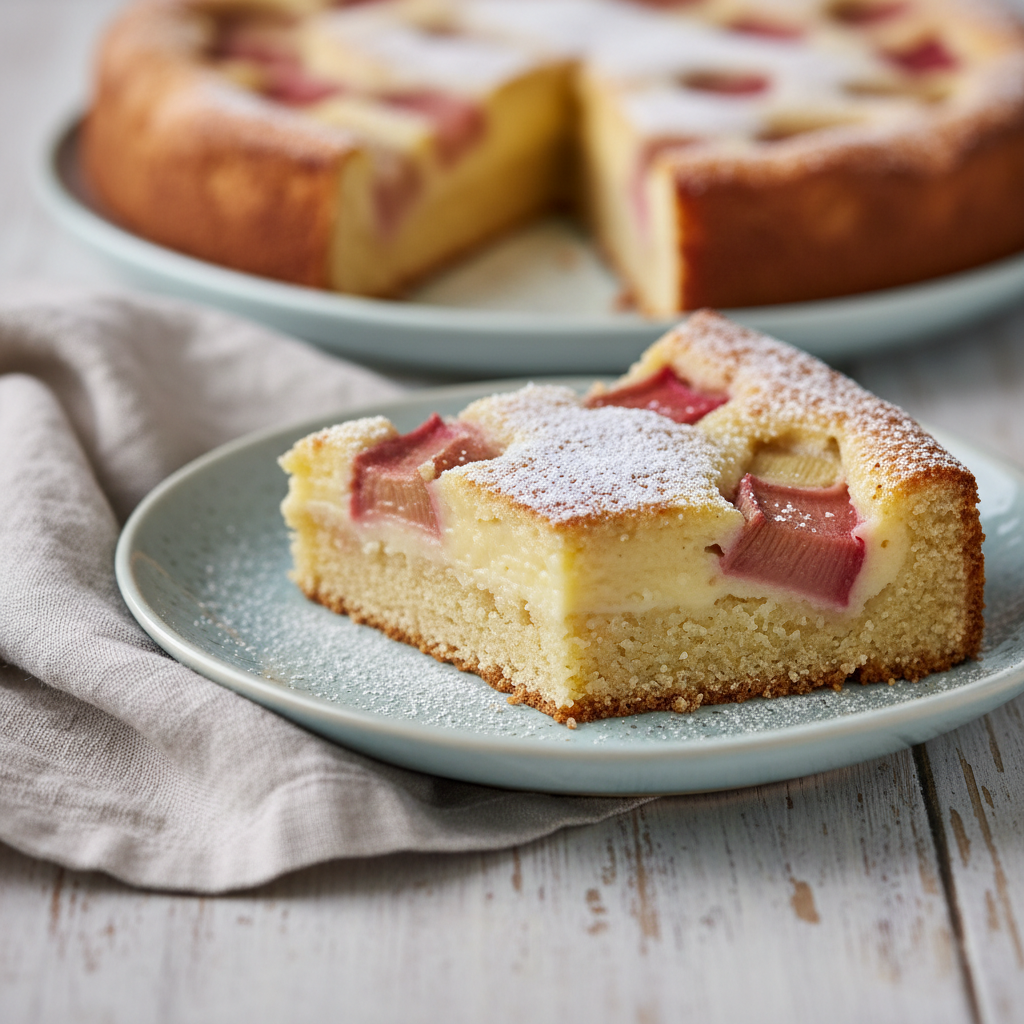
There are some bakes that feel like pure magic, and this rhubarb custard cake is one of them. It's a culinary marvel where a single, simple batter transforms in the oven, creating three distinct, glorious layers: a tender, buttery cake on the bottom, a rich, creamy custard in the middle, and a jeweled topping of tart, softened rhubarb under a golden crust. It’s the kind of dessert that silences a room, where the only sounds are the clinking of forks and sighs of contentment.
Many of us have seen recipes like this and felt a moment of hesitation. It seems too complex, too technical. How can one batter possibly separate into two perfect textures? It feels like a trick that belongs in a professional pastry kitchen. But I’m here to tell you that the magic is actually wonderfully simple science, and once you understand the why behind the method, the how becomes incredibly easy and rewarding.
This isn't just about following steps; it's about understanding the beautiful transformation of simple ingredients—flour, eggs, butter, sugar—into something extraordinary. We’re going to create a cake with a crumb that’s soft and yielding, a custard that’s smooth as silk, and a rhubarb topping that sings with a perfect sweet-tart balance. This recipe for the Best Rhubarb Custard Cake isn't just a dessert; it's a lesson in kitchen confidence and a beautiful centerpiece for any gathering.
The Science Behind This Magical Cake
So, how does this one-pan wonder work its magic? The secret lies in the density of the batter and the gentle heat of the oven. We start by creating a relatively standard, but slightly thinner, cake batter. When we pour this into the pan, the heavier components, primarily the flour and butter solids, naturally settle towards the bottom during the initial phase of baking. This forms our sturdy, yet tender cake base.
The lighter, liquid components—the eggs, milk, and melted butter—tend to rise. As the cake base begins to set, this liquid mixture forms a distinct layer on top. The gentle, consistent heat of the oven then works on this upper layer, causing the egg proteins to slowly coagulate and thicken, just as they would when you make a stirred custard on the stovetop. This process, known as protein denaturation and coagulation, creates that luscious, creamy custard layer right on top of the cake. It's a brilliant, self-saucing, self-layering cake!
Meanwhile, the rhubarb pieces, which we place on top, are heavier than the liquid custard layer but lighter than the cake batter. They nestle perfectly into that creamy top layer, releasing their juices and tart flavor as they bake. On the very surface, the Maillard reaction and caramelization are at play, creating that beautiful golden-brown top, a perfect contrast to the soft textures beneath. Understanding this elegant dance of ingredients is the key to mastering this rhubarb custard cake and demystifying its magic.
Tools and Ingredients for Rhubarb Custard Cake
Gathering the right tools and ingredients is the first step towards success. While this recipe is forgiving, using the proper equipment and high-quality components will guarantee you make the best rhubarb custard cake possible. Think of this as setting your stage for a beautiful performance.
For tools, your most important ally is a 9-inch springform pan. Its removable sides are essential for cleanly releasing the delicate cake without having to invert it, which would be a disaster for our soft custard layer. If you don't have one, a 9-inch round cake pan lined with parchment paper (with overhangs for lifting) can work in a pinch. You’ll also need a set of mixing bowls, a whisk, and a spatula. An electric mixer (handheld or stand) is highly recommended for creaming the butter and sugar, which builds the foundation of our cake's tender crumb.
Ingredient quality is paramount. For the star of the show, choose fresh, firm rhubarb stalks. Look for stalks that are crisp, not limp, with a vibrant pink or red color. The thinner stalks tend to be more tender and less stringy. For the custard's richness, full-fat milk and real butter are non-negotiable. They provide the necessary fat content for a creamy, luxurious mouthfeel. Room temperature eggs are also crucial, as they emulsify more easily into the batter, creating a smoother, more uniform texture. A good quality vanilla extract and the fresh zest of a lemon will elevate the flavor, cutting through the richness and complementing the rhubarb’s tartness beautifully.
The Method, Step by Step
Let’s walk through the process of creating this incredible dessert together. We’ll approach it in clear stages, focusing on the sensory cues that tell you you’re on the right track. This detailed method ensures your rhubarb custard cake turns out perfectly every time.
First, we prepare our key players. Preheat your oven to 350°F (175°C) and prepare your springform pan by greasing it and dusting it with flour. This creates a non-stick surface that’s vital for a clean release. Next, tackle the rhubarb. After trimming and washing, slice it into 1-inch (2.5 cm) pieces. Tossing them with a tablespoon of sugar helps to draw out a little moisture and tempers their intense tartness.
Next, the cake batter. This begins like many classic butter cakes: creaming softened butter with sugar until it’s pale and fluffy. This step aerates the mixture, promising a light crumb. Then, beat in the eggs one by one, followed by the flavorings—vanilla, lemon zest, and perhaps a touch of cardamom for a warm, Levantine twist. The mixture might look a little curdled at this point, which is perfectly normal.
Now, we alternate our dry and wet ingredients. Sift your flour, baking powder, cardamom, and salt together. In a separate measure, combine your milk. Add about a third of the dry ingredients to the butter mixture, mixing on low until just combined. Follow with half of the milk, then another third of the flour, the rest of the milk, and finally the last of the flour. This gradual process prevents the gluten from overdeveloping and ensures a tender cake. Be careful not to overmix; stop as soon as you no longer see streaks of flour.
Pour this batter into your prepared pan and smooth the top. Now for the assembly. Arrange the prepared rhubarb pieces evenly over the surface of the batter. Don't press them in; just let them rest on top. They will settle into their perfect position as the cake bakes and the layers form.
Baking is where the transformation happens. Place the pan on a baking sheet to catch any potential drips and bake for 45-55 minutes. The cake is ready when the edges are golden brown and pulling away slightly from the sides of the pan, and the center is set but still has a slight wobble, like a baked cheesecake. A skewer inserted into the cakey edge should come out with moist crumbs, but a skewer in the center will still be wet from the custard. This is what you want! Let the rhubarb custard cake cool completely in the pan on a wire rack. This is a crucial step, as the custard needs time to fully set before you attempt to slice it. Patience here is rewarded with perfect, creamy slices.
Troubleshooting Common Issues
Even with the most detailed recipe, sometimes things don't go exactly as planned. But don't worry! Most issues with a rhubarb custard cake are easily understood and preventable for your next bake. Let’s break down a few common problems.
If your custard layer is runny or hasn't set: This is the most common concern. It's almost always a sign of underbaking. The visual cue of a 'slight wobble' can be tricky. It should jiggle gently as a whole, like a set cheesecake, not slosh like liquid. Ovens vary, so your cake might need an extra 5-10 minutes. If you've already cooled it and it's runny, there isn't a quick fix, but enjoy it as a delicious 'rhubarb pudding cake' with a spoon! For next time, bake it a little longer.
If your cake sank in the middle: A dramatic sinkhole usually points to a few culprits. It could be from opening the oven door too early, causing a sudden temperature drop that deflates the rising cake. It could also be from overmixing the batter, which develops too much gluten, causing it to rise rapidly then collapse. Lastly, ensure your baking powder is fresh; old leavening agents won't provide a stable lift.
If your rhubarb released too much water and made the top soggy: Tossing the rhubarb with a bit of sugar or even a teaspoon of cornstarch before topping the cake can help manage this. The sugar draws out some liquid, and the cornstarch helps thicken any juices that are released during baking, creating a lovely jammy consistency instead of a watery one.
If the cake texture is dense or tough: This is a classic sign of overmixing the batter after the flour was added. Remember to mix on low speed and only until the flour streaks disappear. Overworking the batter develops the gluten strands, leading to a chewy, bread-like texture instead of a tender cake crumb. Embrace the 'less is more' approach here for the best rhubarb custard cake texture.
Taking It to the Next Level
Once you've mastered the basic technique for this beautiful rhubarb custard cake, there are so many ways to add your own personal touch. These variations can elevate the dessert from a lovely homemade treat to a truly show-stopping creation.
For a textural contrast, consider adding a crumble or streusel topping before baking. A simple mixture of flour, brown sugar, cold butter, and perhaps some rolled oats or chopped nuts (pistachios or almonds would be divine) sprinkled over the rhubarb will bake into a crunchy, buttery lid that contrasts wonderfully with the soft custard beneath.
Playing with spices is another fantastic way to customize the flavor. While lemon and vanilla are classic, introducing warm spices from the Levantine pantry can add incredible depth. A pinch of ground cardamom in the cake batter, a whisper of cinnamon, or even a tiny grating of nutmeg can make the cake feel exceptionally cozy and fragrant. You could also infuse the milk by gently warming it with a cinnamon stick or a few cardamom pods before adding it to the batter.
For a final touch of elegance, consider a finishing glaze or syrup. Once the cake is completely cool, a simple drizzle of icing made from powdered sugar and lemon juice can add a sweet-sharp note. Or, for a truly special touch, a light brushing of orange blossom or rose water simple syrup over the warm cake will infuse it with a beautiful floral aroma and add extra moisture.
Storing Your Results
Proper storage is key to preserving the wonderful textures of your rhubarb custard cake. Because of its creamy custard layer, this is one cake that must be stored in the refrigerator. Leaving it at room temperature for an extended period is not safe and will cause the custard to weep and spoil.
Once the cake has cooled completely to room temperature on a wire rack, cover it loosely with plastic wrap or place it in an airtight cake container. It’s important not to cover it while it’s still warm, as condensation will form and make the top of the cake soggy. Stored correctly in the fridge, your cake will stay fresh and delicious for up to 3-4 days.
The texture will change slightly upon refrigeration; the cake base will become firmer. For the best experience, I recommend letting a slice sit out at room temperature for about 20-30 minutes before serving. This takes the chill off and allows the buttery flavor of the cake and the creaminess of the custard to shine through. I do not recommend freezing this cake, as the custard's texture will become watery and grainy upon thawing.
Common Questions
Can I use frozen rhubarb for this recipe?
Yes, you absolutely can! If using frozen rhubarb, do not thaw it first. Tossing the frozen pieces in a tablespoon of flour or cornstarch before arranging them on the batter is a great idea. This helps absorb any excess moisture that will be released during baking, preventing a soggy top on your rhubarb custard cake.
How can I make this cake gluten-free?
To make this gluten-free, you can substitute the all-purpose flour with a good-quality one-to-one gluten-free baking blend that contains xanthan gum. The results are quite lovely, though the cake crumb may be slightly more delicate. Be sure to let the cake cool completely before slicing to ensure it holds its structure.
How do I know for sure when the cake is done baking?
The visual cues are key. The outer 1-2 inches of the cake should look set and golden, and the edges will begin to pull away from the sides of the pan. The very center should still have a slight jiggle to it when you gently shake the pan. If the center is sloshing or looks liquid, it definitely needs more time.
Can I prepare any components ahead of time?
While the cake is best baked fresh, you can do some prep work. You can wash, trim, and chop your rhubarb a day in advance and store it in an airtight container in the refrigerator. You can also measure and sift your dry ingredients and store them in a bowl, covered, at room temperature. This makes the assembly process much quicker on baking day.
My rhubarb is very green. Will it still taste good?
Definitely! The color of rhubarb stalks doesn't actually indicate their sweetness or ripeness. Some varieties are simply more green than red. While red stalks create a more visually stunning contrast, the green ones will provide that same signature tartness that makes this rhubarb custard cake recipe so delicious.
Best Rhubarb Custard Cake
An easy and magical cake with three layers from one batter! A tender cake base, a creamy custard center, and tart rhubarb all baked in one pan.
Prep Time
20 min
Cook Time
50 min
Total Time
1h 10m
Servings
8 servings
Ingredients
For 8 servings
- 400g fresh rhubarb, trimmed and cut into 1-inch pieces
- 1 cup plus 1 tablespoon granulated sugar, divided
- 1/2 cup (113g) unsalted butter, softened to room temperature
- 2 large eggs, at room temperature
- 1 teaspoon vanilla extract
- 1 teaspoon finely grated lemon zest
- 1 cup (125g) all-purpose flour
- 1 teaspoon baking powder
- 1/4 teaspoon ground cardamom (optional)
- 1/4 teaspoon salt
- 1/2 cup (120ml) whole milk, at room temperature
- Powdered sugar, for dusting
Instructions
- 1
Preheat and Prepare Pan
Preheat your oven to 350°F (175°C). Grease a 9-inch springform pan with butter and lightly dust with flour, tapping out any excess. This ensures a clean release of the finished cake.
- 2
Prepare the Rhubarb
In a small bowl, toss the chopped rhubarb pieces with 1 tablespoon of the granulated sugar. Set aside while you prepare the batter.
- 3
Cream Butter and Sugar
In a large mixing bowl, using a stand mixer or handheld electric mixer, beat the softened butter and the remaining 1 cup of sugar on medium-high speed until the mixture is pale, light, and fluffy, about 3-4 minutes.
- 4
Add Eggs and Flavorings
Add the eggs one at a time, beating well after each addition and scraping down the sides of the bowl as needed. Beat in the vanilla extract and lemon zest until just combined.
- 5
Combine Dry Ingredients
In a separate medium bowl, whisk together the all-purpose flour, baking powder, ground cardamom (if using), and salt. This ensures the leavening and spices are evenly distributed.
- 6
Alternate Wet and Dry
With the mixer on low speed, add about one-third of the dry ingredients to the butter mixture, followed by half of the milk. Repeat, adding another third of the flour, the rest of the milk, and finishing with the last of the flour. Mix only until the last streaks of flour disappear; do not overmix.
- 7
Assemble the Cake
Pour the batter into your prepared springform pan and smooth the top with a spatula. Arrange the sugared rhubarb pieces evenly over the surface of the batter.
- 8
Bake the Cake
Place the pan on a baking sheet to catch any potential drips. Bake for 45-55 minutes, or until the edges are golden brown and set, and the center has a slight but distinct wobble (like a set cheesecake).
- 9
Cool Completely
Remove the cake from the oven and place it on a wire rack to cool completely in the pan. This step is crucial, as the custard needs several hours to fully set. Do not attempt to remove it from the pan while warm.
- 10
Serve
Once completely cool, carefully run a thin knife around the edge of the cake before releasing the springform collar. Dust with powdered sugar just before serving. Store any leftovers covered in the refrigerator for up to 4 days.
Nutrition Facts
Per serving (estimated)
320 calories
Calories
42g
Carbs
5g
Protein
15g
Fat
2g
Fiber
210mg
Sodium
28g
Sugar