Warm & Cozy Cinnamon Coffee Cake Recipe
Indulge in the best homemade coffee cake recipe! A tender cake with a rich cinnamon-pecan streusel topping. Perfect for gatherings and cozy mornings.
cookwithyara.com/recipes/coffee-cake-recipe
There are some baked goods that feel like a universal hug, a sweet and simple offering that says, “Welcome, stay a while.” For me, the humble coffee cake is one of those treasures. It isn’t flashy or complicated, but a perfectly executed slice—with its tender, buttery crumb, a ribbon of spiced crumble running through the middle, and a crunchy, fragrant topping—is a thing of pure comfort. It reminds me of the importance of gathering, of slowing down to share something warm and delicious with people you care about. This is the essence of hospitality I cherish from my Levantine roots, where a simple sweet and a hot drink are always ready for a guest.
Now, I’ll be honest: a truly exceptional coffee cake recipe requires a little more attention than a simple quick bread. There are layers to consider, textures to perfect, and a balance of flavors to achieve. But I promise you, every moment spent creaming the butter, mixing the fragrant streusel, and carefully layering them in the pan is an investment in a truly spectacular result. This guide is more than just a list of ingredients; it’s my heartfelt method for mastering this classic. We’ll walk through every step together, ensuring your cake is moist, flavorful, and absolutely unforgettable. This is the coffee cake recipe you’ll turn to again and again.
The Origins and History
The story of coffee cake is deeply intertwined with the culture of gathering around a warm drink. While the name suggests a cake flavored with coffee, it actually refers to a cake meant to be eaten with coffee. The tradition has its roots in Central Europe, particularly Germany, Austria, and Scandinavia, where the concept of Kaffeeklatsch—literally 'coffee gossip'—took hold. These were informal social gatherings where friends would convene in the afternoon to chat over cups of coffee and sweet treats. The cakes served were often simple, yeast-leavened breads topped with butter, sugar, and spices, known as Kuchen.
When German and Scandinavian immigrants brought these traditions to America, the recipes began to evolve. Bakers started using chemical leaveners like baking soda and baking powder instead of yeast, resulting in the tender, cake-like crumb we know today. The simple streusel topping, a crumble of flour, butter, and sugar, became a defining feature. This Americanized version became a staple of home baking, a reliable and comforting treat for family breakfasts, community potlucks, and neighborly visits. This evolution showcases the beautiful way food travels and adapts, taking on new life in new kitchens while retaining its core purpose: bringing people together. It’s a beautiful culinary parallel to the way a simple plate of dates or a tray of baklava functions in the Middle East—a symbol of welcome and shared joy.
Understanding the Flavor Profile
A truly magnificent coffee cake is a symphony of harmonious flavors and textures. It’s a delicate dance between the cake, the streusel, and the optional glaze, with each component playing a vital role. The foundation of this coffee cake recipe is the cake itself. It should be buttery and rich, with a delicate, moist crumb that melts in your mouth. The inclusion of sour cream or full-fat yogurt lends a subtle tang that cuts through the richness, preventing the cake from becoming overly sweet and adding incredible moisture.
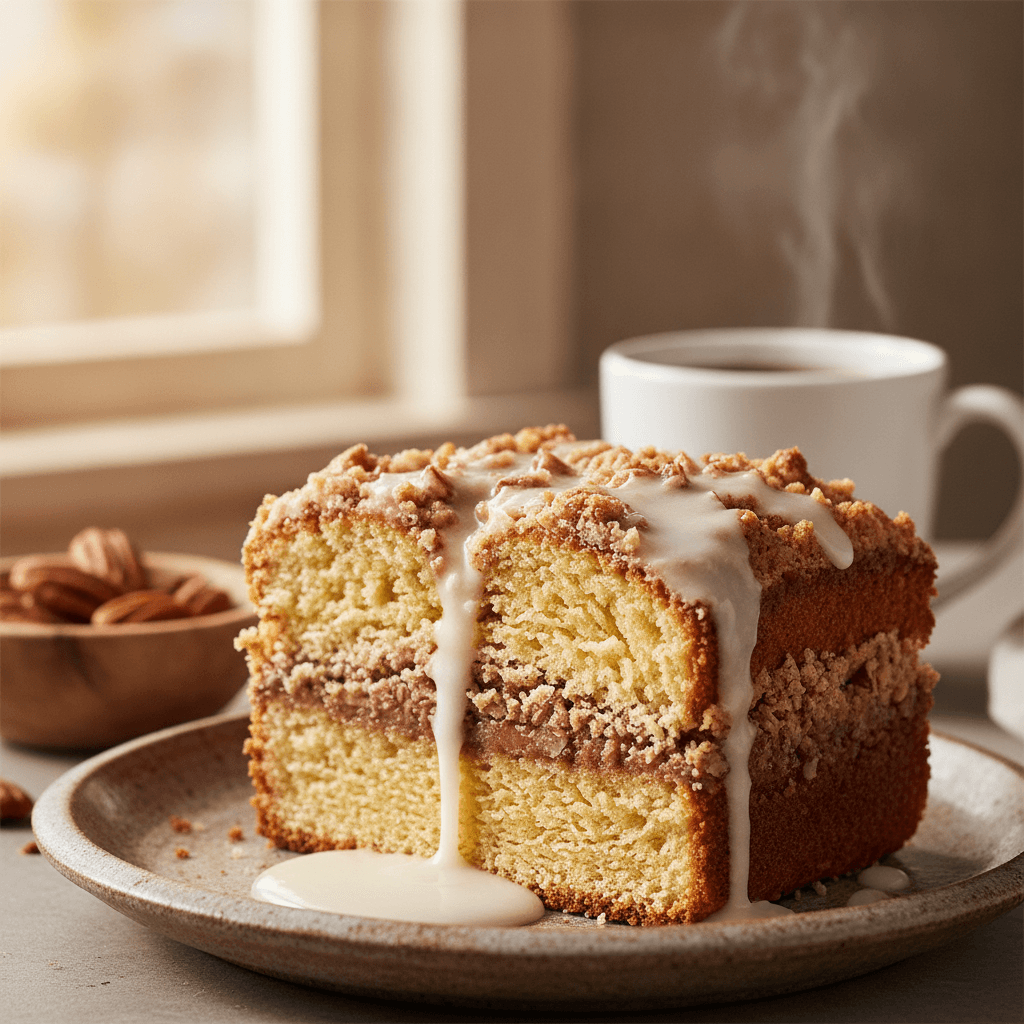
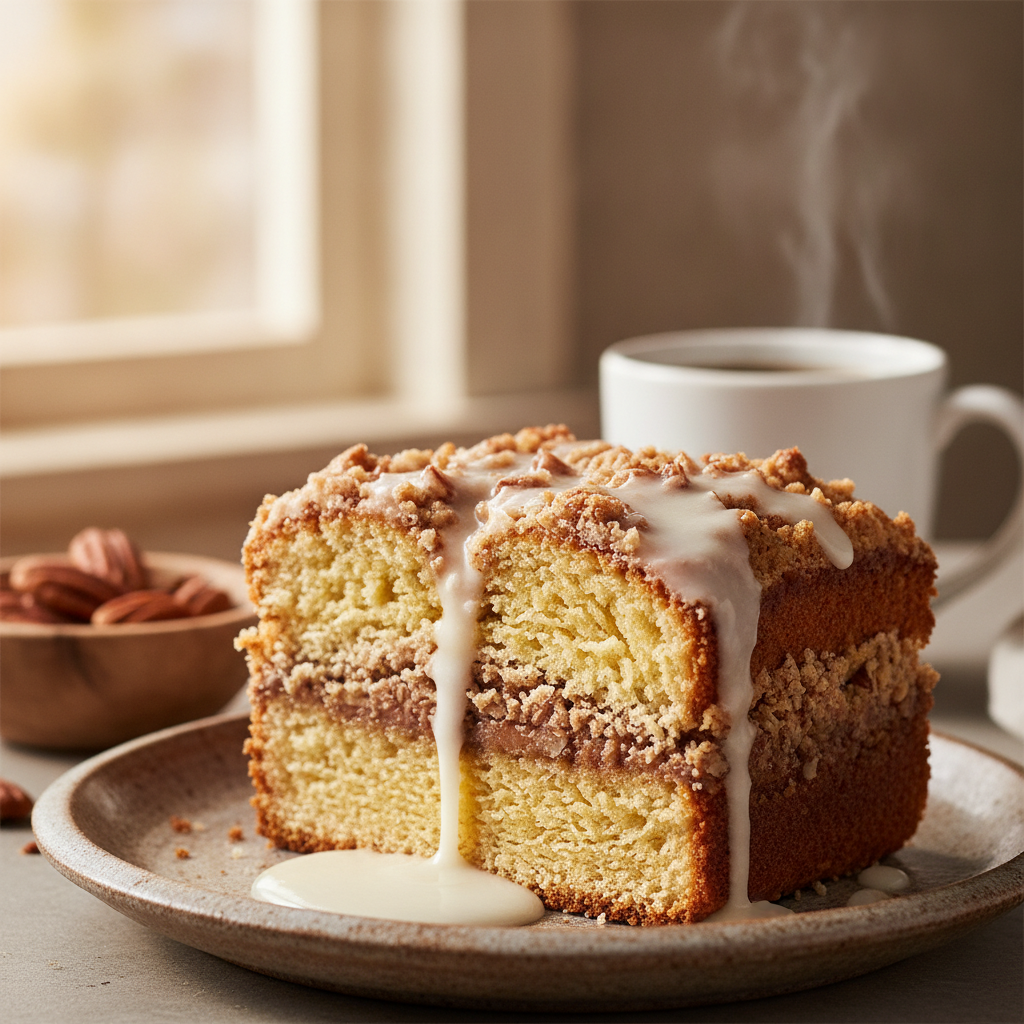
The heart and soul of any coffee cake, however, is the streusel. This is where the warmth and spice truly shine. Our streusel is a generous blend of brown sugar, which provides a deep, molasses-like sweetness, fragrant cinnamon, and toasted pecans. The nuts add a delightful, earthy crunch that contrasts beautifully with the soft cake. As it bakes, some of the buttery sugar mixture melts slightly, creating a gooey, caramelized ribbon through the cake's center while the top layer becomes crisp and crumbly. The final touch, a simple powdered sugar glaze, adds an extra layer of sweetness and a beautiful visual finish, but the cake is just as lovely without it. The aroma alone—of warm cinnamon, toasted nuts, and baking butter—is enough to make any house feel like a home.
Essential Ingredients Explained
The success of this coffee cake recipe lies in using good-quality ingredients and understanding the role each one plays. There are no complex techniques here, so the flavor of the final product truly depends on the building blocks you start with.
- Unsalted Butter: This is the cornerstone of both the cake and the streusel. Use good-quality, unsalted butter so you can control the salt content. It should be at room temperature for the cake batter to allow for proper creaming, which incorporates air for a light texture. For the streusel, cold butter is key to creating those signature crumbles.
- Sour Cream: Full-fat sour cream is my secret weapon for an incredibly moist and tender cake. Its high-fat content adds richness, while its acidity helps to tenderize the gluten in the flour. You can substitute it with full-fat plain Greek yogurt for a similar effect.
- All-Purpose Flour: A reliable all-purpose flour provides the perfect structure. Be sure to measure it correctly—by spooning it into your measuring cup and leveling it off—to avoid a dense, dry cake.
- Brown Sugar: Used in the streusel, light or dark brown sugar adds moisture and a wonderful caramel note that granulated sugar alone can’t provide. It’s what makes the filling gooey and rich.
- Pecans: Toasted pecans add a buttery, nutty crunch that is simply divine. You can substitute them with walnuts or even almonds. For a nut-free version, simply omit them and add a tablespoon of oats for texture.
- Cinnamon: Don’t skimp on the cinnamon! A high-quality ground cinnamon makes all the difference. Its warm, sweet spice is the signature flavor of this coffee cake.
- Alcohol-Free Vanilla Extract: A crucial aromatic that enhances all the other flavors. Ensure you use an alcohol-free version to keep the recipe halal. Vanilla bean paste is also a wonderful, potent alternative.
- Eggs: Large eggs, at room temperature, bind the batter together and add to the cake's richness and structure. Room temperature eggs incorporate more easily into the batter, creating a smoother, more uniform texture.
- Leavening Agents: A combination of both baking powder and baking soda gives this cake the perfect lift. The baking soda reacts with the acidic sour cream, while the baking powder provides additional, sustained lift during baking.
Mastering the Technique
Achieving the perfect texture in this coffee cake recipe is all about the method. Let's walk through the key stages to ensure a flawless result every time. The process is straightforward, but paying attention to these details will elevate your cake from good to truly memorable.
First, focus on the streusel. You'll want to make this first and keep it cold. By using chilled, cubed butter and cutting it into the flour, sugar, and cinnamon mixture with your fingertips or a pastry blender, you create small, pea-sized pieces of butter coated in flour. In the oven, these cold butter pockets will melt and steam, creating a wonderfully crisp and crumbly texture. Rushing this step or using soft butter will result in a greasy, sandy topping rather than a distinct crumble.
Next is the creaming of the butter and sugars for the cake batter. This is perhaps the most critical step for a light, airy crumb. You need to beat the room-temperature butter with the granulated sugar for a full 3-5 minutes, until it's pale, light, and fluffy. This process forces air into the butter, creating a stable network of tiny air pockets that will expand in the oven, giving the cake its lift and tender texture.
When incorporating the remaining ingredients, the mantra is “do not overmix.” Add the room-temperature eggs one at a time, mixing just until the yolk disappears. Then, the most important part: alternate adding the dry flour mixture and the wet sour cream mixture. Start and end with the dry ingredients. This gentle, gradual incorporation prevents you from overworking the gluten in the flour, which would lead to a tough, dense cake. Mix on low speed just until the last streaks of flour disappear.
Finally, the layering. Don't just dump the batter and streusel into the pan. Carefully spread half the thick batter in the prepared pan, creating an even layer. Sprinkle this with about two-thirds of your cold streusel mixture. Then, gently dollop and spread the remaining batter over the top, being careful not to disturb the streusel layer too much. Finish with the last of the streusel. This two-layer streusel approach ensures that every single slice has that delightful ribbon of cinnamon goodness running through it. This thoughtful assembly is what makes this the best coffee cake recipe.
Common Pitfalls and How to Fix Them
Even a seemingly simple recipe like this one can present a few challenges. But don't worry, most common issues are easy to diagnose and even easier to fix. Let's troubleshoot some potential coffee cake recipe hiccups.
Problem: My cake is dry. This is the most common complaint and usually has one of two culprits: incorrect flour measurement or overbaking. Always spoon flour into your measuring cup and level it off; scooping directly from the bag can compact it, adding too much flour. As for baking, start checking for doneness a few minutes before the recipe suggests. A wooden skewer inserted into the center should come out with a few moist crumbs attached, not completely clean (which indicates it's already slightly overbaked).
Problem: My streusel sank to the bottom. This can happen if your cake batter is too thin or your streusel is too heavy and wet. Ensure your sour cream is full-fat and your butter for the batter is soft but not melted. For the streusel, make sure your butter is cold when you cut it in; this creates a lighter, crumblier mixture that is less likely to sink through the thick batter.
Problem: The middle of the cake is sunken and dense. This is a classic sign of an underbaked cake. The outer edges cook faster than the center, and if you pull it from the oven too soon, the unset structure in the middle will collapse as it cools. Always perform the skewer test in the very center of the cake. Another cause could be opening the oven door too frequently, which causes the oven temperature to fluctuate and can make the cake fall.
Problem: My cake has a tough, gummy texture. This is almost always caused by overmixing the batter after the flour has been added. Once you combine the wet and dry ingredients, you're developing gluten. A little gluten provides structure, but too much makes the cake tough. Mix on the lowest speed and stop as soon as the last streak of flour disappears. A few small lumps are perfectly fine!
Regional Twists Worth Trying
Once you've mastered the classic coffee cake recipe, it's fun to explore variations that introduce new flavors and textures. The base of this cake is a wonderfully versatile canvas for culinary creativity, and here are a few ideas, some with a nod to my own Mediterranean palate.
A Levantine-Inspired Twist: To infuse a bit of Middle Eastern warmth, try adding half a teaspoon of finely ground cardamom to the cake batter along with the cinnamon. You could also add a tablespoon of orange blossom water to the batter with the vanilla. For the streusel, consider swapping the pecans for pistachios or almonds, which are beloved throughout the region. This version is wonderfully fragrant and pairs beautifully with strong Turkish coffee.
The New York-Style Crumb Cake: For those who believe the best part of a coffee cake is the topping, this is the version for you. To achieve this style, you essentially double the streusel recipe. The cake layer is typically thinner and denser, and it's piled high with a thick, chunky layer of crumb topping. It’s an indulgent, topping-forward experience.
The Fruit-Swirled Version: During the summer months, you can introduce fresh fruit. Gently swirl a cup of fresh blueberries, raspberries, or chopped tart apples into the batter before layering it in the pan. The fruit adds moisture and a lovely tartness that cuts through the richness of the cake and streusel. A lemon-infused glaze would be a perfect finishing touch for a berry version.
The Perfect Spread
While this cinnamon coffee cake recipe is a showstopper all on its own, serving it as part of a thoughtful spread can elevate the experience, turning a simple treat into a memorable occasion. The goal is to balance its rich, sweet, and spiced profile with complementary flavors and textures.
Of course, the most traditional pairing is a warm beverage. A cup of robust, dark-roast coffee is the classic choice for a reason; its pleasant bitterness cuts through the sweetness of the cake perfectly. For a gentler pairing, a fragrant black tea, like an English Breakfast or Earl Grey, is wonderful. In my home, we often serve sweets like this with freshly brewed mint tea, which provides a bright, refreshing contrast.
To round out the plate and add a touch of freshness, consider a side of seasonal fruit. A bowl of mixed berries—strawberries, blueberries, raspberries—adds a vibrant, juicy tartness. In the fall, thinly sliced crisp apples or pears are a great choice. For a truly Mediterranean feel, serve slices of cake alongside fresh figs and a dollop of thick, creamy Greek yogurt or labneh. The tangy dairy and sweet fruit create a beautiful harmony with the warm spices of the coffee cake.
Keeping and Reheating
One of the wonderful things about this coffee cake recipe is that it stores beautifully, and some might even argue that the flavor deepens and improves by the second day as the spices meld into the crumb. To store it, allow the cake to cool completely to room temperature. This is crucial, as covering a warm cake will trap steam and make the streusel topping soggy.
Once cool, cover the cake tightly with plastic wrap or store it in an airtight container. It will keep perfectly well at room temperature for up to 3 days. There's no need to refrigerate it, as the cold air can actually dry out the cake's tender crumb. If you need to store it for longer, you can freeze it.
For freezing, I recommend slicing it into individual portions. Wrap each slice securely in plastic wrap, then place the wrapped slices in a freezer-safe bag or container. It will keep well in the freezer for up to 2 months. To enjoy, you can either thaw a slice at room temperature for about an hour or reheat it directly from frozen. The best way to reheat a slice and revive its just-baked texture is in a microwave for 20-30 seconds. This warms it through and softens the crumb, making it taste as good as new. A few minutes in a toaster oven also works well to re-crisp the streusel top.
Your Questions Answered
Can I make this coffee cake recipe gluten-free?
Yes, you certainly can. For the best results, I recommend using a high-quality one-to-one or measure-for-measure gluten-free baking flour blend that contains xanthan gum. This will provide the necessary structure that gluten typically offers. The texture might be slightly denser, but it will still be incredibly delicious.
Can I prepare any components in advance?
The streusel is perfect for making ahead! You can prepare the crumble mixture a day or two in advance and store it in an airtight container in the refrigerator. Keeping it cold is actually beneficial for the final texture. I wouldn't recommend mixing the cake batter in advance, as the leavening agents will begin to lose their potency once they are activated by the wet ingredients.
How do I scale this recipe for a larger gathering?
This recipe can be easily doubled to bake in a 9x13-inch pan, which is perfect for a larger group. You'll need to increase the baking time, likely to around 55-65 minutes. Just keep a close eye on it and use the skewer test to check for doneness in the center of the larger cake.
Can I use different nuts or make it nut-free?
Absolutely! While pecans are classic, finely chopped walnuts or sliced almonds work beautifully in the streusel. If you need a nut-free version, you can simply omit the nuts altogether. To add a bit of texture back into the streusel, you could mix in a tablespoon or two of raw rolled oats.
Why isn't my streusel crumbly?
If your streusel topping came out more like a paste or melted into a solid layer, the culprit is almost always the butter. It's essential to use cold, firm butter cut into small cubes. When you mix it with the dry ingredients, you want to create coarse, pea-sized crumbs, not a smooth paste. Using softened or melted butter will prevent you from achieving that signature crumbly texture.
Cinnamon Streusel Coffee Cake
A wonderfully moist and tender sour cream coffee cake with a rich cinnamon-pecan streusel layer and a simple sweet glaze. The perfect companion to your morning coffee or tea.
Prep Time
20 min
Cook Time
45 min
Total Time
1h 5m
Servings
12 servings
Ingredients
For 12 servings
- For the Streusel:
- 2/3 cup all-purpose flour
- 2/3 cup packed light brown sugar
- 1 1/2 teaspoons ground cinnamon
- 1/4 teaspoon salt
- 1/2 cup unsalted butter, cold and cubed
- 1 cup chopped pecans, toasted
- For the Cake:
- 2 1/2 cups all-purpose flour
- 1 teaspoon baking powder
- 1/2 teaspoon baking soda
- 1/2 teaspoon salt
- 1 cup unsalted butter, at room temperature
- 1 1/4 cups granulated sugar
- 2 large eggs, at room temperature
- 2 teaspoons alcohol-free vanilla extract
- 1 cup full-fat sour cream, at room temperature
- For the Glaze:
- 1 cup powdered sugar
- 2-3 tablespoons milk or heavy cream
- 1/2 teaspoon alcohol-free vanilla extract
Instructions
- 1
Preheat Oven and Prepare Pan
Preheat your oven to 350°F (175°C). Grease and flour a 9-inch square baking pan or a 9-inch round springform pan. Set aside.
- 2
Make the Streusel Topping
In a medium bowl, whisk together the 2/3 cup flour, brown sugar, cinnamon, and 1/4 teaspoon salt. Add the cold, cubed butter and use a pastry blender or your fingertips to cut the butter into the mixture until it resembles coarse crumbs. Stir in the toasted pecans and place the bowl in the refrigerator to keep cold while you prepare the cake batter.
- 3
Combine Dry Ingredients
In a separate medium bowl, whisk together the 2 1/2 cups of all-purpose flour, baking powder, baking soda, and 1/2 teaspoon of salt. This ensures the leavening agents are evenly distributed.
- 4
Cream Butter and Sugar
In the bowl of a stand mixer fitted with the paddle attachment, or in a large bowl with a hand mixer, beat the room temperature butter and granulated sugar on medium-high speed for 3-5 minutes until light, pale, and fluffy.
- 5
Add Eggs and Vanilla
Add the eggs one at a time, beating well after each addition and scraping down the sides of the bowl as needed. Beat in the alcohol-free vanilla extract.
- 6
Alternate Dry and Wet Ingredients
Reduce the mixer speed to low. Add the dry ingredients in three additions, alternating with the sour cream in two additions, beginning and ending with the dry ingredients. Mix just until combined; do not overmix.
- 7
Assemble the First Layer
Spread half of the thick cake batter evenly into the bottom of your prepared pan. Use an offset spatula to smooth the top.
- 8
Add Middle Streusel Layer
Remove the streusel from the refrigerator. Sprinkle about two-thirds of the streusel mixture evenly over the batter in the pan.
- 9
Add Final Batter and Streusel
Carefully spoon the remaining cake batter over the streusel layer and gently spread it to cover the streusel. Sprinkle the remaining streusel evenly over the top of the cake.
- 10
Bake Until Golden
Bake for 40-50 minutes, or until a wooden skewer inserted into the center of the cake comes out with only a few moist crumbs attached. The top should be golden brown and firm to the touch.
- 11
Cool the Cake
Place the pan on a wire rack and allow the cake to cool in the pan for at least 20-30 minutes before glazing or slicing. If using a springform pan, you can remove the outer ring after about 15 minutes.
- 12
Prepare and Drizzle Glaze
While the cake is cooling, whisk together the powdered sugar, 2 tablespoons of milk, and vanilla extract in a small bowl. Add more milk, one teaspoon at a time, until you reach your desired drizzling consistency. Drizzle the glaze over the warm cake before serving.
Nutrition Facts
Per serving (estimated)
460 calories
Calories
65g
Carbs
6g
Protein
21g
Fat
2g
Fiber
350mg
Sodium
40g
Sugar