Viral Dubai Chocolate Recipe (The Easy Way!)
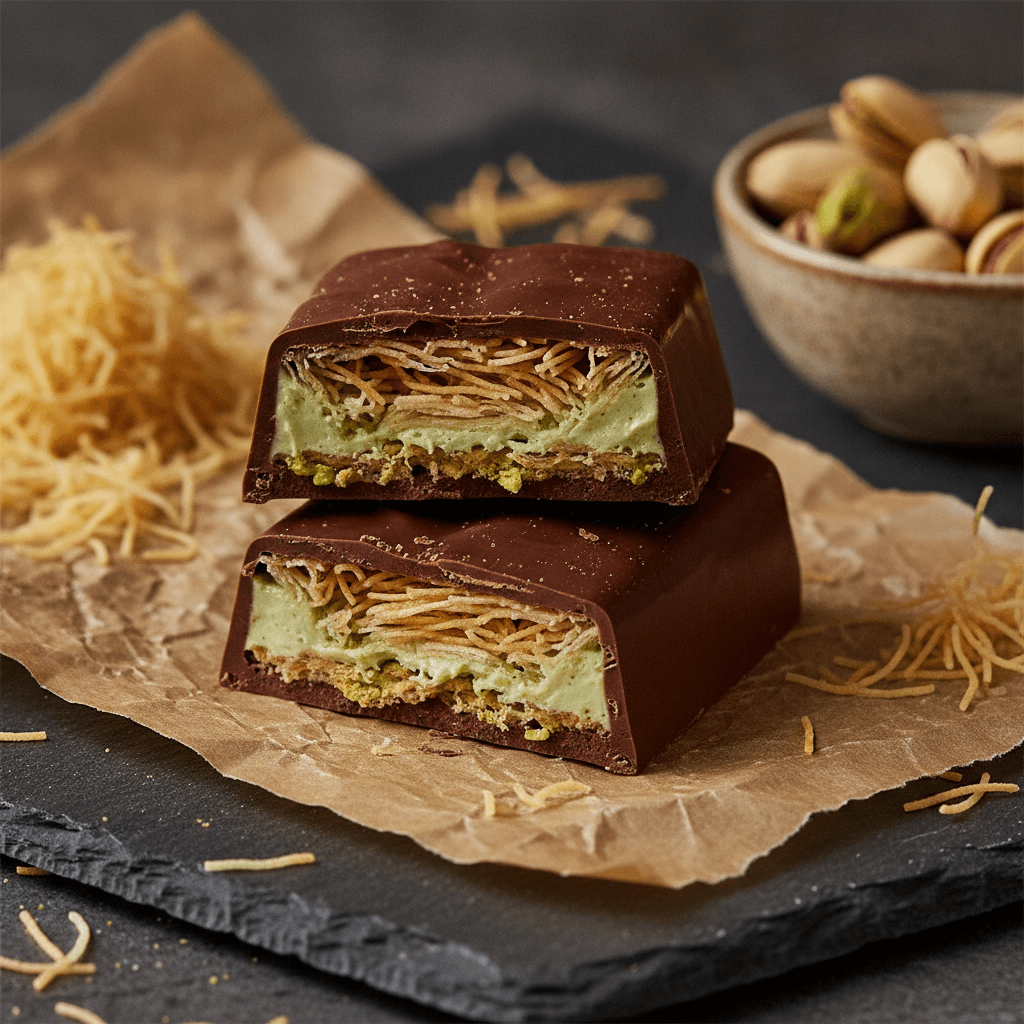
Learn how to make the viral Dubai Chocolate at home! This recipe features a crunchy kataifi and pistachio filling inside a rich, snappy chocolate bar.
cookwithyara.com/recipes/dubai-chocolate
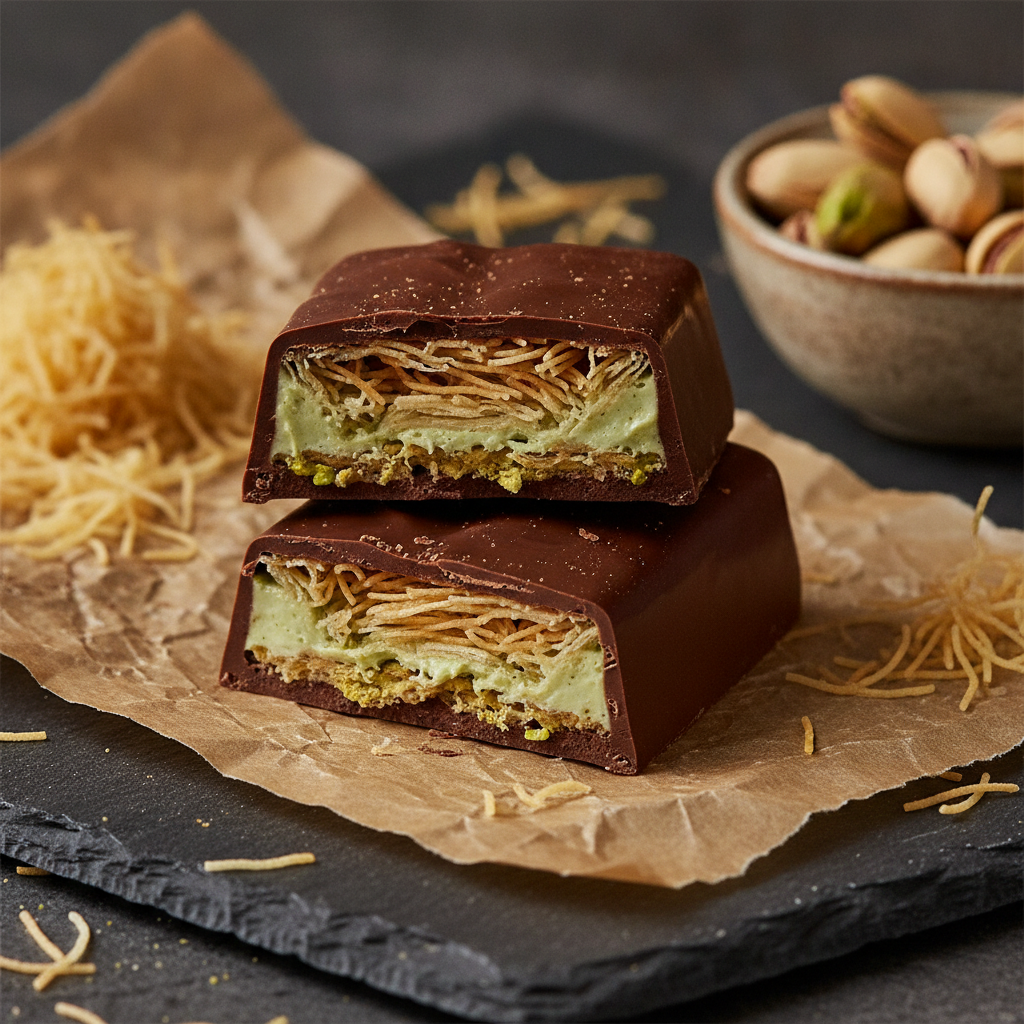
There's a magical sound that defines so many of my favorite Levantine desserts. It’s the delicate crackle of paper-thin phyllo, the satisfying crunch of toasted nuts, the crisp shatter of caramelized sugar. It’s a texture that promises something truly special. Recently, the entire world seems to have discovered this joy through a sensational treat that has taken social media by storm: the viral Dubai Chocolate. This isn't just a candy bar; it's an experience. It’s the luxurious snap of a thick, high-quality chocolate shell giving way to an unbelievably crispy, creamy, nutty filling that sings with the soul of Middle Eastern patisserie. When I first saw it, I smiled. The world was celebrating flavors and textures I’ve cherished my entire life. The secret ingredient, kataifi pastry, is the very same shredded dough we use to make a celebratory pan of kunafa. The rich pistachio paste is a flavor that perfumes the sweet shops of Damascus and Istanbul. This recipe is my tribute to that beautiful fusion—the place where modern luxury meets ancient tradition. I’m going to show you how to recreate that incredible Dubai Chocolate experience in your own kitchen, using simple techniques to achieve that signature texture and taste that everyone is talking about.
A Taste of the Culture
While this specific chocolate bar is a modern invention, a viral sensation born from the innovative culinary scene of Dubai, its soul is deeply rooted in the history of Levantine and Middle Eastern sweets. The culture it represents is one of fusion and opulence, where tradition is not a static museum piece but a living, breathing ingredient that chefs and home cooks alike love to reinvent. Dubai, as a global crossroads, perfectly embodies this spirit. It's a place where you can find the most traditional dishes prepared with time-honored techniques, right next to hyper-modern creations that push culinary boundaries. The Dubai Chocolate is a perfect edible metaphor for this. It takes the familiar format of a Western chocolate bar and injects it with the heart of the Middle East. The central concept—a contrast of textures—is a cornerstone of our dessert philosophy. Think of baklava, with its flaky layers and crunchy nut filling, or kunafa, which pairs crispy, buttery pastry with soft, melted cheese or cream. We delight in that interplay of smooth and crisp, soft and crunchy. This chocolate bar elevates that principle to a new level. It's not just a street food or a simple home-style sweet; it's presented as an accessible luxury, a moment of pure indulgence that reflects the city's glamorous reputation while honoring its culinary heritage. It’s a taste of the new Middle East, one that is proud of its past and excited about its future.
The Ingredients That Define This Dish
At its heart, the magic of the Dubai Chocolate lies in a few key ingredients, each chosen for its specific texture and flavor. Understanding them is the first step to mastering this incredible treat. Let’s walk through the stars of the show.
First, and most importantly, is the Kataifi Pastry. Also known as kunafa dough, these are fine, vermicelli-like strands of unleavened dough. In its raw state, it’s soft and pliable. But when toasted with a bit of ghee or butter, it transforms into something magnificent: shatteringly crisp, golden-brown threads with a rich, nutty flavor. You can find it in the freezer section of most Middle Eastern or Mediterranean grocery stores. It’s the undeniable source of the bar’s signature crunch.
Next is the creamy element that binds the kataifi together. The most popular choice is Pistachio Paste or cream. For the most authentic flavor, look for a paste made from 100% roasted pistachios. It will be intensely nutty and a beautiful, natural green. Some versions are sweetened, which works well too. A fantastic and equally traditional alternative is Tahini, a smooth paste made from ground sesame seeds. It lends a deeper, earthier nuttiness that pairs beautifully with both milk and dark chocolate. It’s a classic flavor combination for a reason.
Of course, we need Chocolate. The quality here makes a huge difference. Choose a good-quality chocolate that you love to eat on its own, as its flavor will be prominent. Couverture chocolate, which contains a higher percentage of cocoa butter, is ideal for melting and achieving that professional, glossy snap. However, high-quality chocolate chips or bars from the baking aisle will also work beautifully. You can use milk chocolate for a sweeter, creamier bar, or dark chocolate (60-70% cacao) for a more intense, less sweet version.
To toast the kataifi, you’ll need a good fat. Ghee, or clarified butter, is my top recommendation. It has a high smoke point and a wonderful nutty flavor that enhances the pastry. Unsalted butter is a perfectly good substitute if you don't have ghee on hand. Finally, a tiny Pinch of Salt is non-negotiable. It doesn’t make the filling salty; it sharpens and brightens all the other flavors, making the chocolate taste more chocolaty and the pistachio more vibrant.
Cooking the Authentic Way
Recreating the viral Dubai Chocolate is less about a complicated recipe and more about a sequence of simple but crucial techniques. Nailing each step ensures you get that perfect textural contrast that makes this bar so special. It all starts with the crunch.
First, you must prepare the kataifi. The frozen strands need to be thawed and then broken up into small, roughly 1-inch pieces. The goal is to separate the strands so they can toast evenly. You’ll then melt your ghee or butter in a wide skillet over medium heat and add the shredded kataifi. This is an active toasting process; you need to keep tossing and stirring the strands until they are a uniform and deep golden brown. Be patient here. Pale, under-toasted kataifi will result in a soft, disappointing filling. You’re looking for a color that reminds you of toasted almonds and an aroma that fills your kitchen with nutty goodness. Once perfectly golden, immediately transfer it to a large bowl or baking sheet to cool completely. This is critical—mixing hot kataifi into the filling will create steam and ruin the crunch.
While the kataifi cools, you can prepare the chocolate. The secret to that beautiful shine and satisfying snap is tempering, but don’t let that word intimidate you. A simple method is to melt two-thirds of your chopped chocolate in the microwave in short 20-second bursts, stirring in between, until it’s almost completely melted but not hot. Then, add the remaining one-third of chopped chocolate and stir continuously until it melts into the residual heat. This “seeding” method is a simple way to temper at home. Once smooth and fluid, pour about half of it into your chocolate bar mold, using a spoon or spatula to coat the bottom and all the sides evenly. Place this in the refrigerator for about 10 minutes to set.
Now, for the glorious filling. In the bowl with the completely cooled, crispy kataifi, add your pistachio paste or tahini and a pinch of salt. Gently fold everything together until every strand of kataifi is coated in the creamy paste. The mixture should be thick and textured. Spoon this incredible filling into the set chocolate shell, pressing it down gently into an even layer. Be careful not to leave any large air pockets.
Finally, pour the remaining melted chocolate over the filling, spreading it to the edges to completely seal the bar. A little tap of the mold on the counter will help settle the chocolate and release any air bubbles. Now, the final wait: let the bar chill in the refrigerator for at least an hour, or until the chocolate is completely firm. The result of this process is a truly spectacular homemade Dubai Chocolate bar.
Bringing It All Together
The moment of truth is the most rewarding part of making this Dubai Chocolate. Once the bar is fully set, gently flex the mold to release it. You’ll be greeted by a glossy, perfect-looking chocolate bar that holds a wonderful secret inside. The true experience begins with the sound. As you snap a piece off, you’ll hear a sharp crack from the chocolate, immediately followed by a loud, satisfying crunch from the filling. It’s an auditory delight that sets the stage for the flavors to come.
On the palate, it’s a symphony of textures and tastes. The smooth, rich chocolate melts away to reveal the star of the show: the crispy, nutty, and slightly savory filling. Each bite is packed with the toasted flavor of the kataifi, the rich depth of the pistachio or tahini, and just enough salt to make you want another piece immediately. Serving this treat is an event in itself. It’s perfect as an afternoon indulgence alongside a small cup of strong, dark Arabic coffee or a fragrant mint tea, which helps cut through the richness. You can also break it into smaller, jewel-like pieces to serve on a dessert platter for guests. It’s a guaranteed showstopper and conversation starter at any gathering.
Make It Your Own
While the classic pistachio version of the Dubai Chocolate is phenomenal, this recipe is a wonderful canvas for your own creativity. Once you master the basic technique of creating the crispy filling, you can customize it in countless ways. Don’t be afraid to play with the flavors and make this viral treat uniquely yours.
For a different nutty profile, try swapping the pistachio paste for a high-quality (and halal-certified) hazelnut cream or a smooth almond butter. The combination of toasted kataifi and hazelnut is reminiscent of other beloved confections and is absolutely divine with milk chocolate. For a touch of classic Levantine aroma, consider adding a tiny splash of rosewater or orange blossom water to the tahini-based filling, or a pinch of finely ground cardamom. These subtle floral and spice notes add a beautiful layer of complexity. You could also mix in other textural elements, like toasted sesame seeds, finely chopped walnuts, or even crispy puffed rice for an extra dimension of crunch. The chocolate shell is also open to experimentation. A white chocolate bar filled with pistachio and a bit of lemon zest would be bright and elegant, while a 70% dark chocolate bar with a sprinkle of flaky sea salt on top would be intensely decadent and sophisticated.
Keeping and Reusing Leftovers
One of the best things about this Dubai Chocolate recipe is that the bars store exceptionally well, making them a perfect treat to make ahead of time. To keep your chocolate looking and tasting its best, store the bars in an airtight container in a cool, dry place. Avoid storing them in the refrigerator if you can, as the condensation can sometimes cause the chocolate to develop a slight bloom (a harmless white film) and can soften the kataifi crunch over time. A cool pantry or cupboard is ideal. Stored properly, the bars will maintain their signature crispiness for up to a week.
If you do have any leftover pieces (which is highly unlikely!), they make for a fantastic topping. Crumble a piece of the Dubai Chocolate over a scoop of vanilla bean ice cream or a bowl of thick Greek yogurt. The combination of creamy, cold yogurt and the crunchy, chocolaty pieces is a dessert in itself. You could also chop it into small chunks and fold it into a batch of brownie batter before baking for an incredible surprise texture. The possibilities for enjoying this delicious creation are nearly endless, ensuring not a single crumb goes to waste.
Your Questions Answered
Where can I find kataifi pastry?
Kataifi pastry, sometimes labeled as shredded phyllo dough or kunafa dough, is typically found in the freezer section of Middle Eastern, Greek, or international grocery stores. If you don't have a local market, you can also easily find it for sale from online specialty food retailers.
Do I have to temper the chocolate?
While tempering gives the chocolate that professional, glossy finish and a sharp snap, you can absolutely make a delicious bar without it. Simply melting the chocolate carefully will still work. The final bar might be a little softer at room temperature and have a more matte finish, but the incredible taste and crunch of the filling will be just as wonderful.
My filling isn't crunchy. What went wrong?
This is the most common issue, and it almost always has one of two causes. First, the kataifi wasn't toasted for long enough or at a high enough heat to become deeply golden and fully dried out. Second, the toasted kataifi was not allowed to cool completely to room temperature before being mixed with the pistachio paste or tahini. Any residual warmth will create steam and soften the pastry, ruining that signature crunch.
Can I make this Dubai Chocolate without a special mold?
You certainly can! If you don't have a polycarbonate chocolate bar mold, you can use a small glass loaf pan or even a silicone one. Just be sure to line it with parchment paper, leaving some overhang on the sides to act as handles. This will make it much easier to lift the set chocolate bar out of the pan cleanly.
What are some good pairings for this chocolate?
The richness of the Dubai Chocolate pairs beautifully with beverages that can cut through the sweetness and fat. A small cup of strong, unsweetened Arabic coffee is a traditional and perfect match. A simple black tea or a fragrant mint tea also works wonderfully. For a fresher contrast, serving it with some tart berries like raspberries or pomegranate seeds can provide a lovely balance.
Viral Dubai Chocolate Bar
Recreate the viral sensation at home! A crisp, toasted kataifi and pistachio filling is enrobed in a smooth, rich chocolate shell for the ultimate textural treat.
Prep Time
25 min
Cook Time
10 min
Total Time
1h 35m
Servings
2 large bars (about 8 servings)
Ingredients
For 2 large bars (about 8 servings)
- 300g (about 10.5 oz) good-quality milk or dark chocolate, chopped
- 100g (about 3.5 oz) frozen kataifi pastry, thawed
- 3 tablespoons ghee or unsalted butter, melted
- 150g (about 2/3 cup) high-quality pistachio paste or tahini
- 1/4 teaspoon fine sea salt
Instructions
- 1
Prepare the Kataifi Pastry
Thaw the kataifi pastry according to package directions. Using your hands, pull apart the strands and shred them into smaller pieces, about 1-inch in length. This helps ensure it toasts evenly.
- 2
Toast the Kataifi
In a large, wide skillet, melt the ghee or butter over medium heat. Add the shredded kataifi and toast, stirring and tossing frequently, for 8-10 minutes, until it is a deep, uniform golden brown and very fragrant. Do not rush this step, as the crunch depends on it.
- 3
Cool the Kataifi Completely
Once perfectly toasted, immediately transfer the kataifi to a large plate or baking sheet and spread it into an even layer. Let it cool completely to room temperature. This is a critical step to maintain maximum crispiness.
- 4
Melt and Temper the Chocolate
Place about two-thirds of your chopped chocolate in a microwave-safe bowl. Microwave in 20-second intervals, stirring between each, until about 80% melted. Add the remaining one-third of the chocolate and stir continuously until all the chocolate is smooth and melted. This is a simple 'seeding' method for tempering.
- 5
Create the Chocolate Shell
Pour about half of the melted chocolate into your chocolate bar molds. Use a small spatula or the back of a spoon to spread the chocolate up the sides, ensuring the entire mold is coated. Tap the mold gently on the counter to remove air bubbles.
- 6
Set the Shell
Place the chocolate-coated mold in the refrigerator for about 10-15 minutes, or until the chocolate shell is firm to the touch. You should have about half of your melted chocolate remaining at room temperature.
- 7
Mix the Crunchy Filling
In a medium bowl, combine the completely cooled and crispy kataifi, the pistachio paste or tahini, and the fine sea salt. Gently fold everything together until all the kataifi strands are evenly coated. The mixture will be thick and textured.
- 8
Fill the Chocolate Bar
Remove the mold with the set chocolate shell from the refrigerator. Spoon the kataifi filling into the shell, pressing it down gently to create a compact, even layer. Be sure not to overfill it; leave a small amount of space at the top.
- 9
Seal the Bar
Gently re-warm the remaining chocolate if it has thickened. Pour it over the kataifi filling, spreading it to the edges to completely seal the bar. Tap the mold on the counter again to level the chocolate.
- 10
Final Chill and Unmold
Place the filled mold back into the refrigerator and chill for at least 1 hour, or until the chocolate is completely hard. Once set, carefully turn the mold over and the bar should release easily. Let it come to cool room temperature for the best flavor before breaking and enjoying.
Nutrition Facts
Per serving (estimated)
420 calories
Calories
35g
Carbs
8g
Protein
28g
Fat
4g
Fiber
150mg
Sodium
25g
Sugar