Healthy California Roll Sushi Bowls (Easy Meal Prep!)
Skip the rolling! Get the classic flavors you love in these easy, healthy California Roll Sushi Bowls, perfect for delicious and satisfying meal prep.
cookwithyara.com/recipes/healthy-california-roll-sushi-bowls-for-meal-prep
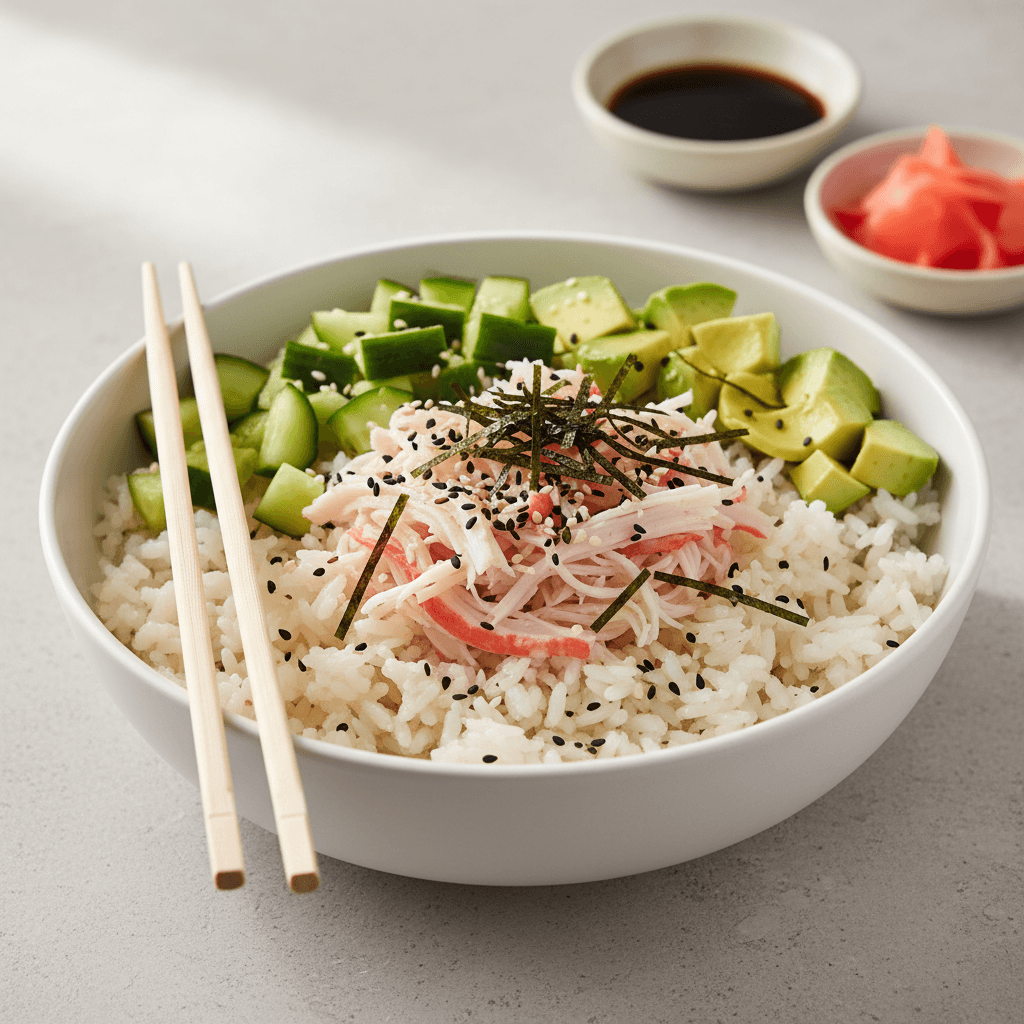
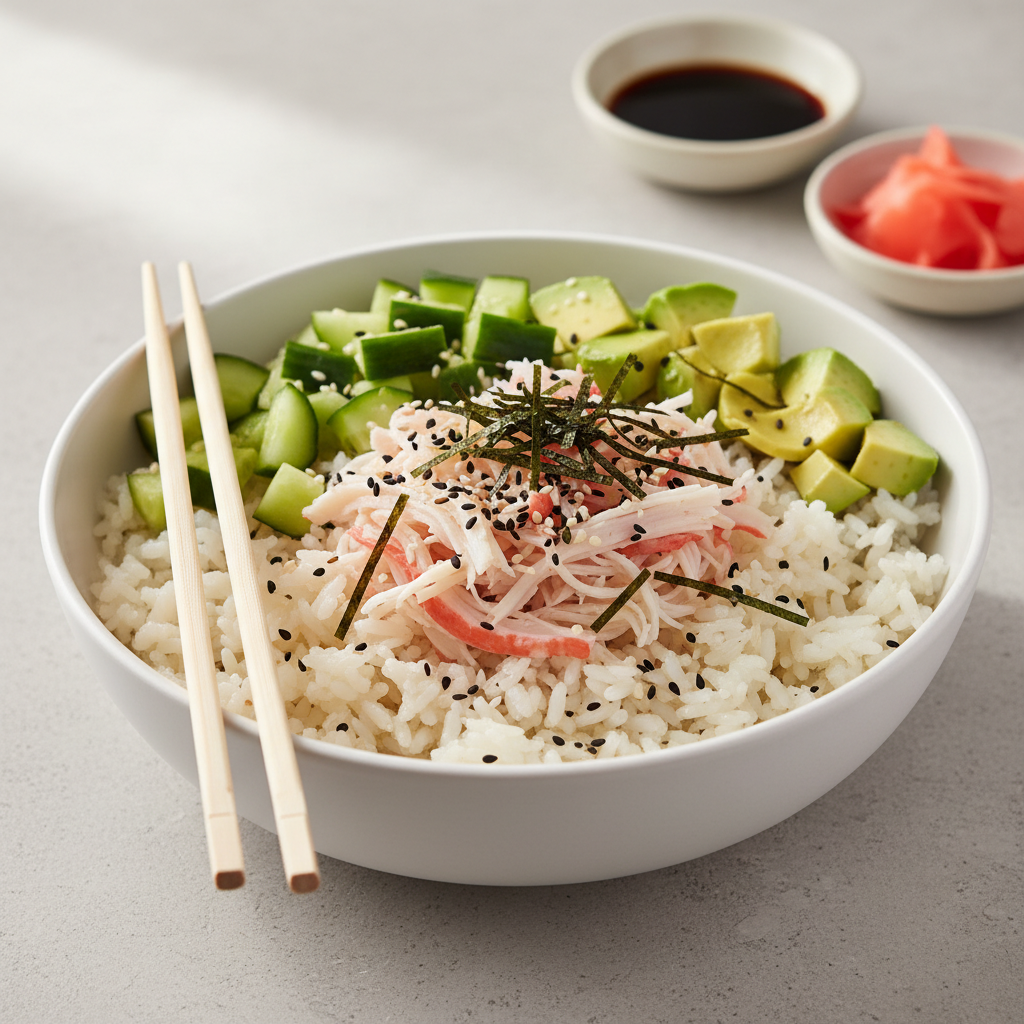
There’s a special kind of magic in deconstructing a classic dish. It feels like uncovering a secret, a way to enjoy all the beloved flavors and textures without any of the fuss or formality. That’s exactly what we’re doing today with these incredible Healthy California Roll Sushi Bowls for Meal Prep. We’re taking the creamy avocado, the crisp cucumber, the savory surimi, and the perfectly seasoned rice of a California roll and transforming it into a generous, nourishing bowl that’s as easy to assemble as it is to devour. The result is a vibrant mosaic of flavors and colors that feels both indulgent and wonderfully wholesome.
So often, the idea of making sushi at home can feel intimidating. The precise rolling, the special mats, the fear of it all falling apart—it’s enough to make you reach for takeout. But I’m here to tell you that you can capture that quintessential sushi experience right in your own kitchen, no rolling required. The heart of any good sushi is the rice, and once you understand the simple science of creating that perfect, slightly sticky, and flavorful foundation, the rest is just joyful assembly. These bowls are my favorite way to prove that a few high-quality ingredients and a little bit of technique can unlock a world of delicious possibilities. This isn't just a recipe; it's a new way to think about lunch.
The Science Behind a Perfect Sushi Bowl
At its core, a successful sushi bowl hinges on the rice. The magic isn't just in the cooking; it's in the careful selection and seasoning. We use short-grain rice specifically because of its high amylopectin content. This is a type of starch that becomes sticky and gelatinous when cooked, allowing the grains to cling together beautifully without turning to mush. When you wash the rice, you're rinsing away excess surface starch, which is key to ensuring each grain remains distinct and doesn't become a gummy paste. This simple step is non-negotiable for achieving that signature sushi-restaurant texture.
The seasoning, a mixture of rice vinegar, sugar, and salt known as sushi-zu, does more than just add flavor. The vinegar's acidity brightens the taste of the rice and also acts as a mild preservative, which is one reason why sushi was historically developed as a way to preserve fish. The sugar and salt create a perfect balance, a flavor profile that is subtly sweet, tangy, and savory all at once. When you gently “cut” this seasoning into the warm rice with a paddle, you’re encouraging rapid cooling and allowing each grain to absorb the liquid evenly. This process creates a beautiful sheen on the rice and locks in the flavor, setting the stage for the rest of our Healthy California Roll Sushi Bowl ingredients.
Tools and Ingredients You'll Need
While this recipe for Healthy California Roll Sushi Bowls for Meal Prep is wonderfully simple, a few key components will elevate it from good to truly exceptional. Let's start with the star: the rice. You absolutely want to find short-grain sushi rice. Brands will often label it as “sushi rice,” “Calrose,” or something similar. This rice has the ideal starch content for that perfectly tender, slightly sticky texture. Do not substitute long-grain rice like basmati or jasmine; they will not hold together and will result in a dry, separated bowl.
Next is the seasoning trio for the rice: unseasoned rice vinegar, a touch of granulated sugar, and fine sea salt. It’s important to use unseasoned rice vinegar, as the “seasoned” variety already contains sugar and salt, which would throw off our ratios. For the core bowl ingredients, look for a large, firm English or Persian cucumber for a crisp, clean crunch without excess water. Your avocado should be perfectly ripe—it should yield gently to pressure but not feel mushy. For the protein, we're using imitation crab, also known as surimi. This is a readily available, fully cooked product made from white fish (typically pollock), making it a convenient and halal-friendly choice. Finally, you’ll want toasted nori (seaweed) sheets for that unmistakable sushi flavor, and some toasted sesame seeds for a nutty finish.
In terms of equipment, you don't need much. A fine-mesh sieve for washing the rice is crucial. A simple saucepan with a tight-fitting lid will work perfectly for cooking the rice, though a rice cooker is a fantastic convenience if you have one. You’ll also want a large, non-metallic bowl (wood, glass, or ceramic) and a flat paddle or spatula for mixing the rice with its seasoning. And of course, for the meal prep aspect, a set of quality airtight containers will be your best friend.
The Method, Step by Step
Creating these Healthy California Roll Sushi Bowls is a process of building layers of flavor and texture, starting with the rice. The first and most critical stage is preparing the rice. Measure your sushi rice and place it in a fine-mesh sieve. Rinse it under cool running water, gently swishing the grains with your fingers. You'll see the water run milky at first; keep rinsing until it runs mostly clear. This removes excess starch and is the secret to fluffy, distinct grains. Let the rinsed rice drain well for about 15 minutes before cooking.
Next, cook the rice. Whether you’re using a rice cooker or a saucepan on the stove, use the amount of water specified in the recipe. Bring it to a boil, then reduce the heat to a bare simmer, cover tightly, and cook for about 15-20 minutes, or until all the water is absorbed. Do not lift the lid while it’s simmering! Once done, turn off the heat and let it stand, covered, for another 10 minutes to steam. This final rest is essential for the texture.
While the rice cooks, prepare the vinegar seasoning. Gently warm the rice vinegar, sugar, and salt in a small saucepan over low heat, stirring just until the sugar and salt have completely dissolved. Be careful not to let it boil. Set this aside. This simple dressing will transform your plain steamed rice into authentic-tasting sushi rice.
Now for the most important part: seasoning the rice. Transfer the hot, cooked rice to a large, non-metallic bowl. Drizzle the vinegar mixture evenly over the rice. Using a rice paddle or a wide spatula, gently “cut” and fold the seasoning into the rice using slicing motions. Avoid stirring or mashing, which can break the delicate grains. The goal is to coat every grain while simultaneously fanning the rice to cool it down. It will look very wet at first, but as it cools, the rice will absorb the seasoning and develop a beautiful glossy sheen.
While the rice cools to room temperature, prepare your toppings. This is the easy part! Flake the imitation crab meat, dice the cucumber, and slice or cube the avocado. For meal prep, it's wise to toss the avocado with a tiny squeeze of lemon or lime juice to prevent browning. Once the rice is ready, it's time to assemble. You can either build your bowls for immediate enjoyment or portion the components into your meal prep containers. Layer the seasoned rice on the bottom, then arrange the imitation crab, cucumber, and avocado on top. Finish with a sprinkle of toasted sesame seeds and some slivered nori, and your delicious Healthy California Roll Sushi Bowls are ready.
Troubleshooting Your Sushi Bowls
Even a seemingly simple recipe can have its tricky spots. If you find your Healthy California Roll Sushi Bowls for Meal Prep aren't quite perfect, don't worry! Most issues are easy to fix. The most common problem lies with the rice. If your rice turned out mushy or gummy, you likely either didn't rinse it thoroughly enough or you added a bit too much water. Next time, be meticulous about rinsing until the water is almost clear, and measure your water precisely.
On the other hand, if your rice is hard or dry, it's probably due to undercooking or not enough water. This can also happen if your saucepan lid wasn't tight enough, allowing too much steam to escape. Ensure you let the rice rest, covered, off the heat for the full 10 minutes after cooking—this step is crucial for letting the grains absorb the final bits of moisture. If it's still a little dry, you can try sprinkling a tablespoon of water over it and letting it steam for a few more minutes.
Is your bowl tasting a bit bland? The culprit is almost always under-seasoned rice. Don't be shy with the sushi-zu! The warm rice should seem almost too wet when you first add the vinegar mixture, but it will absorb it all as it cools, leaving behind a perfectly balanced tangy, sweet, and savory flavor. Be sure your sugar and salt are fully dissolved in the vinegar before adding it to the rice for even distribution.
Another common issue is a watery bowl, especially when meal prepping. This is usually caused by the cucumber releasing moisture over time. To prevent this, you can gently salt your diced cucumber and let it sit in a colander for about 15 minutes to draw out excess water before rinsing and patting it completely dry. Also, always store sauces or dressings separately and add them just before serving.
Finally, the avocado browning dilemma. While a little browning doesn't affect the taste, it's not visually appealing. Tossing your cut avocado in a small amount of citrus juice (lime or lemon) helps significantly. For meal prep, it's often best to cut the avocado fresh each day if possible. If not, the citrus trick and pressing a piece of plastic wrap directly onto the surface of the avocado can help keep it green for a day or two.
Taking It to the Next Level
Once you've mastered the classic Healthy California Roll Sushi Bowl, it's fun to explore variations and add your own signature touch. Think of the bowl as a canvas. You can introduce new textures and flavors that complement the core ingredients. For an extra pop of color and a boost of protein, add a scoop of shelled edamame. A sprinkle of masago or tobiko (flying fish roe), if you enjoy it, can add a salty, briny burst and a delightful crunch.
Don't be afraid to play with the produce. Thinly sliced radishes can add a peppery bite, while shredded carrots offer sweetness and color. For a touch of tropical sweetness that pairs surprisingly well with the savory flavors, try adding some small cubes of fresh mango. For those who like a bit of heat, a drizzle of sriracha or a sprinkle of shichimi togarashi (a Japanese seven-spice blend) is a fantastic addition.
To really elevate the experience, consider making your own sauces. A simple spicy “mayo” can be made by mixing a high-quality mayonnaise with a bit of sriracha and a tiny splash of water to thin it out. For a creamy, nutty, and slightly unexpected twist inspired by my love for Mediterranean flavors, try a tahini-based drizzle. Whisk together tahini, lemon juice, a little water, and a pinch of salt for a sauce that adds a wonderful richness. These simple additions can transform your reliable meal prep into a gourmet-feeling meal.
Storing Your Results
Proper storage is the key to making your Healthy California Roll Sushi Bowls for Meal Prep a true success story for the week. The goal is to maintain the distinct textures and fresh flavors of each component. The best strategy is to store the ingredients separately and assemble your bowl just before you plan to eat.
Cooked and seasoned sushi rice should be stored in an airtight container in the refrigerator. It will last for up to 4 days. Note that the rice will firm up when chilled; you can enjoy it cold, or let it sit at room temperature for about 20-30 minutes before eating to soften slightly. Avoid microwaving it, as this can ruin the delicate texture.
For the toppings, store the flaked surimi and the diced cucumber in their own separate airtight containers in the fridge. The cucumber, if patted dry, will stay crisp for several days. The avocado is the trickiest element. For the absolute best result, I recommend cutting a portion of avocado fresh each day. If you must pre-cut it, toss it with a bit of lime or lemon juice and store it in a small container with plastic wrap pressed directly against the surface to minimize air contact.
Any sauces or drizzles, like a spicy mayo or eel sauce substitute, should always be kept in a small, separate, leak-proof container. When you're ready for your meal, simply scoop your rice into a bowl, top it with the surimi and veggies, drizzle with sauce, and sprinkle with your sesame seeds and nori. This method ensures your lunch is as fresh and delicious on day three as it was on day one.
Common Questions
Can I use a different type of rice for this recipe?
For the best results, it's highly recommended to stick with short-grain sushi rice. Its unique starchy properties are what create the signature sticky yet distinct texture. Using long-grain rice like jasmine or basmati will result in a bowl that is dry and doesn't hold together in the same pleasant way. If you're looking for a whole-grain alternative, short-grain brown rice can work, but it will have a much firmer, chewier texture and will require adjustments to the cooking time and water ratio.
How long will these sushi bowls last in the fridge for meal prep?
When the components are stored separately in airtight containers, your Healthy California Roll Sushi Bowls for Meal Prep will stay fresh for up to 4 days. The rice, surimi, and cucumber hold up very well. The main consideration is the avocado, which is best cut fresh daily to prevent browning and maintain its creamy texture.
Is imitation crab (surimi) a healthy choice?
Imitation crab, or surimi, is made from white fish like pollock that has been minced, processed, and formed to resemble crab meat. It's a low-fat, accessible source of protein. It is a processed food, often containing starches, sugar, and sodium, so it's good to check the label. As part of a balanced bowl filled with fresh vegetables and whole-grain rice, it can absolutely be a component of a healthy and satisfying meal.
What can I use if I don't have a rice cooker?
No rice cooker? No problem! A simple heavy-bottomed saucepan with a tight-fitting lid works perfectly for making sushi rice. The key is to bring the rice and water to a boil, then immediately reduce the heat to the lowest possible setting, cover it, and let it simmer without peeking until the water is absorbed. The final 10-minute steam off the heat is just as important on the stovetop as it is in a machine.
How do I prevent my avocado from turning brown in my meal prep?
Avocado browning is caused by oxidation. The best way to prevent it is to cut it fresh right before serving. If you need to prep it ahead of time, acidity is your friend. Tossing the cut avocado with a squeeze of fresh lime or lemon juice will significantly slow down the browning process. Storing it in an airtight container with plastic wrap pressed directly onto the cut surfaces also helps by minimizing its exposure to air.
Healthy California Roll Sushi Bowls for Meal Prep
All the flavors of a classic California roll in a simple, deconstructed bowl! Perfect for a healthy, satisfying, and easy week of meal prep lunches.
Prep Time
20 min
Cook Time
20 min
Total Time
40 min
Servings
4 servings
Ingredients
For 4 servings
- 1.5 cups uncooked short-grain sushi rice
- 2 cups water (for cooking rice)
- 1/4 cup unseasoned rice vinegar
- 2 tablespoons granulated sugar
- 1 teaspoon fine sea salt
- 1 pound imitation crab meat (surimi), flaked or roughly chopped
- 1 large English cucumber, finely diced
- 2 ripe avocados, pitted and diced
- 1 tablespoon lime or lemon juice (optional, for avocado)
- 4 sheets toasted nori, cut into thin strips (chiffonade)
- 2 tablespoons toasted sesame seeds
- For serving (optional): soy sauce, spicy mayo, pickled ginger
Instructions
- 1
Rinse the Rice
Place the sushi rice in a fine-mesh sieve. Rinse under cool running water, using your hand to gently swirl the grains, until the water runs mostly clear. This step is crucial for removing excess starch and should take 2-3 minutes. Allow the rice to drain in the sieve for 15 minutes.
- 2
Cook the Rice
Combine the drained rice and 2 cups of water in a medium saucepan. Bring to a boil, then immediately reduce the heat to the lowest setting. Cover with a tight-fitting lid and simmer for 18-20 minutes, or until all water is absorbed. Do not lift the lid during this time.
- 3
Rest the Rice
Once cooked, remove the saucepan from the heat and let it stand, still covered, for 10 minutes. This final steaming step allows the rice to finish cooking and achieve the perfect texture. Do not skip this rest period.
- 4
Prepare Vinegar Seasoning
While the rice is resting, combine the rice vinegar, sugar, and salt in a small, non-reactive saucepan. Warm over low heat, stirring constantly, just until the sugar and salt have completely dissolved. Do not allow the mixture to boil. Remove from heat.
- 5
Season the Rice
Transfer the hot rice to a large, non-metallic bowl (glass or wood is ideal). Drizzle the vinegar seasoning evenly over the surface of the rice. Using a rice paddle or wide spatula, use a gentle slicing and folding motion to mix the seasoning into the rice until every grain is coated. The rice will look wet at first but will absorb the liquid as it cools.
- 6
Cool the Rice
Allow the seasoned rice to cool to room temperature. You can gently fan the rice while folding to speed up the cooling process. This helps it become glossy and perfectly seasoned. Do not refrigerate it at this stage, as it can make the rice hard.
- 7
Prepare Toppings
While the rice cools, prepare the other bowl components. Use a fork to flake the imitation crab meat into bite-sized pieces. Finely dice the English cucumber. Pit and dice the avocados, and if prepping ahead, gently toss them with the lime or lemon juice to prevent browning.
- 8
Assemble Bowls for Serving
To serve immediately, divide the cooled sushi rice among four bowls. Artfully arrange the flaked imitation crab, diced cucumber, and diced avocado over the rice. This presentation makes the meal feel special and vibrant.
- 9
Garnish and Serve
Sprinkle the assembled bowls generously with toasted sesame seeds and the slivered nori strips. Serve immediately with optional sides like soy sauce, spicy mayo, or pickled ginger.
- 10
Assemble for Meal Prep
For meal prep, divide the cooled sushi rice among four airtight containers. In separate containers or in divided sections of the same container, portion out the flaked surimi and diced cucumber. It is best to cut the avocado fresh before serving or store it separately after tossing with citrus juice.
- 11
Store Meal Prep Components
Keep small, separate containers for any sauces, the toasted sesame seeds, and the nori strips. Storing the nori separately is key to keeping it crisp. Store all containers in the refrigerator for up to 4 days.
- 12
Final Meal Prep Assembly
When ready to eat a prepped meal, simply combine the toppings with the rice. Drizzle with your desired sauce and sprinkle with sesame seeds and nori just before enjoying. The rice can be eaten chilled directly from the fridge or allowed to sit at room temperature for 20 minutes to soften.
Nutrition Facts
Per serving (estimated)
580 calories
Calories
85g
Carbs
22g
Protein
16g
Fat
9g
Fiber
950mg
Sodium
12g
Sugar