High Protein Mongolian Noodles Recipe (Ready in 30 Mins!)
This High Protein Mongolian Noodles recipe is the ultimate weeknight dinner! Tender beef and fresh veggies in a savory sauce. Ready in under 30 minutes!
cookwithyara.com/recipes/high-protein-mongolian-noodles-recipe
It’s that familiar time of day. The light is fading, the day’s obligations are finally winding down, but one last, crucial question remains: what’s for dinner? For so many of us, this daily puzzle can feel overwhelming. We crave something deeply satisfying and nourishing, but our energy reserves are low. The thought of a complicated recipe with a mountain of dishes is enough to make anyone reach for a less-than-inspiring meal. This is precisely where the beauty of a truly great weeknight recipe shines, and I promise you, this is one of them. It’s a recipe born from the need for speed without sacrificing an ounce of flavor.
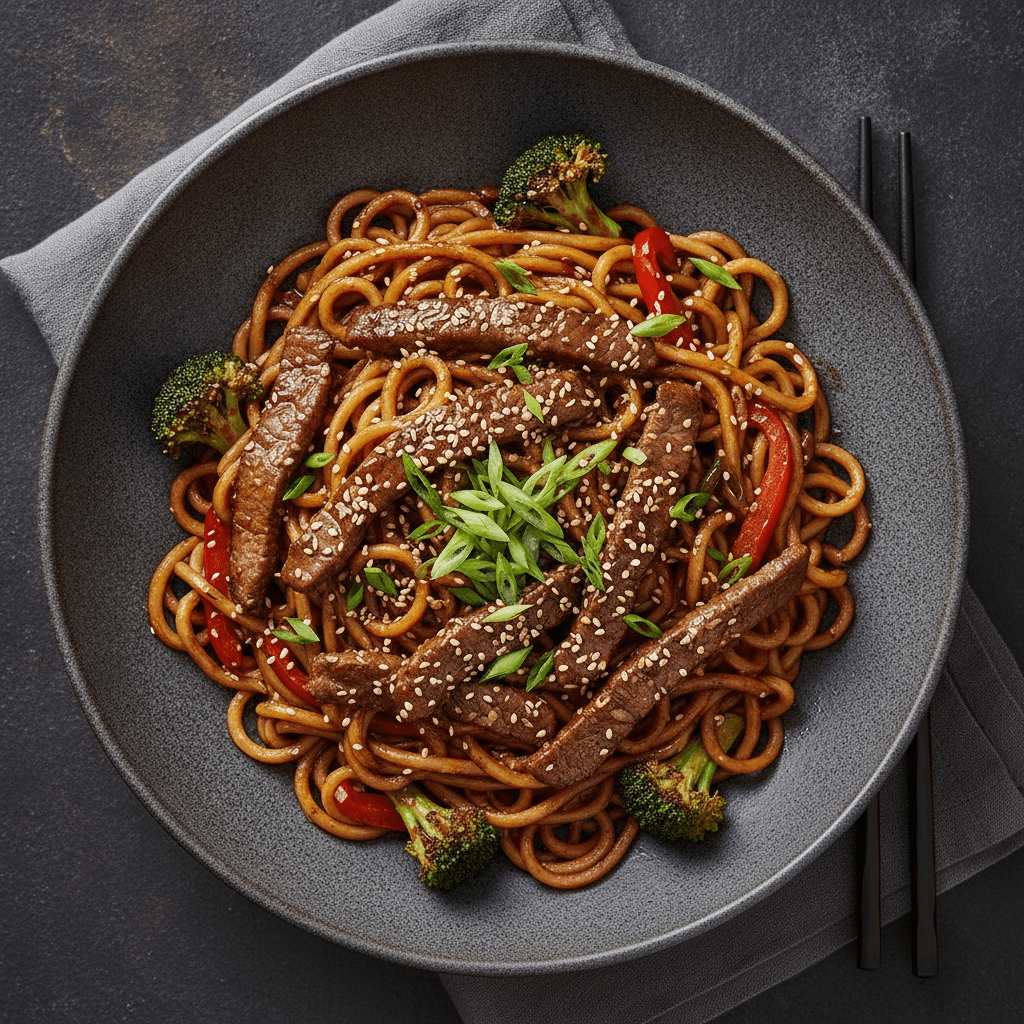
I want you to imagine this: tender, savory strips of beef, perfectly seared and juicy, mingling with crisp, vibrant vegetables. They’re all enveloped in a glossy, umami-rich sauce that’s equal parts sweet and savory, with a gentle warmth from fresh ginger and garlic. This incredible mixture is tossed with a generous helping of springy, slurp-worthy noodles, ready to be twirled onto your fork. This is my High Protein Mongolian Noodles Recipe, a complete, soul-satisfying meal that proves you don’t need hours in the kitchen to create something spectacular. From the moment you start chopping to the second you sit down to eat, we’re talking less than 30 minutes. It’s the delicious, stress-free solution your busy evenings have been waiting for.
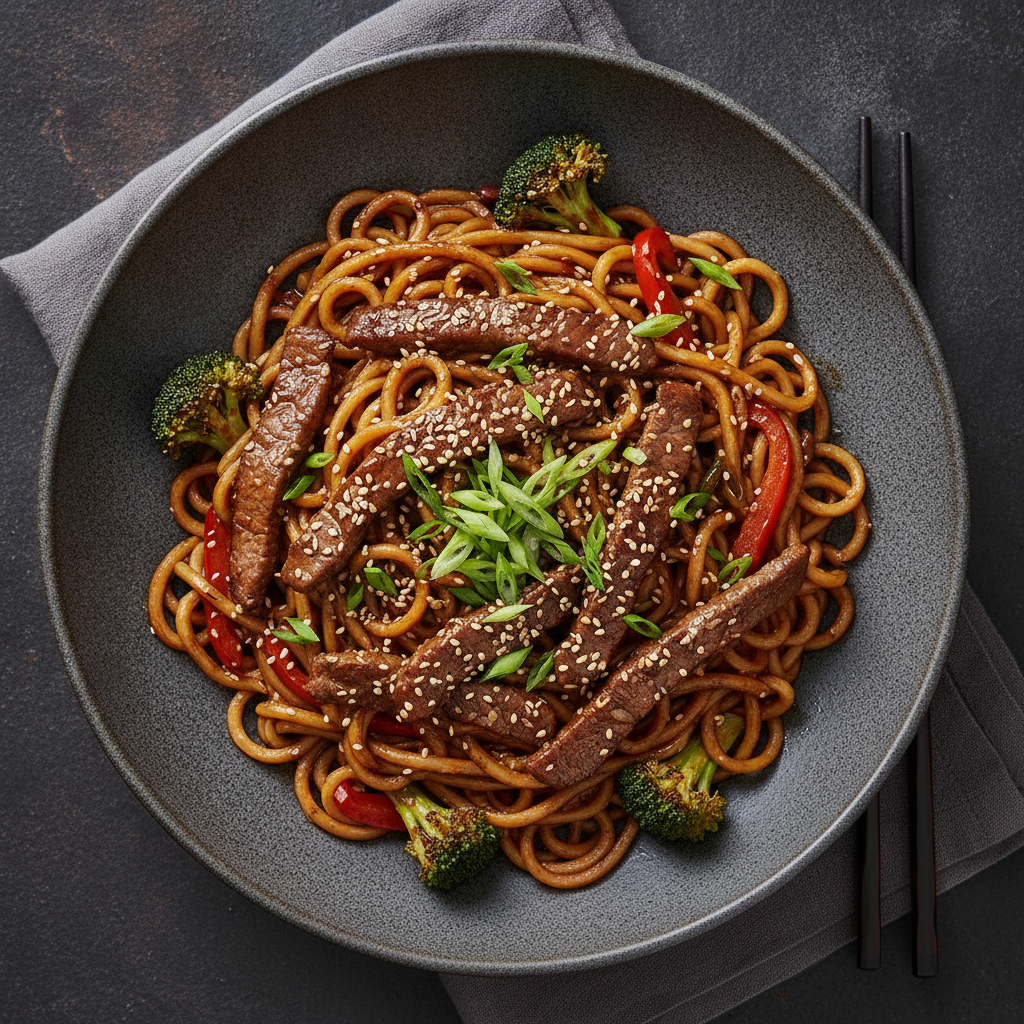
Why This Is Your New Weeknight Go-To
In my kitchen, a recipe has to earn its place in the regular rotation. It needs to be more than just delicious; it has to be practical, reliable, and bring a sense of ease to the cooking process. This High Protein Mongolian Noodles Recipe ticks every single box, and I have a feeling it will become a staple in your home just as it has in mine. It’s a dish that works with your busy schedule, not against it.
Blazing Fast, Seriously. We’re talking about a true 30-minute meal. The key is in the method: quick-searing thin strips of beef takes mere minutes, and the vegetables are stir-fried to a perfect tender-crisp texture in no time. While the noodles boil, the entire sauce and stir-fry comes together. It’s a symphony of efficiency, meaning you spend less time over the stove and more time enjoying your meal.
A One-Pan Masterpiece. Well, almost! You'll need a separate pot for the noodles, but the star of the show—the beef, vegetables, and glorious sauce—all comes together in a single wok or large skillet. This means cleanup is an absolute breeze. No multiple pans with stubborn bits to scrub. The rich aroma of garlic and ginger filling your kitchen is the only thing that will linger.
Built from Pantry Staples. This recipe is your best friend on those days you haven't had time for a grocery run. The sauce is crafted from kitchen essentials you likely already have: soy sauce, a sweetener like honey or brown sugar, fragrant sesame oil, and cornstarch. These humble ingredients magically transform into a sauce that rivals any takeout.
Power-Packed with Protein. This isn’t a dish that will leave you hungry an hour later. Centered around lean beef, this High Protein Mongolian Noodles Recipe is designed to be deeply satisfying and sustaining. The protein not only helps build a balanced meal but also ensures you feel full, energized, and nourished long after you've cleaned your plate.
A Chorus of Happy Eaters. The flavor profile is an undeniable crowd-pleaser. The combination of savory, sweet, and garlicky notes is universally loved. It’s sophisticated enough for adults to appreciate the layers of flavor, yet approachable and delicious for younger, pickier eaters. It’s the kind of meal that brings a happy silence to the dinner table.
Simple Ingredients, Big Flavor
The magic of this dish lies in its simplicity. We aren’t using a long list of obscure ingredients; we’re using a handful of powerful, well-chosen items that work in perfect harmony. It’s a testament to the idea that you don’t need complexity to create depth of flavor. Many of these will feel familiar, as the principles of building flavor with aromatics and balancing savory with sweet are universal, echoing through my beloved Levantine cooking as well.
-
Lean Sirloin Steak: This is the heart of our high-protein promise. Sirloin is fantastic here because it’s lean yet tender, and when sliced thinly against the grain, it cooks in a flash while remaining incredibly juicy. Flank steak is another excellent choice. The key is a quick, high-heat sear to lock in the flavor.
-
Low-Sodium Soy Sauce (or Tamari): This is the savory, umami-rich backbone of our sauce. I always opt for low-sodium to better control the saltiness of the final dish. If you need a gluten-free option, tamari is a perfect substitute with a slightly richer, deeper flavor.
-
Fresh Ginger and Garlic: These are the non-negotiable aromatics. Their pungent, fresh-spicy notes are what elevate the sauce from simple to spectacular. There's no substitute for the fragrance of fresh ginger and garlic hitting a hot pan. In a pinch, you can use pastes, but fresh will always give you the most vibrant result.
-
Sesame Oil: A little goes a long way! We use toasted sesame oil for its incredible nutty aroma and flavor. It’s a finishing touch that adds a layer of complexity and an authentic, warm scent that makes the dish irresistible.
-
Cornstarch: This is the secret to that glossy, velvety sauce that clings perfectly to every noodle, piece of beef, and vegetable. It’s a simple thickening agent that creates a luxurious texture without changing the flavor. Arrowroot starch works just as well.
-
Honey or Brown Sugar: A touch of sweetness is essential to balance the saltiness of the soy sauce and create the signature Mongolian sauce flavor profile. Both honey and brown sugar work beautifully, adding their own subtle notes to the sauce.
-
Broccoli and Bell Peppers: These are my go-to vegetables for this dish. Broccoli florets catch the sauce beautifully, and colorful bell peppers add a wonderful sweetness and crisp texture. They also pack in extra vitamins and fiber, making the meal even more wholesome.
-
Noodles: The vehicle for our amazing sauce! I love using hearty udon noodles or ramen-style noodles, but honestly, so many types work. Whole wheat spaghetti or linguine are great pantry-friendly options that also boost the fiber content of this High Protein Mongolian Noodles Recipe.
Step-by-Step in Plain English
Sometimes a recipe can look intimidating on paper, but I want to walk you through the flow of creating this High Protein Mongolian Noodles Recipe. When you see how logically it all comes together, you'll feel confident tackling it, even on the busiest of nights. Think of it as a simple sequence of four key stages. You’ve got this.
Stage 1: The Preparation (About 10 minutes) This is your foundational work, what chefs call 'mise en place'. Start by getting your noodles cooking in a pot of boiling water, as they’ll be ready right when you need them. While they cook, focus on the other components. Slice your sirloin thinly against the grain—this is crucial for tenderness. Whisk together all your sauce ingredients in a small bowl; having it ready to go is a game-changer. Finally, chop your vegetables. Once everything is prepped and waiting, the cooking process will be seamless and fast.
Stage 2: Searing the Beef (About 3-4 minutes) Now for the action. Get your wok or large skillet screaming hot over high heat and add a touch of oil. Add the beef in a single layer, being careful not to crowd the pan (work in batches if you need to). The goal here isn't to cook it through, but to get a beautiful, deep brown crust on the outside. This high-heat sear creates incredible flavor through the Maillard reaction. It happens fast, just a minute or two per side. Once seared, remove the beef and set it aside. You're already building amazing flavor in the pan.
Stage 3: Building the Sauce and Sautéing the Veggies (About 5-7 minutes) Reduce the heat slightly and add your broccoli and bell peppers to the same skillet. Stir-fry them for a few minutes until they are vibrant and tender-crisp—you still want them to have a bit of a bite. Now, add your minced garlic and ginger and cook for just 30 seconds until their fragrance explodes. This is the moment your kitchen starts to smell absolutely divine. Pour in the sauce you whisked together earlier. It will bubble and begin to thicken almost immediately thanks to the cornstarch. See? You're practically done!
Stage 4: Bringing It All Together (About 2-3 minutes) This is the grand finale. Return the seared beef and any of its accumulated juices back to the skillet. Drain your cooked noodles and add them directly to the pan as well. Now, gently toss everything together, coating every single strand of noodle and piece of beef in that glorious, glossy sauce. Let it all mingle together for a minute or two so the flavors can meld. That’s it. Your spectacular, homemade High Protein Mongolian Noodles Recipe is ready to be garnished with green onions and sesame seeds and served immediately.
Pro Shortcuts and Time-Savers
Even a 30-minute recipe can be made faster and easier with a few clever tricks up your sleeve. If you know you have a particularly busy week ahead, a little bit of prep can make this High Protein Mongolian Noodles Recipe come together in practically 15 minutes. Here are some of my favorite shortcuts.
-
Prep Your Sauce Ahead: The sauce can be fully whisked together and stored in an airtight jar in the refrigerator for up to a week. This step alone saves you several minutes of measuring and mixing during the dinner rush. Just give it a good shake before pouring it into the pan.
-
Weekend Veggie Chop: Spend 20 minutes on a Sunday afternoon chopping your broccoli, bell peppers, garlic, ginger, and green onions. Store them in airtight containers in the fridge. When it's time to cook, you can just grab and go. This makes the cooking process feel less like work and more like simple assembly.
-
Embrace Smart Supermarket Buys: There's no shame in using shortcuts from the store! Buying pre-sliced steak for stir-frying or pre-cut fresh broccoli florets can be a huge time-saver. You can also find bags of frozen stir-fry vegetable mixes that work wonderfully here; just add them directly to the pan from frozen.
-
The Power of a Microplane: For grating ginger and garlic, nothing beats a microplane. It turns fibrous ginger and whole garlic cloves into a fine paste in seconds, ensuring their flavor distributes perfectly throughout the sauce without any chunky bits. It’s much faster and more effective than mincing with a knife.
-
Double Duty Cooking: Always be thinking about what can happen simultaneously. Get the noodle water boiling the moment you walk into the kitchen. While it comes to a boil, you can prep your ingredients. The noodles can cook at the same time you're searing the beef and stir-frying the vegetables, ensuring everything is ready at the same moment.
Ways to Switch It Up
One of the best things about a recipe like this is its versatility. Once you've mastered the basic technique for this High Protein Mongolian Noodles Recipe, you can treat it as a template and customize it based on what you have on hand or what you're craving. Here are a few of my favorite variations to inspire your next cooking adventure.
-
Try a Different Protein: While beef is classic, this sauce is incredible with other proteins. Thinly sliced chicken breast or thighs would be a fantastic substitute. Just cook them through until golden. For a seafood twist, try it with plump shrimp, which will cook in just a couple of minutes. Don't add them until the very end.
-
A Hearty Vegetarian Version: To make this dish plant-based, swap the beef for firm or extra-firm tofu, cubed and pan-fried until golden, or a can of drained and rinsed chickpeas. To add more umami, you could also toss in some sliced shiitake or cremini mushrooms with the other vegetables. Use vegetable broth instead of beef broth in the sauce to keep it fully vegetarian.
-
Add More Greens: Feel free to load this dish up with even more vegetables. Sliced carrots, snap peas, bok choy, or edamame would all be delicious additions. Add heartier vegetables like carrots along with the broccoli, and more delicate greens like bok choy in the last minute or two of cooking.
-
Turn Up the Heat: If you enjoy a bit of spice, it's very easy to add a kick to this dish. A teaspoon of sriracha or another chili-garlic sauce whisked into the sauce adds a nice layer of heat. You can also sprinkle in some red pepper flakes along with the garlic and ginger for a more direct, fiery flavor.
-
A Nutty Twist: For an extra layer of texture and flavor, try sprinkling some chopped roasted cashews or peanuts over the finished dish. The crunch provides a wonderful contrast to the soft noodles and tender beef, making this delicious meal even more interesting.
Storing Leftovers the Right Way
While this High Protein Mongolian Noodles Recipe is so delicious that leftovers might be rare, it’s always good to know how to store them properly to enjoy later. A well-stored noodle dish can make for a fantastic next-day lunch. The key is to preserve the texture of the noodles and the vibrancy of the sauce.
In the Refrigerator: Allow the noodles to cool down slightly before transferring them to an airtight container. This helps prevent condensation from making the dish watery. Stored properly, the leftovers will stay fresh and delicious for up to 3-4 days in the refrigerator. The flavors may even meld and deepen overnight, making them even tastier the next day.
Can I Freeze It? I generally don't recommend freezing this dish once the noodles are mixed in. Noodles, especially wheat-based ones, can become quite soft and change texture upon thawing and reheating. The vegetables can also lose their crispness. If you want to prep ahead for freezing, you can make and freeze the beef, vegetable, and sauce mixture on its own. Then, simply cook fresh noodles when you're ready to serve.
The Best Way to Reheat: The goal when reheating is to warm everything through without overcooking the beef or turning the noodles mushy. The best method is on the stovetop. Place the leftovers in a skillet over medium-low heat with a splash of water or broth. This creates a little steam, which helps loosen the sauce and gently reheat everything without drying it out. Stir occasionally until warmed through. While a microwave works in a pinch, it can sometimes reheat unevenly and affect the texture of the beef.
Quick Answers to Common Questions
I get a lot of questions about my recipes, and I love helping you get the best results in your own kitchen! Here are answers to some common queries you might have about this High Protein Mongolian Noodles Recipe.
Can I prep the entire dish ahead of time?
You can certainly do most of the prep. I recommend prepping all the components separately: slice the beef, chop the vegetables, and mix the sauce. Store them in individual airtight containers in the fridge for up to 2 days. When you’re ready to eat, the cooking process will take only about 10-12 minutes.
What if I don't have a wok?
No problem at all! A large, wide skillet with high sides is a perfect substitute for a wok. The key is to use a pan that is large enough to hold all the ingredients without crowding them, which allows everything to stir-fry properly instead of steaming.
Can I double this recipe for a larger group?
Absolutely! This recipe doubles beautifully. Just make sure you use a large enough pot for the noodles and a very large skillet, wok, or even a Dutch oven for the stir-fry. You will likely need to sear the beef in several batches to ensure it gets a nice brown crust.
How can I make this dish milder for kids?
The base recipe is quite kid-friendly, but you can definitely adjust it. The main source of 'heat' is the fresh ginger. If your family is sensitive to it, you can reduce the amount of fresh ginger by half. This will result in a sauce that’s more savory-sweet and less zesty.
What are the best protein alternatives to beef?
This sauce is incredibly versatile. Thinly sliced chicken breast or boneless, skinless chicken thighs are excellent substitutes. For a pescatarian option, shrimp works wonderfully—just add it in the last 2-3 minutes of cooking. For a plant-based high-protein option, I highly recommend using extra-firm tofu that has been pressed and cubed, or a can of chickpeas.
High Protein Mongolian Noodles Recipe
A quick, easy, and incredibly flavorful High Protein Mongolian Noodles recipe. Tender beef, fresh vegetables, and springy noodles tossed in a savory-sweet garlic ginger sauce, ready in under 30 minutes.
Prep Time
15 min
Cook Time
15 min
Total Time
30 min
Servings
4 servings
Ingredients
For 4 servings
- 1 lb lean sirloin steak, thinly sliced against the grain
- 8 oz udon or ramen-style noodles
- 1 tablespoon olive oil or avocado oil
- 1 large head of broccoli, cut into small florets
- 1 red bell pepper, thinly sliced
- 4 cloves garlic, minced
- 1 tablespoon fresh ginger, minced or grated
- 1/2 cup low-sodium soy sauce or tamari
- 1/2 cup water or beef broth
- 1/4 cup honey or packed brown sugar
- 1 tablespoon toasted sesame oil
- 2 tablespoons cornstarch
- 3 green onions, thinly sliced
- 1 tablespoon sesame seeds, for garnish
Instructions
- 1
Prepare Noodles and Sauce
Bring a large pot of water to a boil. Cook the noodles according to package directions. While the noodles cook, prepare the sauce by whisking together the low-sodium soy sauce, water or broth, honey or brown sugar, sesame oil, and cornstarch in a medium bowl until smooth. Set aside.
- 2
Sear the Beef
Heat the olive oil in a large wok or skillet over high heat until shimmering. Add the thinly sliced sirloin in a single layer, being careful not to crowd the pan (work in two batches if necessary). Sear for 1-2 minutes per side, until a deep brown crust forms. The beef does not need to be cooked through at this point. Remove from the skillet and set aside on a plate.
- 3
Sauté the Vegetables
Reduce the heat to medium-high. Add the broccoli florets and sliced red bell pepper to the same skillet. Stir-fry for 4-5 minutes, until the vegetables are vibrant and tender-crisp. Add a splash of water if the pan seems too dry to help steam the broccoli.
- 4
Add Aromatics
Push the vegetables to one side of the skillet. Add the minced garlic and grated ginger to the empty side and cook for about 30-45 seconds, stirring constantly, until they become incredibly fragrant. Be careful not to let them burn.
- 5
Combine and Thicken Sauce
Give the sauce mixture a quick re-whisk to ensure the cornstarch hasn't settled. Pour the sauce into the skillet with the vegetables and aromatics. Bring to a simmer, stirring constantly. The sauce will begin to thicken and turn glossy within 1-2 minutes.
- 6
Return Beef to Pan
Once the sauce has thickened, return the seared beef and any juices that have collected on the plate back into the skillet. Stir to coat the beef completely with the sauce.
- 7
Toss with Noodles
Drain the cooked noodles well. Add the drained noodles directly to the skillet with the beef, vegetables, and sauce. Use tongs to gently toss everything together until the noodles are fully coated and everything is heated through.
- 8
Garnish and Serve
Remove the skillet from the heat. Top the High Protein Mongolian Noodles with fresh, thinly sliced green onions and a sprinkle of sesame seeds. Serve immediately while hot.
Nutrition Facts
Per serving (estimated)
580 calories
Calories
55g
Carbs
42g
Protein
20g
Fat
6g
Fiber
950mg
Sodium
18g
Sugar