The Best Lasagna Recipe with Ricotta
A truly unforgettable lasagna recipe with ricotta, a rich beef ragu, and creamy béchamel. Perfect for family gatherings. Get the authentic recipe!
cookwithyara.com/recipes/lasagna-recipe-with-ricotta
There is a special kind of magic that happens when a large, heavy dish is brought to the table, steaming and fragrant, promising comfort and connection. In my heart, this is the soul of Mediterranean cooking. It’s less about a single plate and more about the shared platter, the centerpiece that draws everyone in. While its origins are famously Italian, a beautiful lasagna, with its generous layers and bubbling top, embodies this spirit of communal joy perfectly. It speaks a universal language of hospitality and care, one that resonates deeply with my own Levantine roots where layered, baked dishes are a cornerstone of celebration.
The aroma alone is a journey: the deep, savory scent of a slow-simmered tomato and meat sauce, the creamy sweetness of warm milk and cheese, and the bright, fresh notes of basil and parsley. This is not a dish to be rushed. It is a labor of love, an afternoon spent in the kitchen that pays off tenfold when you slice into it, revealing the distinct, beautiful layers you so carefully built. This lasagna recipe with ricotta is my homage to that tradition. It’s crafted with accessible ingredients but prepared with the patience and attention to detail that transforms a simple meal into an unforgettable feast. I promise that with this guide, you can create a truly spectacular lasagna in your own kitchen, one that tastes of authenticity and heartfelt cooking.
A Taste of the Culture
Lasagna is a dish with a history as rich and layered as its structure. Its story doesn't begin in a modern Italian-American kitchen but stretches back to ancient times. The concept of layering sheets of dough with fillings can be traced to ancient Greece and Rome. However, the lasagna we cherish today, with its triumphant trifecta of tomato sauce, cheese, and pasta, began to take its familiar shape in the region of Emilia-Romagna in Italy. Here, it evolved into a masterpiece of regional cuisine, a dish reserved for special occasions and large family gatherings. It’s a symbol of abundance and celebration, a culinary centerpiece meant to be shared with loved ones.
At its core, Italian cuisine, much like the cooking of the Levant, is built on the principle of cucina povera—or “peasant cooking”—which simply means making the most of simple, high-quality ingredients. A truly magnificent lasagna recipe with ricotta isn't about a hundred different components; it's about elevating a few perfect ones. It’s the sweetness of tomatoes patiently simmered, the richness of good quality meat, the creaminess of fresh cheese, and the simple elegance of pasta. This dish reflects a lifestyle where food is central to family life, where time is a key ingredient, and where the act of preparing a meal is as important as eating it. Regional variations abound—some versions are heavier on the meat, others championing vegetables, some with a creamy béchamel, others relying solely on cheese—but the soul of lasagna remains the same: it is the ultimate comfort food, built to be shared.
The Ingredients That Define This Dish
A truly exceptional lasagna is a symphony of its parts, and the quality of each ingredient is paramount. This isn't the place for shortcuts; it's where careful selection elevates the final dish from good to magnificent. Let's walk through the key players in this classic lasagna recipe with ricotta.
The Ricotta: We begin with the star. Use whole-milk ricotta cheese. The lower-fat versions contain more water and can lead to a runny lasagna. We want pure, unadulterated creaminess. To this, I add a very Levantine touch: finely chopped fresh parsley and a hint of mint. This bright, herbaceous freshness cuts through the richness and adds a layer of complexity you won't find in most recipes. An egg is also mixed in to act as a binder, helping the ricotta layer set beautifully.
The Ragu (Meat Sauce): The foundation of our lasagna is a slow-simmered ragu. I use high-quality, halal ground beef, but a mix of beef and lamb would be spectacular, adding another dimension of flavor. It all starts with a classic soffritto—a finely diced trio of onion, carrots, and celery—sautéed in good olive oil. This aromatic base is non-negotiable for building deep flavor. For the tomatoes, I always reach for canned San Marzano-style tomatoes, which have a superior sweetness and lower acidity. A touch of tomato paste adds intensity. My secret whisper of the Levant? A tiny pinch of allspice in the sauce. It doesn't scream its presence; it just adds a subtle warmth that complements the beef beautifully.
The Béchamel Sauce: Many recipes skip this, but for me, a thin layer of béchamel is essential. This classic white sauce, made from butter, flour, and milk, adds a luxurious, velvety texture that balances the acidity of the tomato and the richness of the ricotta. It's scented with a delicate grating of fresh nutmeg, which is its perfect partner.
The Pasta: You have choices here. Classic dried lasagna sheets that you boil just to al dente work perfectly. There are also no-boil sheets, which are convenient but require a slightly more liquid sauce to hydrate them properly. If you're feeling ambitious, fresh pasta sheets will take your lasagna to another level of tenderness.
The Cheeses: Beyond ricotta, two other cheeses are crucial. Low-moisture, whole-milk mozzarella is essential for that glorious, stretchy 'cheese pull'. Please, grate your own! Pre-shredded cheeses are often coated with starches that prevent them from melting as smoothly. Finally, a generous amount of finely grated Parmesan (or a similar halal-certified hard cheese made with microbial rennet) is layered within and sprinkled on top, providing a salty, nutty flavor and helping to create that irresistible golden-brown crust.
Cooking the Authentic Way
Creating this lasagna recipe with ricotta is a process, a beautiful culinary journey that unfolds in stages. Each step builds upon the last, culminating in a dish that is so much more than the sum of its parts. Let's break down the method that honors the tradition behind this iconic dish.
First comes the Ragu. This is the soul of the lasagna and cannot be rushed. It begins with gently sweating the soffritto in olive oil until the vegetables are soft and sweet, building a foundational layer of flavor. The ground beef is then added and browned deeply, creating texture and a rich, meaty base. The tomatoes and seasonings are stirred in, and then comes the most important ingredient: time. The sauce must simmer gently, partially covered, for at least an hour, though an hour and a half is even better. This slow cooking tenderizes the meat and allows the flavors to meld and deepen into something truly complex and savory.
While the ragu simmers, you prepare the creamy components. The béchamel is a simple sauce but requires your full attention for a few minutes. You create a roux by melting butter and whisking in flour, cooking it for a minute to remove any raw taste. Then, warm milk is whisked in gradually until the sauce is perfectly smooth and has thickened to the consistency of heavy cream. A grating of fresh nutmeg finishes it. At the same time, you'll prepare the ricotta filling by simply stirring together the whole-milk ricotta, a binding egg, the fresh herbs, and seasoning. These two sauces provide the luscious, creamy counterpoint to the robust ragu.
Next is the pasta preparation. If you are using traditional dried sheets, you'll boil them in generously salted water until they are pliable but still have a definite bite—al dente. Cooking them fully at this stage will result in a mushy final product. As soon as they are done, they should be drained and laid out on a clean, lightly oiled surface to prevent them from sticking together.
Now, the art of assembly. This is where the magic happens. You begin with a thin layer of ragu on the bottom of your baking dish to prevent the pasta from sticking. Then, the first layer of pasta sheets. This is followed by a layer of the ricotta mixture, dotted evenly, then a layer of ragu, a drizzle of béchamel, and a sprinkle of mozzarella and Parmesan. You repeat this layering process until you run out of ingredients, typically creating three to four layers of pasta.
Finally, the bake and rest. The final layer should be pasta, topped generously with the remaining béchamel, a final ladle of ragu, and a thick blanket of mozzarella and Parmesan. The lasagna is baked covered with foil for the first portion of the time, allowing it to heat through and bubble without the top burning. Then, the foil is removed for the final bake, creating that iconic golden-brown, crusty top. And the last, most crucial step of all? Letting the finished lasagna rest on the counter for at least 15-20 minutes before slicing. This allows the layers to set, ensuring you can cut clean, beautiful squares that hold their shape. Rushing this step is the single biggest mistake you can make!
Bringing It All Together
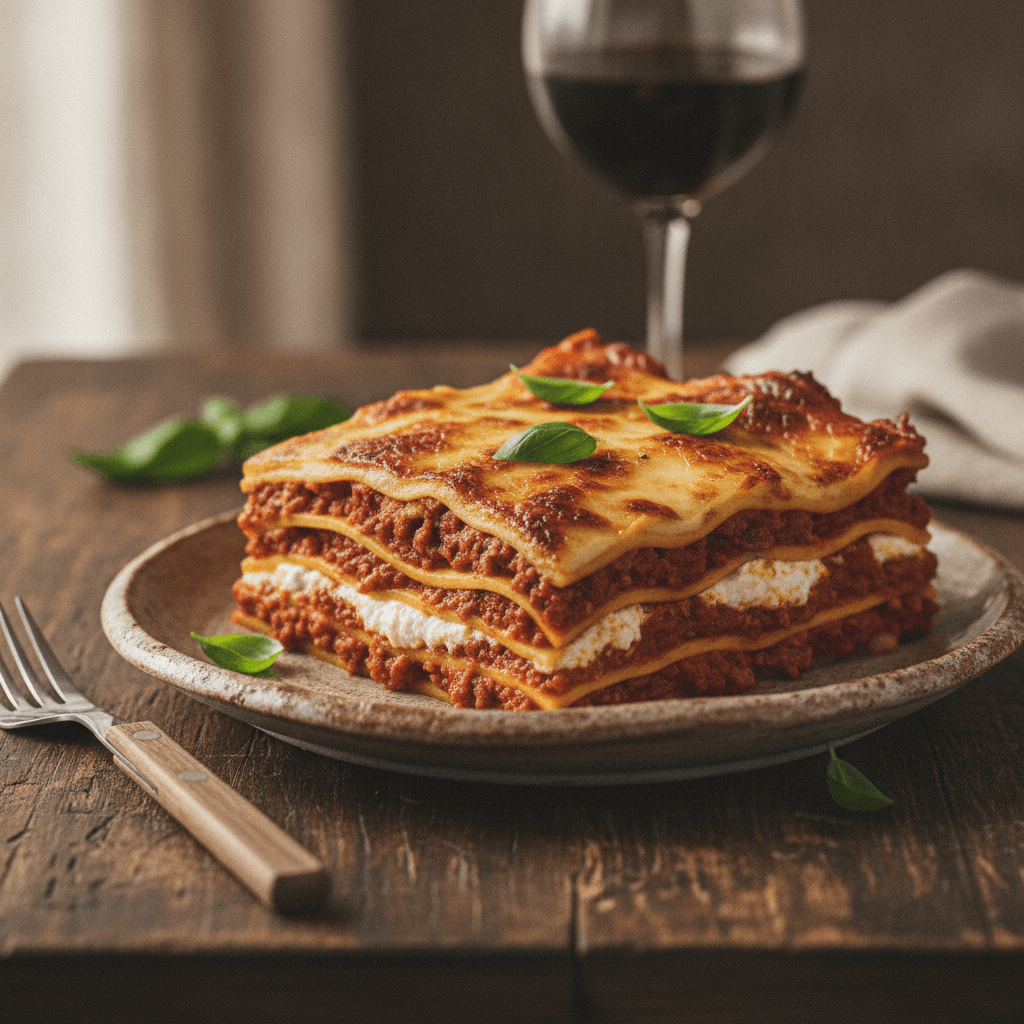
After the patient work of simmering, stirring, and layering, the final presentation of your lasagna recipe with ricotta is a moment of pure triumph. As you pull the heavy baking dish from the oven, you're met with a spectacular sight: a bubbling, molten landscape of golden-brown mozzarella, crisped Parmesan, and vibrant red sauce peeking out from the edges. The aroma fills the entire house, a delicious promise of the feast to come.
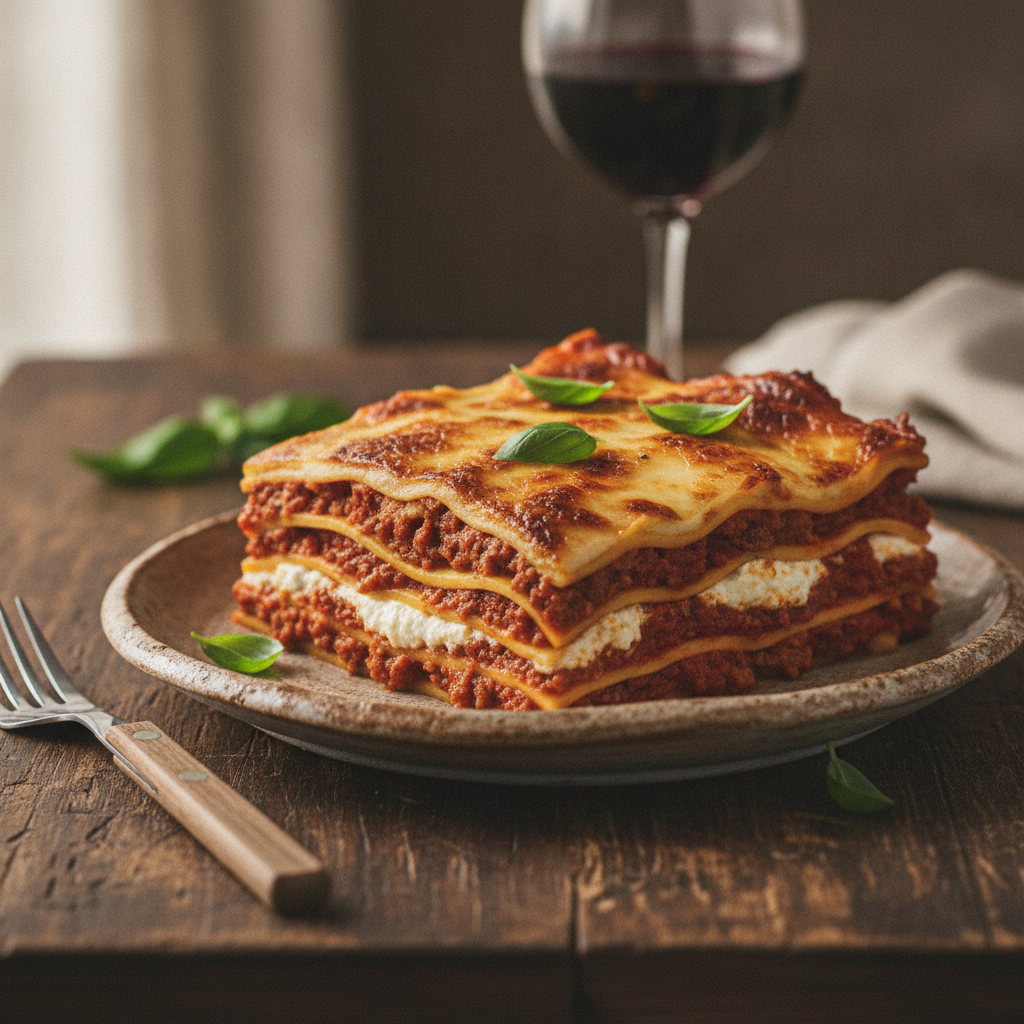
The dish’s true beauty is revealed when you make that first cut. A good spatula should slide through the layers, which hold their form thanks to the crucial resting period. Lifting out that first perfect square is deeply satisfying, showcasing the distinct strata you so carefully constructed: the hearty ragu, the creamy ricotta flecked with green herbs, the velvety béchamel, and the tender pasta holding it all together.
To serve, place a generous portion onto each plate. A simple garnish of fresh basil leaves or a sprinkle of chopped parsley adds a touch of freshness and color. This is not a dish that needs complicated accompaniments. Its richness is best balanced by simplicity. A crisp green salad tossed in a sharp, lemony vinaigrette is the perfect counterpoint. Some warm, crusty bread to mop up any extra sauce on the plate is always a welcome addition. This is food meant for the center of the table, for passing around, for second helpings, and for creating memories around a shared meal.
Make It Your Own
One of the most beautiful things about a classic like this lasagna recipe with ricotta is that it also serves as a wonderful canvas for your own creativity. Once you master the fundamental techniques of layering and balancing flavors, you can adapt it in countless ways to suit your family's tastes or the ingredients you have on hand.
For a vegetarian version that's just as hearty, you can replace the meat ragu with a rich mushroom and lentil sauce. Sauté a mix of cremini and shiitake mushrooms until deeply browned, then add cooked brown or green lentils and simmer them in the same tomato sauce base. You could also create a roasted vegetable lasagna, layering the pasta with roasted zucchini, eggplant, and bell peppers.
If your family enjoys a bit of warmth, a pinch of red pepper flakes added to the ragu along with the other seasonings will provide a gentle, pleasant heat. For a lighter take on this comforting dish, you can substitute the ground beef with ground chicken or turkey; just be sure to use thigh meat for better flavor and moisture.
This is also a wonderful dish to introduce new flavors to picky eaters. The vegetables in the soffritto are cooked down so finely that they melt into the sauce, providing nutrition and depth of flavor without being noticeable. The creamy, cheesy goodness is universally loved, making it a perfect vehicle for a wholesome, homemade meal. Feel free to add a layer of wilted spinach to the ricotta for an extra boost of green goodness.
Keeping and Reusing Leftovers
It's a well-known secret that lasagna is often even better the next day. The time spent in the refrigerator allows the flavors to meld and mature, resulting in a dish that is somehow even more cohesive and delicious. Storing it properly is key to enjoying those leftovers.
Once the lasagna has cooled completely to room temperature, cover the baking dish tightly with plastic wrap or foil, or transfer individual portions into airtight containers. It will keep beautifully in the refrigerator for up to four days.
To reheat, you can place individual slices on a microwave-safe plate and heat for a couple of minutes until warmed through. For the best result, however, I recommend reheating it in the oven. Place the slices in a small baking dish, add a tablespoon of water or a little extra sauce to create steam, cover with foil, and bake at 350°F (175°C) for about 15-20 minutes, or until hot and bubbly.
This lasagna recipe with ricotta also freezes exceptionally well. You can freeze the entire baked lasagna or cut it into individual portions. Wrap each portion tightly in plastic wrap, then a layer of aluminum foil, and it will keep in the freezer for up to three months. To enjoy, you can thaw it in the refrigerator overnight and reheat as described above, or bake it directly from frozen, adding about 20-30 minutes to the covered baking time.
Your Questions Answered
Can I use no-boil lasagna noodles for this recipe?
Absolutely! No-boil noodles are a great time-saver. Just be aware that they absorb more liquid than traditional noodles. To ensure your lasagna isn't dry, you may want to make your ragu slightly saucier or add a thin layer of sauce to the bottom of the dish before you begin layering.
Is béchamel sauce really necessary in a lasagna recipe with ricotta?
While many recipes use only a ricotta mixture, I believe a layer of béchamel adds an incredible, authentic creaminess and luxurious texture that you just can't get otherwise. It helps balance the richness of the other ingredients and makes the final dish much more velvety. I highly recommend trying it!
How can I prevent my lasagna from being watery?
Watery lasagna is a common problem, but it's easy to prevent. First, use whole-milk ricotta, as skim versions have higher water content. Second, if your ragu seems very thin, let it simmer a bit longer with the lid off to thicken up. Finally, and most importantly, let the lasagna rest for at least 15-20 minutes after baking. This allows the layers to set and absorb any excess moisture.
I need to ensure all my ingredients are halal. What should I look for with the cheese?
This is a great question. For the Parmesan, look for brands that are certified halal or specify that they use microbial or vegetable rennet instead of animal rennet. Many high-quality hard Italian-style cheeses available in major grocery stores now offer this option on their packaging. The same applies to mozzarella and ricotta, which are more commonly made with non-animal rennet, but it's always best to check the label.
What is a good side dish to serve with this rich lasagna?
Because this lasagna recipe with ricotta is so hearty and flavorful, you want a side dish that is simple and fresh to provide a nice contrast. A crisp arugula salad with shaved fennel, cherry tomatoes, and a simple lemon and olive oil vinaigrette is a perfect choice. It cuts through the richness of the lasagna beautifully.
Authentic Lasagna Recipe with Ricotta and Béchamel
A rich and comforting lasagna featuring layers of slow-simmered beef ragu, creamy herbed ricotta, smooth béchamel, and melted mozzarella. A true centerpiece for any gathering.
Prep Time
45 min
Cook Time
1h 45m
Total Time
2h 30m
Servings
8 servings
Ingredients
For 8 servings
- 2 tbsp olive oil
- 1 large yellow onion, finely chopped
- 2 medium carrots, finely chopped
- 2 celery stalks, finely chopped
- 4 cloves garlic, minced
- 2 lbs halal ground beef (80/20 lean to fat ratio)
- 1 tsp salt, plus more to taste
- 1/2 tsp black pepper
- 1/4 tsp allspice (optional)
- 1 (6-ounce) can tomato paste
- 1 (28-ounce) can crushed tomatoes
- 1 cup water or beef broth
- 1 bay leaf
- 1 tsp dried oregano
- 1/2 cup chopped fresh basil, divided
- 6 tbsp unsalted butter
- 1/2 cup all-purpose flour
- 4 cups whole milk, warmed
- 1/4 tsp freshly grated nutmeg
- 1 (16-ounce) box lasagna noodles (about 18 sheets)
- 32 ounces whole-milk ricotta cheese
- 1 large egg, beaten
- 1/2 cup chopped fresh parsley
- 2 tbsp chopped fresh mint
- 1 cup grated Parmesan cheese (halal, made with microbial rennet), divided
- 1 lb low-moisture whole-milk mozzarella cheese, shredded
Instructions
- 1
Prepare the Soffritto Base
In a large Dutch oven or heavy-bottomed pot, heat the olive oil over medium heat. Add the finely chopped onion, carrots, and celery. Sauté for 8-10 minutes, stirring occasionally, until the vegetables are very soft and fragrant.
- 2
Brown the Meat and Build Ragu
Add the minced garlic and cook for another minute until fragrant. Increase the heat to medium-high, add the ground beef, 1 tsp salt, pepper, and allspice (if using). Break up the meat with a spoon and cook until deeply browned, about 8-10 minutes. Stir in the tomato paste and cook for 2 minutes to deepen its flavor.
- 3
Simmer the Ragu
Pour in the crushed tomatoes and water (or broth). Add the bay leaf, dried oregano, and half of the fresh basil. Bring to a simmer, then reduce the heat to low, cover partially, and let it cook for at least 1 hour, or up to 1.5 hours, stirring occasionally, until the sauce has thickened and the flavors have melded.
- 4
Make the Béchamel Roux
While the ragu simmers, prepare the béchamel. In a medium saucepan, melt the butter over medium heat. Whisk in the flour and cook for 1 minute, stirring constantly, to form a smooth paste (roux).
- 5
Finish the Béchamel Sauce
Gradually whisk in the warm milk, about a cup at a time, ensuring each addition is fully incorporated before adding the next to prevent lumps. Bring the sauce to a gentle simmer and cook, whisking, for 5-8 minutes until it has thickened enough to coat the back of a spoon. Remove from heat and stir in the nutmeg, and salt and pepper to taste.
- 6
Prepare the Ricotta Filling
In a medium bowl, combine the whole-milk ricotta, beaten egg, fresh parsley, fresh mint, and 1/2 cup of the grated Parmesan cheese. Season with a pinch of salt and pepper and mix until well combined.
- 7
Cook Pasta and Preheat Oven
Near the end of the ragu's simmering time, cook the lasagna noodles in a large pot of salted boiling water according to package directions until al dente. Drain and lay them flat on a lightly oiled baking sheet. Preheat your oven to 375°F (190°C). Remove the bay leaf from the ragu.
- 8
Begin the First Layer
Spread about 1 cup of the ragu on the bottom of a 9x13-inch baking dish. Arrange a single layer of cooked noodles over the sauce. Spread about one-third of the ricotta mixture over the noodles.
- 9
Build the Middle Layers
Top the ricotta with about 1.5 cups of ragu, followed by a light drizzle of béchamel. Sprinkle with one-third of the shredded mozzarella. Repeat this layering process two more times: noodles, ricotta, ragu, béchamel, mozzarella.
- 10
Add the Final Layer
Place the final layer of pasta sheets on top. Spread the remaining béchamel sauce over the noodles, ensuring it covers them to the edges. Ladle any remaining ragu over the béchamel.
- 11
Top and Prepare for Baking
Sprinkle the remaining shredded mozzarella and the remaining 1/2 cup of Parmesan cheese evenly over the top. Lightly grease a sheet of aluminum foil and cover the baking dish tightly.
- 12
Bake Covered and Uncovered
Place the baking dish on a rimmed baking sheet to catch any drips. Bake for 30 minutes. Then, carefully remove the foil and continue to bake for another 20-25 minutes, until the top is bubbly and golden brown.
- 13
Rest Before Serving
This step is crucial. Remove the lasagna from the oven and let it rest on a wire rack for at least 15-20 minutes. This allows the layers to set, making it much easier to slice and serve clean portions. Garnish with the remaining fresh basil before serving.
Nutrition Facts
Per serving (estimated)
680 calories
Calories
45g
Carbs
38g
Protein
39g
Fat
5g
Fiber
950mg
Sodium
12g
Sugar