Sunshine Lemon & Olive Oil Cake (Easy One-Bowl Recipe)
Discover the ultimate moist lemon cake recipe! Made with olive oil for a tender crumb and bright citrus flavor, this easy one-bowl cake is pure sunshine.
cookwithyara.com/recipes/lemon-cake
There are days that call for elaborate, multi-layered baking projects, and then there are the days that make up most of our lives—days that crave a touch of sweetness without a mountain of cleanup. I think we can all agree that the biggest barrier to spontaneous baking is often the thought of the dishes left behind: the butter-smeared bowls, the mixer attachments, the countless measuring spoons. It can feel like a trade-off between the joy of a homemade treat and the chore of restoring order to the kitchen. But what if I told you that you could have the best of both worlds? What if the most fragrant, tender, and incredibly moist lemon cake you’ve ever tasted required just one single bowl and a whisk?
This Sunshine Lemon and Olive Oil Cake is the answer. It is simplicity embodied in dessert form. Imagine pulling a golden loaf from the oven, its top crackled slightly, perfuming your entire home with the bright, intoxicating scent of sun-ripened lemons and the subtle, fruity notes of good olive oil. The magic of this recipe lies in its streamlined process, where flavors don’t just combine, they meld and deepen, creating a crumb so tender and moist it practically melts on your tongue. This is the kind of cake that feels both humble enough for a quiet afternoon with a cup of tea and elegant enough for a special gathering with loved ones. It promises all the reward of baking with none of the fuss—just pure, unadulterated, lemony joy in every single bite.
The Beauty of One-Bowl Baking
The one-bowl baking method is more than just a convenient shortcut to a cleaner kitchen; it’s a culinary philosophy rooted in efficiency and flavor. By combining ingredients in a single vessel, you are not just saving time, but you are also employing a technique that can lead to a superior texture, especially in cakes like this one. The traditional “creaming” method with butter and sugar is designed to incorporate air, but it also carries the risk of over-developing gluten once the flour is added, which can result in a tough cake.
Our one-bowl method, which relies on liquid fat (hello, gorgeous olive oil!), is far more forgiving. It encourages a gentle, minimalist approach to mixing. You simply whisk the wet ingredients, then fold in the dry until just combined. This process minimizes gluten formation, which is the secret to an exceptionally tender and delicate crumb. Furthermore, this method allows the ingredients to get to know each other intimately. The acidic lemon juice begins to react with the leavening agents, and the fragrant oils from the zest infuse the entire batter. It’s a smarter, more streamlined way to bake that proves you don’t need complicated steps or fancy equipment to create something truly spectacular. This is a celebration of simplicity, proving that sometimes, the most straightforward path yields the most delicious results.
The Stars of This Lemon Cake
Every truly great recipe is built on a foundation of well-chosen, high-quality ingredients. For a cake as simple as this one, each component plays a crucial role in the final harmony of flavor and texture. This isn't about a long, complicated list; it's about letting a few perfect ingredients shine.
First and foremost, Extra Virgin Olive Oil. This is the heart and soul of our lemon cake. Unlike butter, which is solid at room temperature, olive oil is a liquid fat that coats the flour proteins in a unique way, inhibiting excessive gluten development and guaranteeing a supremely moist crumb that stays fresh for days. Choose a quality extra virgin olive oil that you enjoy the taste of—something fruity and smooth, rather than overly peppery or bitter, which can overpower the delicate flavors. It lends a subtle, sophisticated depth and a beautiful golden hue to the cake.
Next, of course, are the Fresh Lemons. There is no substitute for the real thing. The bright, zesty perfume comes from the essential oils locked in the peel, which we release by rubbing the zest into the sugar. The juice provides the signature tartness that cuts through the richness, creating a perfectly balanced flavor. Bottled juice simply cannot replicate the vibrant, complex taste of freshly squeezed lemons.
My Mediterranean secret for moisture and tang is Plain Yogurt. Full-fat yogurt or even labneh adds a wonderful richness and a subtle acidity that complements the lemon beautifully. Chemically, its acidity reacts with the baking soda to give the cake a fantastic lift, making it light and airy while also contributing to its incredible tenderness. Ensure it’s at room temperature for a smooth, cohesive batter.
Finally, the basics: All-Purpose Flour provides the perfect structure without being heavy, and Room Temperature Eggs are essential for creating a stable emulsion, which traps air and leads to a uniform, even crumb. Together, these ingredients form a symphony of simplicity, working in concert to create the most divine lemon cake imaginable.
Mixing and Baking: A Simple Method
The true beauty of this lemon cake lies in its effortless assembly. The process is so simple and intuitive, it feels less like a strict recipe and more like a joyful act of creation. It all begins with a little preparation that sets you up for success: preheating your oven and properly lining your pan with parchment paper. This simple step ensures your beautiful cake will release perfectly later on.
Our flavor journey starts by infusing the sugar with lemon. Before you add any wet ingredients, you’ll combine the granulated sugar and fresh lemon zest in your bowl. Using your fingertips, rub them together until the sugar is fragrant and feels like damp sand. This small action is transformative, releasing the lemon’s essential oils and ensuring that bright, citrusy aroma permeates every molecule of the cake.
Next, the wet ingredients join the party. Into the lemon sugar, you’ll whisk your room-temperature eggs until they’re light and frothy, followed by the golden extra virgin olive oil, the tangy yogurt, fresh lemon juice, and a splash of vanilla extract. Whisk everything together until you have a smooth, emulsified, and beautifully fragrant liquid base. In a separate small bowl, you'll quickly stir together your dry ingredients: the all-purpose flour, baking powder, baking soda, and a pinch of salt.
Now for the most important step: combining the two. Pour the dry ingredients into the wet and, using a spatula, fold them together gently. The keyword here is gently. You want to mix only until the last streaks of flour disappear. A few lumps are perfectly fine; they are a sign you haven’t overworked the batter. Over-mixing is the enemy of a tender cake, so restrain yourself! Pour the thick, glossy batter into your prepared pan, smooth the top, and it’s ready for the oven. You'll bake it until it's a deep golden brown, springs back when you touch the top, and a tester comes out clean. The aroma that will fill your home during this time is your delicious reward.
Secrets to the Perfect Moist Lemon Cake
While this recipe is wonderfully straightforward, there are a few key insights and techniques that will elevate your lemon cake from simply good to absolutely unforgettable. These are the little secrets that ensure a perfect result every single time.
1. Room Temperature is Non-Negotiable: I cannot stress this enough. When ingredients like eggs and yogurt are at room temperature, they form a smoother, more stable emulsion. Cold ingredients don't combine as easily, and can even cause the olive oil to solidify, resulting in a dense, greasy texture. A little patience in letting them sit out for 30 minutes makes all the difference.
2. The Gentle Fold: When you incorporate the dry ingredients, switch from a whisk to a spatula. Use a gentle folding motion—scraping down the sides and bringing the batter from the bottom up and over the top. This technique minimizes gluten development, keeping the crumb light and tender, not tough or chewy.
3. Don't Underbake: It can be tempting to pull the cake out the moment a tester comes out clean, but giving it those extra few minutes allows the center to set fully and the top to develop a beautiful golden-brown crust. Look for visual cues: the edges of the cake should be pulling away slightly from the sides of the pan.
4. The Lemon Syrup Soak: This is my favorite trick for an intensely moist and flavorful lemon cake. While the cake is resting in the pan after baking, mix a few tablespoons of lemon juice with a tablespoon of sugar. Gently poke holes all over the warm cake with a skewer and brush or spoon this syrup over the top. The warm cake will absorb the syrup like a sponge, adding an extra layer of lemon flavor and locking in moisture.
5. Let It Cool Completely: Patience is a virtue, especially when it comes to glazing. A warm cake will melt the glaze, turning it into a runny, absorbed mess. Letting the cake cool completely in its pan on a wire rack allows the crumb to set and firm up, ensuring your beautiful, thick glaze will sit perfectly on top.
Serving Your Sunshine Cake
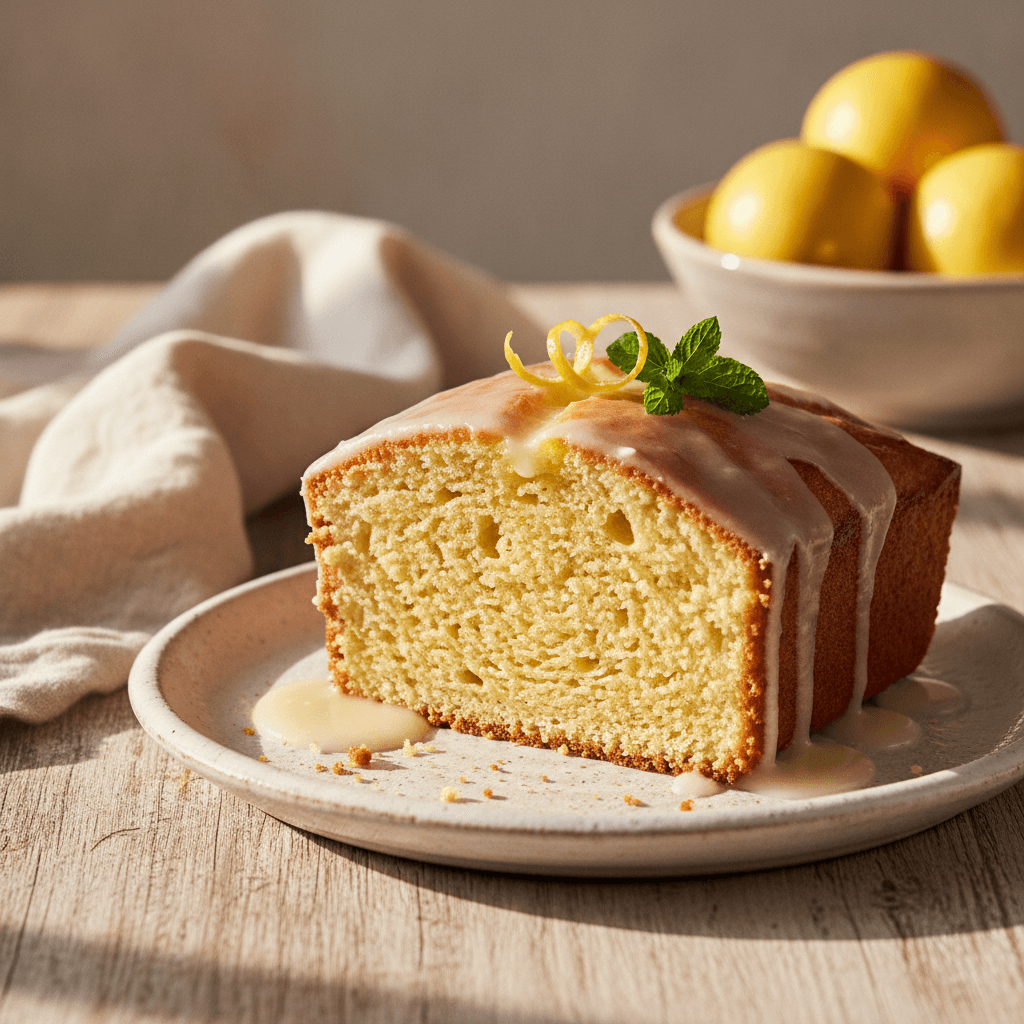
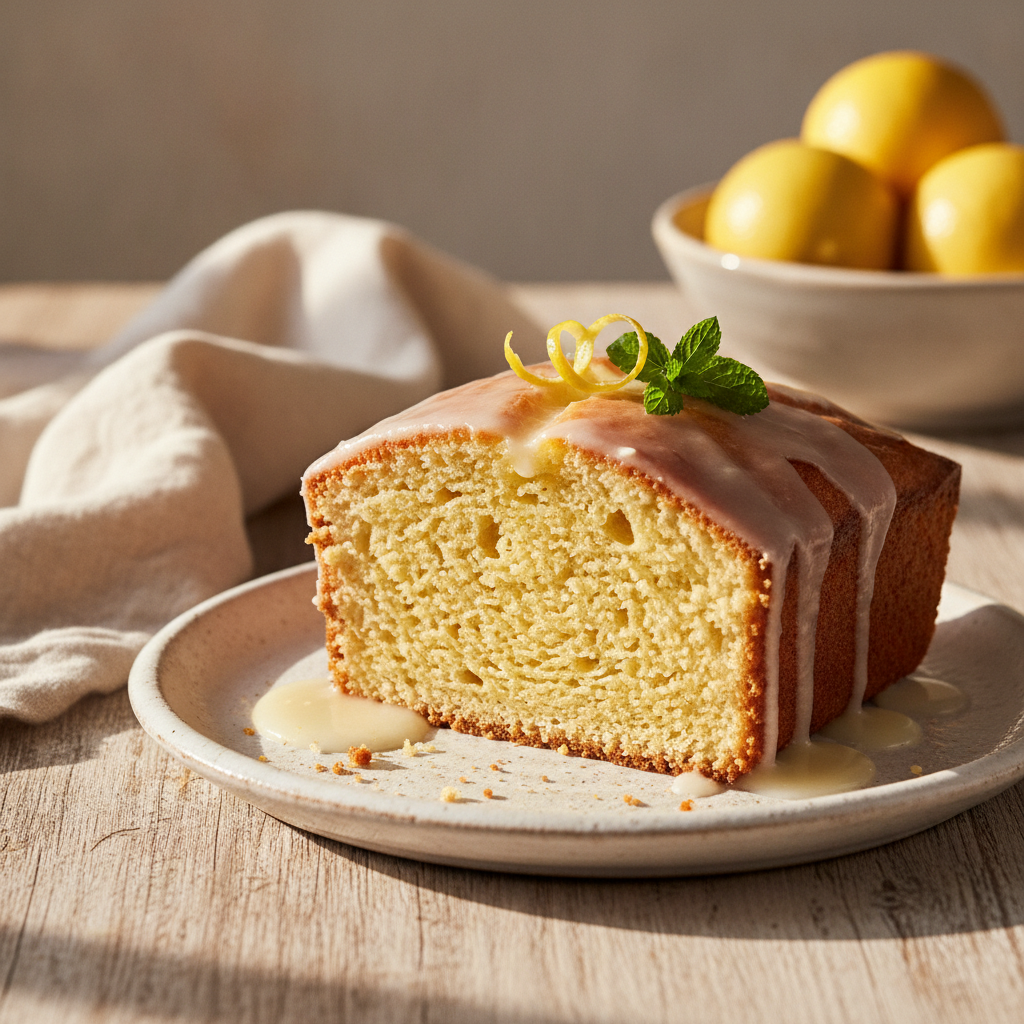
Once your magnificent lemon cake has cooled completely, it’s time for the final flourish. The beauty of this cake is its versatility; it can be dressed up or down for any occasion. A simple lemon glaze is the classic choice, providing a sweet, tangy counterpoint to the rich crumb. To make it, you simply whisk powdered sugar with a bit of fresh lemon juice and a tiny splash of milk or water until you reach a thick but pourable consistency. Drape it over the top of the cake, letting it drip artfully down the sides.
For a touch of elegance, you can garnish the glazed cake with finely grated lemon zest, a few fresh berries like raspberries or blueberries, or even some edible flowers. For a simpler, more rustic presentation, a light dusting of powdered sugar is all it needs to look stunning. I also love serving a slice with a generous dollop of thick, creamy Greek yogurt or labneh on the side, which echoes the tangy notes within the cake itself. This simple accompaniment adds a lovely creamy texture and balances the sweetness perfectly.
This lemon cake is ideal for a relaxed gathering with friends, served with steaming cups of fresh mint tea or a robust coffee. It’s the perfect centerpiece for a weekend brunch or a simple, satisfying dessert after a family dinner. No matter how you choose to serve it, this cake is a slice of pure sunshine, guaranteed to bring a smile to everyone’s face.
Storing for Lasting Freshness
One of the most wonderful qualities of an olive oil-based cake is its remarkable shelf life. Because olive oil is a liquid at room temperature, this lemon cake stays exceptionally moist and tender for far longer than its butter-based counterparts. To store it, allow the cake to cool completely and the glaze to set fully. Then, you can store it in an airtight container at room temperature for up to four days.
If you need to store it for longer, this cake freezes beautifully. You can freeze the entire cake or individual slices. For a whole cake, let it cool completely (but do not glaze it), then wrap it tightly in two layers of plastic wrap, followed by a layer of aluminum foil. It will keep in the freezer for up to three months. To serve, let it thaw overnight at room temperature on the counter, then add the glaze just before serving for the freshest taste and appearance.
To freeze individual slices, place them on a baking sheet and freeze until solid. Then, wrap each slice individually in plastic wrap and store them in a freezer-safe bag or container. This is a perfect way to have a delicious, homemade treat ready to enjoy at a moment's notice. Just pull out a slice and let it thaw on the counter for an hour or so.
Your Lemon Cake Questions Answered
### What is the best kind of olive oil to use for this cake?
For this lemon cake, you want to use a good-quality extra virgin olive oil with a fruity, mild flavor profile. Avoid very strong, peppery, or bitter oils, as their flavor can be too assertive and overwhelm the delicate lemon. A light, smooth olive oil will lend moisture and a subtle, delicious complexity.
### Why did my cake turn out dense and heavy?
There are two likely culprits for a dense cake. The first is over-mixing the batter after adding the flour, which develops too much gluten. The second is using cold ingredients, like eggs or yogurt straight from the refrigerator. Cold ingredients don’t emulsify properly with the oil, leading to a heavy, greasy texture.
### Can I make this lemon cake in a different pan?
Absolutely! This recipe works beautifully in a standard 9x5 inch loaf pan, an 8-inch or 9-inch round cake pan, or even a bundt pan. Just be sure to adjust the baking time accordingly. A round pan will likely bake faster (start checking around 35-40 minutes), while a bundt pan might take a bit longer.
### How can I get a stronger lemon flavor in my cake?
For a true lemon explosion, there are three key steps. First, use the zest of at least two large lemons and rub it into the sugar thoroughly. Second, don't skip the optional lemon syrup soak while the cake is warm—this infuses the crumb with intense lemon flavor. Finally, use fresh lemon juice in your glaze for a bright, tangy finish.
### My glaze just soaked into the cake. What did I do wrong?
You likely glazed the cake while it was still too warm. For a distinct, opaque layer of glaze that sits on top, the cake must be cooled completely to room temperature. Glazing a warm cake will cause the glaze to melt and be absorbed into the crumb instead of setting on the surface.
Sunshine Lemon and Olive Oil Cake
A wonderfully moist and tender one-bowl lemon cake made with olive oil, fresh lemon juice, and zest for an incredibly bright and sunny flavor.
Prep Time
20 min
Cook Time
50 min
Total Time
1h 10m
Servings
8-10 servings
Ingredients
For 8-10 servings
- 1 1/2 cups (190g) all-purpose flour
- 1 1/2 teaspoons baking powder
- 1/2 teaspoon baking soda
- 1/2 teaspoon fine sea salt
- 1 cup (200g) granulated sugar
- 2 large lemons, zested and juiced (about 1/4 cup juice)
- 3 large eggs, at room temperature
- 1/2 cup (120ml) full-fat plain yogurt, at room temperature
- 2/3 cup (160ml) mild extra virgin olive oil
- 1 teaspoon vanilla extract
- For the optional syrup soak:
- 2 tablespoons fresh lemon juice
- 1 tablespoon granulated sugar
- For the lemon glaze:
- 1 cup (120g) powdered sugar, sifted
- 2-3 tablespoons fresh lemon juice
Instructions
- 1
Preheat and Prepare Pan
Preheat your oven to 350°F (175°C). Grease a 9x5 inch loaf pan, then line it with parchment paper, leaving an overhang on the two long sides to easily lift the cake out later.
- 2
Infuse Sugar with Lemon
In a large bowl, add the granulated sugar and the zest of two lemons. Use your fingertips to rub the zest into the sugar until it becomes fragrant and resembles damp sand. This step is crucial for releasing the lemon oils and maximizing flavor.
- 3
Whisk Wet Ingredients
Add the 3 room-temperature eggs to the lemon sugar and whisk vigorously for about a minute, until the mixture is pale and slightly fluffy. Whisk in the plain yogurt, olive oil, 1/4 cup of fresh lemon juice, and vanilla extract until everything is smooth and fully combined.
- 4
Combine Dry Ingredients
In a separate medium bowl, whisk together the all-purpose flour, baking powder, baking soda, and salt. This ensures the leavening agents are evenly distributed, which helps the cake rise properly.
- 5
Gently Fold Batter
Pour the dry ingredients into the large bowl with the wet ingredients. Using a rubber spatula, gently fold everything together until just combined. Stop mixing as soon as you no longer see streaks of flour; a few small lumps are perfectly fine.
- 6
Fill Pan and Bake
Pour the batter into your prepared loaf pan and smooth the top with your spatula. Bake for 45-55 minutes, or until a wooden skewer or toothpick inserted into the center comes out clean or with a few moist crumbs attached. The top should be golden brown and springy to the touch.
- 7
Cool in Pan
Let the cake cool in the pan on a wire rack for 15-20 minutes. This allows the cake to set and firm up slightly before you handle it.
- 8
Apply Optional Syrup Soak
If using, stir together the 2 tablespoons of lemon juice and 1 tablespoon of sugar for the syrup. While the cake is still warm in the pan, gently poke holes all over the surface with a skewer. Slowly brush or spoon the syrup over the cake, allowing it to soak in.
- 9
Remove and Cool Completely
After the initial cooling and optional syrup soak, use the parchment paper overhangs to lift the cake out of the pan. Place it on the wire rack to cool completely to room temperature. This can take 1-2 hours; do not glaze while it is still warm.
- 10
Prepare the Glaze
In a small bowl, combine the sifted powdered sugar with 2 tablespoons of lemon juice. Whisk until smooth. If the glaze is too thick, add more lemon juice, a half-teaspoon at a time, until you reach a thick but pourable consistency.
- 11
Glaze and Garnish
Once the cake is completely cool, place it on a serving platter. Pour the glaze over the top, using a spoon or spatula to gently spread it and encourage drips down the sides. Garnish with additional lemon zest if desired.
- 12
Rest and Serve
Let the cake sit for at least 20 minutes for the glaze to set before slicing and serving. Store any leftovers in an airtight container at room temperature for up to 4 days.
Nutrition Facts
Per serving (estimated)
380 calories
Calories
48g
Carbs
5g
Protein
19g
Fat
1g
Fiber
280mg
Sodium
30g
Sugar