Maple Rhubarb Cardamom Jam Recipe
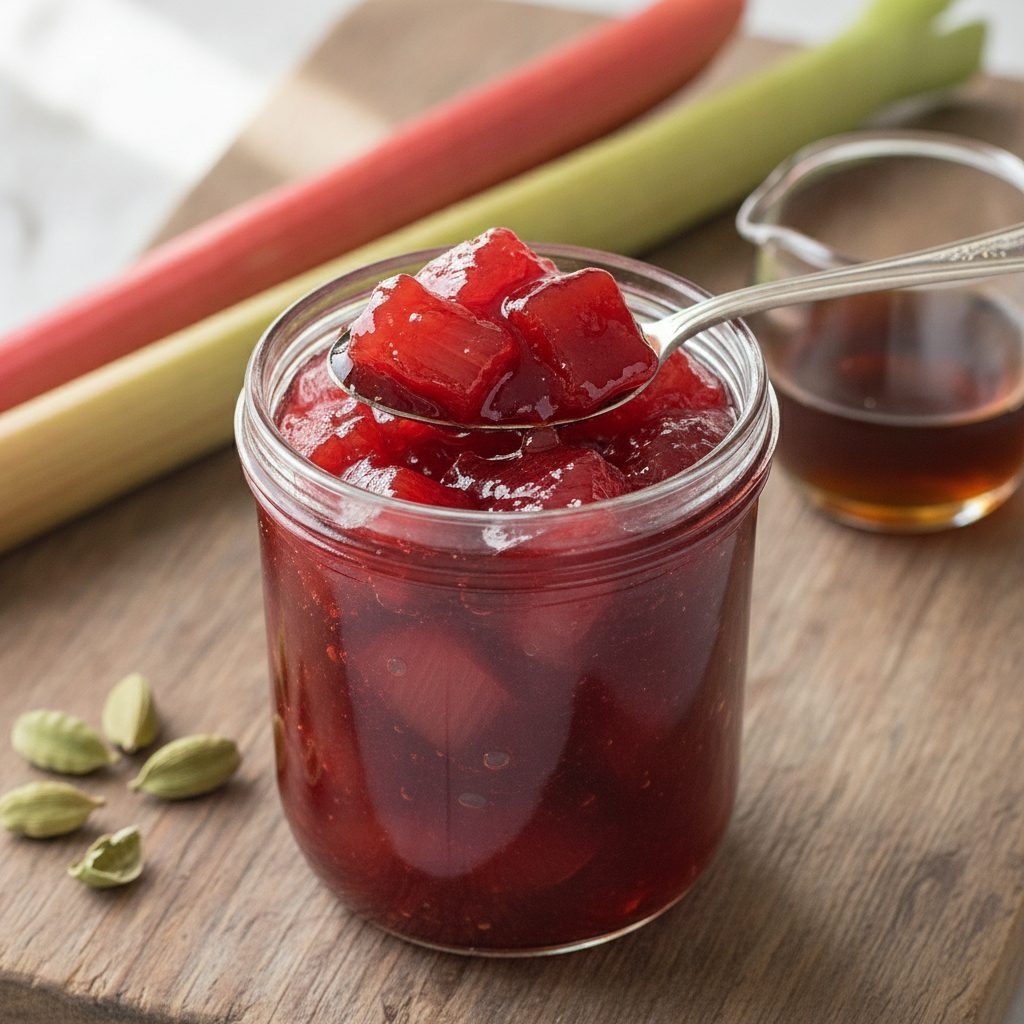
Capture the taste of spring with this Maple Rhubarb Cardamom Jam. Aromatic cardamom adds a warm, Levantine twist to a classic seasonal preserve. Easy recipe!
cookwithyara.com/recipes/maple-rhubarb-cardamom-jam
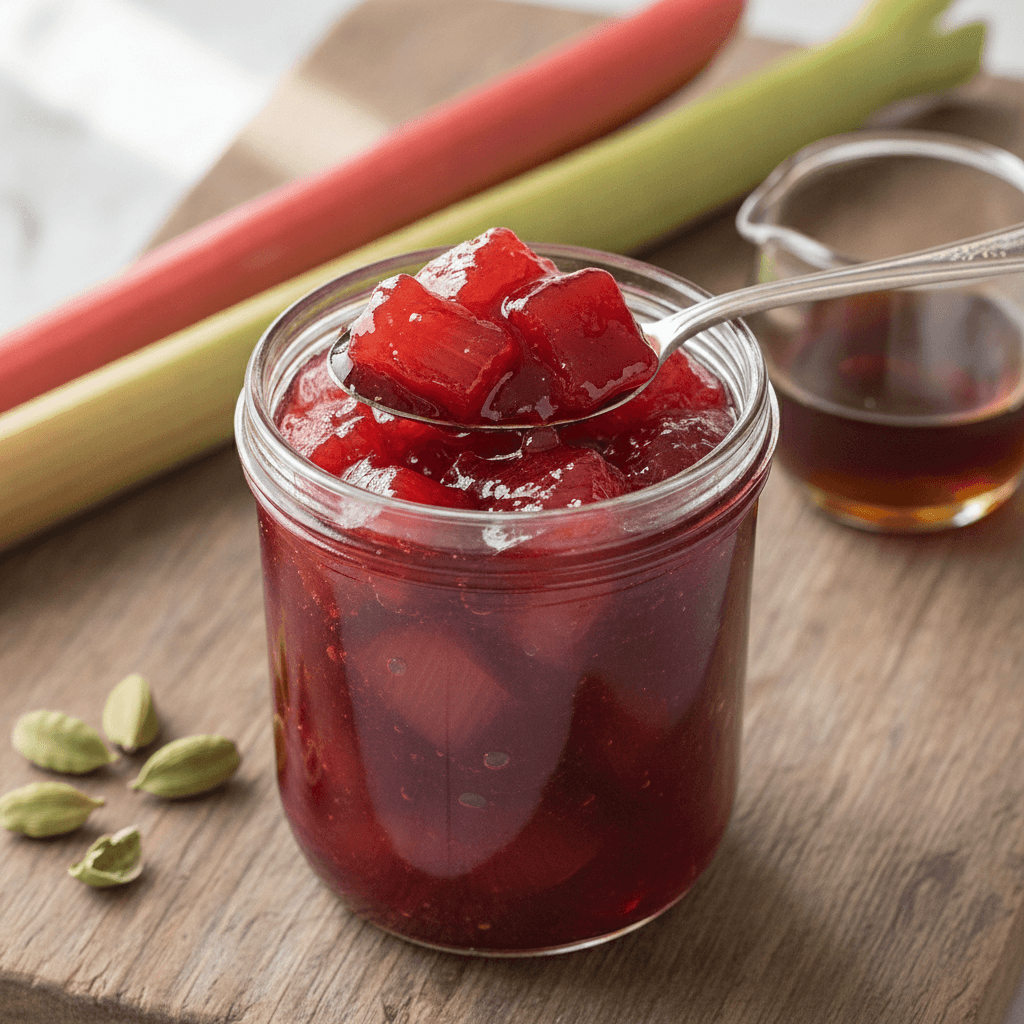
There’s a magical moment in early spring when the world seems to exhale. The air loses its sharp, cold edge, and the first signs of vibrant life push through the sleepy earth. For me, nothing captures this feeling more than the sight of the first rhubarb stalks at the market—impossibly pink, crisp, and promising tangy, fruity flavors to come. This Maple Rhubarb Cardamom Jam is my way of bottling that specific joy, of holding onto the fleeting beauty of the season long after it has passed. It’s a recipe that bridges worlds, a conversation between the North American garden and the Levantine spice pantry. It takes the familiar comfort of a homemade jam and elevates it with a whisper of something exotic and fragrant.
The heart of this recipe is, of course, the rhubarb, with its bright, mouth-puckering tartness. But instead of classic sugar, we’re using pure maple syrup, which lends a deep, caramel-like sweetness and a wonderfully silky texture. The real soul of this jam, however—the element that connects it to my own culinary heritage—is the cardamom. In the Levant, cardamom is the scent of hospitality. It perfumes our coffee, enriches our desserts, and adds a layer of warmth and complexity to countless dishes. Here, its floral, citrusy notes dance with the tangy rhubarb and the earthy maple, creating a flavor profile that is at once surprising and deeply comforting. Making a jar of this beautiful, ruby-hued Maple Rhubarb Cardamom Jam is more than just preserving fruit; it’s an act of creating something truly special to share.
A Tale of Two Pantries: The Global Tradition of Preserving
The act of preserving the harvest is a tradition that stretches across continents and cultures, born from a fundamental human need to savor the bounty of one season in the scarcity of the next. In North America, the image of a pantry lined with jewel-toned jars of jams, pickles, and preserves is deeply woven into the cultural fabric, a symbol of self-sufficiency and resourcefulness. It speaks of late-summer days spent in a warm kitchen, the sweet scent of simmering fruit filling the air, a practice of preparing for the colder months ahead. This tradition of 'canning' or 'putting up' is a legacy of homesteaders and pioneers, a culinary craft passed down through generations.
In my own Levantine heritage, this tradition takes the form of murabba, a category of exquisite fruit preserves. From whole figs in a thick syrup to delicate rose petal jam, murabba is a cornerstone of our hospitality. A small spoonful is often offered to guests alongside a cup of strong coffee or a glass of water, a sweet gesture of welcome and generosity. These preserves are not just about storing fruit; they are about crafting edible jewels, concentrating the essence of a fruit into a luscious, syrupy confection. The process is often meticulous, focused on maintaining the shape and integrity of the fruit. This Maple Rhubarb Cardamom Jam, then, is a beautiful meeting point of these two philosophies. It has the rustic, comforting appeal of a North American homemade jam, yet it’s infused with the aromatic elegance of a Middle Eastern spice pantry, creating a preserve that feels both familiar and wonderfully new.
The Stars of the Jar: Understanding Your Ingredients
A truly exceptional jam is born from exceptional ingredients. While the list for this Maple Rhubarb Cardamom Jam is short, each component plays a vital role in building its unique flavor, texture, and beautiful color. Understanding them is the first step to success.
-
Rhubarb: The star of the show! Though we treat it as a fruit, rhubarb is technically a vegetable. Its stalks are famous for their intense tartness, which mellows beautifully when cooked with a sweetener. When shopping, look for firm, crisp stalks with a vibrant, glossy color. The color can range from deep ruby red to blush pink and even green—while redder stalks produce a prettier jam, the flavor is wonderful regardless of the hue. Avoid any stalks that are limp or blemished.
-
Pure Maple Syrup: This is our sweetener, and it does so much more than just add sweetness. Unlike refined sugar, maple syrup brings a complex, woodsy, and almost vanilla-like flavor profile. For the most robust taste that can stand up to the bold rhubarb, I recommend using a Grade A Dark (Robust Taste) syrup. It has a deeper color and a more intense maple flavor than the lighter golden varieties, which adds incredible depth to the finished jam.
-
Cardamom: This is the secret weapon, the ingredient that transforms the jam from lovely to unforgettable. We use green cardamom pods, known as the 'Queen of Spices'. Its flavor is a complex blend of citrus, mint, and a floral spiciness. For the most potent and aromatic result, I urge you to buy whole pods and grind the seeds yourself just before using. The pre-ground spice loses its volatile oils and, with them, much of its magic.
-
Lemon Juice & Zest: Lemon is a jam-maker's best friend. The juice provides natural pectin and the acidity needed to help the jam set properly. It also brightens all the flavors, cutting through the sweetness and keeping the rhubarb's tartness front and center. The zest adds a burst of fragrant citrus oil, which beautifully complements the cardamom.
-
Orange Zest: While lemon is for structure and brightness, a little orange zest is for aromatic harmony. Its sweeter, more floral scent rounds out the flavor profile, creating a bridge between the tart rhubarb and the spicy cardamom. A little goes a long way in adding a subtle layer of complexity.
-
A Pinch of Salt: Never underestimate the power of a tiny bit of salt in a sweet recipe. Salt is a flavor enhancer. It doesn't make the jam salty; instead, it suppresses any underlying bitterness from the rhubarb and makes the sweet and tart notes sing even more vibrantly.
The Art of the Set: Mastering Your Jam-Making Technique
Making jam is a beautiful, alchemical process, transforming simple ingredients into a luscious, shelf-stable preserve. It’s less about strict timing and more about observing and understanding the visual and textural cues. Let’s walk through the key stages of creating your Maple Rhubarb Cardamom Jam.
First is the maceration. After you've chopped your rhubarb, you'll combine it with the maple syrup and lemon juice. This step, where the mixture rests for a short while, is crucial. The syrup and acid begin to draw the natural juices out of the rhubarb, essentially pre-hydrating the fruit and creating a syrupy base before it even hits the heat. This helps the rhubarb break down more evenly and prevents scorching at the bottom of the pot.
Next comes the gentle simmer. We begin by cooking the mixture over medium heat, stirring occasionally until the rhubarb begins to soften and release even more of its liquid. You’ll see the firm chunks transform into a tender, pulpy sauce. This is the stage where the flavors begin to meld and the foundation of your jam is built. We add our aromatic zests and cardamom during this phase, allowing them to infuse the entire mixture with their fragrance.
Then, we move to the rolling boil. Once the rhubarb is very soft, we increase the heat. This is the most active stage of jam-making. A rapid, rolling boil—one that you can't stir down—is necessary to evaporate excess water and activate the natural pectins, which will thicken the jam. You must be attentive here, stirring frequently to prevent sticking. The mixture will thicken, and the bubbles will change from loose and watery to slow and glossy.
The most critical part is testing for doneness. The classic and most reliable method is the 'frozen plate test.' Before you start cooking, place a few small plates in the freezer. When you think the jam is ready, turn off the heat, spoon a small amount onto a frozen plate, and return it to the freezer for a minute. If you can run your finger through the jam and the path stays clear without flooding back into itself, it’s ready. If it’s still runny, continue boiling for a few more minutes and test again. This test ensures you have the perfect, spreadable consistency. Once it passes the test, you'll skim off any foam from the surface for a clearer, more beautiful final product before jarring.
More Than Just Toast: How to Enjoy Your Creation
While a spoonful of this Maple Rhubarb Cardamom Jam on a thick slice of warm, buttered toast is pure, simple perfection, its unique flavor profile opens up a world of delicious possibilities. This is not a jam to be relegated to the back of the refrigerator; it's an ingredient that can brighten and elevate both sweet and savory dishes, making it a true pantry powerhouse.
For a beautiful start to your day, swirl a generous dollop into a bowl of thick, creamy Greek yogurt or labneh. Top with a sprinkle of toasted pistachios and granola for a breakfast that feels incredibly luxurious. It’s also a phenomenal partner to baked goods. Spread it between cake layers, use it as a filling for thumbprint cookies, or serve it alongside warm scones or fluffy pancakes. The jam's balance of tart, sweet, and spice is simply divine with anything creamy or buttery.
Don't be afraid to think savory, either. This jam makes an incredible glaze for roasted chicken or duck. Simply thin it with a little water or broth and brush it on during the last 15-20 minutes of cooking. The sugars in the maple syrup will caramelize into a beautiful, glossy coating, while the cardamom and rhubarb add an unexpected and sophisticated flavor. It’s also a star on a cheese board. The jam’s bright acidity and warm spice cut through the richness of cheese beautifully. Pair it with a tangy goat cheese, a creamy brie, or even a sharp, aged cheddar for a truly memorable combination.
Your Jam, Your Signature
One of the greatest joys of home cooking is the ability to tailor a recipe to your own tastes. This Maple Rhubarb Cardamom Jam is a wonderful canvas for experimentation. Once you’ve mastered the base recipe, feel free to play with the aromatics and flavors to create a version that is uniquely yours.
The spice profile is the easiest place to start. While cardamom is the star, other warm spices can join the party. Consider adding a single star anise or a small cinnamon stick to the pot as the jam simmers for a deeper, more autumnal warmth. A few thin slices of fresh ginger can add a lovely, zesty heat that pairs wonderfully with the rhubarb. You could even add the seeds from half a vanilla bean for a creamy, floral undertone.
Fruit additions are another fantastic option. The classic pairing of strawberry and rhubarb exists for a reason—their flavors are a match made in heaven. You can easily substitute up to half of the rhubarb with chopped fresh strawberries. A finely diced apple can also be a wonderful addition, contributing its own natural pectin and a gentle sweetness. If you're feeling adventurous, a handful of raspberries added in the last few minutes of cooking will add a burst of color and tangy flavor. Just remember that adding more fruit may require a slightly longer cooking time to achieve the proper set. Don't be afraid to make it your own signature preserve.
Storing and Savoring: Making Your Jam Last
After you’ve created your beautiful Maple Rhubarb Cardamom Jam, proper storage is key to preserving its fresh flavor and vibrant color. For short-term enjoyment, you can simply transfer the hot jam into clean, sterilized jars, let them cool to room temperature, and then store them in the refrigerator. This method, often called 'refrigerator jam,' will keep your creation fresh and delicious for up to four weeks.
If you've made a larger batch and want to enjoy it for months to come, a simple water bath canning process will make the jars shelf-stable. This involves processing the sealed jars in boiling water for a specific amount of time to create a vacuum seal. It’s a straightforward technique that ensures your jam will last in a cool, dark pantry for up to a year. Always inspect your jars before opening; the lid should be concave and not 'pop' when pressed.
But what to do with leftovers beyond the usual toast and yogurt? Get creative! Whisk a tablespoon of jam with olive oil, a splash of vinegar, and a pinch of salt and pepper for a fantastic vinaigrette for salads, especially those with grilled chicken or goat cheese. You can also use it as a base for a flavorful sauce for grilled meats by simmering it with a bit of stock and perhaps a touch of soy sauce or tamari for a savory kick. It even makes a wonderful topping for ice cream or a simple pound cake, turning a simple dessert into something special.
Your Questions Answered
Can I use frozen rhubarb for this recipe?
Absolutely! Frozen rhubarb works wonderfully for jam. There’s no need to thaw it first; just add it to the pot straight from the freezer. You may need to cook it for a few extra minutes to allow the excess water to evaporate, but the final result will be just as delicious.
My jam seems too runny. What did I do wrong and can I fix it?
Don't worry, this is a common issue. It usually means the jam was either not boiled long enough or there wasn't quite enough natural pectin. You can fix it! Pour the jam back into the pot, bring it to a rolling boil again for another 5-10 minutes, and then perform the frozen plate test again until it reaches the right consistency.
Is it okay to use pre-ground cardamom instead of whole pods?
Yes, you can use pre-ground cardamom in a pinch. However, the flavor will be less intense and aromatic than freshly ground. As a general rule, you'll want to use slightly more—about 1 teaspoon of pre-ground cardamom to replace the seeds from 10 pods. For the best, most vibrant flavor, grinding your own is truly worth the small effort.
Can I reduce the amount of maple syrup to make it less sweet?
You can, but it will affect the final product. The sweetener in jam isn't just for flavor; it's also a crucial preservative and is essential for achieving the correct gelled texture. Reducing the maple syrup will result in a tarter, looser jam that will not keep as long, so be sure to store it in the refrigerator and use it within a couple of weeks.
My rhubarb is mostly green. Why isn't my jam bright pink?
The color of your final jam is entirely dependent on the color of your rhubarb stalks. Some varieties are greener, while others are a deep ruby red. While the redder stalks produce a more visually stunning jam, the flavor of green-stalked rhubarb is just as tangy and delicious. The taste will be perfect, even if the color is more of a muted amber-rose.
Maple Rhubarb Cardamom Jam
An aromatic and delicious jam that combines the tartness of spring rhubarb with the rich sweetness of maple syrup and the warm, floral spice of cardamom.
Prep Time
20 min
Cook Time
35 min
Total Time
55 min
Servings
3 cups
Ingredients
For 3 cups
- 2 lbs fresh or frozen rhubarb, trimmed and cut into 1/2-inch pieces (about 8 cups)
- 2 cups pure maple syrup, preferably Grade A Dark (Robust Taste)
- 1/4 cup fresh lemon juice
- 1 tablespoon finely grated lemon zest
- 1 teaspoon finely grated orange zest
- Seeds from 10-12 green cardamom pods, freshly ground (about 3/4 teaspoon)
- 1/4 teaspoon fine sea salt
Instructions
- 1
Prepare for Jam Making
Before you begin, place 2-3 small ceramic or glass plates in the freezer. These will be used later to test if the jam has set properly. If you plan to can the jam for long-term storage, prepare your jars and lids by sterilizing them.
- 2
Grind the Cardamom
For the most aromatic flavor, crack open the green cardamom pods with the flat side of a knife. Remove the small black seeds and discard the green husks. Grind the seeds using a spice grinder or a mortar and pestle until you have a fine powder.
- 3
Macerate the Rhubarb
In a large, heavy-bottomed pot or Dutch oven, combine the chopped rhubarb, maple syrup, and fresh lemon juice. Stir everything together gently to coat the rhubarb. Let the mixture sit at room temperature for 15-20 minutes to allow the rhubarb to release some of its natural juices.
- 4
Begin the Simmer
Place the pot over medium heat and bring the mixture to a simmer, stirring occasionally. As it heats up, the rhubarb will soften and break down. Continue to cook, stirring more frequently as it thickens, for about 10-15 minutes.
- 5
Add Aromatics
Once the rhubarb has softened into a pulpy sauce, stir in the lemon zest, orange zest, freshly ground cardamom, and the pinch of salt. Stir well to ensure the spices are evenly distributed throughout the mixture.
- 6
Bring to a Rolling Boil
Increase the heat to medium-high and bring the jam to a full, rolling boil that cannot be stirred down. Continue to boil, stirring constantly to prevent scorching on the bottom of the pot, for about 10-15 minutes. The jam will thicken noticeably and the bubbles will become slower and glossier.
- 7
Test for Set
Turn off the heat. Take one of the frozen plates from the freezer and spoon a small amount of jam onto it. Place it back in the freezer for 1-2 minutes. Remove the plate and push the edge of the jam with your finger. If it wrinkles and holds its shape, it's ready. If it's still liquid and floods back together, it needs more time.
- 8
Continue Cooking if Needed
If the jam failed the wrinkle test, turn the heat back on and continue to boil for another 3-5 minutes. Test it again on a fresh frozen plate. Repeat this process until the jam has reached the correct consistency.
- 9
Skim the Foam
Once the jam is ready, remove the pot from the heat. You may notice some foam on the surface. Use a spoon to gently skim this off and discard it. This step ensures a clearer, more beautiful final jam.
- 10
Jar the Jam
Carefully ladle the hot jam into your prepared clean, sterilized jars, leaving about 1/4-inch of headspace at the top. Wipe the rims of the jars with a clean, damp cloth to ensure a good seal.
- 11
Seal and Cool
Secure the lids on the jars until fingertip tight. If canning, proceed with the water bath process according to standard guidelines. If making refrigerator jam, simply let the jars cool completely on the counter before transferring them to the refrigerator, where they will keep for up to 4 weeks.
Nutrition Facts
Per serving (estimated)
45 calories
Calories
11g
Carbs
0.2g
Protein
0.1g
Fat
0.5g
Fiber
5mg
Sodium
10g
Sugar