Spiced Rhubarb Bread Recipe (Moist & Easy!)
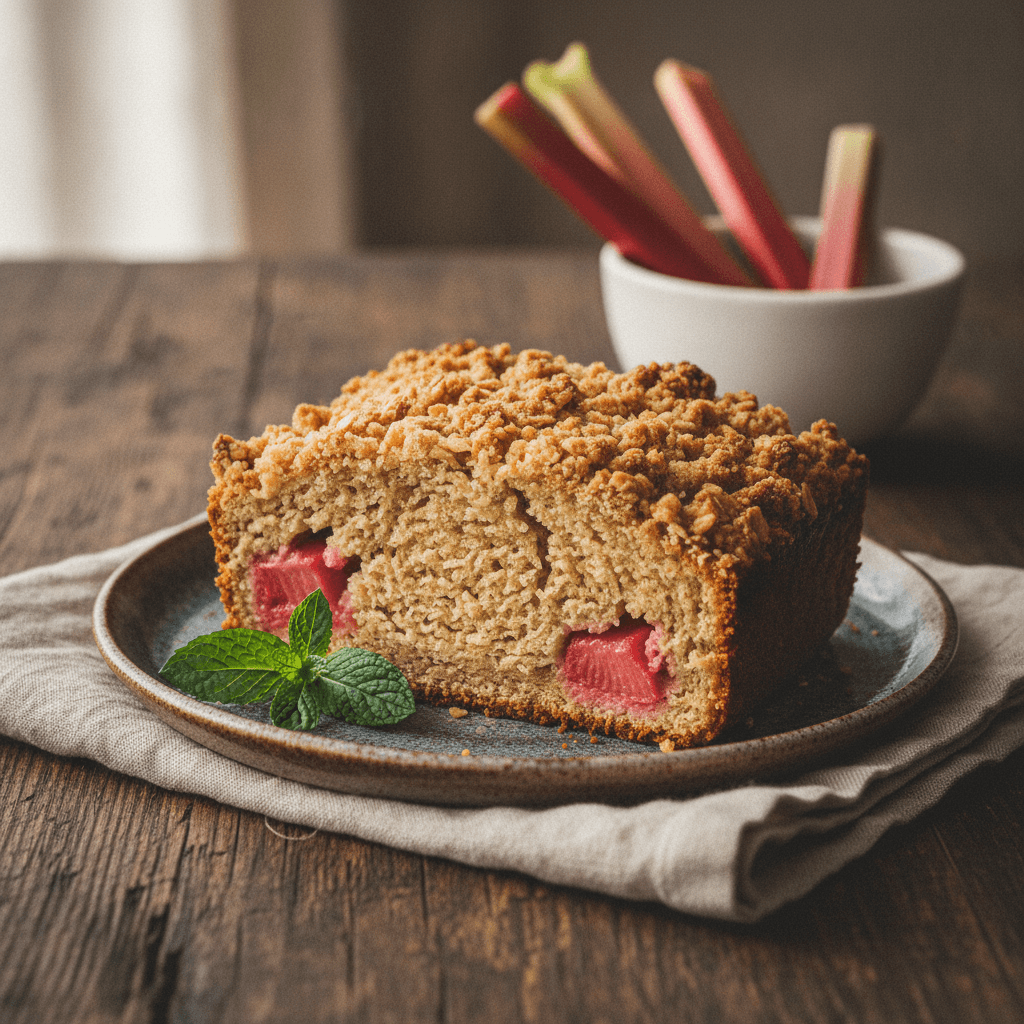
My best rhubarb bread recipe! Incredibly moist and tender, packed with tangy rhubarb, warm spices, and a crunchy cinnamon streusel. A perfect halal treat.
cookwithyara.com/recipes/rhubarb-bread-recipe
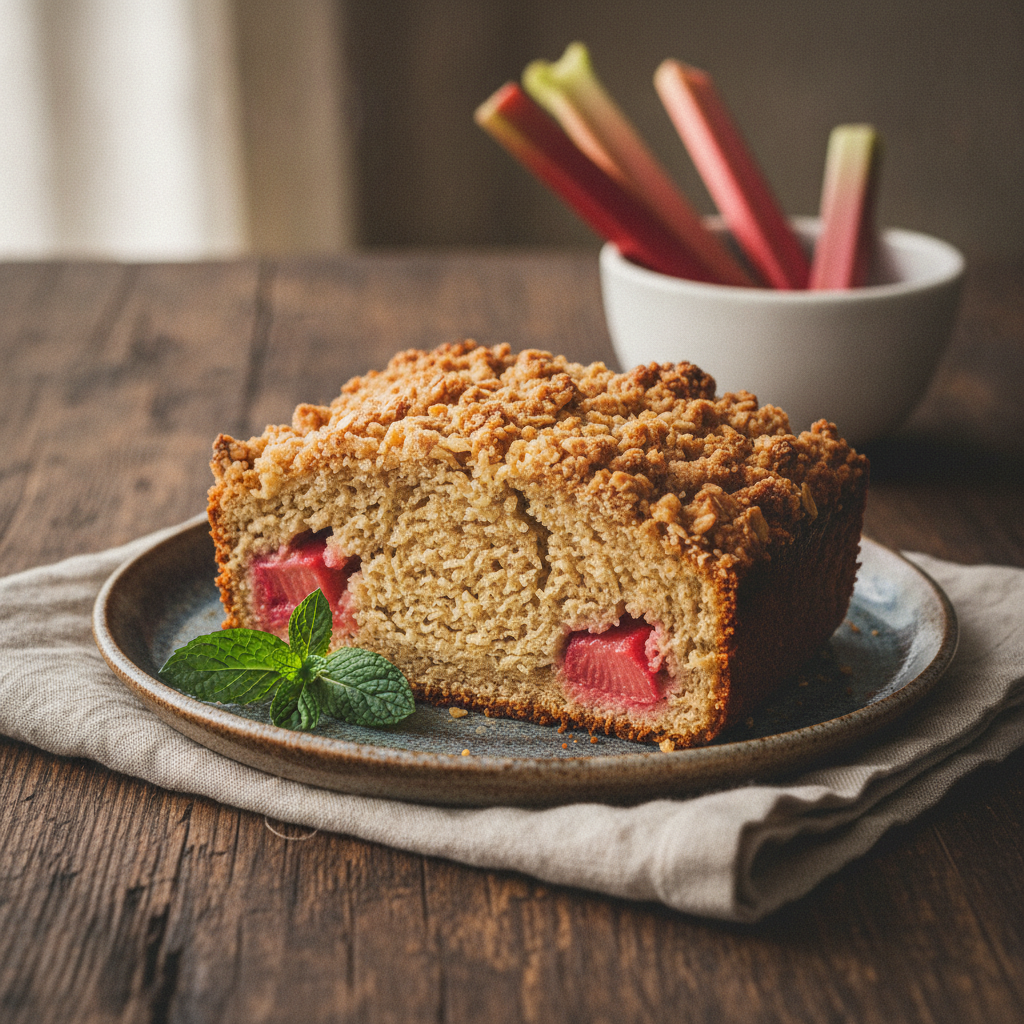
There are certain ingredients that feel like an announcement. Rhubarb, with its vibrant pink and green stalks, is one of them. It arrives in the market as a herald of warmer days, a promise of the earth waking up. It’s a vegetable that we treat like a fruit, a delightful culinary contradiction that offers a bright, tangy flavor unlike anything else. While it shines in pies and crumbles, for me, its true calling is in a humble loaf of quick bread. This isn't just any rhubarb bread recipe; it's a celebration of that unique tang, balanced with the warmth of familiar spices and crowned with a crunchy, irresistible streusel topping. It’s the kind of bake that fills your home with the most incredible aroma, a scent that signals comfort, care, and the simple joy of creating something delicious from scratch. This loaf takes a little bit of time, a bit of attention to detail, but I promise you, every moment is worth it. When you pull this golden-brown loaf from the oven and see the ruby jewels of rhubarb peeking through, you'll understand. This is more than just a recipe; it’s a guide to creating the most tender, moist, and flavorful rhubarb bread you've ever tasted.
The Origins and History
Rhubarb’s journey to our kitchens is a fascinating tale that spans continents and centuries. Long before it was a feature in sweet treats, rhubarb (Rheum rhabarbarum) was a prized medicinal plant in ancient China, where its dried roots were used as a potent laxative for thousands of years. Its value was immense, and it traveled westward along the Silk Road, becoming a significant trade commodity. For centuries, Europe knew it only as an expensive, imported medicine. It wasn’t until the 18th century in England, when sugar became more widely available and affordable, that rhubarb’s culinary potential was truly discovered. Gardeners began cultivating it for its stalks, realizing that when cooked with sugar, its intense tartness transformed into a uniquely delicious flavor.
The concept of the quick bread, meanwhile, is a much more modern invention, largely credited to American ingenuity in the late 18th and early 19th centuries. The development of chemical leaveners like pearl ash and later, baking soda and baking powder, revolutionized home baking. Suddenly, bakers no longer had to rely on yeast and lengthy proofing times to create light, airy baked goods. The quick bread was born—a simple, reliable, and speedy way to make a satisfying loaf. It was only natural that as rhubarb cultivation spread across North America, this beloved springtime vegetable would find a home in these easy-to-make batters. This specific spiced rhubarb bread recipe is a product of that evolution, taking a classic American baking concept and infusing it with a touch of global history and the warm, aromatic spices reminiscent of my own Levantine kitchen heritage.
Understanding the Flavor Profile
To truly appreciate this rhubarb bread recipe, you have to understand the beautiful symphony of flavors at play. It’s a masterclass in balance, where each component has a vital role. At the forefront is the rhubarb itself, which provides a bold, electric tartness. It’s a clean, sharp flavor that cuts through the richness of the batter and prevents the bread from being overly sweet. This vibrant tang is the star of the show. To temper that tartness, we introduce both granulated and light brown sugar. The white sugar provides clean sweetness, while the brown sugar, with its subtle molasses notes, adds depth, moisture, and a gentle caramel undertone that beautifully complements the rhubarb.
Then come the spices, the heart of this recipe's unique character. Cinnamon provides a familiar, sweet warmth, while cardamom offers its complex, slightly floral and citrusy fragrance that lifts the entire loaf. A pinch of ginger adds a hint of zesty spice that tingles on the palate. Together, they create a warm, aromatic backdrop that makes this bread feel incredibly special and comforting. A final flourish of orange zest introduces a bright, fragrant citrus note that bridges the gap between the tart rhubarb and the warm spices. The texture is just as important: a supremely moist and tender crumb, studded with soft, jammy pieces of rhubarb, all crowned with the buttery, sandy crunch of the cinnamon streusel. Each bite is a delightful contrast of soft and crunchy, tart and sweet, warm and bright.
Essential Ingredients Explained
Great baking starts with great ingredients. In this rhubarb bread recipe, each element is chosen not just for what it is, but for what it does. Understanding their roles will elevate your final loaf from good to truly exceptional.
Rhubarb: The star. Look for firm, crisp stalks with vibrant color. Avoid any that are limp or blemished. Both fresh and frozen work well here. If using frozen, don't thaw it first; simply add it to the batter frozen and add a few extra minutes to the baking time. Chopping it into ½-inch pieces ensures it distributes evenly and cooks through without turning to complete mush.
All-Purpose Flour: This is the structural foundation. All-purpose flour has a moderate protein content, which is perfect for creating a tender crumb in quick breads. Avoid bread flour, as its high gluten content would result in a tough, chewy loaf.
Plain Yogurt or Labneh: This is my secret weapon for ultimate moisture. The acidity in yogurt not only tenderizes the gluten in the flour, creating a softer texture, but it also reacts with the baking soda to give the bread a beautiful lift. Full-fat yogurt or thick labneh will yield the richest, most tender result. This adds a subtle tang that beautifully complements the rhubarb.
Unsalted Butter: We use butter in two forms here: melted in the batter for richness and flavor, and cold in the streusel for a crumbly texture. Using unsalted butter allows you to control the total salt content in the recipe, which is crucial for balanced flavor.
Light Brown Sugar: This sugar does more than just sweeten. The molasses content makes it hygroscopic, meaning it attracts and holds onto moisture. This is key to a moist loaf that stays fresh for days. It also adds a wonderful depth of flavor.
Cardamom and Cinnamon: This spice duo is what sets this rhubarb bread apart. Cinnamon provides a classic, warm sweetness. Cardamom, a beloved spice in Levantine cooking, adds an exotic, fragrant note with hints of citrus and mint. Be sure to use ground spices that are fresh for the most potent flavor.
Orange Zest: A small amount of orange zest brightens everything. Its floral, citrusy oils cut through the richness and enhance the fruity notes of the rhubarb, making the entire loaf taste fresher and more vibrant.
Eggs: Large eggs, at room temperature, are essential. They provide structure, richness, and leavening. Room temperature eggs will incorporate more easily into the batter, creating a more uniform texture.
Mastering the Technique
This rhubarb bread recipe relies on a few key techniques that ensure a perfect result every time. It’s not about complex steps, but rather about understanding the ‘why’ behind each action. Once you master these, you can approach any quick bread with confidence.
First, we handle the streusel. The key here is using very cold butter, cut into small cubes. When you work the cold butter into the flour and sugar mixture with your fingertips or a pastry cutter, you are creating small, flour-coated pockets of butter. In the heat of the oven, these pockets melt, releasing steam that creates a light, crumbly, and crunchy texture. If your butter is too warm, it will melt into the flour, creating a paste that bakes into a hard, greasy layer instead of a delicate crumble.
Next is the core of any great quick bread: the muffin method. This involves mixing your dry ingredients in one bowl and your wet ingredients in another. You then pour the wet into the dry and mix them together just until combined. This is the most critical step. Overmixing develops gluten, the protein network in flour that gives yeast breads their chewy structure. In a quick bread, too much gluten leads to a tough, dense, and rubbery texture. You should still see a few streaks of flour in the batter when you stop mixing; that’s the sign of a perfectly tender crumb to come.
Incorporating the rhubarb is another delicate operation. Before adding it, we toss the chopped rhubarb with a tablespoon of the flour mixture. This light coating helps to absorb some of the juice the rhubarb will release during baking, preventing it from sinking to the bottom of the loaf and creating a soggy layer. When you add it to the batter, use a spatula to gently fold it in with just a few strokes. The goal is to distribute it evenly without breaking down the fruit or overmixing the batter.
Finally, the bake. A moderate oven temperature (350°F or 175°C) is crucial. It's hot enough to activate the leaveners and create a good rise, but gentle enough to allow the center of the loaf to cook through before the outside and the streusel topping burn. To check for doneness, rely on more than just the timer. A wooden skewer inserted into the center should come out with a few moist crumbs attached, but no wet batter. The top should be golden brown and feel firm to the touch.
Common Pitfalls and How to Fix Them
Even the most straightforward recipes can sometimes go awry. Don’t worry! Most issues with this rhubarb bread recipe are easy to diagnose and even easier to fix for next time. Here are some common challenges you might encounter.
Problem: My bread has a soggy, wet layer at the bottom. This is a classic issue when baking with very moist fruits like rhubarb. It’s usually caused by the rhubarb releasing its juices and sinking. The fix is twofold: First, make sure you’re tossing the chopped rhubarb in a tablespoon of the dry flour mixture before folding it into the batter. This helps suspend the pieces and absorb excess moisture. Second, ensure your bread is fully baked. A wet bottom is often a sign of an undercooked center. Give it another 5-10 minutes if your skewer test isn’t perfectly clean.
Problem: My rhubarb bread is tough and dense, not tender. The number one culprit here is overmixing. When you combine the wet and dry ingredients, you’re hydrating the flour and beginning to develop gluten. The more you mix, the more gluten you create. For a tender quick bread, you want minimal gluten development. Mix only until the ingredients are just combined. A few lumps and streaks of flour are perfectly fine!
Problem: The middle of my loaf sank after I took it out of the oven. A sunken center is the heartbreaking sign of an underbaked loaf. The structure wasn't set enough to support itself as it cooled. Ovens can have hot spots, so test the very center for doneness. Another potential cause is opening the oven door too frequently during baking, which causes drastic temperature fluctuations. Resist the urge to peek until the last 10 minutes of the baking time.
Problem: The streusel topping melted into a greasy layer. This goes back to technique. Your butter for the streusel must be cold, straight from the refrigerator. If the butter is soft or at room temperature, it will blend completely with the flour and sugar, creating a paste that melts and spreads in the oven. You want distinct, pea-sized pieces of butter coated in the dry mixture for that perfect crumbly texture.
Regional Twists Worth Trying
Once you've mastered this classic spiced rhubarb bread recipe, it becomes a wonderful canvas for experimentation. Different additions can completely change its character, allowing you to tailor it to your tastes or what you have on hand. Think of these as starting points for your own delicious creations.
The Toasted Nut Variation: For an added layer of texture and rich, nutty flavor, consider adding chopped nuts. Toasted pecans or walnuts are particularly wonderful here. Their earthy flavor pairs beautifully with the warm spices and tart rhubarb. You can fold about ¾ cup of coarsely chopped toasted nuts into the batter along with the rhubarb, or simply sprinkle them over the streusel topping before baking for extra crunch.
Classic Strawberry-Rhubarb: This is a timeless combination for a reason. The sweetness of strawberries provides a perfect counterpoint to the tartness of rhubarb. To try this, simply replace half of the chopped rhubarb with an equal amount of chopped fresh strawberries. The result is a bread with a slightly sweeter, jammier flavor profile and an even more beautiful color.
A Heartier, Whole-Grain Loaf: If you prefer a more rustic and wholesome bread, you can substitute a portion of the all-purpose flour with whole wheat or spelt flour. I would recommend starting by replacing about one-third of the all-purpose flour (about 1 cup) with your whole-grain flour of choice. This will result in a denser, nuttier loaf with a slightly heartier texture that is wonderful for a fulfilling breakfast.
The Glazed Finish: If streusel isn’t your thing, you can bake the bread plain and finish it with a simple glaze once it has cooled. A simple orange glaze, made by whisking powdered sugar with a little fresh orange juice until it’s a pourable consistency, would be divine. It would echo the orange zest in the batter and add an extra pop of sweetness and citrus brightness.
The Perfect Spread
This rhubarb bread recipe is so wonderfully complete on its own that it truly needs nothing more than a sharp knife and a waiting plate. However, serving it as part of a larger spread can turn a simple slice into a memorable occasion. For a quiet morning, a warm slice straight from the oven is perfection alongside a cup of strong black tea with fresh mint, or a simple, well-brewed coffee. The warmth of the beverage melts the buttery crumb just slightly, making it even more decadent.
If you’re hosting a brunch or a gathering, think about balance. The bread is sweet, tart, and rich, so pair it with things that offer a contrast. A bowl of thick, plain labneh or Greek yogurt provides a creamy, tangy counterpoint that is simply divine. A platter of fresh seasonal berries and melon offers a light, juicy contrast. For something savory, a small selection of mild cheeses, like a soft goat cheese or a simple feta, can be a surprising but delicious partner. The key is to let the rhubarb bread be the star, supported by simple, high-quality accompaniments that complement its flavors without overwhelming them. It’s all about creating a table that feels generous, welcoming, and full of delicious choices.
Keeping and Reheating
One of the wonderful things about this rhubarb bread recipe is that it stores beautifully—in fact, some might argue the flavors meld and deepen overnight, making it even more delicious on the second day. Once the loaf has cooled completely to room temperature, wrap it tightly in plastic wrap or store it in an airtight container. It will keep well on the counter for up to three days. The streusel topping will soften slightly over time, but the flavor will remain fantastic.
For longer storage, you can refrigerate the wrapped loaf for up to a week. To bring back that fresh-baked warmth and re-crisp the streusel, reheating is key. The microwave is not your friend here, as it will make the bread and topping soggy. Instead, place a slice in a toaster oven or a regular oven preheated to 325°F (160°C) for about 5-7 minutes. This gentle heat warms the bread through while perfectly reviving the crunchy streusel topping.
This bread also freezes exceptionally well. You can freeze the entire loaf or individual slices. For a whole loaf, wrap it in a layer of plastic wrap, followed by a layer of aluminum foil. For slices, wrap each one individually. They will keep in the freezer for up to three months. Thaw at room temperature or reheat gently directly from frozen in the oven.
Your Questions Answered
Can I use frozen rhubarb for this recipe?
Absolutely! Frozen rhubarb is a fantastic option, especially when fresh isn't in season. Do not thaw it before using. Add the frozen, chopped pieces directly to the batter as instructed. Tossing them in the flour mixture is even more important here. You may need to add an additional 5 to 10 minutes to the total baking time, so just keep an eye on it and use the skewer test to check for doneness.
How can I make this rhubarb bread recipe dairy-free?
Yes, you can adapt this recipe fairly easily. For the yogurt, you can substitute a thick, unsweetened plant-based yogurt, like one made from coconut or soy. For the butter, use a high-quality, stick-style dairy-free butter substitute in both the batter and the streusel. The results will be just as delicious and moist.
Can I bake this recipe as muffins instead of a loaf?
This batter works beautifully for muffins! Simply prepare the batter as directed and divide it among 12 standard-sized muffin cups lined with paper liners, filling them about three-quarters full. Sprinkle the streusel topping over each one. The baking time will be much shorter, around 20-25 minutes. Start checking for doneness at the 20-minute mark.
My streusel was dry and sandy, not clumpy. What went wrong?
You may not have used enough butter, or you might have overworked the mixture into fine crumbs. The goal is to have a mix of sandy texture and larger, pea-sized clumps. When you're pinching the cold butter into the flour and sugar, stop when the mixture comes together in small clumps when you squeeze it. Don't be afraid to leave some larger pieces of butter visible.
Can I reduce the amount of sugar in this recipe?
You can reduce the sugar slightly, but I wouldn't recommend reducing it by more than about a quarter cup in total. Sugar does more than just sweeten in this recipe; it contributes to the moist texture and tender crumb, and it's essential for balancing the intense tartness of the rhubarb. Reducing it too much will result in a drier, much more sour loaf.
Spiced Rhubarb Bread with Cinnamon Streusel
A deliciously moist and tender quick bread bursting with tangy rhubarb, warm spices like cardamom and cinnamon, and a hint of orange zest. Topped with a crunchy streusel.
Prep Time
25 min
Cook Time
60 min
Total Time
1h 25m
Servings
1 loaf, 10 slices
Ingredients
For 1 loaf, 10 slices
- For the Streusel Topping:
- 1/3 cup (67g) light brown sugar, packed
- 1/4 cup (50g) granulated sugar
- 1 teaspoon ground cinnamon
- 1/2 cup (60g) all-purpose flour
- 1/4 cup (57g) unsalted butter, cold and cut into small cubes
- For the Rhubarb Bread:
- 2 1/2 cups (300g) all-purpose flour
- 1 teaspoon baking soda
- 1/2 teaspoon baking powder
- 1/2 teaspoon fine sea salt
- 1 teaspoon ground cinnamon
- 1/2 teaspoon ground cardamom
- 1/4 teaspoon ground ginger
- 1 cup (200g) light brown sugar, packed
- 1/2 cup (100g) granulated sugar
- 2 large eggs, at room temperature
- 1/2 cup (113g) unsalted butter, melted and slightly cooled
- 1 cup (245g) full-fat plain yogurt or labneh, at room temperature
- 1 teaspoon vanilla extract
- 1 tablespoon fresh orange zest
- 2 cups (240g) fresh or frozen rhubarb, chopped into 1/2-inch pieces
Instructions
- 1
Prepare Oven and Pan
Preheat your oven to 350°F (175°C). Grease a 9x5 inch loaf pan thoroughly with butter or non-stick spray, and line it with parchment paper, leaving an overhang on the two long sides to make it easy to lift the bread out later.
- 2
Make the Streusel Topping
In a medium bowl, whisk together the 1/3 cup brown sugar, 1/4 cup granulated sugar, 1 teaspoon cinnamon, and 1/2 cup flour. Add the cold, cubed butter. Using your fingertips or a pastry blender, cut the butter into the mixture until it resembles coarse crumbs with some pea-sized pieces remaining. Set aside in the refrigerator to keep cold.
- 3
Combine Dry Ingredients
In a large bowl, whisk together the 2 1/2 cups of all-purpose flour, baking soda, baking powder, salt, cinnamon, cardamom, and ginger. Whisking ensures the leaveners are evenly distributed for a perfect rise.
- 4
Combine Wet Ingredients
In a separate medium bowl, whisk together the 1 cup of brown sugar and 1/2 cup of granulated sugar. Add the room temperature eggs and whisk until the mixture is pale and slightly fluffy. Slowly stream in the melted butter while whisking constantly, then whisk in the yogurt, vanilla extract, and orange zest until smooth.
- 5
Combine Wet and Dry
Pour the wet ingredients into the bowl with the dry ingredients. Using a rubber spatula, gently fold the mixture together until it is *just* combined. Be careful not to overmix; a few streaks of flour remaining are okay.
- 6
Prepare and Fold in Rhubarb
In a small bowl, take 1 tablespoon of the dry flour mixture you set aside earlier and toss the chopped rhubarb in it until lightly coated. Gently fold the coated rhubarb into the batter with just two or three strokes, distributing it as evenly as possible without overmixing.
- 7
Assemble the Loaf
Pour the batter into your prepared loaf pan and spread it into an even layer with your spatula. Retrieve the streusel from the refrigerator and sprinkle it evenly and generously over the top of the batter.
- 8
Bake the Bread
Place the loaf pan on the center rack of your preheated oven. Bake for 55 to 65 minutes. The bread is done when the top is golden brown and a wooden skewer or toothpick inserted into the center comes out with only a few moist crumbs attached, but no wet batter.
- 9
Cool in the Pan
Once baked, remove the loaf pan from the oven and place it on a wire cooling rack. Let the bread cool in the pan for at least 15-20 minutes. This allows the structure to set, preventing it from falling apart when you remove it.
- 10
Cool Completely
Using the parchment paper overhangs, gently lift the bread out of the pan and place it directly on the wire rack. Let it cool completely to room temperature before slicing. This is important for clean slices and the best texture.
- 11
Slice and Serve
Once completely cool, use a serrated bread knife to cut into thick slices. Serve as is, or with a dollop of thick yogurt or a smear of butter. Store leftovers in an airtight container at room temperature.
Nutrition Facts
Per serving (estimated)
380 calories
Calories
55g
Carbs
5g
Protein
16g
Fat
2g
Fiber
300mg
Sodium
30g
Sugar