Easy Rhubarb Sauce Recipe with Orange & Cardamom
Discover the best rhubarb sauce recipe! Perfectly balanced sweet and tart flavors with warm spices. Ideal for yogurt, desserts, and even savory dishes.
cookwithyara.com/recipes/rhubarb-sauce-recipes
There is a special kind of magic in transforming a handful of humble ingredients into something truly spectacular. It’s the quiet alchemy that happens in a saucepan, turning the firm, tart stalks of rhubarb into a glossy, jewel-toned sauce that sings with flavor. For many, the idea of making a fruit sauce from scratch can seem either overly simple or unnecessarily complicated. But I’m here to tell you that mastering one of the most versatile rhubarb sauce recipes is less about following rigid steps and more about understanding a beautiful, simple process. Once you grasp the fundamentals of how heat, sugar, and acid work together, you unlock a world of culinary possibility.
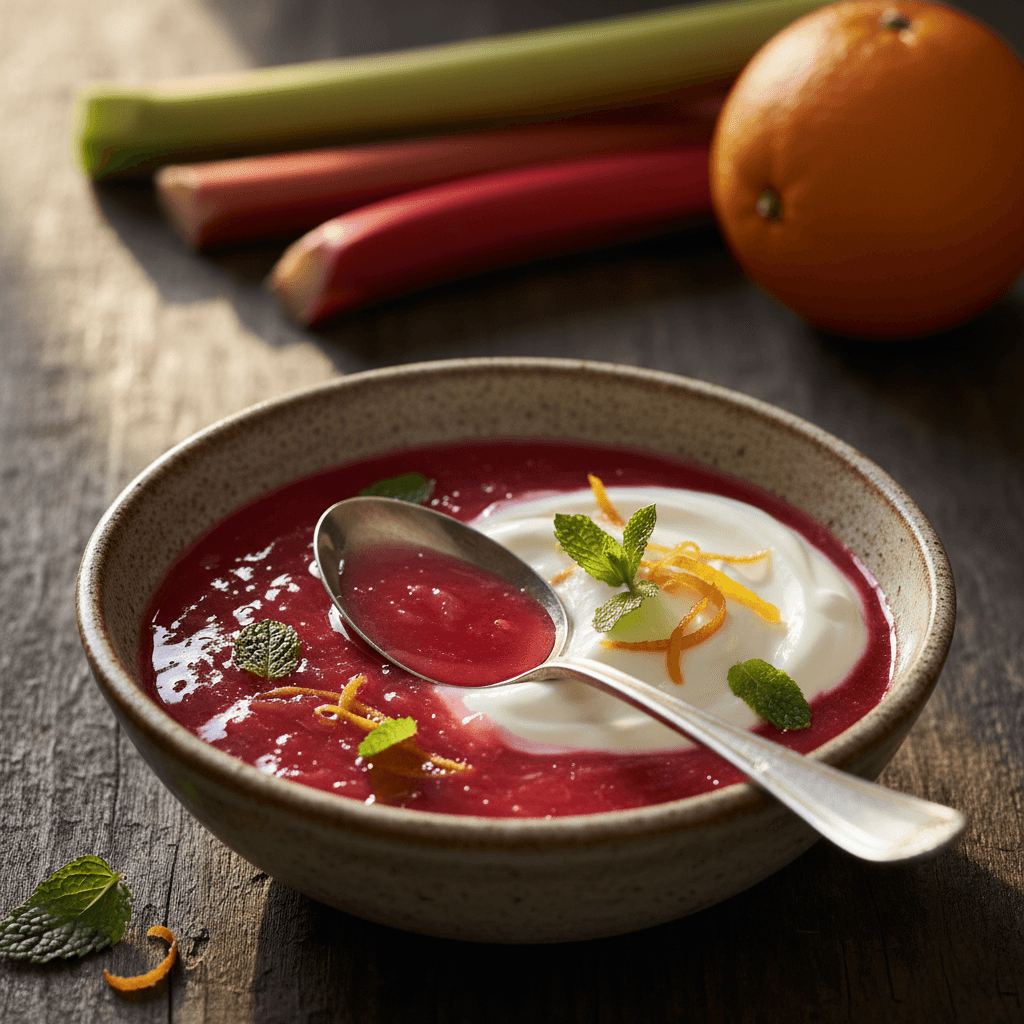
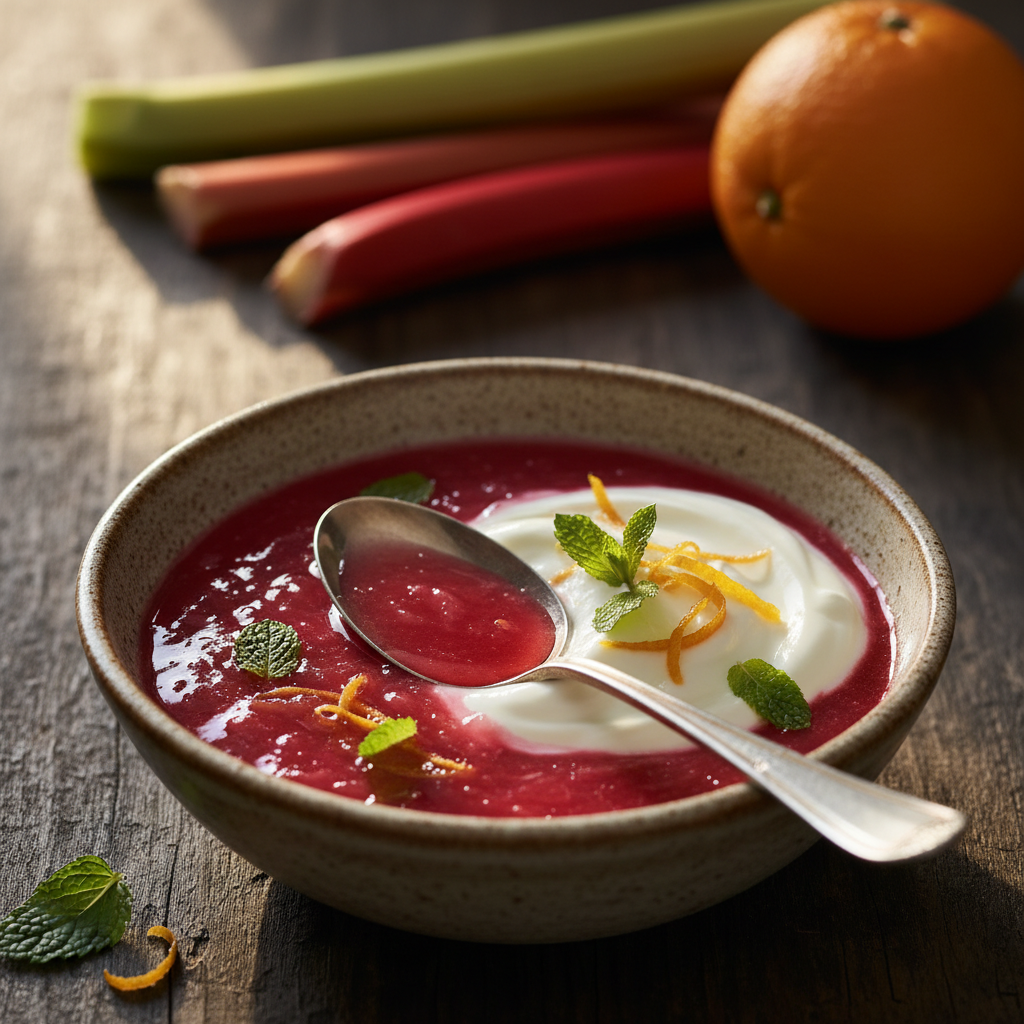
The perfect rhubarb sauce is a study in contrasts. It has a vibrant, almost electric tang that is beautifully mellowed by gentle sweetness. The texture is a delight—not quite a jam, not quite a purée, but a luscious in-between, where some pieces of rhubarb break down completely into a silky base while others remain, offering soft, tender bites. It’s the kind of sauce you’ll want to spoon over everything from creamy yogurt in the morning to a simple cake for an evening treat. Many rhubarb sauce recipes can feel one-dimensional, but my approach, infused with the warm spices of my Levantine heritage, adds a layer of fragrant complexity that elevates it entirely. Forget any intimidation; the journey from crisp stalk to spoonable sauce is a short and deeply rewarding one. When you understand the why, the how becomes an absolute joy.
The Science of a Perfect Sauce
To create truly exceptional food, it helps to peek behind the curtain and understand what’s happening on a molecular level. Crafting this rhubarb sauce recipe is a wonderful lesson in kitchen chemistry, and it’s much simpler than it sounds. The star of the show is pectin, a natural fiber found in the cell walls of plants like rhubarb. When you introduce heat, this pectin begins to break down, releasing water from the rhubarb stalks and causing them to soften and fall apart. This is the fundamental transformation from a solid vegetable to a flowing sauce.
Sugar plays more than one role here. Of course, it provides the necessary sweetness to balance rhubarb’s assertive tartness. But it’s also a hydrocolloid, meaning it attracts and binds to the water molecules released by the rhubarb. This process is what helps thicken the sauce, giving it that luxurious, syrupy consistency without the need for additional starches. A little bit of acid, which rhubarb has in abundance but is enhanced here with fresh orange juice, not only brightens the flavor but also helps the pectin set into a soft gel structure. The gentle simmer is key; a rapid boil can break the pectin down too much, resulting in a thin, watery sauce, while a slow, steady heat coaxes it into the perfect texture.
Finally, the infusion of spices like cardamom and star anise is a process of osmosis and diffusion. The volatile aromatic compounds within the spices are released by the gentle heat and migrate from the whole spice into the surrounding liquid, perfuming the entire sauce with their warm, complex fragrance. Understanding these simple principles—pectin breakdown, sugar’s role in thickening, and gentle flavor infusion—empowers you to move beyond just following a recipe. You become a cook who can adapt, troubleshoot, and create with confidence, turning a simple process into a delicious art form.
Essential Tools and Quality Ingredients
One of the great joys of this rhubarb sauce recipe is its simplicity, which extends to the tools and ingredients you’ll need. You don’t need any fancy gadgets, just a few kitchen staples. The most important tool is a heavy-bottomed saucepan or Dutch oven. A heavy base is crucial because it distributes heat evenly, preventing the sugar from scorching on the bottom and ensuring the rhubarb cooks down gently and uniformly. A thin pot can create hot spots, leading to a bitter, burnt taste and uneven texture.
Beyond the pot, you’ll want a good cutting board and a sharp knife for prepping the rhubarb, a wooden spoon or silicone spatula for stirring (metal can sometimes react with the acidity of the rhubarb, though it's less of a concern with modern stainless steel), and a citrus zester and juicer for the orange. For ingredients, the quality of your rhubarb will make all the difference. Look for firm, crisp stalks with a vibrant color, whether they are deep ruby red or have streaks of green. Avoid any that are limp, bruised, or woody. The color of the stalk will directly influence the final color of your sauce; redder stalks yield a more jewel-toned result. For sweeteners, granulated sugar is a classic choice, but you could also use honey or maple syrup for a different flavor profile, keeping in mind they will add their own distinct notes. The fresh orange, cardamom pod, and star anise are my secrets to a truly special sauce. They add a layer of warmth and fragrant depth that you just can't get from rhubarb and sugar alone. A tiny pinch of sea salt might seem counterintuitive in a sweet sauce, but it’s a flavor enhancer, making the sweetness taste sweeter and the tartness more vibrant. It's the small details that elevate a good sauce to a great one.
Crafting Your Rhubarb Sauce, Step by Step
Let’s walk through the process of creating this beautiful rhubarb sauce together. Think of it less as a strict set of rules and more as a guided dance of ingredients and heat. The first stage is preparation. Begin by thoroughly washing and drying your rhubarb stalks. Trim off the tough ends and any leaves, which are not edible. Slice the stalks into uniform pieces, about half an inch (or 1-2 cm) thick. Uniformity is key here, as it ensures all the pieces will cook at the same rate and break down evenly.
Next, combine the prepared rhubarb, sugar, orange zest, orange juice, and water in your heavy-bottomed saucepan. Give it a gentle stir to coat the rhubarb with the sugar. At this point, you can even let it sit for 10-15 minutes, a process called maceration, which encourages the rhubarb to release its initial juices before you even turn on the heat. Now, place the saucepan over medium-low heat. This gentle start is crucial. We want to coax the moisture out and dissolve the sugar slowly, not shock the system with high heat. As the pot warms, the sugar will dissolve and the rhubarb will begin to soften, creating a syrupy liquid.
Once the mixture begins to gently bubble around the edges, add your whole spices—the lightly crushed cardamom pod and the star anise. Reduce the heat to low, maintaining a gentle simmer. This is the main cooking phase, and it will take about 15-20 minutes. You’ll watch as the firm rhubarb pieces transform, collapsing into a soft, pulpy mixture. Stir occasionally to prevent sticking. The visual cue you're looking for is that most of the rhubarb has broken down, but a few small pieces might still hold their shape, which adds a lovely texture. The sauce will have thickened noticeably. Now, taste it. This is the most important step! It may need a touch more sweetness or a squeeze of orange juice to brighten it up. Once you're happy with the balance, remove it from the heat. As the rhubarb sauce cools, it will continue to thicken, so don’t worry if it seems slightly thinner in the pot than you'd like. Allow it to cool for a few minutes before fishing out the whole spices, and your perfect sauce is ready.
Troubleshooting Common Issues
Even with the simplest recipes, questions can arise in the kitchen. But don't worry, nearly every issue you might encounter while making one of my favorite rhubarb sauce recipes is easily fixable or preventable. Let's walk through a few common scenarios.
If your sauce is too watery or thin: This is the most common problem and usually means one of two things: it was either cooked for too short a time or at too high a temperature. A rapid boil can prevent the pectin from setting correctly. The fix is simple: return the saucepan to a low heat and let it simmer gently, uncovered, for another 5-10 minutes, stirring occasionally. This allows excess water to evaporate and the sauce to thicken naturally. Remember, it will thicken more as it cools.
If your sauce is too stringy: Rhubarb is naturally fibrous. While some of this is desirable, excessive stringiness can be unpleasant. This often happens with older, woodier rhubarb stalks. To avoid this, choose younger, more tender stalks. If you've already made the sauce and find it too fibrous, you can either embrace the rustic texture or, for a smoother result, pass it through a food mill or a coarse-mesh sieve. You could also give it a few quick pulses with an immersion blender, but be careful not to over-blend, or you’ll lose all texture.
If the color of your sauce is dull or brownish: The final color is highly dependent on the variety of rhubarb you use. Stalks that are more green will naturally produce a less vibrant sauce. To enhance the color, you can add a few chopped strawberries or a splash of pomegranate juice during the cooking process. These will add a beautiful ruby hue without overpowering the classic rhubarb flavor.
If your sauce tastes flat or one-dimensional: This is where balancing flavors comes in. It might need more acid to brighten it up (a squeeze of fresh orange or lemon juice) or it could be that the flavors haven't fully developed. A tiny pinch of salt is a magical ingredient that can amplify all the other flavors. Don't be afraid to taste and adjust at the end of the cooking process—that’s the mark of a confident home cook.
Taking Your Rhubarb Sauce to the Next Level
Once you’ve mastered the basic technique for this wonderful rhubarb sauce recipe, there are so many ways to add your own creative signature. This is where cooking becomes truly personal and exciting. For those who love a deeper, more complex flavor profile, try swapping out the white sugar for brown sugar or even a drizzle of date molasses. These will lend a lovely caramel-like depth that pairs beautifully with the rhubarb’s tartness.
Another way to elevate the sauce is through spices and aromatics. While I adore the combination of orange, cardamom, and star anise, the possibilities are endless. A split vanilla bean added to the pot during simmering will impart a creamy, luxurious aroma. A cinnamon stick can add familiar warmth, while a few slivers of fresh ginger can introduce a gentle, spicy heat. For a truly Levantine twist, a tiny splash of orange blossom water or rose water stirred in at the very end, after the sauce is off the heat, will add an intoxicating floral perfume that is absolutely divine. You could even add a pinch of sumac for an extra lemony, savory edge, pushing the sauce into a new territory perfect for pairing with grilled meats.
For textural variation, consider adding a handful of chopped nuts like pistachios or walnuts after the sauce has cooled slightly. This provides a wonderful crunch that contrasts with the softness of the sauce. Experimentation is the key to making any recipe your own, and this rhubarb sauce is a perfect canvas for your culinary creativity.
Storing Your Beautifully Crafted Sauce
Once you've created a batch of your delicious rhubarb sauce, proper storage is key to preserving its fresh flavor and vibrant color. The most important first step is to let the sauce cool completely to room temperature before storing it. Placing a hot sauce directly into the refrigerator can create condensation and may also raise the ambient temperature of the fridge, which isn't ideal for other foods.
For short-term storage, an airtight container like a glass jar is your best friend. Glass is non-reactive, so it won't absorb any flavors or odors. Spoon the cooled sauce into the jar, seal it tightly, and it will keep beautifully in the refrigerator for up to two weeks. The flavors will even continue to meld and deepen over the first couple of days.
This rhubarb sauce recipe also freezes exceptionally well, which is perfect if you want to make a large batch during rhubarb season to enjoy later. You can freeze it in airtight containers, leaving a little bit of headspace at the top for expansion. For ultimate convenience, I love to freeze the sauce in ice cube trays. Once frozen solid, you can pop the cubes out and store them in a freezer bag. This allows you to thaw just a small portion at a time, perfect for a single serving of yogurt or a quick topping for a dessert.
Common Questions About Rhubarb Sauce Recipes
Can I use frozen rhubarb for this recipe?
Absolutely! Frozen rhubarb works wonderfully in this sauce. There's no need to thaw it first; you can add it directly to the saucepan. You may need to add a few extra minutes to the initial cooking time to allow it to thaw and release its juices, and you might find you need slightly less water, as frozen rhubarb can sometimes release more liquid than fresh.
How can I make a sugar-free version of this sauce?
Yes, you can adapt this recipe to be lower in sugar. You can substitute the sugar with a natural sweetener like honey or maple syrup, using slightly less as they tend to be sweeter by volume. For a completely sugar-free version, you can use a sugar substitute suitable for cooking. You might find the sauce is a bit thinner, as sugar helps with the thickening process. In that case, you can simmer it a bit longer or add a teaspoon of cornstarch mixed with a tablespoon of cold water (a slurry) near the end of cooking to help it thicken.
How do I scale this rhubarb sauce recipe up or down?
This recipe is very easy to scale. Simply maintain the same ratio of ingredients. If you double the rhubarb, double the sugar, juice, and spices as well. When making a larger batch, you'll need a larger pot and a slightly longer cooking time to allow the larger volume to heat through and thicken properly. Just keep an eye on it and trust the visual cues.
My rhubarb is very green. Will the sauce still be good?
Rhubarb varieties range in color from deep red to mostly green, and this is perfectly normal. The flavor difference is minimal, but the color of your final sauce will be affected. A sauce made with green rhubarb will be just as delicious, though it may have a more muted, pale pink or brownish-green color. If the aesthetic is important to you, you can add a handful of raspberries or strawberries to the pot, which will lend a beautiful reddish-pink hue.
What are some savory ways to use this rhubarb sauce?
This is one of my favorite questions! The tartness of this rhubarb sauce makes it a fantastic partner for savory dishes. It’s a wonderful alternative to cranberry sauce and pairs beautifully with roasted chicken or turkey. It's also incredible with rich meats, cutting through the fat with its bright acidity. Try it alongside grilled lamb chops, spooned over seared duck breast, or even as a glaze. A dollop on a cheese board next to a creamy, tangy cheese is another exceptional pairing.
Vibrant Rhubarb Sauce with Cardamom and Orange
A simple yet elegant rhubarb sauce, perfectly balanced between sweet and tart, and perfumed with the warm, aromatic notes of orange, cardamom, and star anise.
Prep Time
10 min
Cook Time
20 min
Total Time
30 min
Servings
2 cups
Ingredients
For 2 cups
- 1 lb fresh rhubarb (about 4-5 stalks), trimmed and cut into 1/2-inch pieces
- 1/2 cup granulated sugar (or more, to taste)
- 1/4 cup water
- 1 large orange, zest and juice
- 1 whole star anise
- 2 green cardamom pods, lightly crushed
- 1 pinch of sea salt
Instructions
- 1
Prepare the Rhubarb and Orange
Thoroughly wash and dry the rhubarb stalks. Trim off the tough ends and any remaining leaves. Slice the stalks into uniform 1/2-inch (about 1 cm) pieces and place them in a medium, heavy-bottomed saucepan.
- 2
Zest and Juice the Orange
Using a microplane or fine zester, remove the zest from the orange, being careful to only get the orange part and not the white pith. Juice the orange. Add both the zest and the fresh juice to the saucepan with the rhubarb.
- 3
Combine Initial Ingredients
Add the sugar, water, and pinch of sea salt to the saucepan. Stir everything together gently to ensure the rhubarb pieces are evenly coated with the sugar.
- 4
Optional Maceration
For a slightly richer sauce, you can let the mixture sit at room temperature for 15-20 minutes. This process, called maceration, allows the sugar to draw out the natural juices from the rhubarb before you even apply heat.
- 5
Begin Gentle Simmer
Place the saucepan over medium-low heat. Cook, stirring occasionally, until the sugar has completely dissolved and the rhubarb begins to release its liquid and soften. This should take about 5-7 minutes.
- 6
Add Spices and Cook
Once the mixture is gently bubbling, add the star anise and the lightly crushed cardamom pods. Reduce the heat to low, cover partially, and let it simmer for 15-20 minutes.
- 7
Check for Consistency
Stir the sauce occasionally during simmering. The sauce is ready when the rhubarb has broken down into a soft, pulpy consistency. Some smaller chunks may remain, which adds a lovely rustic texture.
- 8
Mash if Desired
If you prefer a smoother sauce, you can gently mash the larger pieces against the side of the pot with the back of your wooden spoon. For a very smooth sauce, use an immersion blender for a few pulses.
- 9
Taste and Adjust
Remove the saucepan from the heat. Carefully taste the sauce (it will be hot!). Adjust sweetness if necessary, adding more sugar a tablespoon at a time if it's too tart for your liking.
- 10
Cool and Remove Spices
Allow the sauce to cool in the saucepan for at least 10-15 minutes. As it cools, it will thicken further. Before transferring to a storage container, fish out and discard the star anise and cardamom pods.
- 11
Store for Later
Once the sauce has cooled completely to room temperature, transfer it to an airtight container or glass jar. Store in the refrigerator for up to 2 weeks or freeze for up to 3 months.
Nutrition Facts
Per serving (estimated)
60 calories
Calories
15g
Carbs
0.5g
Protein
0g
Fat
1g
Fiber
15mg
Sodium
13g
Sugar