Easy Homemade Rhubarb Sorbet (Vibrant & Refreshing!)
Whip up this stunningly vibrant and easy Rhubarb Sorbet! With just a few ingredients, you'll have a refreshing, perfectly sweet-tart dessert for any warm day.
cookwithyara.com/recipes/rhubarb-sorbet
There's a certain magic that arrives with the changing seasons, a quiet thrill in seeing the market tables transform. For me, one of the most exciting signs of warmer days is the appearance of rhubarb. Its brilliant, crimson stalks are a promise of the bright, tangy flavors to come. But its season is fleeting, a brief and beautiful window. How do we capture that ephemeral taste? The answer, my friends, is this incredibly simple and breathtakingly delicious Rhubarb Sorbet.
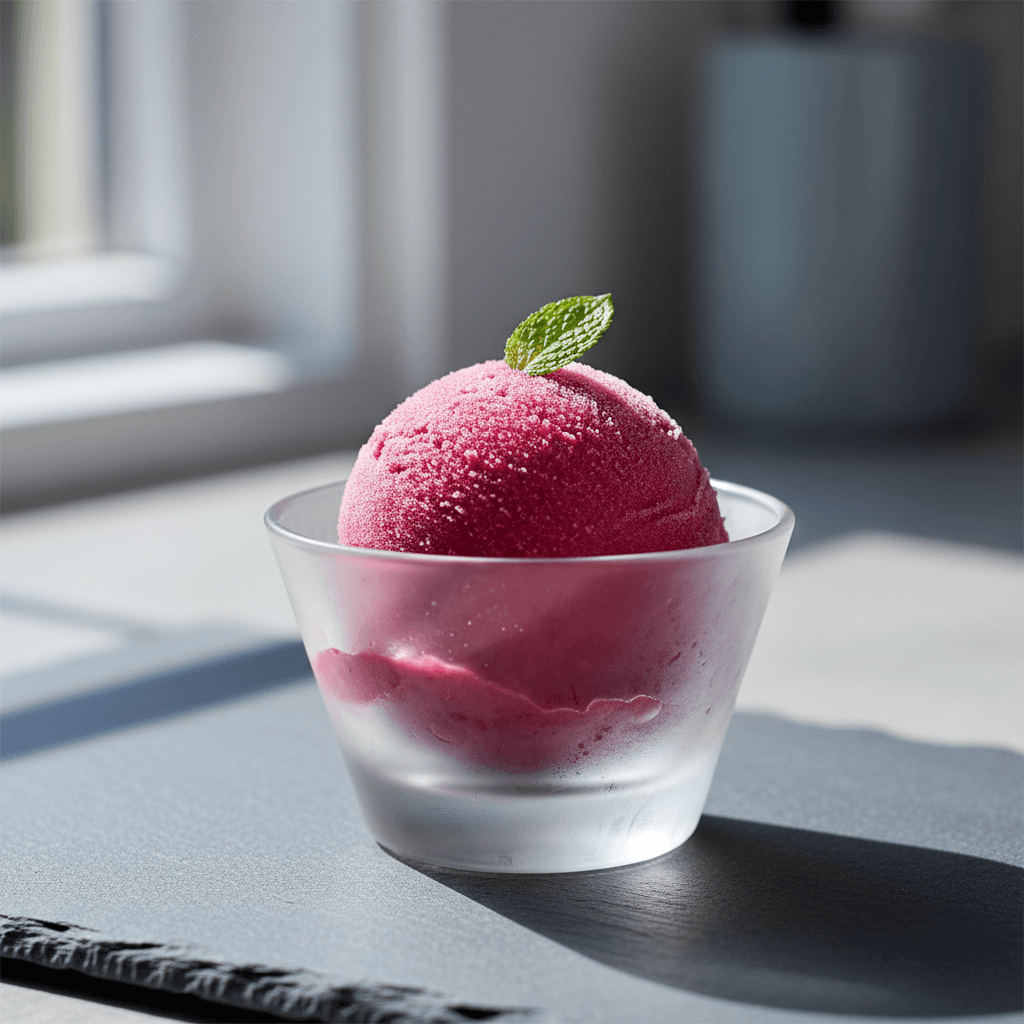
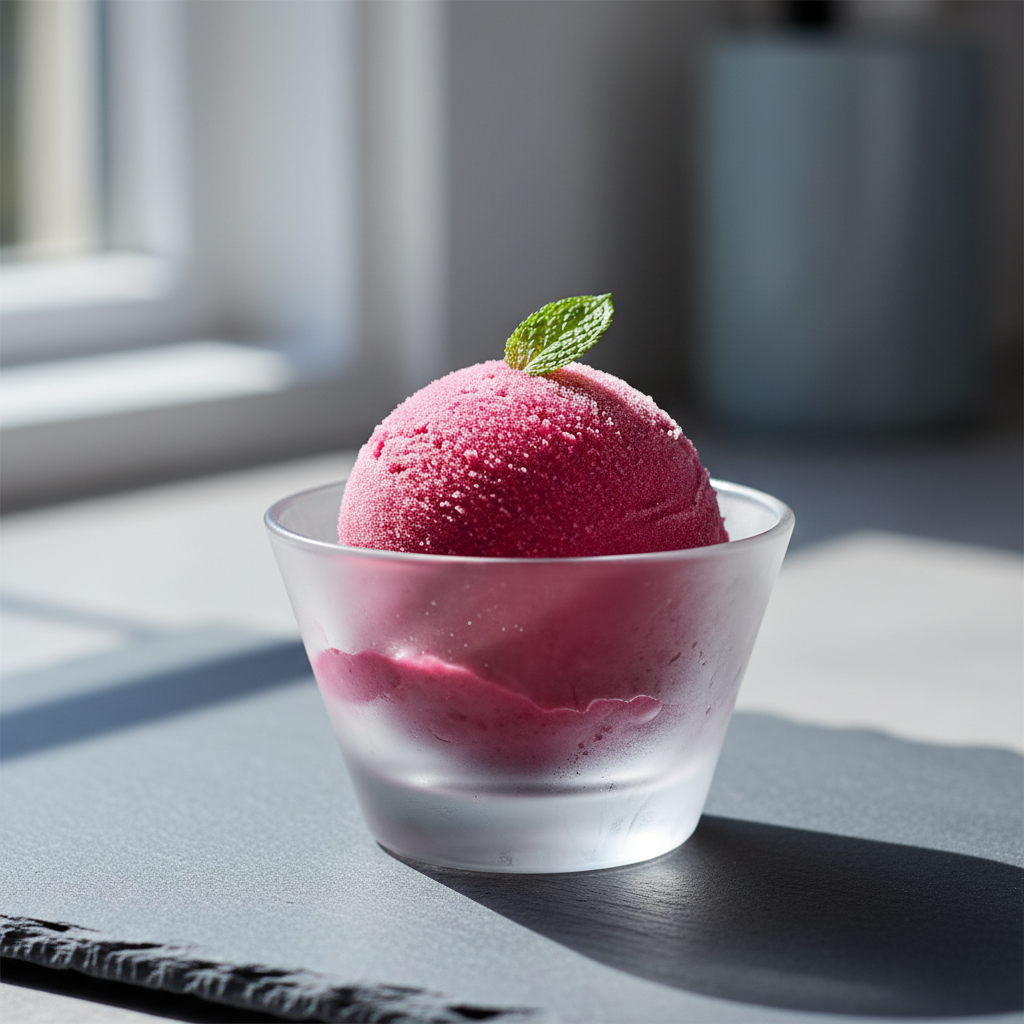
So many of us crave homemade treats but are short on time or energy. We want something special without a mountain of dishes or a complex list of instructions. This recipe is the answer to that craving. It’s a celebration of simplicity, transforming a handful of humble ingredients into a dessert that feels truly luxurious. Imagine a scoop of pure, jewel-toned sorbet, so vibrant it almost glows. This is the essence of springtime, captured in a frozen dessert that is intensely refreshing, perfectly balanced between sweet and tart, and ready to soothe and delight on any warm afternoon. With this recipe, you're not just making a dessert; you're preserving a moment, and it’s a journey from kitchen to table that is as joyful as the first spoonful.
Why This Recipe Will Become a Favorite
Beyond its stunning color and incredible flavor, this Rhubarb Sorbet recipe is designed to become a staple in your dessert repertoire. It’s one of those recipes you’ll memorize and turn to again and again, especially when those beautiful stalks appear at the market. It’s elegant enough for a special gathering yet simple enough for a quiet evening treat.
A Celebration of Simplicity This recipe proves that you don't need a long list of ingredients to create something extraordinary. With just rhubarb, sugar, water, and a squeeze of lemon, you unlock a depth of flavor that is pure and unadulterated. There are no complicated techniques, just a straightforward process that lets the main ingredient shine brightly.
Stunning, All-Natural Color Forget artificial dyes. The breathtaking magenta hue of this sorbet is 100% natural, a gift from the rhubarb itself. Watching the pale stalks transform into a vibrant, jewel-toned syrup is part of the magic. It’s a dessert that truly eats with the eyes first, promising a flavor as bold as its color.
Perfectly Balanced Flavor We've all had desserts that are cloyingly sweet. This Rhubarb Sorbet is the beautiful opposite. It strikes an exquisite balance, celebrating rhubarb's signature tartness while tempering it with just enough sweetness to make it sing. The finish is clean, crisp, and leaves you wanting another spoonful.
The Ultimate Make-Ahead Dessert Life is busy, and having a spectacular dessert tucked away in the freezer is a secret weapon for easy entertaining or satisfying a sudden craving. This sorbet can be made days in advance, ready to be scooped and served at a moment's notice. It takes the stress out of planning and puts the joy back into sharing food.
Naturally Dairy-Free and Vegan One of the best things about this recipe is its inclusivity. It's naturally free from dairy, eggs, and nuts, making it a wonderful option for friends and family with dietary restrictions. It’s a purely plant-based treat where the fruit is the undisputed star of the show, proving that simple can also be sensational.
Humble Ingredients, Extraordinary Rhubarb Sorbet
The beauty of Levantine cooking often lies in its ability to take simple, high-quality ingredients and elevate them into something spectacular. This Rhubarb Sorbet follows that same philosophy. Each component plays a crucial role, working in harmony to create the perfect texture and a flavor that is both nostalgic and excitingly fresh. Let's take a closer look at our small cast of characters.
Rhubarb: The heart and soul of our sorbet. Technically a vegetable, rhubarb's assertive tartness allows it to function beautifully as a fruit in the culinary world. When shopping, look for firm, crisp stalks with a vibrant, glossy color—the redder the stalk, the more brilliantly hued your sorbet will be. Its earthy, tangy notes are what make this dessert so unique and memorable. It provides not just flavor and color, but also pectin, which contributes to a smoother final texture.
Sugar: This is not just about sweetness; it's about science. Sugar is essential for creating the texture of a good sorbet. As it dissolves in water, it lowers the freezing point of the mixture, which prevents the formation of large, crunchy ice crystals. The result is a sorbet that is smooth and scoopable, not a solid block of ice. We are creating a precise syrup that will cradle the rhubarb flavor perfectly.
Water: The clean, neutral canvas upon which we paint our flavors. It carries the sugar and coaxes the essence out of the rhubarb, creating the liquid base that will eventually be churned into our frozen treat.
Lemon Juice: This is the secret weapon for brightness. A small amount of freshly squeezed lemon juice works wonders here. It enhances the natural tartness of the rhubarb, preventing the sorbet from tasting flat or overly sweet. It also acts as a natural preservative, helping to maintain that gorgeous, vibrant pink color.
A Pinch of Salt: My essential addition to nearly every sweet recipe. A tiny pinch of salt doesn't make the sorbet salty; instead, it amplifies the other flavors. It makes the sweetness taste richer and the tartness more pronounced, adding a subtle layer of complexity that rounds everything out.
Optional: A Whisper of Rose Water: For a touch of my beloved Levantine pantry, a tiny drop of rose water can be added to the cooled syrup base. It’s a classic pairing with tart fruits, adding a delicate floral perfume that transforms the sorbet into something truly enchanting. It complements the rhubarb without overpowering it, adding a hint of poetic flavor.
The Art of Perfect Rhubarb Sorbet, Step by Step
Making sorbet at home can feel like a professional pastry technique, but I promise you, the process is wonderfully straightforward and forgiving. The journey to a perfect scoop of Rhubarb Sorbet can be broken down into a few key stages. Understanding the why behind each step is the key to unlocking a flawlessly smooth and flavorful result every single time. Let's walk through the process together, not as a list of instructions, but as a narrative of transformation.
Stage 1: Creating the Flavor Base The first step is all about extraction. We gently simmer the chopped rhubarb with sugar and water. This isn't a rapid boil; it's a patient simmer. As the mixture heats, two magical things happen. The sugar dissolves completely to form a simple syrup, and the rhubarb begins to break down, releasing its vibrant color and tart essence into that syrup. Your kitchen will fill with a wonderfully sweet and tangy aroma. This stage is complete when the rhubarb is completely soft and has surrendered all its beautiful flavor, a process that usually takes about 10 to 15 minutes.
Stage 2: Refining for a Silky Texture Once the flavor is extracted, our goal is a liquid base that is perfectly smooth. Rhubarb has fibrous strands, and leaving them in would result in a sorbet with a stringy, unpleasant texture. To prevent this, we strain the cooked mixture through a fine-mesh sieve. Use the back of a spoon to gently press on the rhubarb solids, encouraging every last drop of that precious, ruby-colored liquid to pass through. It’s important not to press too hard, as that can push through some of the pulp and make the sorbet base cloudy. What you're left with is a clear, stunningly pink syrup that holds all the concentrated flavor.
Stage 3: The Crucial Chill This is perhaps the most important—and most often rushed—step in making any frozen dessert. The sorbet base must be completely and thoroughly chilled before it goes into the ice cream maker. I recommend chilling it in the refrigerator for at least 4 hours, but overnight is even better. Why is this so critical? A cold base will freeze faster and more evenly in the machine. This rapid freezing creates much smaller ice crystals, which is the secret to a creamy, smooth sorbet rather than a grainy, icy one. Patience here pays off tenfold in the final texture.
Stage 4: The Final Transformation This is where the real magic happens. Once the base is ice-cold, it's time to churn. As the machine churns, it simultaneously freezes the base and incorporates a small amount of air. This process breaks up ice crystals as they form and gives the sorbet its light, scoopable structure. You'll watch as the thin liquid slowly thickens, pales in color, and increases in volume, transforming into the soft, luscious consistency of a perfect sorbet. From there, it needs a final firm-up in the freezer for a few hours to become perfectly scoopable. This final stage is the culmination of all the simple steps before it, resulting in a truly spectacular homemade Rhubarb Sorbet.
Pro Tips for the Smoothest Sorbet
Achieving that dreamy, silky-smooth texture is the ultimate goal when making sorbet at home. While this Rhubarb Sorbet recipe is quite straightforward, a few professional tricks can elevate your final product from good to absolutely sublime. These are the little details that make a big difference in preventing iciness and ensuring a perfect scoop every time.
1. Cold, Colder, Coldest I cannot overstate the importance of temperature. Your sorbet base should be chilled to at least 40°F (4°C) before churning. A quick way to check is to see if it feels as cold as a glass of ice water. Equally important is ensuring your ice cream maker's freezer bowl is frozen solid—give it at least 24 hours in the coldest part of your freezer. Starting with everything as cold as possible promotes faster freezing, which is the number one defense against large ice crystals.
2. Don't Fear the Sugar It can be tempting to reduce the sugar in a recipe to make it less sweet, but in sorbet, sugar does more than just flavor. It is a crucial component for texture. Sugar molecules get in the way of water molecules trying to freeze into a solid block, resulting in a softer, more scoopable dessert. If you reduce the sugar too much, you'll end up with a very hard, icy sorbet. Trust the ratios in the recipe; they are calibrated for the best possible texture.
3. The Invert Sugar Trick For an extra insurance policy against iciness, consider adding a tablespoon of corn syrup, glucose, or even golden syrup to your sugar and water mixture. These are invert sugars, which are even more powerful than regular sugar at inhibiting crystallization. This is a common trick used in professional kitchens to ensure sorbets stay smooth and creamy, even after several days in the freezer. It’s a simple addition that yields very reliable results.
4. Pre-Chill Your Storage Container Once your sorbet is done churning, it will have the consistency of a very thick smoothie. To help it freeze quickly and maintain its smooth texture, transfer it immediately to a storage container that has been pre-chilled in the freezer for at least an hour. This prevents the sorbet on the bottom and sides from melting before the whole batch freezes solid.
5. Strategic Storage To protect your beautiful homemade sorbet from developing ice crystals on the surface, press a piece of parchment paper or plastic wrap directly against the sorbet's surface before putting the lid on. This creates a barrier that minimizes contact with air, which is the main cause of freezer burn and surface iciness. This simple step will keep your Rhubarb Sorbet tasting fresh and delicious for longer.
Delicious Variations to Explore
Once you've mastered the classic Rhubarb Sorbet, you can start thinking of the recipe as a beautiful canvas for other flavors. Rhubarb has a wonderful ability to pair with a variety of fruits, spices, and herbs. Here are a few of my favorite variations to inspire your next batch. Think of these as starting points for your own delicious experiments.
Strawberry Rhubarb Sorbet This is a timeless pairing for a reason. The sweetness of ripe strawberries perfectly complements the tartness of the rhubarb. For this version, simply replace about one-third of the rhubarb with an equal weight of fresh or frozen hulled strawberries. Add the strawberries to the pot along with the rhubarb and proceed with the recipe as written. The result is a slightly sweeter, rosier sorbet with a classic flavor profile.
Ginger Rhubarb Sorbet For a version with a bit of a warm, spicy kick, ginger is a fantastic addition. Add a one-inch piece of fresh ginger, thinly sliced or grated, to the pot with the rhubarb and sugar. The ginger will infuse its aromatic heat into the syrup as the rhubarb cooks. Be sure to strain it out with the rhubarb pulp. This variation is incredibly refreshing and sophisticated.
Cardamom and Rose Rhubarb Sorbet To lean further into the warm, fragrant spices of the Levant, try adding two or three lightly crushed green cardamom pods to the simmering rhubarb. Strain them out, and once the base is completely cool, stir in a quarter teaspoon of high-quality rose water. The cardamom adds a warm, citrusy spice while the rose adds a delicate floral perfume. It’s an elegant and aromatic twist.
Rhubarb Basil Sorbet For a surprising and wonderfully fresh herbal note, try an infusion of basil. After you have cooked and strained the rhubarb syrup, add a handful of fresh basil leaves to the hot liquid. Let it steep for about 20 minutes, then strain the leaves out before chilling the base. The basil imparts a subtle, sweet, and almost peppery note that is absolutely divine with the tart rhubarb.
How to Store Your Homemade Sorbet
You've created a beautiful batch of homemade Rhubarb Sorbet, and now you want to make sure it stays as delicious as the moment it was churned. Proper storage is key to preserving its smooth texture and vibrant flavor. Unlike commercial sorbets with added stabilizers, homemade versions need a little extra care.
Choosing the Right Container The best containers for storing sorbet are shallow and flat, rather than deep and narrow. This shape provides more surface area, which helps the sorbet freeze faster and more evenly. Materials like glass, metal, or high-quality plastic with airtight lids are all excellent choices. Make sure the container is freezer-safe and that the lid seals tightly to keep out air and prevent freezer burn.
The Protective Barrier This is the most important trick for long-term storage. Before you seal the container, press a piece of parchment paper or plastic wrap directly onto the entire surface of the sorbet. This simple step minimizes the sorbet's exposure to air inside the container, which is the primary cause of ice crystal formation on the surface. It’s a small detail that makes a huge difference.
Freezer Life For the best possible texture and flavor, homemade Rhubarb Sorbet is best enjoyed within one to two weeks. It will remain safe to eat for up to a month, but you may notice its texture becomes a bit icier over time as it goes through small temperature fluctuations in a home freezer. For that reason, I like to make smaller, more frequent batches.
Serving Tips Homemade sorbet freezes quite hard because it lacks the commercial stabilizers and high air content of store-bought versions. To make scooping easier and to allow the flavors to bloom, remove the sorbet from the freezer and let it sit on the counter for 5 to 10 minutes before serving. This will soften it just enough for your scoop to glide through easily.
Your Rhubarb Sorbet Questions, Answered
I get so many wonderful questions about making sorbets at home. It's a simple process, but the science behind it can be intriguing. Here are answers to some of the most common queries about this Rhubarb Sorbet recipe.
Can I make this without an ice cream maker?
Yes, you absolutely can! The texture will be a bit more dense and granular, like a classic granita, but still delicious. To do this, pour the chilled sorbet base into a shallow, freezer-safe dish (like a metal or glass baking pan). Place it in the freezer. Every 30-45 minutes, use a fork to scrape and break up the ice crystals that form, stirring everything together. Continue this process for 2-3 hours, until the mixture is frozen and has a fluffy, icy texture.
Is it possible to reduce the sugar in this recipe?
While you can reduce the sugar slightly, I don't recommend a significant reduction. Sugar plays a vital scientific role in sorbet texture by lowering the freezing point of the liquid. Less sugar means a harder, icier final product. If you do wish to experiment, I would suggest reducing the sugar by no more than a few tablespoons, but be prepared for a firmer texture.
My sorbet turned out too icy. What did I do wrong?
Iciness is the most common issue in homemade sorbet and it usually comes down to one of three things. First, the sorbet base may not have been cold enough before churning. Second, your ice cream maker's freezer bowl might not have been frozen completely solid. Both of these issues lead to slow freezing, which creates large ice crystals. Finally, it could be a sugar-to-water ratio issue, as discussed above.
Can I use frozen rhubarb for this recipe?
Absolutely! Frozen rhubarb works perfectly for this Rhubarb Sorbet. In fact, it's a great way to enjoy this dessert long after rhubarb season has passed. There's no need to thaw it first; simply add the frozen rhubarb directly to the pot. You may need to cook it for a few extra minutes to ensure it breaks down completely.
What does rhubarb actually taste like?
If you've never had it, rhubarb has a very unique and assertive flavor. It is intensely tart and tangy, with a clean, vegetal, and slightly earthy undertone. It's not a flavor that hides! When cooked with sugar, its harsh tartness mellows into a pleasant tang, and its fruity notes come forward. It’s a truly distinctive taste that is incredibly refreshing.
How can I ensure my sorbet has a really vibrant pink color?
To get that beautiful, deep pink hue, choose the reddest stalks of rhubarb you can find; some varieties are much redder than others. Avoid the greener parts if you can. Also, be careful not to overcook the rhubarb. Simmer it just until it's soft and has released its color, as cooking it for too long can sometimes dull the vibrancy.
Easy Homemade Rhubarb Sorbet
A stunningly vibrant and easy Rhubarb Sorbet recipe. This refreshing dessert is perfectly sweet-tart and requires just a few simple ingredients.
Prep Time
15 min
Cook Time
15 min
Total Time
4h 30m
Servings
6 servings
Ingredients
For 6 servings
- 1.5 lbs (about 680g) fresh or frozen rhubarb, trimmed and cut into 1-inch pieces
- 1.25 cups (250g) granulated sugar
- 1.25 cups (295ml) water
- 2 tablespoons fresh lemon juice
- 1/8 teaspoon fine sea salt
- 1/4 teaspoon rose water (optional)
Instructions
- 1
Prepare the Rhubarb Base
In a medium saucepan, combine the chopped rhubarb, granulated sugar, and water. Stir everything together to moisten the sugar.
- 2
Simmer the Mixture
Place the saucepan over medium heat and bring the mixture to a gentle simmer. Continue to cook, stirring occasionally, until the rhubarb has completely broken down and is very soft, about 10-15 minutes.
- 3
Strain the Syrup
Set a fine-mesh sieve over a heatproof bowl. Carefully pour the hot rhubarb mixture into the sieve.
- 4
Extract the Flavor
Use the back of a spoon or a flexible spatula to gently press the rhubarb solids against the sieve to extract as much of the flavorful liquid as possible. Avoid forcing the pulp through, as this can make the sorbet cloudy. Discard the solids left in the sieve.
- 5
Add Final Flavorings
Stir the fresh lemon juice and fine sea salt into the strained rhubarb syrup. If using, stir in the optional rose water. Continue to stir until the salt is fully dissolved.
- 6
Chill the Base Thoroughly
Cover the bowl with plastic wrap and transfer it to the refrigerator. Chill the sorbet base until it is completely cold, at least 4 hours, but preferably overnight. This step is crucial for a smooth texture.
- 7
Prepare the Ice Cream Maker
While the base is chilling, make sure the freezer bowl of your ice cream maker has been frozen solid according to the manufacturer's instructions, typically for at least 24 hours.
- 8
Churn the Sorbet
Once the base is thoroughly chilled, pour it into the frozen bowl of your ice cream maker. Churn according to the manufacturer's directions, usually for 20-25 minutes, or until the sorbet has thickened to the consistency of a thick, soft slushy.
- 9
Transfer and Freeze
Immediately transfer the churned sorbet into a freezer-safe container. An insulated or pre-chilled container works best to prevent melting.
- 10
Firm Up the Sorbet
Press a piece of parchment paper or plastic wrap directly onto the surface of the sorbet to prevent ice crystals. Seal the container and place it in the freezer for at least 2-4 hours to allow the sorbet to firm up to a scoopable consistency.
- 11
Serve and Enjoy
Before serving, let the sorbet sit at room temperature for 5-10 minutes to soften slightly. Scoop into chilled bowls and enjoy your homemade Rhubarb Sorbet.
Nutrition Facts
Per serving (estimated)
180 calories
Calories
46g
Carbs
1g
Protein
0g
Fat
2g
Fiber
50mg
Sodium
42g
Sugar