Thai Basil Beef Rolls: A Quick & Flavorful Dinner Recipe
Learn to make authentic Thai Basil Beef Rolls at home! This recipe features a savory, spicy beef filling wrapped in fresh rice paper. Perfect and easy.
cookwithyara.com/recipes/thai-basil-beef-rolls-a-quick-and-flavorful
There's a special kind of magic that happens on a bustling street in Bangkok as the sun sets. The air grows thick with the symphony of sizzling woks, the sharp, sweet perfume of fresh herbs, and the cheerful chatter of people gathering for a delicious meal. It’s a culinary world built on balance—the artful dance of spicy, sweet, sour, and savory in every single bite. This is the heart of Thai cuisine, a philosophy that deeply resonates with my own Levantine love for food that is vibrant, fresh, and meant to be shared. While my kitchen is usually filled with the aromas of za'atar and olive oil, I find a beautiful kinship in the way Thai cooking celebrates ingredients in their most fragrant, lively state.
That's exactly what we're capturing today with these incredible Thai Basil Beef Rolls. This recipe is my homage to that vibrant street food culture, adapted for the home kitchen. We take the fiery, aromatic heart of a classic stir-fry and wrap it in a delicate, cool rice paper roll. It’s a dish of beautiful contrasts: the warmth of the seasoned beef against the cool, crisp lettuce and herbs; the soft, yielding wrapper giving way to a rich, textured filling; the intense umami of the beef balanced by a bright, zesty dipping sauce. This isn't just a recipe; it's a promise of an experience—a way to bring the genuine, exciting spirit of Thailand to your table.
A Taste of the Culture
These Thai Basil Beef Rolls are a modern creation, but their soul is deeply rooted in two iconic Thai culinary traditions. The first is Pad Kra Pao, the famous holy basil stir-fry. In Thailand, this isn't just a dish; it's a national comfort food, a quick and satisfying meal you can find at nearly every street stall and restaurant. It’s beloved for its direct, powerful flavors and the incredible fragrance of the holy basil, which is the star of the show. The second inspiration is Por Pia Sod, fresh spring rolls. Unlike their deep-fried cousins, these rolls are all about freshness, typically filled with vegetables, herbs, and sometimes shrimp or chicken, all wrapped in a delicate, translucent rice paper.
Our recipe marries the best of both worlds: the robust, spicy heart of the stir-fry with the light, refreshing format of a fresh roll. This fusion beautifully reflects a core principle of Thai cooking: the concept of yum, which doesn't just mean "salad" but refers to the perfect, harmonious balancing of the five fundamental flavors: spicy, sour, sweet, salty, and savory. Achieving this balance is considered a true art form. It's why a single bite of a well-made Thai dish can feel so complete and exhilarating. Food in Thai culture is also profoundly social. Meals are rarely plated individually but served family-style, with a variety of dishes shared by everyone at the table. These rolls fit perfectly into that ethos—they are wonderful for sharing, inviting everyone to dip and enjoy together, making any meal feel like a special gathering.
The Ingredients That Define Thai Basil Beef Rolls
Creating authentic flavor begins with understanding the ingredients. While some may seem exotic, they are what make these Thai Basil Beef Rolls truly special. Here’s a closer look at our key players.
Thai Holy Basil (Kra Pao): This is the soul of the dish and is not the same as Thai sweet basil or Italian basil. Holy basil has a unique peppery, slightly spicy flavor with notes of clove and anise. It’s what gives the beef its signature fragrance. You can find it at most Asian markets. If you absolutely cannot find it, Thai sweet basil is the next best substitute, though the flavor profile will be different—sweeter and more licorice-forward.
Fish Sauce: Don't be intimidated by its pungent aroma. Fish sauce is the cornerstone of savory depth in Thai cooking, providing a rich, umami flavor that salt alone cannot replicate. Look for high-quality brands that list only anchovies and salt as the primary ingredients. For a halal option, ensure you choose a brand that is certified or check the ingredients carefully.
Halal Oyster Sauce: This adds a wonderful savory-sweet glaze and thickness to the beef filling. It lends a beautiful gloss and a complex, caramelized flavor. Many excellent halal-certified oyster sauce options are available in Asian markets or online, often made from mushroom extracts to achieve that classic texture and taste.
Lean Ground Beef: I recommend an 85/15 or 90/10 lean-to-fat ratio. This provides enough fat for a rich flavor and tender texture without making the filling overly greasy, which is important for keeping the delicate rice paper wrappers intact. The beef acts as a perfect canvas for the bold flavors of the basil and chilies.
Bird's Eye Chilies: These small but mighty peppers provide the clean, sharp heat characteristic of Thai cuisine. The heat is bright and immediate. You can adjust the quantity to your preference, or even deseed them for less intensity. If you can't find them, serrano peppers are a good alternative.
Rice Paper Wrappers: These are thin, brittle sheets made from rice flour and tapioca starch. When dipped in warm water, they become soft, pliable, and translucent. Look for them in the international aisle of your supermarket or at any Asian grocer. They come in various sizes; a round wrapper about 8 inches in diameter is perfect for this recipe.
Palm Sugar: Used to balance the saltiness and sourness, palm sugar has a deep, caramel-like flavor that is less sweet than white sugar. It often comes in hard cakes or a soft paste. If you can't find it, dark brown sugar is a very good substitute.
Fresh Lime Juice: Acidity is crucial for lifting and balancing the rich flavors. Always use freshly squeezed lime juice for the dipping sauce. Its bright, zesty kick is essential for cutting through the savory notes of the beef filling and making the entire roll taste vibrant and refreshing.
Cooking the Authentic Way
The magic of a dish like Thai Basil Beef Rolls lies not just in the ingredients, but in the technique. The goal is to cook the filling quickly over high heat to develop flavor without overcooking the components, then assemble with a gentle hand. Let's walk through the process, focusing on the sensory cues that will guide you.
First, prepare your mise en place. This French term, meaning "everything in its place," is critical for fast-paced stir-frying. Chop your garlic and shallots, slice your chilies, wash and dry your herbs, and mix your sauce ingredients. The cooking process is very quick, so you won’t have time to chop as you go. This preparation ensures a smooth, seamless cooking experience.
Next, craft the dipping sauce, or Nam Jim. This sauce is a lesson in balance. In a small bowl, you'll dissolve the sugar into the lime juice and water, then stir in the fish sauce, minced garlic, and chilies. Taste it. Does it need more sourness? Add a squeeze more lime. More sweetness? A little more sugar. More saltiness? A dash of fish sauce. Let it sit while you cook; this allows the flavors to meld and deepen, creating a sauce that's intensely flavorful and perfectly balanced.
The heart of the recipe is cooking the beef. Heat a wok or a large skillet over high heat until it's almost smoking. Add the oil, and as soon as it shimmers, add the garlic, shallots, and chilies. Stir-fry for just 30 seconds until they release their powerful aroma—you don’t want them to brown. Now, add the ground beef. Break it up with your spoon, spreading it across the hot surface. Let it sit for a minute to get a good sear, which builds incredible flavor through the Maillard reaction. Continue to stir-fry until the beef is cooked through.
Once the beef is cooked, pour in your sauce mixture of soy sauce, oyster sauce, and sugar. Stir vigorously to coat every piece of beef. The sauce should bubble and thicken almost instantly, creating a beautiful glaze. This is the crucial moment: turn off the heat completely. Add the entire bunch of Thai holy basil leaves and stir them into the hot beef. The residual heat will wilt the leaves perfectly without cooking them into mush, releasing their incredible, fragrant oils. The aroma at this stage is absolutely breathtaking. Transfer the filling to a bowl and let it cool slightly before assembling your Thai Basil Beef Rolls.
Bringing It All Together
Assembly is where all the elements unite to become something truly special. This is the final, artful step in creating your Thai Basil Beef Rolls. Set up an assembly station: your bowl of slightly cooled beef filling, a platter of fresh lettuce leaves and herbs (like mint and cilantro), a shallow dish of warm water, and a clean work surface or cutting board. This organization makes the rolling process meditative and easy.
Take one sheet of rice paper and submerge it in the warm water for about 15-20 seconds. It should be pliable but not overly limp—it will continue to soften as you work. Lay the softened wrapper flat on your work surface. Now, begin to build your roll. On the third of the wrapper closest to you, place a piece of lettuce, a sprinkle of fresh mint and cilantro, and then a generous spoonful of the savory basil beef filling. Don't overfill it, or the wrapper may tear.
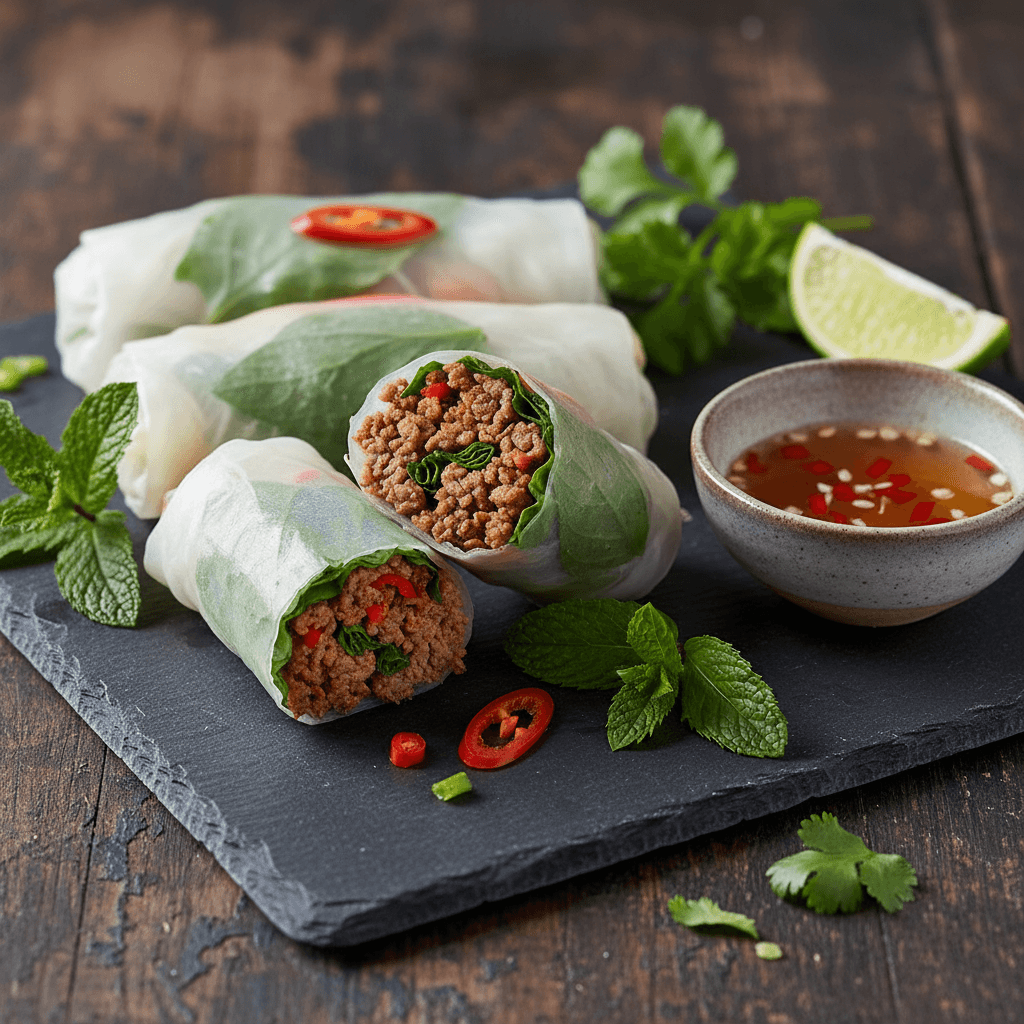
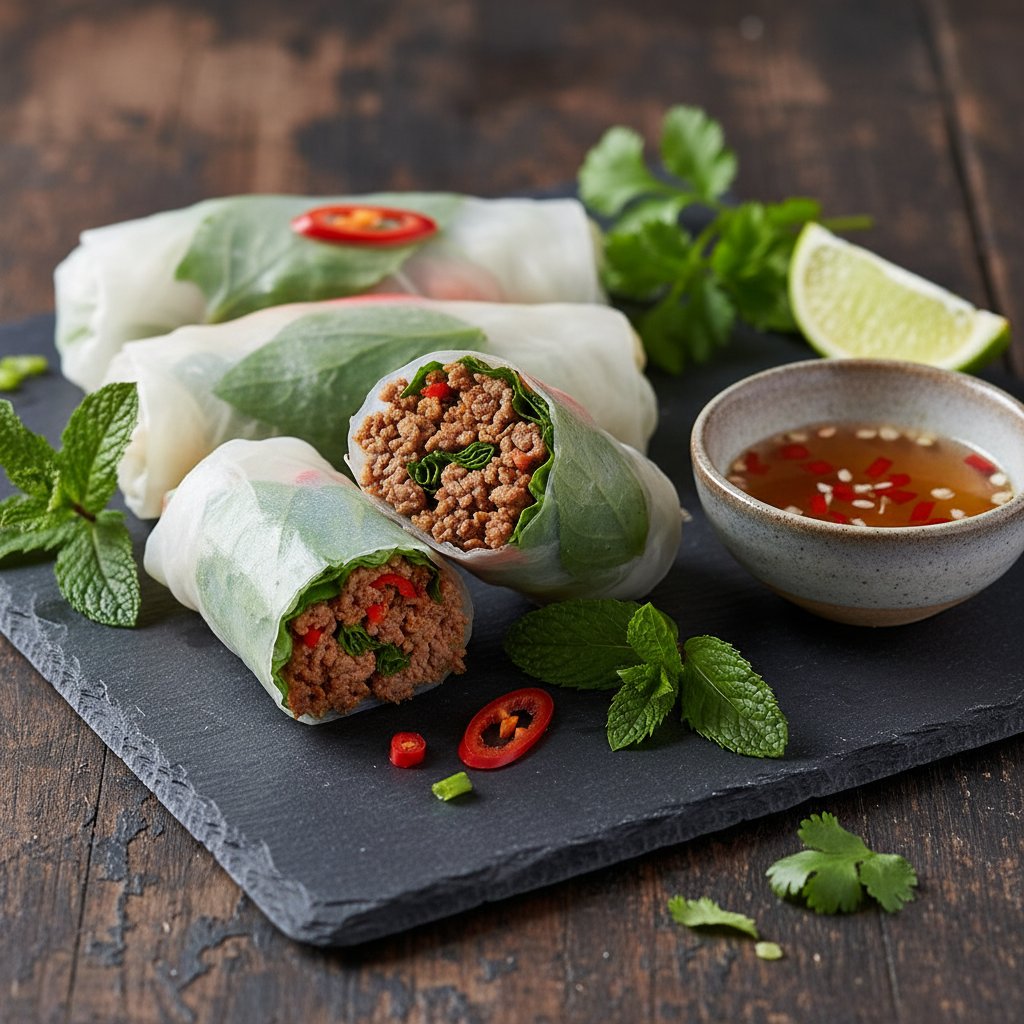
The rolling technique is similar to making a burrito. Fold the bottom edge of the wrapper up and over the filling, tucking it in snugly. Then, fold in the left and right sides. Finally, roll it forward into a tight, neat cylinder. The translucent paper will beautifully showcase the colors of the ingredients inside—the deep brown of the beef, the vibrant green of the herbs, and the flecks of red chili. Place the finished roll on a platter and cover it with a damp cloth to prevent it from drying out while you assemble the rest.
The eating experience is a journey of textures and flavors. Serve the platter of fresh rolls alongside the zesty, potent Nam Jim dipping sauce. To eat, simply take a roll and dip it generously. The first bite is a revelation: the soft, chewy wrapper gives way to the crisp lettuce, the tender, savory-spicy beef, and the bright pop of fresh herbs. Then, the dipping sauce hits your palate with its electric combination of tangy, sweet, and salty notes, cleansing your palate and preparing you for the next bite. It's a complete, harmonious experience that is both incredibly satisfying and wonderfully light.
Make It Your Own
One of the greatest joys of cooking is making a recipe your own. These Thai Basil Beef Rolls are a fantastic template for creativity. The first and easiest adjustment is the spice level. If you love heat, add more Bird's eye chilies or leave the seeds in. For a milder version, use fewer chilies, deseed them, or substitute with a milder pepper like a jalapeño.
You can also easily swap the protein. Ground chicken or turkey work beautifully and create a lighter filling. For a seafood version, finely chopped shrimp would be delicious, cooked just until pink and fragrant. To create a wonderful vegetarian or vegan option, replace the beef with crumbled firm tofu or a mix of finely chopped shiitake and cremini mushrooms. Sauté the mushrooms until they release their water and begin to brown, then proceed with the sauce and basil as written. Be sure to use a vegetarian oyster sauce and a vegan fish sauce alternative.
Don't hesitate to add more texture and flavor inside the rolls. Thinly julienned carrots, crisp bean sprouts, or sliced cucumbers add a delightful crunch. For a more substantial roll, you can add a small amount of cooked, room-temperature rice vermicelli noodles. And for a little nod to my own Levantine kitchen, I sometimes make a fusion dipping sauce. I’ll follow the base recipe for the Nam Jim but add a teaspoon of rich pomegranate molasses. Its deep, tangy sweetness adds a surprising and delicious layer of complexity that pairs wonderfully with the beef.
Keeping and Reusing Leftovers
While Thai Basil Beef Rolls are at their absolute best when served fresh, you can certainly manage leftovers with a little planning. The assembled rolls are the trickiest part. The rice paper can become tough and dry in the refrigerator. If you must store them, wrap each roll individually in plastic wrap and keep them in an airtight container for up to 24 hours. A quick tip: you can briefly microwave a stored roll for 10-15 seconds to soften the wrapper again.
The cooked Thai basil beef filling, however, stores beautifully. Keep it in an airtight container in the refrigerator for up to 3-4 days. This is where you can get really creative. For a fantastic next-day lunch, simply reheat the filling and serve it over a bowl of hot jasmine rice for a classic Pad Kra Pao experience, topped with a crispy fried egg if you like. The rich yolk mixing with the savory beef is pure comfort.
You can also use the leftover filling to make wonderful lettuce wraps. Just scoop the warm beef into crisp butter or iceberg lettuce cups and drizzle with any remaining dipping sauce. For a quick breakfast, scramble the beef filling with a couple of eggs. The filling can also be frozen for up to two months. Let it thaw in the refrigerator overnight before reheating in a skillet.
Your Questions Answered
Can I use regular Italian basil instead of Thai holy basil?
You can, but it will significantly change the flavor of the dish. Italian basil is sweet and delicate, while Thai holy basil is pungent, peppery, and has a distinct clove-like taste that defines Pad Kra Pao. If you can't find holy basil, Thai sweet basil (which has a slight anise flavor) is a closer and better substitute.
My rice paper wrappers keep tearing! What am I doing wrong?
There are a few common culprits. You might be soaking the wrapper for too long; 15-20 seconds in warm (not hot) water is usually enough. It should still be slightly firm when you pull it out. Also, be careful not to overfill the rolls. Finally, be gentle but firm when you roll, tucking everything in tightly to create a stable cylinder.
Is there a good halal substitute for fish sauce?
While high-quality, halal-certified fish sauce is the best option for authentic flavor, you can make a substitute in a pinch. A good vegan alternative can be made by simmering water with dried shiitake mushrooms, seaweed, and soy sauce to create a savory, umami-rich liquid. However, for the truest Thai flavor, sourcing a proper halal fish sauce is worth the effort.
How can I make these Thai Basil Beef Rolls ahead of time for a gathering?
The best way is to prep all the components separately. You can make the beef filling and the dipping sauce a day in advance and store them in the refrigerator. Wash and prep all your herbs and vegetables. When your guests arrive, all you need to do is warm the filling slightly and set up a 'rolling station' so everyone can have fun assembling their own fresh rolls.
What is a good non-alcoholic drink to serve with this dish?
The bright, spicy flavors of the rolls pair beautifully with something cool and refreshing. A classic Thai iced tea (made without sweetened condensed milk for a lighter version) is a perfect match. Other great options include a sparkling limeade with fresh mint, a fragrant lemongrass iced tea, or simply chilled coconut water.
Thai Basil Beef Rolls
Fresh rice paper rolls filled with a savory and spicy Thai basil beef stir-fry, served with a zesty lime dipping sauce. A perfect light meal or appetizer.
Prep Time
25 min
Cook Time
15 min
Total Time
40 min
Servings
4 servings
Ingredients
For 4 servings
- 1 tbsp avocado oil or other neutral oil
- 4 cloves garlic, minced
- 1 large shallot, thinly sliced
- 2-4 Thai bird's eye chilies, thinly sliced (adjust to taste)
- 1 lb (450g) lean ground beef (85/15 or 90/10)
- 2 tbsp halal-certified soy sauce
- 1 tbsp halal-certified oyster sauce
- 1 tbsp palm sugar or dark brown sugar, grated or minced
- 2 cups fresh Thai holy basil leaves, packed
- 16 sheets of 8-inch round rice paper
- 1 head of butter lettuce or green leaf lettuce, leaves separated
- 1 cup fresh mint leaves
- 1 cup fresh cilantro leaves
- For the Dipping Sauce (Nam Jim):
- 1/4 cup fresh lime juice (from 2-3 limes)
- 3 tbsp halal-certified fish sauce
- 3 tbsp water
- 2 tbsp granulated sugar or palm sugar
- 2 cloves garlic, finely minced
- 1-2 Thai bird's eye chilies, thinly sliced
Instructions
- 1
Prepare the Dipping Sauce
In a small bowl, combine the lime juice, fish sauce, water, and sugar. Whisk until the sugar is completely dissolved. Stir in the minced garlic and sliced chilies. Set aside to allow the flavors to meld while you prepare the rolls.
- 2
Sauté the Aromatics
Heat the oil in a large skillet or wok over high heat until it shimmers. Add the minced garlic, sliced shallot, and chilies. Stir-fry for about 30 seconds until fragrant, being careful not to burn the garlic.
- 3
Cook the Ground Beef
Add the ground beef to the skillet. Use a spoon to break it apart and spread it evenly across the hot surface. Allow it to sear for a minute before stirring to develop a brown crust, which adds significant flavor.
- 4
Continue Cooking and Season
Continue to stir-fry the beef, breaking up any large clumps, until it is cooked through and no longer pink. This should take about 5-7 minutes. Drain off any excess fat from the skillet if necessary.
- 5
Add the Sauce
Add the soy sauce, oyster sauce, and palm sugar to the skillet with the beef. Stir well to combine, ensuring the beef is evenly coated. Cook for another minute until the sauce has thickened slightly and glazes the beef.
- 6
Wilt the Holy Basil
Turn off the heat completely. Add the fresh Thai holy basil leaves to the skillet. Use the residual heat to toss the basil with the beef until the leaves are just wilted but still vibrant green. This preserves their incredible aroma.
- 7
Cool the Filling
Transfer the beef filling to a bowl and set it aside to cool for at least 10-15 minutes. The filling should be warm, not hot, when you assemble the rolls to prevent the rice paper from tearing or becoming gummy.
- 8
Set Up Your Rolling Station
Fill a large, shallow dish (like a pie plate) with warm water. Arrange your cooled beef filling, lettuce leaves, mint, cilantro, and rice paper wrappers on a clean work surface.
- 9
Hydrate the Rice Paper
Take one sheet of rice paper and fully submerge it in the warm water for 15-20 seconds, or until it becomes soft and pliable. Do not oversoak. Carefully lay the softened wrapper flat on your work surface.
- 10
Fill the Wrapper
On the bottom third of the wrapper, place a piece of lettuce, a few mint and cilantro leaves, and then about 2-3 tablespoons of the basil beef filling. Be careful not to overfill.
- 11
Roll It Up
Lift the bottom edge of the wrapper and fold it snugly over the filling. Fold in the left and right sides, like an envelope. Then, continue rolling from the bottom into a tight cylinder.
- 12
Repeat and Serve
Place the finished roll on a platter and cover with a damp towel to prevent drying. Repeat the process with the remaining ingredients. Serve the Thai Basil Beef Rolls immediately with the prepared dipping sauce.
Nutrition Facts
Per serving (estimated)
420 calories
Calories
35g
Carbs
28g
Protein
18g
Fat
4g
Fiber
950mg
Sodium
12g
Sugar